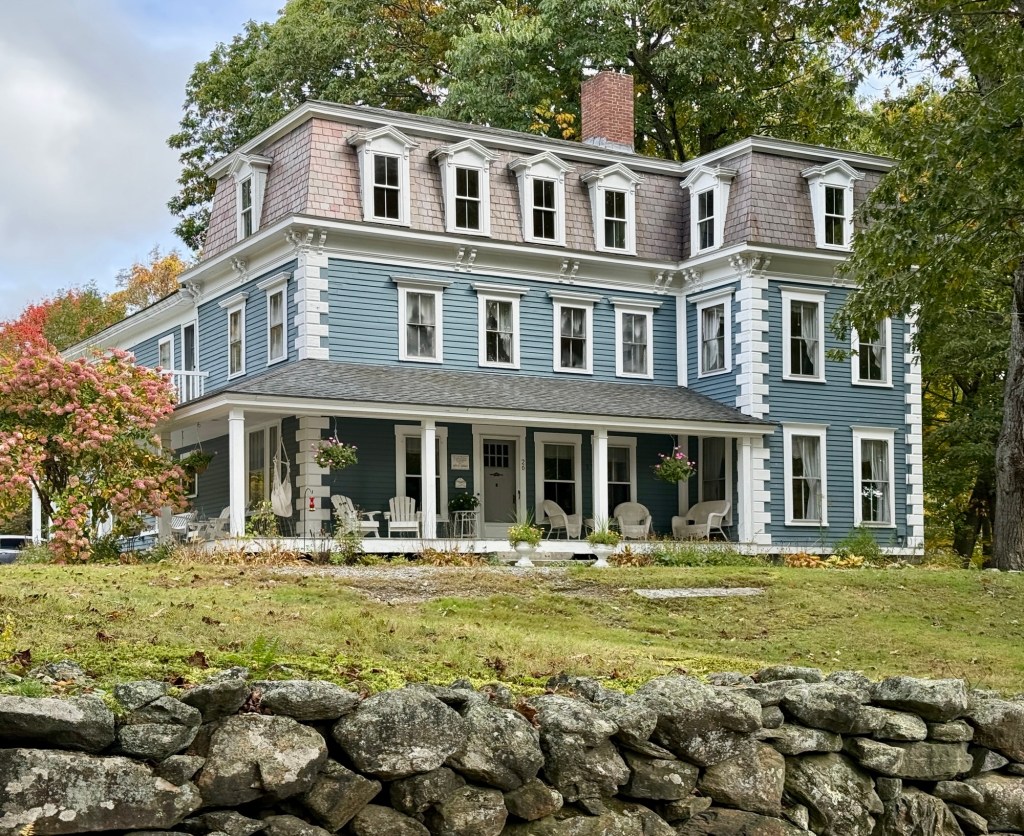
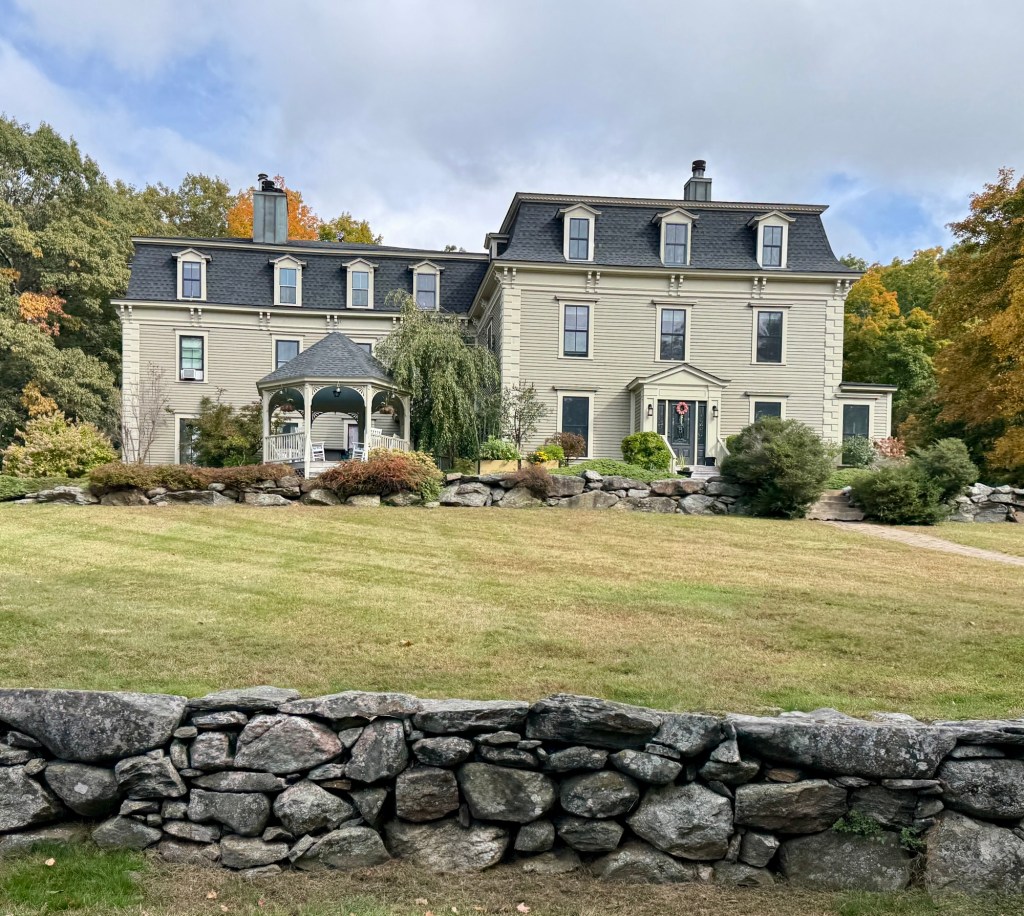
Mount Pleasant House – Edward Whitney House // 1875

After the Civil War, summer tourism boomed in New England towns, where city residents flocked to the coasts or mountain towns as a respite from the hot and polluted city. Princeton, Massachusetts, became a favorite location for Boston and Worcester families, due to the extensive farmland, forests, and hilly terrain which provided cool summer breezes of fresh air. Due to this, a number of summer hotels were built in Princeton, including the Mount Pleasant House in 1868. Owner, Charles Augustus Whittaker, opened the main block of the house to summer boarders in 1868, which would see immediate success. The three-bay mansard-roofed Second Empire style residence was outgrown in the first couple summers and in 1875, Whittaker would expand the building with two side wings of the same style, to accommodate up to 60 guests. Moses Goodnow (1846-1934), the nephew of Edward A. Goodnow, a wealthy benefactor to the town, would acquire the hotel in 1879 and operated the facility until 1908, when the summer hotels began to see less visitors. In 1912, wealthy Worcester-based manufacturers, Edward C. and Harry S. Whitney, purchased the Mount Pleasant House, subdivided its lot, and divided the house in two, each taking one half as their private summer residence. The original section was occupied by Harry and remained on its site and the wing, this house, was moved down the street for his brother, Edward. The building has remained a single family residence and is a stellar example of its style.
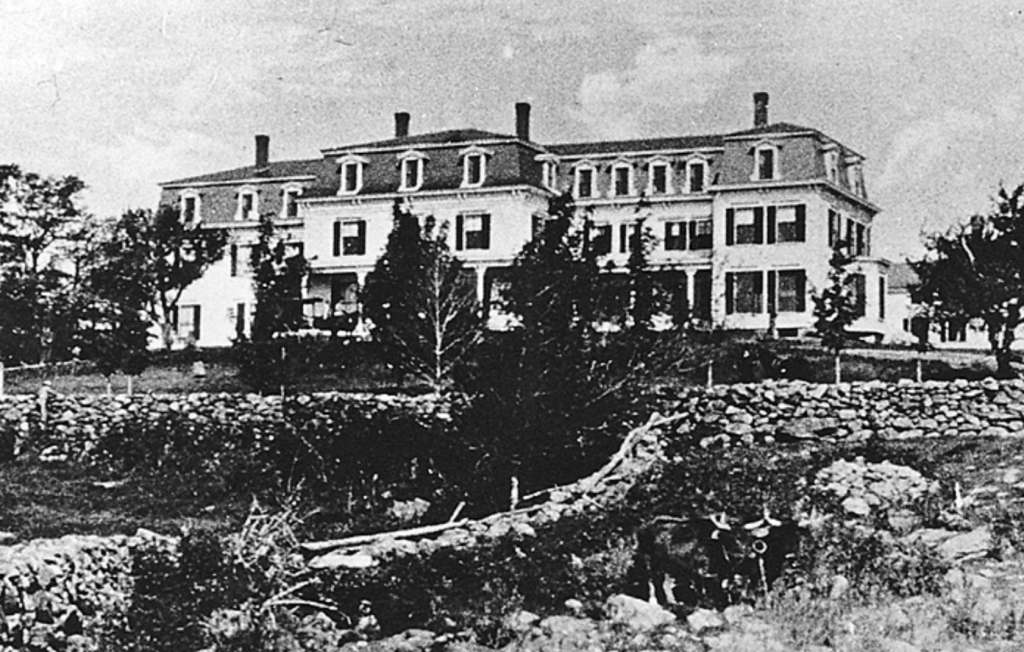
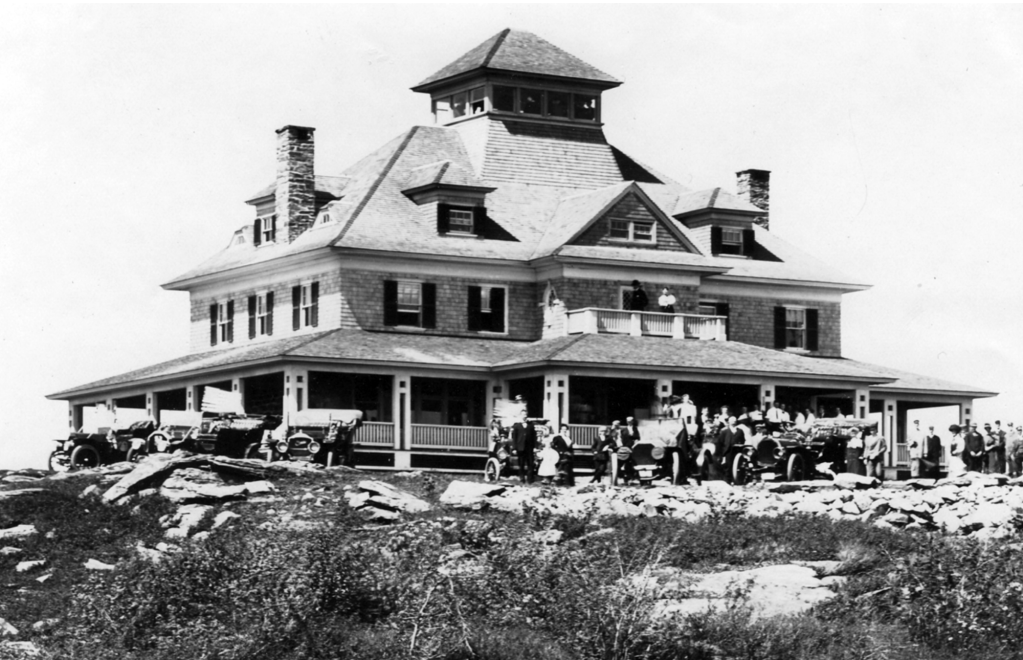
Original Mount Pleasant House before split.

Mount Pleasant House – Harry Whitney House // 1868

After the Civil War, summer tourism boomed in New England towns, where city residents flocked to the coasts or mountain towns as a respite from the hot and polluted city. Princeton, Massachusetts, became a favorite location for Boston and Worcester families, due to the extensive farmland, forests, and hilly terrain which provided cool summer breezes of fresh air. Due to this, a number of summer hotels were built in Princeton, including the Mount Pleasant House in 1868. Owner, Charles Augustus Whittaker, opened the main block of the house to summer boarders in 1868, which would see immediate success. The three-bay mansard-roofed Second Empire style residence was outgrown in the first couple summers and in 1875, Whittaker would expand the building with two side wings of the same style, to accommodate up to 60 guests. Moses Goodnow (1846-1934), the nephew of Edward A. Goodnow, a wealthy benefactor to the town, would acquire the hotel in 1879 and operated the facility until 1908, when the summer hotels began to see less visitors. In 1912, wealthy Worcester-based manufacturers, Edward C. and Harry S. Whitney, purchased the Mount Pleasant House, subdivided its lot, and divided the house in two, each taking one half as their private summer residence. The original section, this building, was occupied by Harry and remained on its site and the wing was moved down the street for his brother, Edward. The building remained a single family residence until the 1980s when it was converted to five condominium units, retaining its architectural integrity.

Original Mount Pleasant House before split.

Mount Wachusett Summit House // 1870-1970

Third Summit House, courtesy of Princeton Historical Society.

Built as three buildings over a span of one hundred years, Mount Wachusett’s Summit House stood over the town of Princeton, Massachusetts, and epitomized the rise of tourism in the community in the late 19th and early 20th centuries. In as early as 1866, William Morse began selling candy and cigars to summer tourists at the summit of Mount Wachusett, later building the first Summit House in 1870. The small stone building was a respite for visitors who walked or took horses up the mountain until 1874, when the Wachusett Mountain Company built a road to the top drawing even more visitors from the summer-resort boom in Princeton. As the mountain saw increased visitors, a second hotel, built in 1884 by Phineas A. Beaman, was constructed and nicknamed the “Tip Top,” with lodging in 30 rooms, with water supplied by a windmill on the shore of Summit Pond. Stagecoaches carried guests up from the Princeton train depot, and the season is estimated to have drawn around 30,000 visitors a year at its peak. The third Summit House, built in 1907, is known from postcards as a hotel that treated the summit as a parlor. The building was slated for demolition in 1970 to make way for a new recreational facility, but burned to the ground later in the year. Today the hotels are gone, but the summit still draws visitors by foot, car, or ski gondola, who take in the views of Massachusetts.

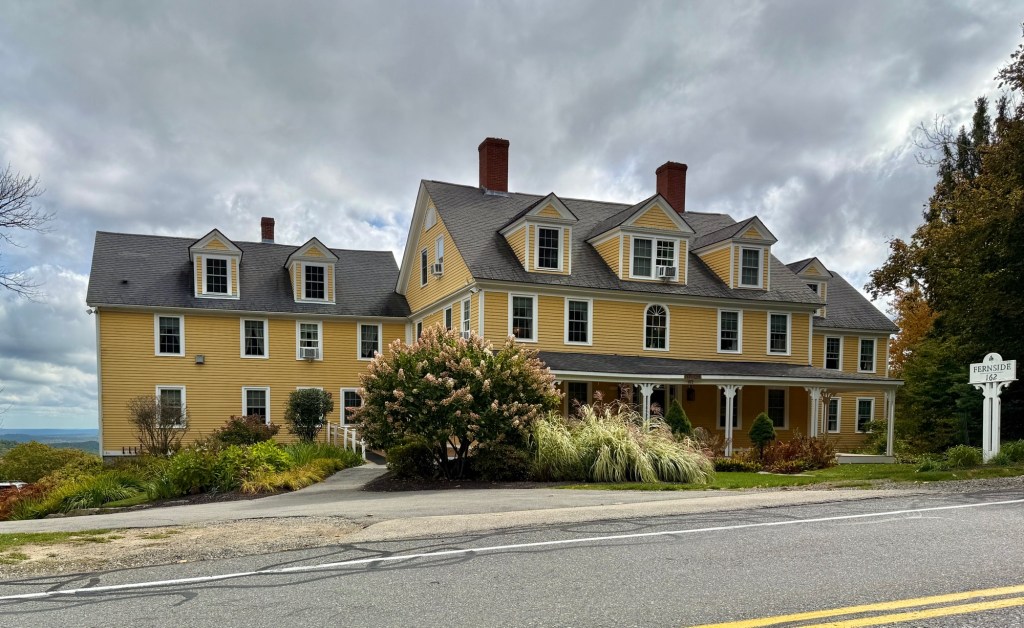
Captain Benjamin Harrington House – Fernside // 1835

Near the side of Mount Wachusett in Princeton, Massachusetts, Fernside has seen nearly two centuries of changing use but has maintained its significance all the while. This house was originally built in 1835 by Captain Benjamin Livermore Harrington (1774-1851) as a late example of a Federal style farmhouse with a symmetrical, five-bay facade and center entrance. Local resident, Wilkes Roper, bought the house in 1870 as the town of Princeton became desirable as a summer retreat, offering visitors cool mountain breezes and sweeping views of central Massachusetts. Mr. Roper added the side wings and opened the house as the Summer House Hotel, primarily renting rooms to Harvard professors and students. By 1890, the building had become the Vacation House for Working Girls. Renamed Fernside, the property became a resort for working women who could not otherwise have afforded a vacation. A week’s stay would have cost these ladies $4 in 1900. Guests arrived by train and were met by the Fernside carriage, which brought them and their luggage to the property. While staying here, the girls hiked the mountain, enjoyed fresh vegetables from the garden, and spent evenings in the library with charades, musicals, theatricals and dancing. Fernside’s final summer as a vacation house was 1988. Today, the property is home to Fernside at McLean, a rehabilitation center operated by McLean Hospital.

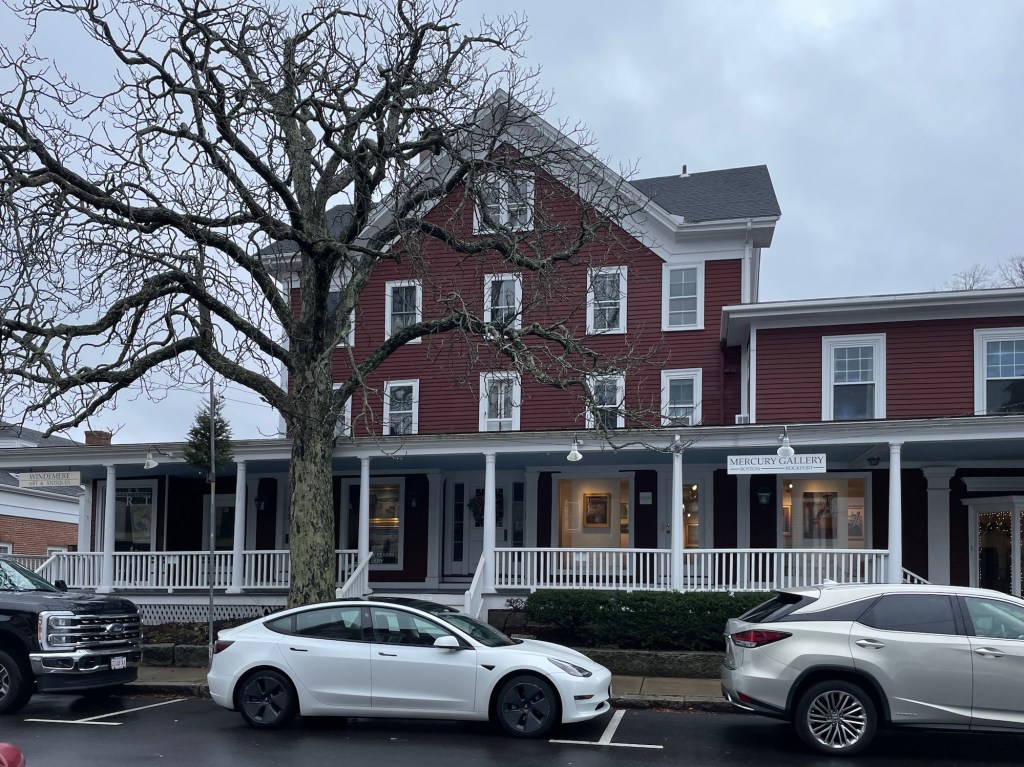
Old Granite Shore Hotel // c.1755

Reverend Ebenezer Cleveland (1725-1805) graduated from Yale College in 1749 and would move to Rockport (then a parish town of Gloucester) accepting the call as the village’s pastor for its Congregational Church. By around 1755, he lived in a house on this site next to the church before becoming a chaplain in the French and Indian War, fighting at the Battle of Bunker Hill, and helping to establish Dartmouth College. The property here was later owned by Jabez R. Gott, a deacon of the Congregational Church and the original cashier of the Rockport National Bank until his death in 1876. Sometime in the next decade, the Cleveland House was converted to a summer hotel, known as the Granite Shore Hotel. The original Georgian-era structure was heavily altered and expanded to provide new rooms and amenities for seasonal guests. An 1905 book showed rooms available at the Granite Shore for $2 a night. By 1919, the rates were $3 a day or between $15 and $18 a week! The hotel closed sometime in the 1940s and the building is now home to art galleries.