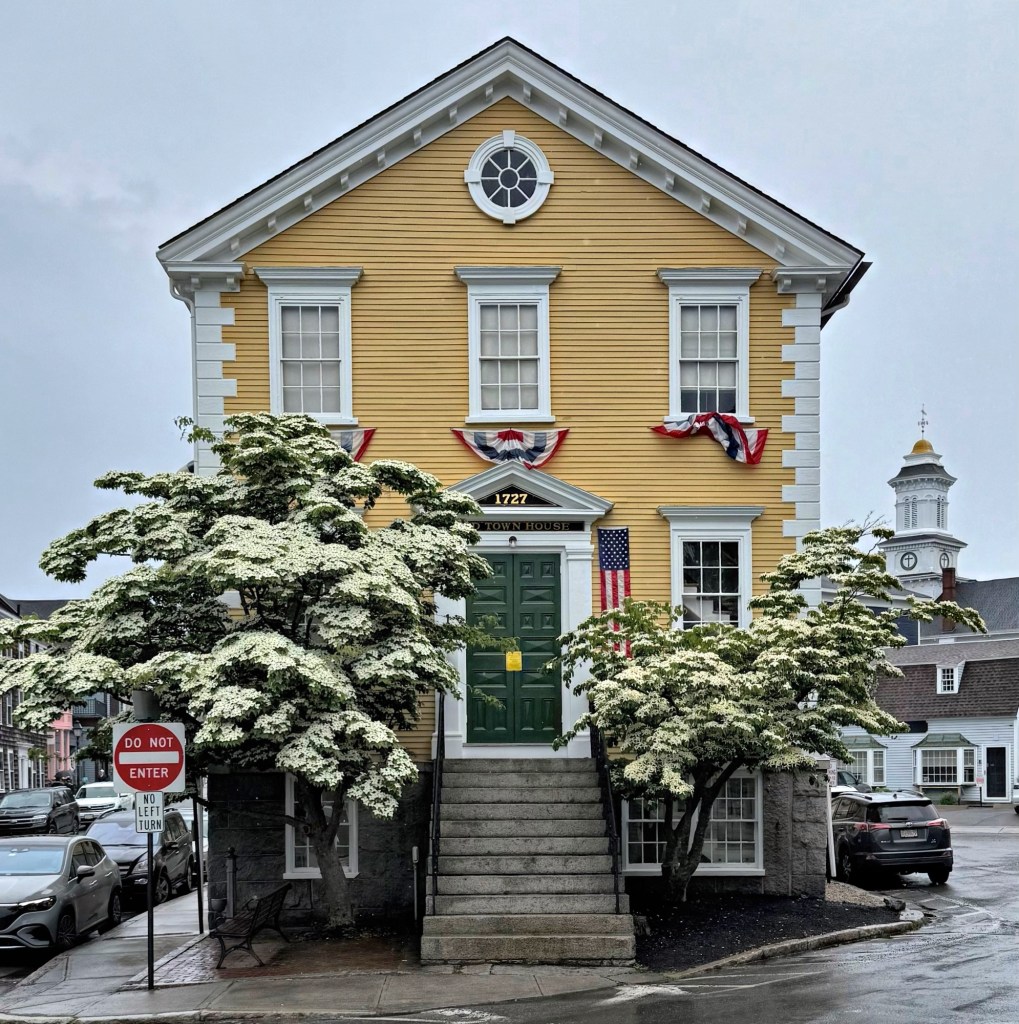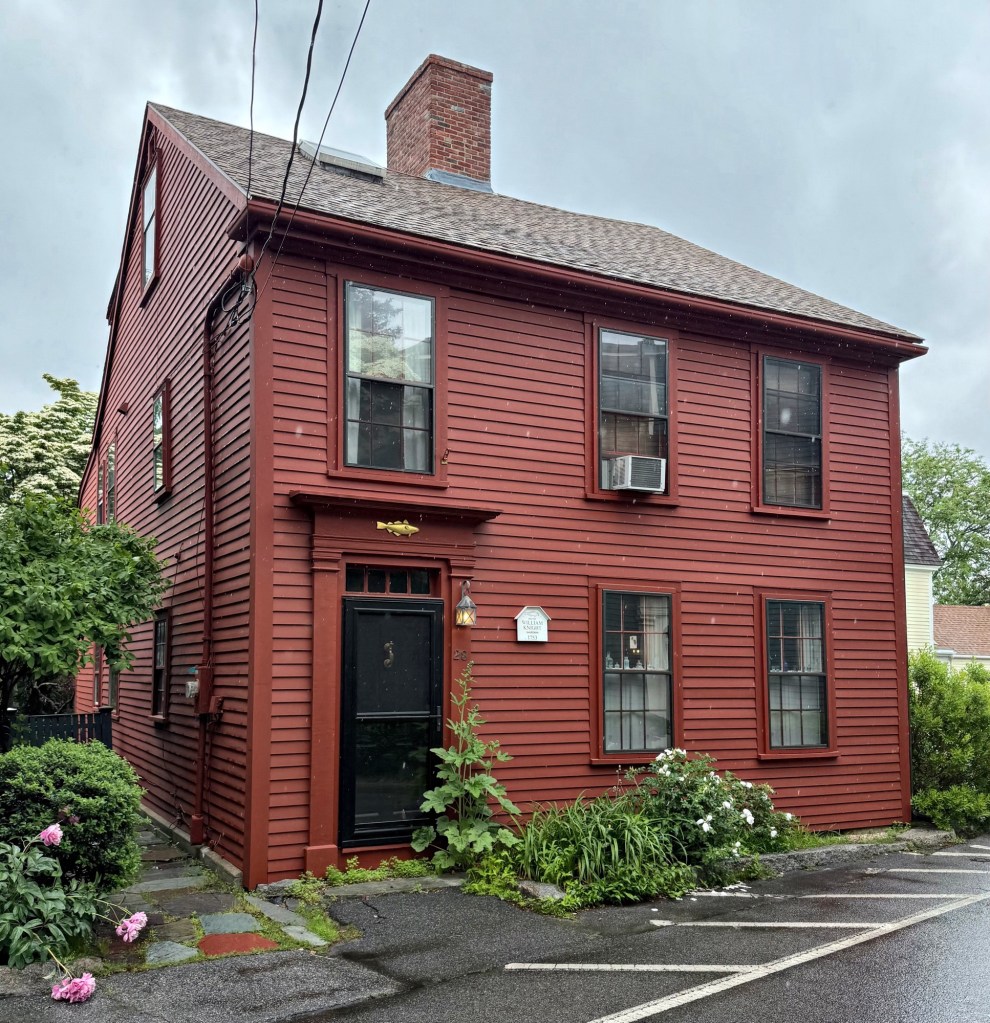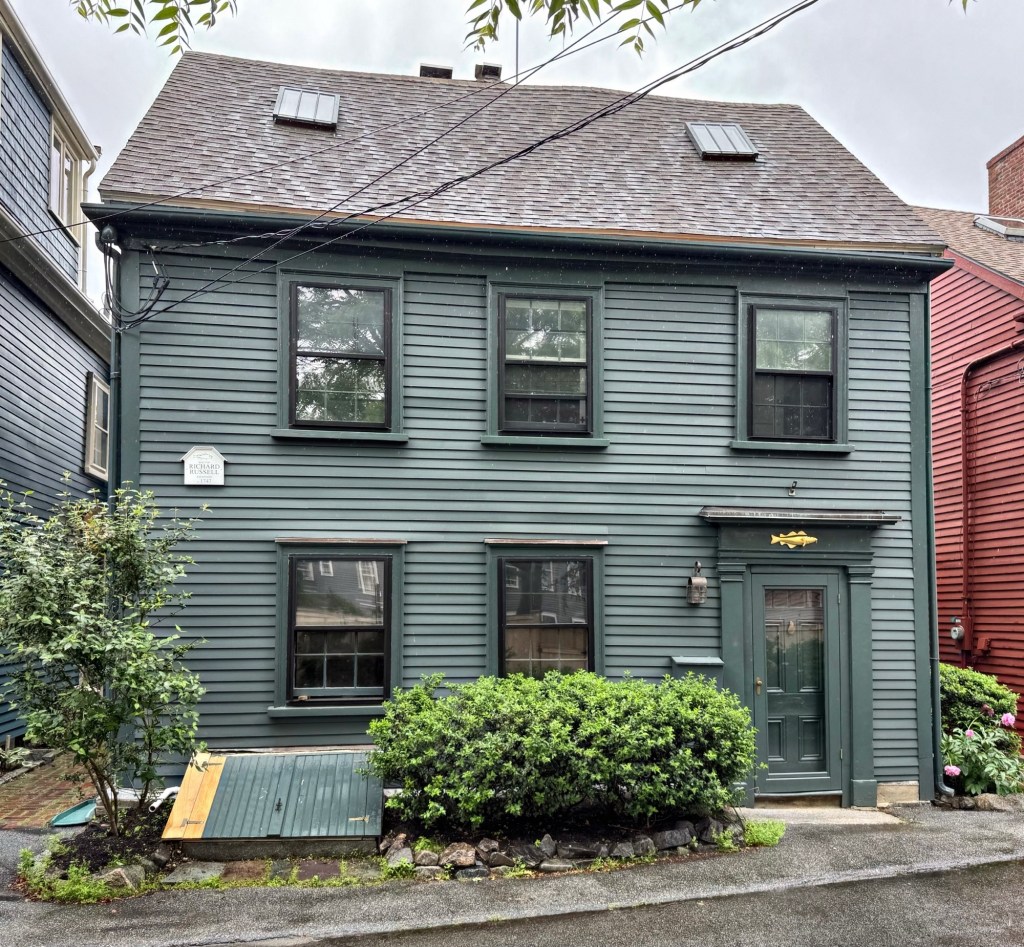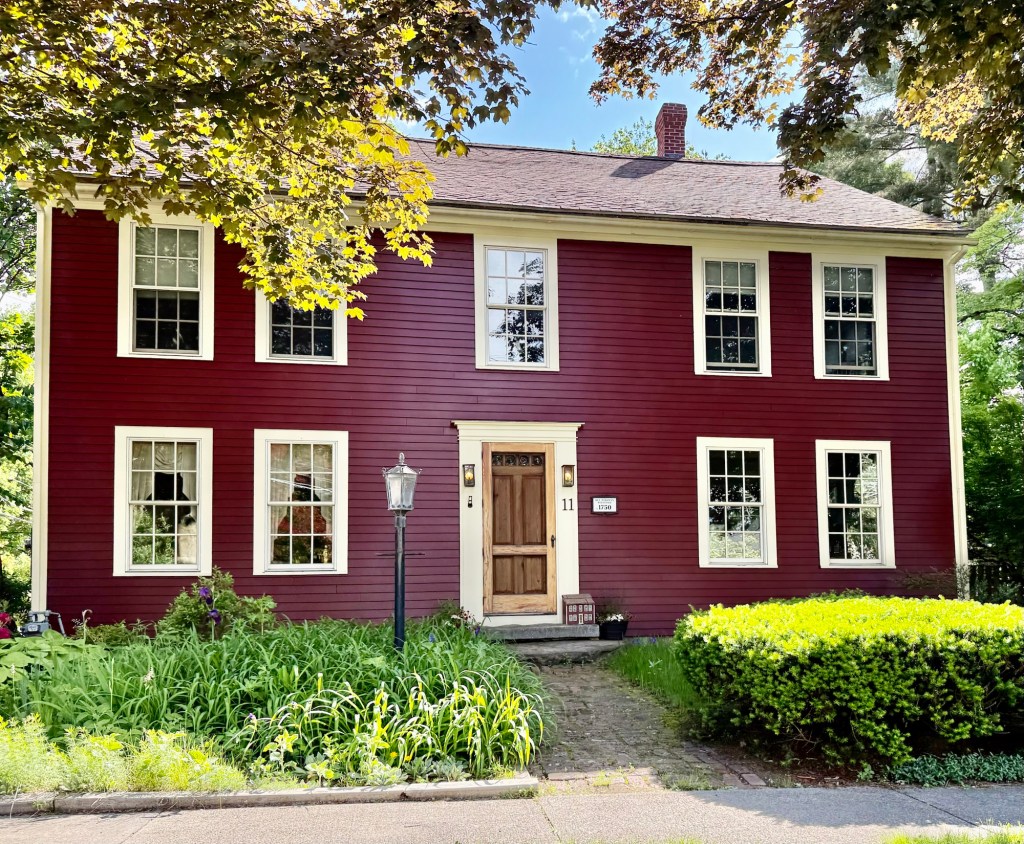
Edward Waldo House // c.1715

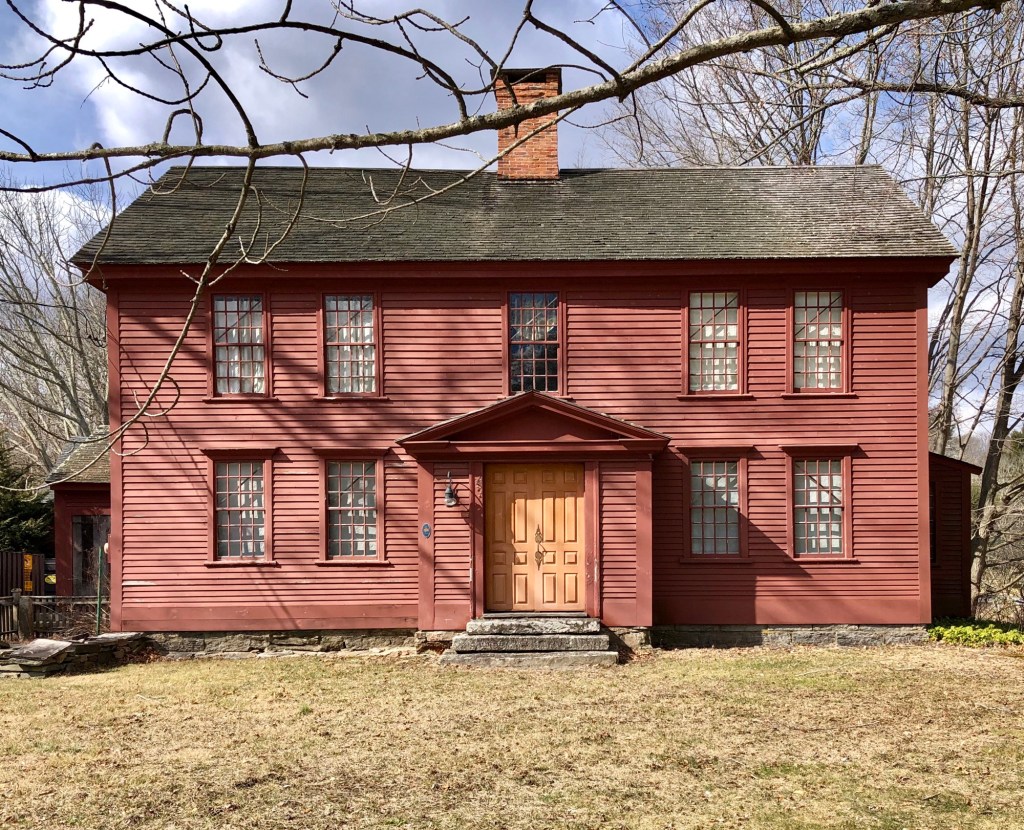
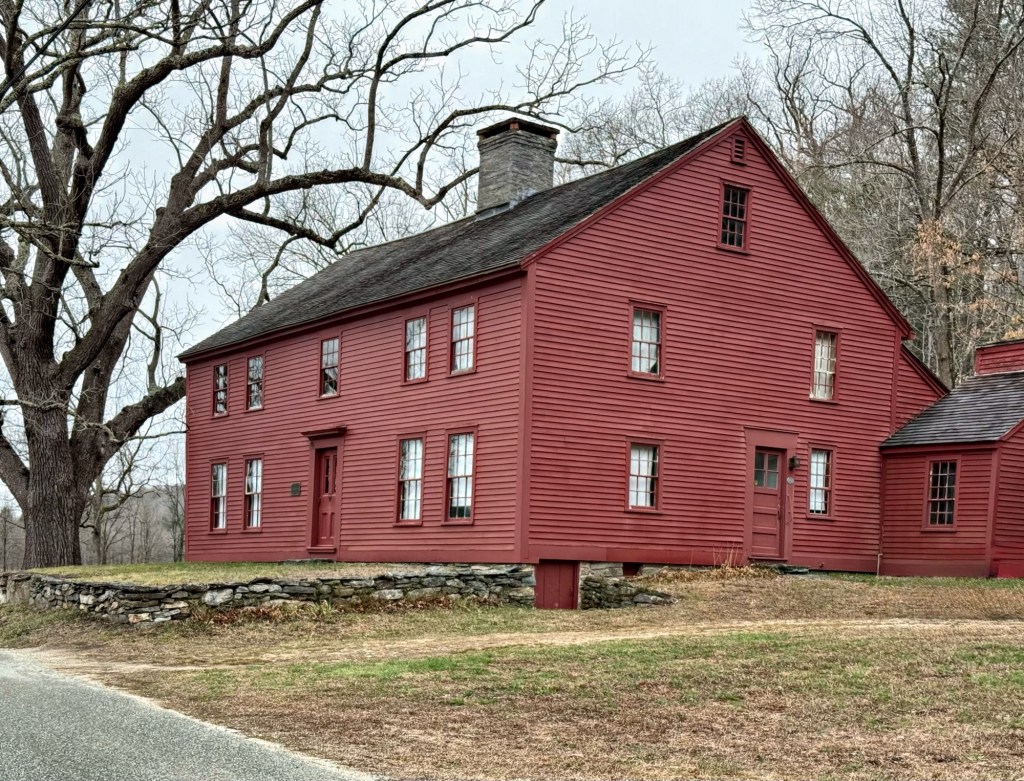
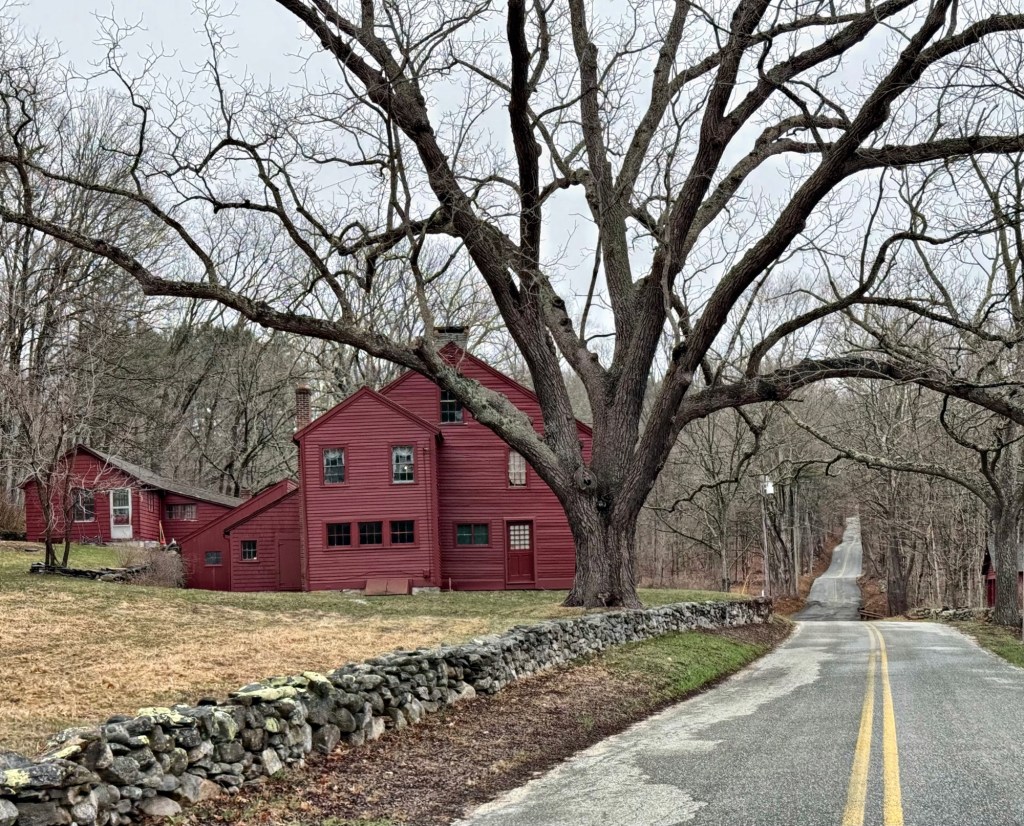
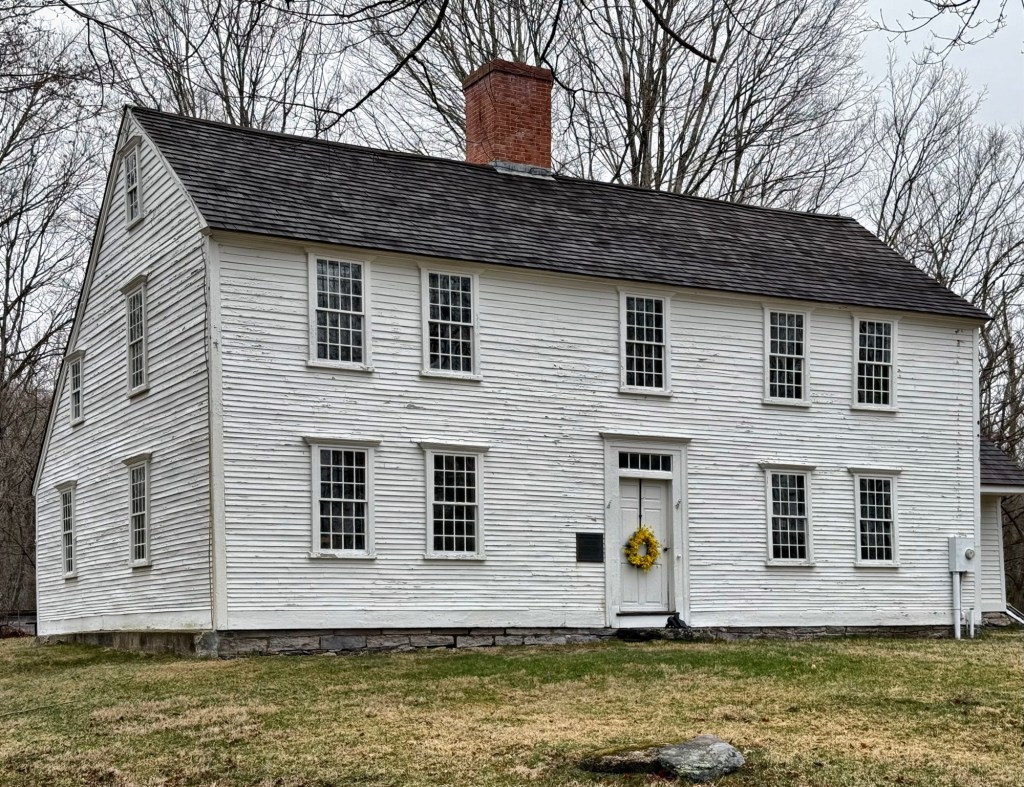
The Edward Waldo House in Scotland, Connecticut, is a vernacular Georgian house with saltbox roof and wings which from its erection about 1715 until 1971 was owned by members of the Waldo family. Edward Waldo (1684-1767) purchased land here along the Shetucket River in 1702 and by 1715, erected this house. The saltbox house which Edward Waldo built was one of the first houses in the town of Scotland and would remain in successive generations of the family for centuries. The house was the birthplace of Samuel Lovett Waldo (1783-1861), a portraitist who was a founder of the National Academy of Design as well as Daniel Waldo, chaplain of Congress, 1856-1858, and was one of seven Revolutionary War veterans who, having survived into the age of photography, were featured in the 1864 book The Last Men of the Revolution. The last Waldo owner, Miss Ruth Waldo died in1975. She insured the preservation of her family homestead by bequeathing the house, its contents, and about 15 acres of land to the Antiquarian & Landmarks Society of Connecticut Inc. and the surrounding acreage to the Connecticut Forest and Park Association, creating an enduring legacy for centuries to come. The house, set amongst a quiet country road, is evocative of early days in Scotland, Connecticut, and is one of the finest-preserved Colonial homes in this part of the state. 

Huntington Homestead // c.1715

The Huntington Homestead in Scotland, Connecticut, was the birthplace and boyhood home of Samuel Huntington (1731–1796), a Founding Father, a signer of the Declaration of Independence and a distinguished statesman during the Revolutionary War and early Republic. The remarkably well-preserved site includes an eighteenth century house on its original foundation surrounded by acres of farmland and is now protected as a museum. The house was built sometime between the transfer of land in 1715 from Deacon Joseph Huntington to his son Nathaniel, and Nathaniel’s marriage in 1723 to Mehetabel Thurston. As originally constructed, the house consisted of a two-story structure with an end chimney on the west end and one large room on each floor. By the time of Nathanielís death in 1767, the house had been doubled in size with the addition of two rooms west of the chimney, giving the house its current five-bay form. The Georgian style Colonial-era home features a symmetrical facade, twelve-over-twelve windows, and a saltbox roof and is one of the finest Colonial-era homes in this part of the state.

Captain John Felt House // 1757

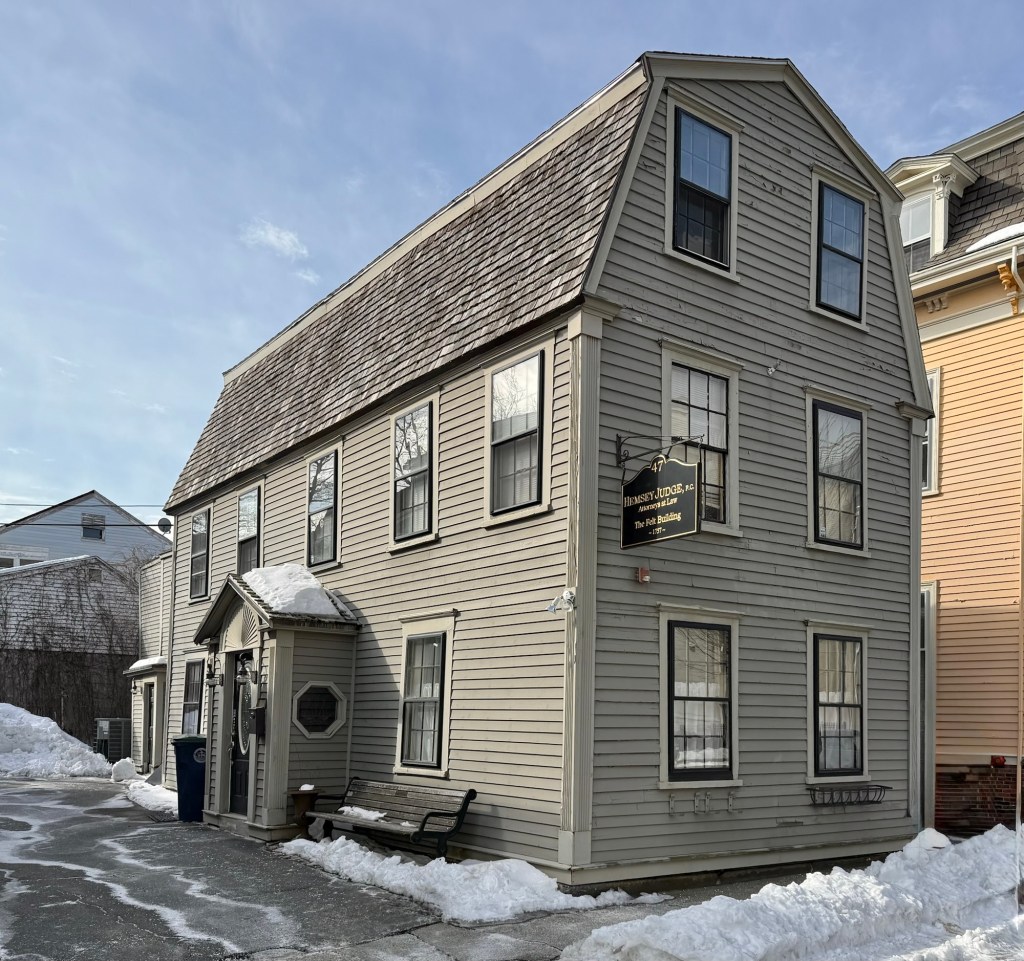
The Captain John Felt House on Federal Street in Salem, Massachusetts, is a surviving Georgian residence with ties to the American Revolution. In May 1757, John Felt purchased a lot on present-day Federal Street from Benjamin Lynde for 52 pounds, and began building his family home here. John Felt, a Salem native, worked as a “shoreman,” but was primarily an owner of vessels involved in the coasting trade, also owning a large warehouse to store the goods from the West Indies brought in by his ships. Felt’s title of “Captain” came from his involvement in the Essex county militia. Captain Felt was a key figure in Leslie’s Retreat, also called the Salem Gunpowder Raid, which took place on February 26, 1775, in Salem. British Colonel Alexander Leslie led a raid to seize suspected cannons from a makeshift Colonial armory in Salem. Instead of finding artillery, Leslie encountered an inflamed citizenry and militia members ready to stop his search. These colonists flooded Salem’s streets, preventing Leslie’s passage and forcing him to negotiate. Ultimately, the Salemites convinced the British Regulars to stand down and return to Boston. No shots were fired, and no one was seriously injured—but tensions were high and a skirmish was evident until Captain Felt stated, “If you do fire, you will all be dead men.” Had a soldier or a colonist gone rogue and fired their weapon, the American Revolution might have begun in Salem, and not Concord just weeks later. After the Revolution, Captain Felt sold his house and moved to present-day Danvers. After centuries of successive ownership by merchants, today, the Felt House is used (at least in part) as professional law offices.

Pierce Homestead // c.1750

Built before the American Revolution, this large Georgian residence is one of the oldest extant houses in the charming town of Cornwall, Connecticut. Located on Popple Swamp Road just outside the central village, the Pierce Homestead dates to circa 1750 (the sign dates the house to 1768, but information from the town history mentions a house there earlier) and is a stellar example of a simple, two-story Georgian house with five-bay facade and 12-over-12 sash windows. This property was purchased by Joshua Pierce in 1748 and included over 300-acres of farmland, the farmhouse was likely built within a matter of years. The house was likely expanded and modernized by his son, Seth Pierce, who inherited the property in the 1790s. The farm remained in the Pierce Family for generations and was lovingly restored in the 20th century. It is a great example of a well-preserved 18th century farmhouse in Litchfield County, Connecticut.

Shaw-Thurston Double House // c.1760

This pre-Revolutionary double-house is located at 128-130 Prospect Hill Street in the architectural historian paradise that is Newport, Rhode Island. This property was originally platted and purchased in 1752 by Anthony Shaw. By 1760, local papers advertised the property for sale, giving a built-by date. In 1777, the house was owned by Anthony Shaw Jr. and John Thurston. The property was purchased before the Civil War and went into single-ownership, which has remained to this day. The house, while seemingly a single-family, is preserved lovingly by the owners, who even retained the second front door!

Wright Homestead // 1767

This large, brick gambrel-roofed Colonial home in West Goshen, Connecticut, was built over decades beginning before the American Revolution and has remained in the same family ever-since! In 1767, Captain Jabez Wright (1737-1813) married Martha Baldwin of Goshen, and began constructing this farmhouse of brick. When the war broke out, he fought in New York, he also served as captain of a company of Connecticut militia, turning out to repel the British forces at New Haven. He would largely complete the home by 1787, and ultimately died in 1813. After successive ownership of generations of the Wright family, the property was owned by Henry G. Wright (1831-1917), a farmer who represented Goshen in the state legislature and held many town positions. The first Methodist sermons in town were also held in the home. Henry Wright died at 86 years old on this property, after being attacked by a bull. When entertaining guests, he showed others a prized bull, and possibly fell into the pen, and was trampled and attacked. The Wright Homestead is unique for its brickwork with bonds and burned headers, resembling many Colonial-era homes in Virginia, but this house can be found on the back roads of Goshen, Connecticut!

Dickinson–Pillsbury House // c.1700

The Dickinson-Pillsbury House is believed to be over 320 years old and is significant as a well-preserved example of a First Period house in good condition. Located on Jewett Street in Georgetown, Massachusetts, the house was seemingly built before 1700 by James Dickinson Sr. or James Dickinson Jr. and was inherited by Samuel Dickinson (1754-1841). The house is notable for being the home of War of 1812 veteran and inventor Paul Pillsbury, who purchased the property about 1801. His inventions included devices for pegging shoes, milling bark off tree sections, and stripping kernels from ears of corn. Paul Pillsbury and his wife Elisabeth Frink had a family of seven sons and one daughter. Paul Pillsbury was also the uncle of abolitionist Parker Pillsbury and the great-uncle of attorney Albert E. Pillsbury who drafted the bylaws of the NAACP. What an incredible family! The house is well-preserved and a great example of a First Period residence from the 17th century.

Eleazar Spofford House // 1765

One of the many pre-Revolutionary homes in Georgetown, Massachusetts, the Spofford House is located on Andover Road, an important route which was occupied by many residences of the Spofford Family. In 1667,  John Spofford and his family became the first permanent (European) residents in what would become Georgetown. Generations later his ancestor, Eleazar Spofford (1739-1828) would build this home in 1765 to be occupied by his new wife married that year, Mary Flint, and their new family. The Georgian farmhouse has been significantly altered since its original date of construction, but retains its general form and character even with later 19th and 20th century additions, porches, and windows. The Spofford’s had six children in this home and would later move to Jaffrey, New Hampshire after the Revolution, but returned and settled in nearby Groveland. Later generations of the Spofford’s would live-in and modify the home until it finally sold out of the family in the 20th century.

Sabbathday Lake Shaker Meetinghouse // 1794

The last active Shaker community in the world can be found in New Gloucester, Maine. The Shakers migrated to Colonial America in 1774 in pursuit of religious freedom and developed from the religious group called the Quakers, which originated in the 17th century. Both groups believed that everybody could find God within him or herself, rather than through clergy or rituals, but the Shakers tended to be more emotional and demonstrative in their worship. Shakers also believed that their lives should be dedicated to pursuing perfection, continuously confessing their sins, and attempting a cessation of sinning, including sex and marriage. They built 19 communal settlements (so far I have featured two: Enfield Shaker Village and Canterbury Shaker Village) that attracted some 20,000 converts over the next century and maintained their numbers through conversion and adoption of orphans, numbers which have dropped to just three active members in 2024! The Sabbathday Lake community was established in 1782 and grew to a size of 1,900 acres with 26 large buildings by 1850. This building, the Shaker’s meetinghouse, was built in 1794 with all materials and labor supplied by the community. The small but significant structure remains a landmark in the community and is occasionally open for tours.

Isaac Appleton Homestead // 1756

One of the oldest (if not the oldest) extant houses in Ipswich, New Hampshire is this Colonial home on Appleton Road, which gets its name from the first owner, Isaac Appleton. Deacon Isaac Appleton III (1731-1806) was one of the town’s original settlers who came to New Ipswich from Ipswich, Massachusetts. He held the office of town clerk and of selectman and was a deacon for thirty years. He responded to the call to arms from Concord to fight in the American Revolution. Deacon Isaac Appleton III was the father of Samuel Appleton, a wealthy Boston merchant; and Nathan Appleton, a merchant and politician in Boston and head of the famous Appleton Family which would influence Boston business and politics for generations. Samuel Appleton would fund and establish the Appleton Academy in New Ipswich, the second oldest in New Hampshire after Phillips Exeter Academy. The Isaac Appleton Homestead remains in a great state of preservation and sits just outside the town center.