Wilder Mansion // c.1738

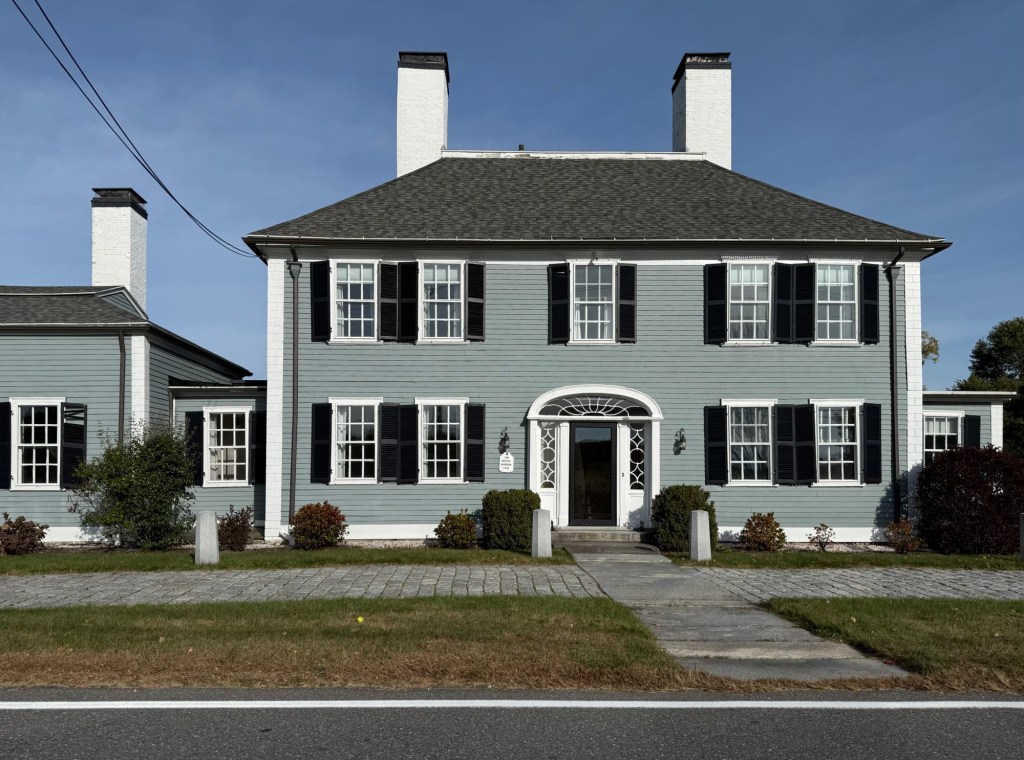
The Wilder Mansion at 101 Wilder Road in Bolton, Massachusetts, was built in about 1738 as an early Georgian farmhouse by Josiah Richardson, a Revolutionary War veteran who died in the home in 1799. By 1814, Sampson Vryling Stoddard Wilder purchased the property and “modernized” the old farmhouse which due to its location along the Bay Path, a major east-west route from Lancaster to Boston, operated it as an inn and tavern. Mr. Wilder expanded the property, purchasing additional nearby farmland to create a country seat worthy of a wealthy agent for some of the most influential merchants in the shipping trade in Boston. During his tour of the United States in 1824, Marquis de Lafayette spent the night here on September 2nd between visits to Boston and Lancaster. Sampson V. S. Wilder lost the property following economic crises, and the property changed hands many times until the early 20th century. Stockbroker John L . Saltonstall (1878-1929), first cousin to Massachusetts Governor Leverett Saltonstall, hired Boston architects Bigelow & Wadsworth in 1910, to return the house to a more Colonial appearance. He and his family were apparently only summer residents here, and he was probably absent for a long period during the First World War, when he worked with the Navy and the War Trade Board in Washington, D.C. In about 1915, he sold the property, and in the early 1920’s he relocated to Topsfield, Mass. After WWI, the house had a series of short-term owners, one of which was Henry Forbes Bigelow, who designed the renovation of the house just years prior. Bigelow would later relocate to a new summer house nearby in Lancaster.

Fairlawn Mansion // 1883

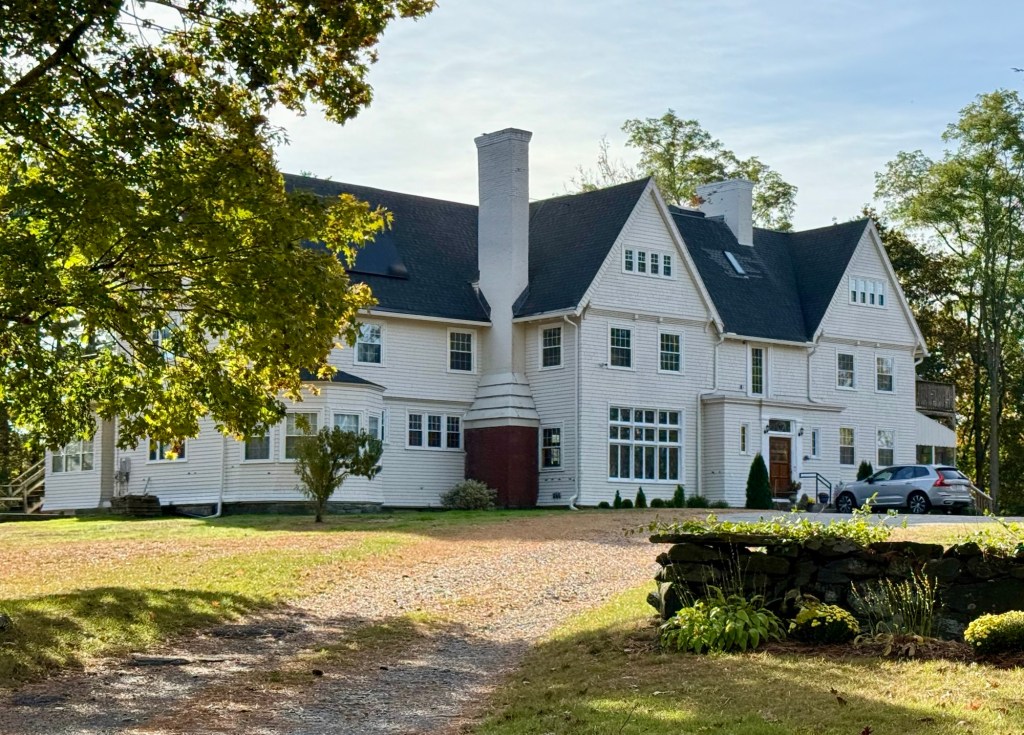
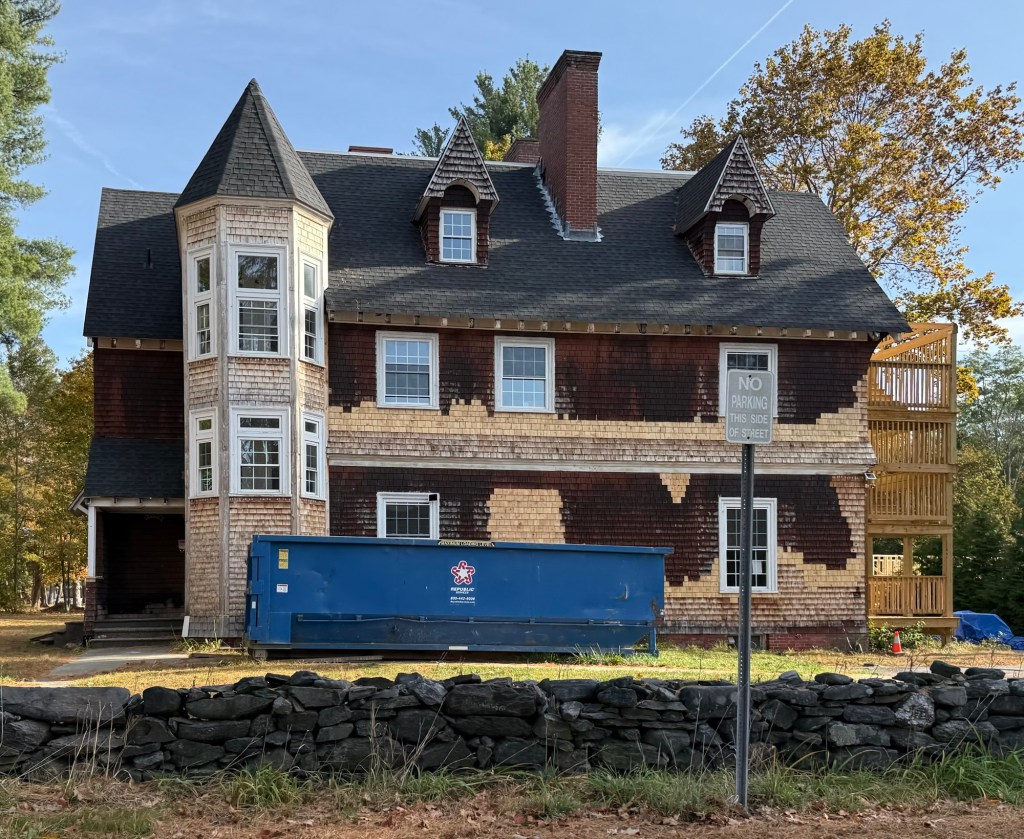
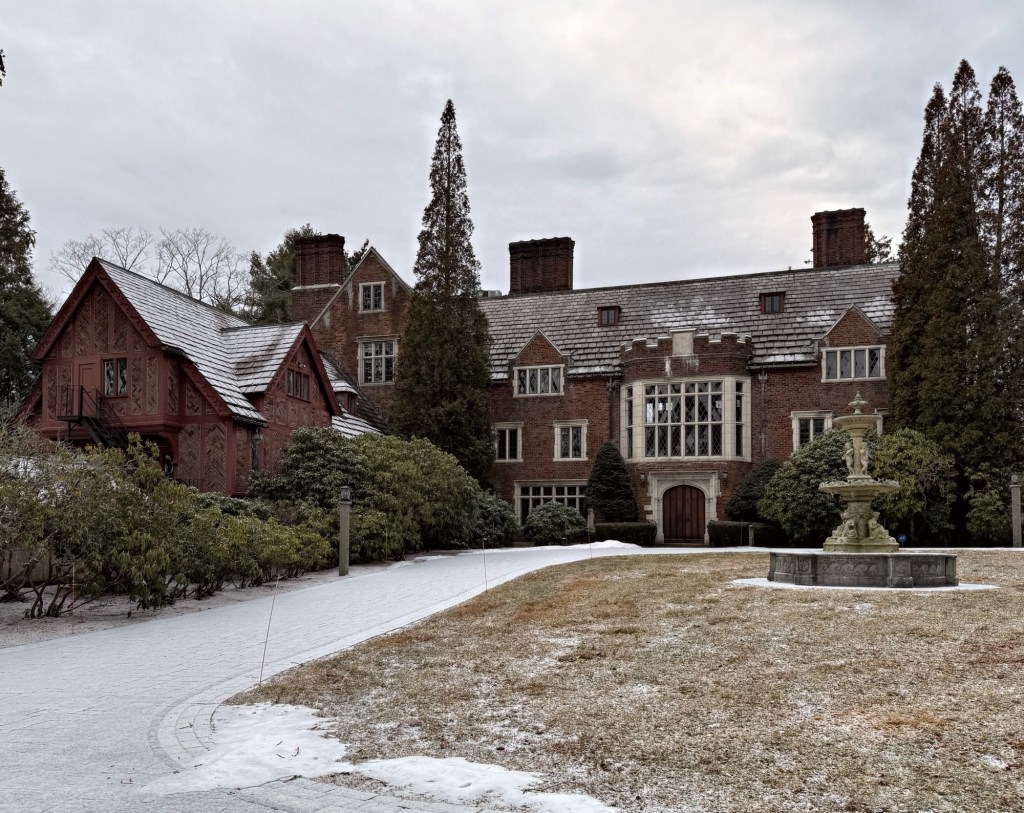
One of the great mansions built for the wealthy Thayer Family, “Fairlawn” stands as one of the finest Gilded Age homes in Lancaster, Massachusetts. This home was built for Eugene Van Renssalear Thayer (1855-1907), a financier and businessman, and his wife, Susan Spring Thayer. The gracious Richardsonianeque Shingle style house was designed by the Boston architectural firm of Andrews & Jacques as one of their first commissions after leaving the office of H. H. Richardson to establish their own practice. After the deaths of Eugene and Susan, the property was inherited by Susan Thayer Bigelow, the youngest daughter of the couple, and her husband, architect, Henry Forbes Bigelow. Under the ownership of Henry and Susan Bigelow, a massive renovation occurred, where Henry F. Bigelow oversaw in 1923, the removal of the south wing of the house, which was relocated to the south and became a detached residence, painted the brown-stained shingles white, and removed the Richardsonian arches to create a 20th century country house more in the Tudor Revival mode. From 1965, the property was owned by the former Atlantic Union College, and was colloquially known as the White House, but has since been sold to private owners. The former south wing, now a detached house, is under separate ownership. 

Detached portion of original house.

Charles P. Ware House // 1894

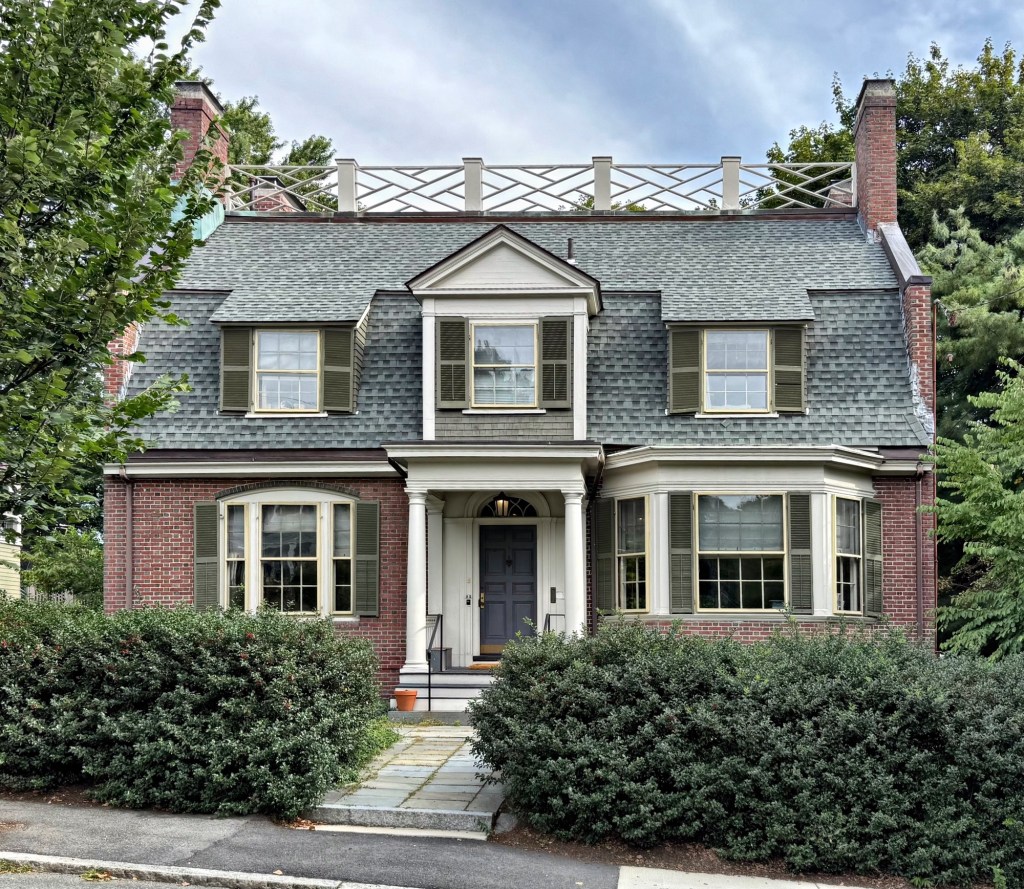
The Charles P. Ware House at 52 Allerton Street in Brookline, shows us that a house doesn’t have to be a mansion to make a statement! Built in 1894 from plans by architect, Henry Forbes Bigelow, this charming Colonial Revival cottage is notable for its brick construction with gambrel roof and brick endwalls rising as parapets. The home was built for Charles Pickard Ware (1840-1921) and wife, Elizabeth Lawrence (Appleton) Ware, who lived here until their deaths. Charles P. Ware was an educator, music transcriber, and abolitionist, who served as a civilian administrator in the Union Army, where he was a labor superintendent of freedmen on plantations at Port Royal, South Carolina during the Civil War. At one of the freedmen plantations, Seaside Plantation, Ware transcribed many slave songs with music and lyrics, publishing many in Slave Songs of the United States, which was the first published collection of American folk music. After Charles and Elizabeth Ware died in 1921 and 1926, respectively, the property was inherited by their son, Henry Ware, who was an attorney.