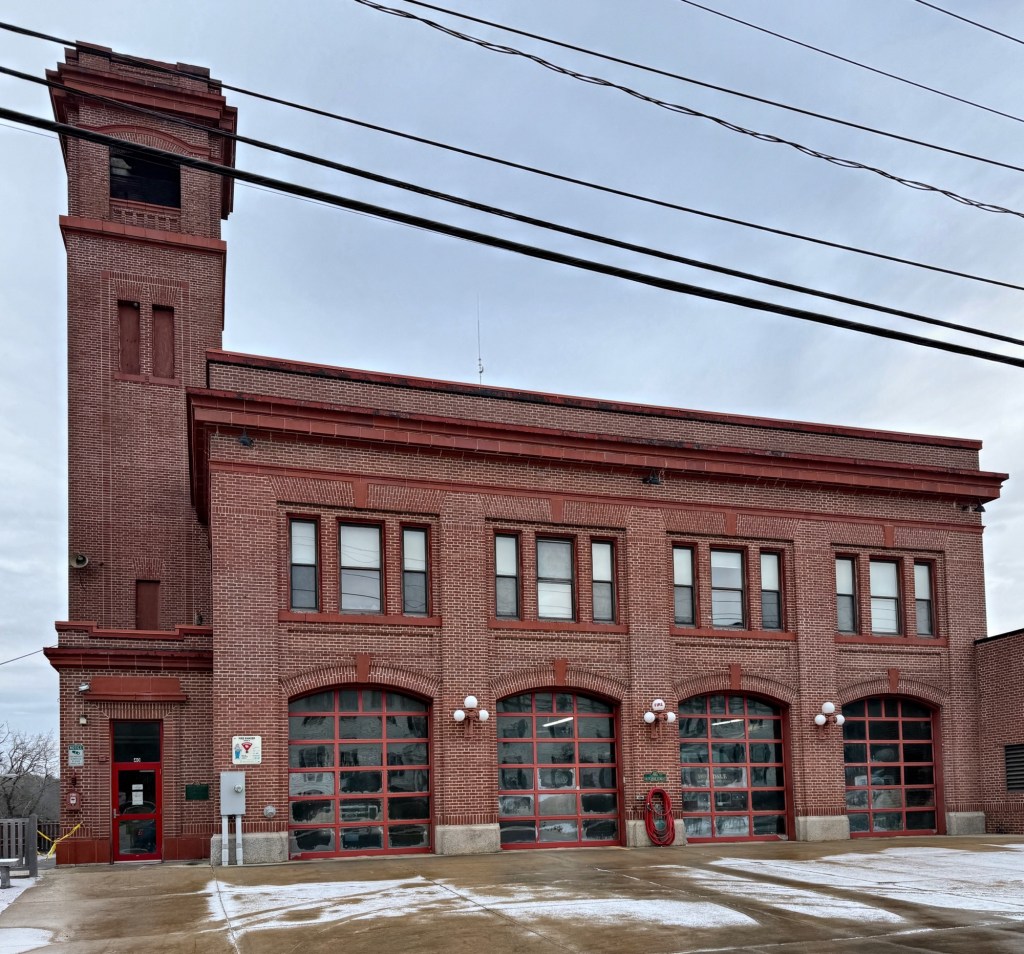
Brookline Village Fire Station // 1908

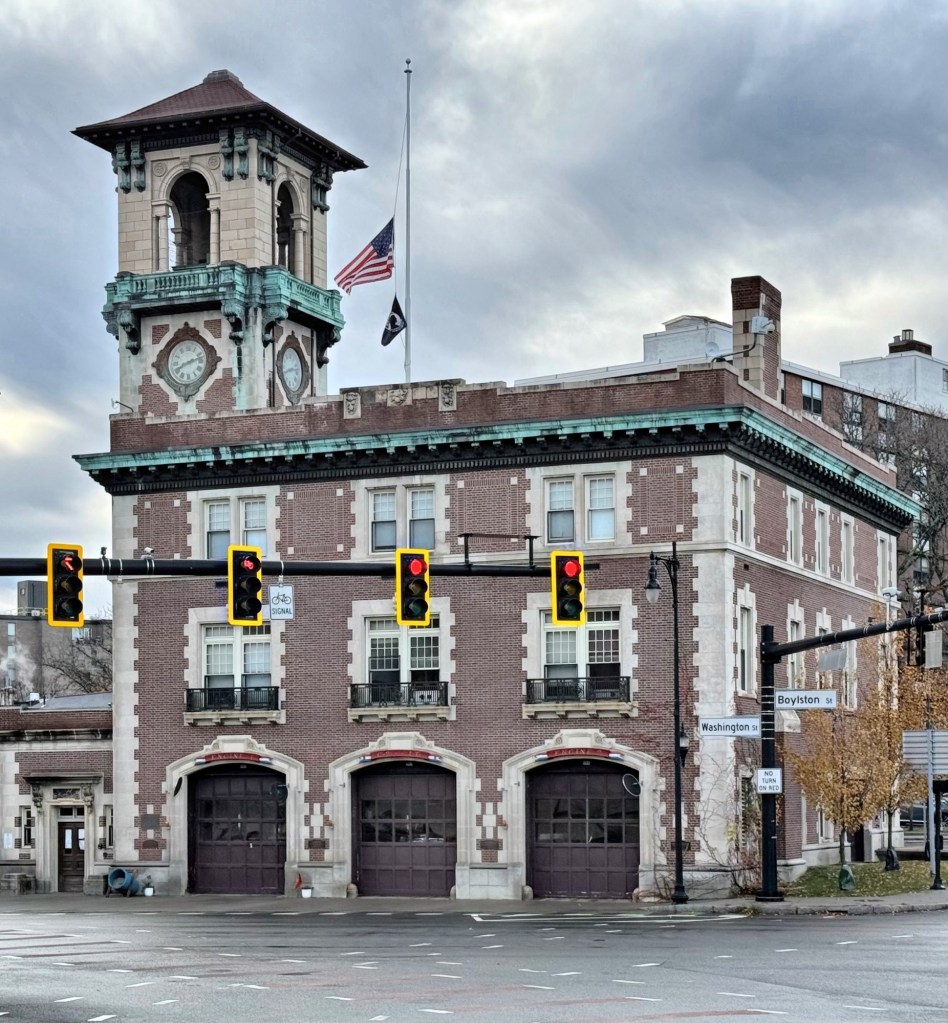
Built in 1908 from plans by the architectural firm of Freeman, Funk and Wilcox, the Brookline Village Fire Station is a massive, red brick structure with white sandstone trim and a copper cornice. Located on Washington Street in Brookline Village, the station stands out for its high-style Italian Renaissance style, notable for the use of brackets and off-center hose-drying tower with arched openings. The station replaced an earlier hose house, and was built before the fire department shifted to fire trucks, but was adapted later for larger fire apparatus. The station is one of the finest in the Boston area, and the Town of Brookline have done a great job preserving this significant structure.

South Lancaster Engine House // 1888

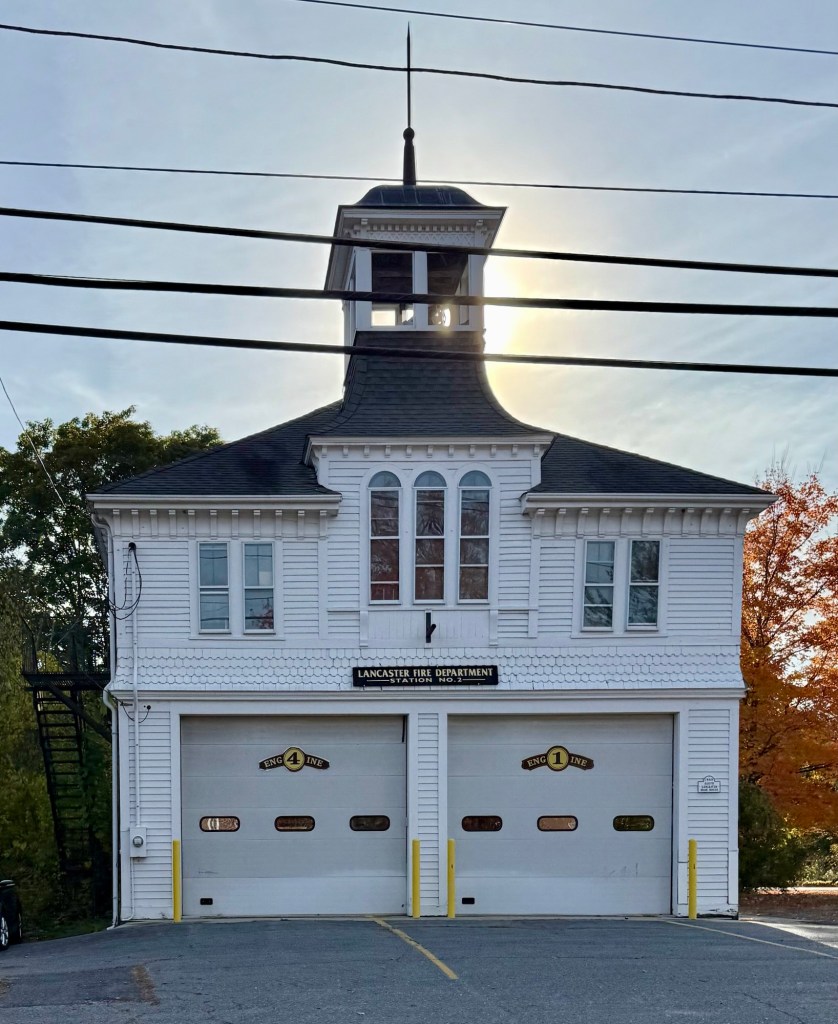
The South Lancaster Engine House is located in the village of South Lancaster, Massachusetts, and is one of the town’s three remaining historic fire stations and the oldest that remains in use by the local fire department. At the Town Meeting of June 18, 1887, it was decided that $3, 500 would be expended to build a station for the Fire Department in South Lancaster. Construction began in 1887, and was completed in March of 1888 from plans by architect, C.A. Woodruff. The station housed horse-drawn wagons, including one sleigh, and featured a bell in the belfry to call attention to the public. The station appears much like it did when built in 1888, besides the bright white paint color and the modification of the engine doors for the new, larger fire trucks. 

Yosemite Engine House // 1879

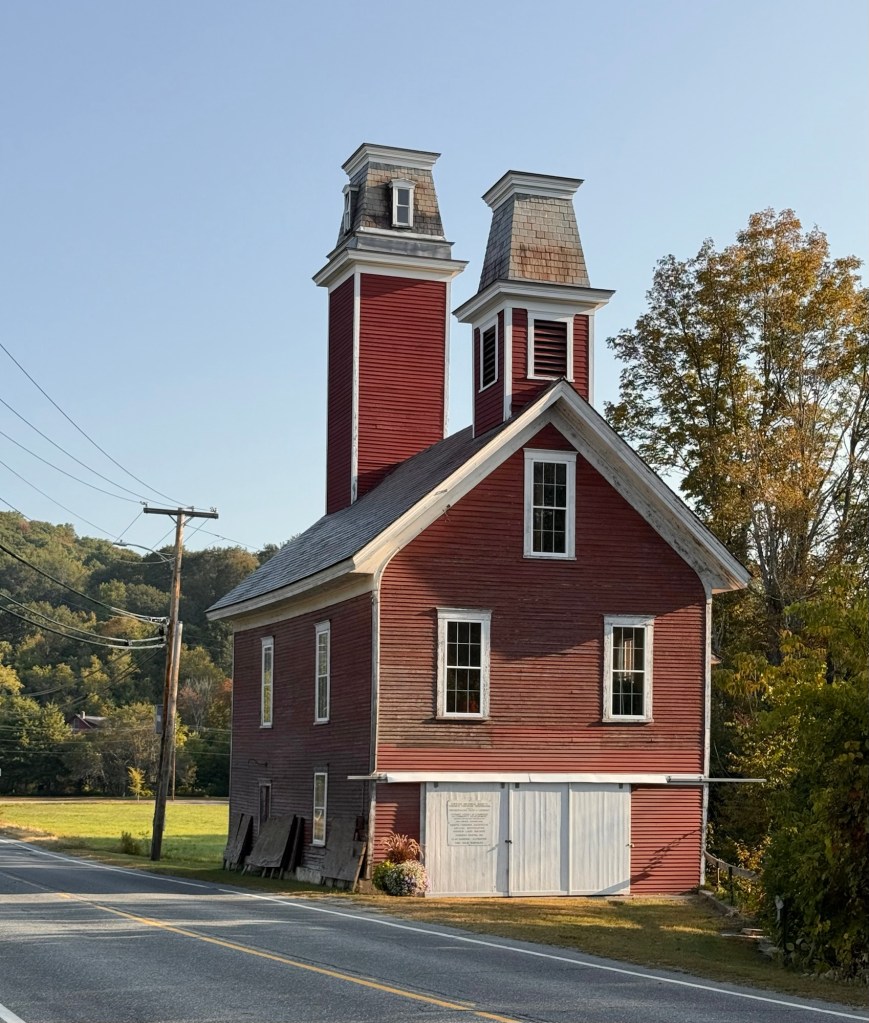
The Yosemite Engine House on Route 103 in Chester, Vermont, is a unique and iconic architectural landmark that has stood for almost 150 years. Chester’s second fire district was established in 1871, following a number of large fires in the village, prompting funding from businessmen and the town for a new engine house. Built in 1879, the Yosemite Engine house was built as a fire station for the village defined by its rectangular massing, first-floor engine hall, second-floor meeting hall, and twin bell and hose-drying towers that are capped by mansard roofs. The station originally housed horse-drawn and human-operated fire engines until the 1920s, when the doors were enlarged for the first engine-powered fire truck. The fire district, a separate taxing entity from the town since its creation, was dissolved in 1967, and its properties, including this iconic fire station, reverted to the town. It was eventually sold into private hands, and was operated for a short time as a museum by the local historical society before being reacquired by the town in 2018. The building is awaiting a full restoration.


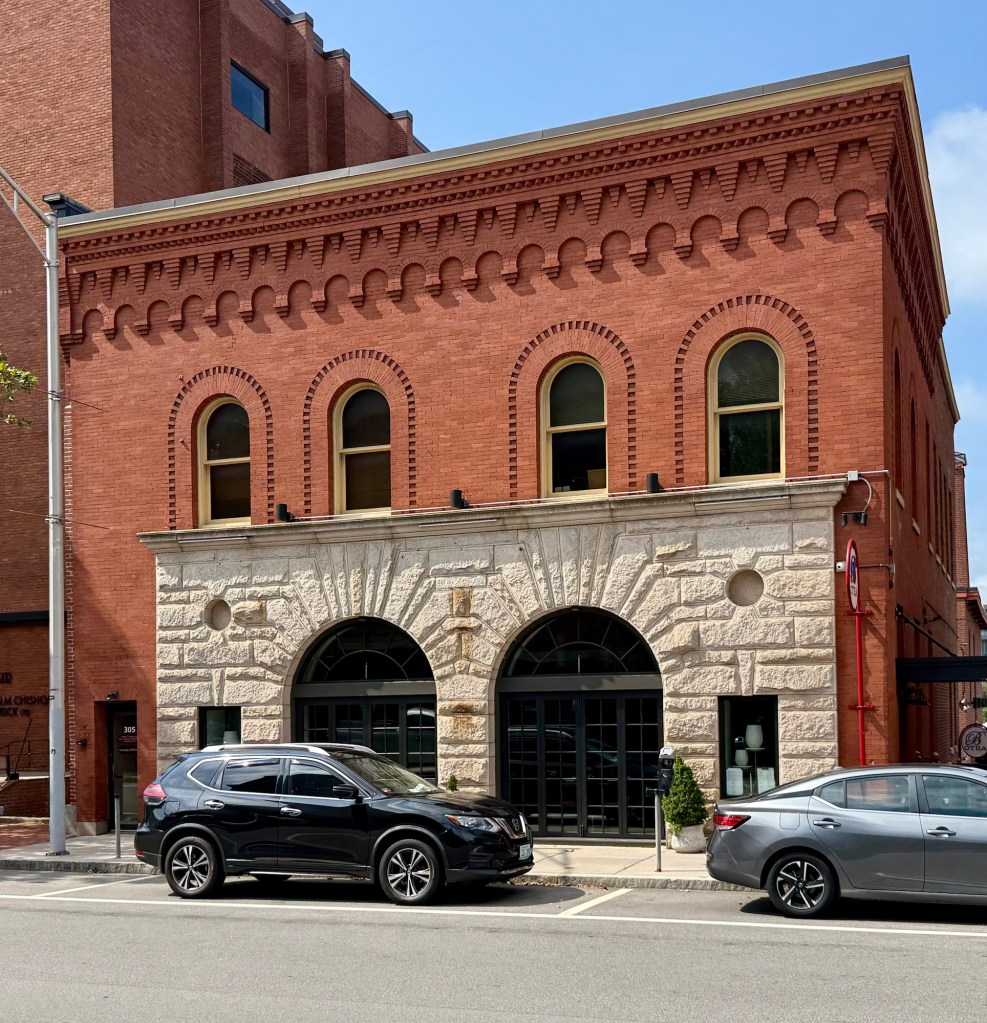
South Main Street Engine House, Providence // 1892

Built as a neighborhood fire station by the City of Providence in 1892, this handsome brick structure on South Main Street showcases how infrastructure and civic buildings can (and should) still contribute to the streetscape. Constructed along a streetscape of early 19th century brick buildings, the local architectural firm of Stone, Carpenter & Willson, sought to take cues of the materiality and massing of nearby structures, but employ new detailing and vocabulary for the fire station here. The result is a Romanesque style fire station with a pair of round-arched engine portals surrounded by stone facing, with the showstopping second floor and roofline with ornate brickwork around the arched windows and multi-staged corbeled cornice. The building with its smaller engine doors became obsolete with newer, larger fire trucks, and the building has since held a variety of commercial uses, today as a up-scale Italian restaurant.

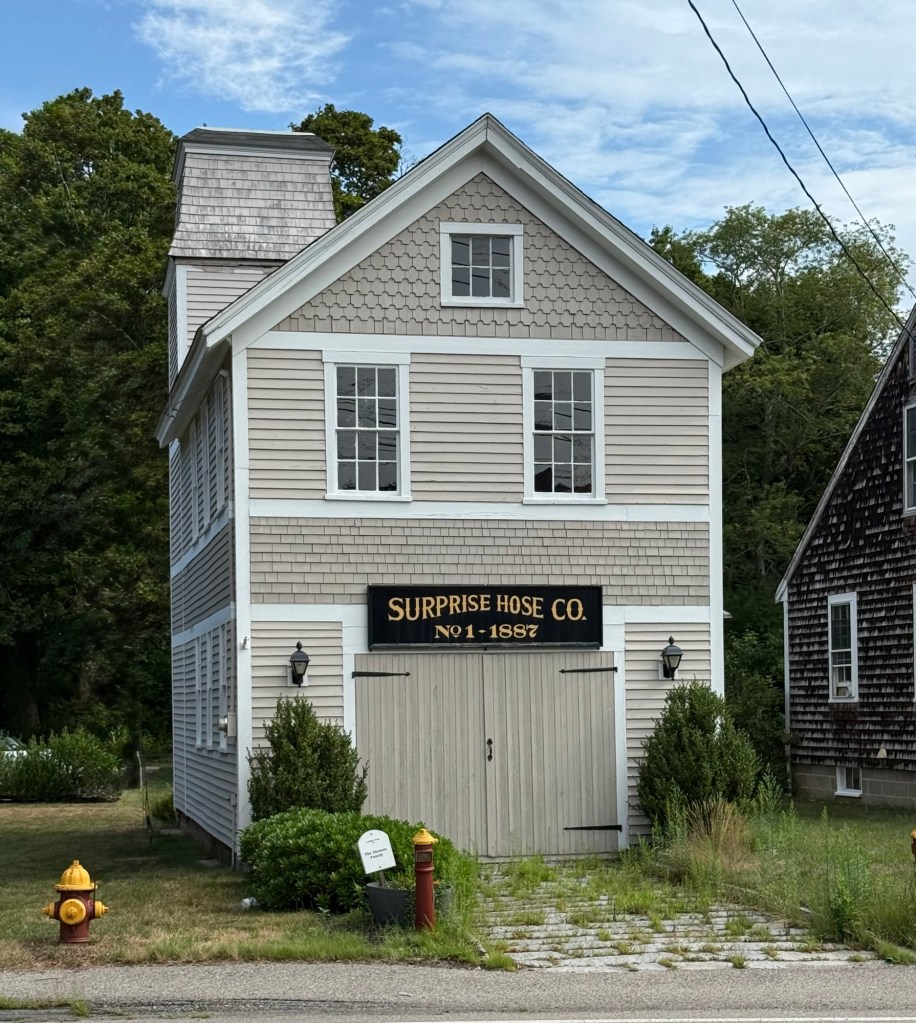
Surprise Hose Company Fire Station // 1888

The Kingston Fire Department was officially established in 1887, and previous to this, the town had generally relied on individual action and volunteers to provide fire protection for the Town and its many buildings. In 1888, the town of Kingston purchased this building, a storage facility constructed in 1860 on Main Street, with the aim to convert the building into a hose hose. Soon after purchasing the structure, funding was set aside to renovate the building, adding a hose tower at the rear of the building, shingle siding, and double doors to make the Hose House more equipped for the fire department. The local fire department, known as the Surprise Hose Company operated here until 1940, when a new, modern facility was built, leaving this structure for storage and hose drying. The building was restored in recent decades and is now a landmark on the town’s Main Street.

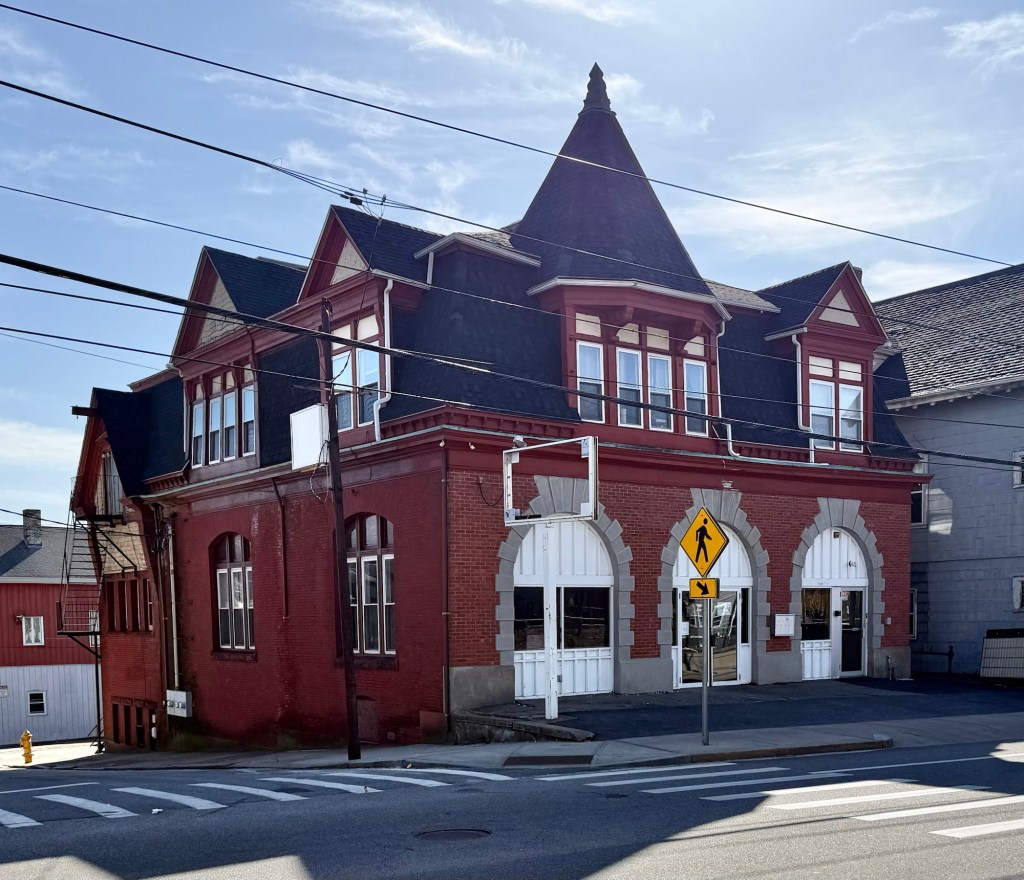
Broad Street Fire Station // 1889

Built in 1889 at the same time as the Central Falls City Hall across Broad Street, this former fire station in Central Falls, Rhode Island, is a great example of late 19th century architecture for a civic use. The fire station was built in the dense Central Falls village, before it separated from Lincoln, creating their own city. The brick, Queen Anne style structure features a unique mansard roof which is broken by a series of pedimented dormers. The original arched doors have since been infilled, but maintain the original openings, awaiting a thoughtful restoration. The fire station was designed by Pawtucket-based architect, Albert Humes. Due to ever-growing fire trucks, the historic station was eventually deemed obsolete, and a new station was built elsewhere. Today, the former Broad Street Fire Station is occupied as the Morabeza Health Center.

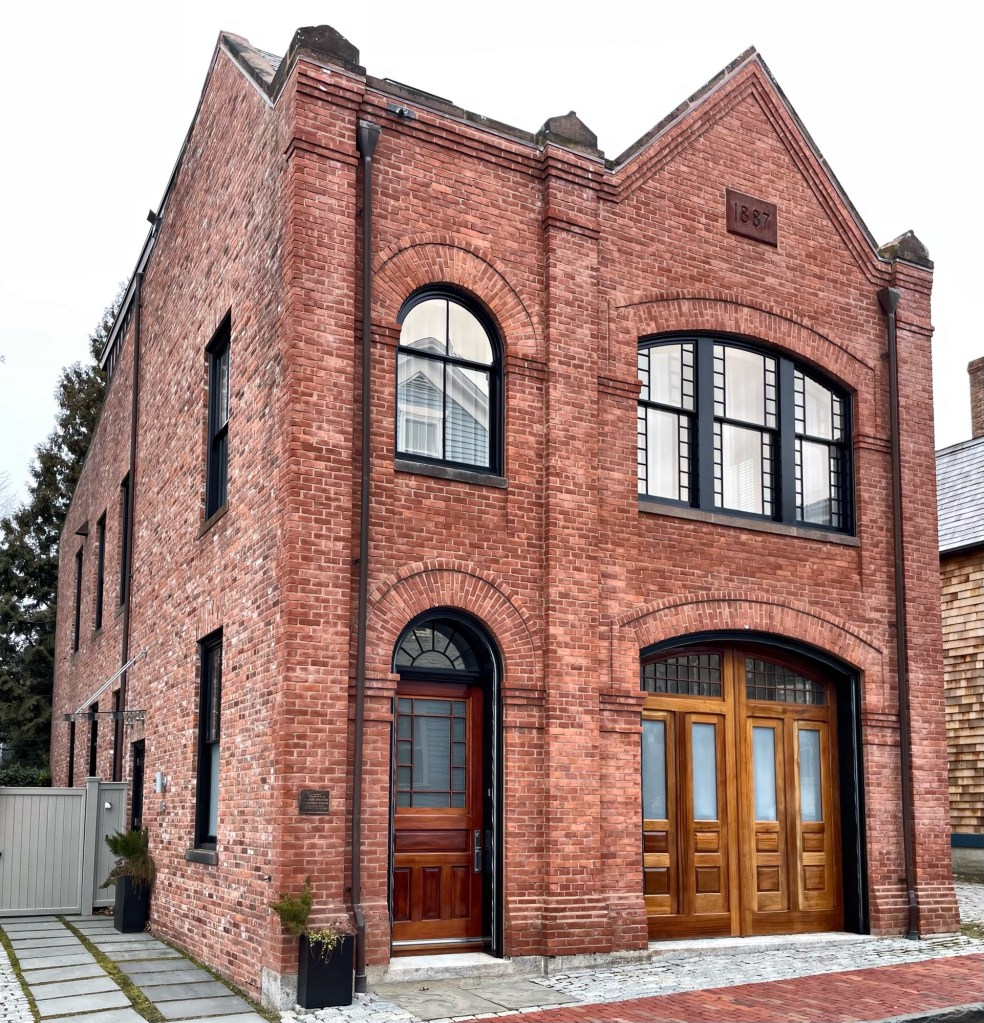
Newport Old Fire Station Hose No. 8 // 1887

One of the charming converted old fire stations of Newport, Rhode Island, can be found tucked away on Prospect Hill Street. This is Hose No. 8 Fire Station, built in 1887 by the City of Newport as a neighborhood station to battle fires in the dense network of streets and homes Downtown. The design blends Romanesque Revival and Victorian Gothic elements into a compact, two-story brick building. The station was closed in 1912 as the structure no-longer was compatible with larger fire apparatus and gasoline-powered trucks. The building would suffer from neglect and was crumbling, before being reconstructed, brick-by-brick, and restored by Hacin Architects of Boston as a private residence. The structure is essentially new on the interior but provides a significant preserved exterior that was long part of the eclectic streetscape of Prospect Hill Street.

Newport Old Fire Station No.1 // 1885

Central Newport, Rhode Island is best-known for its Colonial and early 19th century architecture, so when a Victorian-era building is spotted, it always stands out! This ornate building was constructed in 1885 as one of a half-dozen fire stations in Newport. This fire station housed one of the nation’s first organized fire companies known as Old Torrent No. 1. It was home to Newport’s first horse drawn steam engine until the steamers were replaced with motor-driven equipment in 1913. Unfortunately, these early model fire trucks weren’t designed to handle the steep incline of Mill Street. So, after 29 years of service, the station was closed and the horses, steamer, and the building were sold in 1915. The building saw numerous uses and deferred maintenance until 1991, when it was restored by local residents. Today, the one-of-a-kind features include original brass fire pole, private roof deck, and a 65 foot lookout tower with views of the Newport Harbor in the distance. It recently sold in 2022 for over $3 Million and is a residence!