Folger House // 1807

There is so much to love about this house! The lot here was purchased by Paul Macy and Gideon Folger in 1807, and they had this house built on the site that year. Paul Macy and, Gideon Folger were two major shareholders in the ill fated whaling schooner “Essex”. In 1820, while at sea in the southern Pacific Ocean under the command of Captain George Pollard Jr., the ship was attacked and sunk by a sperm whale. Thousands of miles from the coast of South America with little food and water, the 20-man crew was forced to make for land in the ship’s surviving whaleboats. The men suffered severe dehydration, starvation, and exposure on the open ocean, and the survivors eventually resorted to eating the bodies of the crewmen who had died. When that proved insufficient, members of the crew drew lots to determine whom they would sacrifice so that the others could live. Seven crew members were cannibalized before the last of the eight survivors were rescued, more than three months after the sinking of the Essex. This ordeal was inspired Herman Melville to write his famous 1851 novel Moby-Dick. The Folger House was owned for some time by Walter Folger, a lawyer who served in the state senate.
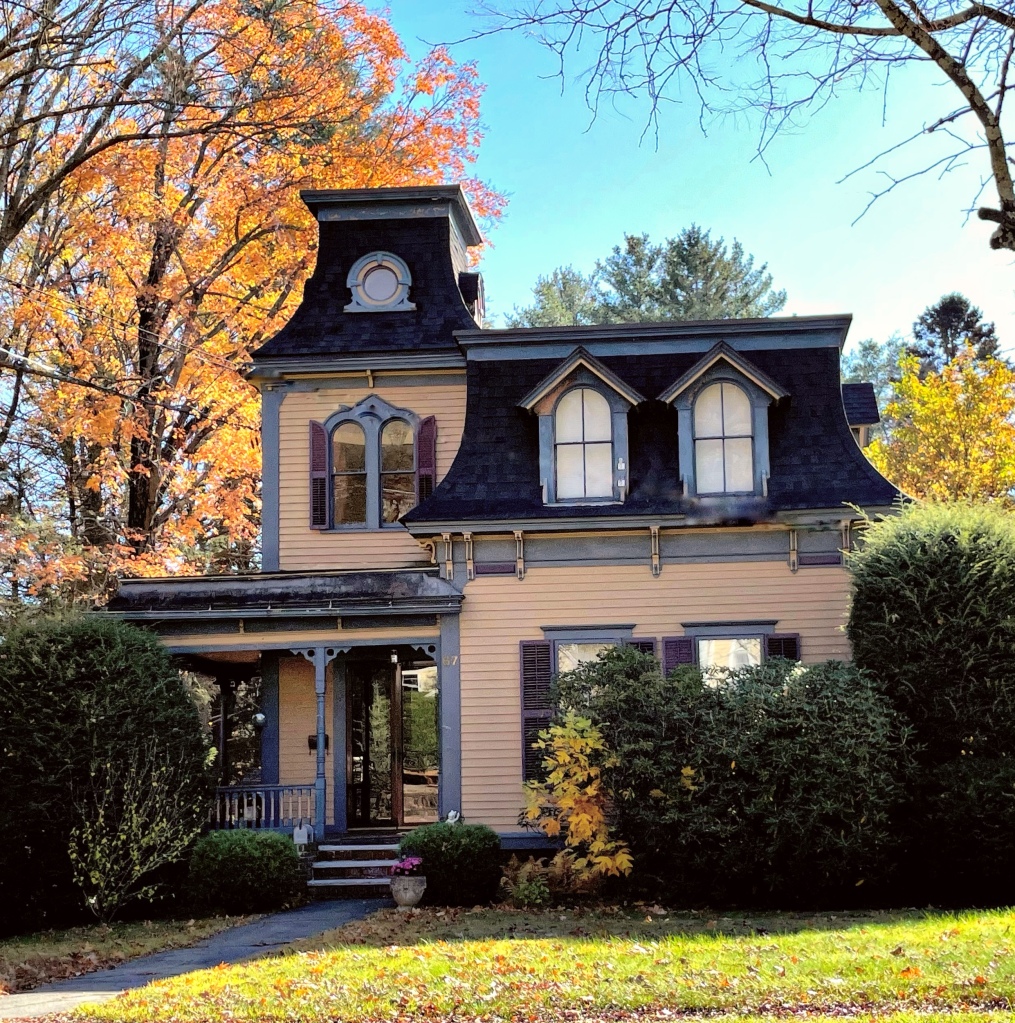
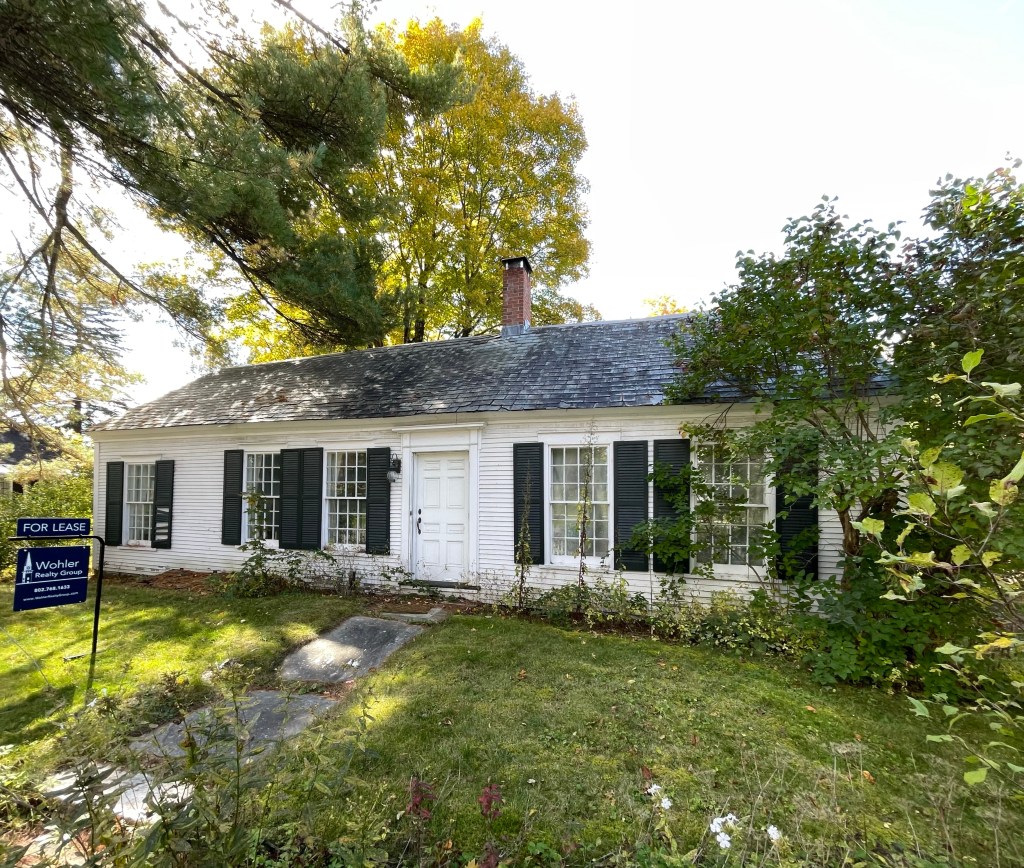
Coney House // c.1870

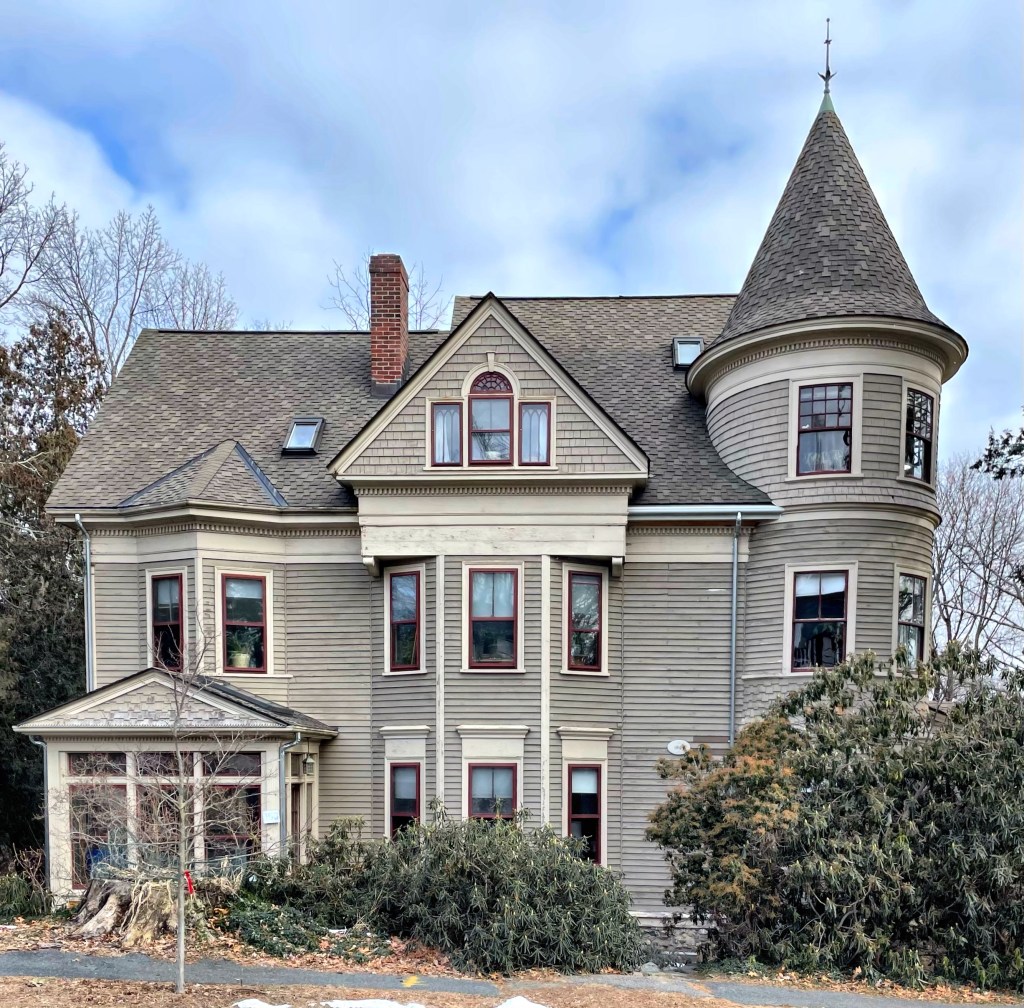
Located on Church Street, the best architectural stretch of buildings in Ware, Massachusetts, you’ll find this absolutely charming mini-Mansard house. The property was built after the Civil War and historic maps show it was owned by a J. Coney. Upon further research, it seems J. Coney is John Coney (1809-1884), a farmer who retired in 1870 and was later referred to as a carpenter in census’. It is likely that Mr. Coney built this mansard cottage around his retirement and relocation to Ware’s industrial village, building it himself. The home features gabled dormers with round-headed sash projecting from the mansard roof. A two-story tower has paired, round-headed windows with oculus windows. Perfection.

Hodge-Weeks House // c.1790

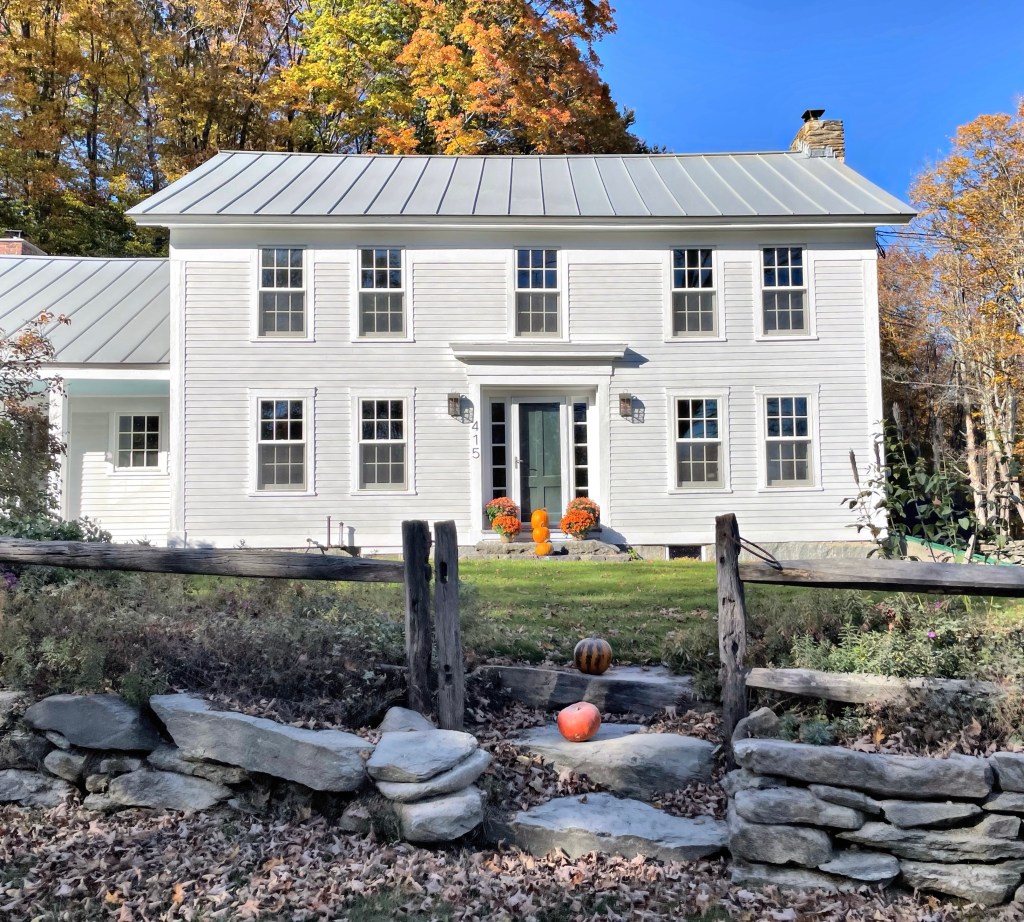
One of the oldest extant houses in Dorset, Vermont, this gorgeous Federal Cape house adds so much charm to the village. The house is possibly the homestead of James Abel Hodge (1756-1826) who settled in Dorset from Connecticut after serving in the Revolutionary War. Hodge settled in the town when it was but wilderness, opening up a store in the village and helping the infant township grow into a thriving marble manufactory. This house was later owned by stonecutter I. W. Dunton and after, by “Grandma” Annette Weeks (1841-1925). Like many Cape houses, it probably evolved, adding wings to the right and left as the family inside grew.

The River House // c.1820

Sitting on the banks of Utley Brook, which meanders through the Clarksville village in Landgrove, Vermont, you will find this gorgeous Cape home in a perfect yellow color (seemingly to blend in with the turning leaves every Fall). The home dates to the early 19th century, possibly earlier, and was owned by the Harlow Family, who operated a saw mill across the street. The house was listed for sale in 2019 and is absolutely stunning inside and out!

Russell House // c.1810

Landgrove, like many other rural towns of Vermont, has seen a lot of investment from out-of-state residents who pick up historic farm properties and renovate them. This is a great thing for many, as with investment comes tax-dollars and preservation of these historic buildings. On the other side, it prices out many who have grown up in these rural towns. Many villages and regions in Vermont have strict zoning which limits density, to maintain the character and charm of these back roads. Another Catch-22, as more housing (especially multi-family) means lower costs for limited available housing, but it can adversely impact what makes these rural towns so enchanting. Anyways, here is a beautifully restored Federal house!

Glimmerstone // 1845

What a treat it was to stumble upon one of the most beautiful homes in Vermont, and all the best houses have names! Glimmerstone is located in the small town of Cavendish, and is possibly the finest Snecked Ashlar constructed home in the state. The house was built in 1845 for Henry Fullerton, manager of the Black River Manufacturing and Canal Company mill in Cavendish. The stone used to build the house was quarried less than a mile away, and hauled to the site. The construction style consists of stone facing on either side of rubble fill, with slabs and snecks sometimes laid across the fill to provide strength, a method brought to the region by Scottish immigrant masons. The house’s design is by a local carpenter, Lucius Paige, and is based on designs published by Andrew Jackson Downing, who depicted many Gothic style designs in pattern books which were built all over the country. The house has had a number of owners after Mr. Fullerton died. During the prohibition era, Art Hadley, who would later become extremely wealthy as the inventor of the expansion bracelet, used the home as part of a rum running operation. Glimmerstone was purchased in 2010 by the current owners, who underwent a massive restoration of the home, converting it into a bed and breakfast, allowing the public to experience the property as well.

Newfane Inn // 1787

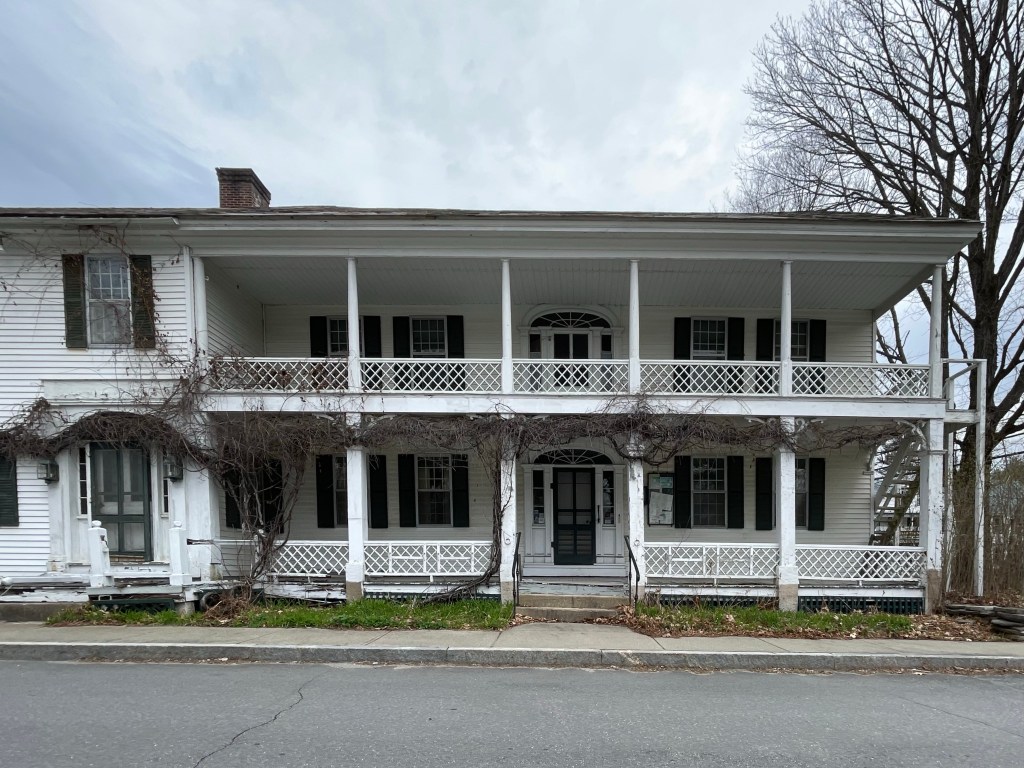
Originally constructed in 1787 on Newfane Hill, the main block of this historic inn was moved in 1825 for owner Anthony Jones, to its present site overlooking the Common in Newfane, Vermont. The Federal style building was oriented towards the main street, with its length extending along the town common. The inn was a busy stop for lawyers and judges who worked at the courthouse across the street. Porches were added likely in the early 20th century. After a period of neglect, the inn was restored by decorator Christoph Stumpe Castou, and later sold. The inn was run for 42 years in the second half of the 20th century by Eric and Gundela Weindl, a couple who were both from Germany, yet met at Stratton Mountain in Vermont in 1963, marrying in 1968. They operated the inn until 2011.

Jacob Weld Seaver House // c.1850

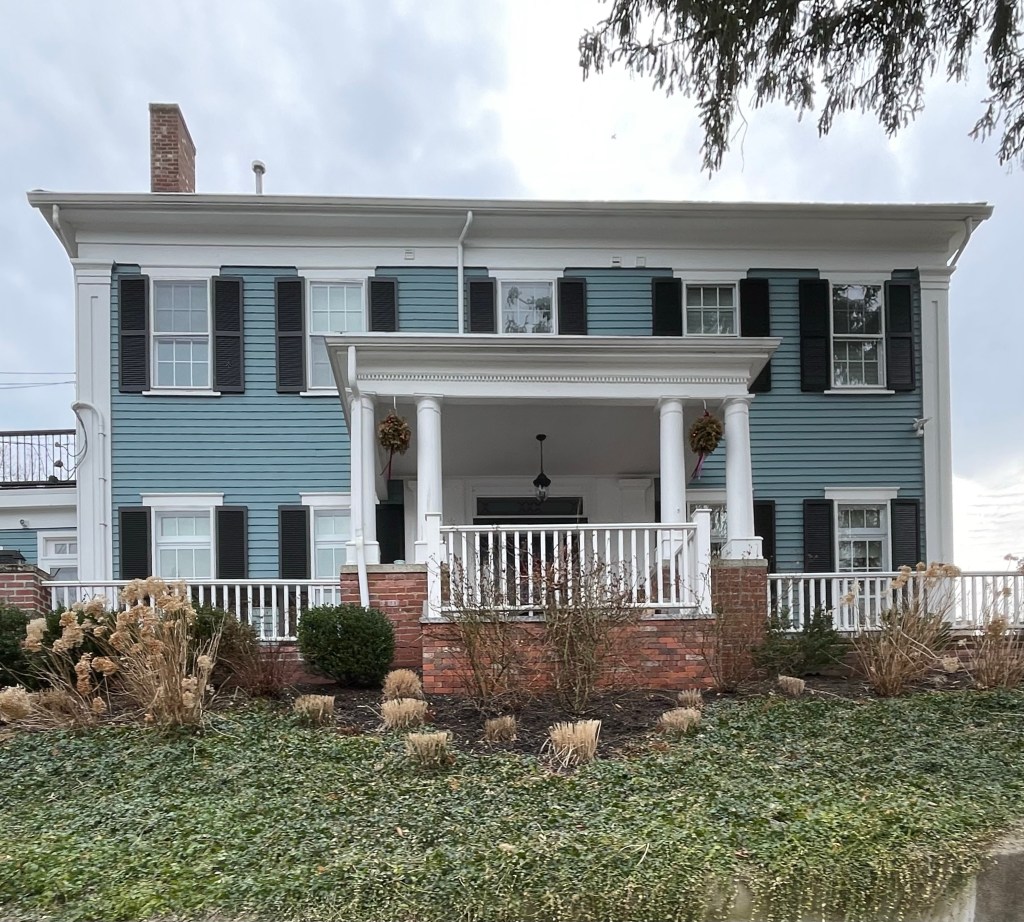
In 1849, Jacob Weld Seaver (1820-1914) married Sarah Abby Weld and built this Greek Revival home, perched on a hill near the burgeoning Forest Hills Cemetery. The property originally extended all of the area of Orchardhill Road and the dead end streets that extend off of it, and included a stable, caretakers cottage, and at least two rental properties (this house may have been one of them). Jacob Seaver grew up in the neighborhood and attended Harvard, graduating in 1838. He became involved with the drygoods business and must have met his future wife from her father George F. Weld, who was a commission merchant in Boston. He went on to become the director of the Second National Bank of Boston, commuting into the city from the Forest Hills station. In the early 20th century, Seaver sold this property to a Thomas Minton, who subdivided some of the lot and built houses on the estate.

John D. Sanborn Mansion // c.1865

One of my absolute favorite homes in Rockport (there are many) is this mansion, which sits away from busy Bearskin Neck and the hustle-and-bustle of the village. The John Dearborn Sanborn Mansion was built around 1865 and is an elegant example of the Second Empire style of architecture in Rockport. John Sanborn was born in Hampton, NH, and eventually moved to present-day Rockport, marrying Laura Tarr of a prominent local family. Sanborn appears to have been a merchant and ship-owner. It appears that Sanborn was involved with the California Gold Rush, and is thought to have been one of the first men to send gold via the Pony Express, a mail service delivering messages, newspapers, and mail using relays of horse-mounted riders that operated from 1860 to 1861. It is possible that his investments with gold allowed Sanborn to build this stunning estate in Rockport, set behind an iron gate and perched upon a hill. I like to think that his wife Laura would sit in the tower and look towards the sea from the windows.

Captain Lawton House // c.1850

Captain Job Lawton (1795-1860) was a sea captain and wharfmaster in Assonet Village, in Freetown, Mass. I could not locate much on him other than a note about his skill on the sea, highlighted in a history of the town of Freetown. “Captain Job Lawton, on one of his many voyages across the ocean, lost his rudder at sea. With commendable ingenuity, he made a temporary one from old ropes, hung and managed it by chains passed over the stern and either side of the ship, and by his cool determination and never tiring perseverance brought his sloop safely into port. For this remarkable feat, he received high public commendation, and a substantial recognition from the insurance companies interested in his vessel and her cargo. Several models of this rudder are now in existence, one being on exhibition at the National Museum in Washington. He married Polly, daughter of Captain Charles Strange.” Lawton, in the later years of his short life, appears to have built this home, which elegantly blends both Gothic and Greek Revival styles.