Braman-Richards Stables // c.1870

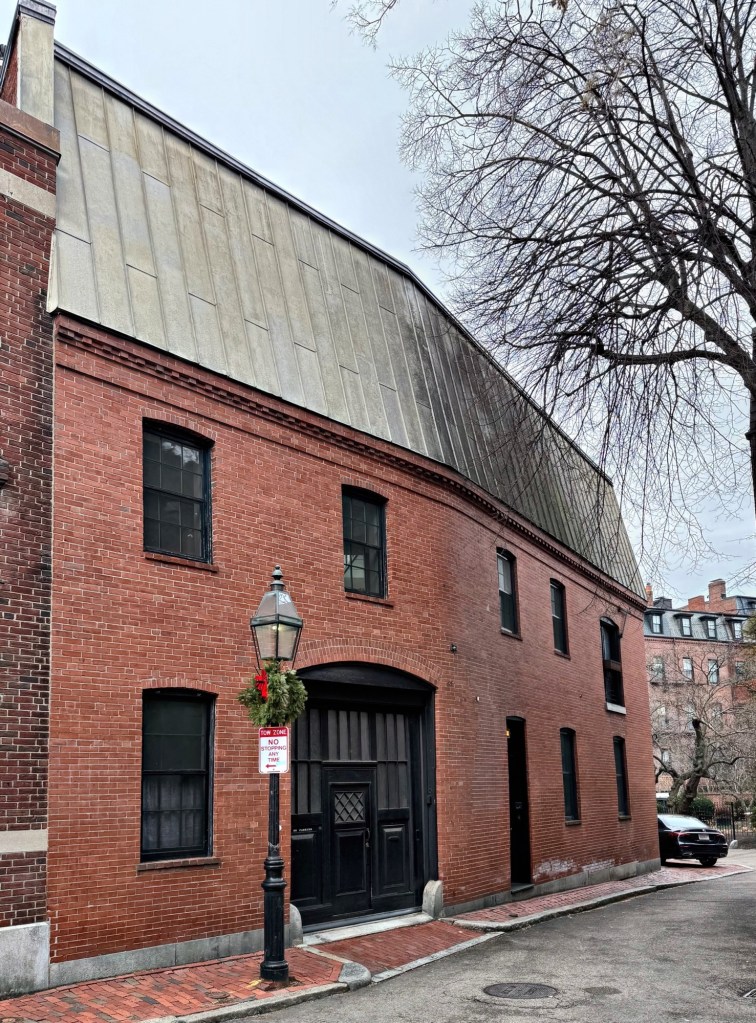
Located behind the iconic former fire station on Mt. Vernon Street in Boston, this converted stable maintains the important nickname for the Beacon Hill Flat as the “horsey” part of the neighborhood, which developed on filled land and contained many stables for wealthy Beacon Hill residents. This two-story stable fronts River Street and dates to 1870 and was built along with the townhouses fronting the hidden Mount Vernon Square for Grenville Temple Winthrop Braman (1832-1902), who partnered with a builder, Daniel Davies, to develop the lots here. The stable, which originally had a flat roof, was occupied as private stables and later as storage for the townhouses for nearly 100 years until it was purchased in 1968 and converted into residences by architects and partners, Joan E. and Marvin Goody, who established Goody/Clancy, a Boston architectural and design firm. The interior was modernized and the addition of a contemporary metal “mansard” roof fits well within the context of the neighborhood and was an important early “remodel” in the Beacon Hill Historic District.

Solon Wilder House // 1883

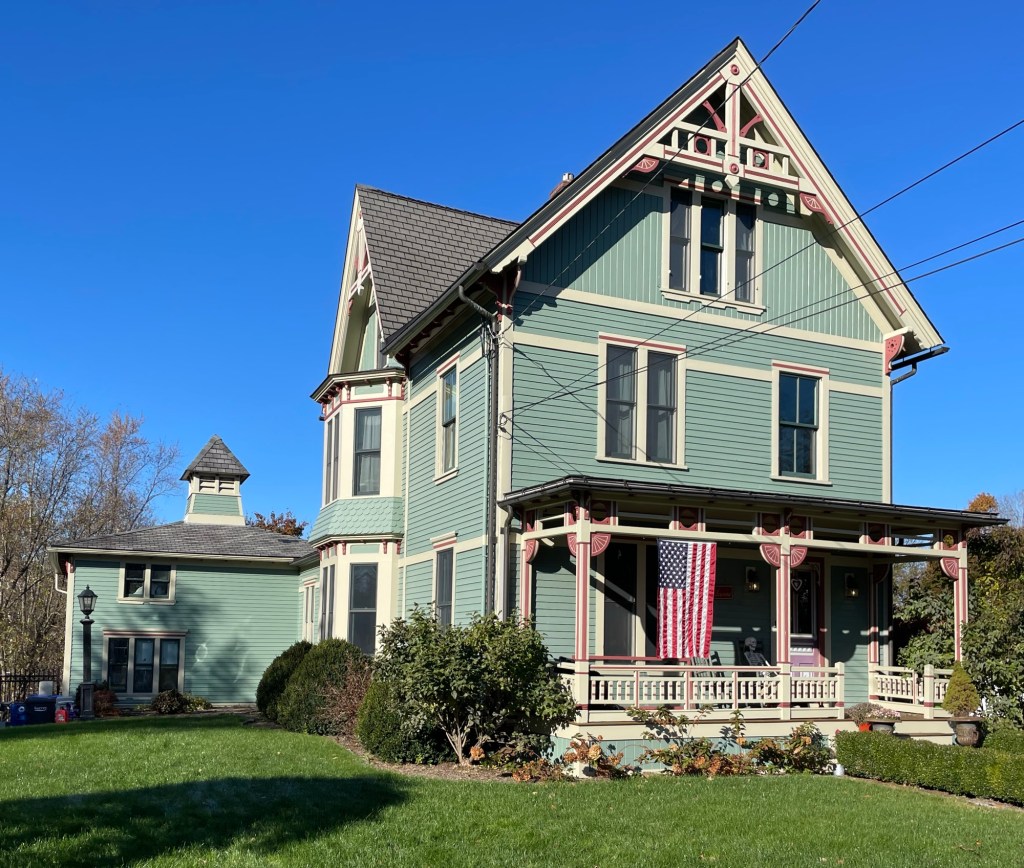
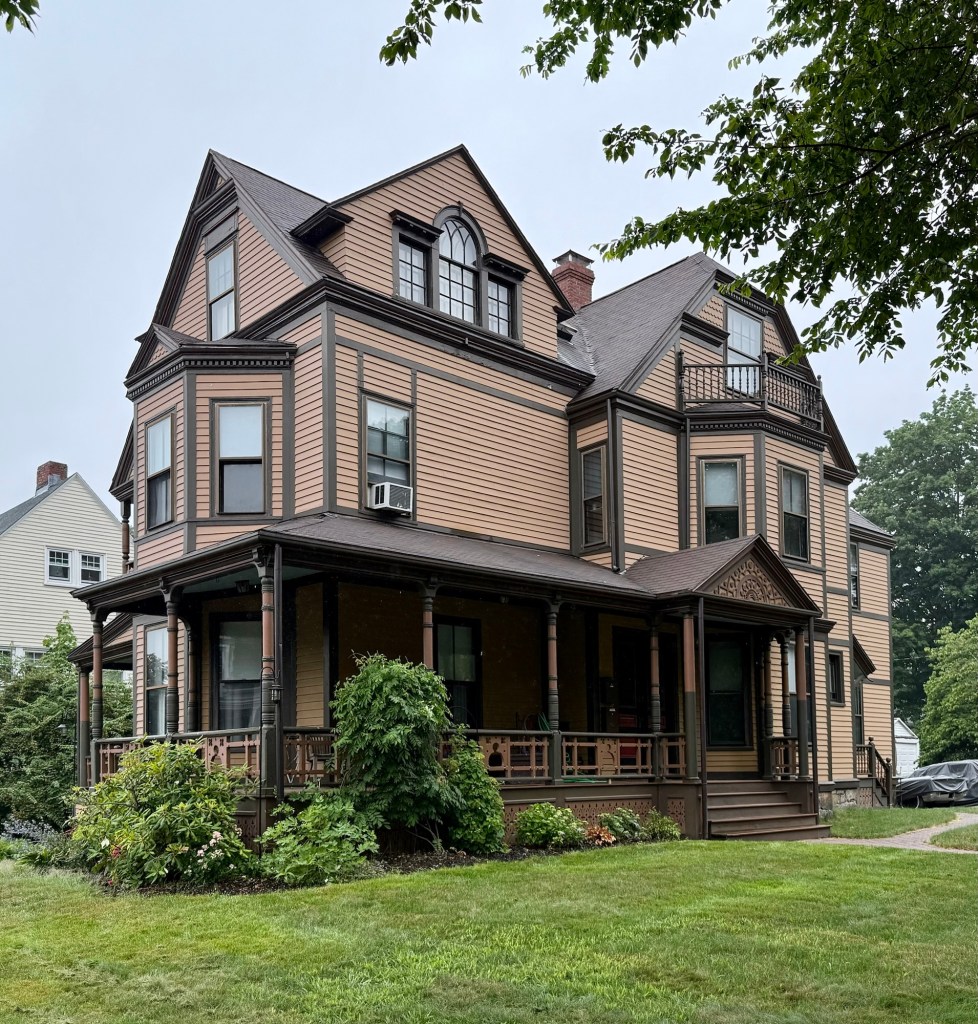
On Main Street in the central village of Lancaster, Massachusetts, the Solon Wilder House stands as one of the town’s finest Victorian-era residences. The house dates to 1883 and was built for Solon Wilder (1828-1889) and his wife, Olive. Mr. Wilder ran a store and served as town treasurer, doing well enough financially to build this handsome, and modern house and rear stable for the time. The Stick style house features a porch with cut woodwork, decorative trusses in gables, and wooden wall cladding interrupted by “stickwork” patterns raised from the wall surface that is meant to symbolize the structural skeleton of the home.

Horatio Adams Stable // c.1880

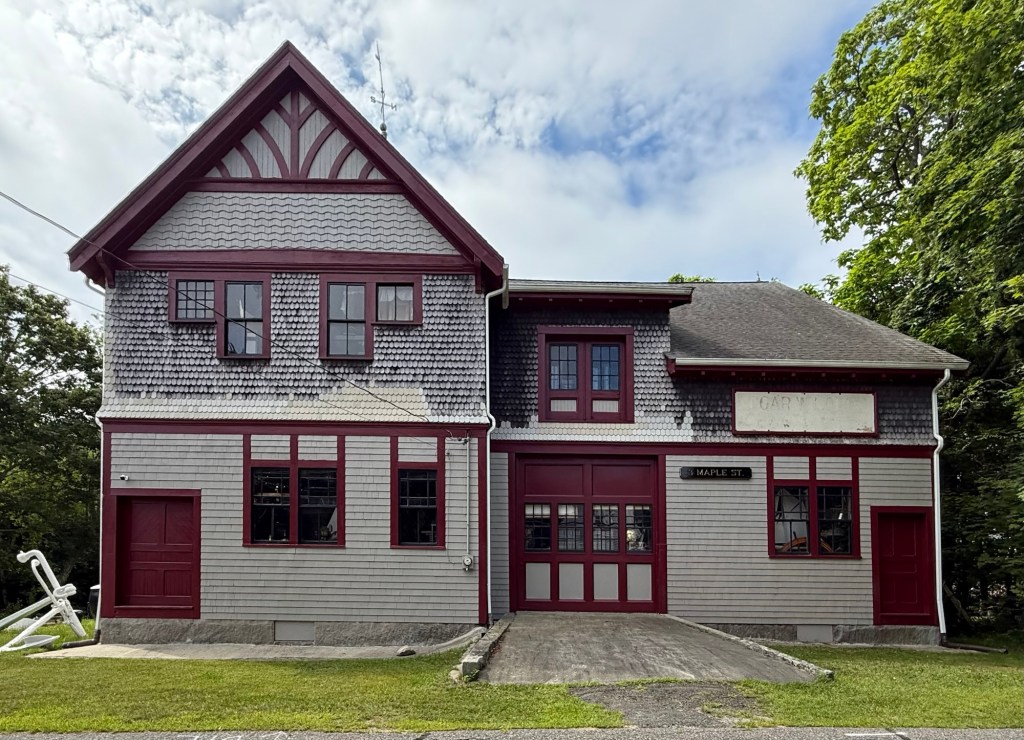
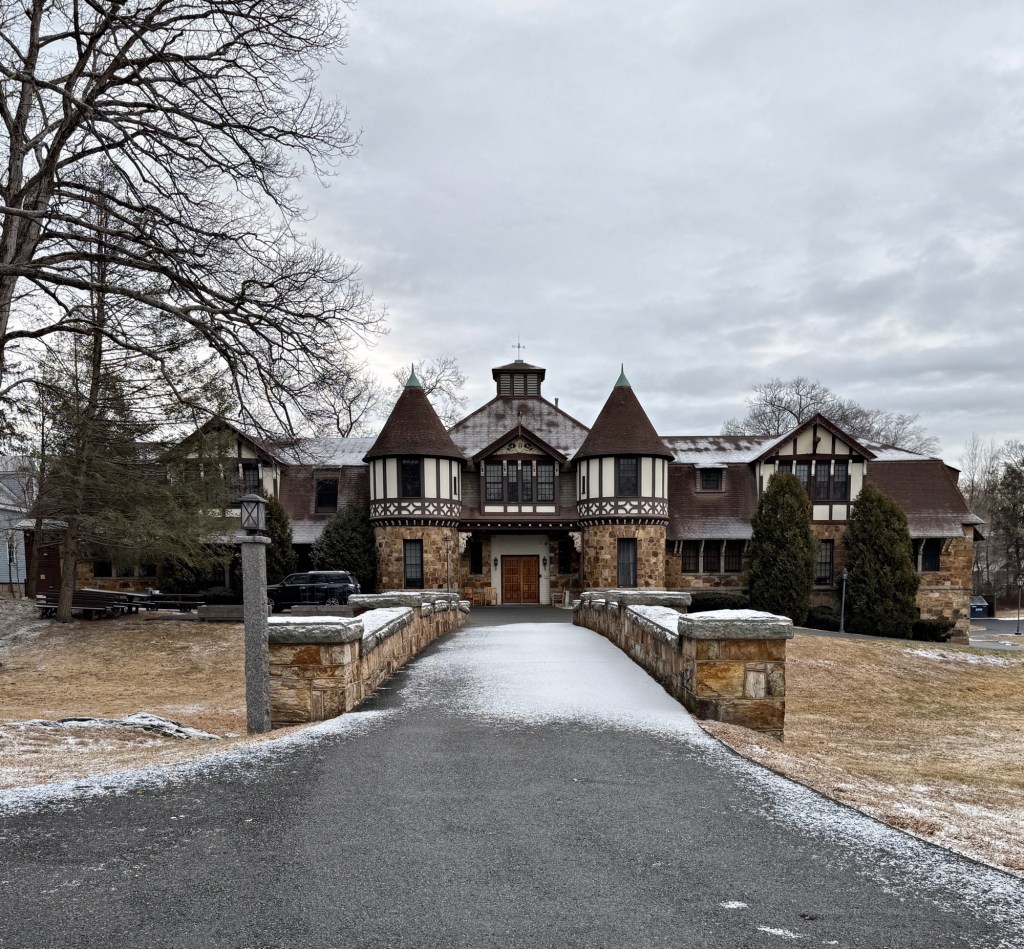
This oversized stable and carriage house is located at 3 Maple Street in Kingston, Massachusetts and it dates to about 1880. The stable was built for Horatio Adams (1845-1911), a wealthy resident who operated a successful slaughterhouse and stockyards nearby along with maintaining stores adjacent to the nearby the train tracks. After Horatio Adams died, the stable was eventually purchased by Edgar W. Loring and converted to a cranberry screen & warehouse for his cranberry farm. The significant Queen Anne/Stick style building suffered from deferred maintenance by the late 20th and early 21st centuries, but was purchased in recent years and undergoing a restoration of the exterior. Does anyone know what its use is today?

Clark-Cottle House // 1890

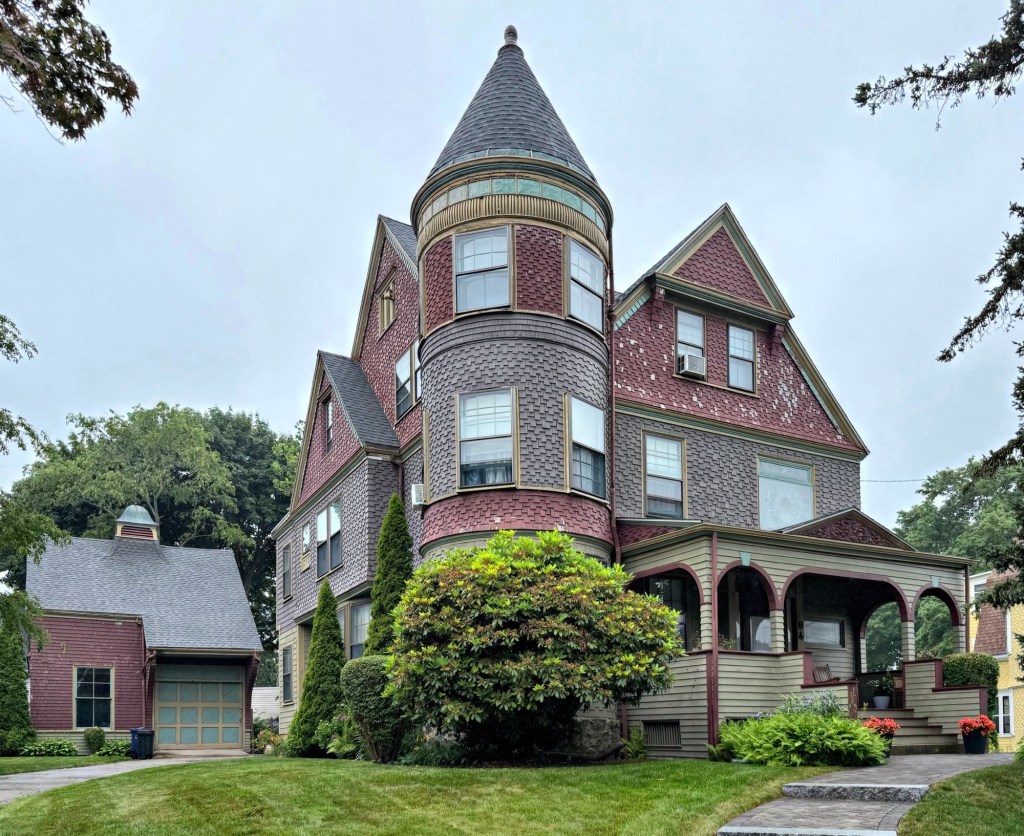
One of the most sumptuous Victorian-era homes in Dorchester can be found at 94 Ocean Street, this is the Clark-Cottie House. The residence (and rear stable) was built in 1890 from plans by famed architect Arthur H. Vinal, who designed many other Shingle style and Queen Anne homes in the surrounding neighborhood. The first owners of the mansion were Evelyn and Edward Clark, who after a few years, sold the property to Edgar Cottle, president of the Curtis & Pope Lumber Company. The three-story Queen Anne style mansion features a rounded corner tower, varied shingle siding, shingled porch, and the intact, charming stable at the rear.

Thomas T. Hartford House and Stable // 1884

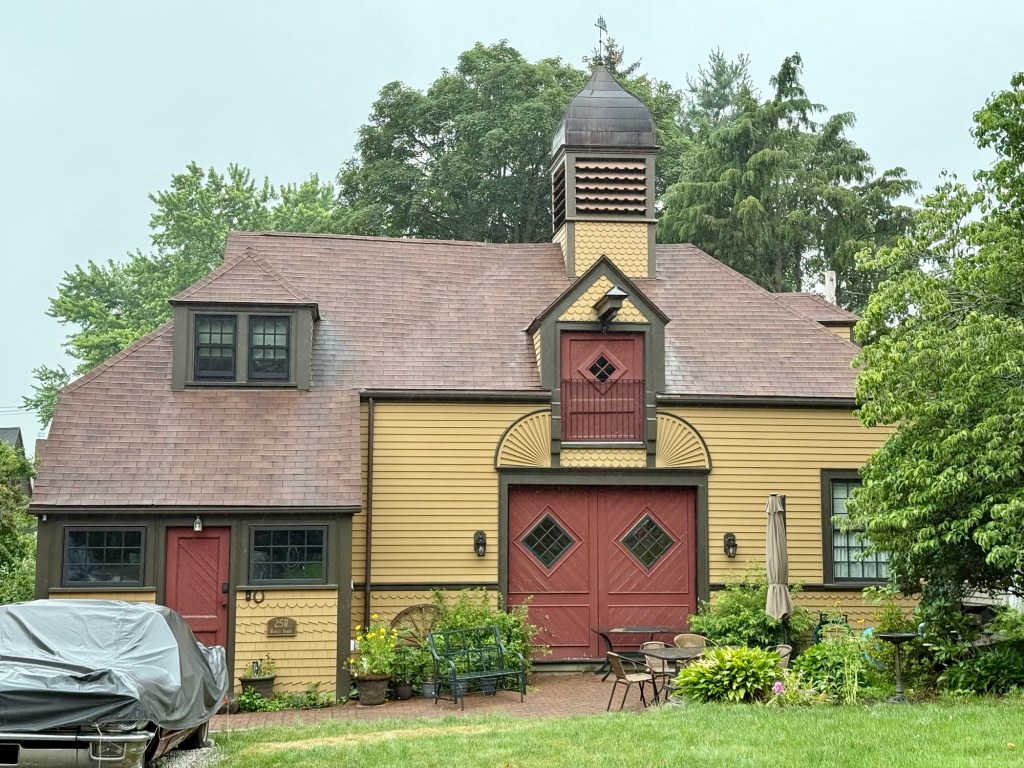
Situated at the corner of Harley and Roslin streets in the Ashmont Hill neighborhood of Dorchester, this property showcases the flair and ornate features of the eclectic Victorian styles, along with an original stable. The property was developed in 1884 by Thomas T. Hartford. Thomas Thurston Hartford (1845-1916), was a shoe machinery manufacturer with offices in the Leather District near downtown Boston, continuing in his father’s company, Hartford Brothers Co. The house and stable are said to have been designed by architect Edwin J. Lewis, Jr., or John A. Fox, who blended Stick and Queen Anne styles. Interestingly, the house features Palladian windows in the gables and was restored by owners, who even went the extra mile to repaint the house in its historic colors.