Thayer Stable – Toy Theatre – Richard Platt House // c.1865

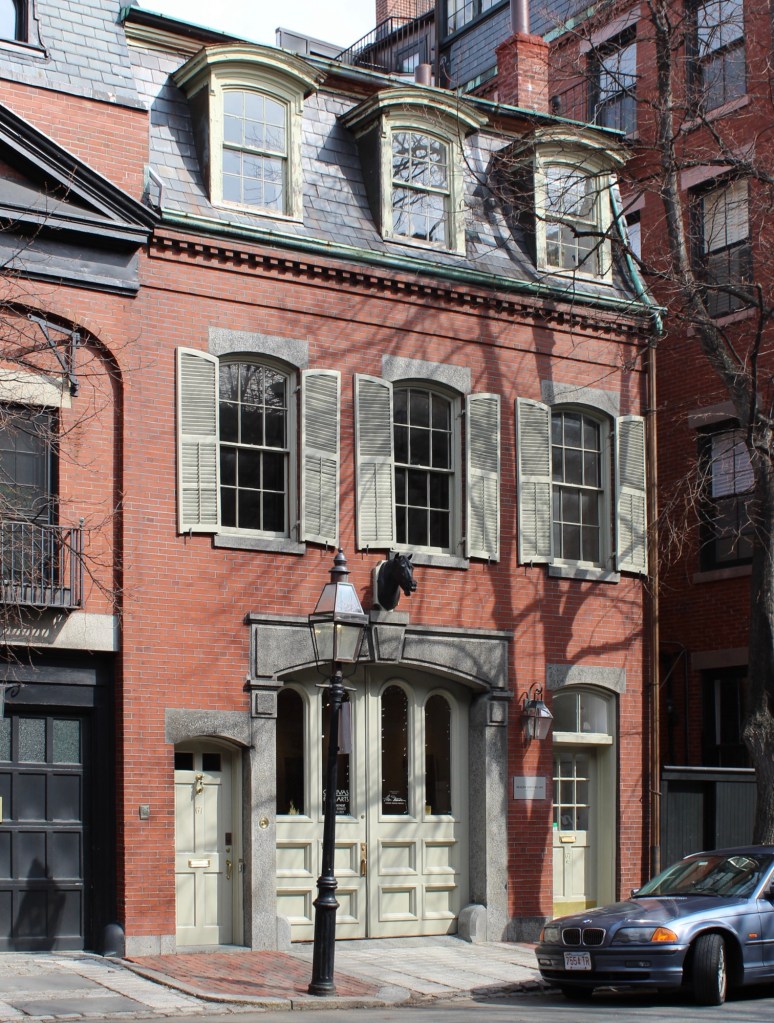
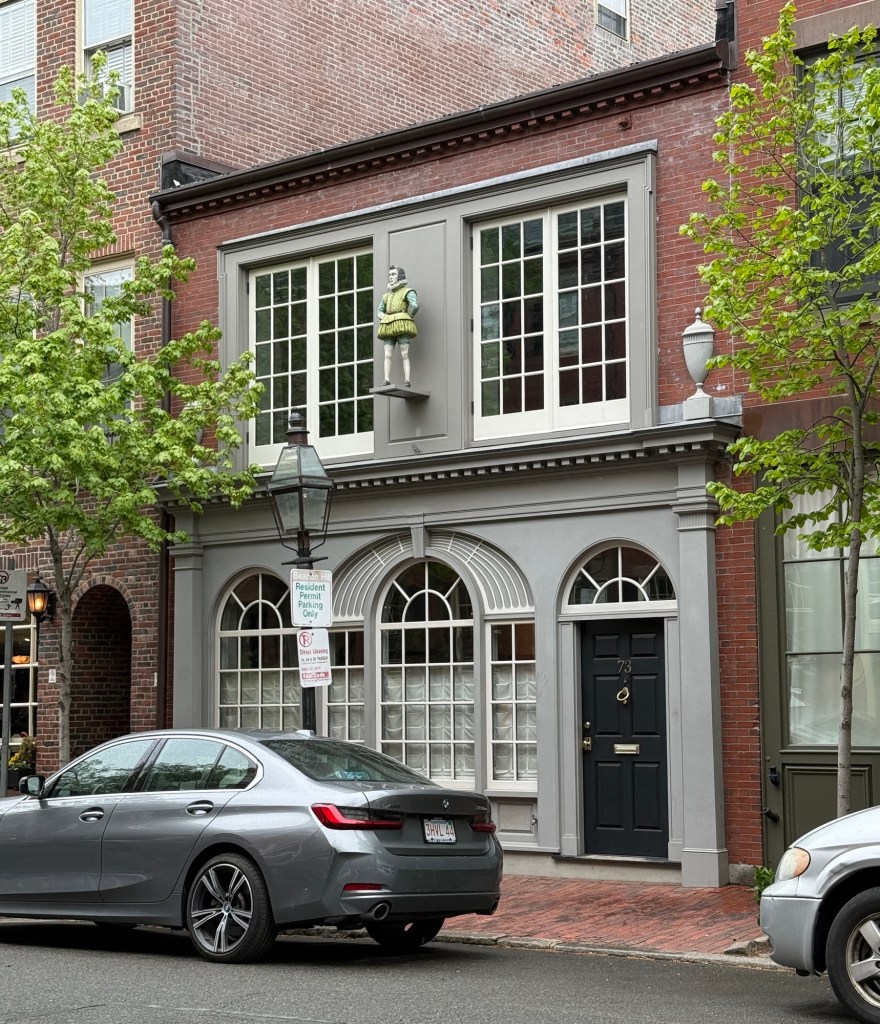
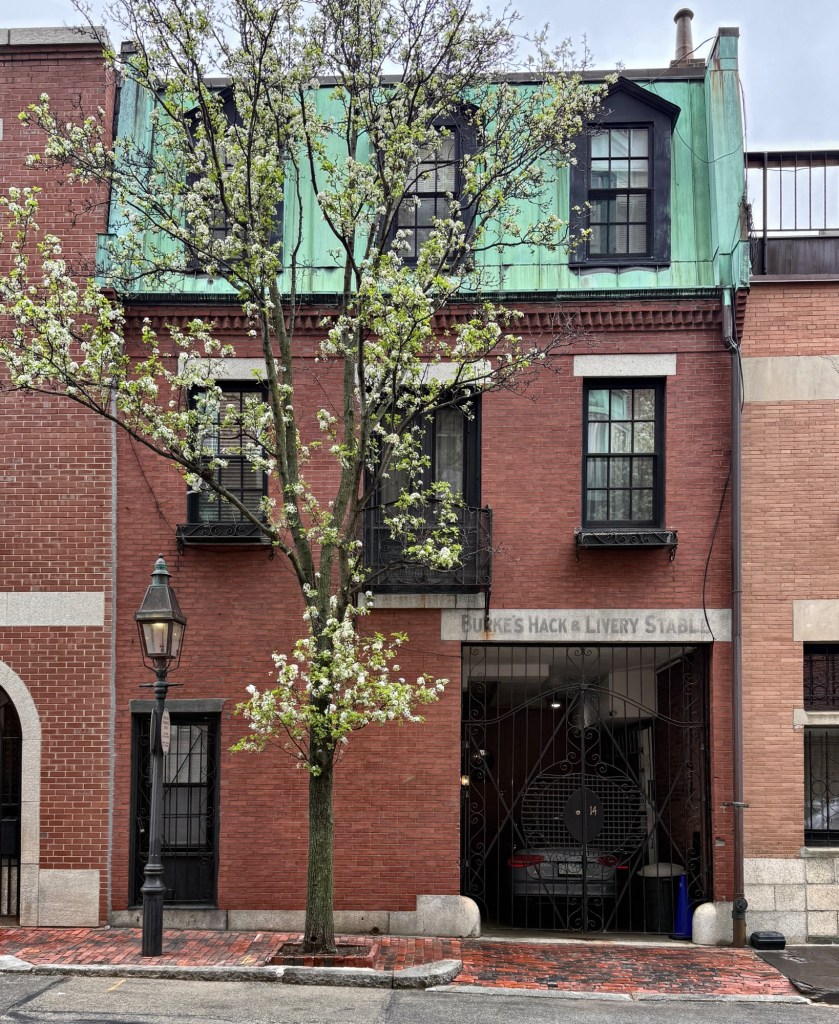
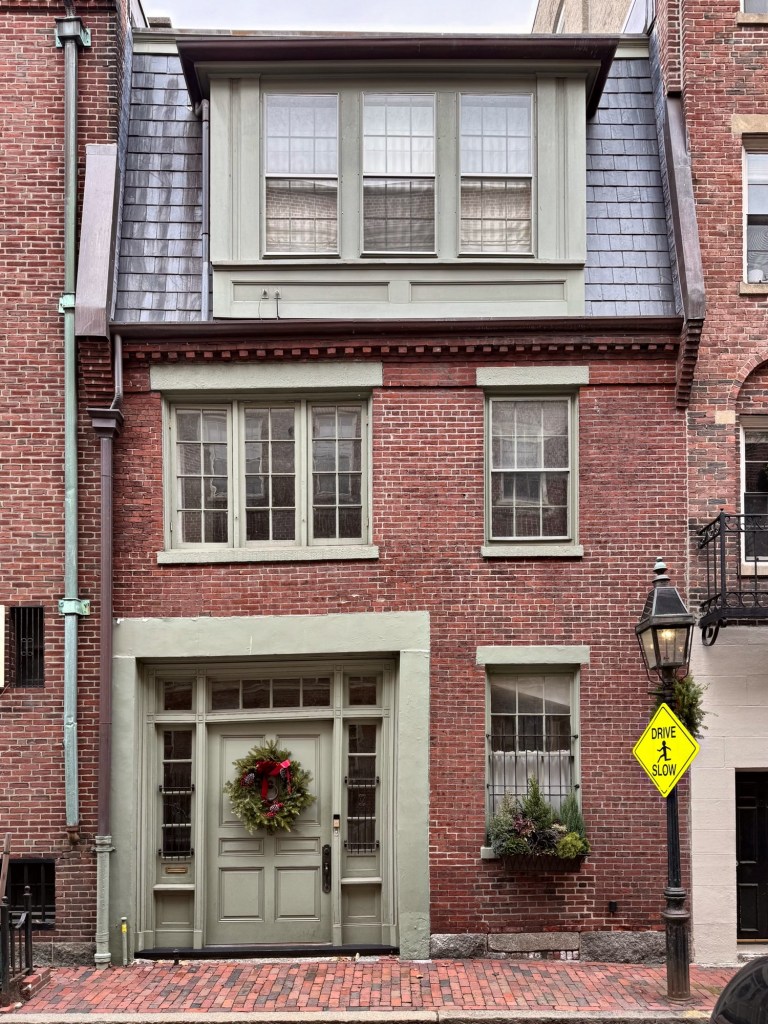
This charming building at 16 Lime Street on the Flat of Beacon Hill, Boston, has seen a variety of uses from carpentry shop and stable, to working theater, and finally to a residence. Let’s dive in! 

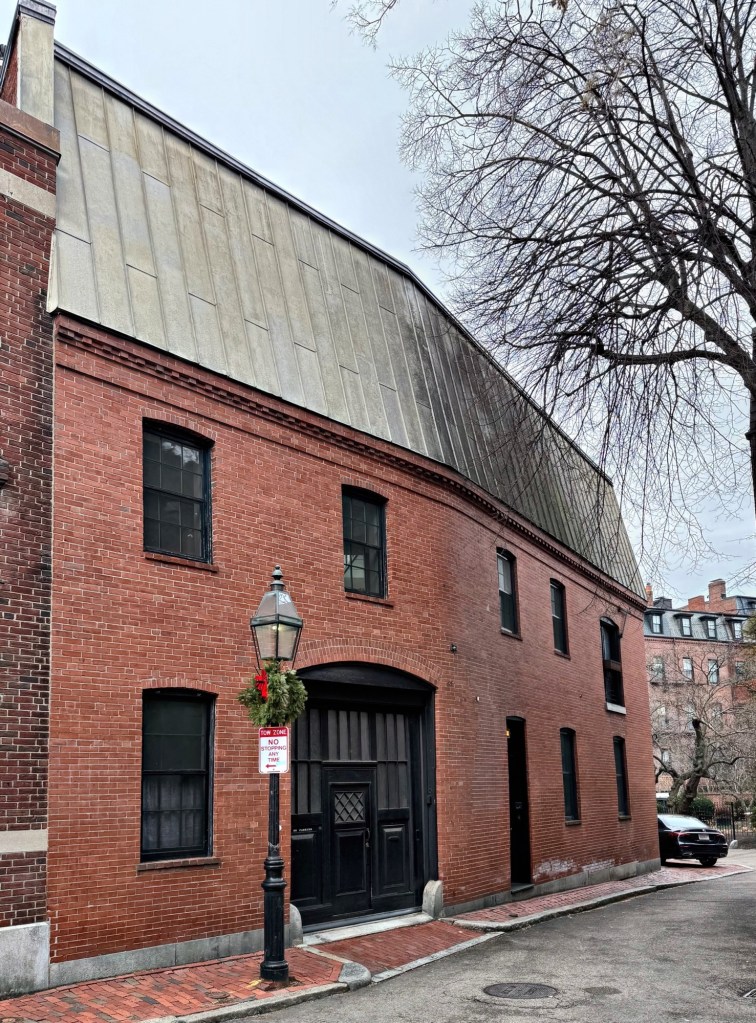
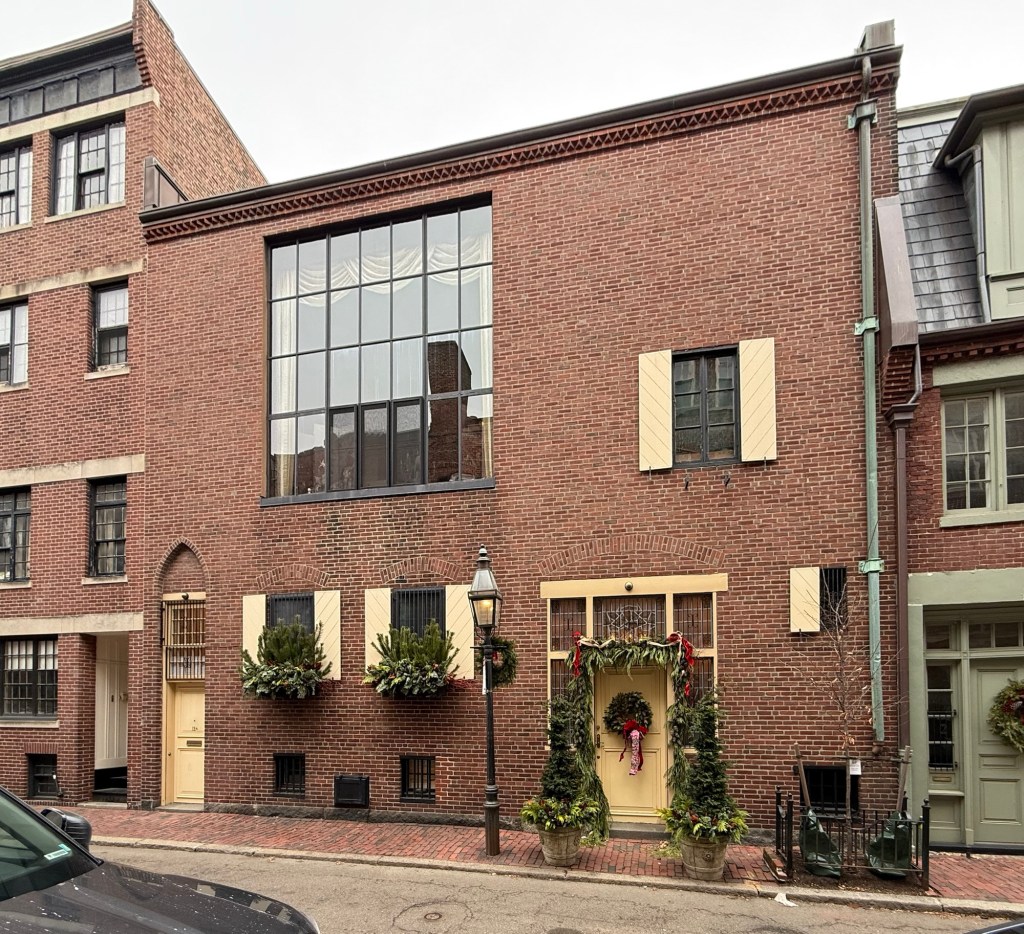
The early ownership is murky, but by the 1870s, this two-story with mansard roof stable was owned by a “Nathan Thayer”, either Nathaniel Thayer Jr. or Nathaniel Thayer III of Lancaster, who also retained city residences in Boston. The building features two portals on the first-floor that originated as doorways, the wider on the left for horses and a carriage, and the smaller for access to residential space for the stable-keeper and likely a hay loft over the carriage door.  After the turn of the 20th century, the Flat of Beacon Hill gentrified into an exclusive enclave of residences, antiques shops, and artist studios and the former Thayer Stable was purchased by Frederick Oakes Houghton, an agent for transatlantic steamers. Houghton rented the building to an amateur theatrical group who organized as the Toy Theatre, that was founded in 1911 to present plays that had not been presented professionally in Boston. The founding group consisted of the usual, artistic, high society types, and had seating for 129 with no standing room. Houghton hired architect, Harold Symmes Graves, to convert the building into its theater use, enclosing the former carriage door and hay loft with multi-light windows, and creating a larger space inside for productions. The Toy Theatre did very well (due in part to its membership of upper-class Boston residents) and a new, purpose-built Toy Theatre was built in the Back Bay by 1914. In 1917, the former stable and theatre was purchased by Richard B. Platt, a musician and music teacher, and converted to a residence, a use that has remained ever since. 

Sears Stable – The Vincent Clubhouse // c.1856

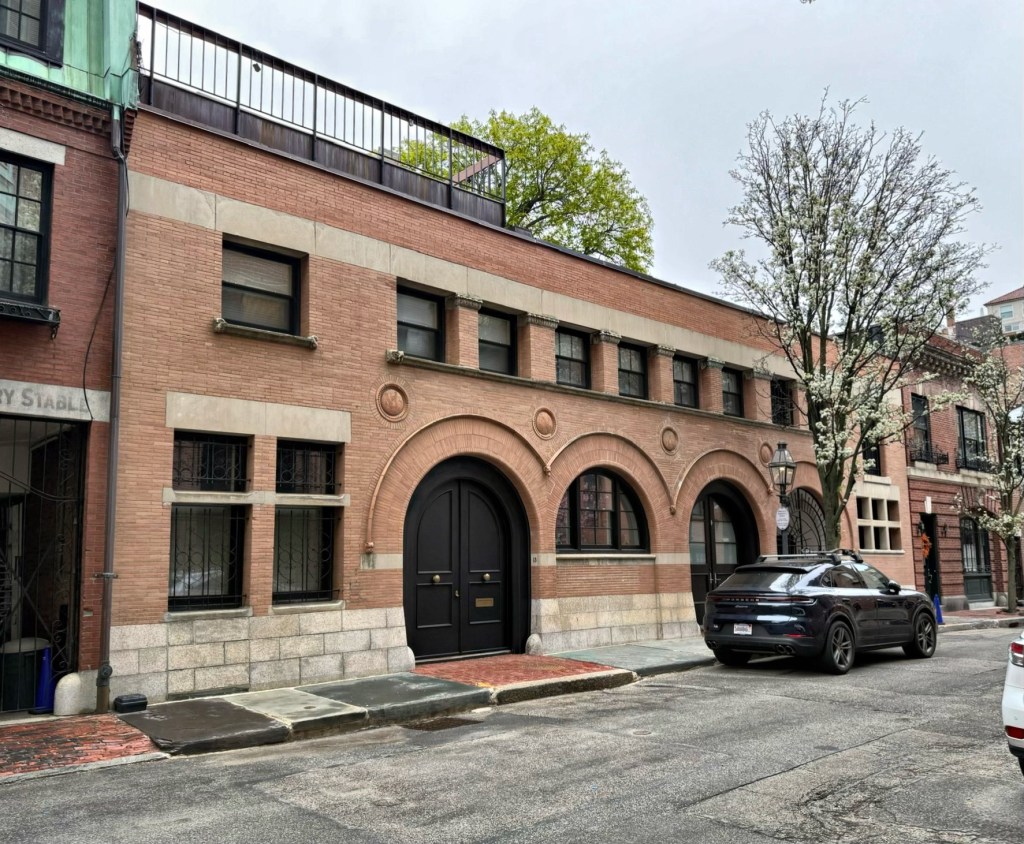
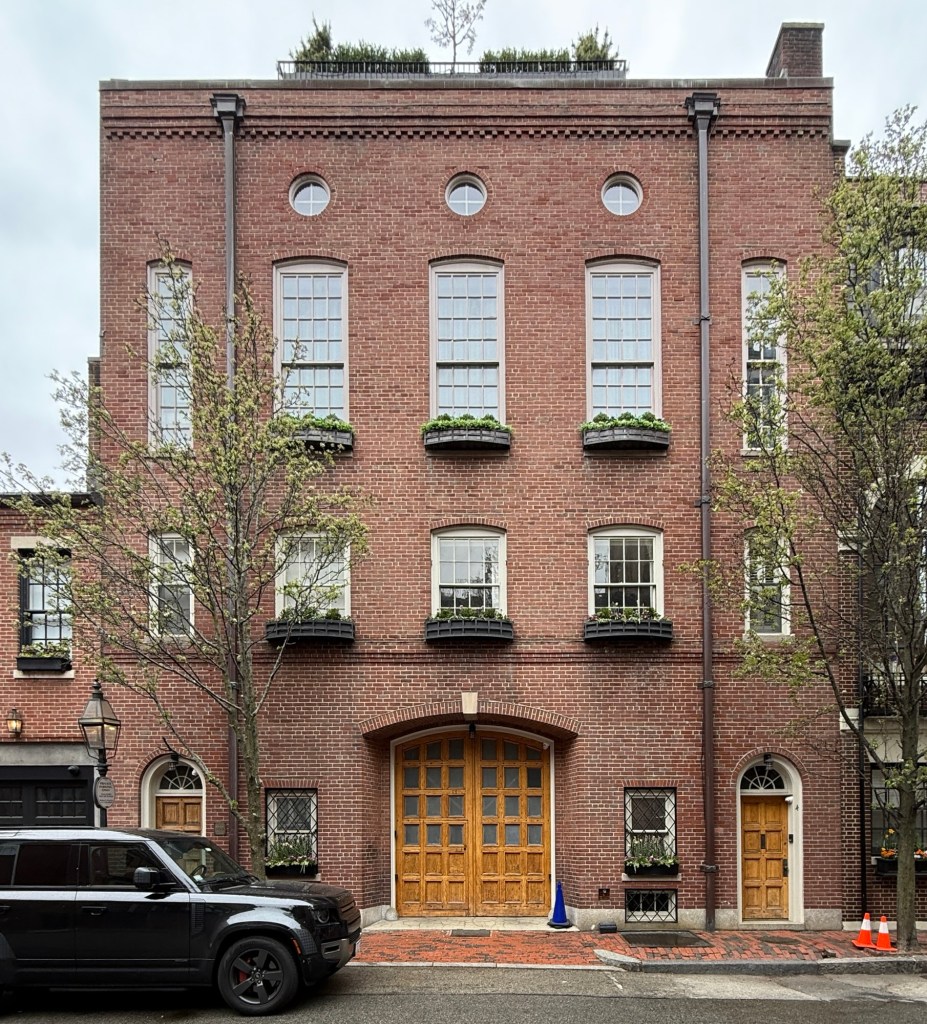
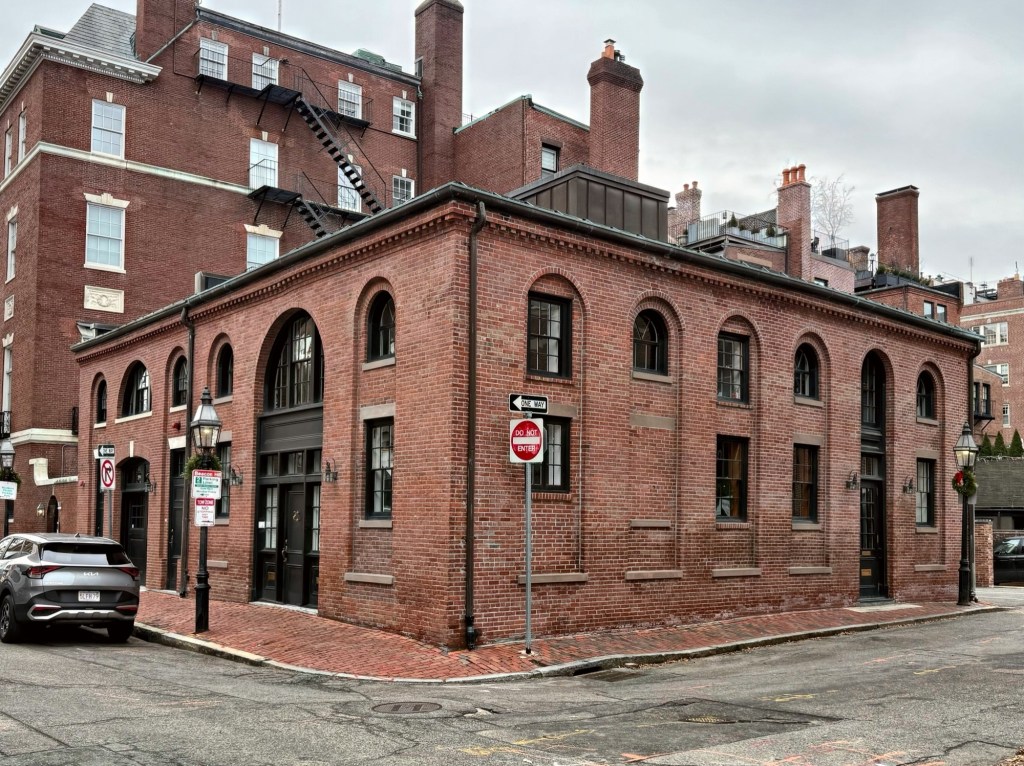
Located behind the David Sears Mansion (now Greek Consulate) on Beacon Street, this handsome utilitarian structure fronts Brimmer Street in Beacon Hill and predates the building it adjoins. The two stables and attached caretaker’s residence was built around 1856 for David Sears, who lived farther down Beacon Street, but also owned other buildings on the street which fronted the Public Garden. He built this stable in the Flat of Beacon Hill, an area west of Charles Street in what Samuel Eliot Morrison coined, “the horsey end of town” for its prevalence of stables and carriage houses. The architect is not known, but the handsome structure features bays of shallow, recessed brick arches and brick dentil courses, showing the importance of good design even for uses such as a stable. The building later became space for furniture storage and an ancillary apartment to the adjacent mansion, until 1957, when the it was acquired by the Vincent Club, a women’s organization with the mission of raising money for the Vincent Memorial Hospital whose mission was to treat the “diseases of women.” Even though the Vincent Hospital merged with Mass. General Hospital in 1988, the Vincent Club remains in this former stable as its home-base and continues to carry out its mission to advance the field of women’s healthcare.

Braman-Richards Stables // c.1870

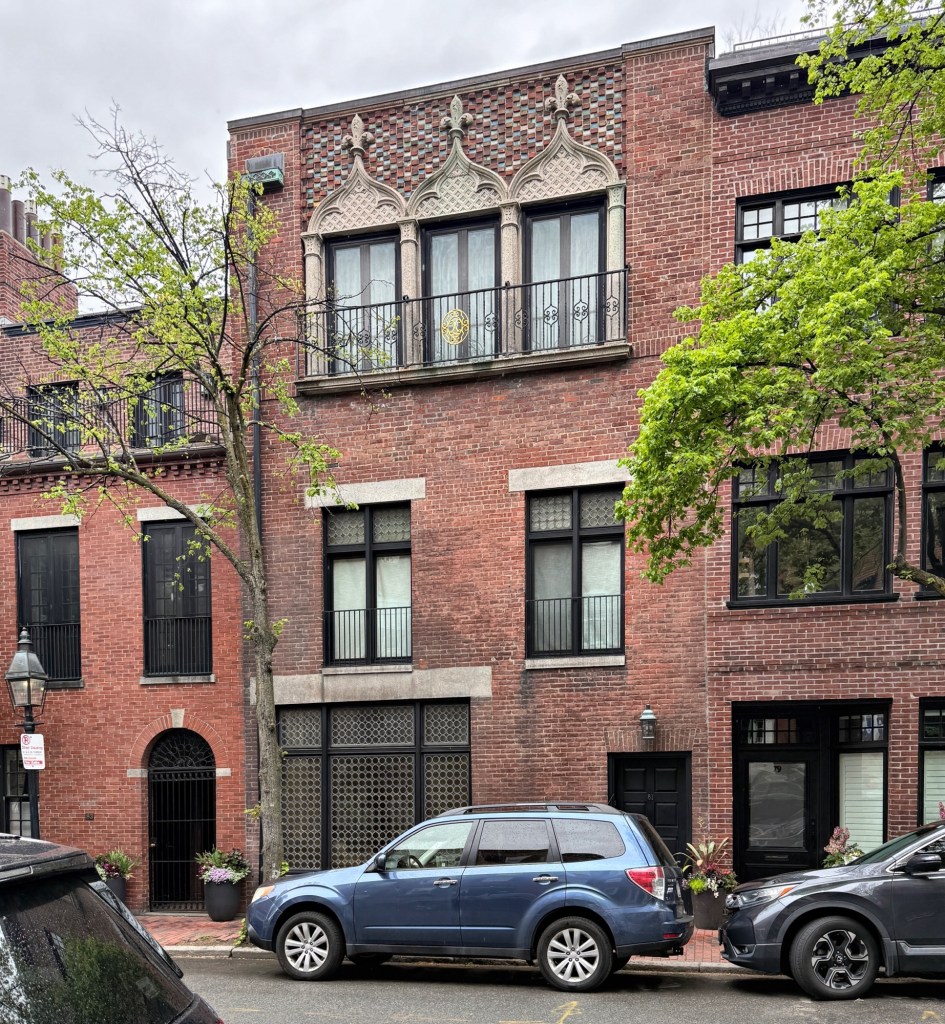
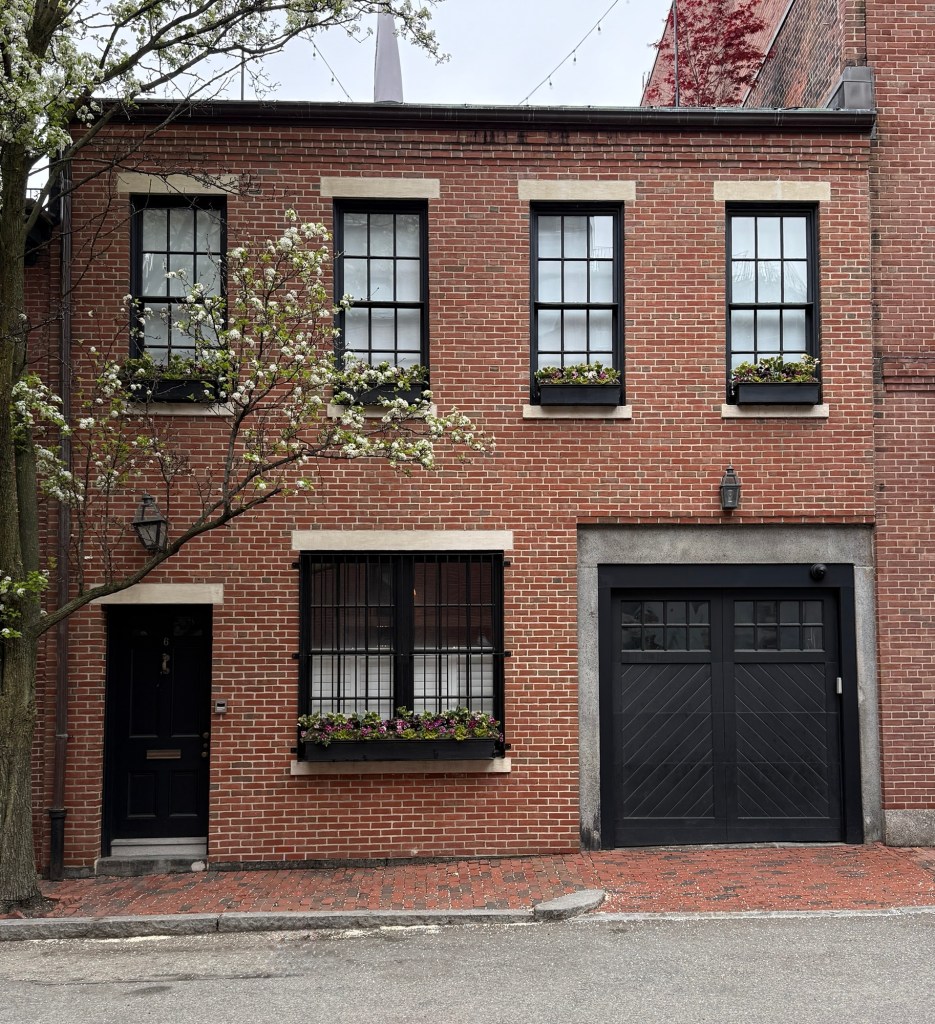
Located behind the iconic former fire station on Mt. Vernon Street in Boston, this converted stable maintains the important nickname for the Beacon Hill Flat as the “horsey” part of the neighborhood, which developed on filled land and contained many stables for wealthy Beacon Hill residents. This two-story stable fronts River Street and dates to 1870 and was built along with the townhouses fronting the hidden Mount Vernon Square for Grenville Temple Winthrop Braman (1832-1902), who partnered with a builder, Daniel Davies, to develop the lots here. The stable, which originally had a flat roof, was occupied as private stables and later as storage for the townhouses for nearly 100 years until it was purchased in 1968 and converted into residences by architects and partners, Joan E. and Marvin Goody, who established Goody/Clancy, a Boston architectural and design firm. The interior was modernized and the addition of a contemporary metal “mansard” roof fits well within the context of the neighborhood and was an important early “remodel” in the Beacon Hill Historic District.