Lord Mansion // 1822

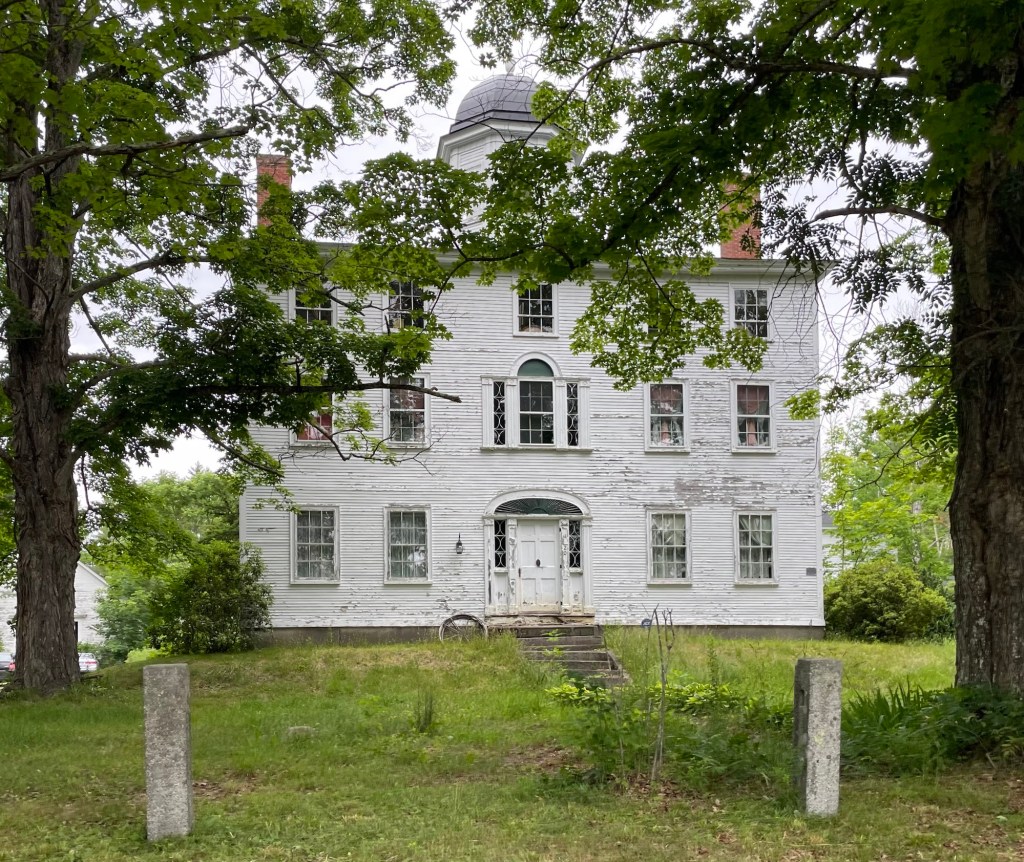
Isaac Lord (1772-1838) was born in Maine, but would spend much of his time transforming the small town of Effingham, New Hampshire. Isaac married the love of his life, Susanna Leavitt in Exeter in 1793 and the couple moved to Effingham, living and working in a tavern he built. Isaac prospered as an innkeeper, merchant, farmer, and entrepreneur, becoming Effingham’s wealthiest citizen, making the village he owned buildings to be called Lord’s Hill in his name. From 1818 to 1822, Isaac and Susanna lived in Portland, but he was ridiculed for “having money but no culture”. Growing tired of the city, he decided to return to Effingham. Mrs. Lord found the village too quiet and longed for the social life to be had in Portland, Maine. To convince his wife to remain with him, Isaac promised her a mansion that rivaled the homes in wealthy seaports like Portland and Portsmouth and began working on his mansion in Effingham in 1822. After years, the massive estate was completed, but Susanna remained in Portland. A heartbroken Isaac moved into the large mansion and continued business until his death in 1838. The Isaac Lord House consists of a three-story main block with a grand cupola on its roof and a three story ell to its rear. Stables and a carriage house are also on the lot today. I would do anything to see the inside of this beauty!
Effingham Academy // 1819

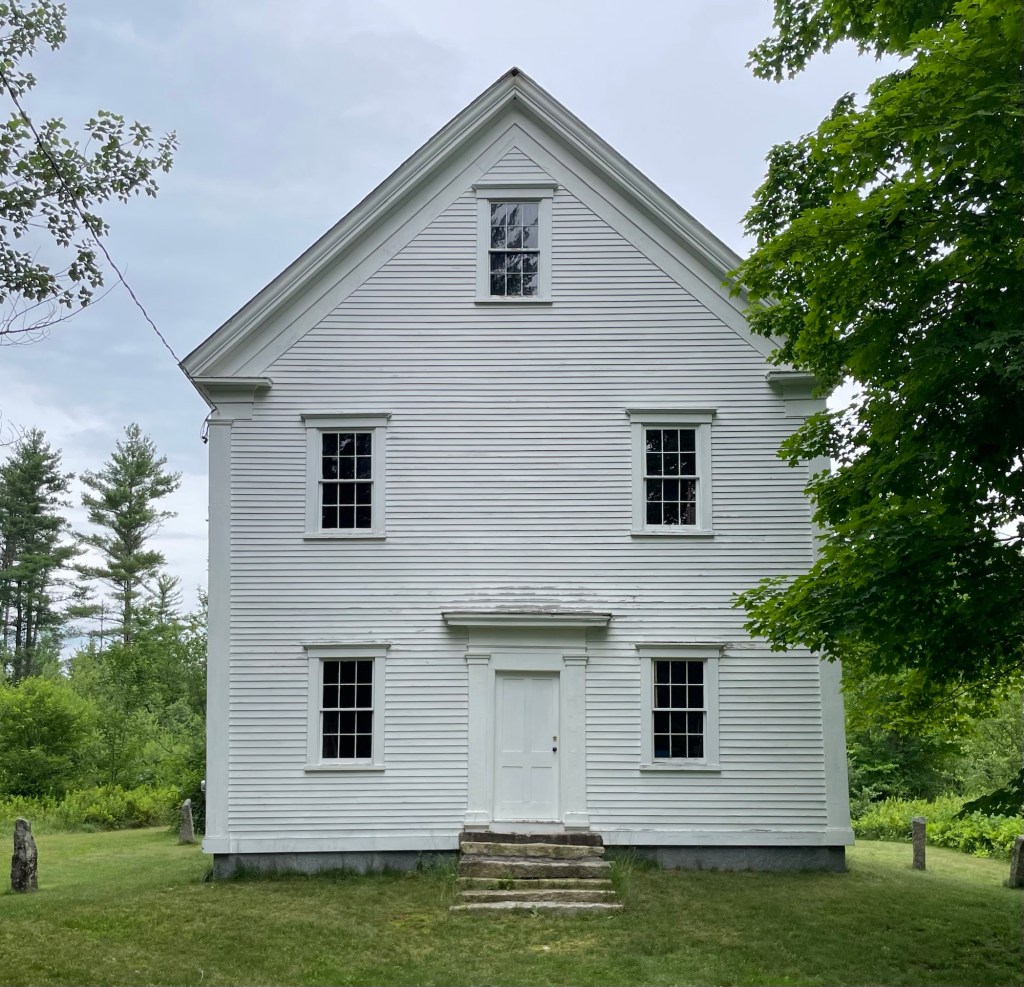
The small town of Effingham, New Hampshire, is the home to the state’s first Normal School. This building was originally constructed in 1819 as a vernacular, Federal period academy for the youth in the rural town of Effingham on land formerly owned by wealthy resident Isaac Lord. A normal school for the training of teachers was established on the school building’s second floor in 1830 with James W. Bradbury, a Bowdoin College graduate, to head it. Bradbury, later a United States Senator, took the position only on condition that it should be for the instruction and training of teachers, a novel idea at the time. The school, like many small academy buildings of the period, eventually closed. The building is now managed by the Effingham Historical Society.

Old Effingham Meetinghouse // c.1800

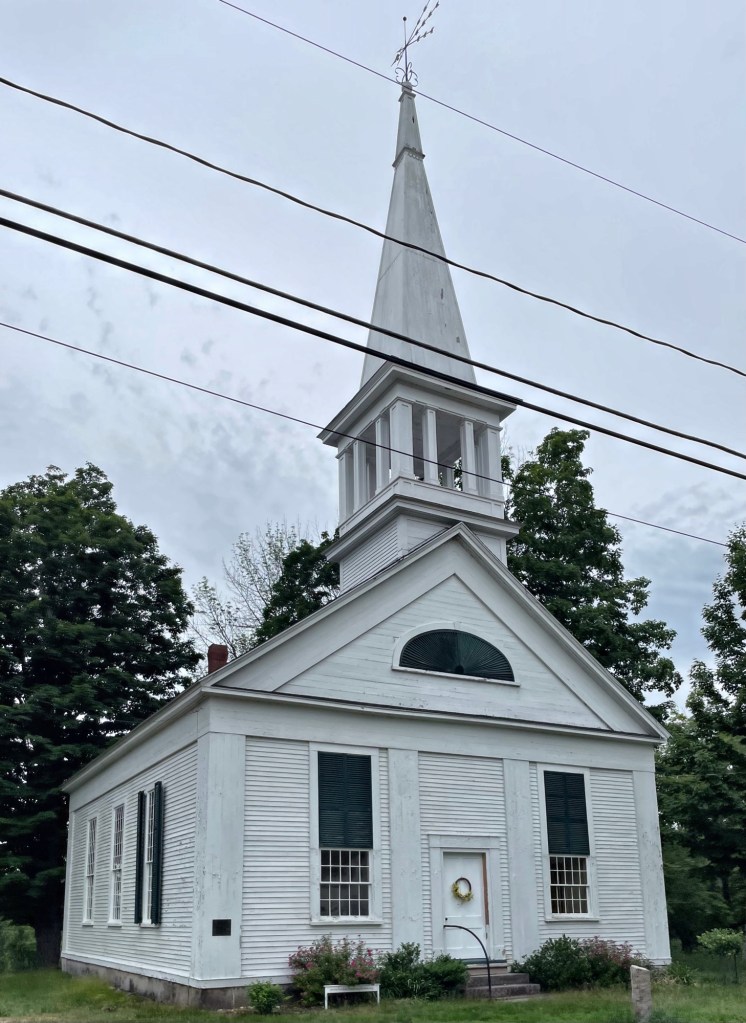
The location of the Effingham meetinghouse in New Hampshire was a controversial question in the 1790’s, with the villages of Lord’s Hill and Drake’s Corner both vying for the town’s most important public building. After several votes and repeals of votes, the Town’s voters in 1798, chose a committee of hopefully disinterested men from other towns and instructed them to settle on the location. The committee recommended Lord’s Hill, and in June, the Town voted to accept that location. The contract for the meetinghouse was awarded to Isaac Lord, a local landowner and operator of a tavern and store, who promptly erected the building the same year. In its original form, the building had the traditional meetinghouse plan, with its main entry in the long southeast side and a belfry at the northeast end. In 1845, the meetinghouse, by then the property of the Congregational Church, was thoroughly remodeled in the Greek Revival style, what we see preserved today.

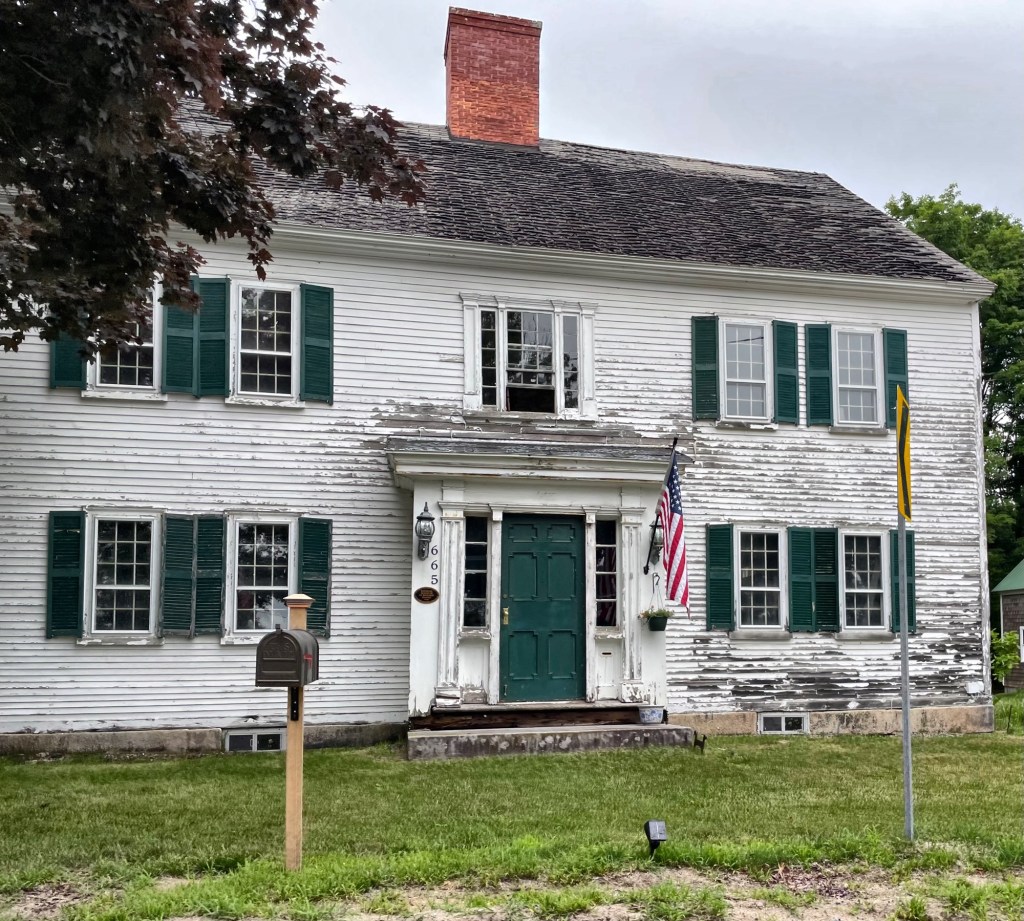
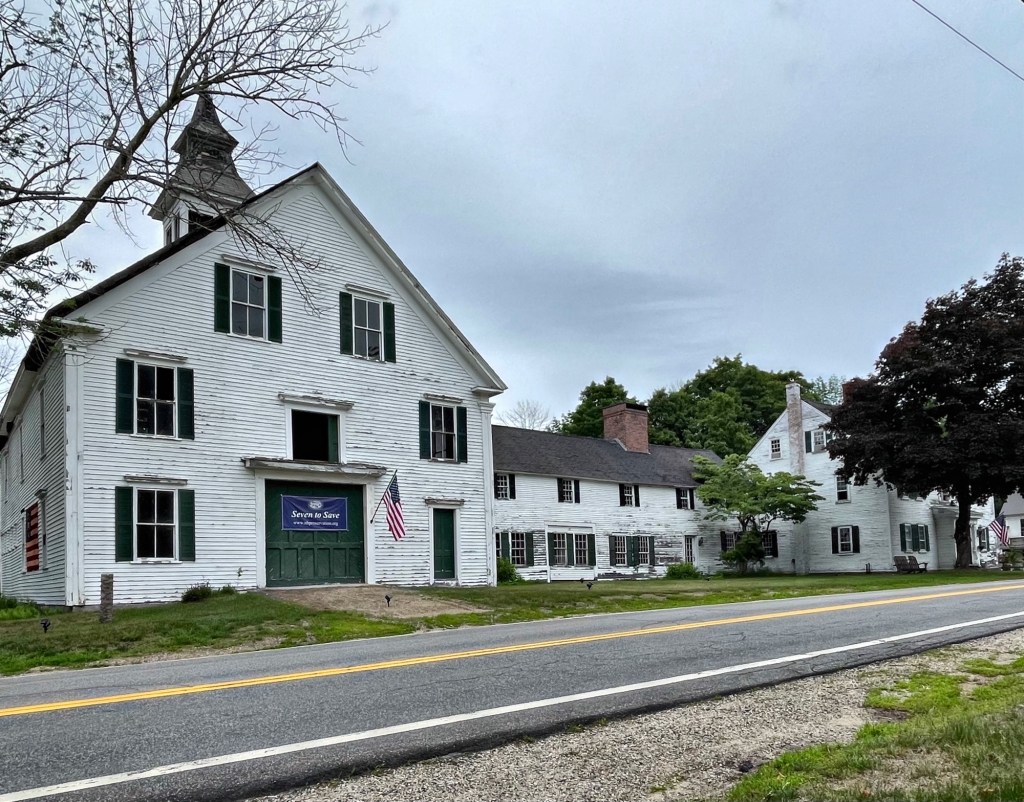
Lord’s Tavern // c.1792

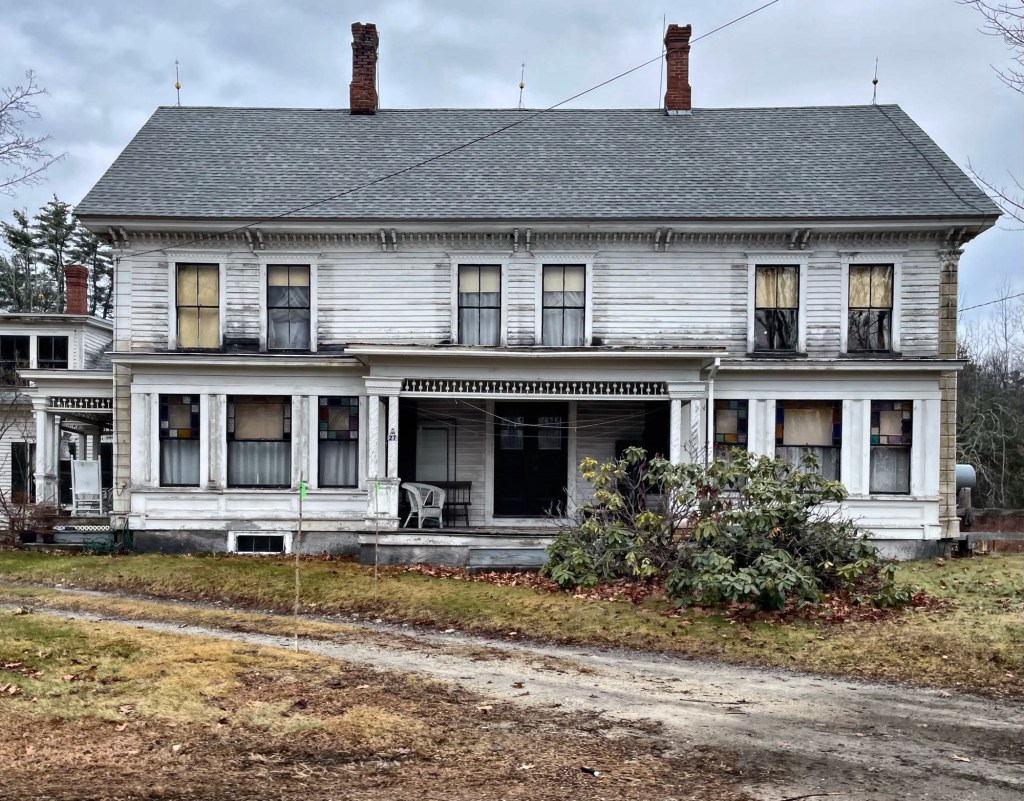
Isaac Lord (1772-1838), the namesake of Lord’s Hill, came to Effingham, New Hampshire by 1791. An enterprising man, he was the most important figure in the village’s early history and in its architectural development. By 1792, Lord opened Effingham’s first store on the Hill, and soon thereafter began building a house that also served as the local tavern, this Federal style structure. As Lord prospered as a merchant and innkeeper, he enlarged the Tavern with a large ell connecting the main block to the 3-story barn. The fine Federal tavern was embellished with a vestibule and a triple window. The high quality of the Tavern foretold the character and scale of Isaac Lord’s later buildings nearby. The Tavern stayed in the extended family until 1903. Throughout the 20th century, the property was used as an inn and restaurant, including a stint as a dance hall. By the 21st century, though, deferred maintenance and successive attempts to fix the building ended in mortgage sales, foreclosure, and most recently, a tax deed, the the Town of Effingham recently acquired the property with the aim to restore the significant building. It was sold to a private owner in May 2024 and awaits its future. The Lord’s Tavern was listed in the New Hampshire Preservation Alliance’s ‘Seven to Save’, to advocate for its preservation and funding.

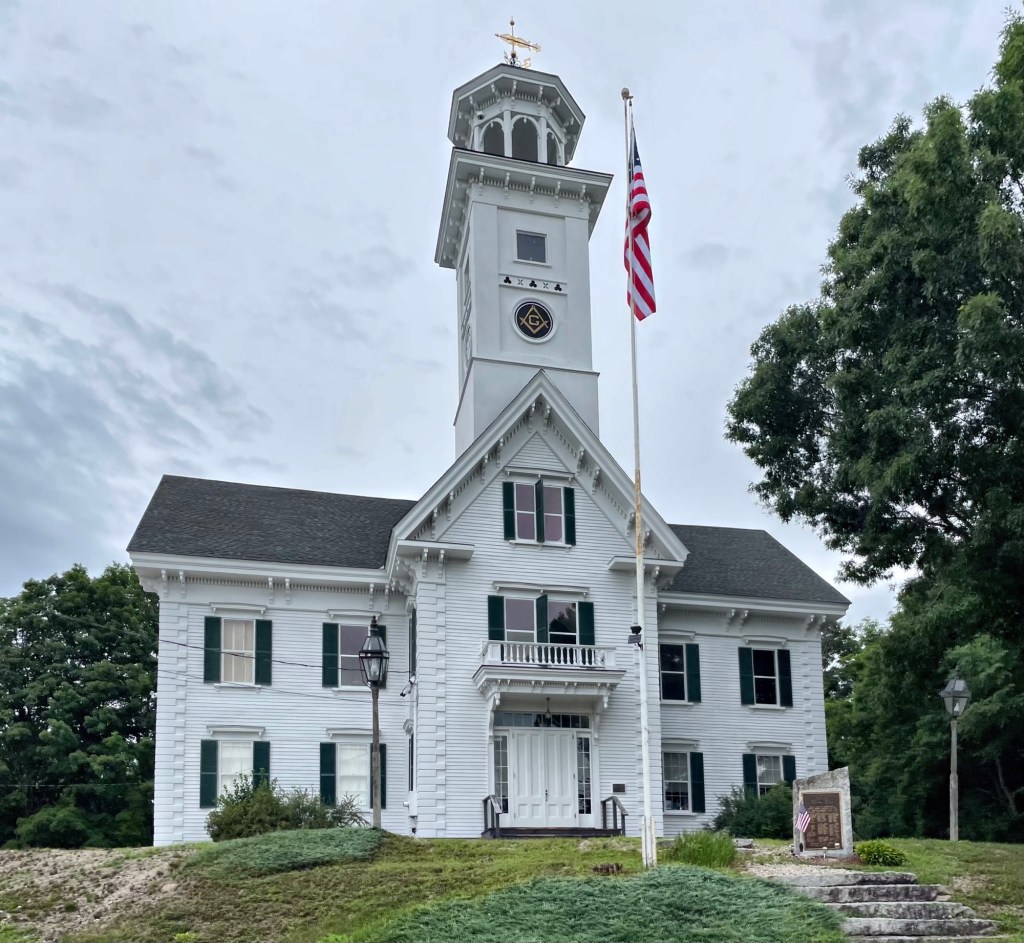
New England Masonic Charitable Institute // 1858

The New England Masonic Charitable Institute building is located in Center Effingham, New Hampshire, and is among the rural town’s most impressive structures. The structure was built in 1858 by the Charter Oak Lodge No. 58 of Free and Accepted Masons as a school to educate orphans of Masonic members, but they also admitted local students. It is the only known school building purposely constructed by Masons in the United States. Classes were conducted from 1861 to roughly 1882 with students boarding with local families. The impressive Italianate style building is dominated by a six-story bell tower supporting an octagonal cupola, and exhibits many architectural details including the corner quoins, paired eave brackets, and dentilled cornice. Charter Oak Lodge No. 58 sold the building to the Town of Effingham in 1891 for one dollar but retained rights to the second floor temple room in perpetuity. The walls and ceilings of the Lodge’s temple space are covered with trompe l’oeil murals attributed to Massachusetts painter Philip A. Butler. Images of classic sculptures, architectural details and Masonic symbols, including the All-Seeing Eye, are incorporated into the paintings. Heavily water-damaged in the late 1980s, they have since been restored. The building remains occupied by the Effingham Public Library, what a library building for a town of just 1,700 residents!

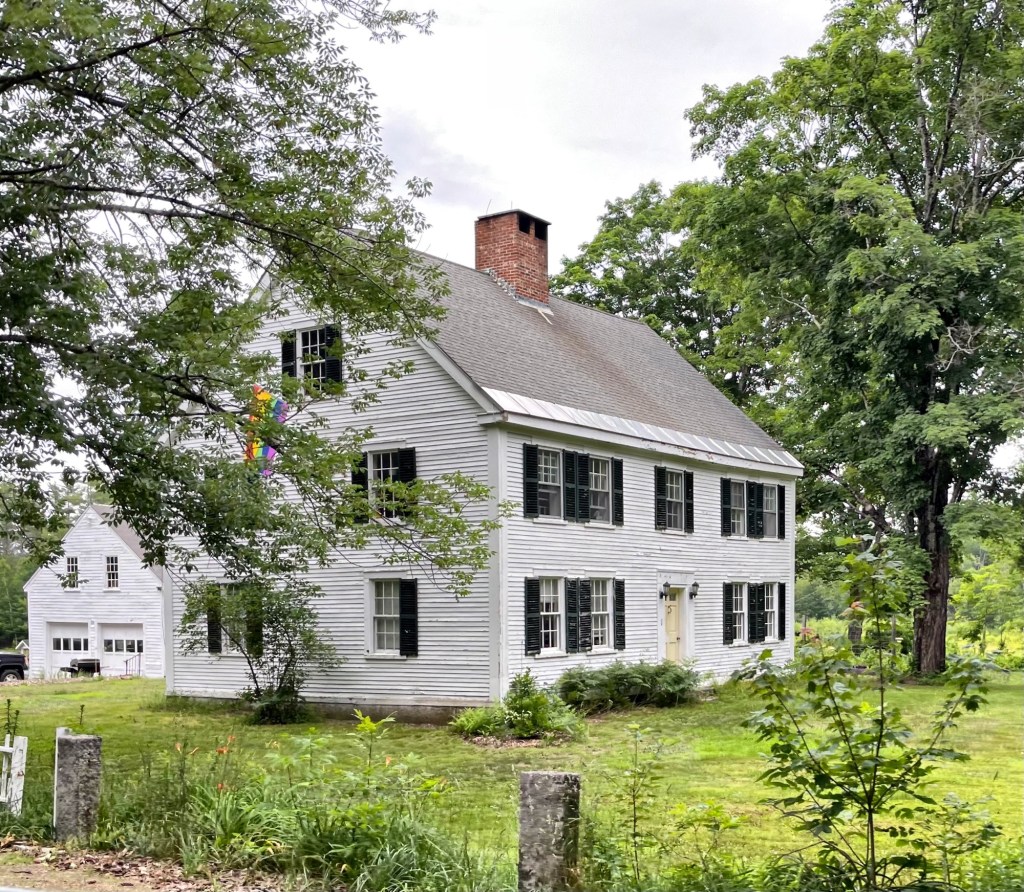
Dearborn-Keay House // c.1772

The town of Effingham, New Hampshire, was settled by members of the Leavitt family of HamptonNew Hampshire, led by Captain John Leavitt. From them the settlement first took the name “Leavitt’s Town”. In 1749, the land here was officially granted by Governor Benning Wentworth, and he renamed it “Effingham” for the Howard family, who were Earls of Effingham in England and who were related to the Wentworths by marriage. The town was incorporated in 1778, six years after this house was built. This is the Dearborn-Keay House, a 1772 Colonial home in Effingham, built by Benjamin Dearborn, who was an early settler of the area from Hampton, New Hampshire. The homestead was enlarged by his nephew Asahel Dearborn in the early 1790s, giving the home its present appearance. After later ownership in the Dearborn Family, the property was purchased by Cyrus Keay, who would die in the home in 1894. The property remained in the ownership of the Keay family for many years more.

Sumner Stanley House // c.1850

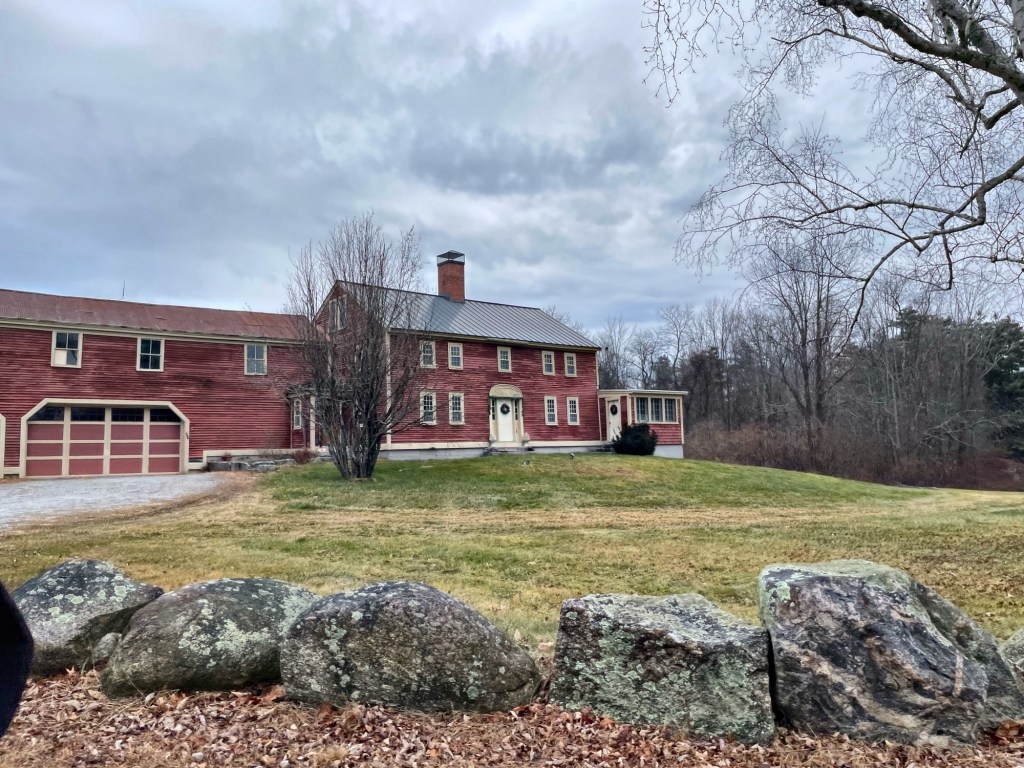
One of the larger homes in Weare, New Hampshire is this sprawling mid-19th century residence, seemingly built around 1850 for Sumner Stanley and his wife, Ruth. Stanley and Ruth (née Dow) acquired land from Ruth’s family and they built their home here. By 1856, Stanley sold a small piece of land to town just to the east of his house for the construction of the North Weare Schoolhouse. The Italianate style house with its Stick style attached barn structure have some amazing detailing!

North Weare Schoolhouse // 1856

The Town of Weare, New Hampshire was first divided into thirteen school districts in 1805 as a result of a state law to divide each town into school districts to service all students equally. Over the years the number of school districts fluctuated and were periodically redefined based on population distribution and class sizes. The North Weare Schoolhouse was built in 1856 and was operated as a one-room school until 1952 when a consolidated school was built in town. Architecturally, the building blends multiple styles, most notably the Greek Revival and Italianate styles. The property was later occupied as a Grange Hall with a 1960s addition to the rear. It was purchased in 1985 by new owners who had spent years restoring the building as a residence before they sold it more recently. Today, the former schoolhouse has modern additions and windows, but maintains its charm and uniqueness.

Amos Chase House and Mill // 1836

The Amos Chase House and Mill are located in Weare, New Hampshire, on the banks of the Piscataquog River. The house is oriented facing the road, while the mill is behind it, on the bank of the river. The mill is the only surviving 19th-century mill building in Weare. The house was built about 1836 by Amos Chase, as was a mill. That mill burned in 1844; the present mill was built by Chase as a replacement a few years later. This mill was the only one in the town to survive the New England Hurricane of 1938, although its waterwheel was washed away. Amos Chase was a tool manufacturer and one of several members of a locally prominent family operating small mills in the town. His son later used the mill in the manufacture of baskets. The large Greek Revival style home has all the hallmarks of the style, from the pediment facing the street, to the pilasters at the entrance and corners.

Elijah Purington Homestead // 1768

One of the earlier settlers to Weare, New Hampshire was Elijah Purington, who purchased a lot in the center of town in 1768 and built this large farmhouse for his family. Elijah was one of the first Quakers to move to Weare, and the next year, he was elected a selectman in town. The farm remained in the ownership of his descendants through the end of the 19th century. A trotting park was built on a piece of the property covering an earlier pond, which seems to have since been restored back to a pond. After Elijah Purington III died in 1890, the property was purchased by Oliver Dennett Sawyer, who operated it as the Apple Tree Inn until his death in 1921. It has remained a private home ever since.