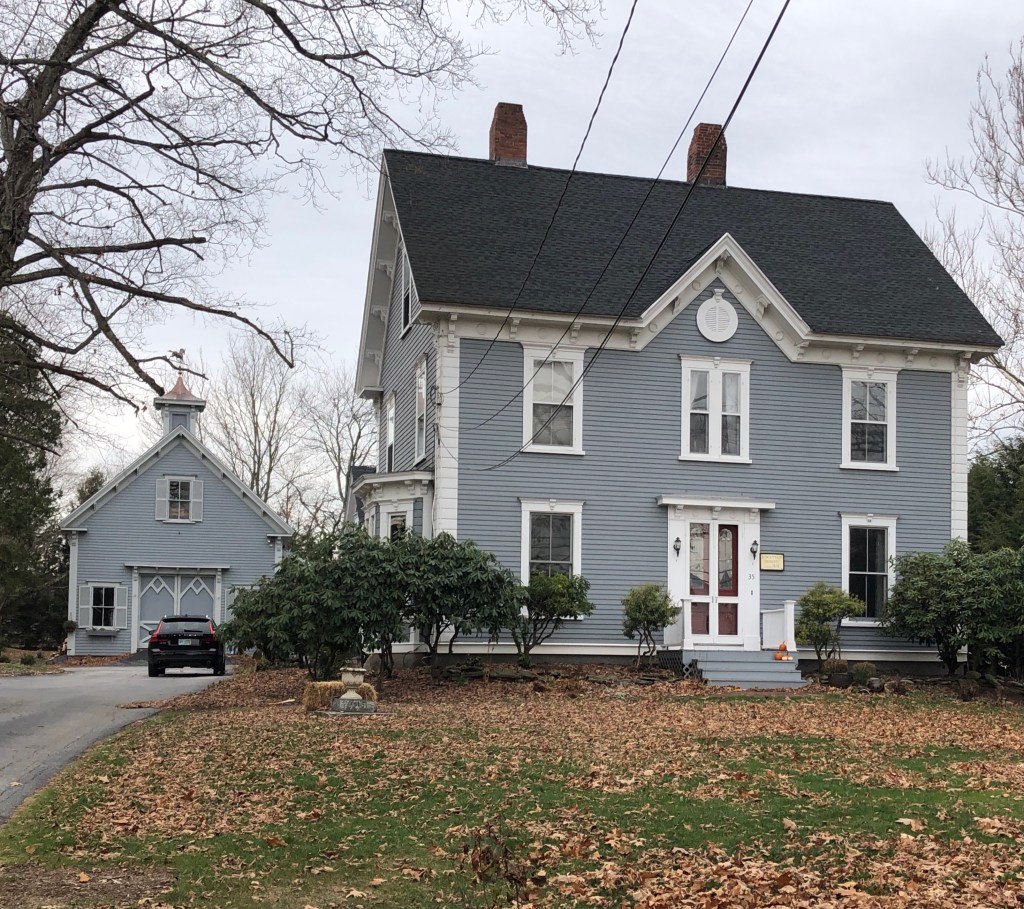
Clapp House and Barn // 1877

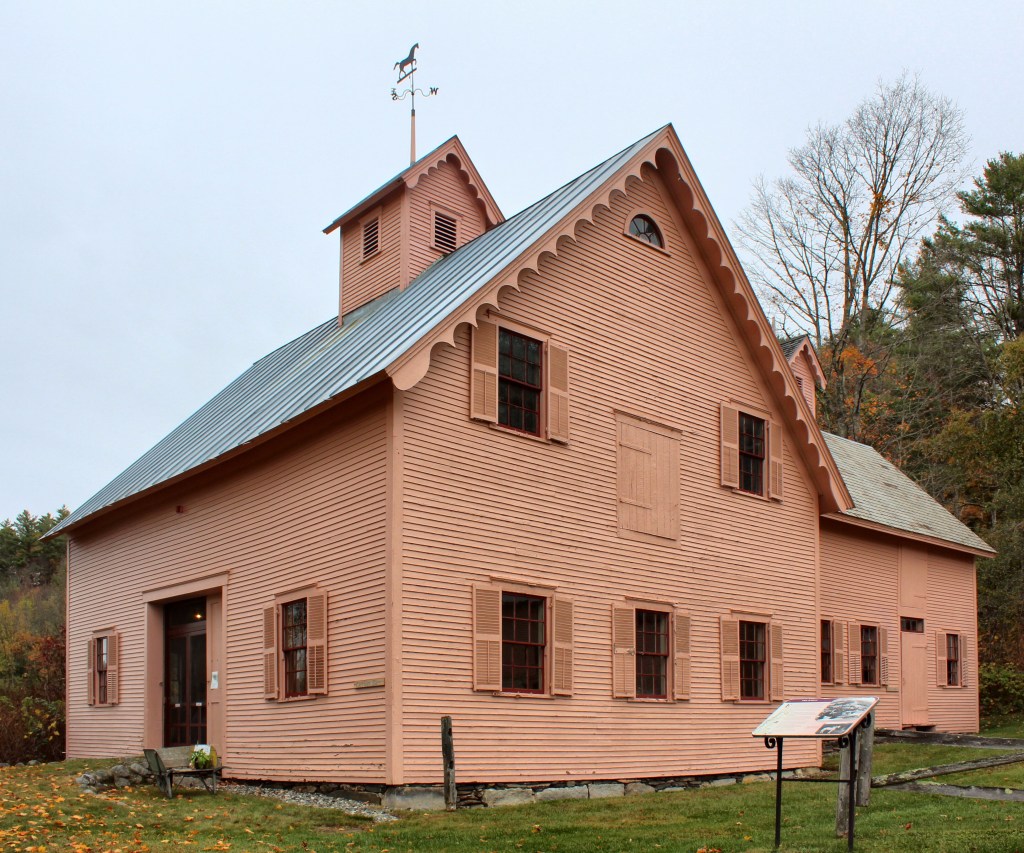
This Italianate home with attached barn was built in 1877 for William and Almira Clapp. William worked as a schoolteacher and shopkeeper in Boston before meeting Almira, marrying her, and moving to her home town of Hollis, New Hampshire, a big change of pace from Boston. The couple eventually built this home, behind an older home and lived here until their deaths. A subsequent owner demolished the older colonial in front to establish this farmhouse’s presence on the main road. The home was eventually purchased by Charles Stratton, and the Stratton family lived here for decades. The home and barn are well preserved examples of Victorian era agricultural and residential architecture in southern NH.
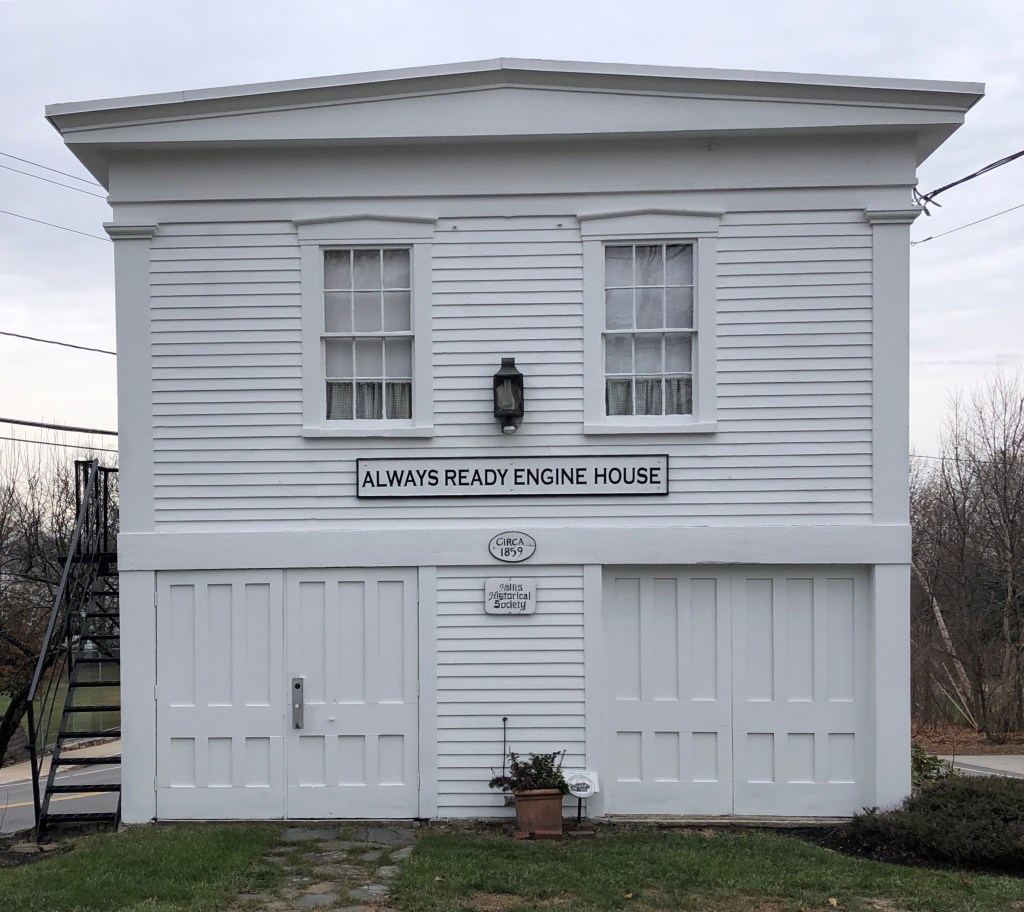
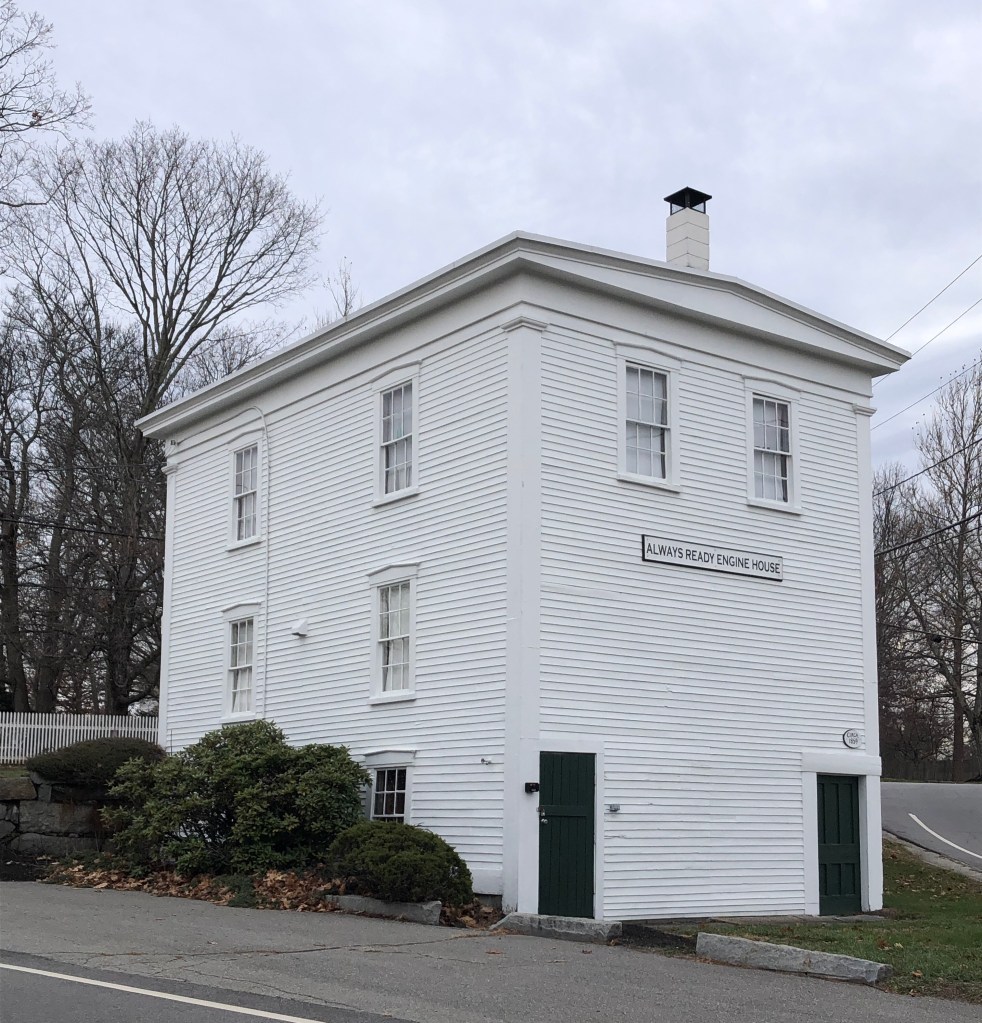
Always Ready Engine House // 1859

Located in a triangular island at the corner of Main Street and Monument Square in the charming town of Hollis, NH, the Always Ready Engine House is a two-story clapboarded building with a lower level exposed on the east end due to the sloping site. The simple Greek Revival-style building is capped by a low-pitched gable roof and is outlined by simple pilaster cornerboards. The building was constructed in 1859 by the Town and furnished by the local fire company. Initially the building was kept for the exclusive use of the engine company but in 1862 the Soldiers’ Aid Society was granted permission to meet here. In 1877 the building was altered to accommodate the Town Hearse and in 1878 part of the basement was fitted as a local police lock-up and tramp shelter. The fire department finally vacated the structure in 1950 and the building served as the police station from 1971 to 1987. It was given to the Hollis Historical Society shortly after who hold documents, objects and photos which display the history of the town inside.

Conant House // c.1800

This stunning Federal home in Hollis, NH was built around 1800 for Josiah Conant, likely as a wedding gift to his new wife, Lucy. Conant was a cabinetmaker by trade and his shop was located across the street, and according to local sources, he used his woodworking skills on the inside and out of his home, with intricate details including mantels, wainscoting and exterior cornice. Half of the second floor was originally a dance hall and was later used for a reading or writing school school run by Lucy. The brick-end Federal home features a Palladianesque entry with sidelights and an arched transom with historic windows!

Eli Smith House // 1794

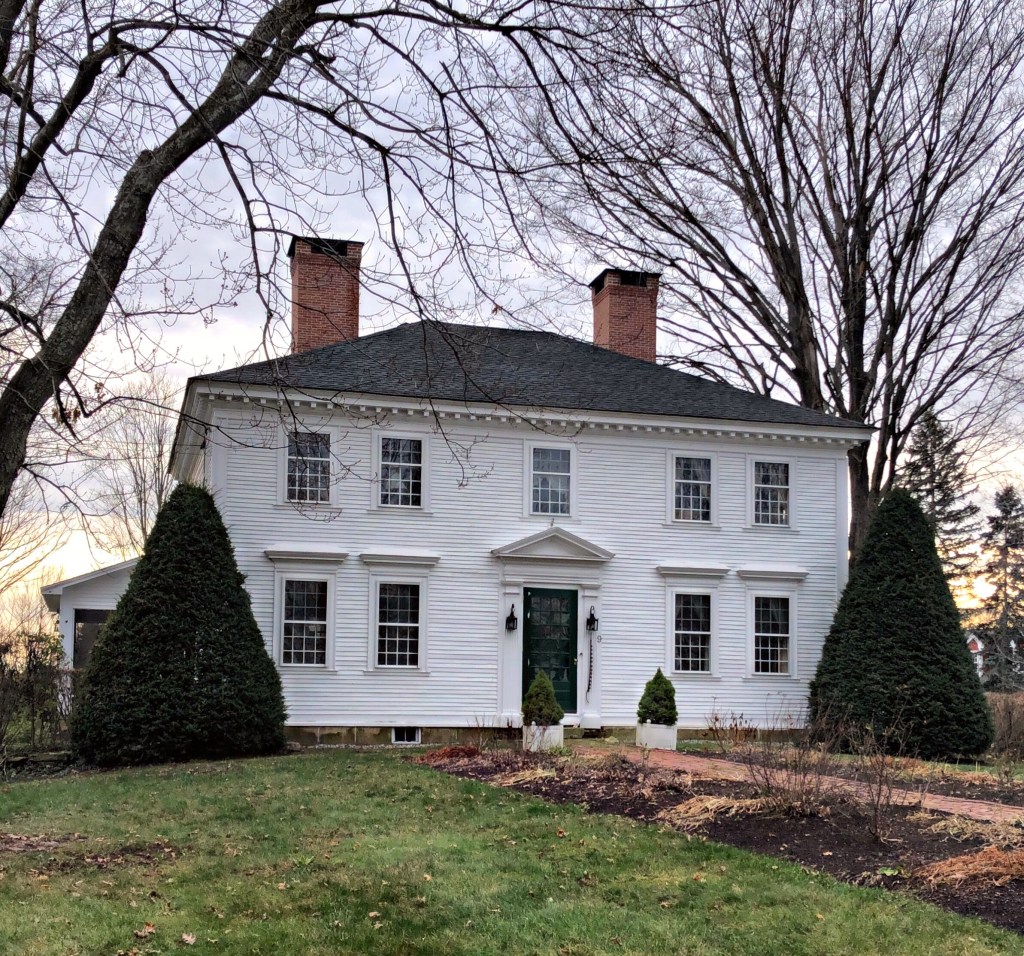
This house on a prominent lot opposite the Town Green in Hollis, NH, was constructed in 1794 for Reverend Eli Smith (1760-1847). In 1794, Rev. Smith married Ama Emerson, the daughter of Rev. Daniel Emerson, then the minister of the Congregational Church in Hollis. After Rev. Emerson’s death, Eli Smith took over the church and became the second minister of the town. Eli’s brother Andrew, a skilled carpenter, is said to have built the stunning Georgian house. After his death in 1847, the property was subdivided and another home was constructed, likely for a member of the family, while Joseph Emerson, one of Eli’s sons lived in the former family home. It remains one of the best-preserved late 18th century homes in the area.

Emerson House // 1744

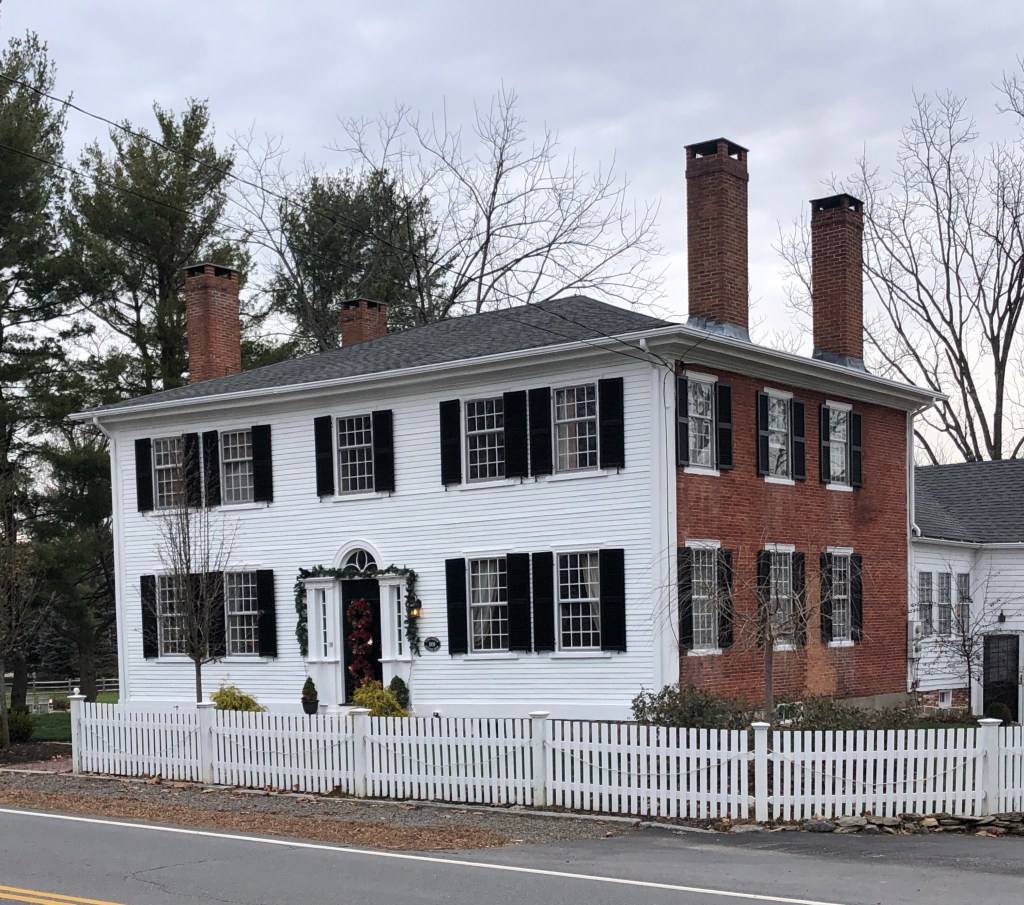
The oldest extant building in the village center of Hollis, New Hampshire is the Emerson House, which overlooks the town green. The home was constructed in 1744 for Reverend Daniel Emerson, the first settled minister in Hollis. The home stands on land that was part of the 40-acre ministerial parcel set aside when the town was planned that year. Over the next 21 years, Reverend Emerson and his wife had 13 children (seven sons and six daughters) which caused them to expand the home numerous times until his death in 1801. The home remained in the Emerson family for some years until it was sold at some point in the 20th century when the home was modified with the storefront windows. It now houses apartment units.

Commonwealth Trust Company // 1908-c.1974

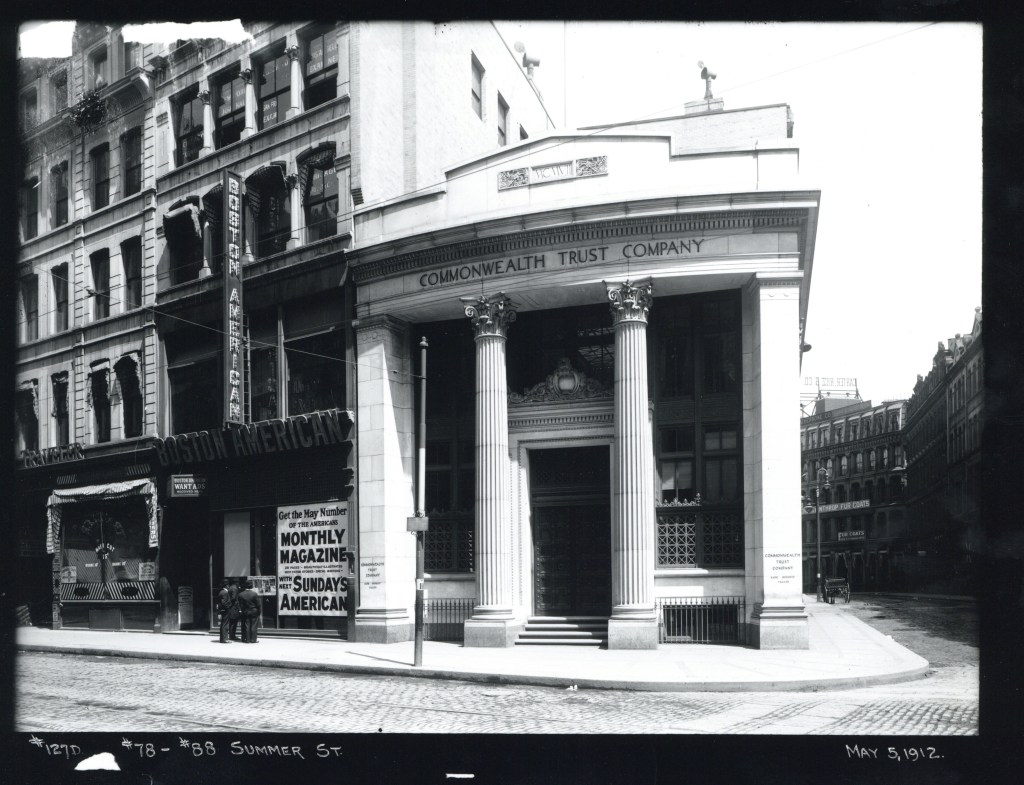
Ca. 1910 image courtesy of Boston Public Archives.

Located at the corner of Summer and Devonshire Streets in Downtown Boston, the Commonwealth Trust Company’s two-story marble banking house commanded the corner, despite its short stature. The building, completed in 1908, was constructed with Lee marble and decorated with ornate wrought and cast-iron grilles over windows. The building was designed by the architectural firm of Parker, Thomas & Rice in the Classical mode with large, fluted Corinthian columns and boxed corner pilasters framing the recessed center entrance, Corinthian pilasters ran along the side facade. At the inside, the building was coated with Cararra and Blanco marble with paneled oak offices. At the ground floor, offices and banking stations framed the outer walls, with the safety deposit boxes located on the second floor. The building was demolished by the 1970s and replaced with a one-story minimalist Modern building (I could not figure out why the former building was razed). The new building was demolished after a few decades with a larger building, better fitting the commercial district.

Justin Morrill Homestead // 1851

One of the most stunning Gothic Revival homes in New England has to be the Justin Morrill Homestead in the tiny town of Strafford, Vermont. The home was designed by and built for Senator Justin Smith Morrill (1810-1898), who was born in town and worked with his mentor Jedediah Harris at the local store. He later expanded and owned numerous stores in the area and diversified, investing in railroads, banks and real estate in the region. He retired in the late 1840s and became a gentleman farmer, building this Gothic Revival home in town. In 1854 Morrill was elected to the Thirty-fourth Congress as a Whig. He was a founder of the Republican Party, and won re-election five times. In 1866, Morrill was elected to the U.S. Senate as a Union Republican, serving until his death in 1898. Morrill is best known for sponsoring the Morrill Act, also known as the Land Grant College Act. This act was signed into law by Abraham Lincoln in 1862, and established federal funding for higher education in every state of the country. Senator Morrill primarily used this house as a summer residence, as he spent much of his time in Washington, DC. The property remained in the Morrill family, until World War II. The house was eventually acquired by preservationists, who sold it to the state in 1969 for use as a Historical Site and museum.

Justin Morrill Barn

Universalist Church of Strafford // 1833

The Universalist Society of Strafford, founded in 1798, is the second oldest in Vermont and fourth oldest in the nation. In the early years, Universalists met in Strafford’s Town House, sharing the building with other denominations. Eventually the Universalists, Baptists, and Congregationalists all built their own churches, with the Universalists building a structure in 1833 in South Strafford Village. The white clapboarded church sits high on a hill with a gorgeous belfry and large stained glass windows.

Strafford Municipal Building // 1883

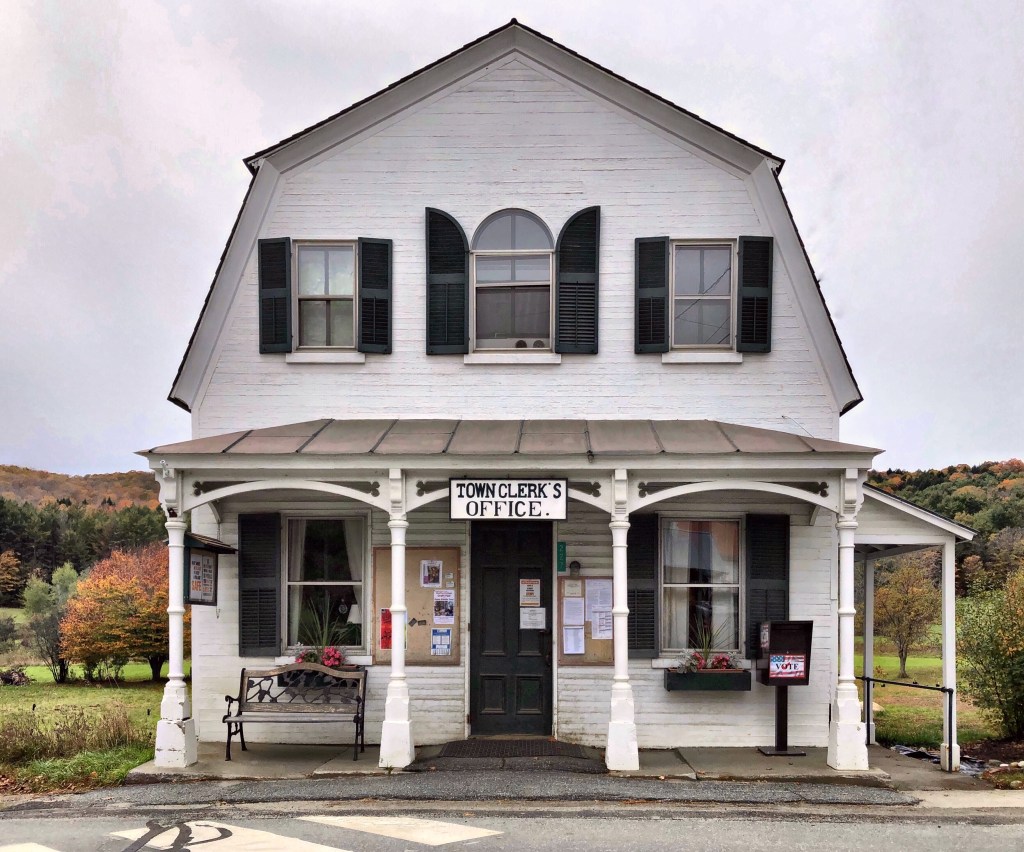
Designed and built by Senator Justin Morrill in 1883, this building was donated to the town of Strafford by Morrill in memory of his mentor Jedidiah Harris. It was given to the town as a public library in part to house the Harris Library, which in turn had been created by a bequest from Harris. This structure remained a library until the Morrill Memorial Library building was completed in 1928 and its collection was joined with Morrill’s. It is currently used as the Town Office building providing space for the Town Clerk/Treasurer and Town Records, and town boards. The white clapboarded building has Victorian detailing with the spindled posts at the porch with a prominent gambrel roof covered in slate. Cute!

Strafford Town House // 1799

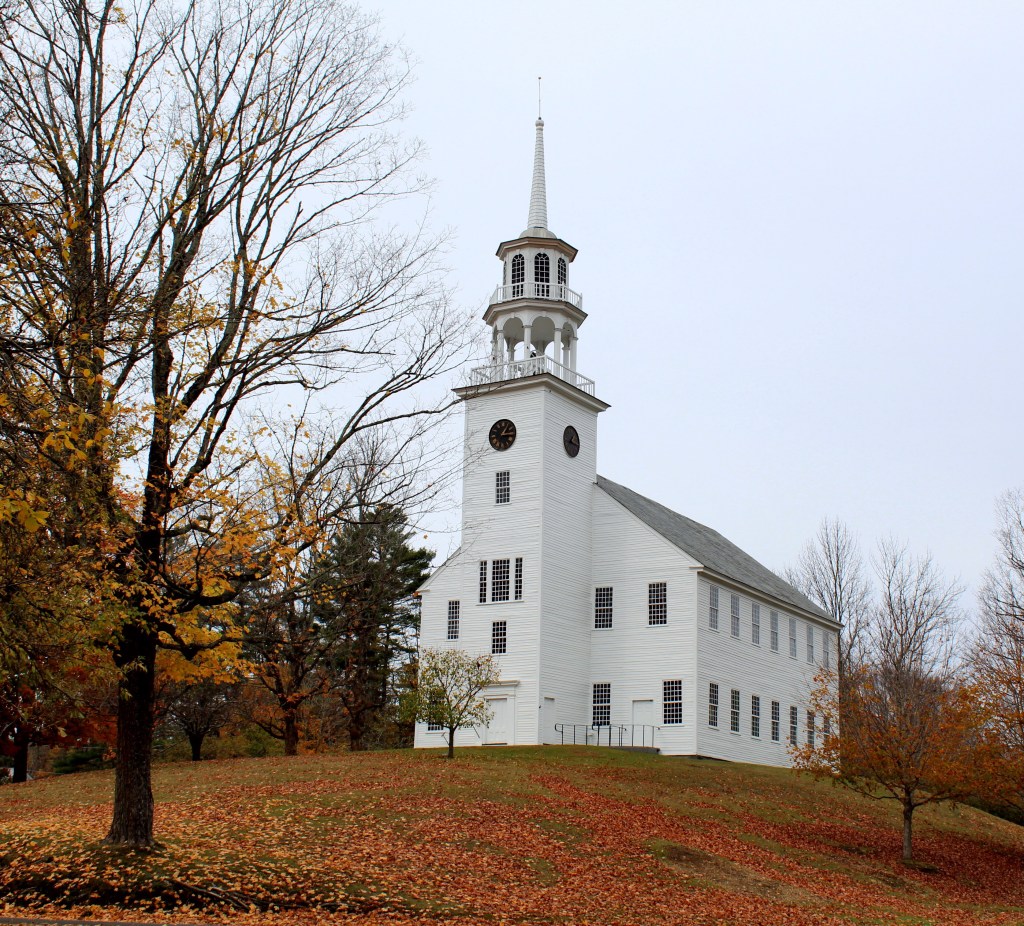
Perched atop a hill at the edge of the town common in Strafford, Vermont, the Strafford Town House epitomizes rural New England charm. The town house was constructed in 1799 by local carpenters as a place to do public business and served for a brief period in the early days as a meeting house for various local congregations. The building is one of the oldest meeting houses in Vermont and was one of the first meeting houses to put the entrance at the tower-end and the pulpit at the other end of the building. The change from a side-entrance orientation reflected a time when New Englanders were clearly deciding to separate their political business from their ecclesiastical affairs.