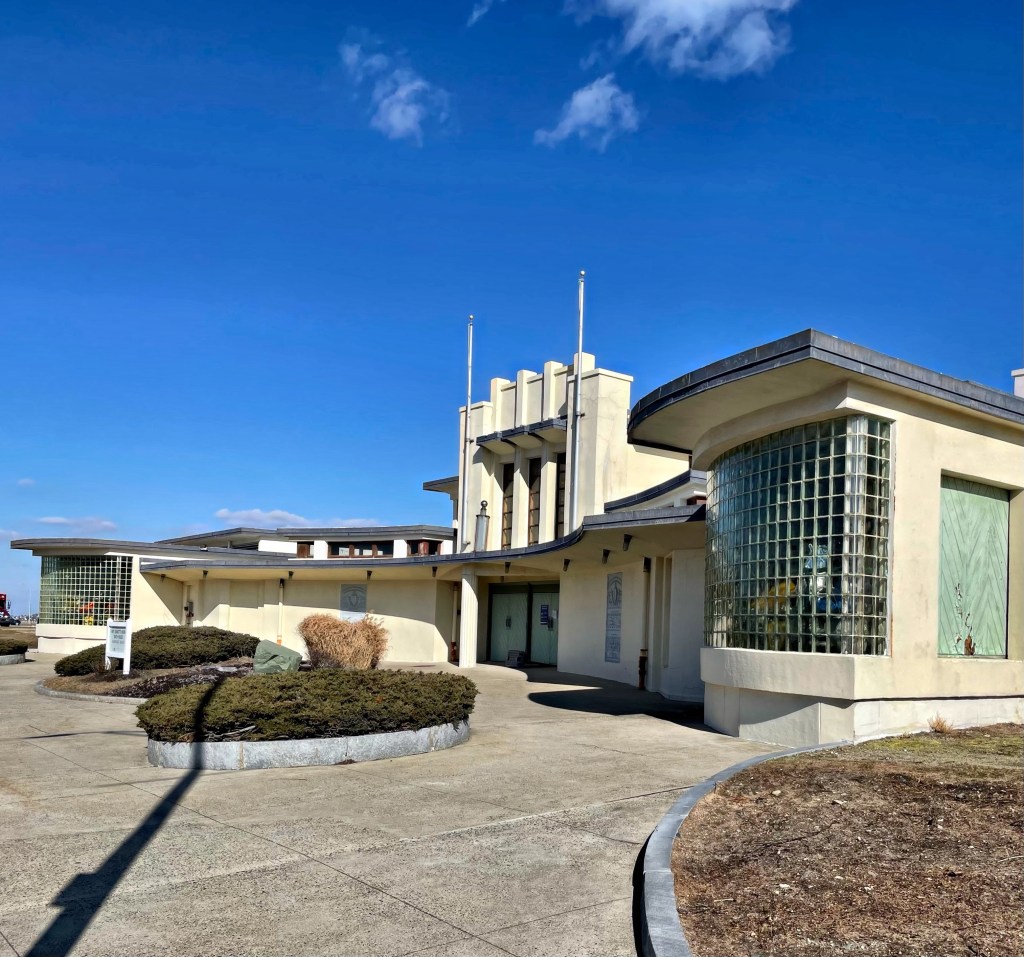
A part of any large public beach in Massachusetts is the public bathhouse, where visitors can go to the bathroom, change, and store belongings in lockers. Ever since the Massachusetts Parks System of Boston acquired land at Nantasket Beach, a bathhouse was here for visitors. The earlier building by Stickney & Austin burned down and was soon replaced. This amazing Art Moderne bathhouse features a central mass with wings adorned by glass block. The architects Putnam & Cox created a whimsical 1935 Moderne design that blends into the sandy beach. The building suffered from the salt air and cold winters and went through a massive restoration in the late 1990s, it was then re-opened and re-named after Mary Jeanette Murray, a state representative.
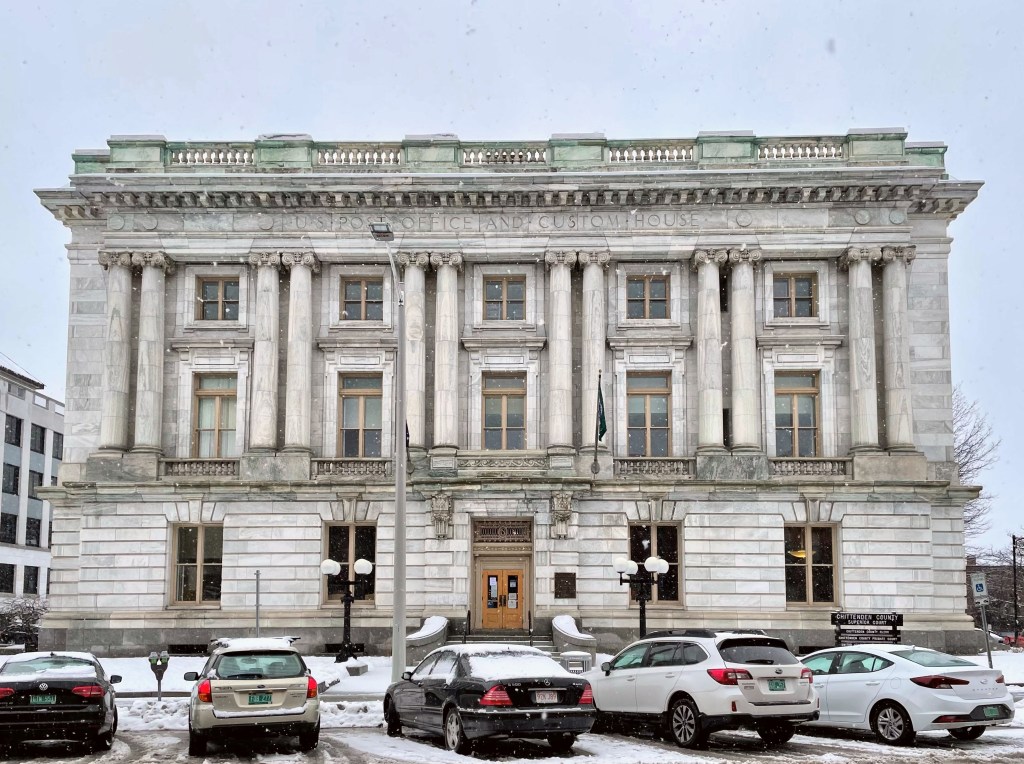
The Chittenden County Superior Courthouse in Burlington, Vermont was built in 1906 and is one of the most bold architectural designs in the city. The building was actually constructed as the U.S. Post Office and Custom House for Burlington, but changed use in the 1980s after the Old County Courthouse was destroyed by fire. The building was the work of U.S. Treasury architect James Knox Taylor. Taylor designed, many major eastern federal buildings during the late 19th and early 20th centuries. He provided plans for this Beaux Arts structure with a well-appointed exterior finished in marble and dressed granite. Beaux-Arts architecture depended on sculptural decoration along conservative modern lines, blossoming in the United States in the early 20th century after many American architects studied at the École des Beaux-Arts in Paris, particularly from the 1830s to the end of the 19th century.
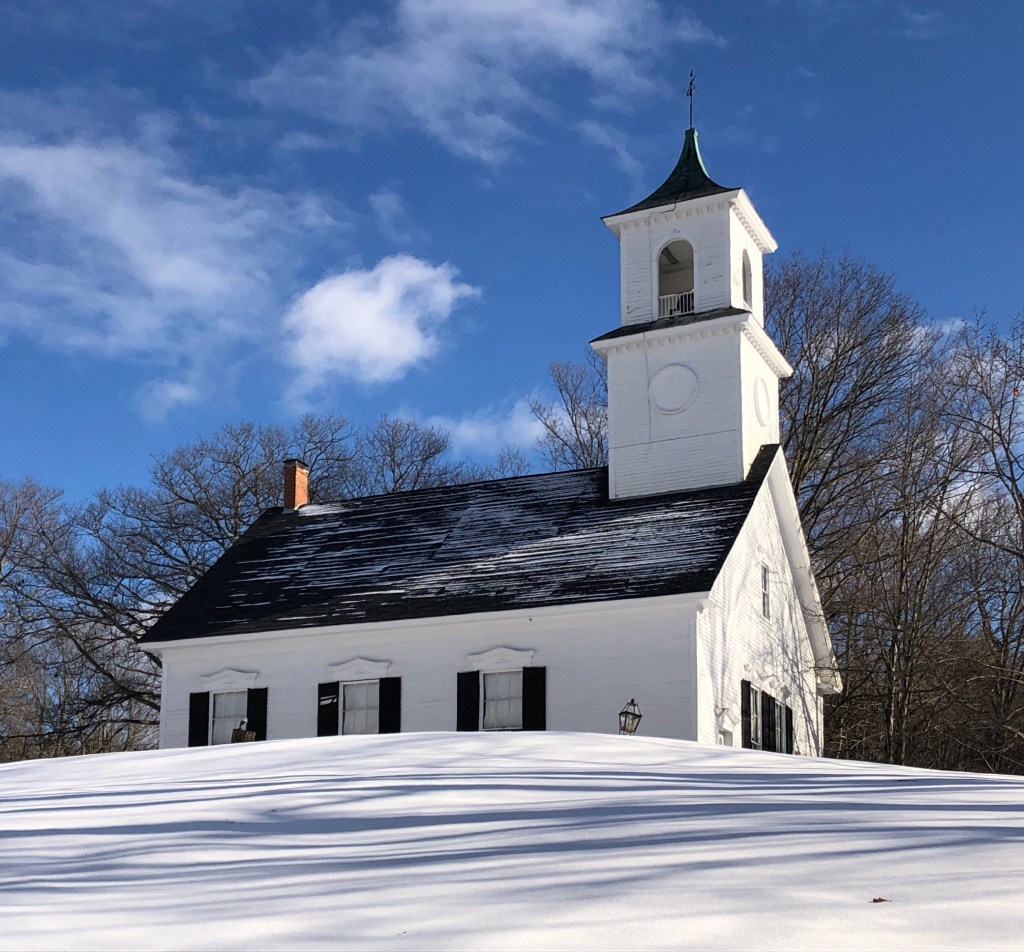
Residents in the eastern portion of the rural town of Washington, NH found it very inconvenient to attend church at the center of town. In 1800, a group of residents on the east side of town banded together to create a new congregation, building a church perched on a low hill soon by 1826. The church was used for decades until it burned in 1844, it was replaced a year later, but that burned as well. Undeterred, the small congregation had yet another church built in 1877. The church remains in great condition, and is still active.
Located in Washington, NH, the Shedd Free Library is the only Victorian Gothic building in town, and packs a punch for its small size. The library was named for Sarah Shedd, a Washington teacher and poet who went to work in the cotton mills of Lowell, Massachusetts to support her family and educate her siblings. When she died in 1867 she bequeathed $2,500 to her hometown to establish a free public library, an amazing gift! The gift did not appear to be enough as nothing was built until 1881, after Boston architect S. S. Woodcock was selected by Luman T. Jefts, a wealthy shoe manufacturer in Massachusetts, to design the library after a gift to his hometown.
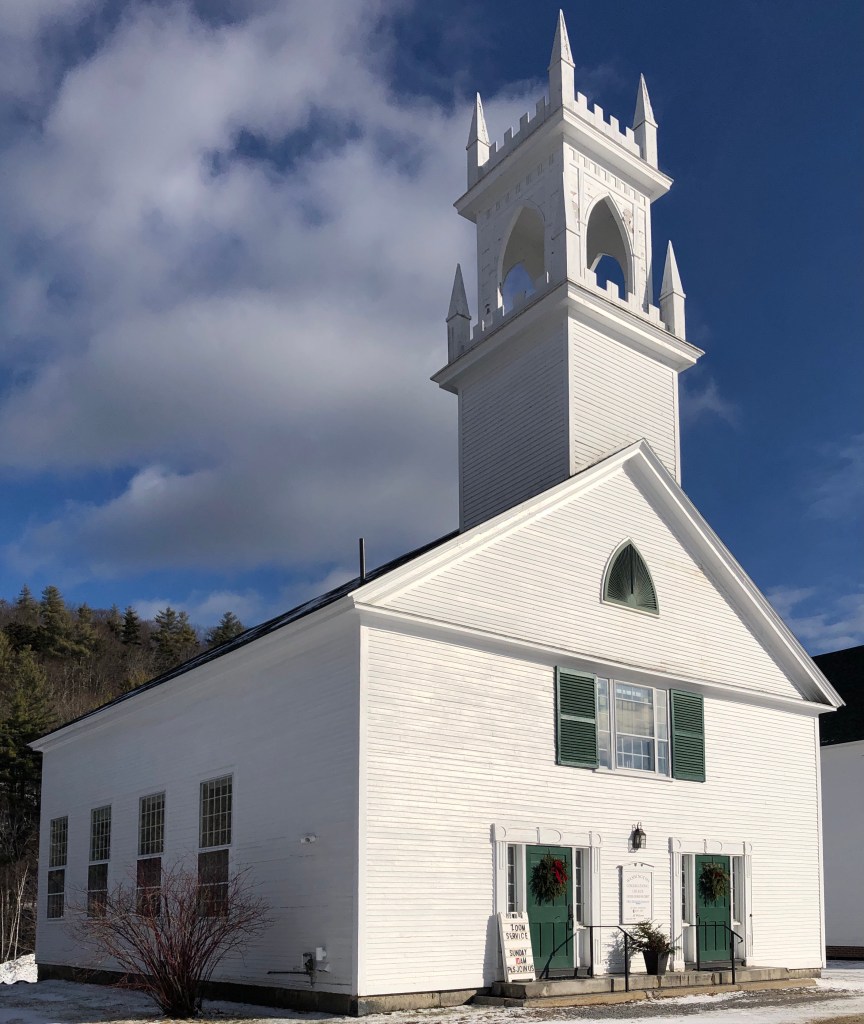
Located adjacent to the Washington Meeting House and Central Schoolhouse on the Washington, New Hampshire Town Green, the Washington Congregational Church perfectly compliments the collection of vernacular buildings here to create a very cohesive, three-building historic district. The church is dominated by a Gothic-inspired two stage square tower adorned by pointed pinnacles and crenellation. The building, constructed in 1840, is a great example of a Gothic Revival vernacular church building in rural New Hampshire and has been well-maintained over the years. In 1960, a fire in the church resulted in several thousand dollars worth of damage. A full basement was built under the church in 1985 to provide space for Sunday School classes and events. The simple arched sanctuary has remained in keeping with the original interior design, and features wide board wainscoting and wooden pews, taken from the old Meeting House.
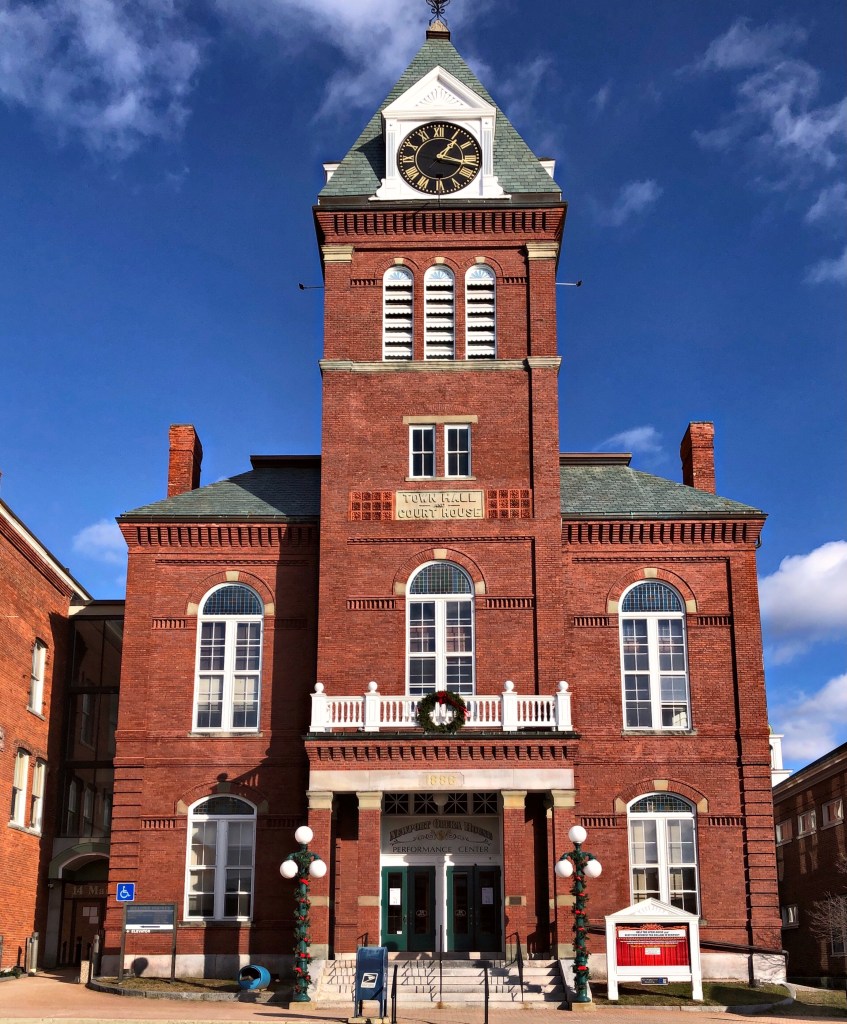
The architectural focal-point on Main Street in Newport, NH is the Newport Opera House, with its solid massing and prominent central tower. The town was growing after the American Civil War and its position as County Seat solidified that growth. A new large civic building was erected in 1872 which housed a new courthouse and town hall. A fire destroyed much of the buildings on Main Street in 1885, and destroyed the courthouse and town hall building. As a response to the loss of the building, a fire-proof structure was erected from designs by Hiram Beckwith, a regionally prominent architect from Claremont. The structure featured space for the county, town, and even an opera house! The jewel of the new building was the Opera House located on the second floor that housed a stage considered the largest north of Boston. The Newport Opera House soon became the center of entertainment in Sullivan County and patrons came from far away to enjoy the large variety of programs presented. The large hall played host to dances, boxing matches, weddings, political rallies, plays, school graduations and more! After a period of severe decline, a group of artists and residents of town worked together to restore the building and use the space as a performance center. It remains one of the finest buildings in this part of the state.
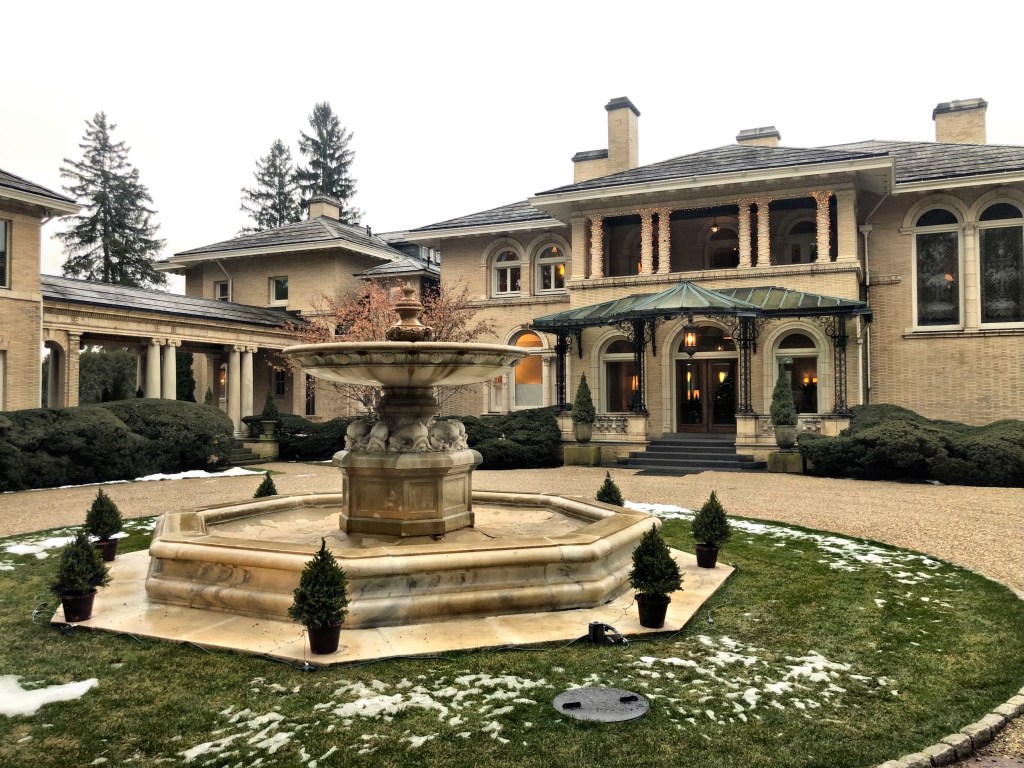
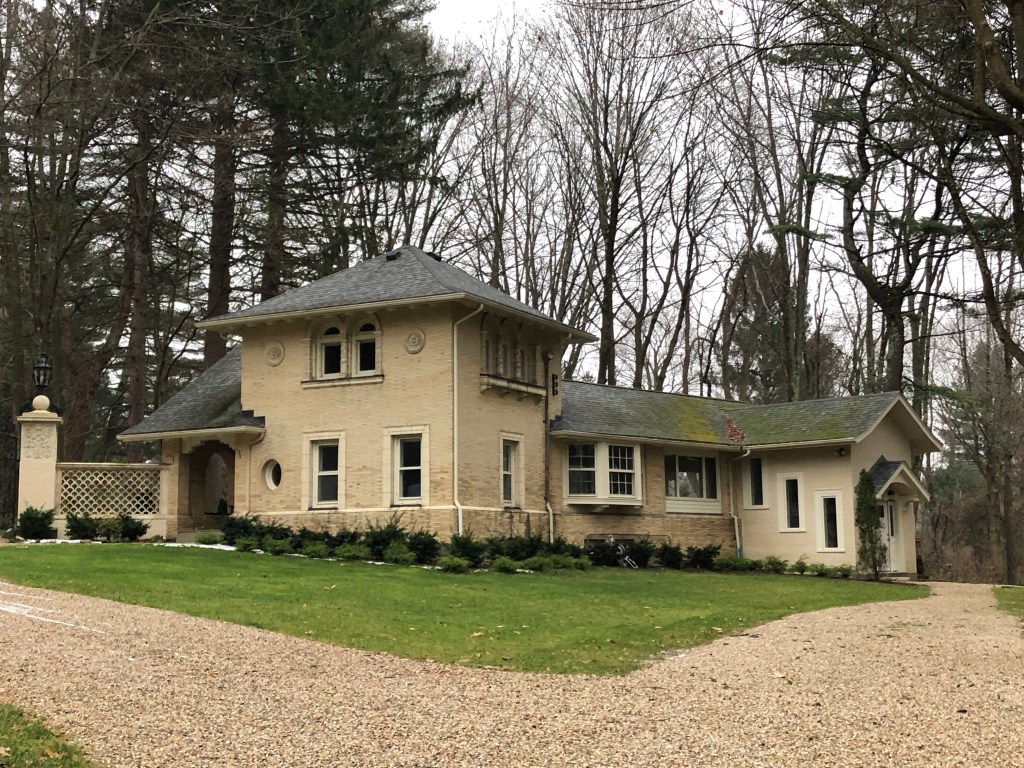
Designed in 1893 by the Boston architectural firm of Peabody and Stearns, Wheatleigh is an early example of Renaissance Revival architecture which became popular for country estates in the early 20th century. The estate was constructed for Henry Harvey Cook, who purchased over 250-acres of forest and lawns overlooking Lake Maheenac for his summer “cottage”. Cook was a New York-based businessman who made his fortune in the railroad and banking businesses, and he wanted a summer house to escape to every year. He named his home “Wheatleigh” as an homage to his family’s ancestral home, Wheatley, Oxfordshire. The mansion is approached by a circular drive that terminates in a formal entrance court partially enclosed by a buff brick wall and evergreen trees, centered on an octagonal marble fountain decorated with a shell and leaf motif. Upon Cook’s death in 1905 Wheatleigh passed to his daughter, Georgie, the Countess de Heredia. Under her ownership the formal garden was opened for evening worshipping services and musical events. Following de Heredia’s death in 1946 the property was divided and changed hands numerous times. In 1976 the mansion and 22 acres were opened as a resort hotel, known as the estates historic name. The Wheatleigh remains one of the most esteemed luxury hotels in the country.
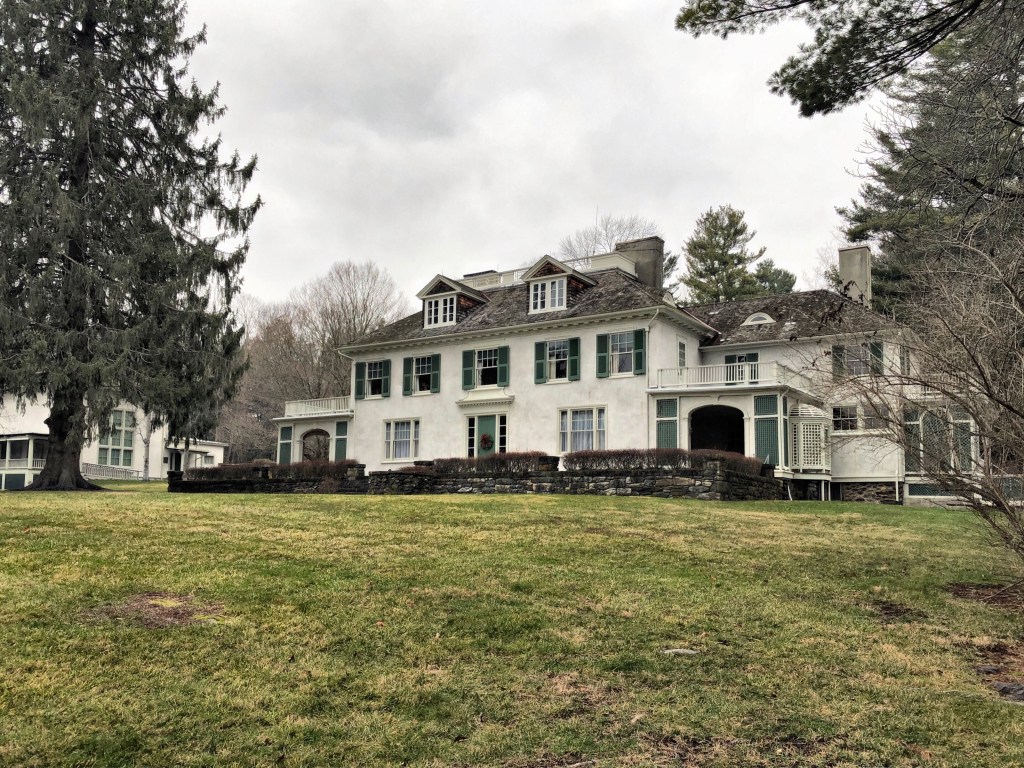
Chesterwood is the former summer home, studio and gardens of American sculptor Daniel Chester French (1850–1931), who is best known for creating two of our nation’s most powerful symbols: the Minute Man(1871–75) at the Old North Bridge in Concord, Massachusetts, John Harvard in Harvard Yard, and Abraham Lincoln (1911–22) for the Lincoln Memorial in Washington, D.C. Daniel Chester French was one of the most successful artists of the late 19th and early 20th centuries, producing more than 100 works of public sculpture. In the fall of 1895, he and his wife drove by horse and buggy and discovered the resort town of Stockbridge. They returned the next summer and purchased the Marshall Warner farm from the family who had purchased the land from Mohican Native Americans. The French family and two maids moved into the white clapboard farmhouse the next summer. To ensure that his summer would be productive as well as restful, he improvised a studio in the barn. He asked his friend and colleague, architect Henry Bacon, to design a studio for him (Bacon would later work with French on the Lincoln Memorial). Soon, in spite of renovation, the original farmhouse was deemed inadequate and French commissioned Bacon to design a residence, completed in 1901. The family owned the home for decades, even after Daniel Chester French’s death. Much of the credit for Chesterwood’s preservation and metamorphosis from summer retreat to public site belongs to Margaret French Cresson (1889–1973), the sculptor’s daughter. After her parents’ death, she maintained the property and began to use it year-round, assembled the work of her father, and established the estate as a historic site of the National Trust for Historic Preservation.
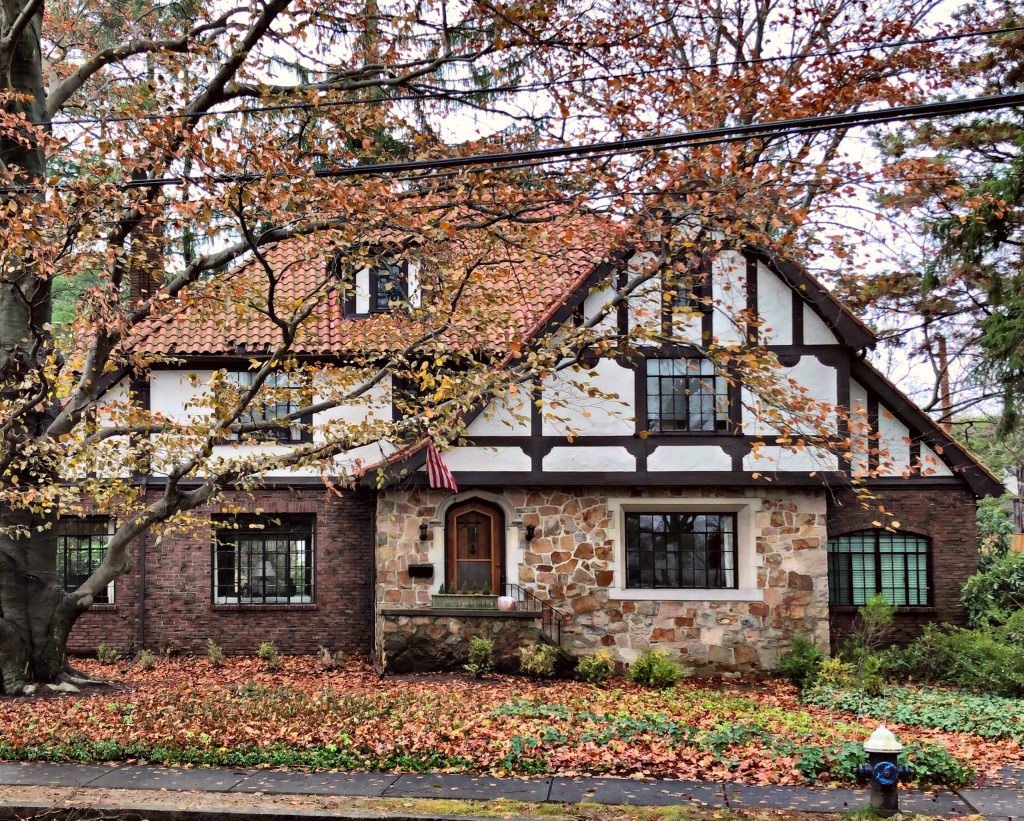
Residential architecture of the early decades of the 20th century is among my favorites as the Tudor Revival movement took off and was sometimes mixed with other revival styles at the time, creating really unique homes. The Glacy House in South Brookline, MA was built in 1930 as one of the earlier homes in the Walnut Hill development. It was likely designed and built by Walter L. Fernandez, a contractor who appears to have design-built a handful of spec homes to help get the neighborhood’s development going in the early stages. This home was originally occupied by George and Mary Glacy. George later worked as Vice President of the Boston & Maine Railroad, though he later got into legal trouble for hiring companies for railroad projects where he had financial interests, becoming indicted in an antitrust case by a Federal grand jury. The home features a first floor constructed of stone and brick with half-timbering on the floor above. The building is topped by a terracotta red tile roof, which is fairly uncommon for the region.
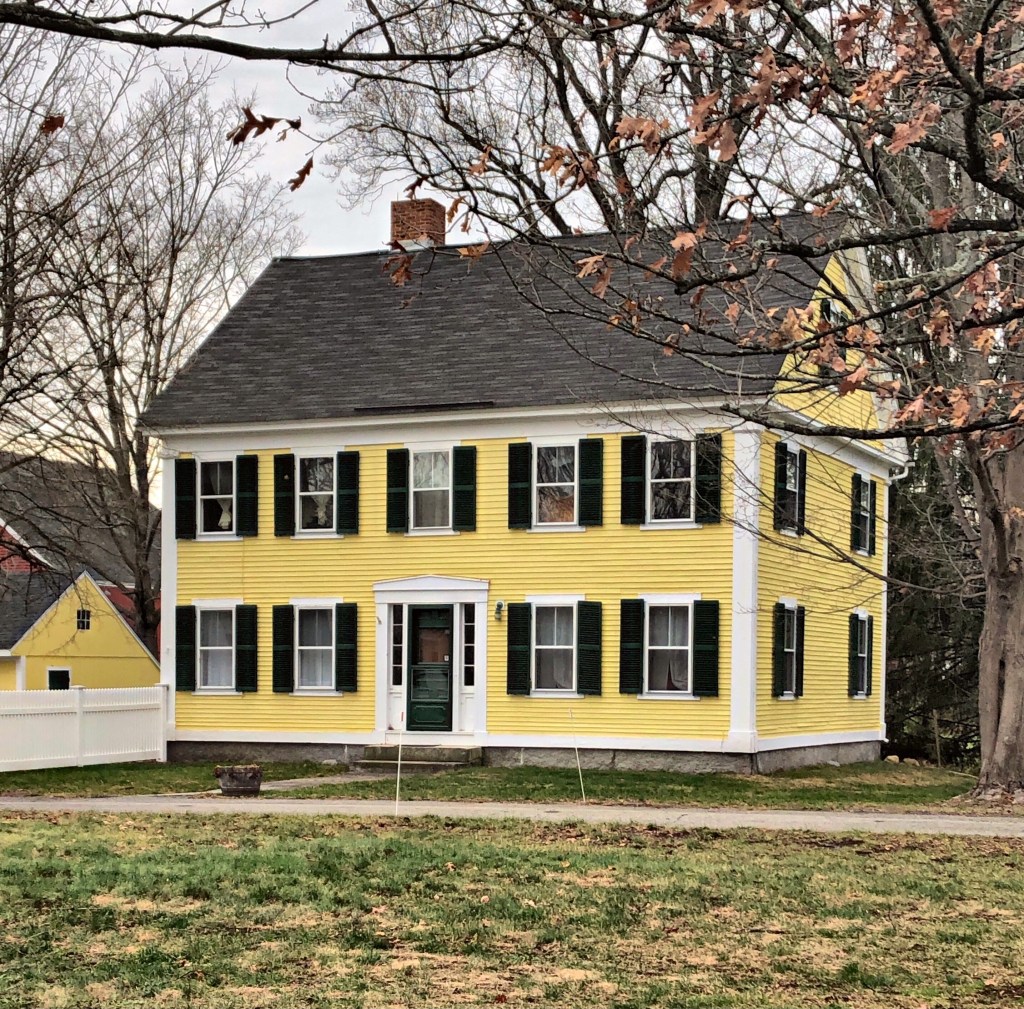
This home on Hollis’ town green was built around 1840, seemingly for a member of the Smith Family. The family was well-known in town as the patriarch, Rev. Eli Smith, took over as minister of the Congregational Church in town after the death of Reverend Emerson (last post). It appears that after Elias Smith’s death, the home was constructed by a member of the family who then used the land for agricultural purposes, adjacent to the former family home. The home does not face the Green or the street, but faces eastward, and features a symmetrical, five-bay facade with a modest Classically inspired door surround. The home retains its agricultural use today since the property was purchased by Robert and Martha Valicenti. The property is now known best as the Valicenti Pasta Farm, who make some of the best home-made pastas, stuffed ravioli and sauces. I even bought some for Christmas gifts. Shop Local!

 Buildings of New England