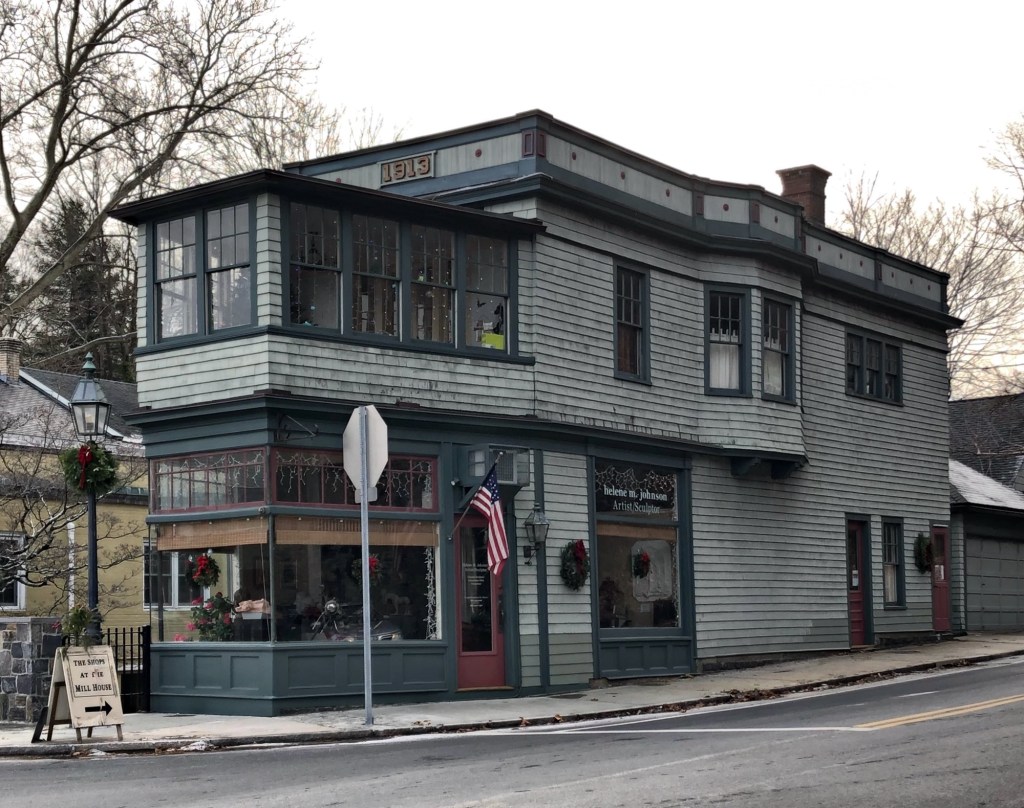
Chester Flatiron Building // 1913

At the junction of West Main and Main Streets in Chester Village, Connecticut, this unique flatiron commercial building stands overlooking the Pattaconk Brook that cuts through the center of town. In 1913, this two-story block was built with ground floor retail and a second floor residence for owner, Elmer Pierce, who ran his pharmacy downstairs. By 1920, the building was owned by Jacob Feinstein, who raised his family on the second floor and had his clothing business, “Feinsteins” in the store below. Later, the retail space was occupied by Child Design, a wooden toy store, and after that, a lighting fixture store. Historic main street buildings are often incubators for small and local businesses, keep the chain stores near the highways!

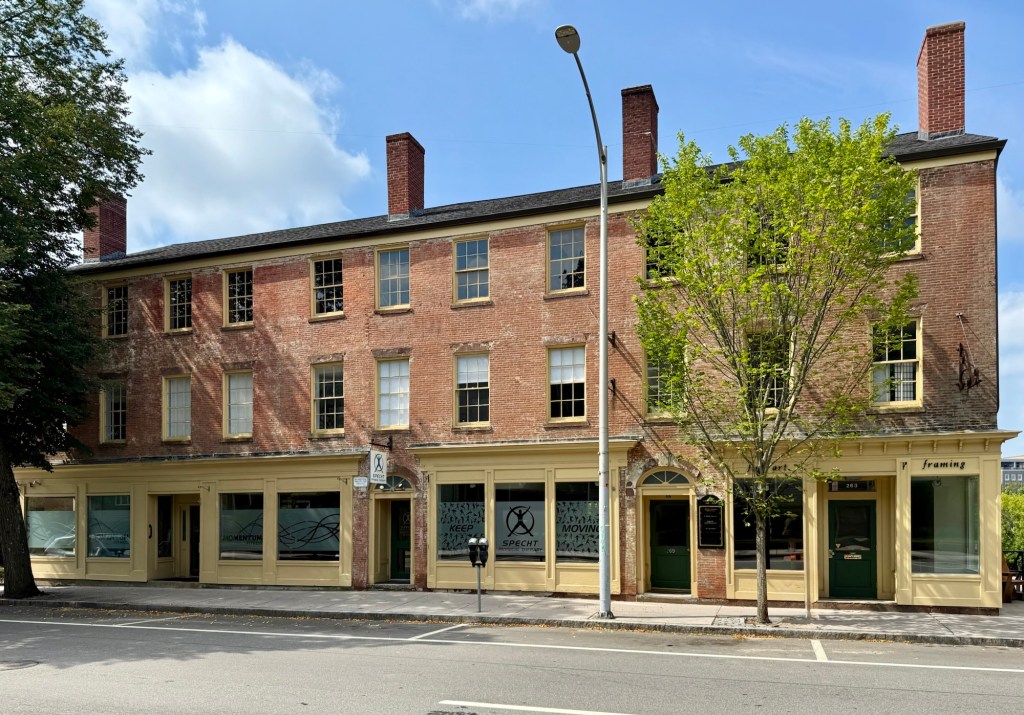
Comstock Block // 1824

Located next to the Clark-Nightingale Block on South Main Street in Providence’s East Side, the Comstock Block echoes the form, materials and rhythm of the older building, but employs some additional architectural detailing courtesy of a local architect. The Comstock Block at 263-273 South Main Street was built in 1824 from plans by architect, John Holden Greene, who designed many stately buildings in Providence during the early 19th century. The typical fanlights over two of the entrances are common in nearly all of Greene’s Providence buildings. Joseph and William Comstock owned the block which seems to have operated as residential rowhouses, possibly with storefronts at the ground floor. This block, like much of the street, was acquired, gutted and rehabilitated as part of the East Side Urban Renewal project of Providence in the 1970s, luckily for us, this handsome block was not demolished like so many other great buildings of the time.

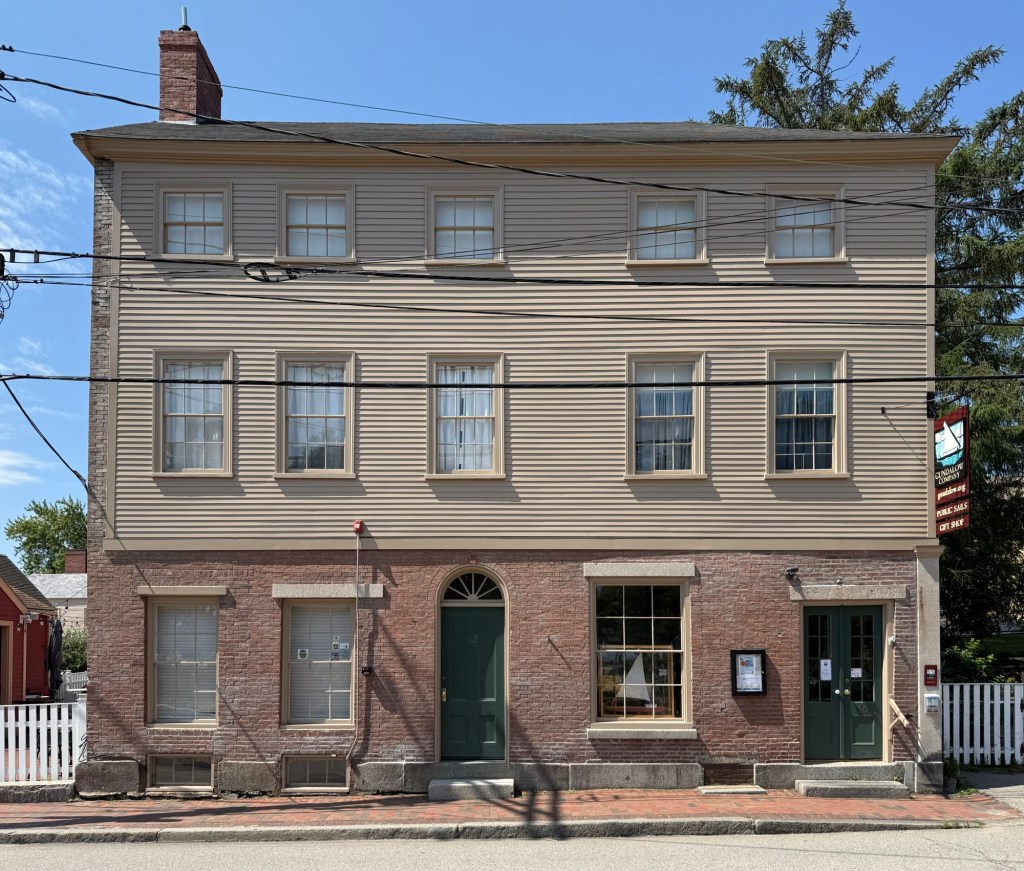
Jefferson House and Stores // c.1816

The Jefferson House and Stores on Marcy Street sits near the working port and harbor of Portsmouth, New Hampshire, as a historic Federal style mixed-use building. The structure dates to the early 19th century and consists of a brick first floor and clapboarded upper stories. Likely due to coastal flooding during storms, the brick ground floor with slightly raised granite foundation would provide some relief from floodwaters getting inside the building. The shortened windows at the third floor, fanlight over the main entrance, and form with shallow hipped roof, are all hallmarks of the Federal style. The building is today owned by Strawbery Banke and rented out to the Gundalow Company, a non-profit that seeks to, “protect the Piscataqua Region’s maritime heritage and environment through education and action.”

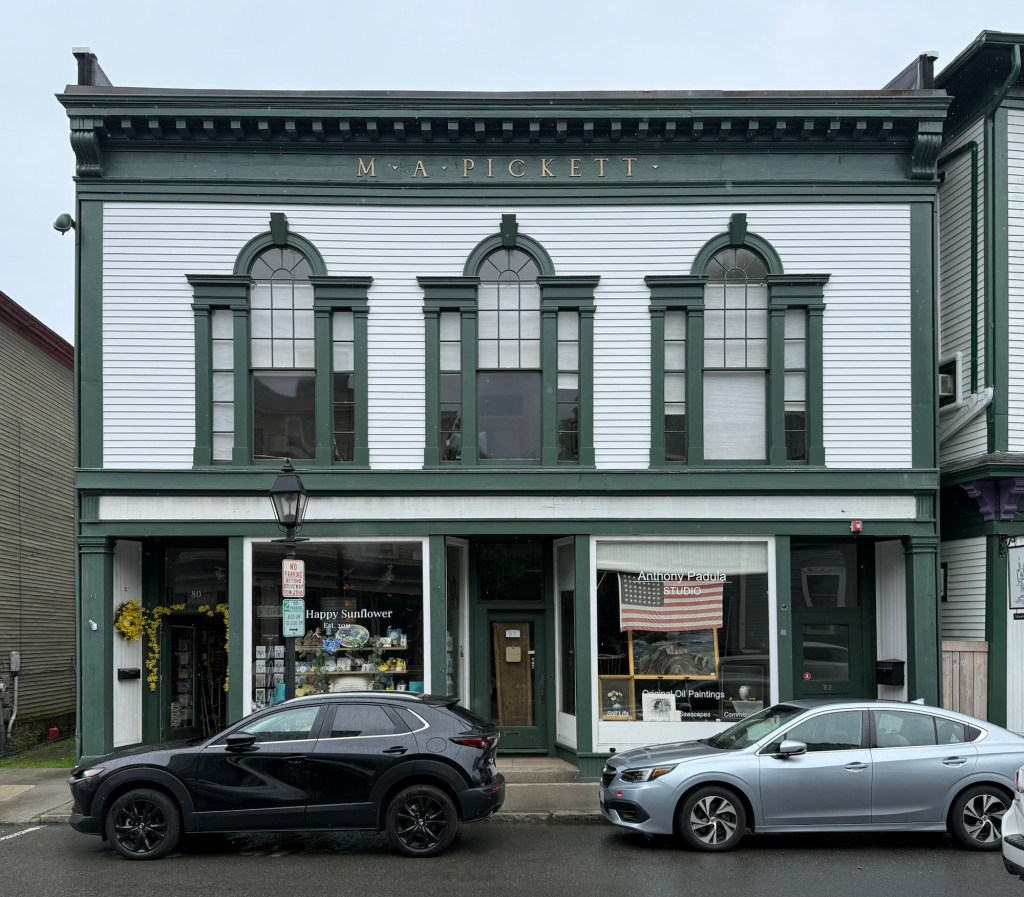
M. A. Pickett Building // 1902

The M. A. Pickett Building on Washington Street in Marblehead is a spectacular example of a commercial building of the early 20th century designed in the Colonial Revival style. The building was designed in 1902 by the firm of Peare & Quiner, who worked mostly in the North Shore of Massachusetts and funded by members of the M.A. Pickett Association, a fraternal organization founded in the late 19th century and named after Moses A. Pickett (1780-1853), who left his entire will to: “comfort the widow and the fatherless, the aged, the sick, and the unhappy”, also donating his home to the use and funding for its preservation. In 1866, a hand-drawn fire engine named after M. A. Pickett, was used by a group of volunteer firefighters, who later would create the club named after Mr. Pickett. The building originally held a barber shop and a creamery on the ground floor with a meeting hall and billiards room above for members of the Pickett Association. Today, the building is lovingly maintained, including the three stunning Palladian windows at the third floor.