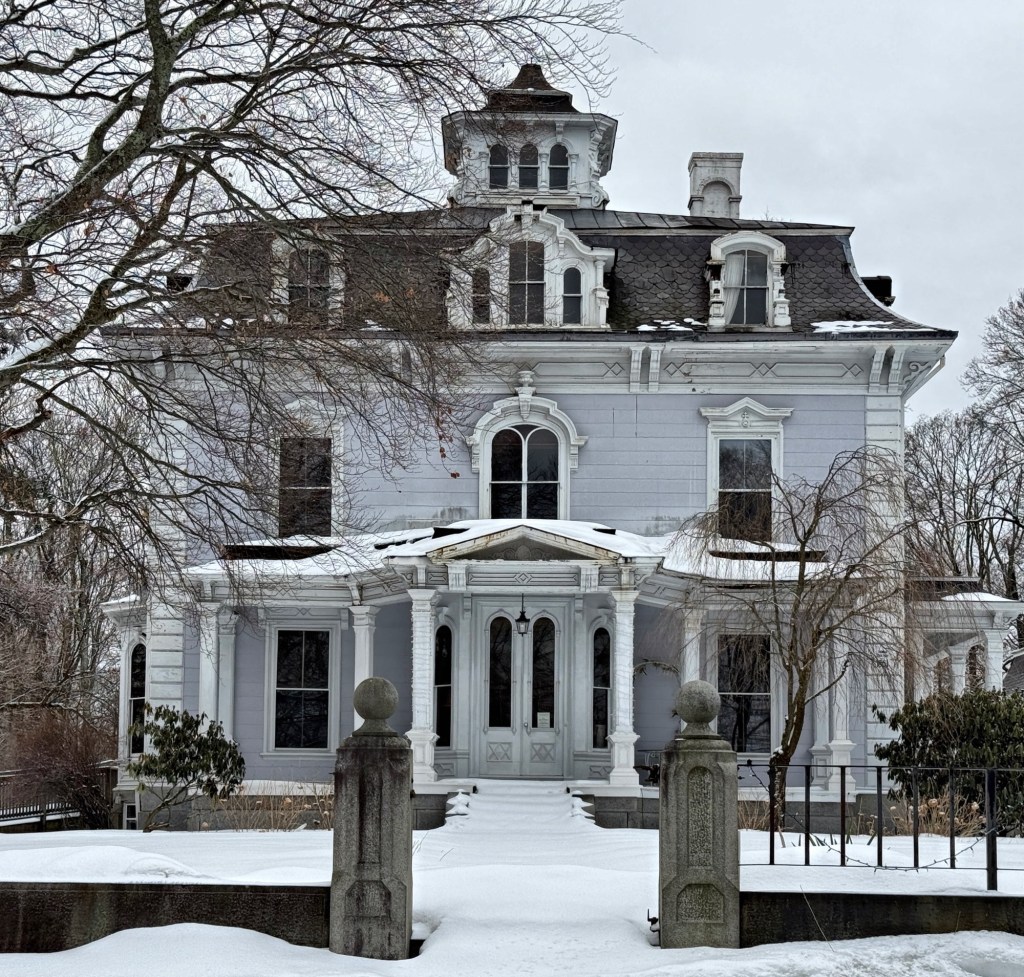
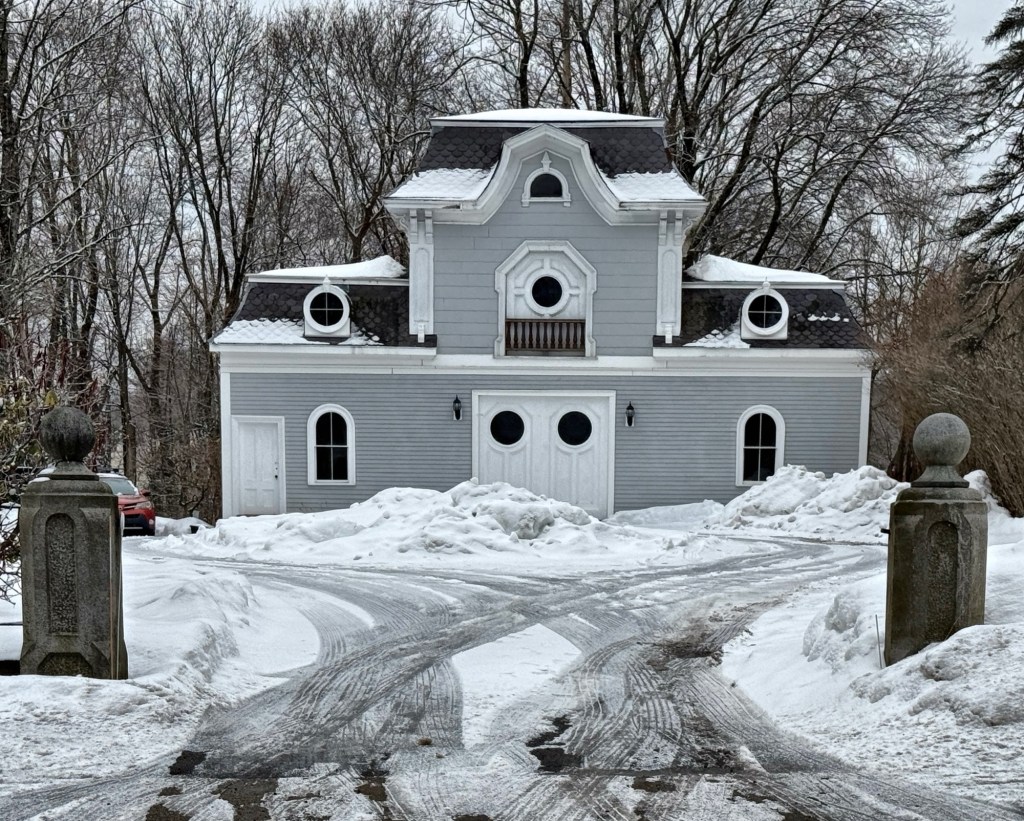
The Proctor-Brown Mansion in Wrentham, Massachusetts, is a striking example of Second Empire style of architecture and even retains its historic carriage house of the same period and style. The mansion was built in 1861 by Thomas Proctor, a wealthy businessman and industrialist from Providence who earned his fortune by inventing a gimbel point for screws with his company, The American Screw Company. He and his wife, Wrentham native Zeolyde Antoynette Hawes Braman, lived in the home until their deaths in the 1880s. The Proctor Mansion was later owned by Daniel Brown, owner of Wrentham Straw Works, and passed down through his descendants until 1991, when the building became the Proctor Mansion Inn, named after its first owners.
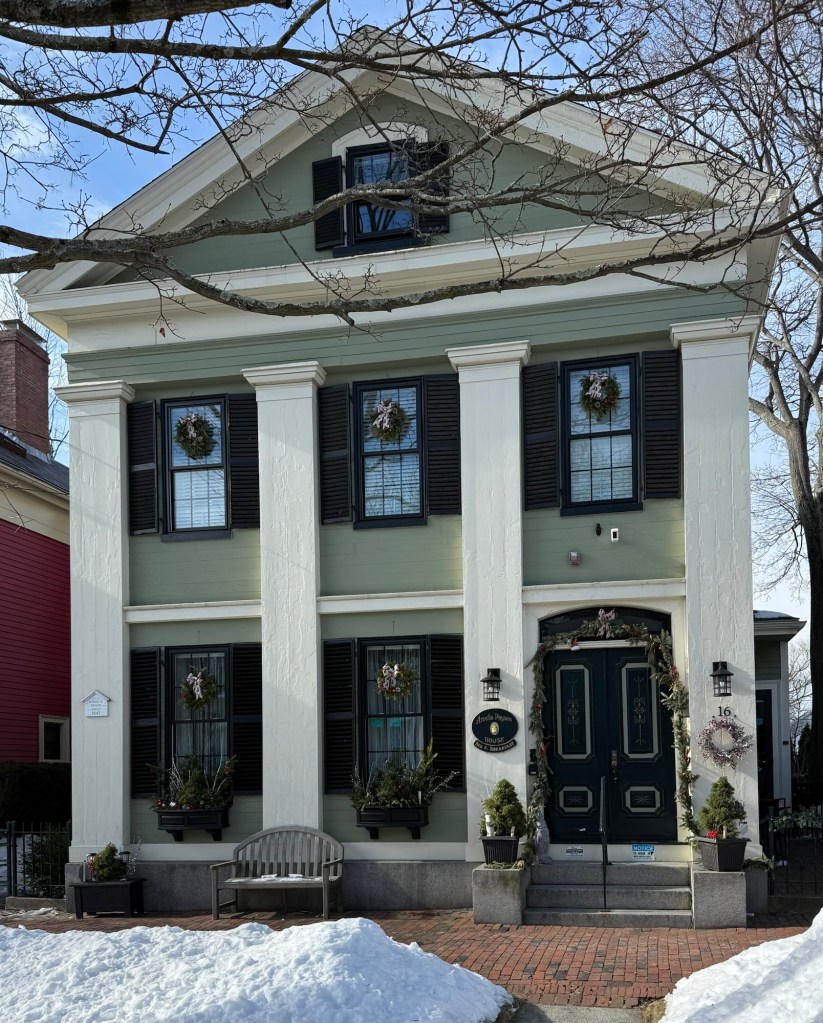
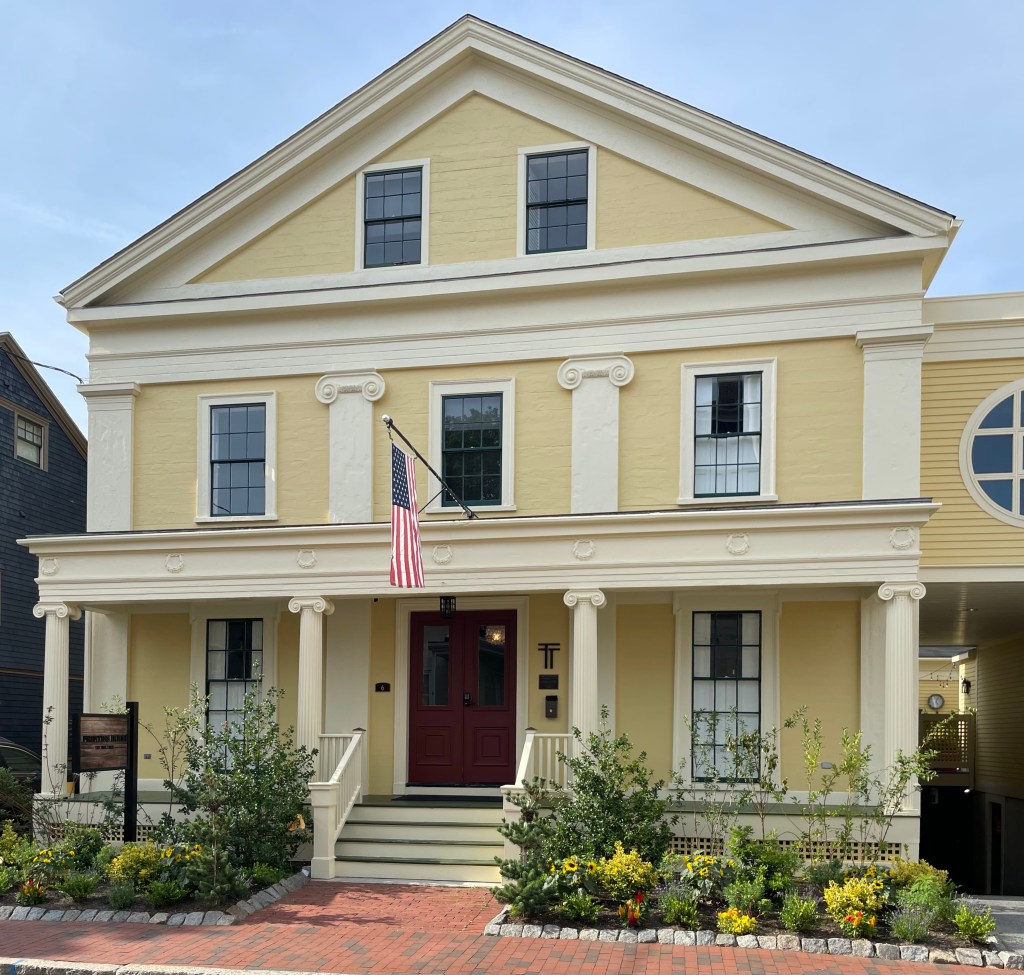
Behold, one of the finest, and well-preserved Greek Revival style homes in Salem. This is the Payson-Fettyplace House on Winter Street, built in 1845 with its gable facing the street to create a pediment, a wide entablature and cornice, and pilasters on the flushboard façade, which together make the building read more like a Greek temple than a residential home. The residence was built for Edward H. Payson, a bank officer, and his wife, Amelia, who lived in the home for only two years before moving into a larger residence across the street just two years after this house was completed. The property was sold to a Carleton Dole of Maine and again sold in 1850 to Thomas J. Fettyplace. The Fettyplace family were based out of Marblehead and many of them relocated to Mobile, Alabama, to make money in the cotton and shipping industry in the South. Thomas purchased this home in Salem for his mother who spent her final years here until 1861. After the Civil War, the Fettyplace brothers would move back north and this home remained in the family until 1912. The house is now a bed & breakfast known as the Amelia Payson House, named after the original owner.
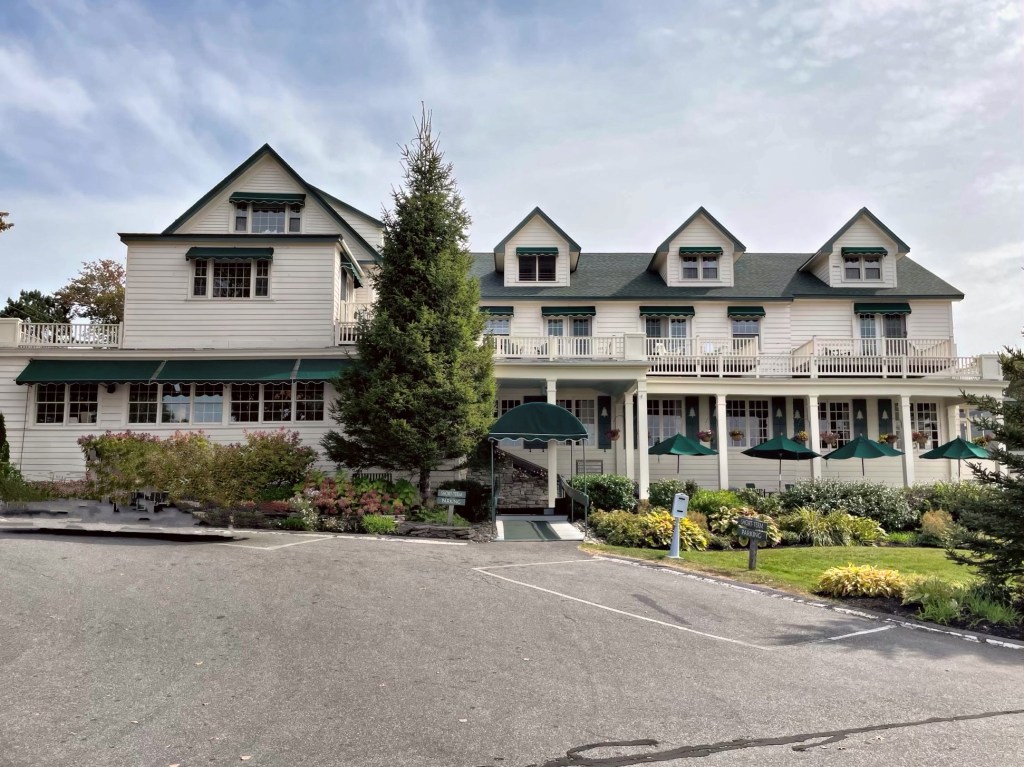
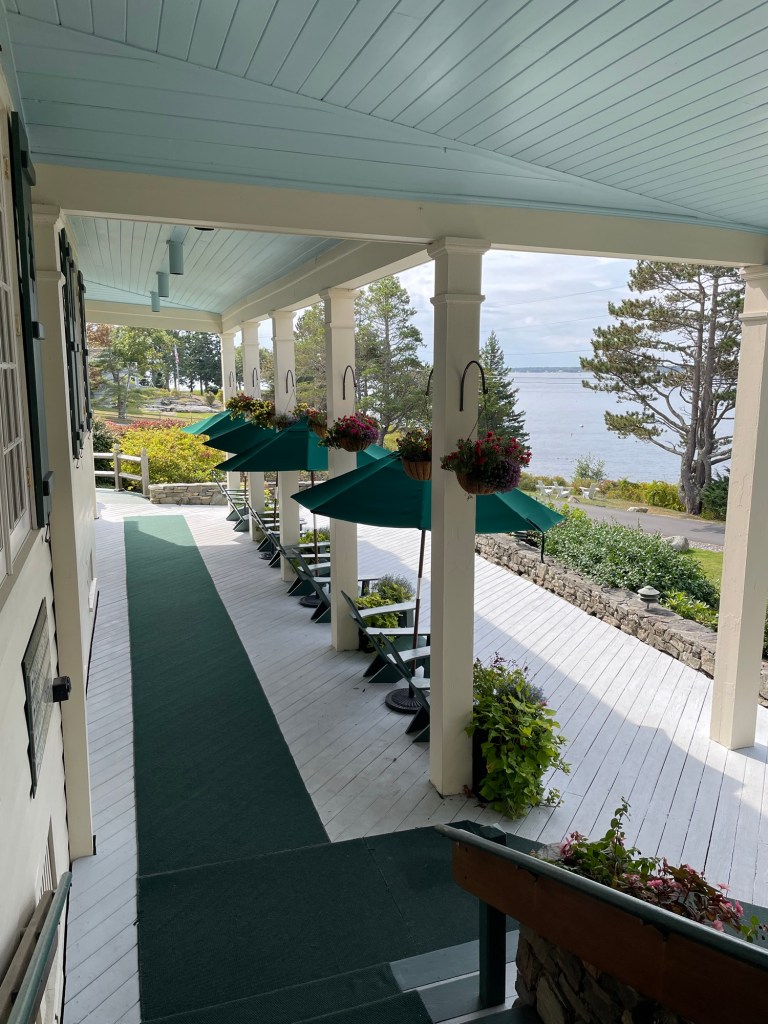
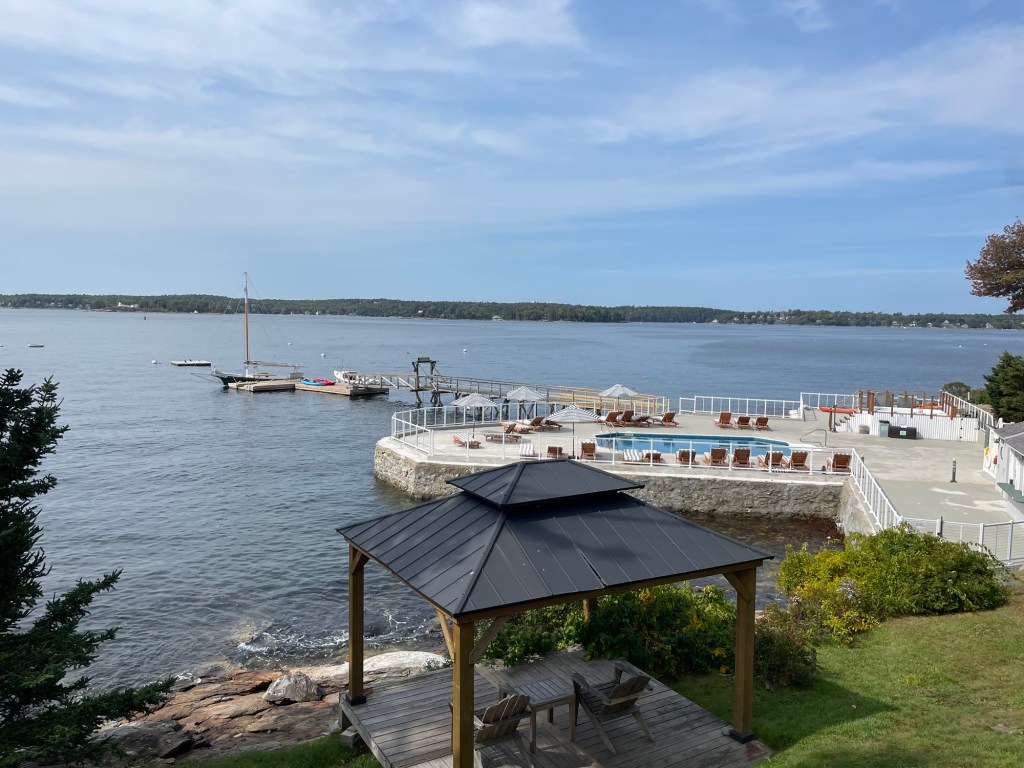
Spruce Point Inn sits amongst acres of pristine pine forests on the shore of the rugged coastline in Boothbay Harbor, in Mid-Coast Maine. The Inn had its beginnings in the 1890s as a hunting and fishing lodge when the peninsula was an undeveloped and remote point on the outer edge of Boothbay Harbor. The enchanting location off the beaten path attracted rusticators, who sought to escape the hot and polluted air of Boston and other cities, for the coastal breezes on Spruce Point. Private cottages were built nearby the old lodge, and frequented by summer rusticators year-after-year. By the 1940s the lodge was converted to an inn and many of the private summer cottages surrounding were acquired and rented out for summers. The buildings exhibit the warm, natural materials typical of the region, with weathered shingles and expansive porches that invite guests to take in the ocean breeze. Inside, the beadboard walls, wood floors, and fireplaces paired with period-appropriate furnishings really provide an authentic historic feeling. The resort’s first saltwater pool was constructed in a rocky outcropping right at the coastline and was recently restored, providing visitors a unique experience to swim in a historic saltwater pool just over the ocean! Over the years, the inn has undergone several renovations and expansions, ensuring that it continues to meet the needs of modern travelers while preserving its historical significance. The Spruce Point Inn is more than just a place to stay; it is a part of the rich history of Boothbay Harbor and ongoing legacy, a historic getaway that blends both luxury and history in a setting unlike any other.
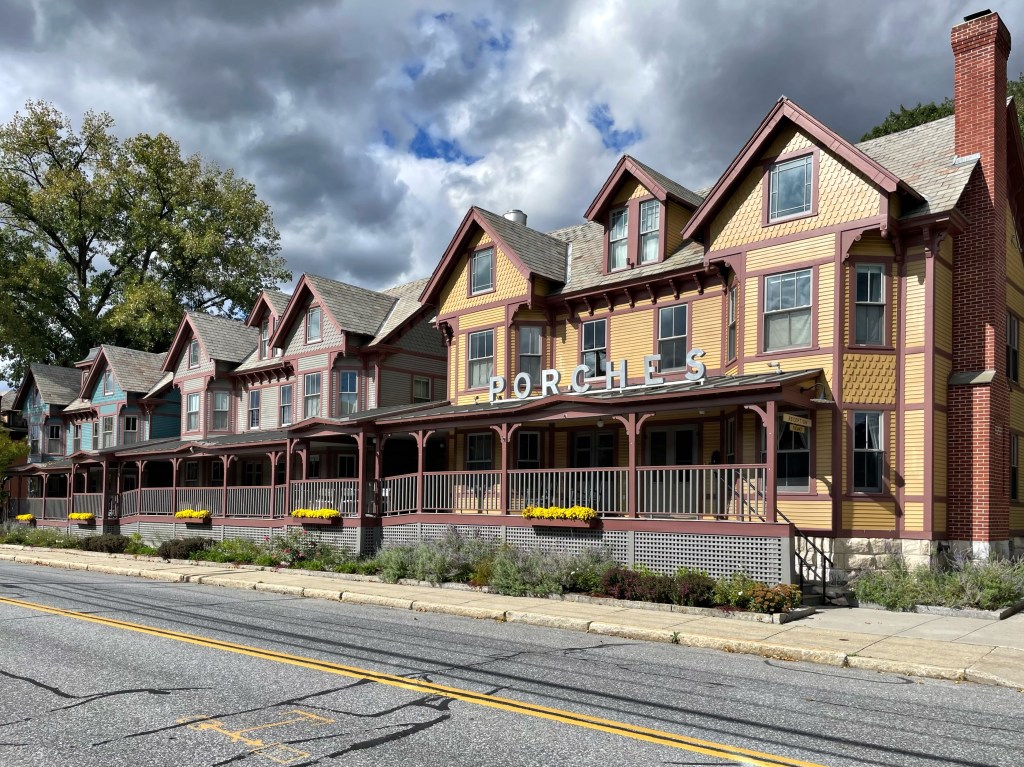
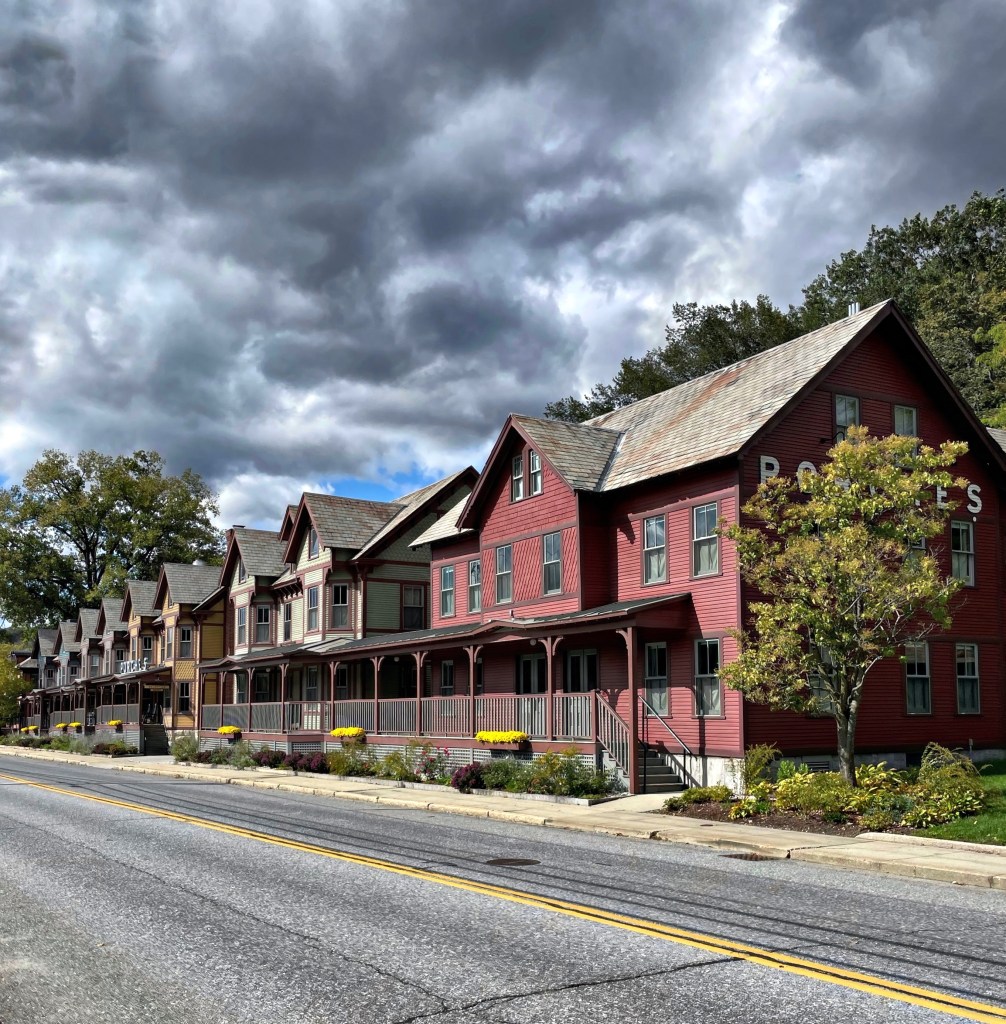
Prior to a few decades ago, there were not many reasons one would visit or stay a weekend in North Adams, Massachusetts. The former industrial city, like many others in the region, saw a sharp decline in population, services, and quality of life when many of the local factories closed in the second half of the 20th century. The major draw of tourists today is Mass MoCA, a museum in a converted factory building complex that is now one of the largest centers for contemporary visual art and performing arts in the United States! The new museum has created a huge demand for restaurants, housing, and hotels of all types in the formerly decaying river city. This is a story of perseverance and rebirth! In the early 2000s, Jack Wadsworth, an alumnus of nearby Williams College, wished to revitalize a block of vacant 19th-century workers houses across from the growing attraction of MASS MoCA. He worked with Burr and McCallum Architects of Williamstown to convert the decaying workers cottages into a boutique hotel. The span of Queen Anne and Colonial Revival cottages were joined via a long porch lined with rocking chairs, and the space between the buildings is bridged with skylights, giving the complex its appropriate name, Porches Inn.
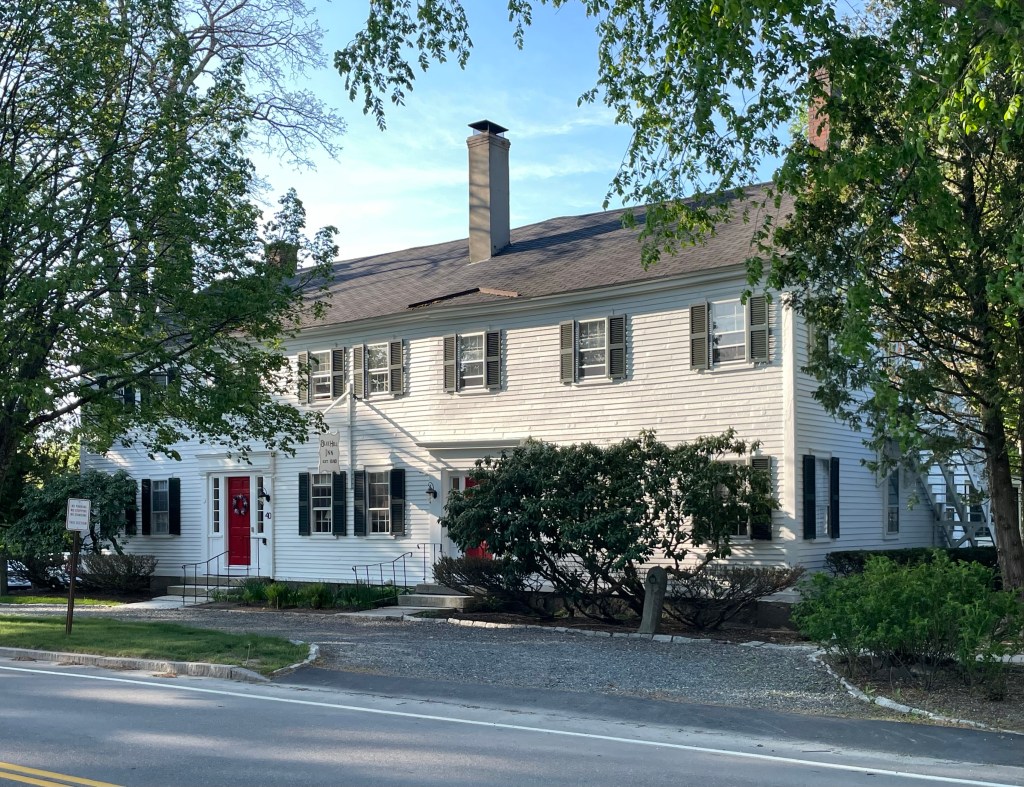
The major part of this structure in Blue Hill, Maine was built as a house around 1830 by Edward Varnum Stevens. Stevens started an inn in his home likely after his marriage to wife, Susannah Hinckley. When Edward died in 1857, the property was acquired by Haskell W. Hinckley in 1858, who was possibly Susannah’s brother. Hinckley was a sea captain and his wife, Fanny Hinckley operated the hotel here for 50 years, known as the Blue Hill House. The hotel became a social center for the community and became a gathering place for many. The structure, now known as the Blue Hill Inn, continues to welcome visitors today. The elongated Federal/Greek Revival style house is excellently preserved inside and out, and guests can stay in one of the 11 gorgeous suites inside, which take you back in time.
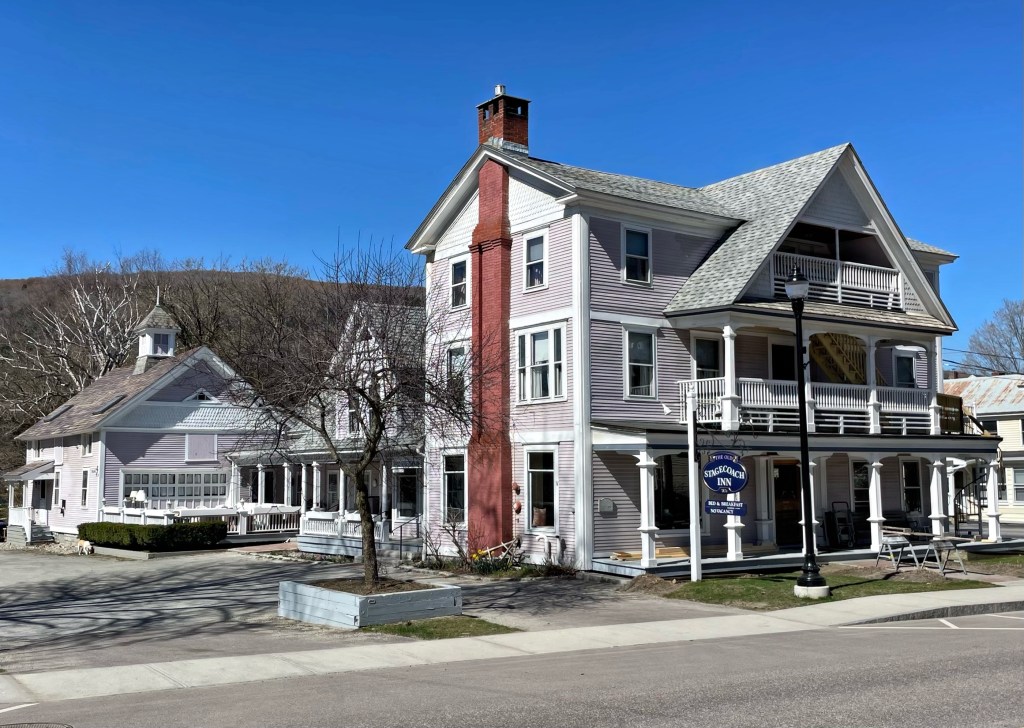
Built by the Carpenter brothers in Waterbury, who also designed and built the neighboring Congregational Church (last post), this large structure was a stagecoach stop on the road to Stowe for much of the nineteenth century. Briefly, the Inn served as a private residence for Albert and Annette “Nettie” Spencer. Nettie grew up in Waterbury and married Albert who owned rubber factories in Ohio and invested in real estate in Burlington. At one time, the Spencers’ residences included their Waterbury house, a suite at the Waldorf Astoria in New York City, a house in Newport, an apartment in Paris, as well as one in London. Albert died in London, and Nettie continued living in Waterbury until her death in 1947, approaching 100 years of age. Within a year, the property was sold and the owners reopened the main house as a sort of boarding house. The property was restored and operates today as the Old Stagecoach Inn.
One of the oldest continually operating inns in America, the Dorset Inn remains a visual and historical anchor to the charming little village of Dorset, Vermont. The Federal period building was historically known as the Hodges Hotel before becoming The Washington Hotel in about 1858 (the porch was added at that time to make it resemble George Washington’s Mt. Vernon home). The name became the Dorset Inn in 1904. As constructed in 1796, the main block possessed a five-bay facade arranged symmetrically around a central entrance; an 1858 extension added two bays on the west, when it was modernized. Though the inn has seen changes and modernizations over time, the building has such a historic character that brings in people from all over the country to experience the best of Dorset every year.
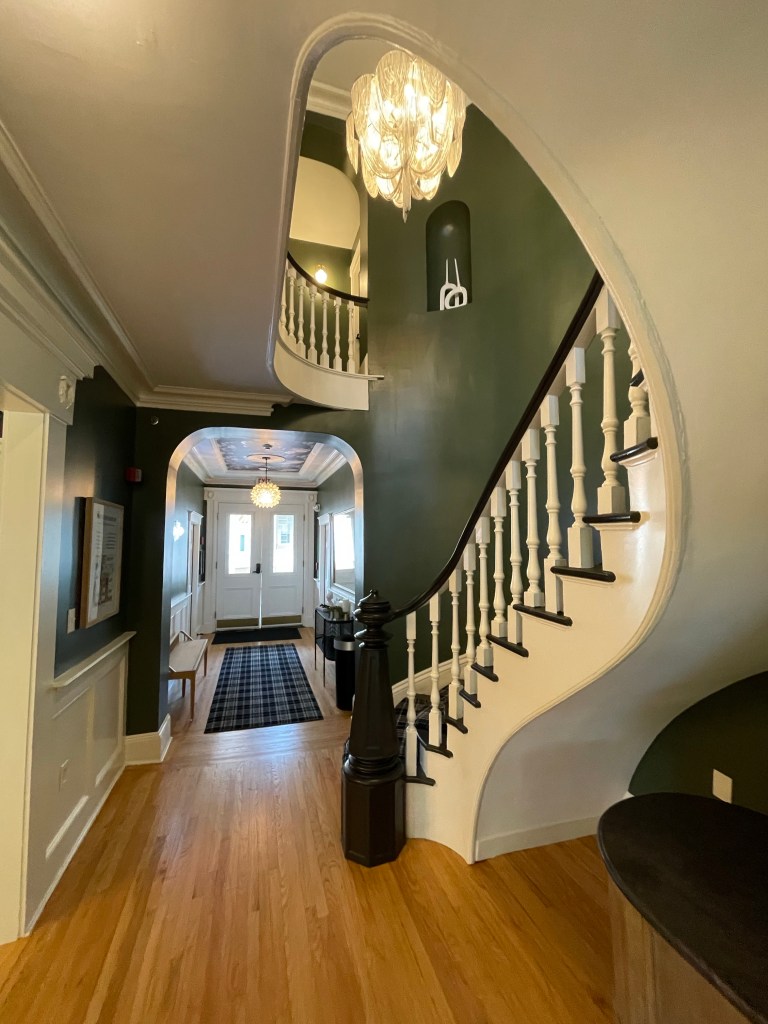
This past weekend, I took a little “stay-cation” in Cambridge, and I am so glad I did! I stayed at the Prentiss House, a highly significant Greek Revival house near Porter Square. The Inn is operated by Thatch, a company that offers short-term hotel stays, long-term apartments, and co-living arrangements in the Boston area. They recently acquired and renovated this amazing old house and its a great place to stay!
The home was built in 1843 by William Saunders a well-known housewright for his son, William Augustus Saunders about the same time as his first child, Mary was born. Sadly, Mary died at just six years old and was buried at Mount Auburn Cemetery with her grave guarded by a tiny stone dog. The Saunders Family resided at the home for over 50 years until William and his wife’s death at the end of the 19th century. The original location of the mansion on Massachusetts Avenue necessitated its move to the newly laid out Prentiss Street to save it from commercial development pressure and the wrecking ball. The home was moved to its present site in 1925 for the erection of a one-story block of stores on Mass. Ave. In 1992, the home was purchased by local artist, Charlotte Forsythe and she began the journey of transforming the home into the Mary Prentiss Inn. An addition by Bell/Fandetti added rooms and subterranean parking to the building at that time. The Inn was purchased by Thatch in 2021, who modernized the rooms.
The house reads like a Greek Temple, not with a full portico, but by using colossal applied pilasters and an entablature carried across the gable, suggesting a classical pediment. Ornamental wreaths adorn the full-length porch and interior mouldings.
What a treat it was to stumble upon one of the most beautiful homes in Vermont, and all the best houses have names! Glimmerstone is located in the small town of Cavendish, and is possibly the finest Snecked Ashlar constructed home in the state. The house was built in 1845 for Henry Fullerton, manager of the Black River Manufacturing and Canal Company mill in Cavendish. The stone used to build the house was quarried less than a mile away, and hauled to the site. The construction style consists of stone facing on either side of rubble fill, with slabs and snecks sometimes laid across the fill to provide strength, a method brought to the region by Scottish immigrant masons. The house’s design is by a local carpenter, Lucius Paige, and is based on designs published by Andrew Jackson Downing, who depicted many Gothic style designs in pattern books which were built all over the country. The house has had a number of owners after Mr. Fullerton died. During the prohibition era, Art Hadley, who would later become extremely wealthy as the inventor of the expansion bracelet, used the home as part of a rum running operation. Glimmerstone was purchased in 2010 by the current owners, who underwent a massive restoration of the home, converting it into a bed and breakfast, allowing the public to experience the property as well.
One of the best examples of a temple-front Greek Revival house in the state of Vermont is this stunner, found in Newfane Village. The house was constructed in 1832 for General Pardon T. Kimball (1797-1873), a cattle-broker, general of the state militia and later, a state senator. Kimball made a name for himself locally as he donated much of his money to social causes, from a local almshouse to other charitable organizations. Kimball died in 1873 after falling from his carriage. The house was converted to an inn in 1965-6 and has since been known as the Four Columns Inn, so-named after the four monumental Ionic columns that dominate the house’s facade.




 Buildings of New England