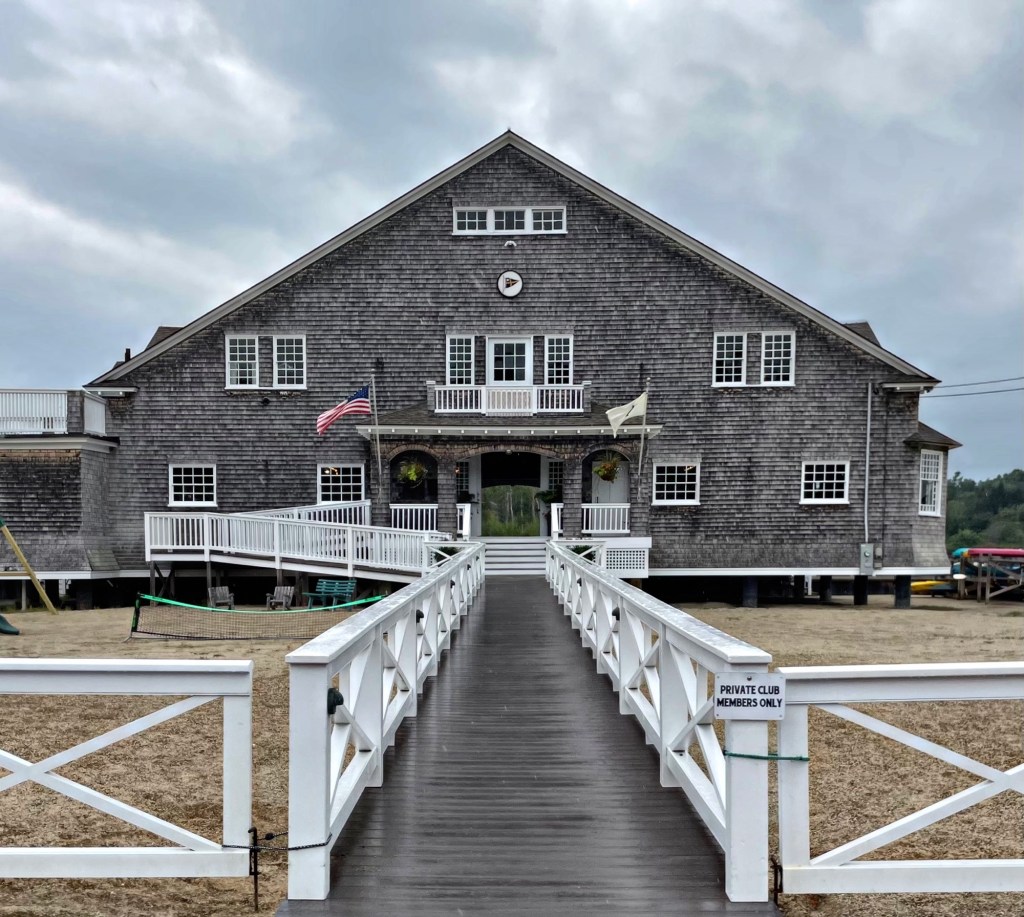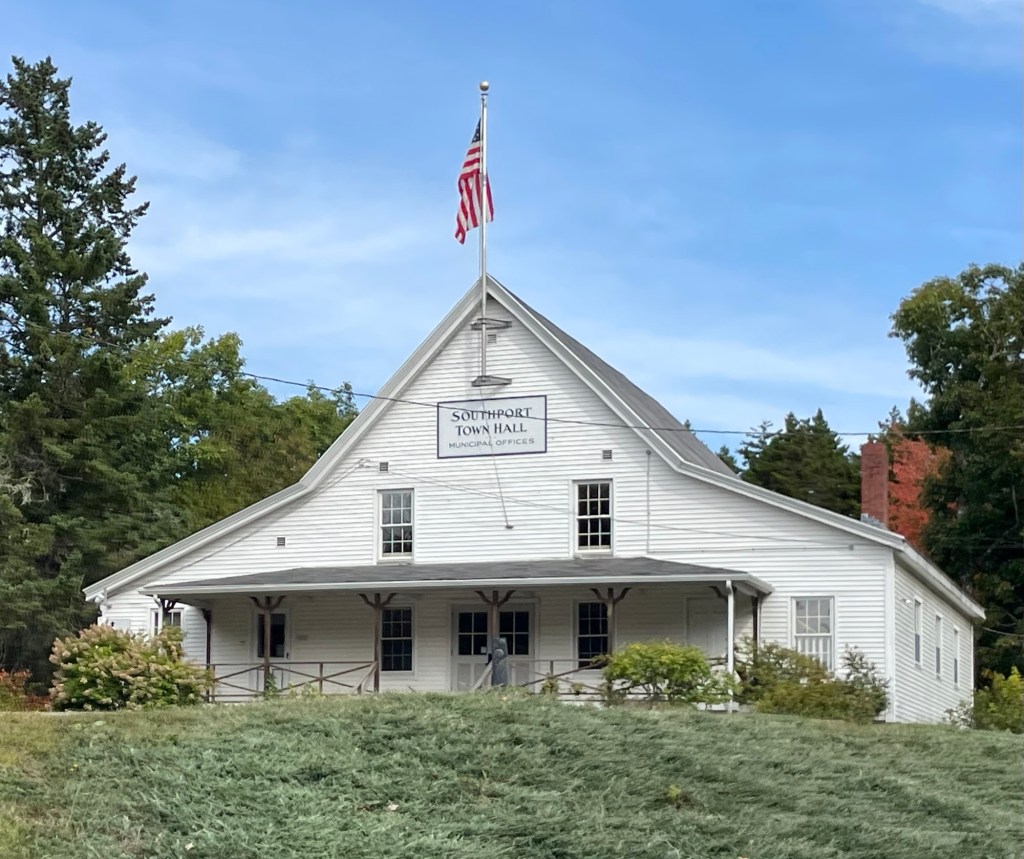
Southport Town Hall // 1866

While staying at the Spruce Point Inn in Boothbay Harbor, Maine, I took the chance to visit the nearby island-town of Southport! The town of Southport incorporated in 1842 when it separated from Boothbay and became known as Townsend, Maine. Just eight years later, in 1850, Townsend changed its name to Southport, after SouthportEngland. The town has a population of just over 600, which grows in the summer months as the island and nearby Squirrel Island (also a part of Southport) has many summer homes dotted along the coastline. The present-day Southport Town Hall was built in 1866 by the Ladies Sewing Circle of the Southport Methodist Episcopal Church as a meeting place for the women of town to meet and socialize, it also was rented to the town for town meetings. Eventually, the town purchased the building in 1900, where it has remained the town hall ever since.
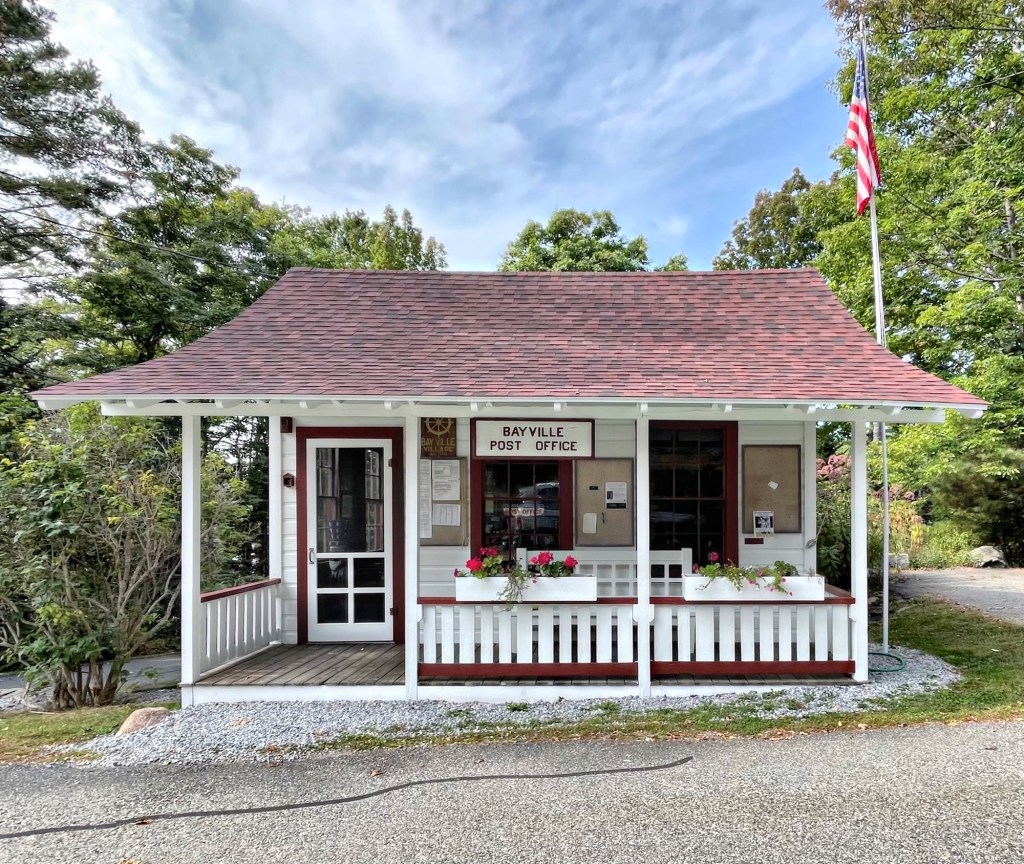
Bayville Post Office // c.1920

Bayville, is a quiet and picturesque coastal village on Linekin Bay, in the eastern part of Boothbay Harbor, Maine. The small village is comprised of roughly 40 cottages and a small post office. This post office was built around 1920 and has operated here seasonally every summer since. The rustic Craftsman style building features a broad roof with exposed rafter tails, extending to create a sheltered porch off the front.

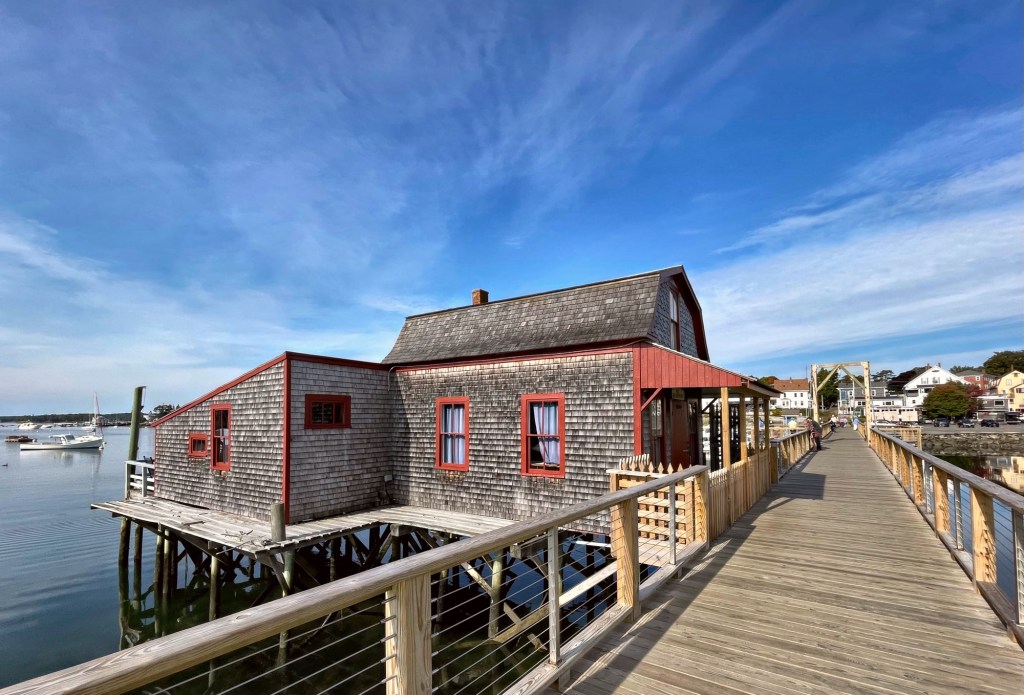
Boothbay Harbor Bridge House // 1902

In 1901, a footbridge was built in Boothbay Harbor, Maine, connecting the downtown area with the Mt. Pisgah and Spruce Point areas, which both developed as summer colonies. Within a year, this bridge house was built and occupied by William Foster, the bridge-tender who likely operated some sort of swing to allow vessels to pass by until the footbridge was largely replaced after the Great Freeze of 1918, without a swing or draw. When Mr. Foster operated the footbridge, others in town suspected some wrongdoing. A local selectman began investigating and as the story goes, Mr. Foster had been smuggling liquor into town via ships to this bridge house through a trap-door in the floor of the building. Maine was a dry state, and William would have been able to bring in illegal alcohol to the town. Later uses of the building included a candy shop, gift shop, and the bridge house is now a private residence, with thousands passing by every summer.

Sprucewold Lodge // 1927

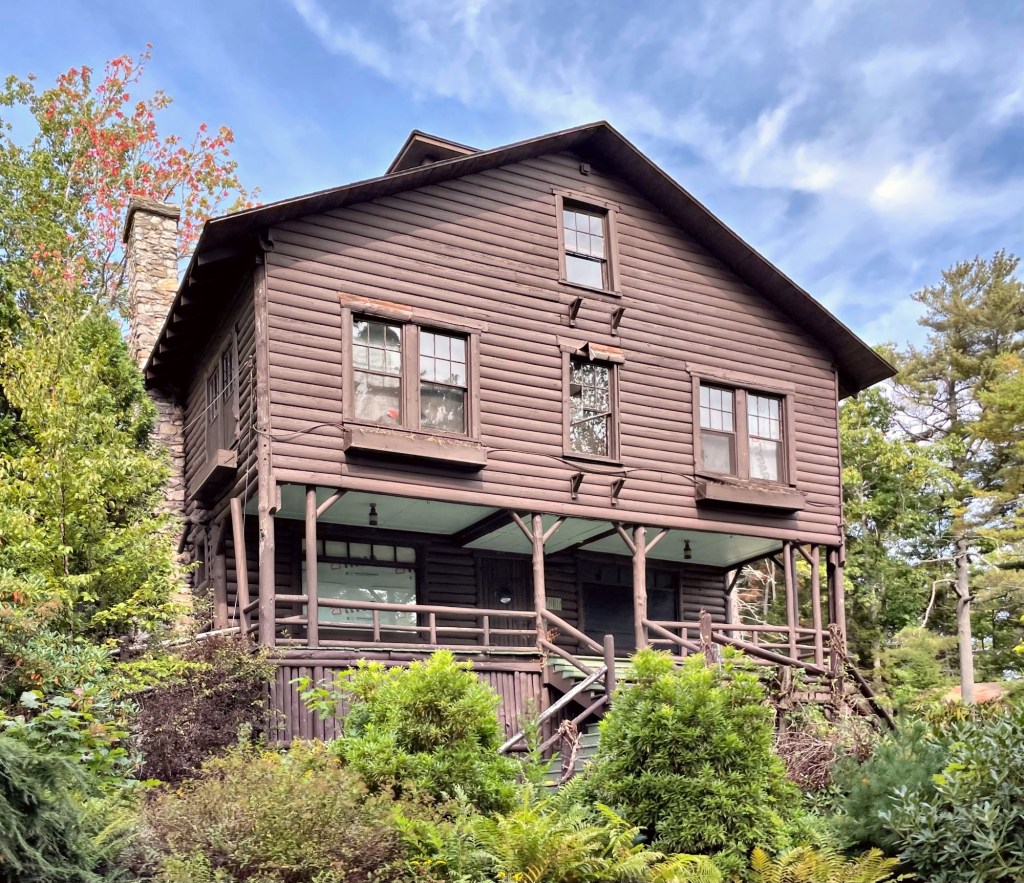
Sprucewold Lodge, nestled in the picturesque coastal town of Boothbay Harbor, Maine, boasts a rich history that dates back to the early 20th century. Established in 1911 by a group of visionary investors and rusticators, the lodge was designed as a summer retreat for families seeking solace in nature. Like the Spruce Point Inn, the building was developed with modest means, but quickly expanded and grew as the unique and rugged site on Spruce Point drew flocks of visitors every year. Its unique blend of craftsman and Adirondack style architecture and stunning natural surroundings quickly made it a popular destination. The investors hired Portland architect John P. Thomas to design a grand log hotel. The hotel was advertised as the largest log cabin in the world until it burned down just years later in 1930. A 31-room annex, this building, was added in 1927 and assisted to serve the over 60 rental cabins, tennis courts, a swimming pool, recreation hall, and a thirty-car garage. When the original Sprucewold Lodge burned down, this building became the new lodge, and it has remained so nearly 100 years later. This enclave of rustic log cabins on Spruce Point is very evocative of the early days of Maine, and it is easy to see why the state garnered the nickname, Vacationland.

Boothbay Harbor Opera House // 1894

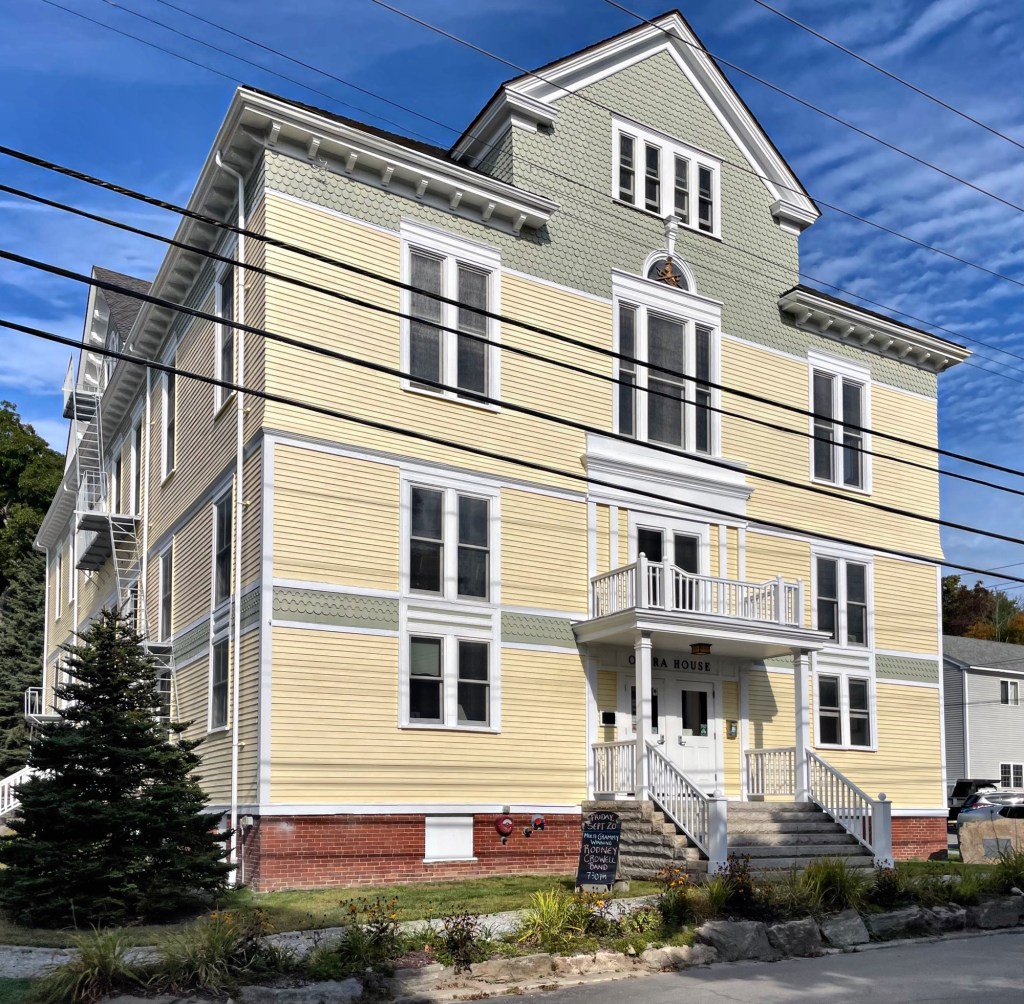
Historic meeting halls can be found in nearly every town and city in Maine. The Boothbay Harbor Opera House was built in 1894 to a design by the prominent Portland architectural firm of Francis H. Fassett and his son, Edward F. Fassett. The wood-frame building was built as a multi-functional space by the local Knights of Pythias Lodge who hired local shipwrights, who constructed the building in just 70 days. The Queen Anne style building was converted to a local opera house and has been a cultural institution for the region ever-since!

Burnt Island Light // 1821

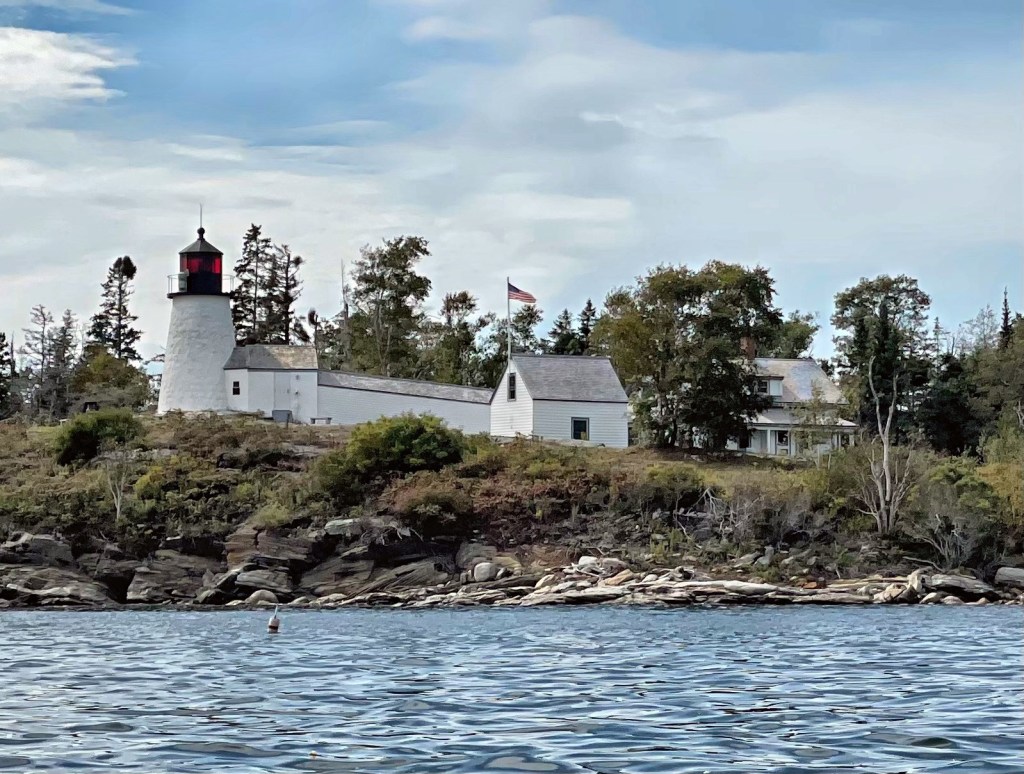
The Burnt Island Light Station was built in 1821 on the west side of the entrance to Boothbay Harbor, opposite the Spruce Point Inn (which I kayaked from to get a better view of this lighthouse). The federal government purchased the island for $150 from local businessmen Jacob Auld and Joseph McCobb. The government’s builders constructed a stone lighthouse and keeper’s dwelling using granite blocks cut from the island. The lighthouse was built on Burnt Island, which took its name from the historic practice of burning the island’s vegetation in order to keep the land clear for sheep grazing. Its purpose was the guidance of ships, the carriers of cargo destined for the development of industry and commerce, into Boothbay Harbor over a mile away. Built just one year before Maine became a state, the Burnt Island Light Station has served mariners for over 200 years. In fact, it’s considered the state’s oldest unaltered lighthouse, and it was manned until 1988 when the light was automated. In 1998, the island and light station were transferred to the State of Maine Department of Marine Resources as part of the Maine Lighthouse Program.

Spruce Point Inn // c.1892

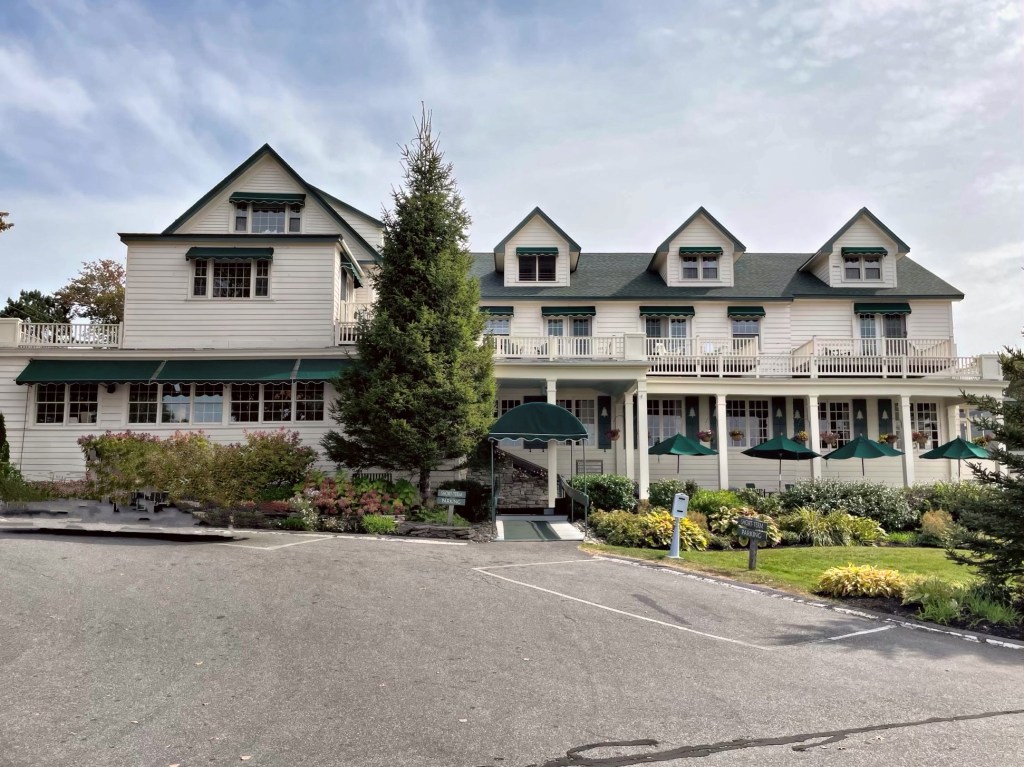
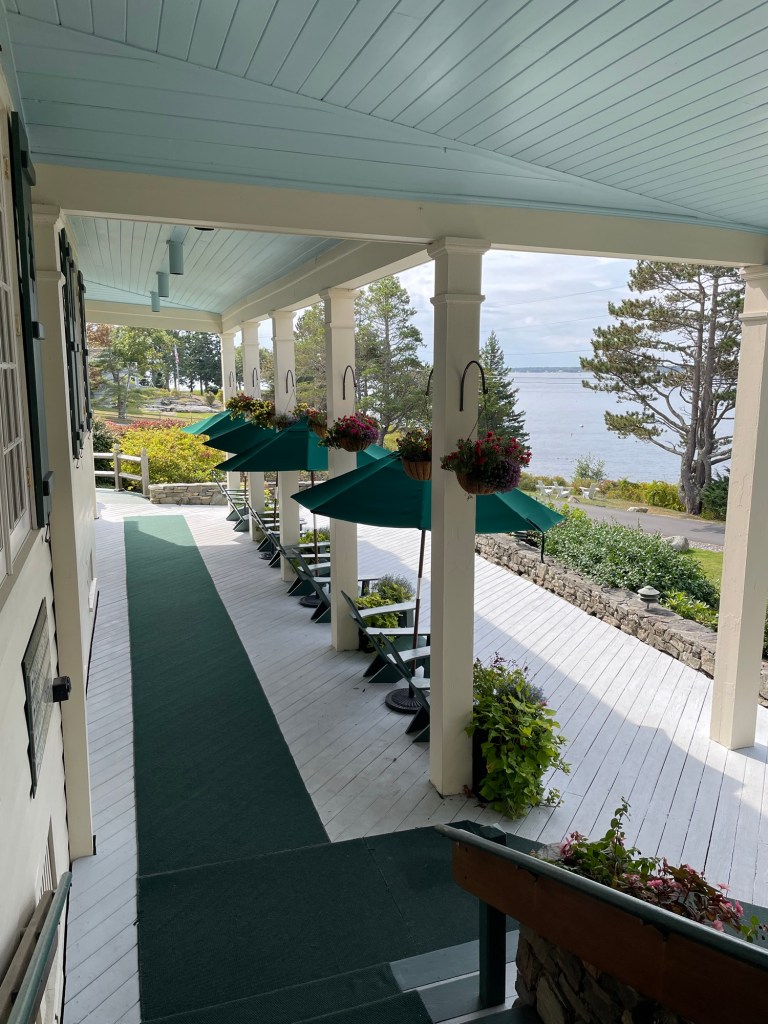
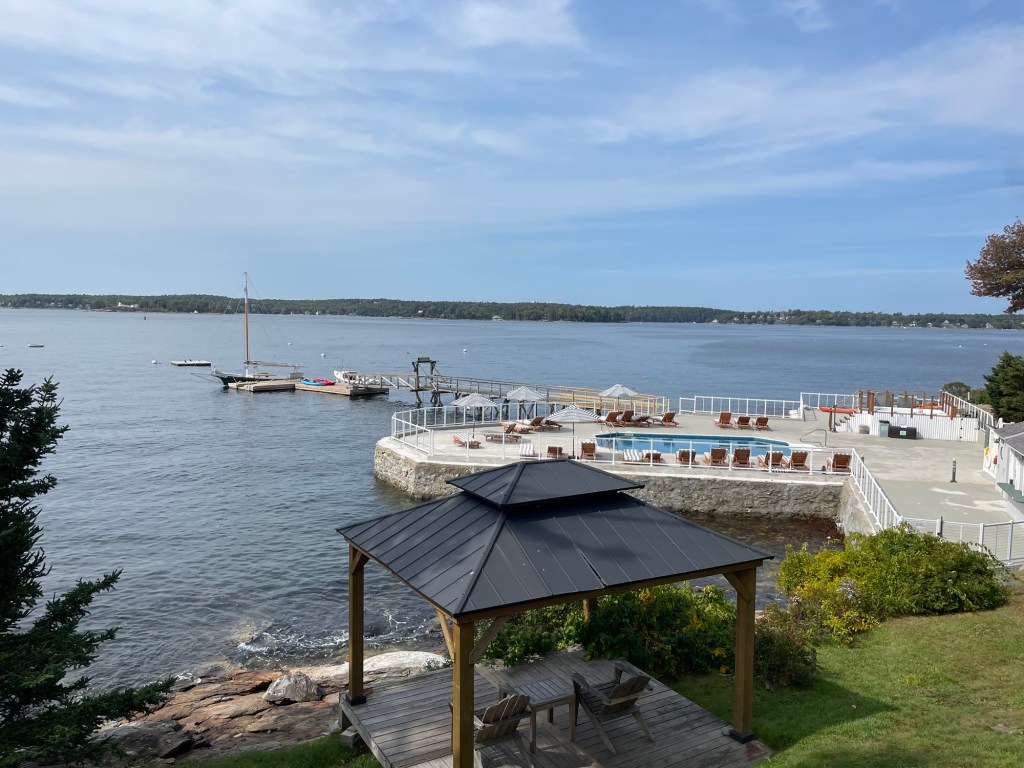
Spruce Point Inn sits amongst acres of pristine pine forests on the shore of the rugged coastline in Boothbay Harbor, in Mid-Coast Maine. The Inn had its beginnings in the 1890s as a hunting and fishing lodge when the peninsula was an undeveloped and remote point on the outer edge of Boothbay Harbor. The enchanting location off the beaten path attracted rusticators, who sought to escape the hot and polluted air of Boston and other cities, for the coastal breezes on Spruce Point. Private cottages were built nearby the old lodge, and frequented by summer rusticators year-after-year. By the 1940s the lodge was converted to an inn and many of the private summer cottages surrounding were acquired and rented out for summers. The buildings exhibit the warm, natural materials typical of the region, with weathered shingles and expansive porches that invite guests to take in the ocean breeze. Inside, the beadboard walls, wood floors, and fireplaces paired with period-appropriate furnishings really provide an authentic historic feeling. The resort’s first saltwater pool was constructed in a rocky outcropping right at the coastline and was recently restored, providing visitors a unique experience to swim in a historic saltwater pool just over the ocean! Over the years, the inn has undergone several renovations and expansions, ensuring that it continues to meet the needs of modern travelers while preserving its historical significance. The Spruce Point Inn is more than just a place to stay; it is a part of the rich history of Boothbay Harbor and ongoing legacy, a historic getaway that blends both luxury and history in a setting unlike any other.

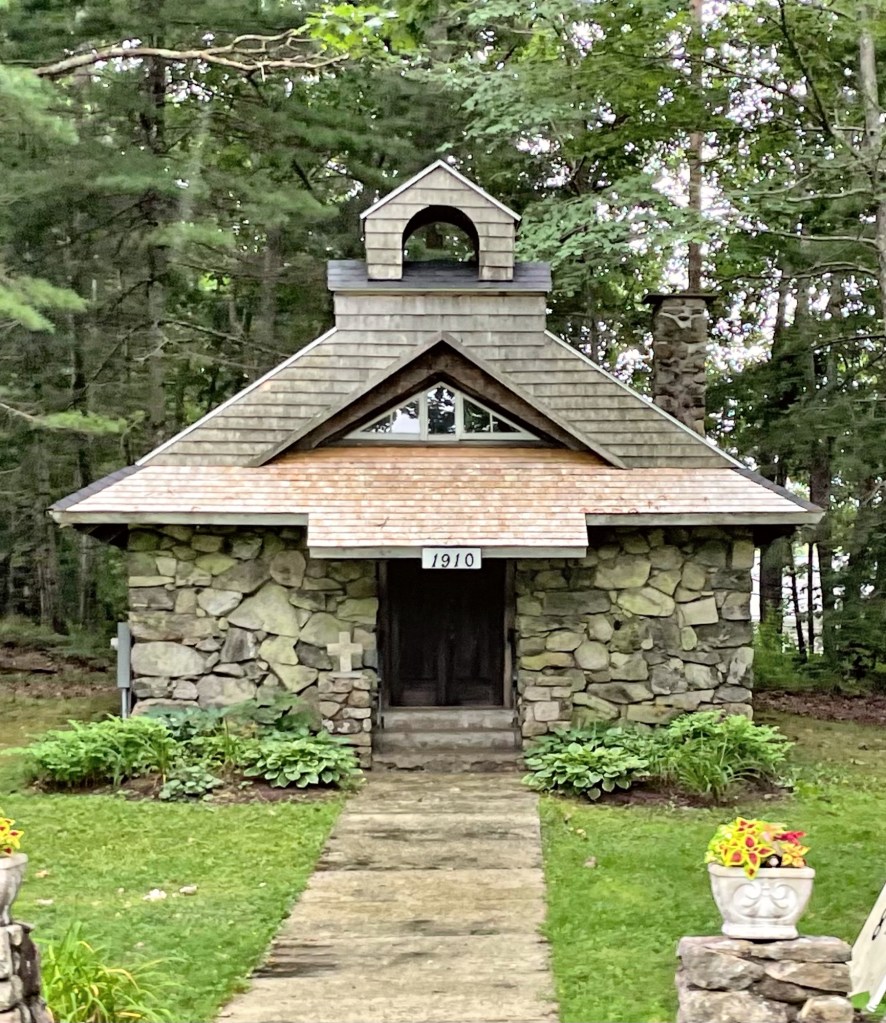
Wildwood Baptist Chapel // 1910

Tucked away on a wooded lot, away from the main villages of Kennebunkport, Maine, the Wildwood Baptist Chapel sits on the side of the road looking like a scene from a storybook. The chapel was built in 1910 for Baptists residing in the Wildes District of town, between the busier Kennebunkport Village and Cape Porpoise. The stone used in the construction of the chapel was taken from nearby properties and assembled on site by a skilled mason who built the walls with a Shingle style roof. Services here were limited and eventually ceased in earnest in 1935, as personal automobile allowed residents to travel to the church in the village for services. The poorly insulated chapel and small fireplace made the sanctuary inside difficult to heat in the cold winter months. The chapel is maintained well to this day, and is primarily used for summer services and special events.

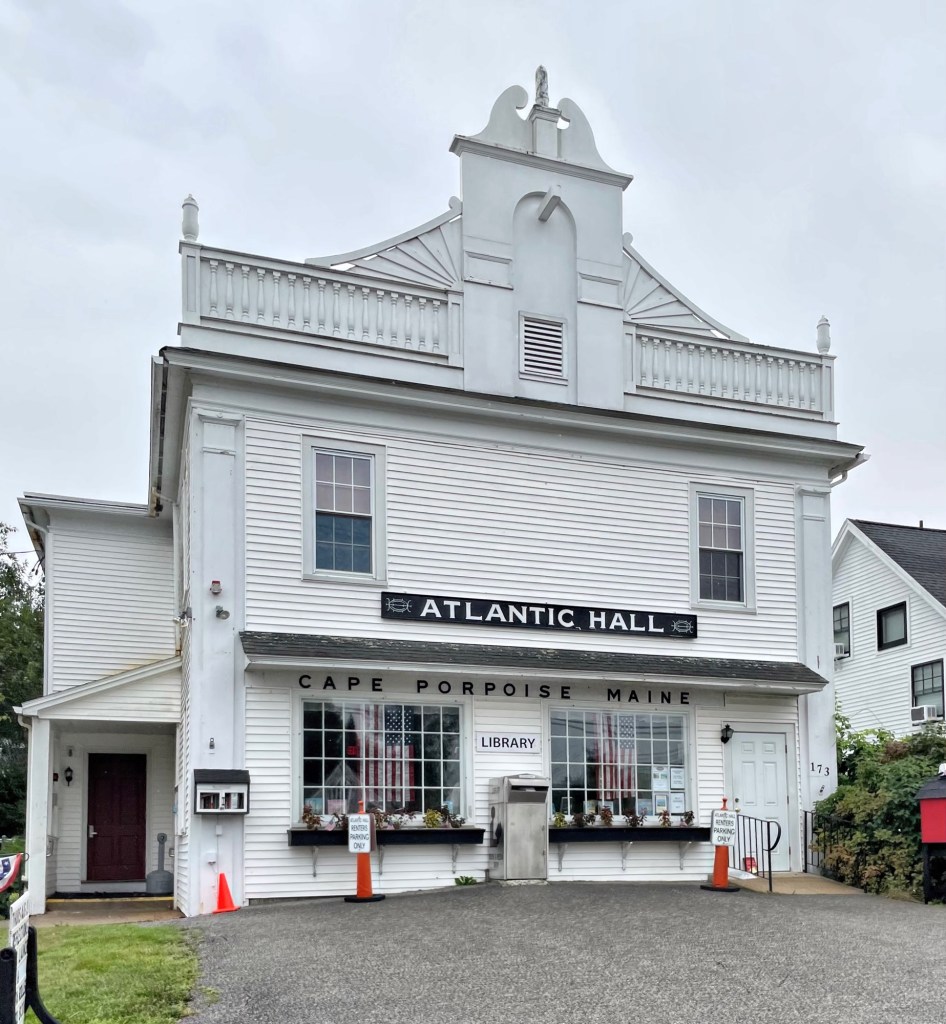
Atlantic Hall // 1920

Atlantic Hall is one of the most iconic buildings in the well-visited town of Kennebunkport, Maine. The landmark structure was completed in 1920 as a volunteer fire station, by the Atlantic Hose Company. The volunteer fire-fighting company was founded in April 1906, and different members kept different parts of fire fighting equipment in each of their barns without a consolidated station. With the advent of the automobile, the community raised funds and purchased a Chevrolet hose truck, but had no station to put it. Without having the town pitch in money, residents (both permanent and summer “rusticators”) donated funds and a central location in Cape Porpoise was selected as a site for the new station. Construction started on a modest building in 1914, but was halted during WWI. After the war, local resident, Marion Goodall Marland hired the well known firm of Kilham, Hopkins and Greeley to furnish updated designs for the station, in a more elaborate version of the Colonial Revival style, fitting for the charming town. The building opened in 1920 with an engine room at the first floor and a meeting hall on the second floor. It was in 1958 that the Atlantic Hose Company outgrew its station at Atlantic Hall, and a new fire house was built across the street. Atlantic Hall was renovated for library and event use and has remained a significant piece of Cape Porpoise ever since!

Kennebunk River Clubhouse // 1889

A canoe club formed by John B. McMaster, Prosper L. Senat and Henry E. Woods in the early 1880’s grew to a large “Lobster Club” by 1888. In 1889, the club decided to build this Shingle style boat house and the organization changed their name to the ‘Kennebunk River Club’ and hired Lowell, Massachusetts architect, Frederick W. Stickney to design a new boathouse. It opened in August 1890. The club grew quickly as Kennebunkport continued to become a premier summer destination with wealthy residents building summer “cottages” in town. In the building, canoes were built and hired out to club members by members of the Penobscot tribe who came to Kennebunkport from Old Town each summer working here. The clubhouse is one of the finest Shingle style recreational buildings in New England.