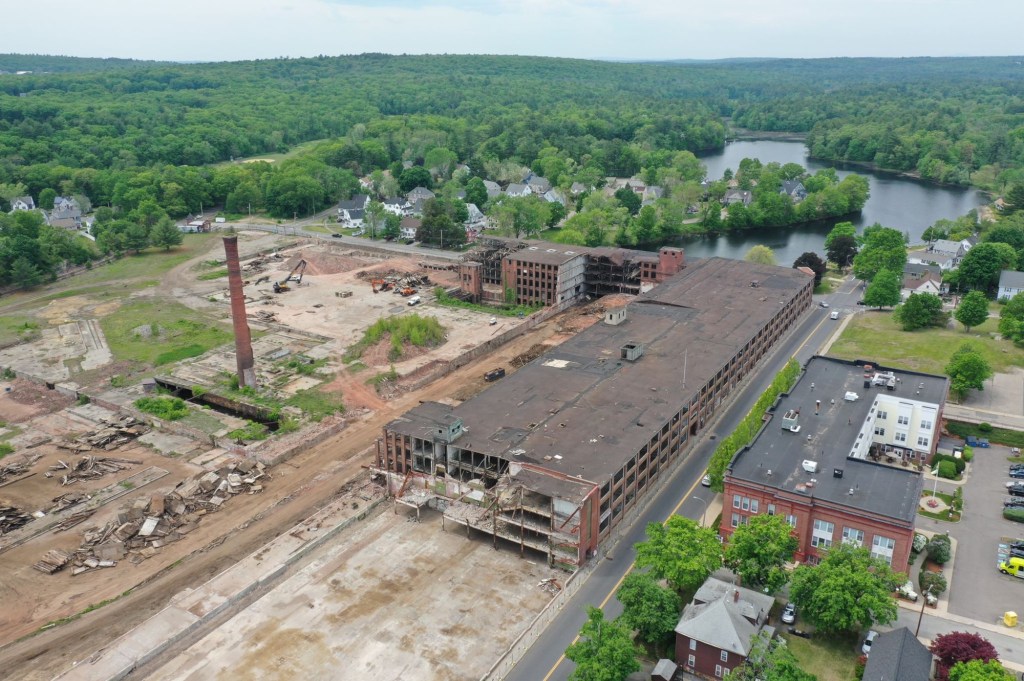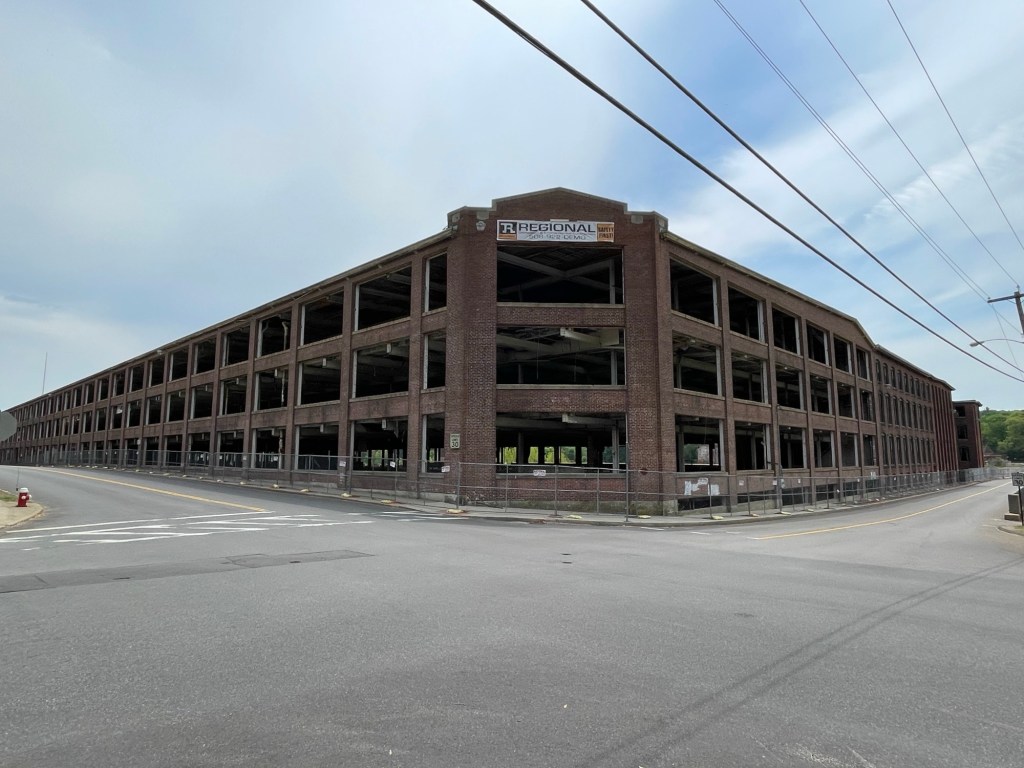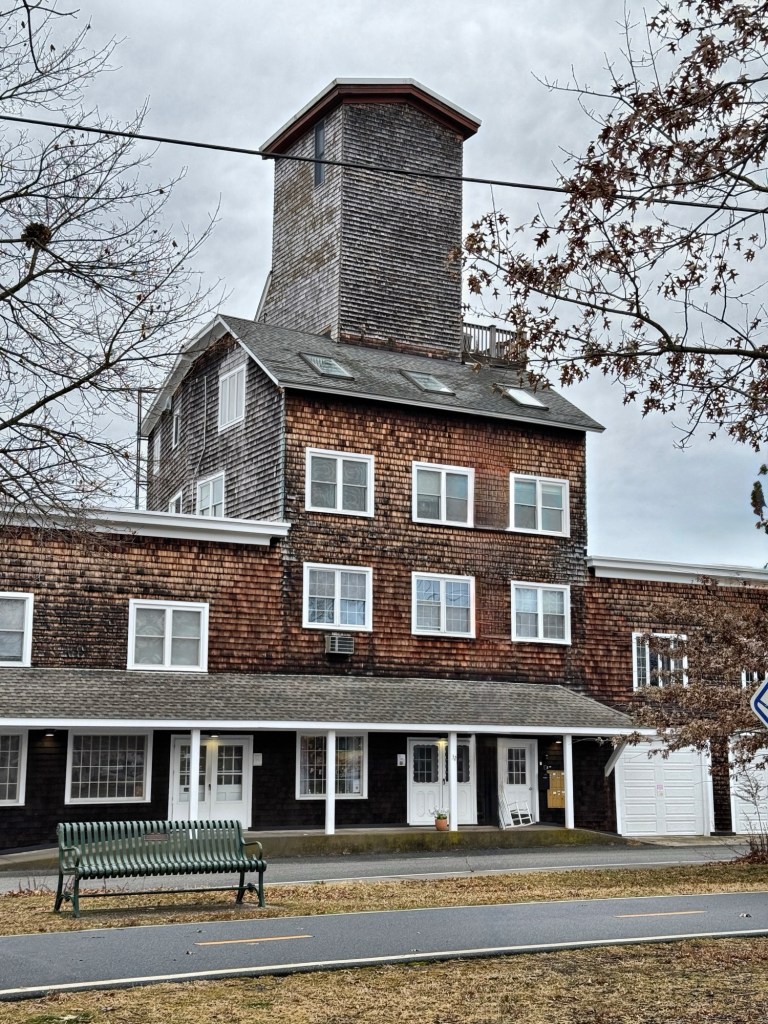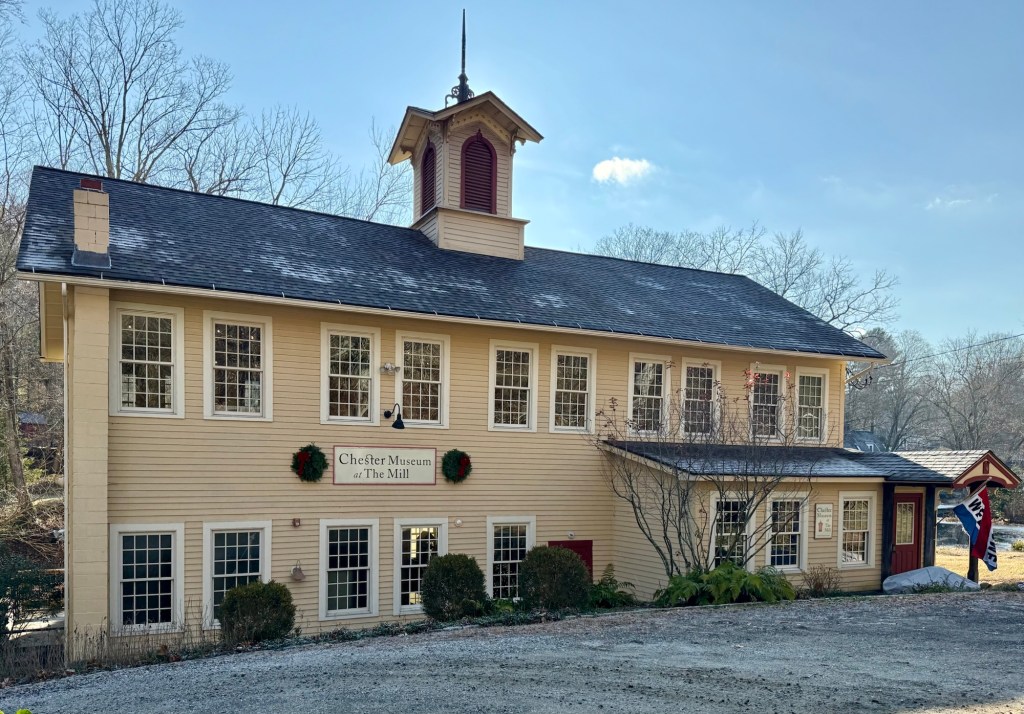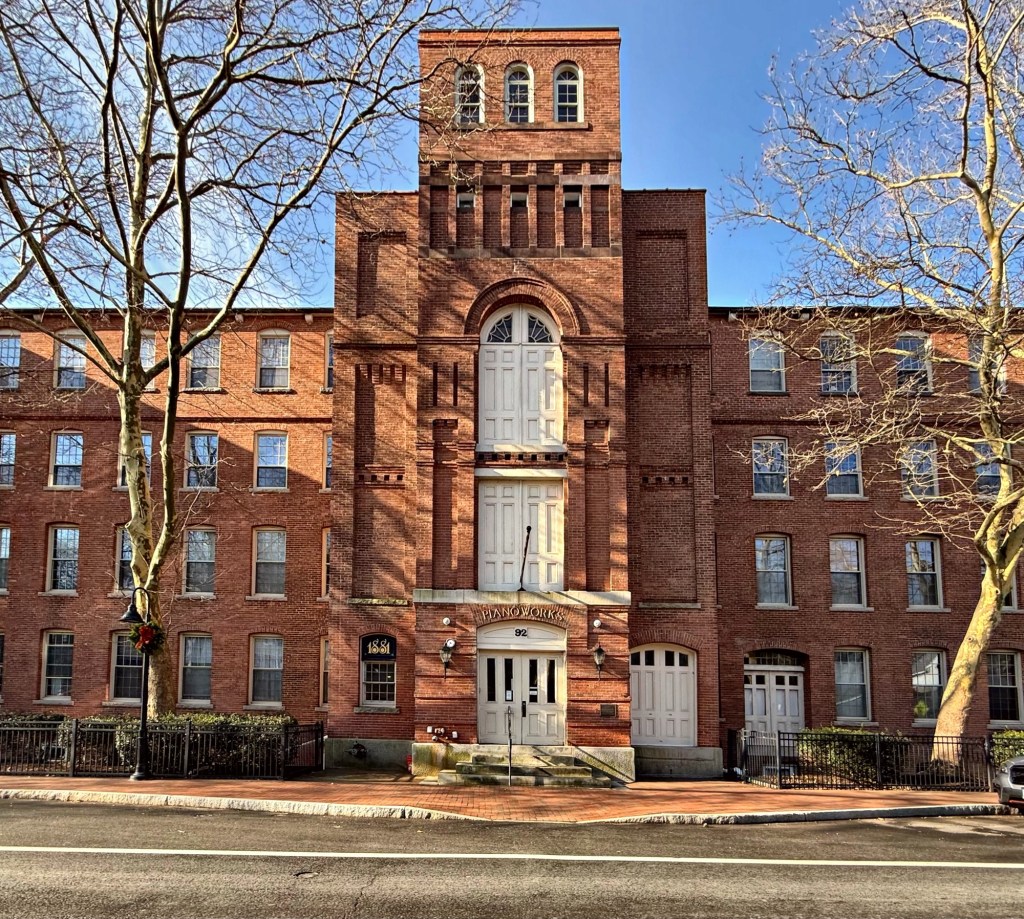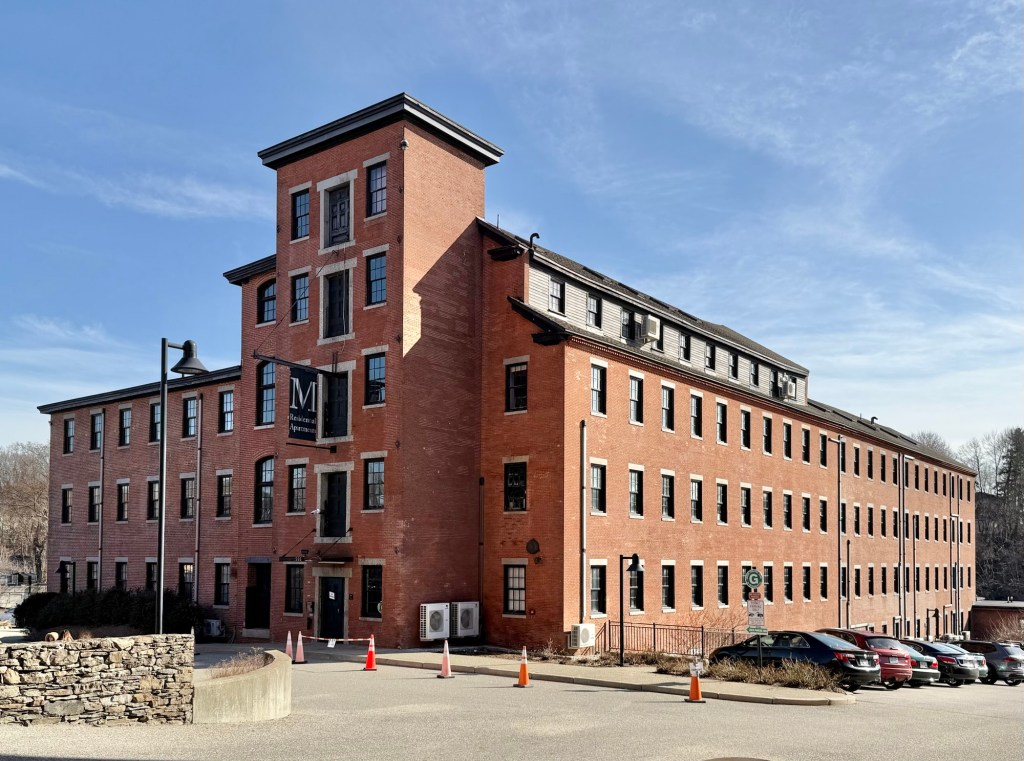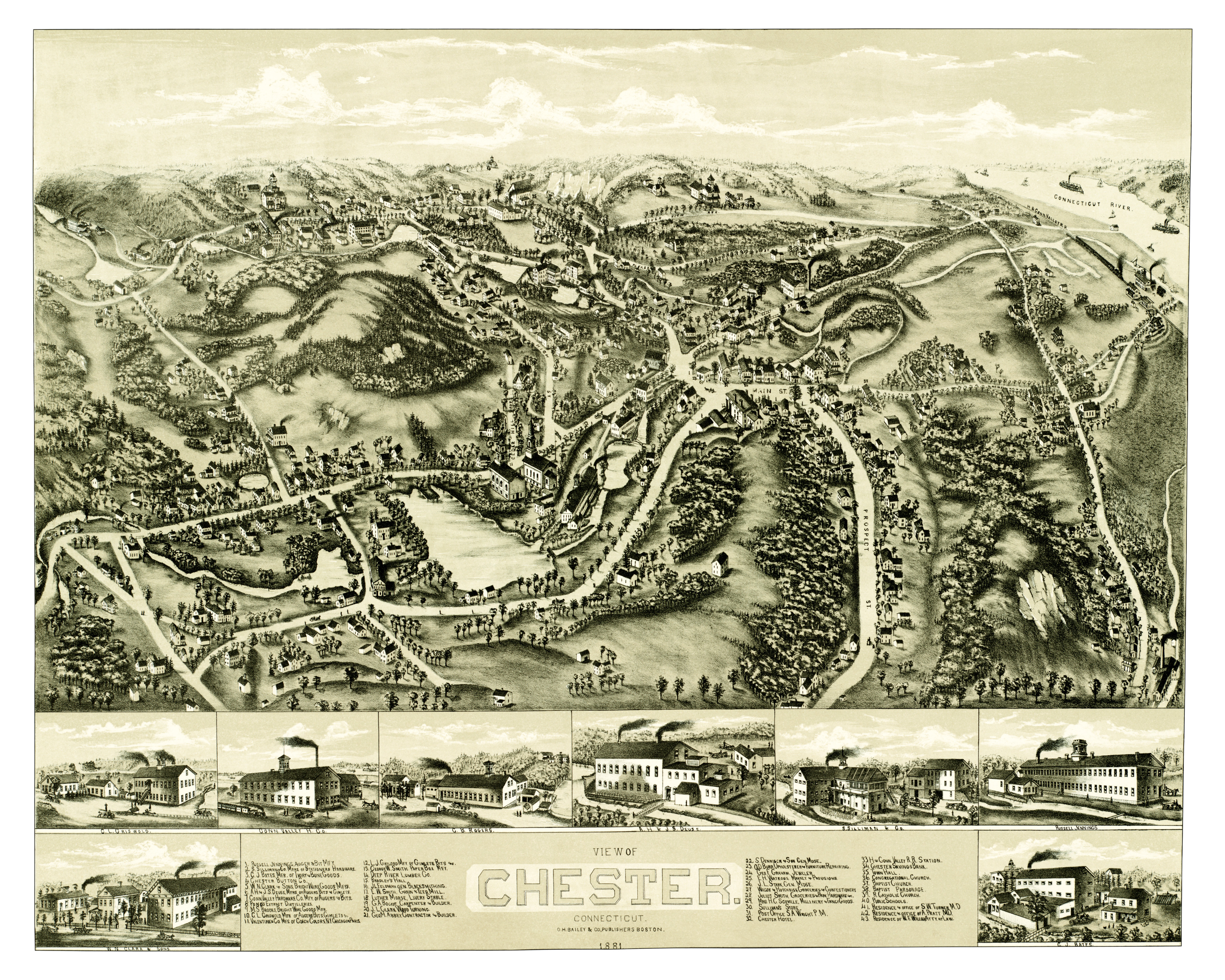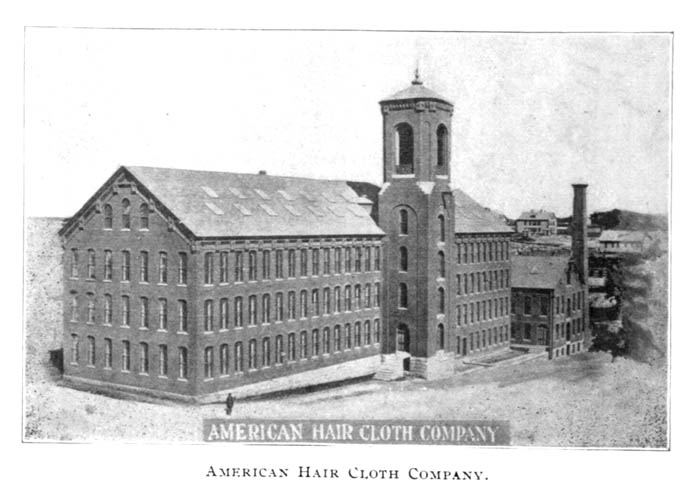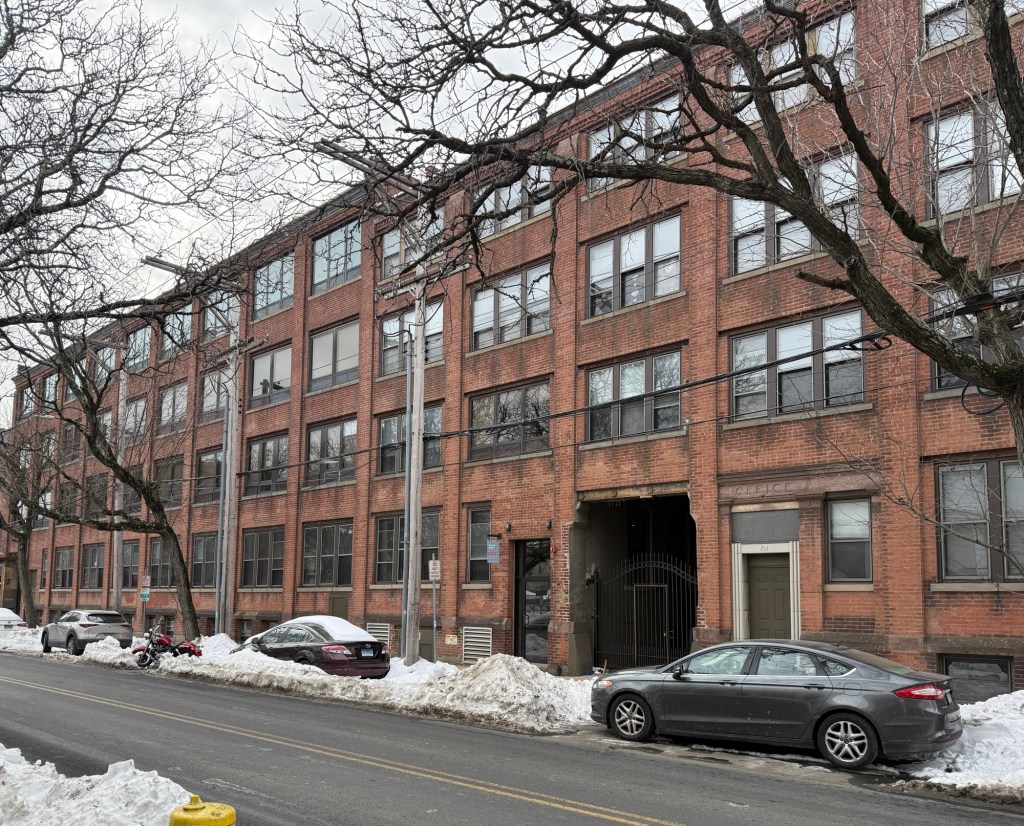
Pratt, Read and Company Factory // 1881

The Pratt, Read & Company Factory, located on Main Street in Deep River, Connecticut, was once the largest producer of ivory products in the world. The company was established in 1863, when Julius Pratt, George Read and their corresponding companies, merged to become Pratt, Read and Co. In 1866, the newly organized company built a new factory on this site. The business manufactured ivory combs, collar buttons, and toothpicks and specialized in the production of piano and organ keys. That factory burned in 1881 and as a result, over 160 employees were out of work. A year later, in 1882, the present factory was built of fireproof brick construction. The company, like many others, imported ivory from King Leopold’s Congo, where atrocities against indigenous people were common. The original Pratt, Read and Co. factory had an ornate pyramidal tower, which was removed in 1914. In 1936, the company merged with Comstock, Cheney & Co. and moved all operations to Ivoryton, CT. The Deep River factory was used for various manufacturing purposes throughout the rest of the 20th century until it was converted to condominiums as the appropriately named Piano Lofts.

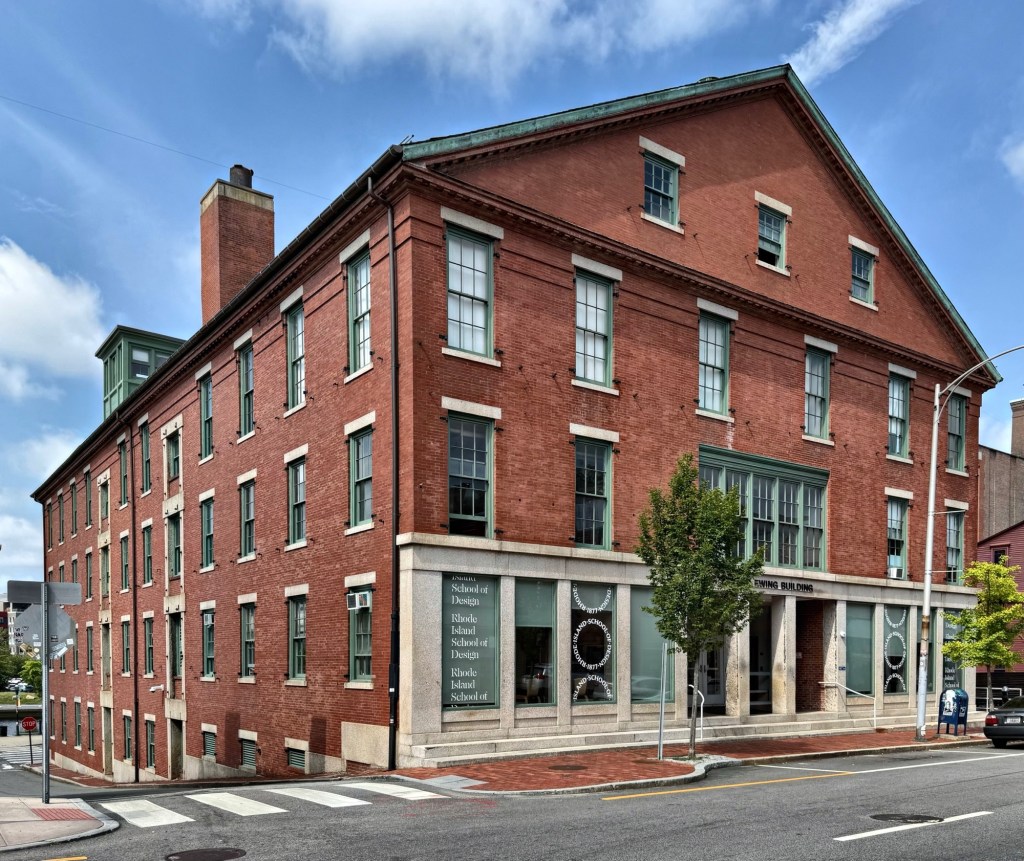
Bayard Ewing Building // 1848

Located on South Main Street in Providence, this large Greek Revival style commercial building, with its gable pediment facing the street was built in 1848 by the Fall River Ironworks Company.The company was founded in Fall River, Massachusetts (then partly located within Rhode Island) in 1822 to manufacture nails. The company owned and occupied this building from its construction until 1881, when it was occupied by the Rumford Chemical Works, founded by Eben Horsford as a manufacturer of baking powder, with this building serving as its main office. In 1927, the Phillips Lead Company, a plumbing supply house, purchased the property and continued to use it until 1973, when it was acquired via taking as part of an Urban Renewal plan for the area. Luckily, the building was deemed significant, and preserved following its purchase by the Rhode Island School of Design (RISD) and converted to classroom and studio spaces in 1978 for several of the school’s departments. The restoration and adaptive reuse was overseen by local architect Irving B. Haynes. The building, now known as the Bayard Ewing Building, is one of the earliest such examples of adaptive reuse in Providence and showcases that old buildings can be repurposed for new ideas and uses. 

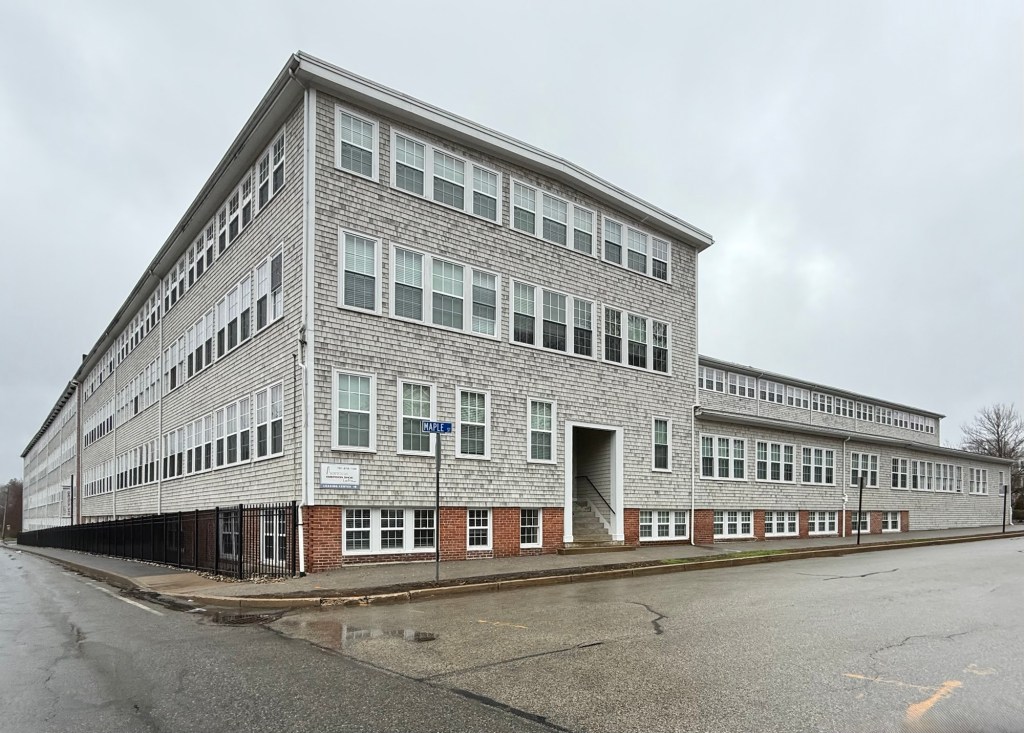
Emerson Shoe Company Factory // 1894+

Prior to its establishment as an independent town in 1874, Rockland, Massachusetts, was part of “Old” Abington. The town became best-known for its number of shoe manufacturing companies, even more significant as the town is said to have provided nearly half of the Union Army’s footwear during the Civil War. In the late 19th century, due to increased connectivity of Rockland to regional markets, business boomed, and this site on Maple Street, adjacent to the railroad, was purchased for a new factory. The first factory here was constructed in 1894 for the local Hall, Gallagher & Foulke Shoe Company, who would dissolve after just two years, selling the site to George W. Hall, one of the original trustees. In 1906, the Emerson Shoe Company, burned out of its Brockton factory caused by a disastrous fire, began operations as a tenant in the former George W. Hall factory in Rockland. With continued expansion, the Emerson Shoe Company soon became one of the largest employers in Rockland. The factory was enlarged numerous times through the 1920s. The company would eventually close, even though, by the late 1920s, Rockland and six neighboring communities were manufacturing 27% of all shoes worn in the United States. However, most likely due to the aging of the original founders and labor issues, Emerson Shoe was sold. After various other uses, including as an artist’s colony of studios, the building was restored and converted into residential loft-style housing.


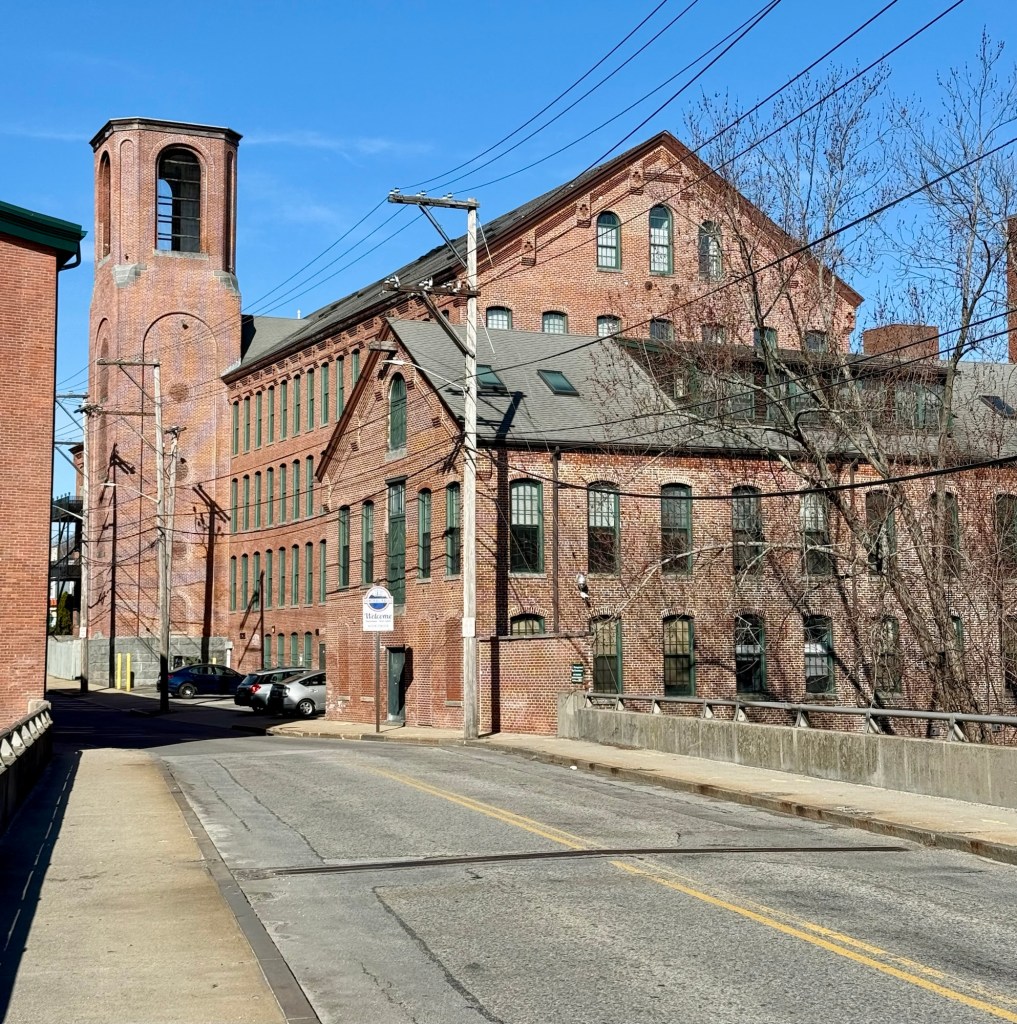
Pawtucket Hair Cloth Mill //1864

Despite its name, this handsome mill structure, known as the Pawtucket Hair Cloth Mill, is actually located in Central Falls, Rhode Island. The building, located on Roosevelt Avenue on the banks of the Blackstone River, is a great example of a Civil War-era mill, built for one of the many wool and cloth companies in New England. Begun in a small factory across the street in 1856, this business became successful after the acquisition of patents for weaving haircloth (most of the raw material for which originally came from Russian horse markets) for upholstery, crinolines, and inner linings. The company is said to have once been the largest producer of haircloth in the world. The Italianate style mill stands pretty much as built, besides the tower that has lost its low pyramidal cap. The building was one of the first commissions by great Rhode Island architect, William Walker, who was just 34 at the time of designing this large, and complicated structure.

Kennedy-Stafford Mill // 1825

One of the oldest mills in Central Falls, Rhode Island, is this four-story brick building constructed in 1825 is important as one of the earliest extant brick mills in Rhode Island, at a time when such buildings were shifting from wood construction to fire-proof brick or stone construction. Built on one of the first industrial sites in the city, along the Blackstone River, the mill was originally constructed for a John Kennedy as a cotton manufactory. The complex was purchased and expanded in the 1860s by the Stafford Manufacturing Company, who built a new dam on the river and extension to the 1825 building. The structure features a five-story square end tower with freight doors, and a monitor roof which runs the span of the original 1825 building, terminating where the Stafford Company addition begins. Originally, canals flowed directly under the building, powering the building and three mills downstream, but they were filled in by 1965. Elizabeth Webbing started in the Kennedy/Stafford mill buildings in 1933. After over 70 years of making cloth straps used for seat belts, dog collars, luggage straps and more, it ceased operations in March of 2001. The complex, which included 19 nearby mill buildings, was split up and sold off. In 2007 work began on converting the former mill to residential use with the first phase of the project opening to tenants in 2009. It’s another great example of adaptive reuse into housing, the best type of project!

Valley Falls Mill // 1849

The Valley Falls Mill sits along the Blackstone River in Central Falls, Rhode Island, and is one of the many significant industrial complexes which facilitated the development and growth of the city. The main building in the complex is the four-story rectangular building, constructed in 1849. To meet the requirements of fire resistance, the mill was constructed with load-bearing brick walls and heavy timber columns. Samuel B. and Harvey Chace, sons of Fall River mill owner Oliver Chace, built the mill on this site, influenced not only by the availability of water power, but also by the completion the same year of the Providence & Worcester Railroad, which passes by the mill on its east side. The mill was designed for the manufacture of a variety of cotton products. The Valley Falls Company merged with another industrial concern in 1929, and this mill was subsequently closed the following year. After decades of little-to-no use, the significant Valley Falls Mill was converted into senior housing in 1979 following its listing on the National Register of Historic Places. It ranks as one of the earliest mill conversion projects in New England and while some details were lost, it preserves a significant piece of local history and meets a much-needed demand of housing.

Fales & Jenks Mill // 1863

One of the largest mills in Central Falls, Rhode Island, is this complex tucked away on Foundry Street. Constructed in phases beginning in 1863, the site was originally owned by the firm of Fales & Jenks, manufacturers, and it was the first major factory in the town to not be built on a river, but on the railroad, showcasing a shift in the transportation of goods along with the increasing availability of steam power, relieving mill owners from having to build on the rivers. Fales & Jenks manufactured textile machinery here for just a few years until they moved to Pawtucket, and the complex was purchased by A. & W. Sprague in 1865 and after slight enlargement, was used as a flax mill until the Spragues’ failure in 1873. In the late 19th century, the mill was occupied by the U.S. Cotton Company. The oldest buildings are brick with granite lintels under a monitor roof. Later additions include a massive brick factory with a tower with castellated parapet. The small, two-story gable-roofed building at the corner was the mill office. The complex is today owned and maintained by the Murdock Webbing Company.

Sheafe Warehouse // c.1740

The Sheafe Warehouse in Prescott Park in Portsmouth, New Hampshire was constructed in the first half of the 18th century in a spot ideally situated on the Piscataqua River to receive incoming ships. The design of the building is unique with a garrison (second story overhang) which enabled cargo to be unloaded directly from ships arriving in the port. The structure was apparently built (and named after) Jacob Sheafe (1715-1791) a prominent and prosperous merchant who followed in his father’s footsteps engaged in trade with the West Indies. The building was used as storage for centuries until the 1930s when the owner sold the warehouse to two Portsmouth sisters, Mary E. and Josie F. Prescott, the founders of Prescott Park. Interested in preserving the history of their native city, the sisters had the building moved to its current location and restored. The building (and the adjacent Shaw Warehouse) was listed on the State Register of Historic Places.

Shaw Warehouse // 1806

The Shaw Warehouse located inside Prescott Park in Portsmouth, New Hampshire, was constructed between 1806 and 1813 and is significant as a rare example of a vernacular warehouse building from the early 19th century. It is very vernacular, unadorned with a very functional use, but these types of buildings (like barns and stables) are some of the most charming and provide a link to working-class history from the past. The building is the only of its kind remaining in its original location in Portsmouth, and as a result, was listed in 2011 on the New Hampshire State Register of Historic Places. It now houses offices for the nearby park.

Otis Company Mill #1 // 1845

This five-story granite mill building was one of the major catalysts for the 19th century population surge in Ware, Massachusetts. As New England’s fledgling textile industry of the era played a vanguard role in transforming the U.S. into an industrial nation, the significance of this type of mill can hardly be understated. The Otis Mill #1 in Ware is one of the last remaining granite textile mills of this early period in central/western Massachusetts. The mill was built in 1845 for the Otis Company, which initially manufactured woven cotton fabric, but later branched out into stockings, woolen shirts and drawers underwear. The company was Ware’s largest employer for about 100 years! The company prospered thru WWI employing over 2,500 people. During the 1920’s the business began a decline due to the southern state’s mills and lack of modernization. In the mid 30’s the Otis Co sold its property to the citizens of Ware, which they formed Ware Industries, Inc to continue the major employer in the town. Due to this Ware came to be known nation-wide as “The Town That Can’t Be Licked.” The mill is now home to local small businesses as a sort of incubator, providing jobs to local residents!