Rockland Custom House & Post Office // 1873-1969

Photo included in HABS documentation

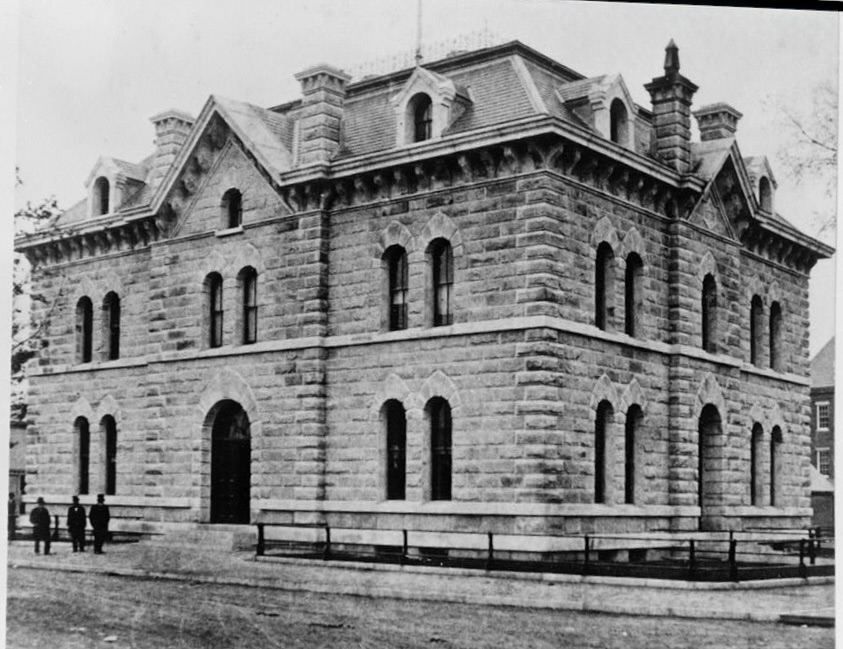
It saddens me to see photos and learn about some of the amazing buildings demolished in the name of “progress”; it is even more disappointing when said building is replaced by a surface parking lot (over 50 years later)! This great stone building was built in Rockland, Maine, in 1876 as the town’s post office and custom house by the Federal government. Relatively unknown architect Alfred B. Mullett is credited with the design as he served from 1866 to 1874 as Supervising Architect of the United States Treasury Department. The building can be classified as Italianate-Second Empire in style and is constructed of massive, rough-faced granite block walls with a shallow mansard roof above. The building was offered for sale by the U.S. Government in 1967, likely due to the upkeep costs and a shrinking local population with the dependency on maritime trade diminished. The building was ultimately razed in late 1969, with a new, uninspiring, post office built next door to this site.
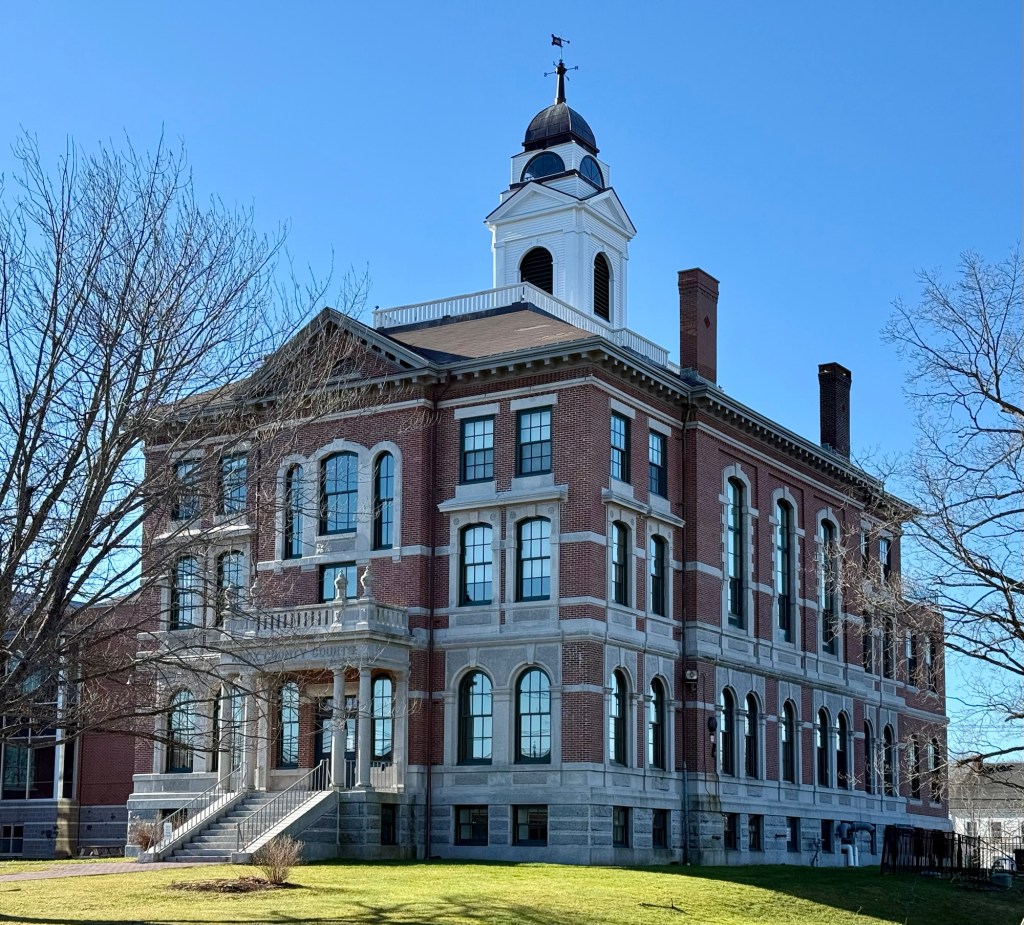
Knox County Courthouse // 1874

The Knox County Courthouse stands in Downtown Rockland, Maine, and is a landmark example of a Civic building constructed in the Italianate style. Knox County was separated from adjacent Lincoln County in 1860, with the coastal city of Rockland established as its county seat. For its first fifteen years, county offices were dispersed amongst buildings until in 1874 when the county retained Boston architect Gridley James Fox Bryant to design the present building. The building was constructed at a cost of $83,000, well over the anticipated $50,000 cost, and opened in 1875. The first floor accommodated all the county offices, with fireproof storage areas for records. The second floor was be taken up by the courtroom, and at either end were rooms for judges, jury and counsel.

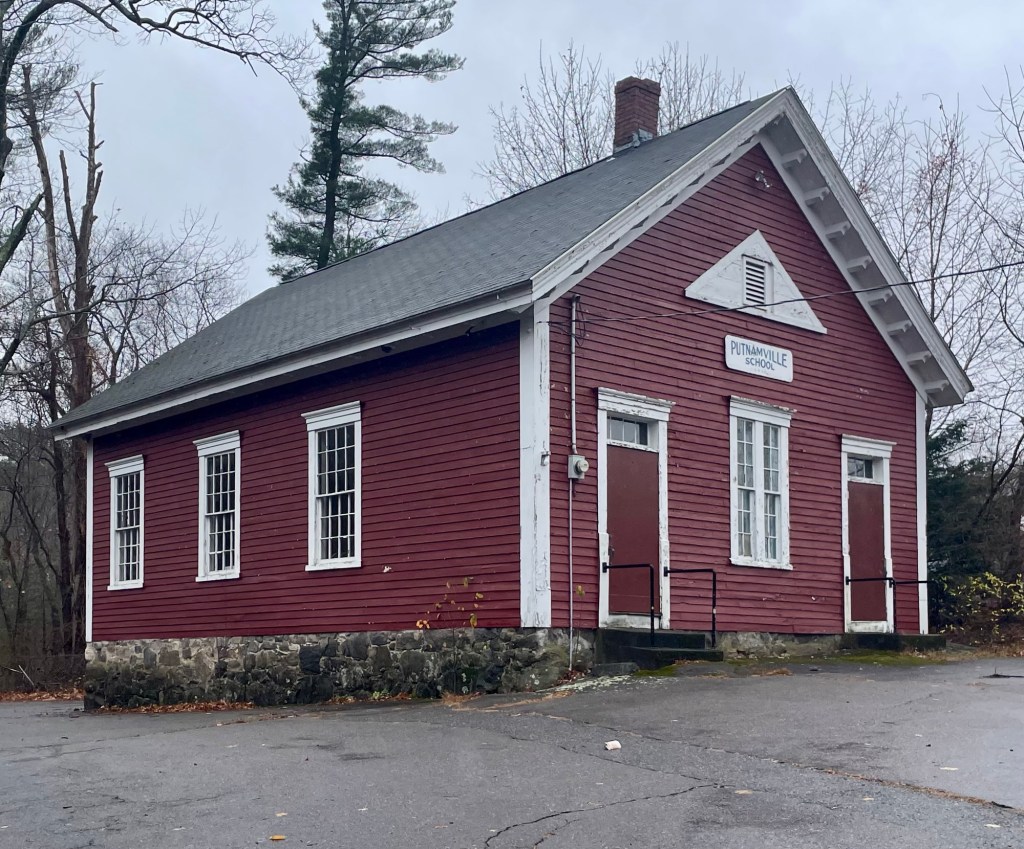
Putnamville Schoolhouse // 1852

Diminutive in scale, the one-room Putnamville Schoolhouse at 224 Locust Street in Danvers, Massachusetts, showcases a stark difference in scale and design to the later Wadsworth and Tapleyville schools in town. Built in 1852, the transitional Greek Revival and Italianate style schoolhouse served the more rural district number 3 in town. The first class of 42 pupils was taught by Miss Sophia C . Appleton who ranged from 5 to 15 years of age. Due to a consolidation of schools in town, the building finally closed in 1974. In 1976, the Danvers Art Association leased the building for years. It is unclear to me at this time what the school is used for. Does anyone know more?

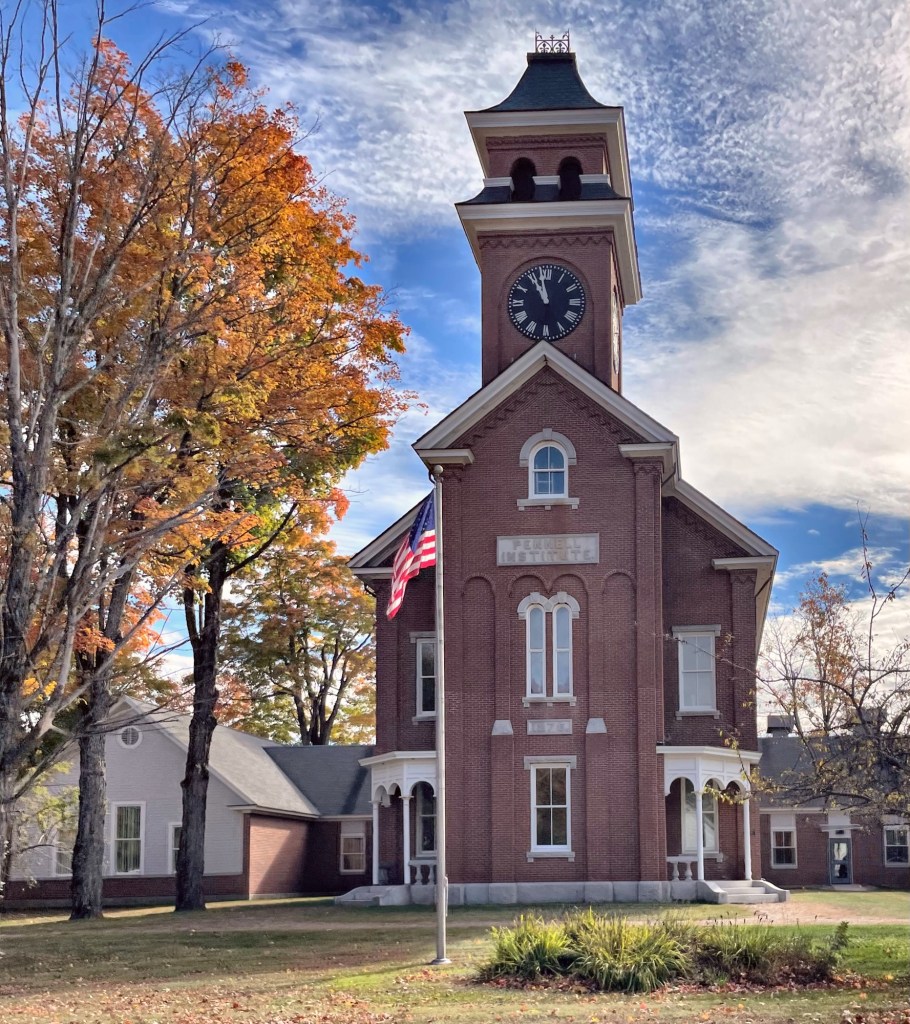
Pennell Institute Building – Gray Town Hall // 1886

The Pennell Institute was built in 1886 as a privately funded, public school for the town of Gray, Maine. By 1870, Gray High School was located in the former Town Hall, and due to increased enrollment and ever-cramped quarters, demand for a standalone school was of grave importance. As a result, local resident Henry Pennell decided he would help his hometown. Henry Pennell (1803-1884) as a young man, worked as a butcher and traveled to Portland to sell his cuts of meat, later buying and selling livestock. After the Civil War, he dealt in real estate and mortgages, was sheriff of Cumberland County (1857-1858) and served in the State Senate (1872-1873), and became the richest man in the town of Gray. Mr. Pennell, who himself, never had received much formal education, saw the value in it for the youth of the town. Construction started on the school in 1876, where the foundation was laid, but it would take ten years until after the death and bequeathing of his estate in his will, that the building would be completed in 1886. Henry Pennell left the town the school building, the lot it stood on, a trust fund of $25,000 for the school’s general expenses, and a special fund of $5,000 for the library and for laboratory equipment and supplies. The school closed with students educated at a larger, modern building. After disputes between the Town of Gray and the local school district, the building has now been home to the Gray Town Hall, with the town clearly showing pride in their Italianate style building.

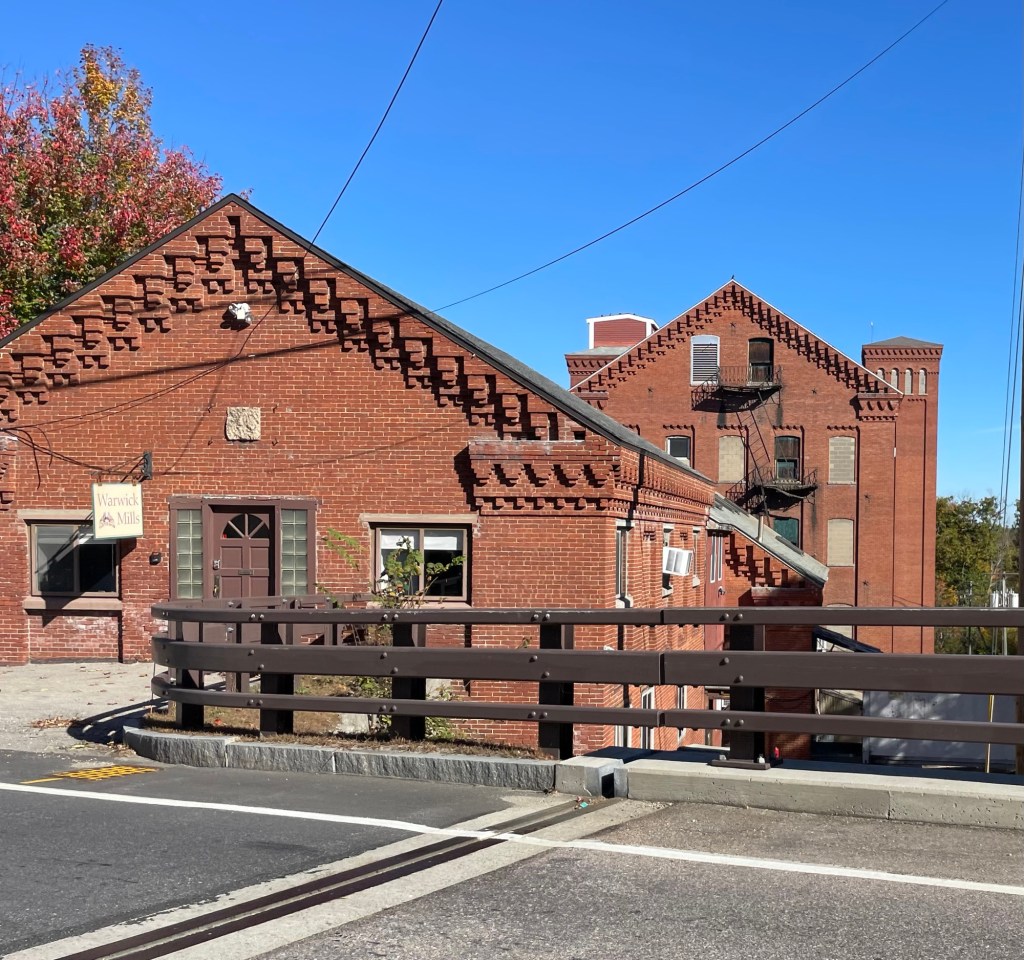
Former Columbian Cotton Mill // 1864

While New Ipswich, New Hampshire, is best known for its early Georgian and Federal period architecture, the small town is home to Warwick Mills, the site of the oldest textile mill in the state. Originally built circa 1807, the mills here burned down two times and were rebuilt a third time using brick; that third iteration is the building seen today. The brick for the building was forged on site and was finished in 1864, with signatures on the beams by craftsmen as far south as Baltimore. The mill was home to the Columbian Mill Company, who created textiles from cotton and other materials in the building, becoming a leading employer in the region. The building is now known as the Warwick Mill, and is an active manufacturing complex, making many contemporary and high-quality materials for 21st century clothing. The buildings exhibit stunning corbel detailing.

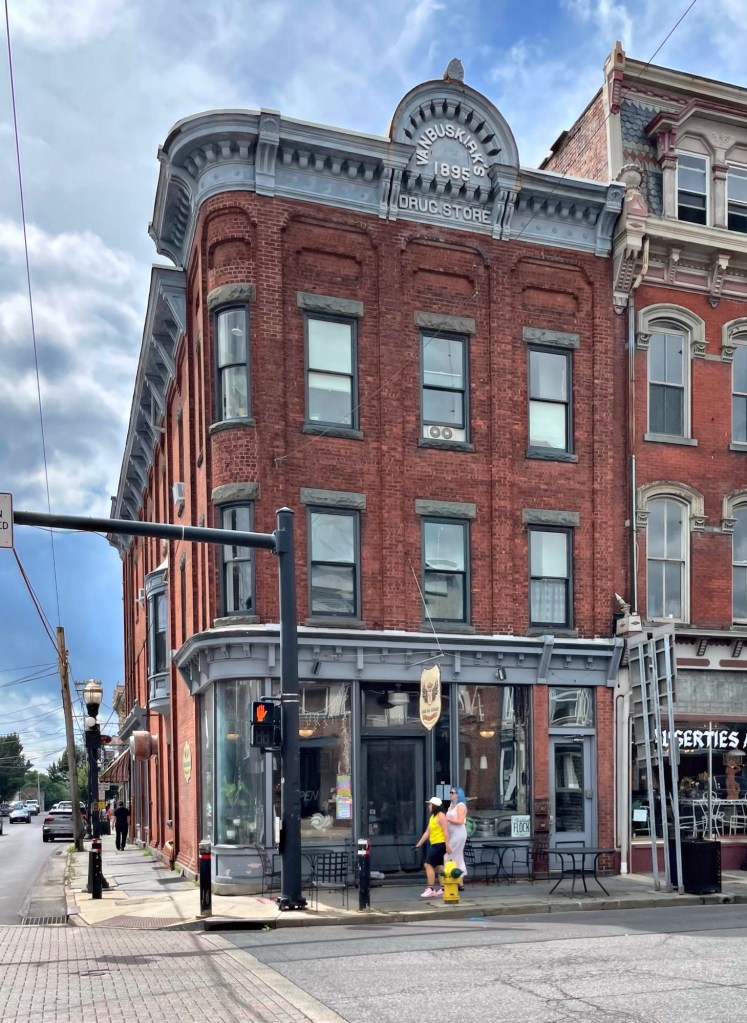
Van Buskirk Block // 1895

Built at the corner of Main and Partition streets in Saugerties, New York, this handsome 19th century commercial building is located next door to the Whitaker Block – featured previously. The Van Buskirk Block was built in 1895 for the Van Buskirk Brothers, who were pharmacists in town. The building has a unique rounded corner, inset brick paneling, and a bold metal cornice at the roof.

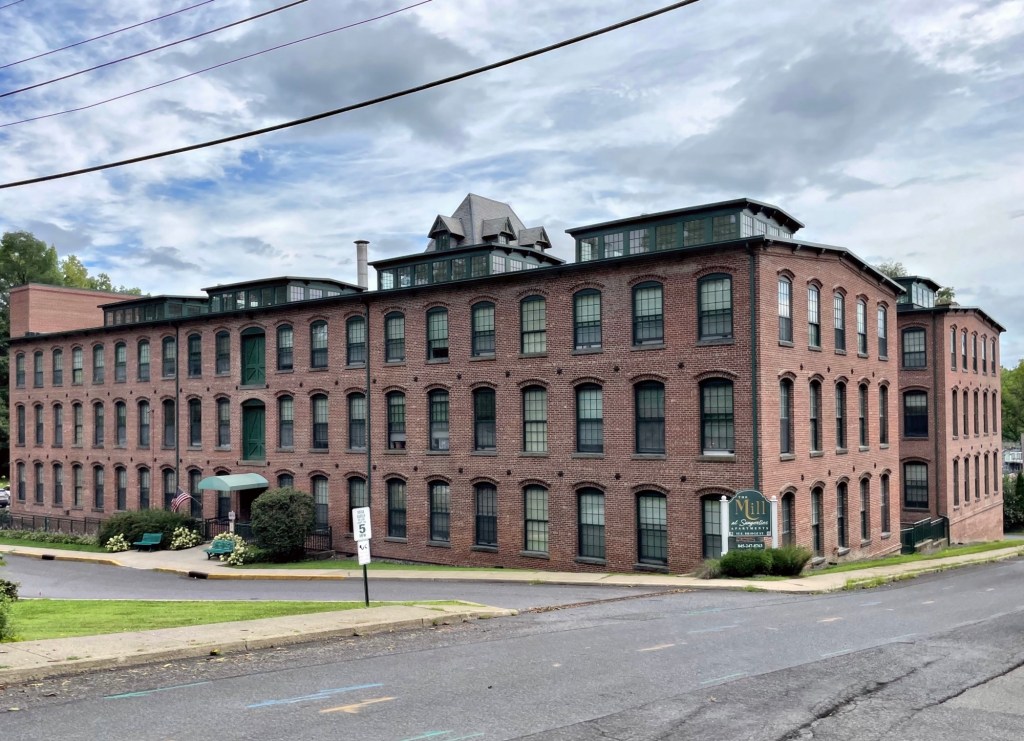
Former Sheffield Mill // 1887

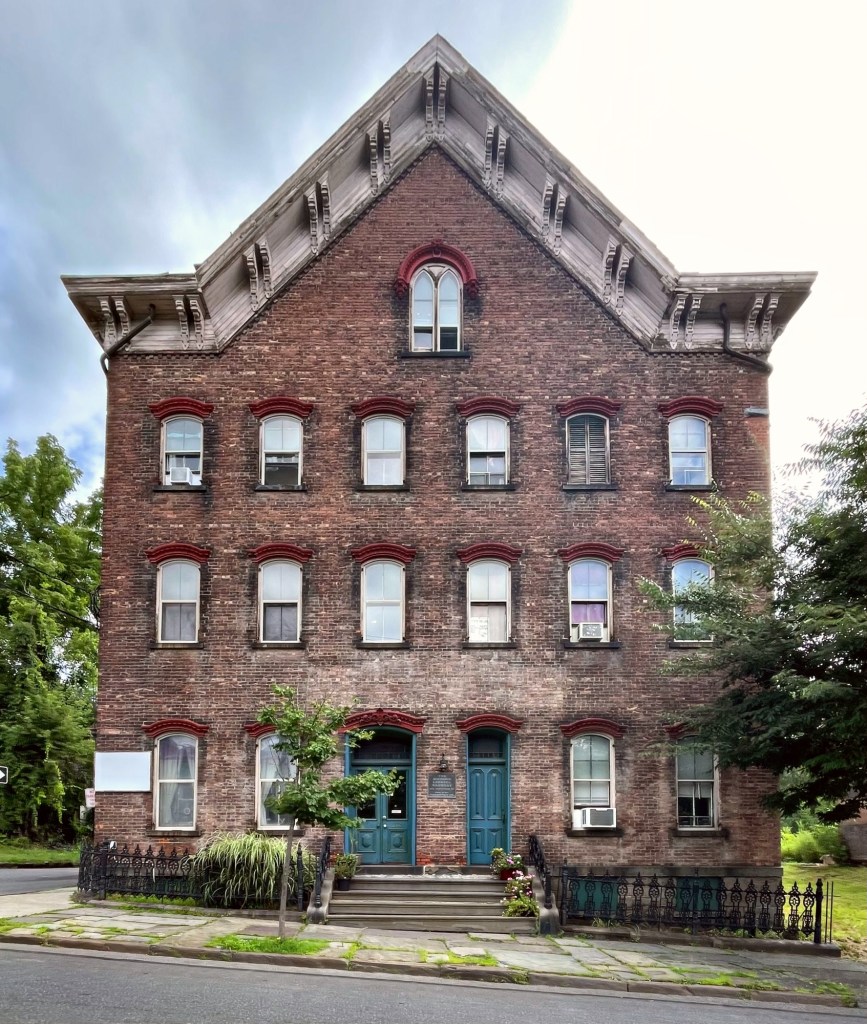
The former Sheffield Mill is historically and architecturally significant as one of the last remaining large-scale manufacturing complex to survive in the village of Saugerties, New York. The building was constructed in 1887 as the J. B. Sheffield Paper Company and was used for the manufacturing of envelopes and bank bookbinding. In the 1930s, the building was purchased by the Knaust Brothers, who grew and harvested mushrooms in nearby towns, making mushroom beds or trays in this building. The Knaust Brothers were at one time, one of the largest firms growing and canning mushrooms in the world. The former mill was vacant by the late 20th century and its future was uncertain until it was renovated at the turn of the present century into senior housing. What a great rebirth of a great old mill!

Loerzel Beer Hall // 1873

The Loerzel Beer Hall was built in 1873 in Saugerties, New York and is an important historical and architectural landmark in the Hudson Valley town. Operating independently as a brewery and beer hall by German immigrant Lorenz Loerzel (1821-1878), and later by his family for thirty years, the handsome Italianate style building became a popular meeting place for socialization and community for many immigrants who arrived to the town of Saugerties for work. The beer hall remained in operation until Prohibition in 1920. The building appears to now be occupied as apartments.

Saugerties Lighthouse // 1869

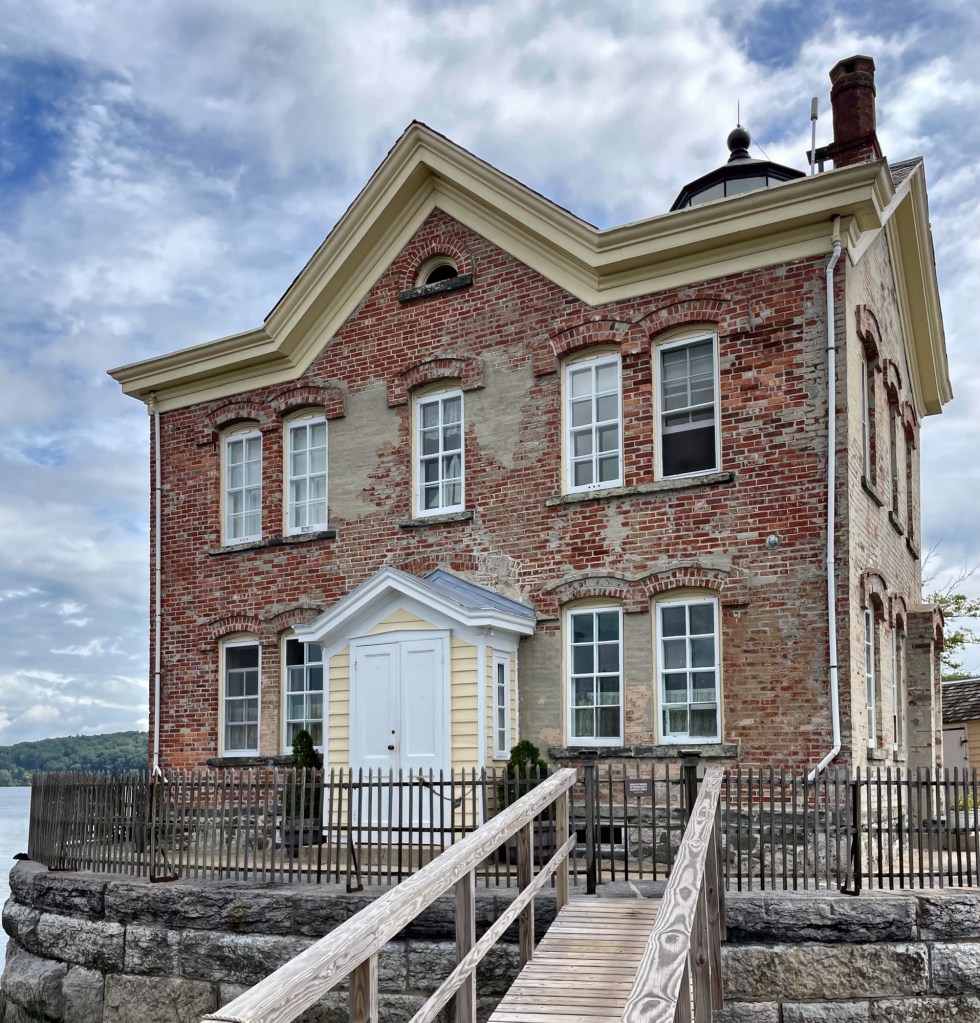
A landmark beacon on the Hudson River in New York, the Saugerties Lighthouse is a venerable aid to navigation and historically significant structure in the town of Saugerties. The first lighthouse here was built in 1835 and replaced in 1869 by the present structure, being the oldest lighthouse on the upper Hudson. The structure was important to the industry and later growth and development of the area as it provided aid to boatmen in trouble as well as providing a light and fog bell to warn ships of river hazards. The Saugerties Lighthouse was automated in 1954, making the light keepers obsolete. The building was closed up. Due to neglect, it fell into disrepair and decay and the Coast Guard proposed to demolish the structure in 1964. Local residents began to actively preserve and protect the lighthouse and funding was acquired to restore and recommission the structure, which occured in 1990. The Saugerties Lighthouse Conservancy today maintains and preserves this important historical asset and the lighthouse is even available for a short-term stay as a bed & breakfast, allowing visitors to serve as a lighthouse keeper for a weekend (without having to keep the lantern running.)

Old Granite Shore Hotel // c.1755

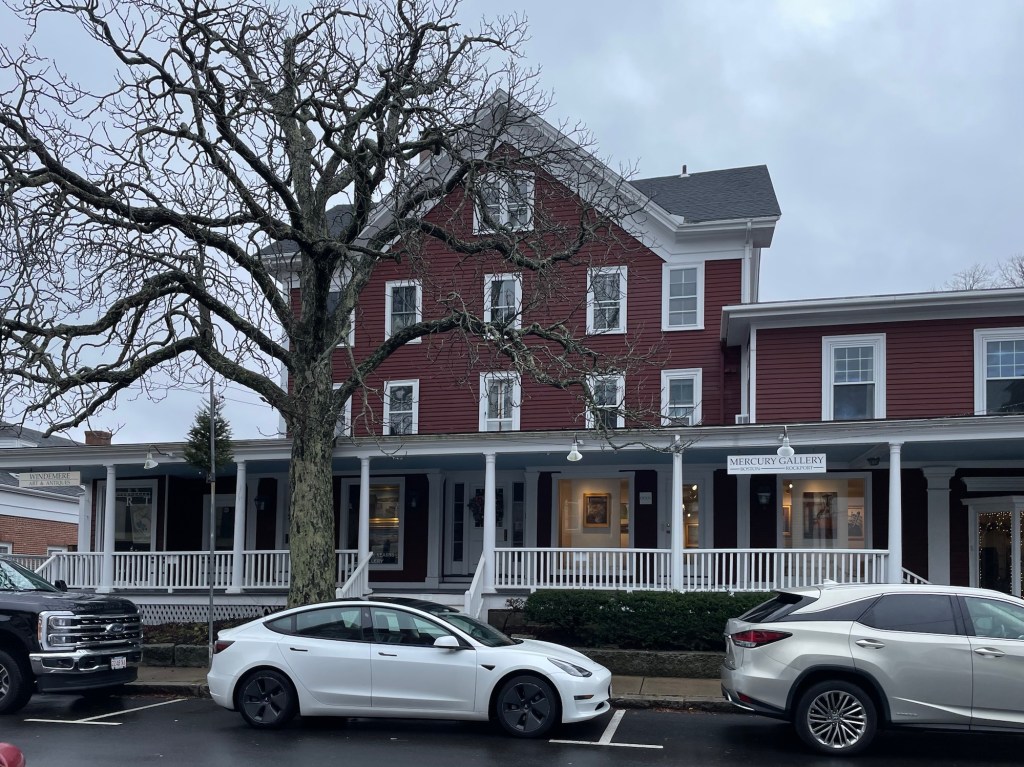
Reverend Ebenezer Cleveland (1725-1805) graduated from Yale College in 1749 and would move to Rockport (then a parish town of Gloucester) accepting the call as the village’s pastor for its Congregational Church. By around 1755, he lived in a house on this site next to the church before becoming a chaplain in the French and Indian War, fighting at the Battle of Bunker Hill, and helping to establish Dartmouth College. The property here was later owned by Jabez R. Gott, a deacon of the Congregational Church and the original cashier of the Rockport National Bank until his death in 1876. Sometime in the next decade, the Cleveland House was converted to a summer hotel, known as the Granite Shore Hotel. The original Georgian-era structure was heavily altered and expanded to provide new rooms and amenities for seasonal guests. An 1905 book showed rooms available at the Granite Shore for $2 a night. By 1919, the rates were $3 a day or between $15 and $18 a week! The hotel closed sometime in the 1940s and the building is now home to art galleries.