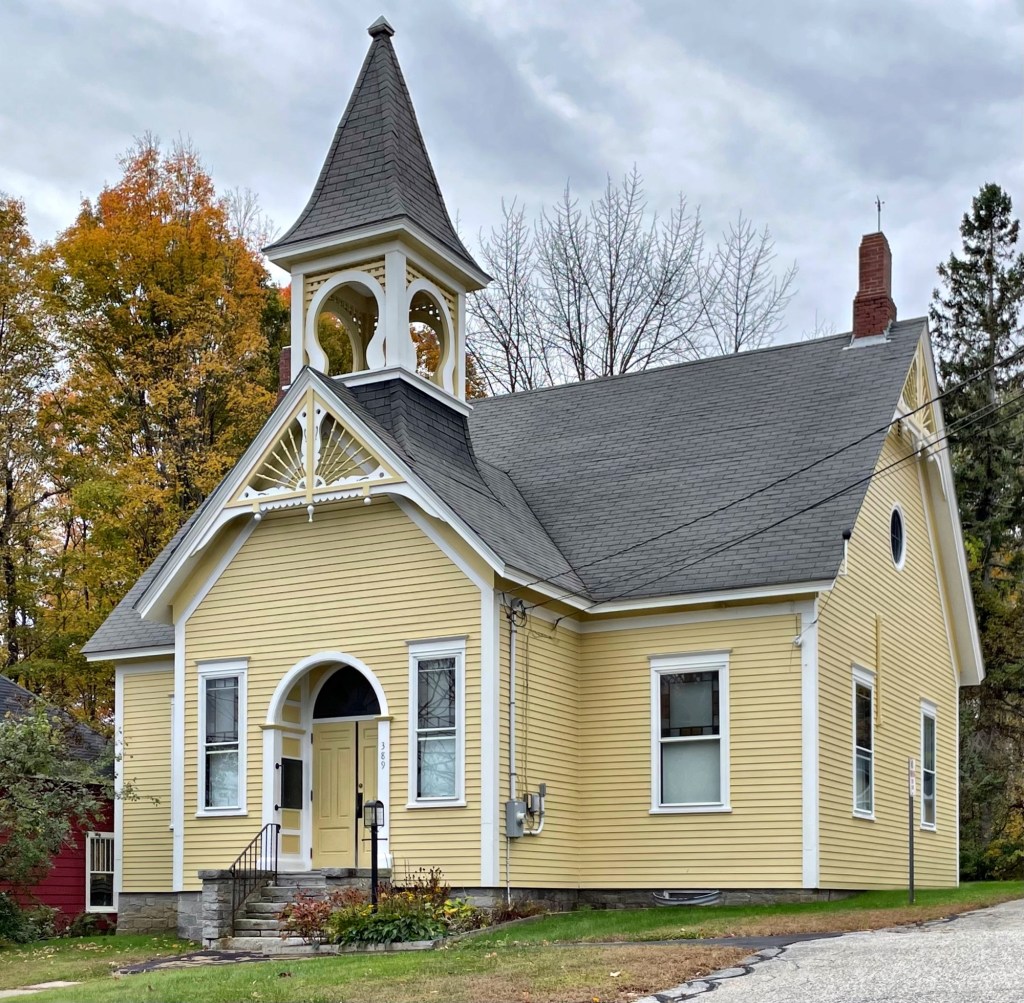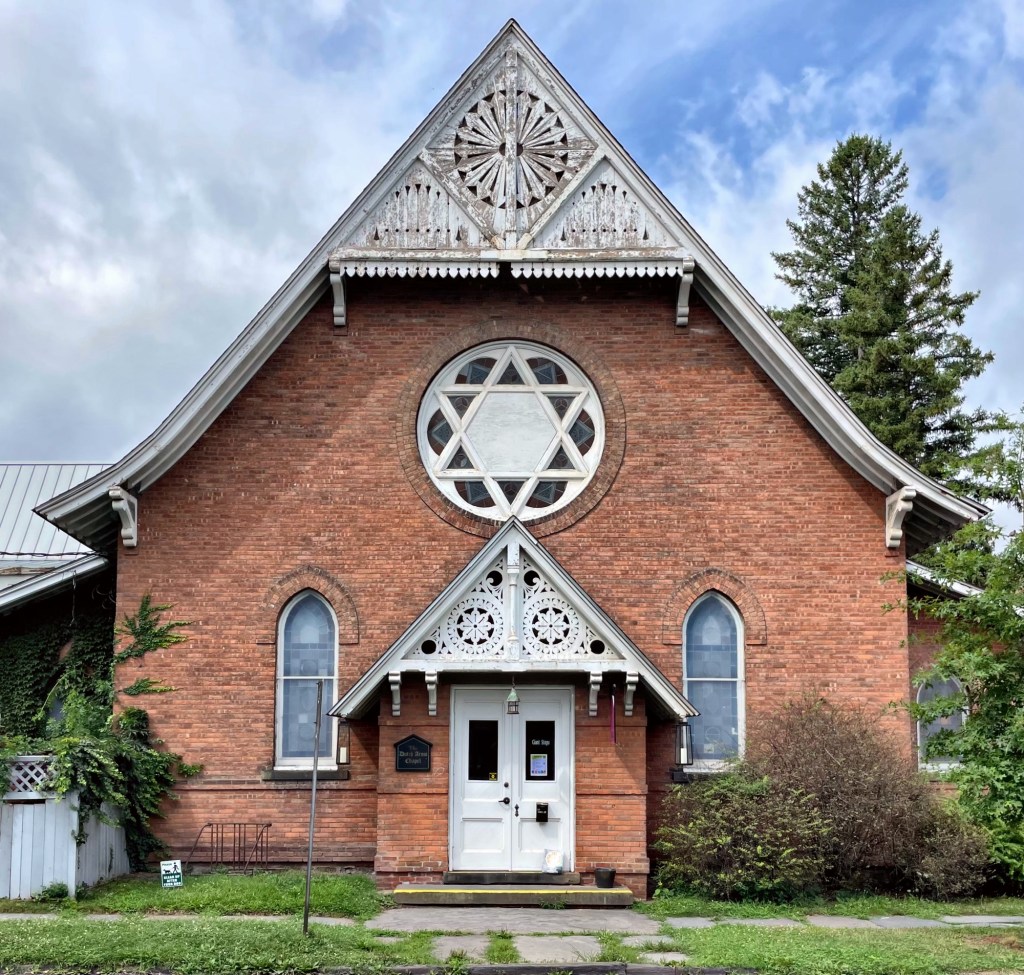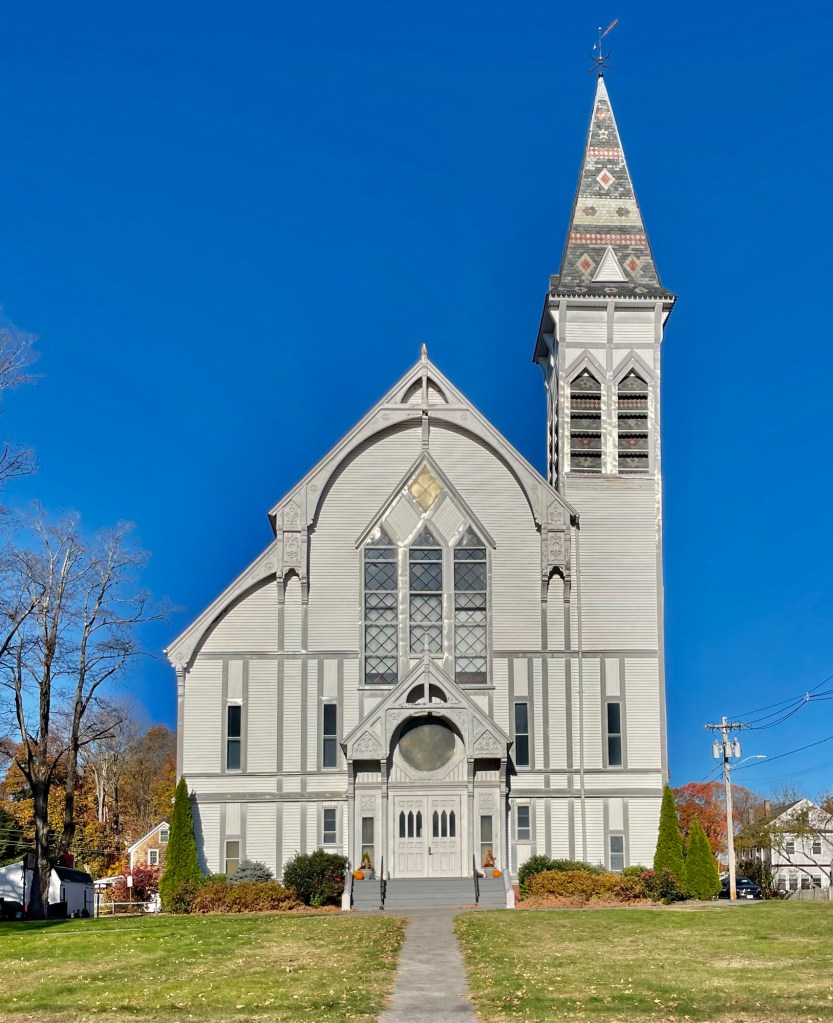
Dutch Arms Chapel // 1875

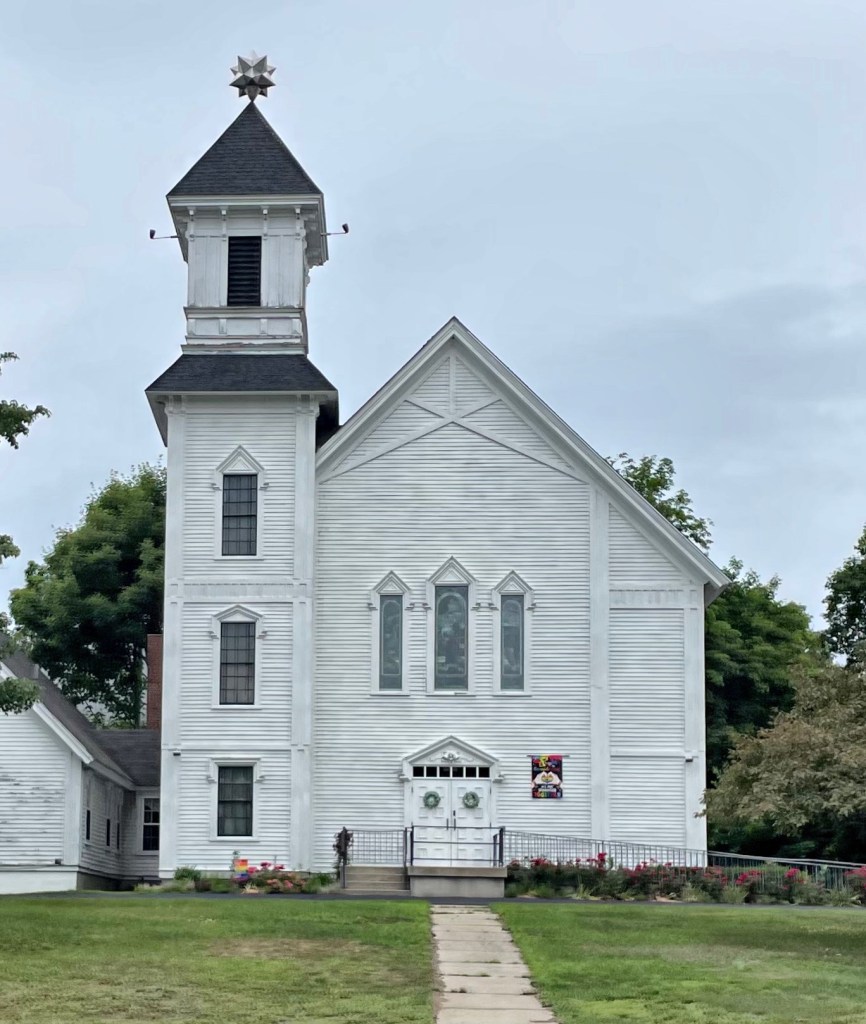
Tucked away on a side street in Saugerties, New York, this Victorian Gothic chapel has recently been given a new life for the arts. The chapel was constructed in 1875 as part of the Reformed Church of Saugerties (1852), designed by famed architect James Renwick, Jr., the architect of St. Patrick’s Cathedral in Manhattan and the Smithsonian in D.C. The architect of the chapel is not clear, but it retains similar detailing and materials to the main church. The structure was used for smaller religious meetings and a sunday school for decades until it eventually closed. The chapel was recently acquired by Isabel Soffer and Danny Melnick, co-founders of Hudson Valley Live, and has been restored and transformed into The Local: a year-round, multi-arts venue, breathing new life to the building and culture to the artistic town.

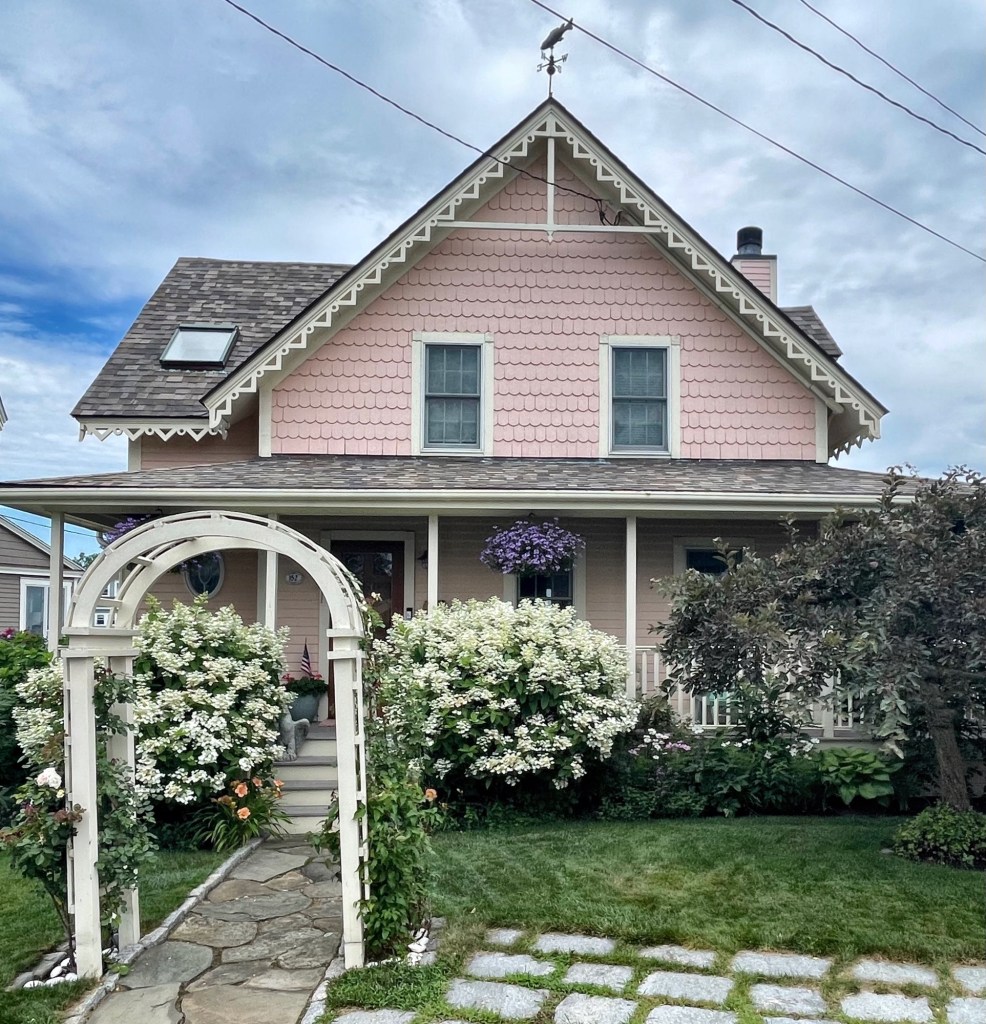
Joseph P. Allen Cottage // 1877

One of the most picturesque and charming summer cottages (now year-round residences) in the Salem Willows neighborhood in Salem, Massachusetts is this Victorian on Bay View Avenue. The cottage was built around 1877 for Joseph Pray Allen (1822-1897) who was a police officer who likely climbed the ranks in the force to afford a second home in the city. The 1 1/2-story cottage has decorative bargeboards at the eaves and stick bracket at the gable. Perfection!

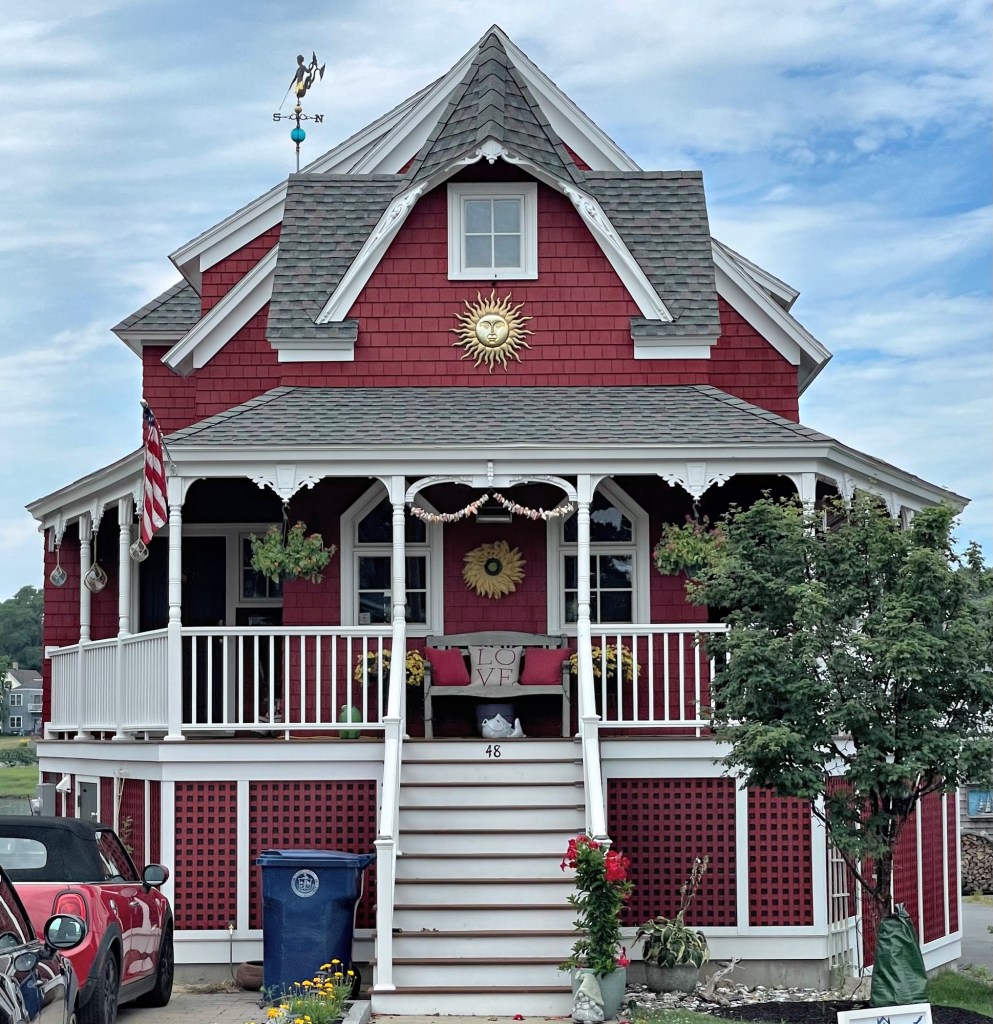
William Bates Summer Cottage // 1885

While Salem is best-known for its First Period and Federal style buildings, the Salem Willows neighborhood features some of the finest Victorian summer cottages in the Boston area. This cottage was built in 1885 by William Marston Bates (1820-1912), a Salem-based dentist, as his summer retreat when not in the office. The Stick style cottage has a steep gable roof with jerkinhead clip at the facade and a wrap-around porch with decorative jigsawn bracketed details. The house is a well-preserved example of the style, examples of which are becoming less-and-less frequent in recent years.

Riverside Methodist Church, Porter // 1883

The focal point of the riverside village of Kezar Falls in Porter, Maine, is this large frame church building with prominent siting and grand proportions. This is the Riverside Methodist Church, built in 1883 in the Stick/Eastlake style by Portland architect Charles H. Kimball. The first Methodist services held in the town of Porter were in 1833, when a church was formed in the small town. Soon after 1839, a gable-roofed meetinghouse with tall lancet windows was erected near where the present church stands. The original church still stands, but in a much-altered form and was used as a local fire station. The church remains owned by local Methodists and is well-preserved.

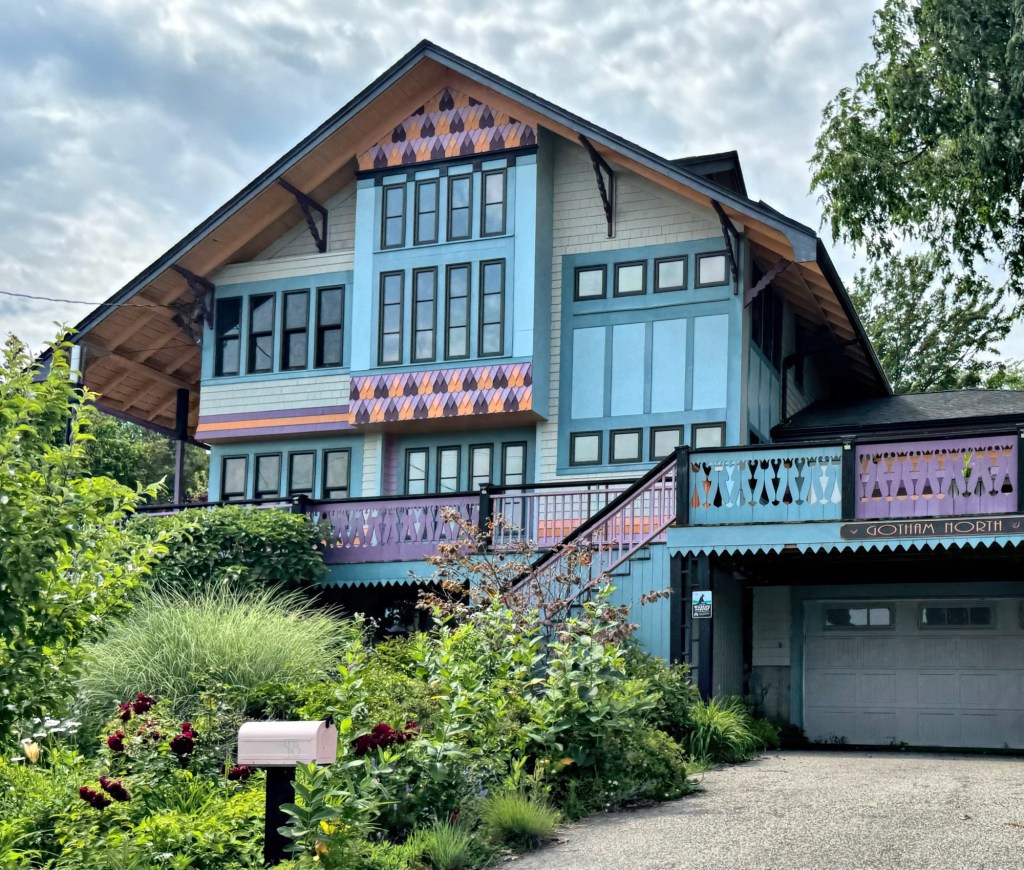
George N. Faught Chalet // c. 1890

The most unique house in Hull, Massachusetts is this stunning (and rare) example of a Swiss Chalet, located on Vautrinot Avenue in the fashionable Hull Hill neighborhood, which is dominated by late-19th century summer cottages. The earliest owner of the house was George N. Faught (1831-1915), an artist and tailor who moved to Boston from Maine. George went into the tailoring business in Boston and did well for himself, eventually building (and possibly designing) this summer home for himself in Hull. Mr. Faught died in 1915 in his bed in Boston, and this property was sold at auction in 1917. After some insensitive alterations in the 20th century, the property was sold in 2011. The later owners restored much of the house, while modernizing it to meet their needs. It is a showstopper!

The house is privately owned and not open for tours.

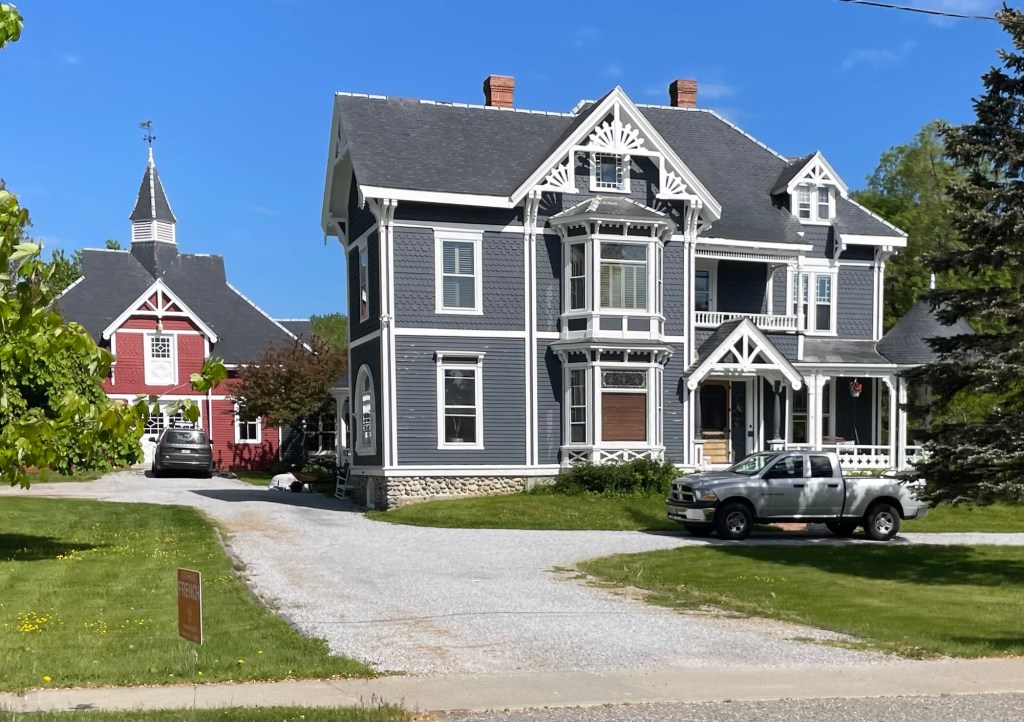
Captain Ephraim Harkness House // c.1875

Captain Ephraim H. Harkness was a young sea captain and Civil War veteran who built this large Stick style residence and detached stable in Rockport, Maine by 1875. Sadly, Captain Harkness would die just a few years after completing the home as he died from Yellow Fever while out at sea. The house has remained in an excellent state of preservation 150 years later, even including the stickwork and brackets, which are some of the applied ornament that is removed first in renovations on so many coastal homes.

James W. Clapp House // c.1869

In 1868, James Wilkinson Clapp (1847-1931) married Eliza Tuckerman and they soon after moved into this large Victorian-era house on St. Paul Street in Brookline. James was the second son of Otis Clapp, a politician, publisher, and promoter of homeopathy. Otis Clapp operated a large homeopathic pharmacy, Otis Clapp & Son, which continued as a business after his death, evolving to encompass different areas of medical technology. It was one of the oldest-operating pharmaceutical manufacturers in the United States by the time it was acquired by Medique in 2008. The business allowed James, at about 22 years old, to build this stately home for him and his new wife to move into. The residence is Second Empire in style with Stick style ornamentation, and while mostly obscured by vegetation all year, it commands the heavily trafficked corner of Brookline.

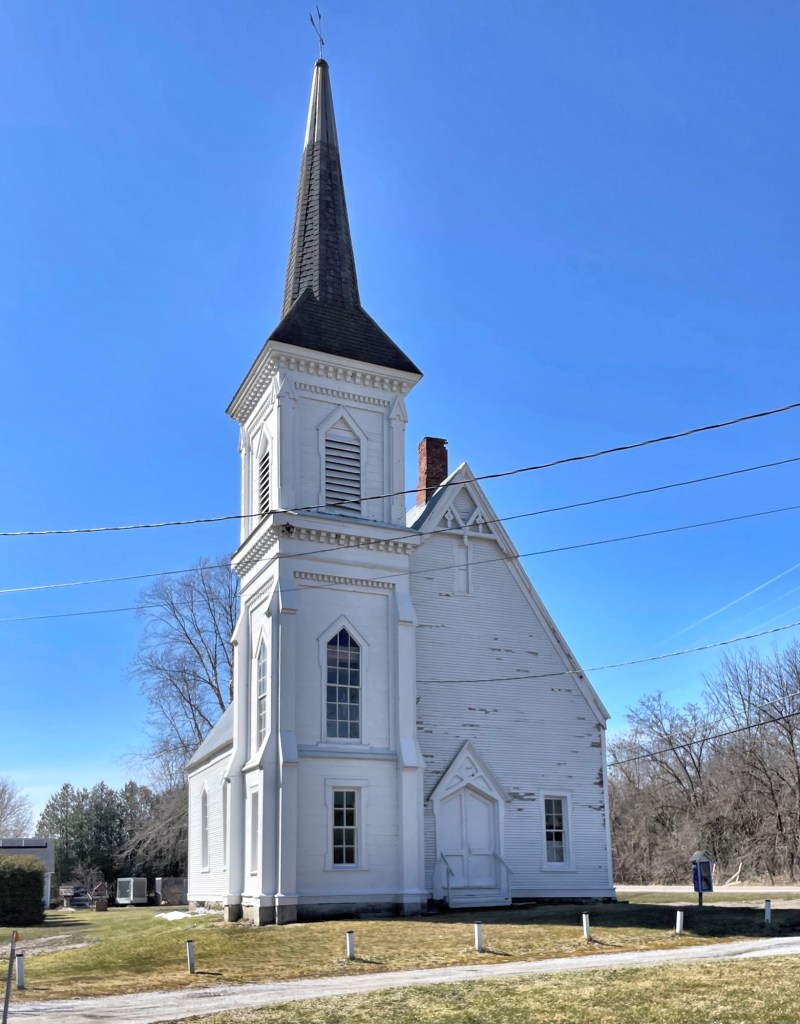
Highgate Springs Union Church // 1877

Rural parts of Vermont always surprises me with amazing old buildings. This white wood-frame church is known as the Highgate Springs Union Church, an 1877 edifice which effortlessly blends Victorian Gothic and Stick style details. The building became the village’s union church, providing a worship space for members of all denominations who on their own, could not afford the cost of building and maintaining a building. The small congregations eventually moved out and the church appears to now be largely unused beyond small events or weddings/funerals. I am glad to see it is kept up well at least!

Haven Avenue Cottages // c.1877

When Andrews Point in northern Rockport, Massachusetts, was opened for development by speculators Eben B. Phillips and George Babson, they envisioned the colony, “Ocean View” as a rival to other nearby summer colonies of Beverly Farms, Gloucester, and Magnolia. Roads were laid out and house lots were plotted with larger lots for big summer cottages along the coast and smaller cottage lots at the interior of the development. The rocky coast and more limited access compared to its rivals, caused Ocean View to lack in sales, but there are still some great remaining cottages to be found here. These two early cottages are great surviving examples of the modest, middle-class homes for summer residents. These two charming Victorian cottages sit side-by-side and were owned by an L. Brigham and Benjamin Lewis and both are in a great state of preservation 150 years later.

Eben Phillips Cottage // c.1877

In the mid-1800s, Rockport, Massachusetts was best-known as one of the main ports for the quarrying and shipping of fine granite up and down the east coast of the United States. While the rocky coastline made granite a prime industry, the natural scenery also made the coastal areas desirable for residential development. While many of the coastal developments here never took-off as they did in nearby Gloucester, Magnolia, and Beverly, there are some notable summer colonies that sprouted up! In 1855, Eben B. Phillips an oil dealer in Boston, purchased undeveloped wooded lots and pastures, and slowly began to lay out roads and survey for developable lots for summer cottages on a peninsula near Pigeon Cove. The development was named “Oceanview” and it was marketed as the extreme point of Cape Ann. Development was very slow to materialize, and started in earnest in the 1870s. Eben Phillips built this summer cottage before 1877 (possibly as early as 1850), where he would spend summers until his death in 1879. The cottage retains much of its original character and is a rare survivor of the rustic style cottages which were built before the phase of larger Shingle and Queen Anne residences were built in later decades.