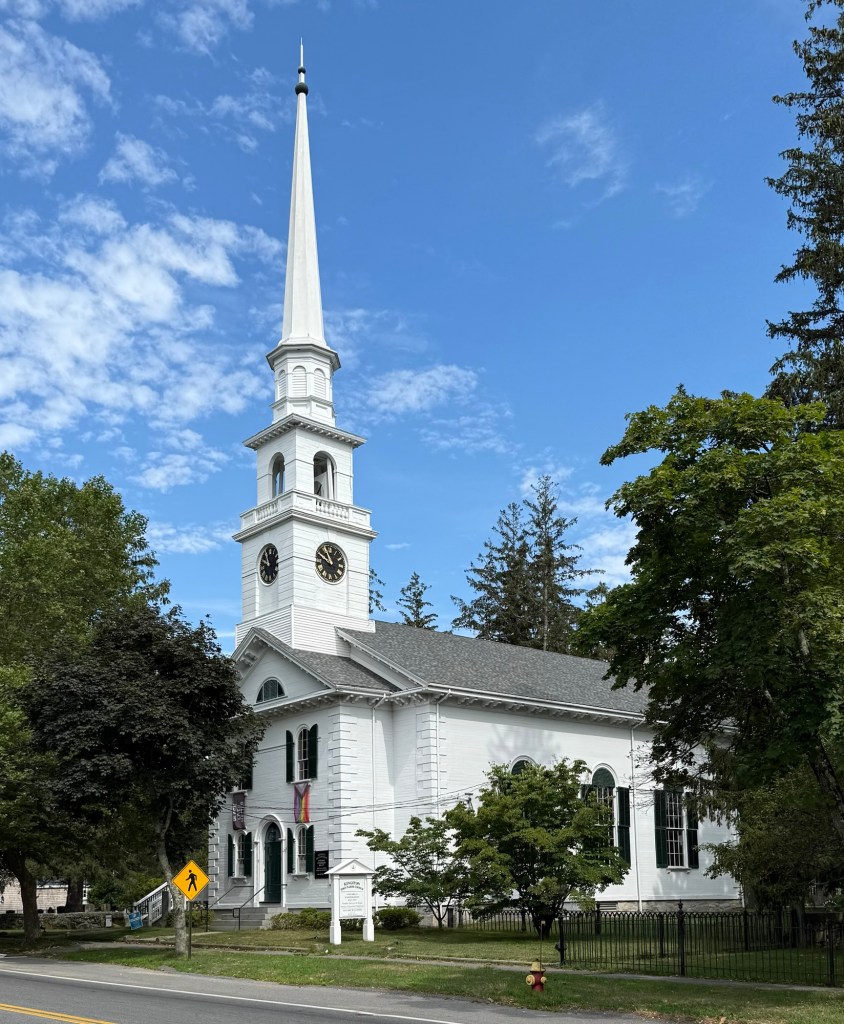
Congregational Church of Westborough // 1834

The Evangelical Congregational Church of Westborough, Massachusetts, has its roots in the first church in Westborough, established on Powder Hill in 1724 under Reverend Ebenezer Parkman. The Religious Freedom Act of 1811 and the official separation of church and state, encouraged a diversity of religious views in Westborough and a branching out from the First Church. As a result the church here split in 1834, with some members forming the Evangelical Society, and those who remained, became the First Congregational Unitarian Society. The newly formed Evangelical Congregation built this church at the corner of West Main and Church streets in 1834 and the building is a typical 1830s Greek Revival style religious building in the state. In 1869, the church was remodeled, where the first floor was jacked up to provide basement meeting rooms.

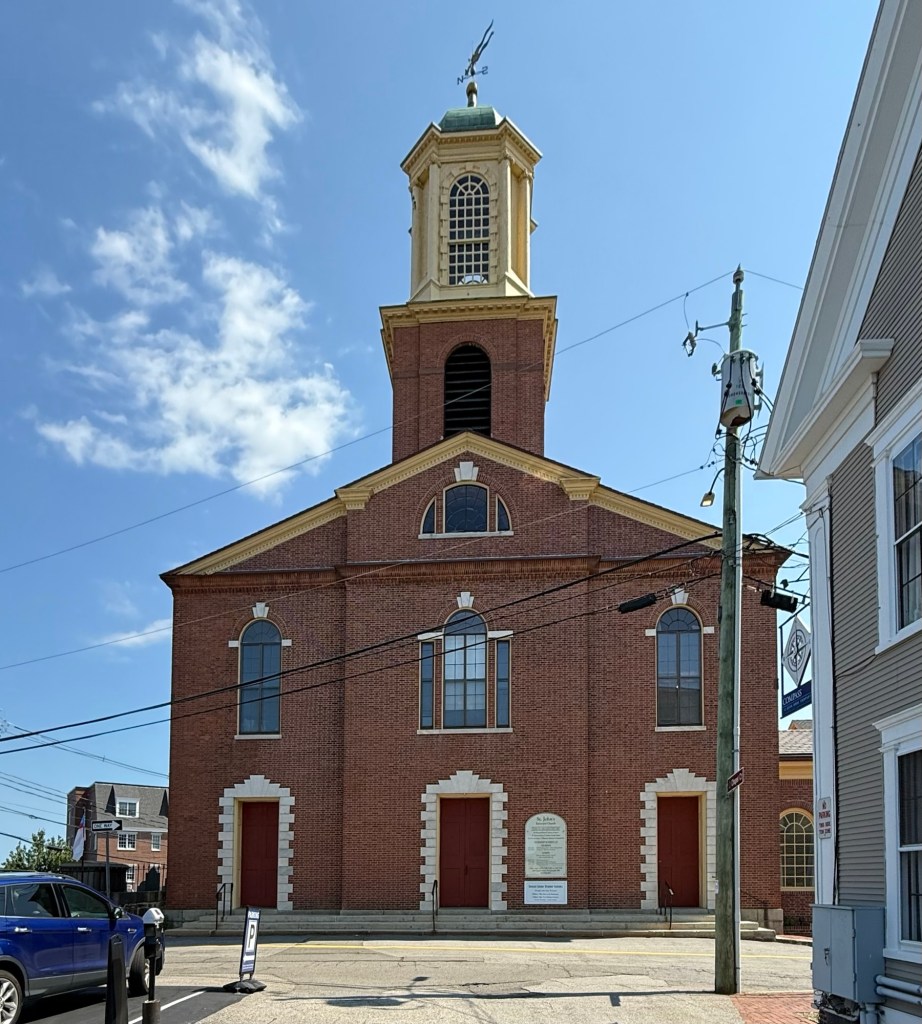
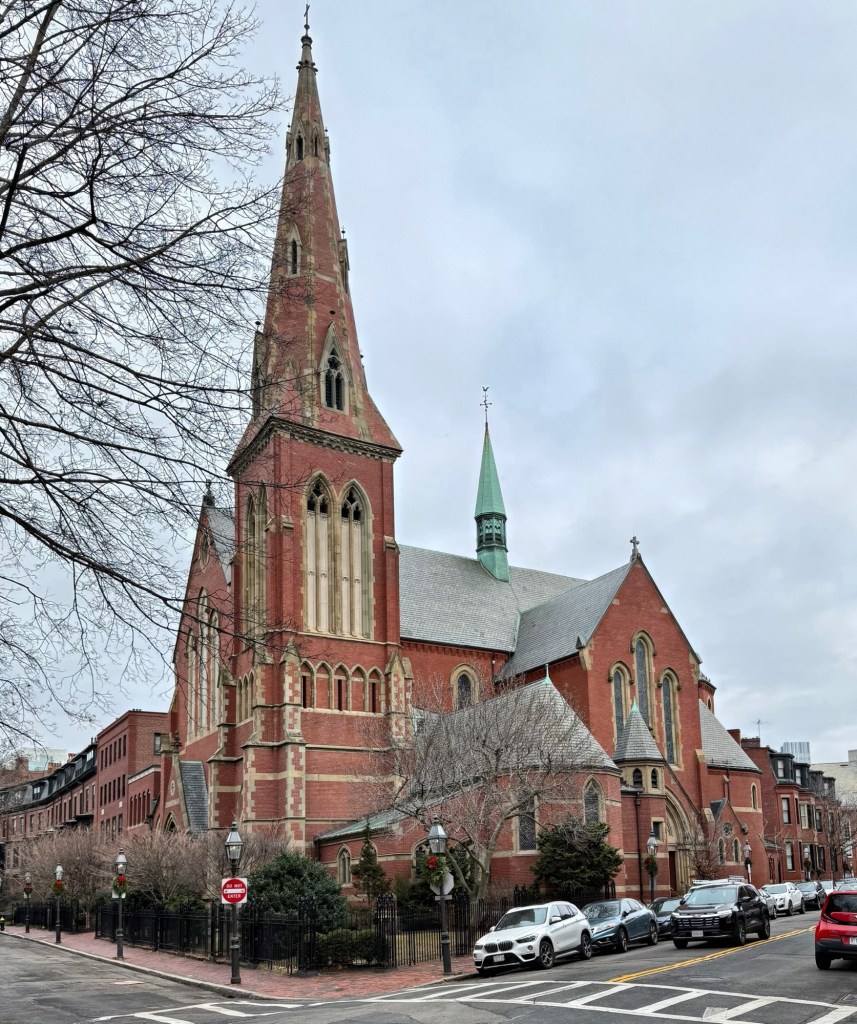
First United Methodist Church of Somerville // 1874

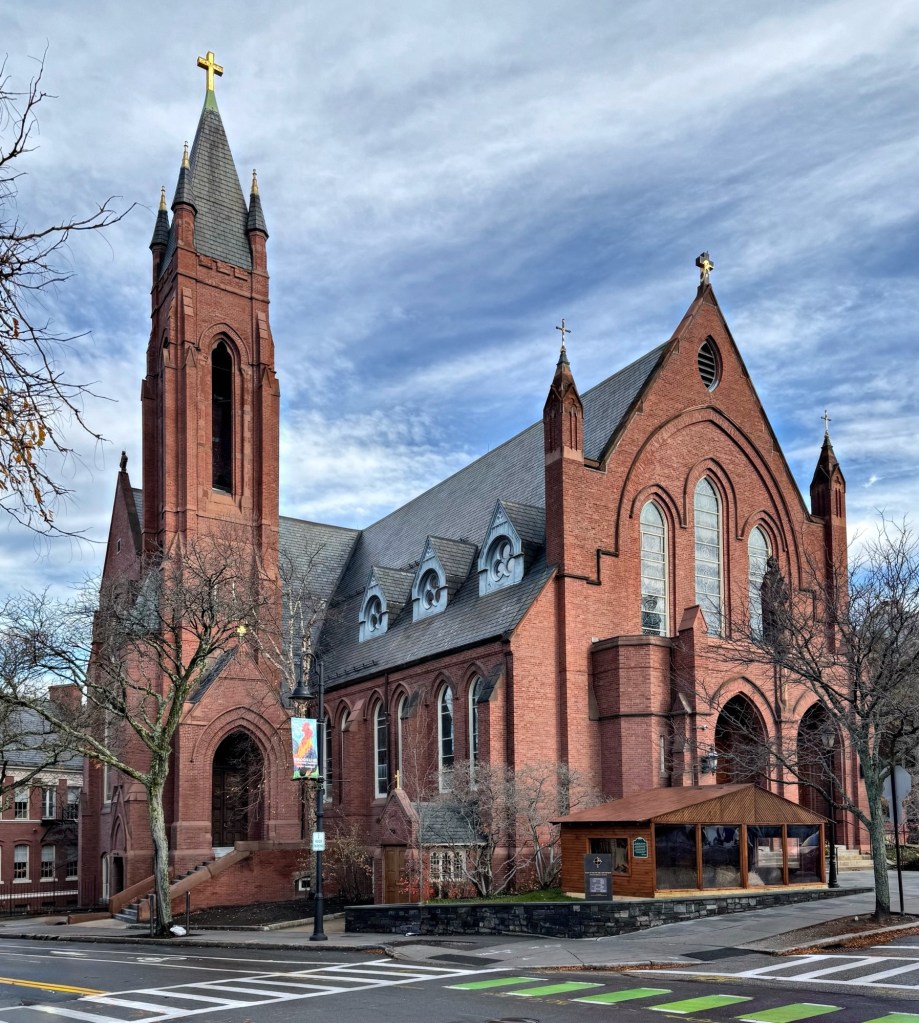
This handsome Victorian Gothic church sits on Summer Street in Somerville, defining the northern edge of the Union Square area. The church was built for the local Methodist congregation, which was established in 1855. The group would meet in local meeting halls and houses until this building was completed in 1874. The towering brick church was once even taller, but its steeple came down following the Great New England Hurricane of 1938. The church closed in the second half of the 20th century and the building was used by the Somerville Community News for years until it was purchased by a developer and converted to condominiums.

First Universalist Church of Somerville // 1917

The First Universalist Church of Somerville is located on the north side of Highland Avenue across from the First Unitarian Church of Somerville, in a completely different design. The congregation acquired this site in 1915, and the church was built from 1916 to 1923 to a design by the noted ecclesiastical architect Ralph Adams Cram, who produced a somewhat more Romanesque plan than the typical Gothical Revival work he is best known for. One of the key members of the building committee was Gilbert Henry Hood of the Hood Milk Company family. The new church was planned to house an “assembly room,” Sunday school classes, and a parish house. The church operated here for decades, but most recently was home to the Highland Masonic Building Association as the King Solomon’s Lodge. The lodge moved from the building and the property was purchased by a developer who hoped to demolish the building and erect a housing development. The building was deemed significant and “preferably preserved” by the Somerville Historical Commission, and landmark designation was initiated. The building was recently re-listed for sale, and would make a great adaptive reuse or even partial demolition for housing incorporated into the old church. Kudos to the Somerville Historical Commission for standing firm on this significant church by a nationally recognized architect.

First Unitarian Church of Somerville // 1895

Located on Highland Avenue in the Central Hill section of Somerville, Massachusetts, the First Unitarian Church of Somerville is a landmark example of a church in the Romanesque Revival style. The church was built in 1895 from plans by the esteemed architectural firm of Hartwell & Richardson, and was the fourth and final building of the congregation, which was originally established in 1844. The congregation’s first church was a Gothic Revival style building designed by Richard Bond, but was destroyed by fire in 1852. A year later, the second edifice was designed and built by architect Thomas W. Silloway, which also burned in 1867. The church was replaced again by a Romanesque style structure in 1869. In the 1890s, when the City of Somerville purchased the building as part of the site for the new Somerville High School, a lot down Highland Avenue was secured and planning began for this building. The church is built of granite block with a steeply pitched gable roof, and a square tower at its right front corner. The prominent gable contains two arched entrances with a bank of five rectangular stained-glass windows below three tall round-arch stained glass windows. The congregation was dissolved in 1975 and a year later, the building was purchased by the Mission Church of Our Lord Jesus Christ, an Apostolic Pentacostalist church, who continue to use the building today.

Holy Family Parish Church // 1882

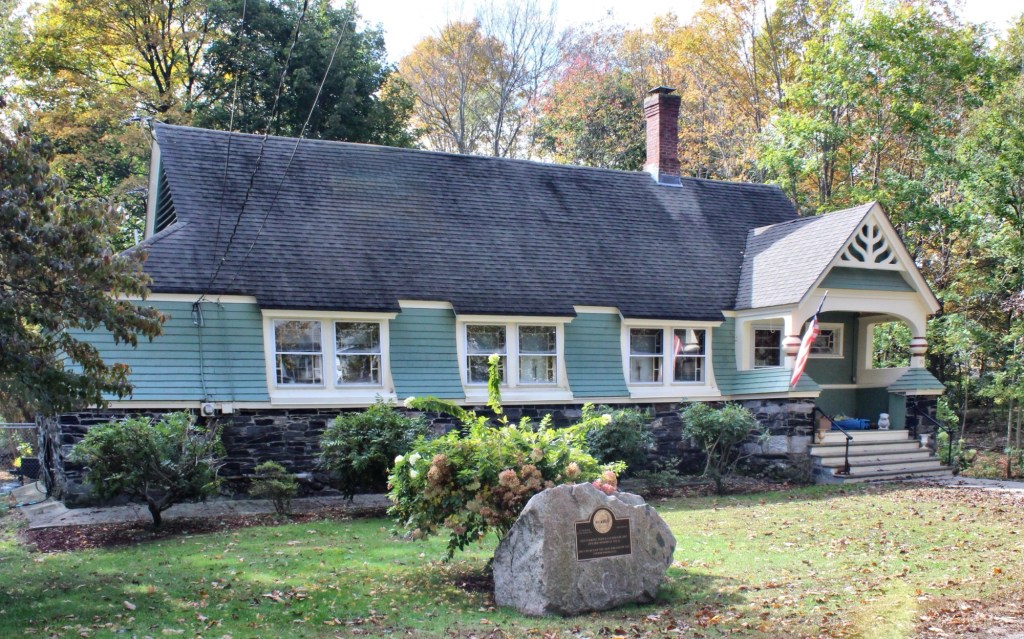
In 1872, due to industrialization and increased numbers of immigrants settling in the area for work, it was decided that a new Catholic parish should be established in East Abington. Two years later, the village of East Abington incorporated as Rockland. It would be a decade later, in 1882, until the Holy Family Parish would be established, beginning planning of a true house of worship for the growing number of Catholics here. When the Holy Family Church was constructed in 1882, only a quarter of the Rockland’s approximately 4000 residents were Catholic at that time. Most of the original congregation consisted of Irish immigrants who worked in the town’s boot and shoe manufacturing industry. As the industry continued to flourish in the 1890s and 1900s, new shoe factories were built, bringing more workers to Rockland, including: Canadians, Italians, and British to the area. The town’s Catholic community grew as a result. The Victorian Gothic style Catholic church was built in 1882, with no known architect at this time. A complex of other buildings, including a school, rectory, and community center.

First Congregational Church of Abington – Abington Masonic Hall // 1819

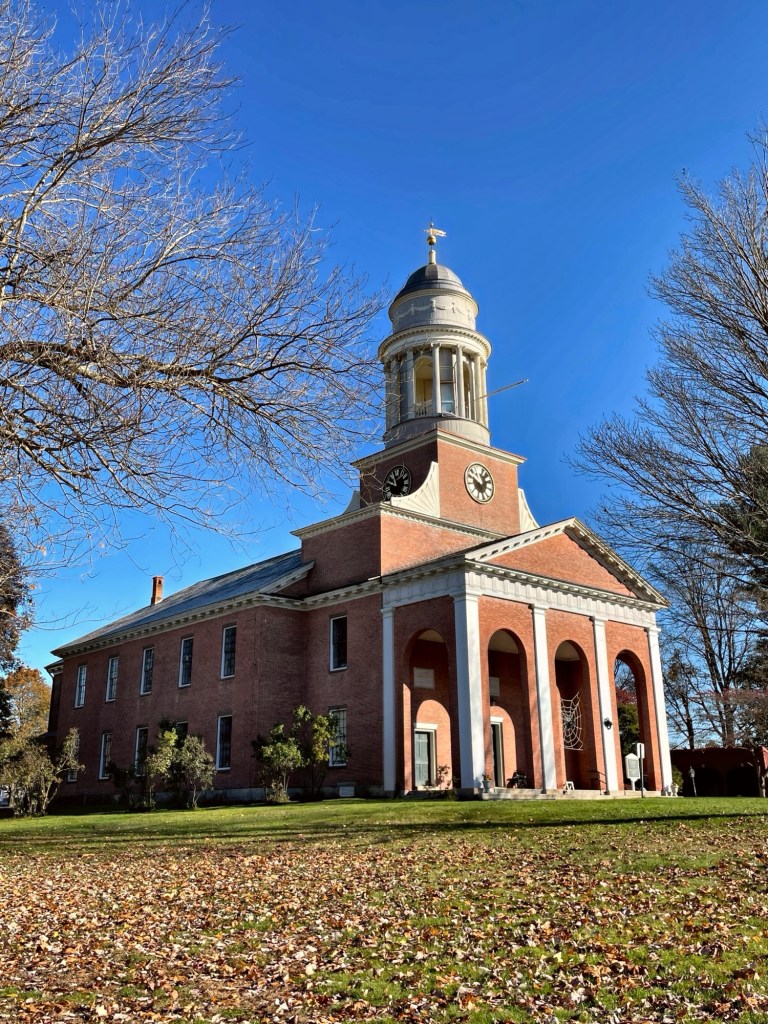
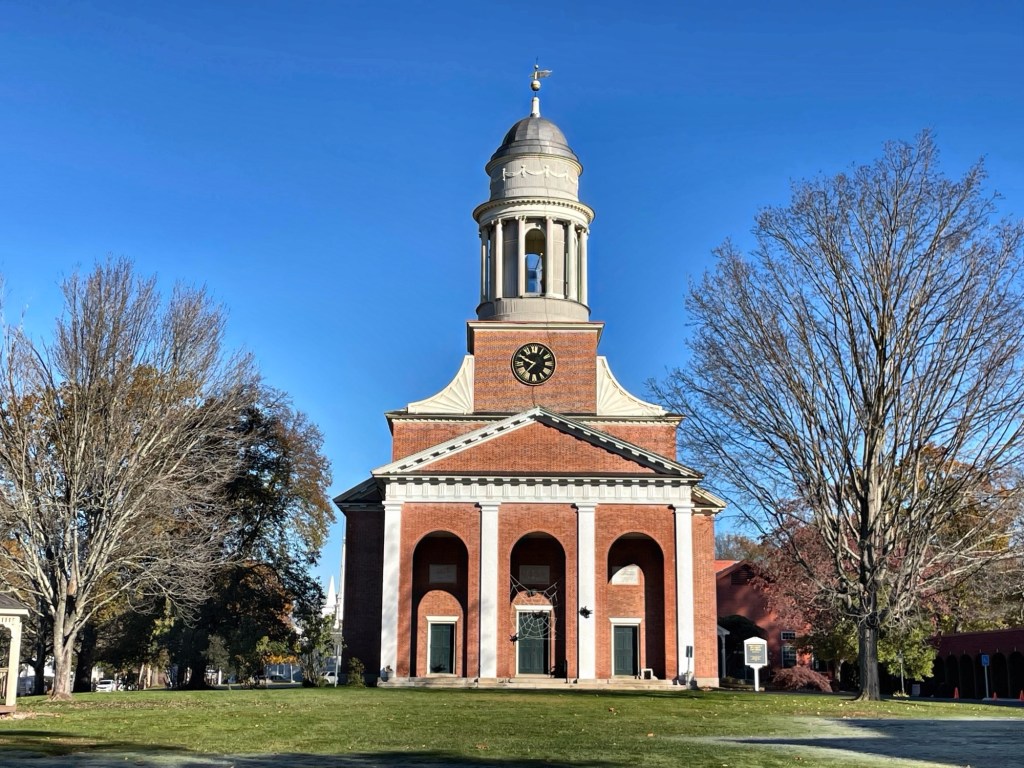
The First Congregational Church of Abington, Massachusetts, was established in 1711. Besides the First Church, there were three additional churches founded in the town’s other villages: The Second Church in South Abington (now Whitman) Third Church of East Abington (now Rockland), and the Fourth Church at North Abington. This edifice was the third building of the congregation, and was built in 1819. The structure was only used as a church for 30 years until 1849, when the congregation built a new church nearby. This structure was sold and converted to a Masonic Hall and District Court for some years. Major changes to the building include the destruction of the steeple from the Gale of 1869, and in 1885, the present entryway was added, extending about 20 feet from the facade to provide a more adequate stairway to the second floor. Today, the building is used as a church for a local Brazilian congregation.

First Congregational Church of Abington // 1849

Abington, Massachusetts was first settled by Europeans in 1668 and was officially incorporated in 1712. Its namesake was is said to have been set by Governor Joseph Dudley as a tribute to Anne Bertie Venables, Countess of Abingdon, wife of the second Earl of Abingdon, who helped Dudley secure the governorship of the Colony of Massachusetts from Queen Anne. Governor Dudley noted in its decree that, “the Town be named Abingdon”. A marginal note on the document gave the spelling as “Abington” with a “t”, which has served as the spelling ever-since. At the center of town, this handsome church is the fourth edifice of the Congregational Church Society in Abington, Massachusetts, and replaced the third church, which was occupied for just thirty years until 1849, when this Greek Revival structure was built. Located a stone’s throw from its former home, this church showcases the increase in membership and relative wealth of the congregation by the middle of the 19th century. The structure with its flushboard siding and bold Doric pilasters, features an arched center entrance and multi-stage tower containing a clock and enclosed belfry.

Westminster Meetinghouse // 1770

The Westminster Meetinghouse (aka the Westminster Congregational Church) was built in 1770 by Canterbury, Connecticut residents who in the 1760s, created a separate religious jurisdiction, the Westminster Society, due to their reluctance to travel long distances to Canterbury village for required religious services. Local resident John Parks donated land to be used as a public green, as well as a site for a cemetery and this meetinghouse. Sherebiah Butts, captain of the local militia, was engaged as master builder and architect, who along with his sons and other helpers, constructed the church by 1770. The original church, originally a square-plan meetinghouse, initially faced east, but was rotated to face south by around 1840, when the entire structure was remodelled in the prevailing Greek Revival style. The church is said to be one of the oldest continually utilized meetinghouses in Connecticut.

First Congregational Church of Canterbury // 1964

The Canterbury Green has been home to four congregational churches in its history. Originally established in 1711, a modest frame church was built here and in 1736, a new meetinghouse was constructed as a more permanent building. The rustic structure was deemed insufficient for a wealthy rural community, so in 1805, a stately, Federal style edifice was built. Designed by Thomas Gibbs, a local architect/builder who also designed other nearby high-style Federal homes, the building was destroyed by fire in December, 1963. Within a year, this church was constructed on the ground of its 1805 building. While designed and constructed during the mid-20th century, the town clearly wanted its new church to contribute to the village’s Colonial character, having this Colonial Revival style church serve as the new anchor to the green.

Scotland Congregational Church // 1842

The main visual anchor of the charming town green of Scotland, Connecticut, is this building, the Scotland Congregational Church. Built in 1842 as the congregation’s third building, this Greek Revival style edifice features stately proportions, temple-front with four large Doric columns supporting the portico, and a two-stage belfry. The chapel (some say it was converted from the original town hall) was acquired by the congregation in 1867, and has remained in its new location ever since. Later alterations include the stained glass windows and clock in the pediment, which dates to the early 20th century.