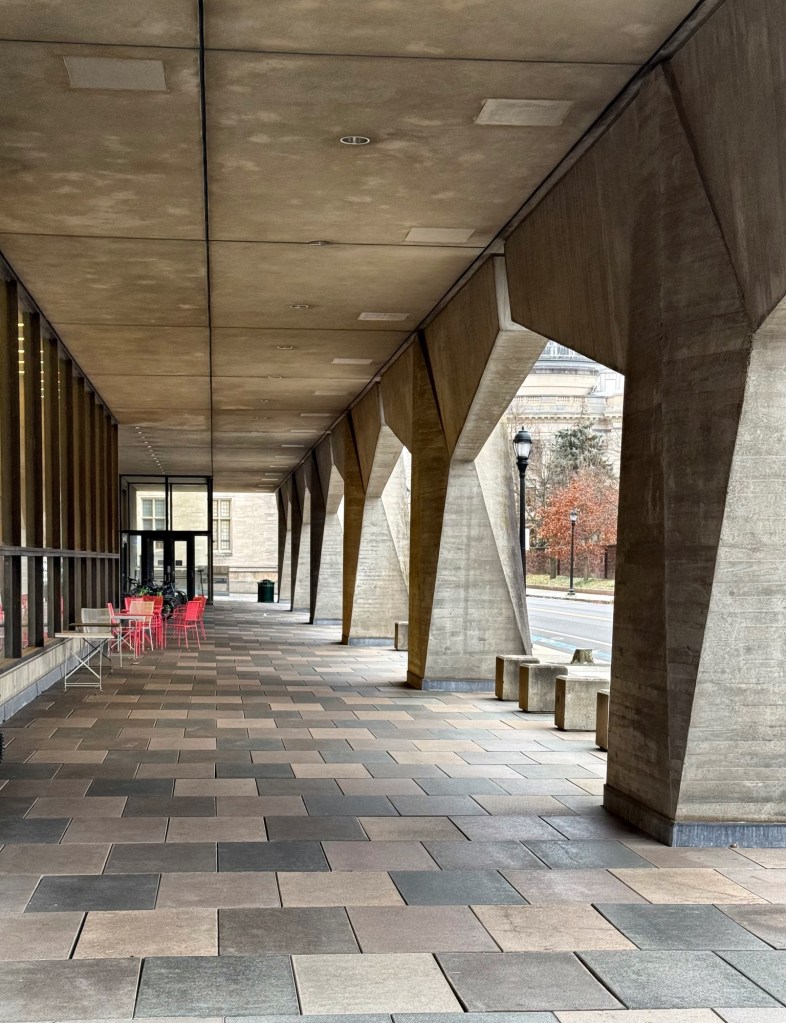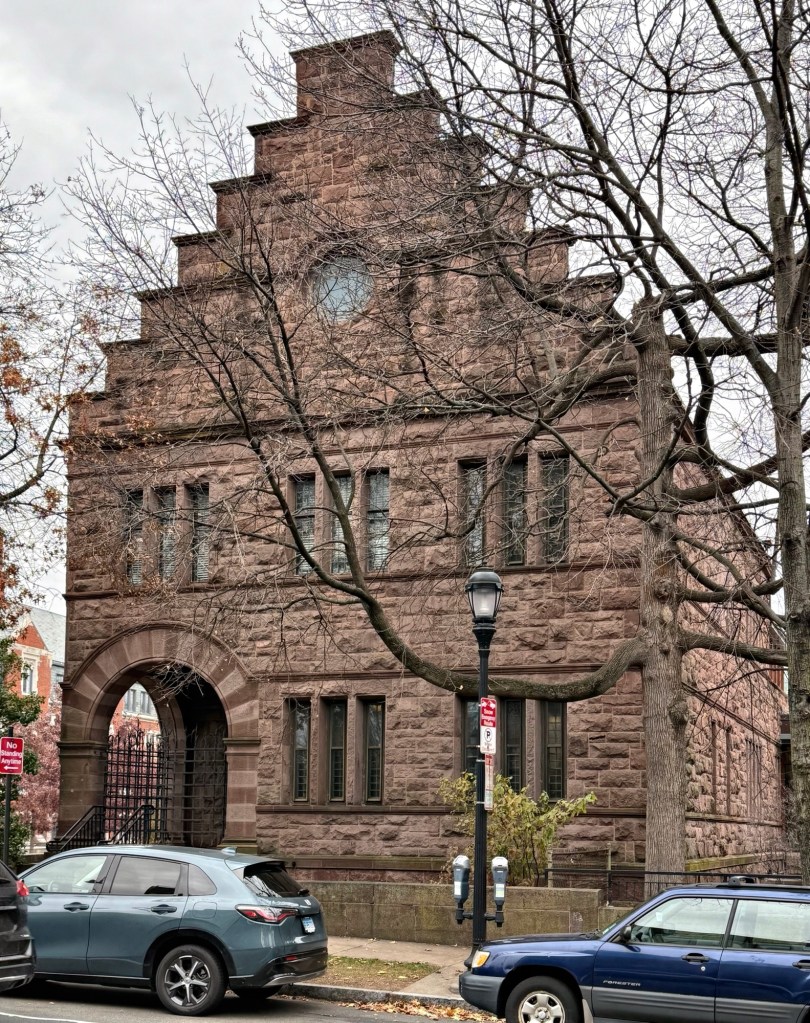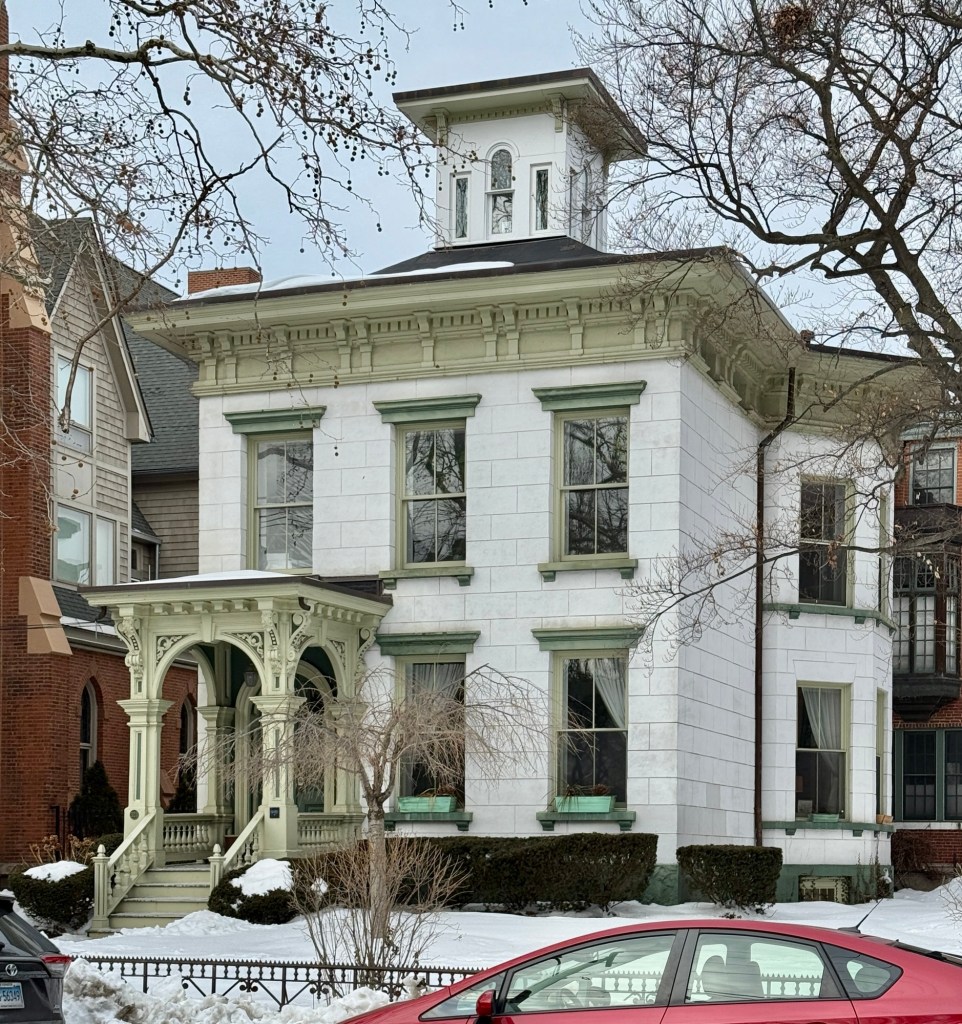
Charles H. Farnam Mansion // 1884

Charles Henry Farnam (1846-1909) was a lawyer, genealogist, and the son of Henry Farnam, a wealthy railroad industrialist in New Haven, Connecticut. Following his father’s death in 1883, Charles, who may have inherited a small fortune in the will, purchased a house lot on the finest residential street in New Haven, Hillhouse Avenue. The existing house on the lot, the Benjamin Silliman House, was relocated to front Trumbull Street (and recently relocated again to 85 Trumbull Street), clearing the site for his new mansion. He hired esteemed architect J. Cleaveland Cady, who designed a large, Queen Anne/Romanesque masonry home unlike anything else on the Avenue. The house features an asymmetrical plan, corner tower, a Flemish style gable, fancy brickwork and terracotta detailing, and a slate mansard roof. Charles H. Farnam would sell the property to Henry S. Parmelee, a noted businessman and piano manufacturer, who also is credited with inventing the first automated sprinkler head and as a result, owning the first building in the United States to be equipped with a fire suppression system, his piano factory. Parmelee hired local architect Leoni Robinson, to design a rear addition for the house. Parmelee died in 1902, and the property was maintained by his widow and daughter, until it was acquired by Yale University in 1920. Today, the Farnam Mansion is occupied by the Economics Department.

Norton Mansion – Steinbach Hall // 1849

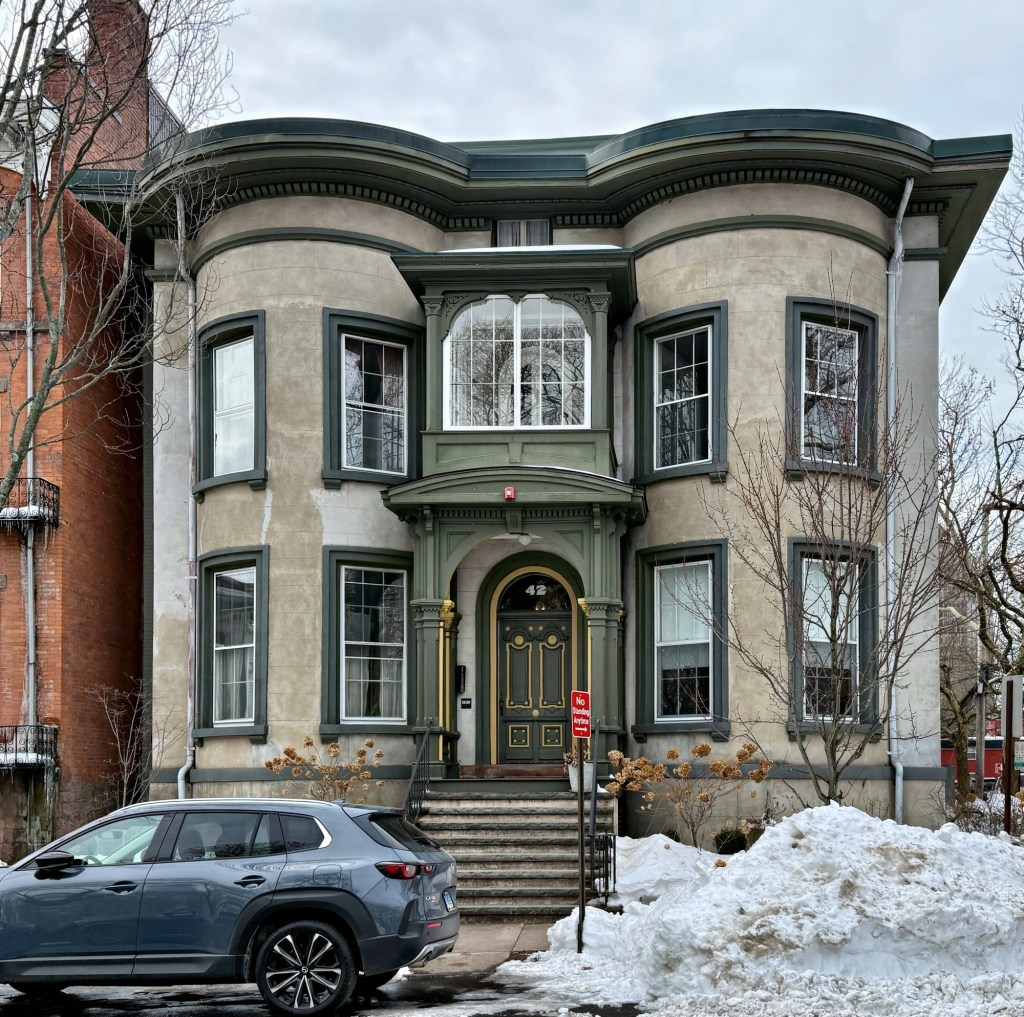
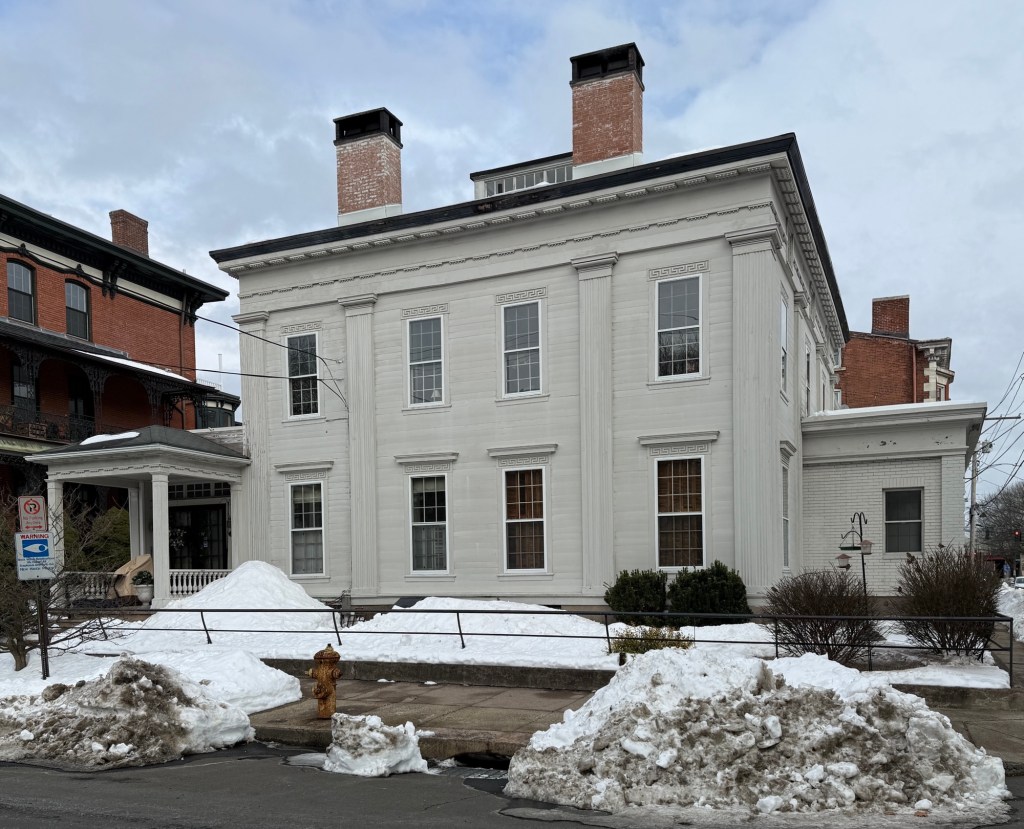
John Pitkin Norton (1822-1852) was a successful educator, chemist, and author, who at just 27-years-old, built this stately mansion on Hillhouse Avenue in New Haven, Connecticut, for his young family. John P. Norton studied chemistry under Benjamin Silliman at Yale College, and was eventually appointed Professor of Agricultural Chemistry at Yale in 1846. He helped to found the Department of Philosophy and the Arts at Yale College and authored many scientific papers, dealing with the chemistry of crops. Coming from an established family and beginning a successful career himself, John hired New Haven-based architect, Henry Austin, to design this large, Italianate villa. The window surrounds, canopies, and flamboyant Moorish entryway are typical of Austin, with the general form and detailing taking cues from architect Alexander Jackson Davis‘ work. The Norton Mansion was purchased by Yale University in 1923 and was long the home to the Yale School of Management and is now occupied by the Jackson School of Global Affairs.

Abigail Whelpley House // c.1826

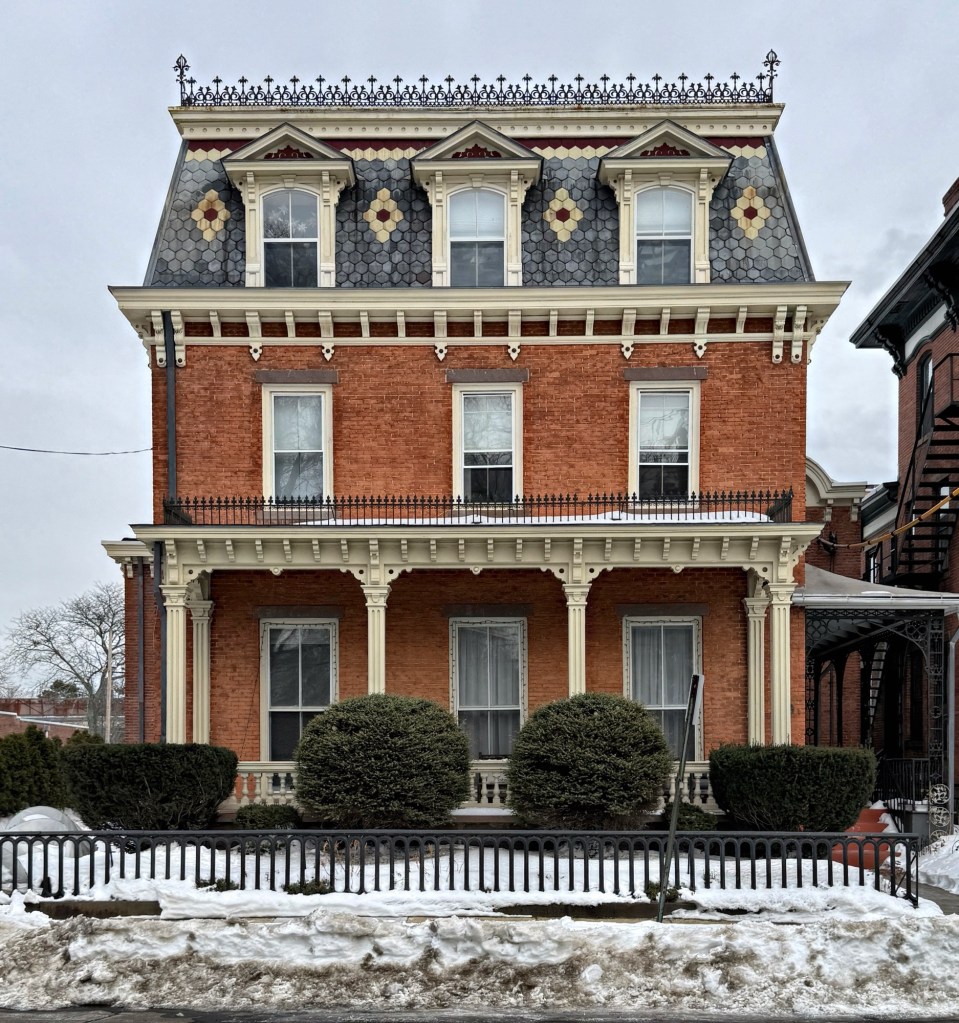
The oldest extant building on Hillhouse Avenue in New Haven is this Federal-period house with later Victorian-era modifications. The Abigail Whelpley House was built by 1826 (with some estimates as early as 1800 and moved to the site) and was a traditional, five-bay, two-story Federal style residence. It is said that the house was built by James Abraham Hillhouse (1789-1841) for his widowed family member, Ms. Whelpley, and her two sons. As of 1849, the property was owned by Noah Porter, later President of Yale, who would alter the house in the 1860s with the addition of a mansard roof and trim, all designed by architect, Henry Austin. The house, now known as Allwin Hall, is maintained by Yale University and contains offices for the program on Ethics, Politics & Economics.

Pritchard House // 1836

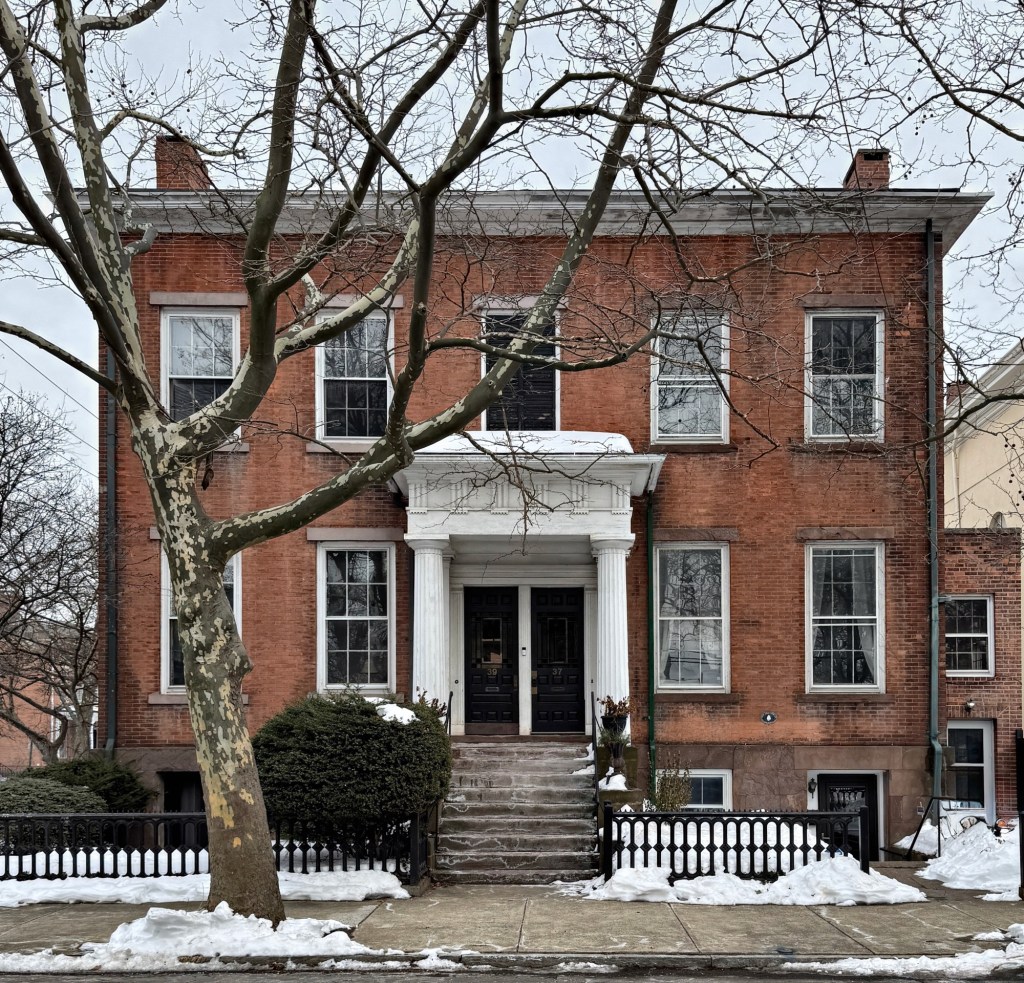
One of the earliest houses built on Hillhouse Avenue in New Haven, Connecticut, is this stately Greek Revival mansion with monumental portico. The house was built in 1836 for Mary Pritchard from plans by great American architect, Alexander Jackson Davis. The mansion is two stories and is constructed of brick and stucco with a distinct two-story portico supported by fluted Corinthian columns. The architect also may have designed a barn at the rear of the house for Ms. Pritchard. Like many other former residences on Hillhouse Avenue, the house was acquired by Yale University, and is now the house of the Provost.

Perit House – Horchow Hall // 1859

This Italianate Villa style mansion on Hillhouse Avenue in New Haven, Connecticut, was built in 1859 for Pelatiah Webster Perit (1785-1864), a successful New York City shipping merchant and president of the New York Chamber of Commerce. Perit split his time between New York and New Haven and would hire architect, Sidney Mason Stone, to design this home on Hillhouse Avenue in New Haven. The brownstone residence is notable for its elaborate scroll brackets supporting the window pediments and front entry portico with arched doorway with rope moldings. The mansion was occupied by Perit for just four years until his death in 1864, and it was later owned by Henry Lucius Hotchkiss, a businessman. Like nearly all buildings on Hillhouse Avenue, the building was acquired by Yale University and is now known as Horchow Hall, and is part of the Yale School of Management.

Graves-Dwight House // c.1862

Hillhouse Avenue in New Haven, Connecticut is lined with stunning 19th- and 20th- century mansions showcasing the evolution of styles and architectural taste for the wealthiest residents. This is the Graves-Dwight House, a high-style Italianate mansion built around 1862. The residence was built for John Samuel Graves (1807-1892), a local businessman and politician who was a founder of the New Haven Gas Light Company. The architect is not known, but the house is the work of a skilled designer with immense attention to detail. The highly ornamented exterior features a symmetrical facade, bracketed cornice and window hoods, a recessed third-floor balconette with segmental arch pediment above, and bold, period-appropriate paint scheme. The residence was later owned by James McLaren Breed Dwight, a lawyer, and his wife, Cora Tallmadge Dwight. Since the 20th century, the property has been owned and preserved by Yale University, and is now home to the Archaeology Department.

St. Mary’s Roman Catholic Church Priory // 1907

Located next to the St. Mary’s Roman Catholic Church on Hillhouse Avenue in New Haven, Connecticut, you will find one of the finest Neo-Gothic style buildings in the city that was not built by Yale University. This structure was constructed in 1907 as the Priory for the Catholic Church next door. Historically, the church had been under the care of the Dominican friars of the Province of St. Joseph, based in New York City, and the church needed a residence for the friars (a Priory). Due to dwindling attendance at churches all over the country, area churches were consolidated under the Hartford Archdiocese, who replaced the friar residents of this building with Dioscesan priests in late 2021.

St. Mary’s Roman Catholic Church // 1870

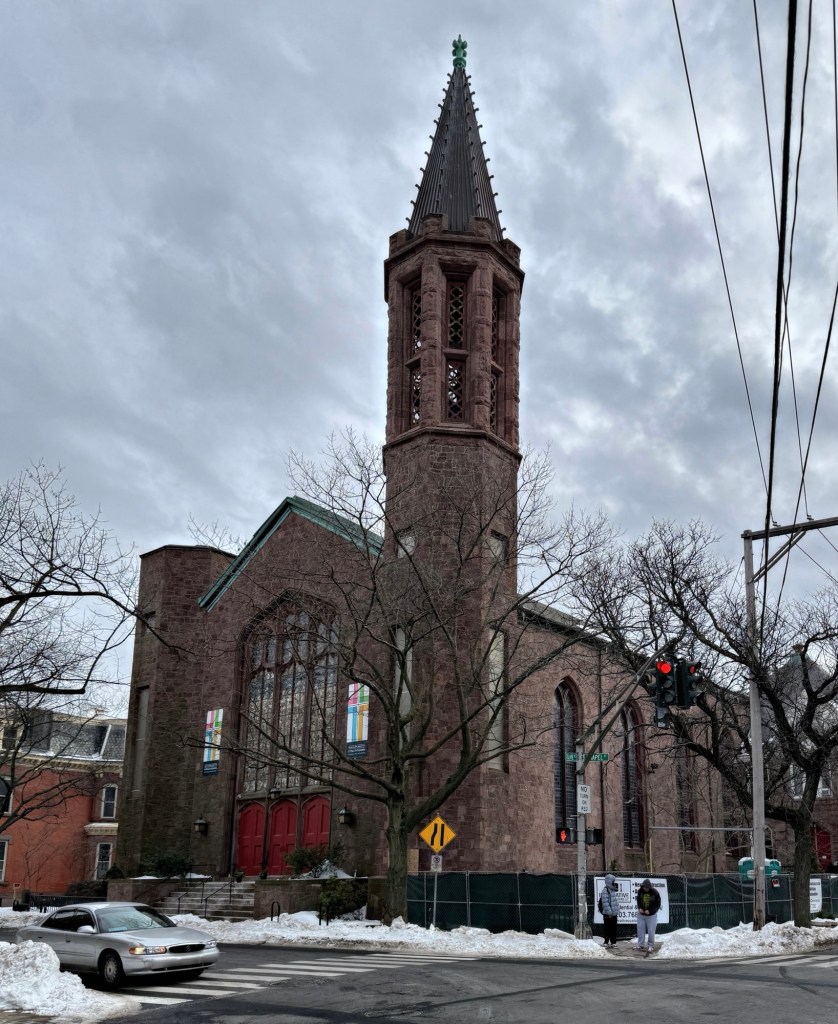
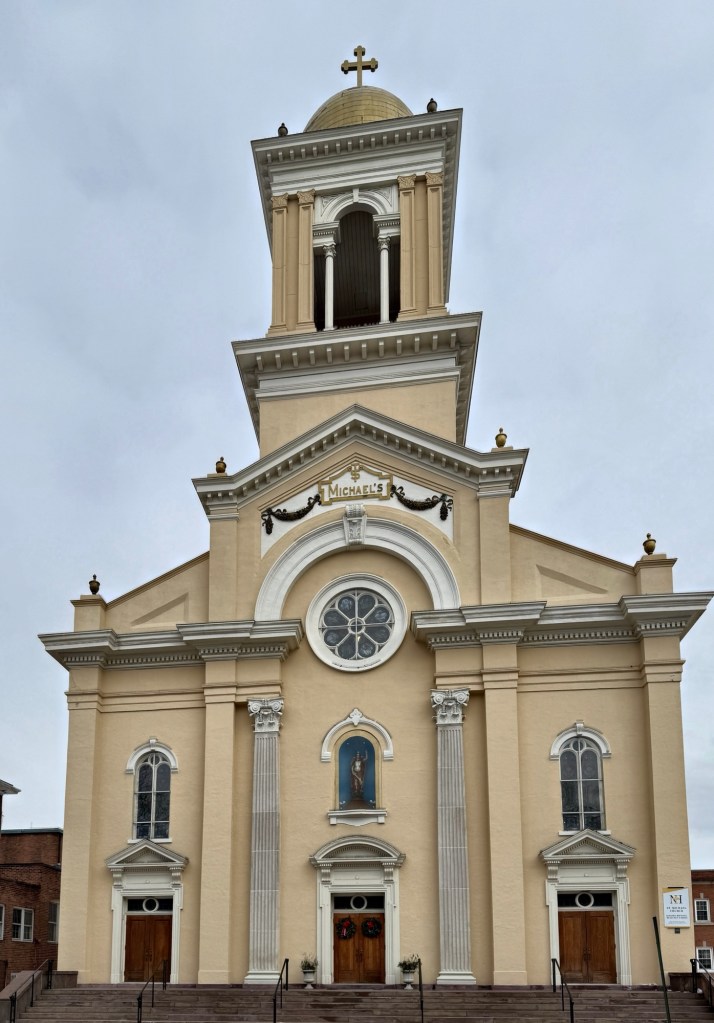
The second oldest Roman Catholic parish in Connecticut can be found in New Haven, at the St. Mary’s Roman Catholic Church. The parish was originally established in 1832, largely by Irish immigrants who settled in the area for work. The current St. Mary’s church building, located on Hillhouse Avenue near Yale University, was designed in 1870 by ecclesiastical architect James Murphy, and it was dedicated in 1874. The construction of a Catholic church on Hillhouse Avenue was strongly opposed by the Protestant elite who lived in the area, but the congregation prevailed. The Victorian Gothic style church is constructed of local blue stone and granite and while plans by Murphy originally included a corner spire for the building, it was not built until 1982 when the building was restored courtesy of the Knights of Columbus. The Knights of Columbus fraternal organization was actually founded in 1882 in New Haven by Father Michael J. McGivney, who originally held meetings in the basement of this church.

Town-Sheffield Mansion // c.1836-1957

One of the biggest architectural losses in New Haven was the 1957 demolition of the Town-Sheffield Mansion, formerly on Hillhouse Avenue. The mansion was built around 1836 by esteemed American architect and civil engineer Ithiel Town (1784-1844) as his own home on Hillhouse Avenue in the Greek Revival style; here he kept what was then an extraordinary architectural library, which was said to have been larger than any other personal collection anywhere at the time, including that of Sir John Soane in London. After Town’s death, the house was bought by Joseph Earl Sheffield in 1859, benefactor of the Sheffield Scientific School at Yale, and modified by local architect, Henry Austin in the Italianate Villa style. Alterations included two large asymmetrical towers, a new porch, and symmetrical side wings with large bay windows. After Sheffield’s death in 1889, the building was used for laboratory space for the school. Although the house was one of Austin’s most important works, it was demolished in 1957 by Yale to make way for Dunham Laboratory.

Berzelius Tomb // 1910

Yale, like other Ivy League colleges, has a long and complex history of secret societies. The secret societies all are headquartered at their own buildings, called “tombs”. These are massive, very impressive structures without windows or signage and all share an unmistakable message with their architecture: “Private; keep out.” One of the lesser-known tombs at Yale is the Berzelius Tomb, completed by 1910 from plans by architect Donn Barber. The Berzelius was established in 1848 as a secret society and formerly was located in Berzelius Hall, a Romanesque style building. The tomb is sited on an difficult lot at the convergence of three main roads but holds its own architecturally as a highly ornamented box. This austere tomb is built of limestone, with a balustrade and detailed cornice at the roof, but the main attraction is the entrance, which is a double brass door with floral panels, all surrounded by a Classical surround. Above the entrance, a limestone panel showcases the Society’s insignia with fruit and flower swags.