Joshua Parker Farmhouse // 1850

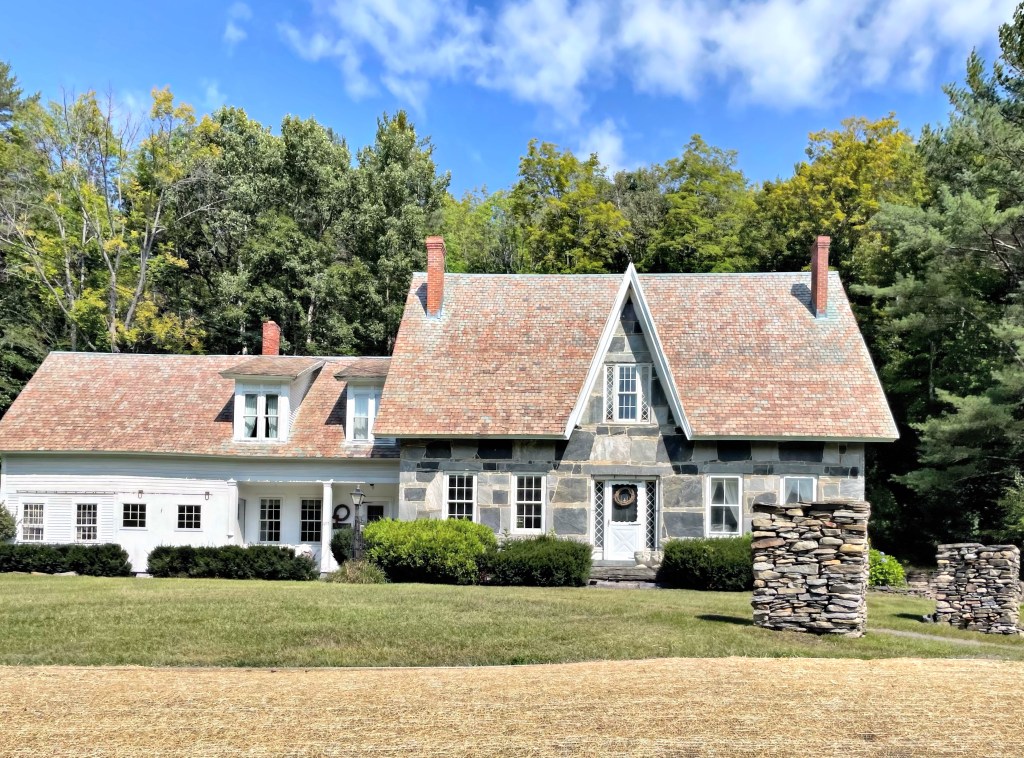
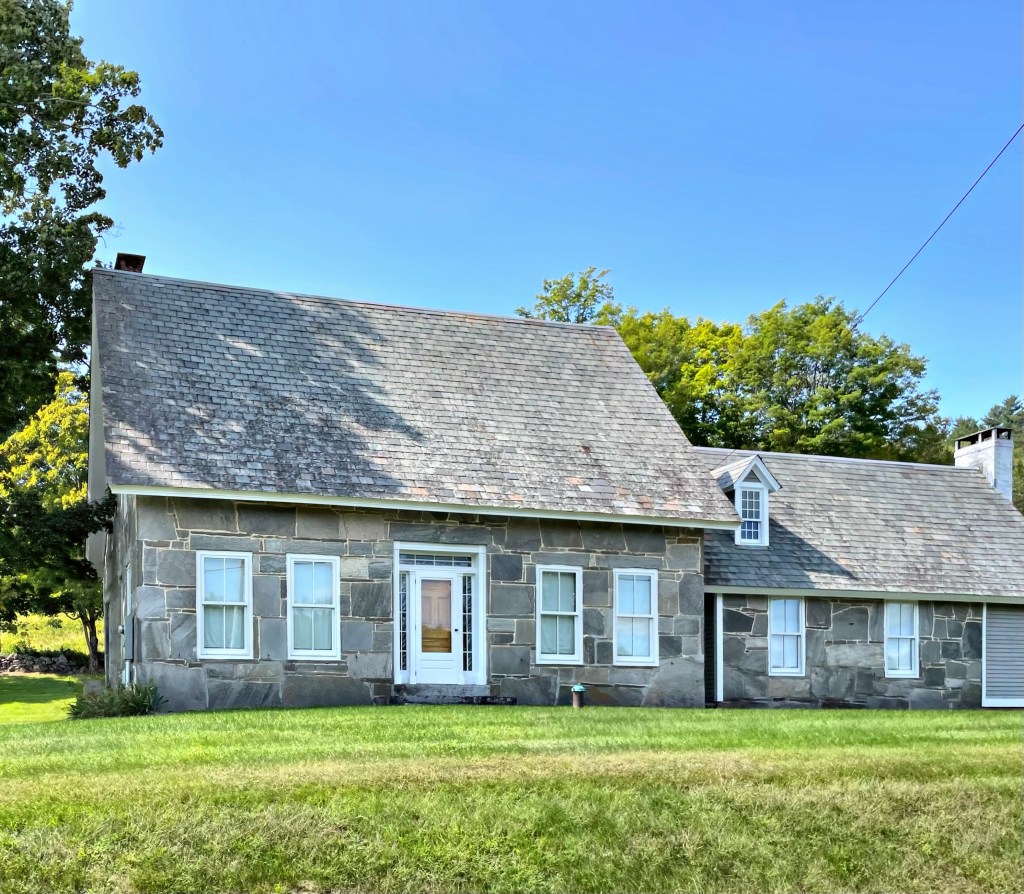
This house in Cavendish was constructed in 1850 by Joshua Parker and is an outstanding example of a gothicized snecked ashlar house. The house is in the Cape form and largely exhibits a more traditional cottage layout, but with the steep gable dormer, giving the home a distinctive Gothic feeling. The 1850 home replaced a late 18th century farmhouse, but in the iconic snecked ashlar construction. The farm grew over the subsequent decades, including a c.1900 snecked ashlar barn (not pictured), which is probably the last building of “Snecked Ashlar” construction erected in the State of Vermont.


James Spaulding House // c.1840

This Greek Revival cape house in Cavendish, Vermont sits along a rural road and is one of the few dozen examples of Snecked Ashlar buildings in this part of the state. In the early 1830s, skilled masons from Scotland settled in central Vermont to work on building projects there. A number of these builders, mainly from the Aberdeen area, were experienced in snecked ashlar construction, in which plates of stone are affixed to a rubblestone wall. This home was built for James Spaulding, and remained in the Spaulding family for generations, lovingly maintained as an excellent example of a Snecked Ashlar home in Vermont.

Cavendish Universalist Church // 1844

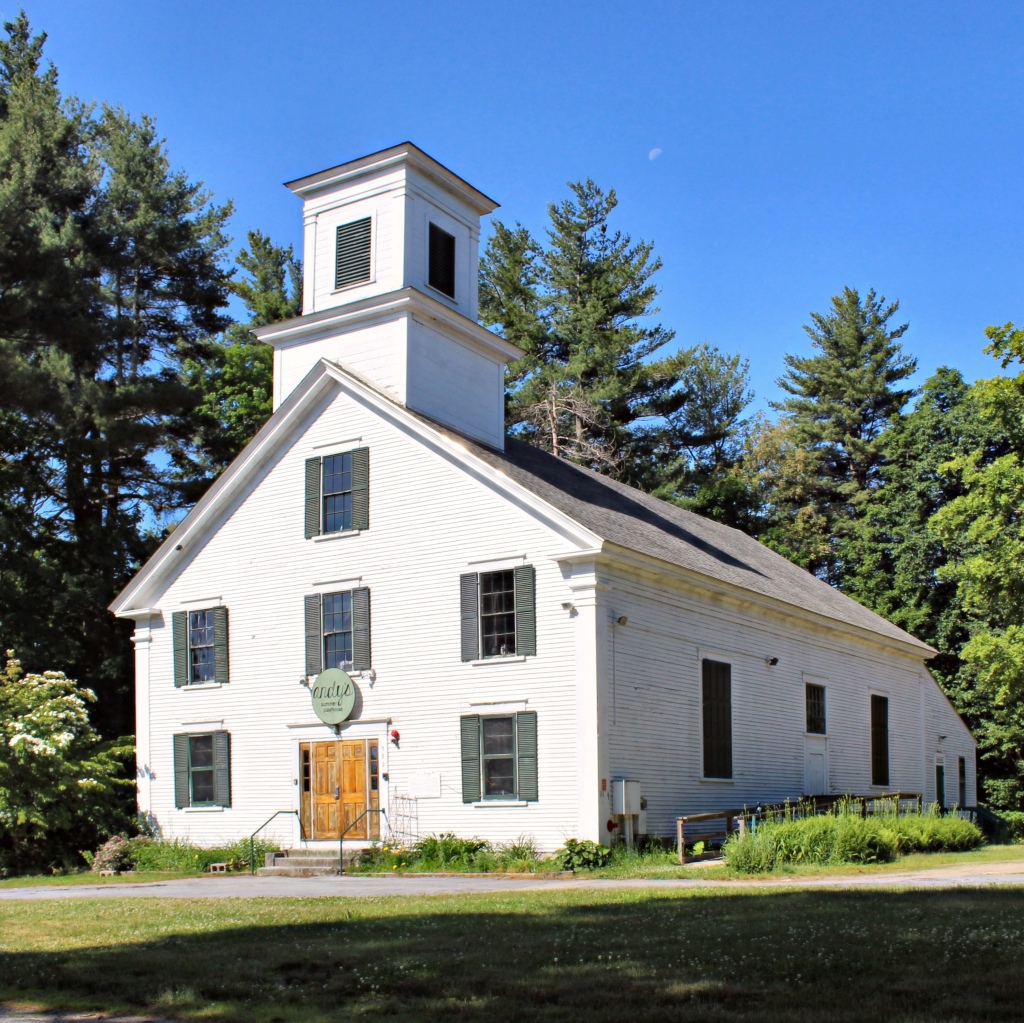
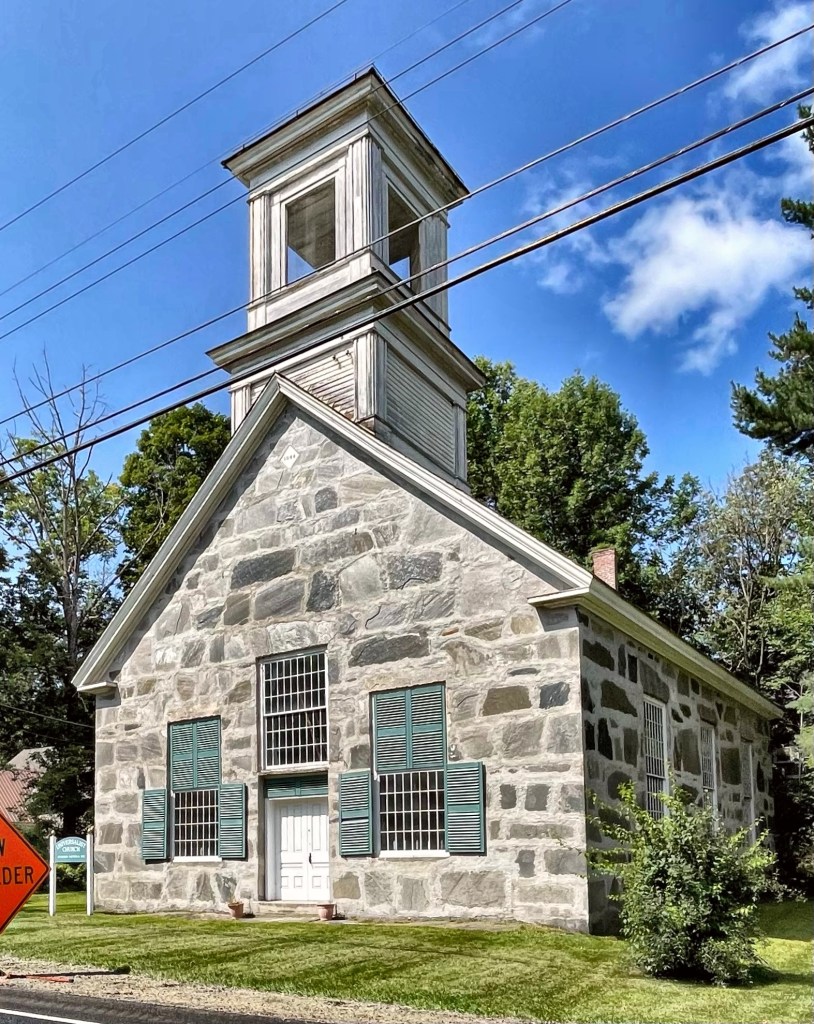
Oh Snecked Ashlar… the iconic vernacular building style that was seen in south-central Vermont in the middle of the 19th century. The Cavendish Universalist Church was built in 1844 by Scottish immigrant stonemasons who had moved to the area ten years earlier from Canada. These builders constructed houses, schools, and churches in Windsor County and nearby, using traditional building techniques they likely brought to North America from Scotland. This church in Cavendish was built under the leadership of Rev. Warren Skinner, an avid abolitionist and was part of the “above ground” railroad in Vermont. The church was decommissioned in the 1960’s from a shrinking congregation and was leased to the Cavendish Historical Society in the 1970’s. While work has been done to maintain the building, it is in need of repairs. In recent years, the Universalist Unitarian Convention of Vermont and Quebec has agreed to deed the building to the town of Cavendish on May 11, 2013. The structure has been restored, and apparently houses exhibition space inside.

Four Columns Inn // 1832

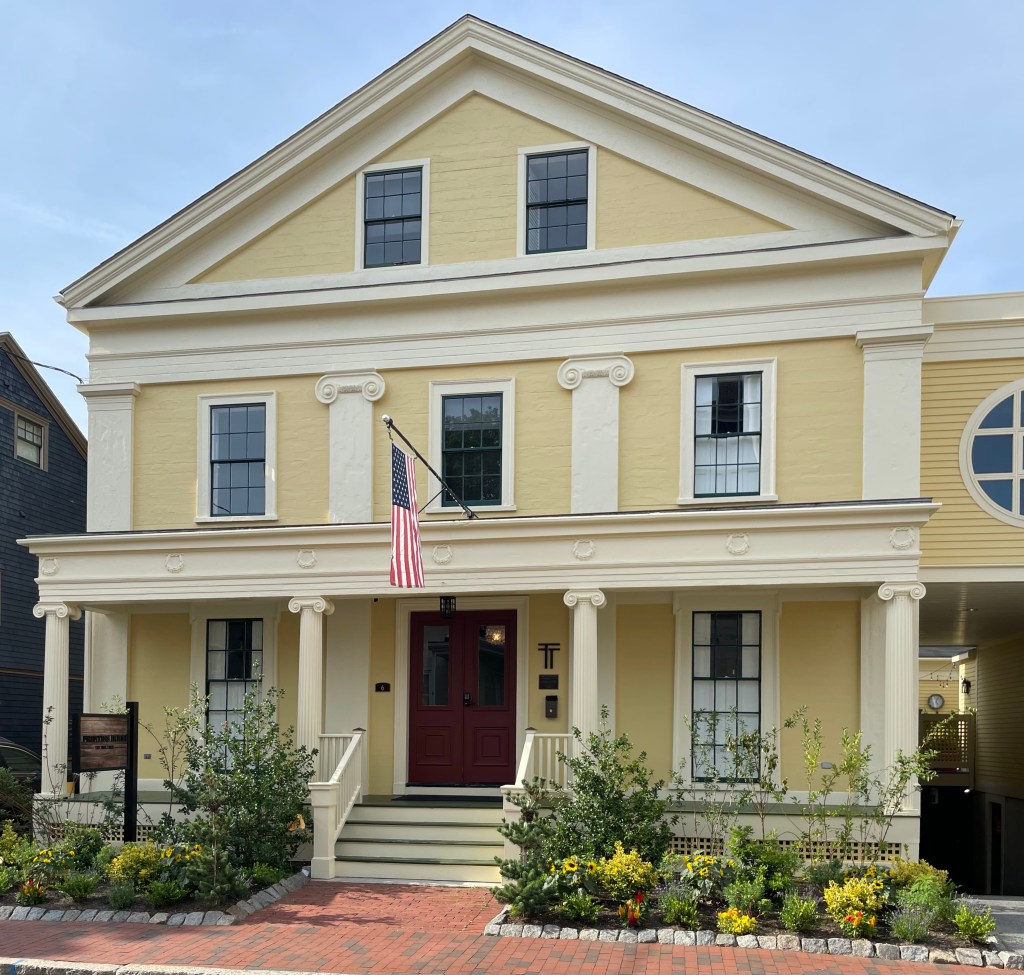
One of the best examples of a temple-front Greek Revival house in the state of Vermont is this stunner, found in Newfane Village. The house was constructed in 1832 for General Pardon T. Kimball (1797-1873), a cattle-broker, general of the state militia and later, a state senator. Kimball made a name for himself locally as he donated much of his money to social causes, from a local almshouse to other charitable organizations. Kimball died in 1873 after falling from his carriage. The house was converted to an inn in 1965-6 and has since been known as the Four Columns Inn, so-named after the four monumental Ionic columns that dominate the house’s facade.

Church House // c.1840

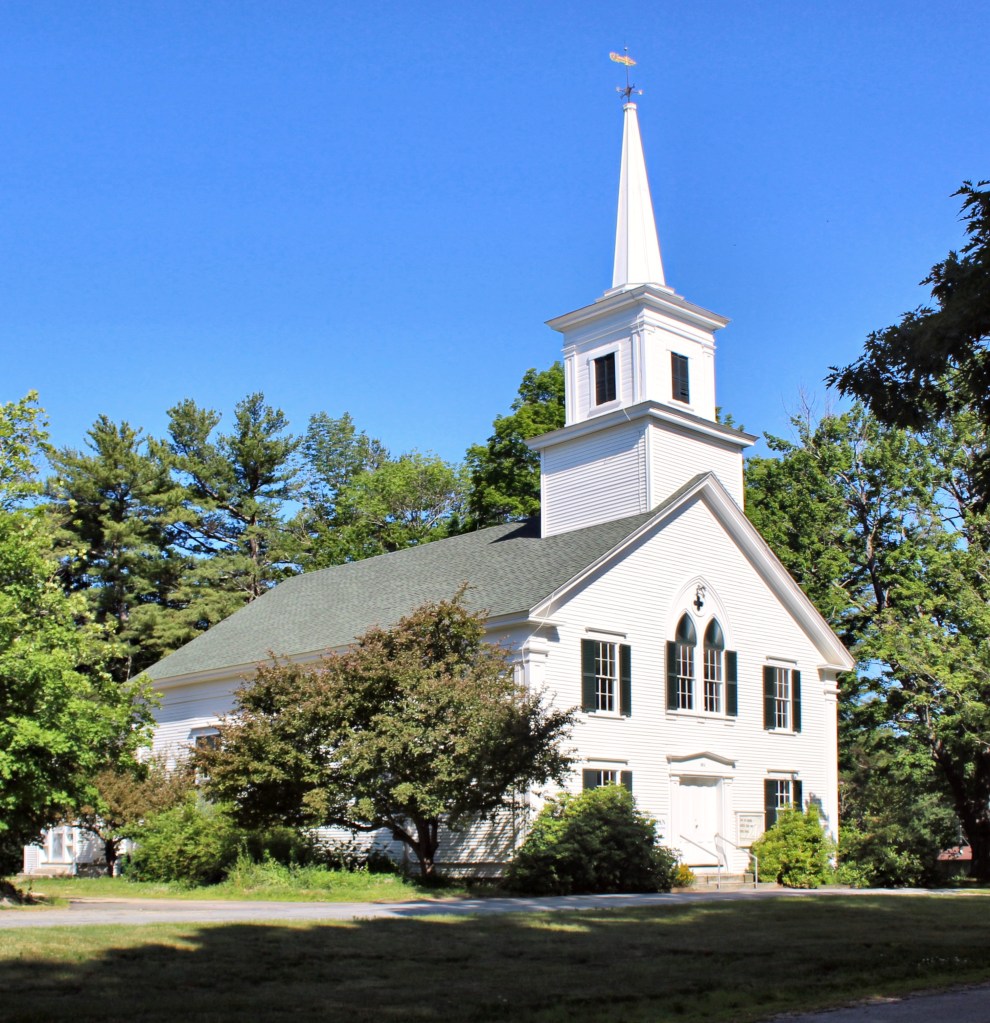
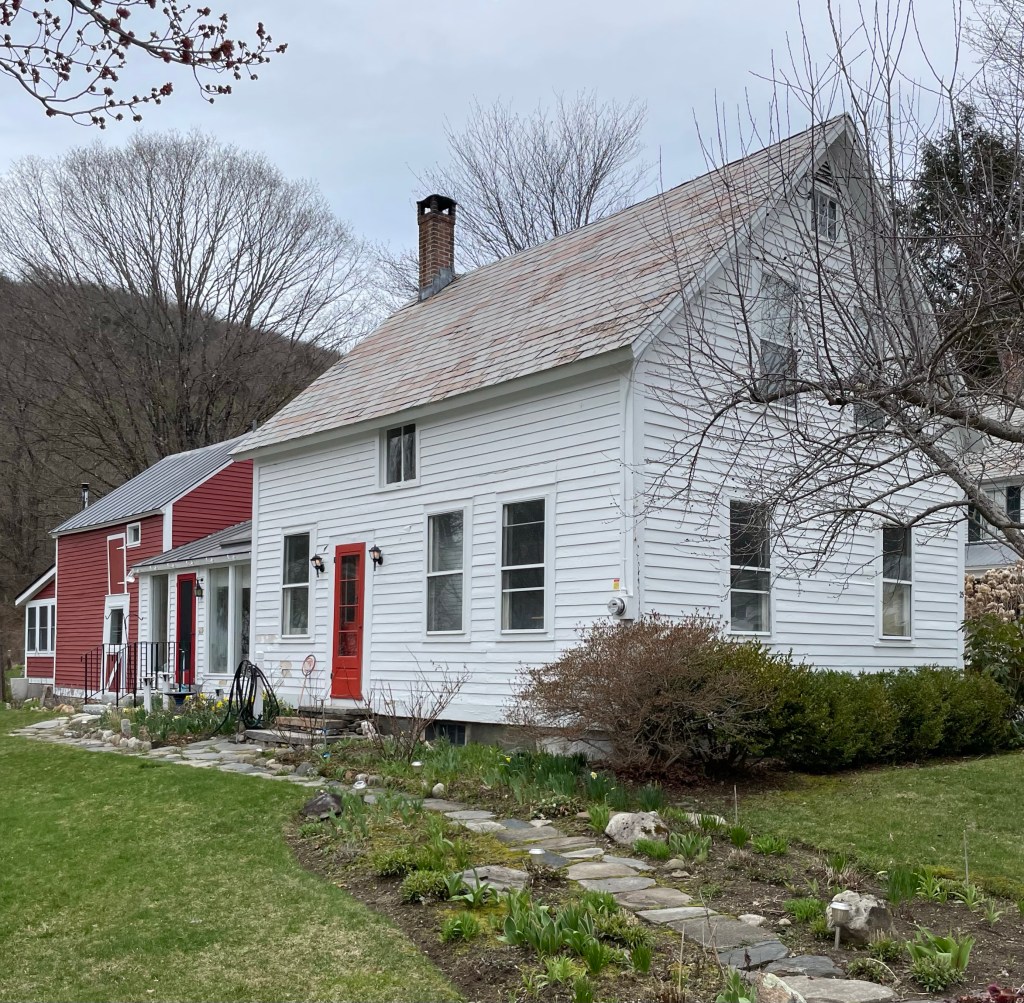
When you think of the quintessential New England Village, what do you think of? These villages of white houses around a town green, usually anchored by a congregational church with a tall, white steeple, have been the subject of myriad photographs and memories for decades. Why are so many like this? Well, historically, the bright white we know of as a common house color was not available until the 1920s. Before the early 1900s, “white” paint was more cream or off-white as we would describe it. Many such villages started seeing white paint proliferate as Titanium Dioxide was mixed with pigments to generate the bright white, about at the same time Colonial Revival style homes saw a second resurgence in popularity. The bright-white paint was more expensive and represented stability and prestige. Publications like Yankee Magazine showed photographs of these charming villages blending into the freshly fallen snow or fall foliage and the romanticization of New England truly began. Newfane, Vermont is one of these villages, which are dominated by the bright white paint. It is an obvious choice, especially due to the number of classically inspired Greek Revival style houses.

Newfane Odd Fellows Hall // c.1830

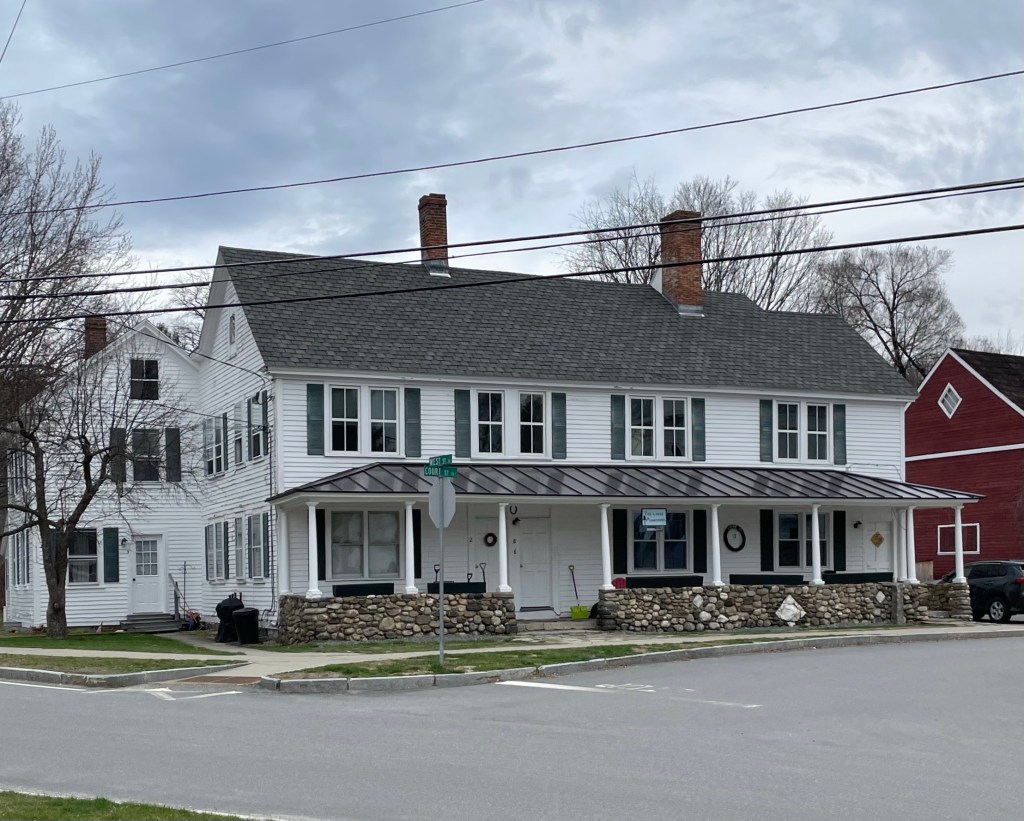
Constructed circa 1830 for Anthony Jones, this clapboard building in Newfane, Vermont originally contained tenements and was called the “long building” during the nineteenth century. Around the turn of the 20th century, a federal judge acquired the building and some of its rooms were used as offices during sessions of the county courthouse across the street. Subsequently, the local Odd Fellows Group (I.O.O.F.) occupied a hall on the second story, and for a half century after 1910, part of the first story served as Newfane’s telephone exchange. In 1971, the building was converted to apartments and has remained so since that time.

Windham County Courthouse // 1825

When the Windham County courts were transferred from Westminster in 1787, they were housed in the village known as Newfane on the Hill. Four decades later, influential residents convinced their townsmen to shift the village down to their land in a flat part of town, a location better suited for waterpower and commerce and ease of travel in the winter months. The first two buildings constructed were the courthouse and jail on a common. The village center grew rapidly as people moved old buildings down the hill and remodeled them or built anew, establishing a particularly unified townscape. This courthouse building is very stately for such a small town and packs an architectural punch. The two-story building is capped with a belfry and was designed in the Federal style with fan motifs over the windows and door. In the 1850s, nearby Brattleboro tried to usurp Newfane’s county seat status, so they in turn expanded the courthouse, raising the ceiling on the upper floor and adding the monumental Doric portico and pediment to give the building a decidedly Greek Revival appearance.

Scott Farm – Farmhouse // c.1845

Scott Farm, established as a working farm in the late 18th century and as a commercial apple orchard in 1911, is an excellent example of the vernacular architecture that Vermont is known for. The sprawling 571-acre farm was established in Dummerston in 1791 and purchased by Rufus Scott in the mid-1800s. In the 1840s, he built this farmhouse and many of the barn buildings soon after. The five bay Greek Revival house is in a Cape form and retains its historic slate roof and detailing. The property has been owned since 1995 by The Landmark Trust USA, a non-profit organization whose mission is to preserve historic properties through creative sustainable uses for public enjoyment and education. The farm sits a short drive to Naulakha and the Dutton Farmhouse (both featured previously) which are also managed by the Landmark Trust USA.

Evening Star Grange Hall // c.1874

Rural New England towns like Dummerston, Vermont long relied on agriculture as a means of life. From this, local farmers and their families would organize in regional Grange Halls through the The National Grange of the Order of Patrons of Husbandry, an agricultural advocacy group. Many rural communities in the United States still have a Grange Hall and local Granges still serve as a center of rural life for many farming communities. The local Evening Star Grange was organized in Dummerston Center in 1874 with 32 members, growing by the end of the 19th century. This building would have held meetings where farmers could share trade secrets, make deals, and “talk shop” regarding farm life. Such buildings are significant as community centers for agricultural communities and should be preserved for future generations.

Dutton Farmhouse // c.1840

Another one of the Landmark Trust USA properties in Dummerston, Vermont is the Dutton Farmhouse, a meticulously restored Greek Revival farmhouse from around 1840. The gable-roof farmhouse was possibly an addition to an earlier dwelling built decades earlier as a one-and-a-half-story center-chimney home, seen at the rear today. The first known owner of the farmhouse was Asa Dutton who farmed off the large orchards. Generations later, the farmhouse served as a dormitory for migrant laborers who worked nearby, with the interior being altered. The property was eventually gifted to the Landmark Trust USA, who began a massive restoration project on the home, uncovering original detailing and even historic wallpaper! The house has since been meticulously restored and preserved and is available for short-term rentals! The charming interiors and near silence outside is a perfect getaway from city life.