Chester Flatiron Building // 1913

At the junction of West Main and Main Streets in Chester Village, Connecticut, this unique flatiron commercial building stands overlooking the Pattaconk Brook that cuts through the center of town. In 1913, this two-story block was built with ground floor retail and a second floor residence for owner, Elmer Pierce, who ran his pharmacy downstairs. By 1920, the building was owned by Jacob Feinstein, who raised his family on the second floor and had his clothing business, “Feinsteins” in the store below. Later, the retail space was occupied by Child Design, a wooden toy store, and after that, a lighting fixture store. Historic main street buildings are often incubators for small and local businesses, keep the chain stores near the highways!

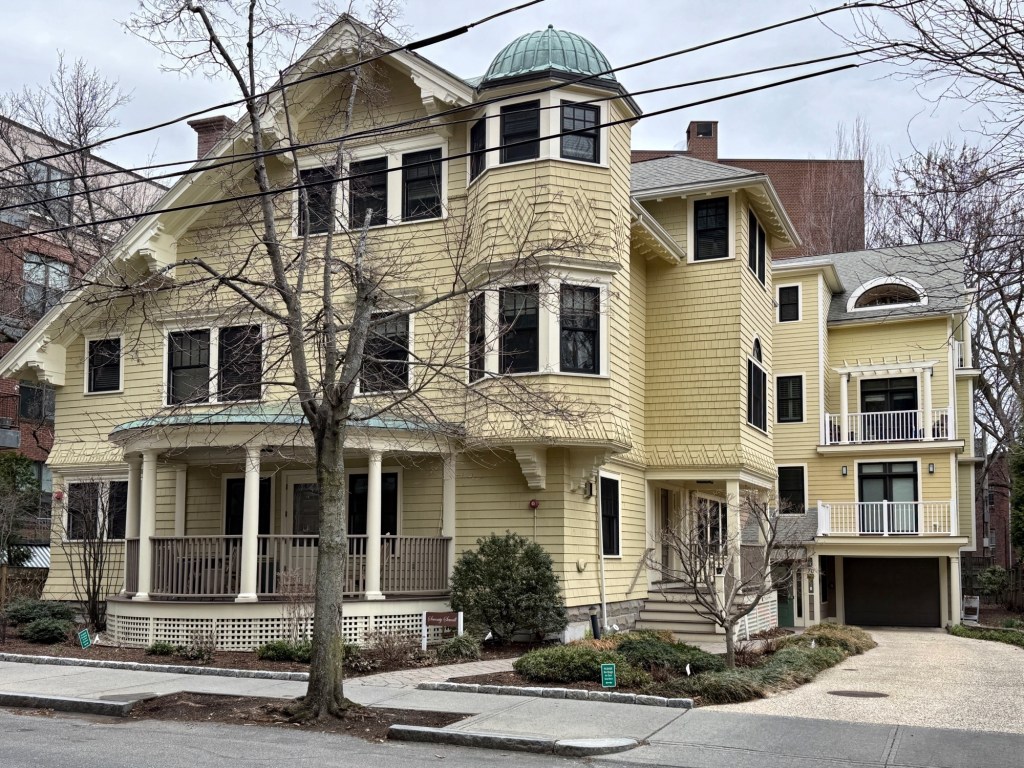
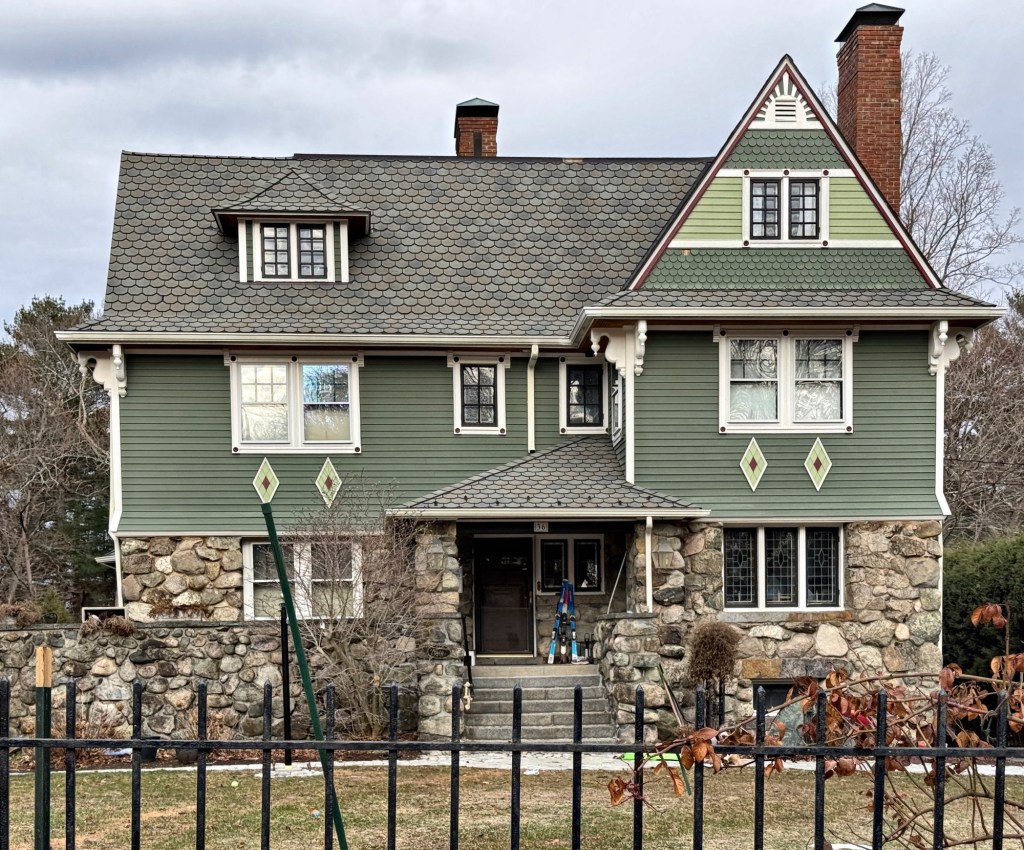
Charles H. Rutan House // 1889

In 1889, prestigious architect Charles H. Rutan, purchased a house lot from the heirs of Elijah Emerson on the family estate and oversaw construction of his own residence in Brookline Village. Charles Hercules Rutan (1851-1914) was born in New Jersey and moved to Brookline in 1874, where he worked in the office of famed American architect, Henry Hobson Richardson. After Richardson’s death in April 1886, at the height of his career, Rutan and two other senior employees, George Foster Shepley and Charles Allerton Coolidge, took charge of the studio and its uncompleted work. Soon after, the three formed a formal partnership, Shepley, Rutan & Coolidge, to succeed to Richardson’s practice, and in 1887 moved the office to Boston. From his new position as head of a prominent firm, Rutan designed this handsome Queen Anne/Shingle style mansion for his family, where he lived until he suffered from two debilitating strokes in 1912, when he and his wife moved to an apartment on a nearby street. Besides the blue color, the house retains so much of its original architectural integrity and is one of the most significant residences in the Brookline Village neighborhood.

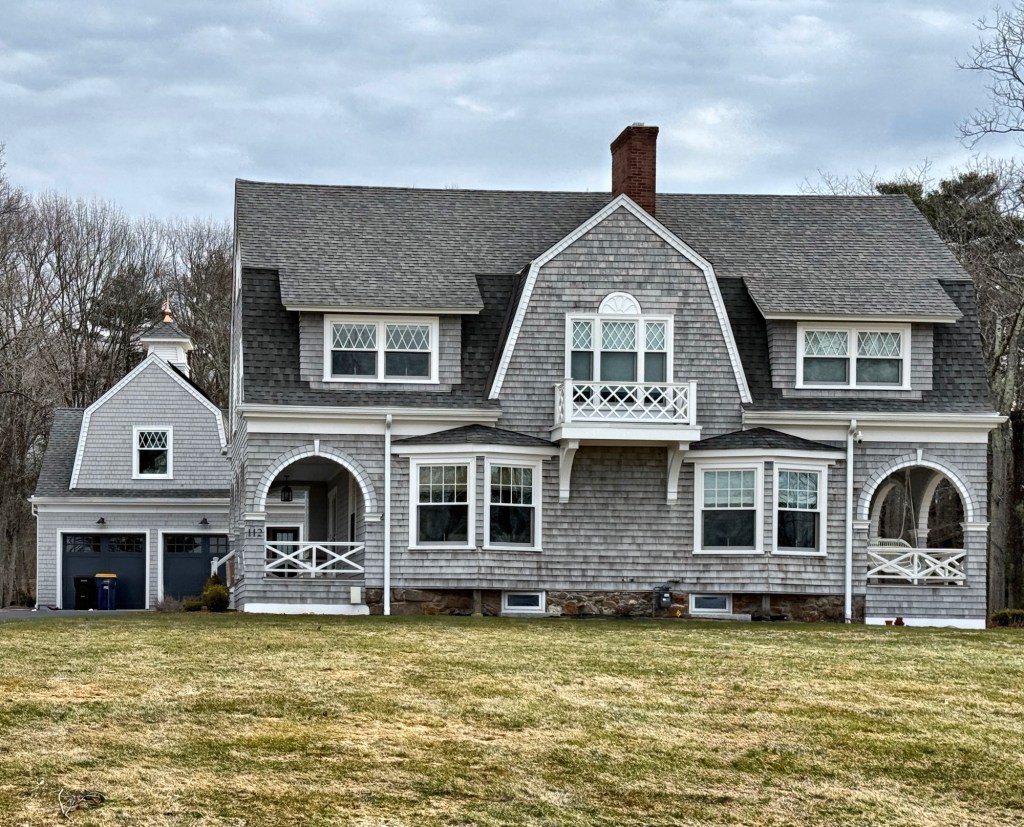
Fairlawn Mansion // 1883

One of the great mansions built for the wealthy Thayer Family, “Fairlawn” stands as one of the finest Gilded Age homes in Lancaster, Massachusetts. This home was built for Eugene Van Renssalear Thayer (1855-1907), a financier and businessman, and his wife, Susan Spring Thayer. The gracious Richardsonianeque Shingle style house was designed by the Boston architectural firm of Andrews & Jacques as one of their first commissions after leaving the office of H. H. Richardson to establish their own practice. After the deaths of Eugene and Susan, the property was inherited by Susan Thayer Bigelow, the youngest daughter of the couple, and her husband, architect, Henry Forbes Bigelow. Under the ownership of Henry and Susan Bigelow, a massive renovation occurred, where Henry F. Bigelow oversaw in 1923, the removal of the south wing of the house, which was relocated to the south and became a detached residence, painted the brown-stained shingles white, and removed the Richardsonian arches to create a 20th century country house more in the Tudor Revival mode. From 1965, the property was owned by the former Atlantic Union College, and was colloquially known as the White House, but has since been sold to private owners. The former south wing, now a detached house, is under separate ownership. 

Detached portion of original house.

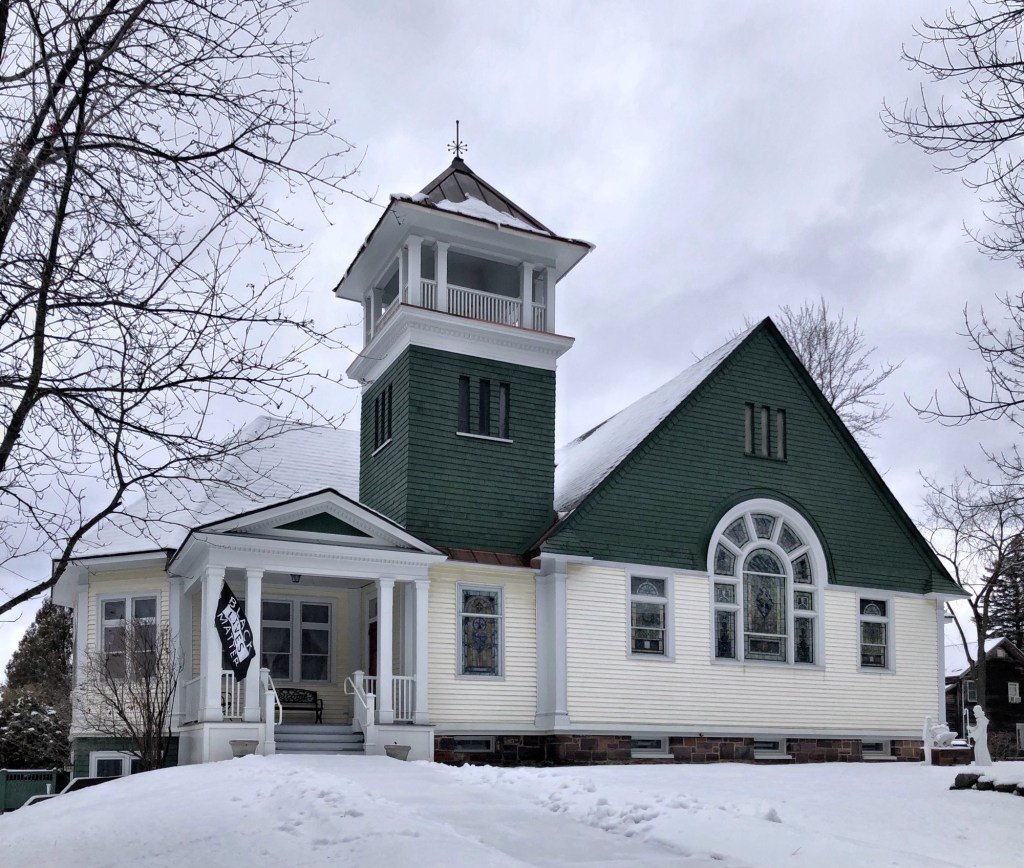
Swedenborgian Church of Lancaster // 1881

Built in 1881, the Swedenborgian Church of the New Jerusalem in Lancaster, Massachusetts, is a handsome Victorian-era chapel that has been well-preserved for nearly 150 years. The Queen Anne/Shingle style church was designed by architect Francis Ward Chandler of the firm, Cabot & Chandler, for the local Swedenborgians in Lancaster, some of which likely spent summers in Lancaster from Boston. The membership of the church dwindled in the early 20th century, and the congregation sold the church to a local women’s social group, the Current Topics Club in 1923. The women’s club met in the old church and maintained the building for nearly a century until the building sold to private owners in about 2007, who converted it to a residence, preserving the unique architecture we still see today.

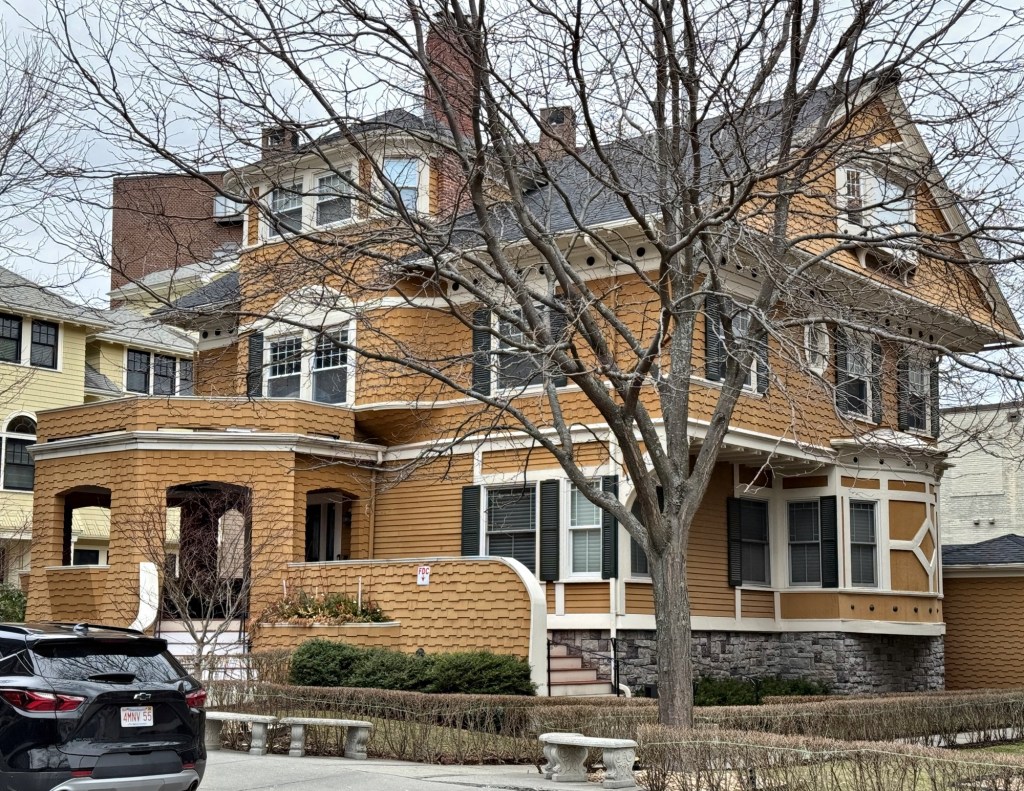
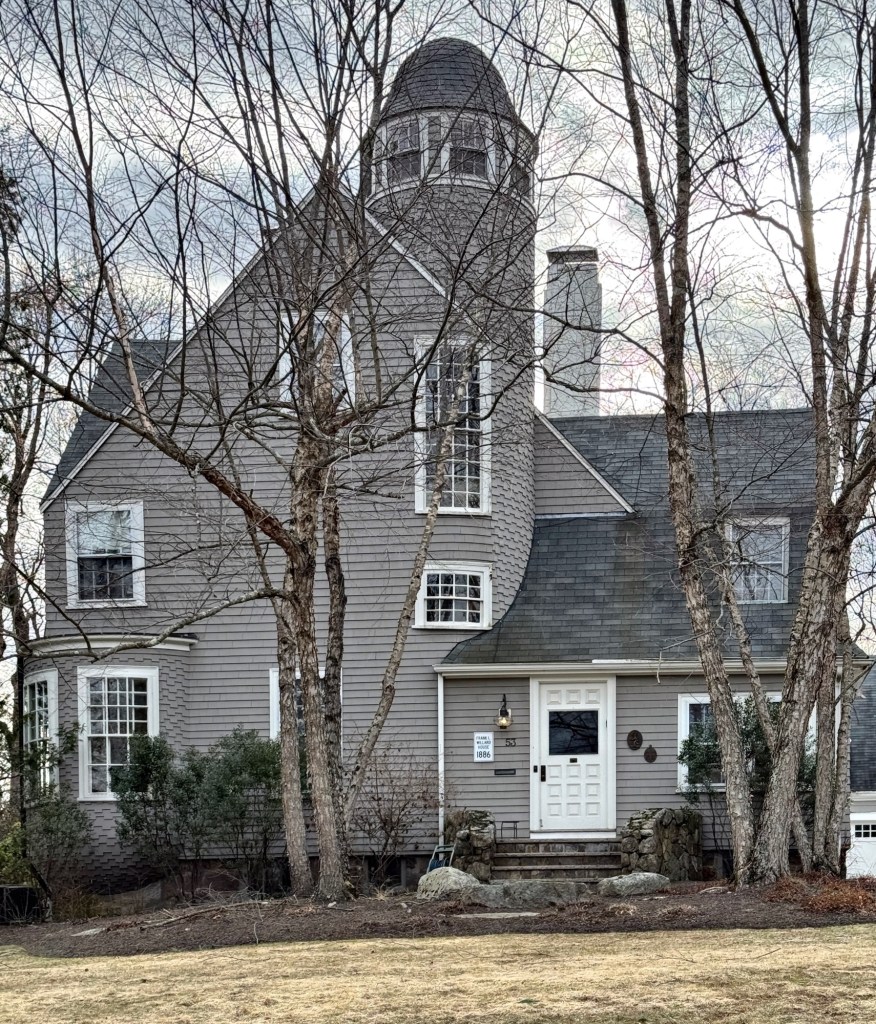
Samuel Cabot Jr. House // c.1886

This altered Queen Anne/Shingle style residence on Edgehill Road in Brookline, Massachusetts, was built around 1886 as a suburban retreat for Samuel Cabot Jr. (1850-1906) and his wife, Helen (Nichols) Cabot. Samuel Cabot, a member of the affluent and well-connected Cabot family of Boston, was a chemist who worked alongside his uncle, Godfrey Lowell Cabot, to produce household disinfectant, sheep dipwood preservatives, and shingle stain using coal tar that was a by-product of the gas works in Boston. Their companies would split, with Samuel’s part of the company continuing as Samuel Cabot Incorporated, and Godfrey’s became Cabot Corporation. To showcase his company’s amazing wood stains, Samuel Cabot had this house built in Brookline, from plans by his uncle, Edward Clarke Cabot, of the firm Cabot & Chandler. In the 20th century, the house was somewhat streamlined with some dormers removed and the main entry relocated to the present location.

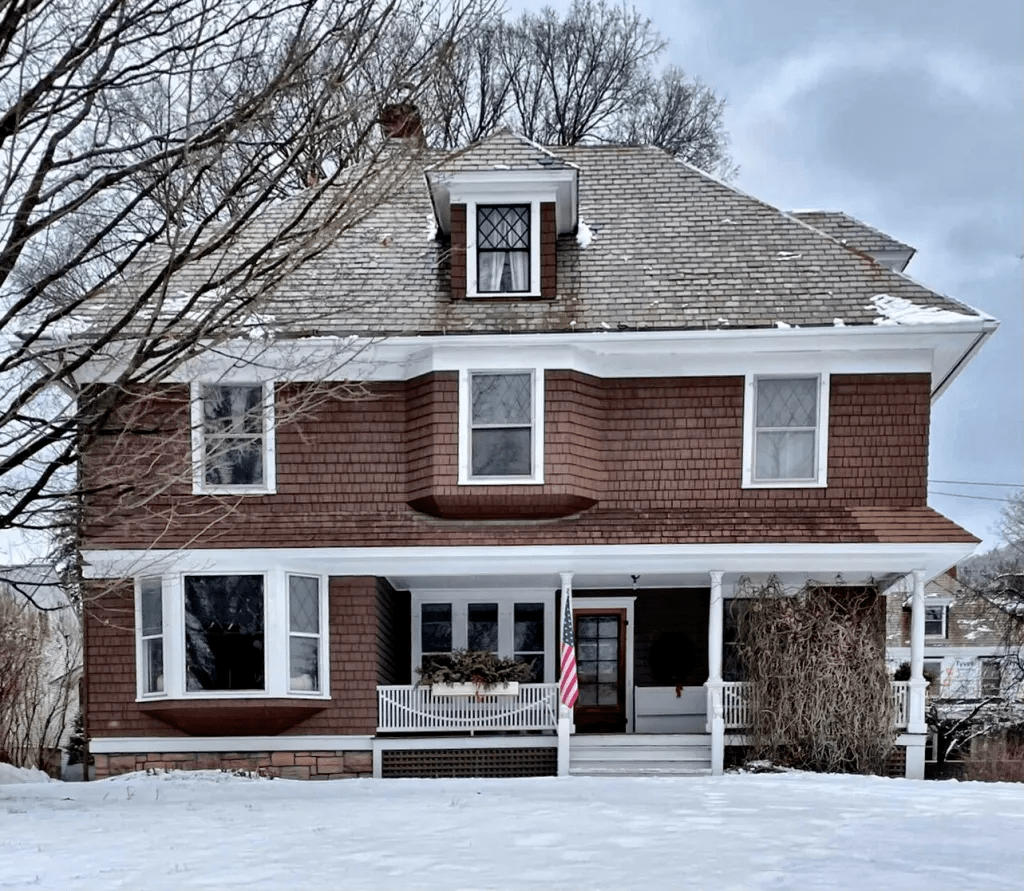
Loring-Sherburne House // 1883

One of the many great Queen Anne/Shingle style homes in Brookline is this residence at 92 High Street built for Thacher Loring (1844-1928), president and treasurer of the National Dock and Warehouse Company, of Boston, founded by his father, Elisha Thacher Loring. For their Brookline home, Mr. Loring hired architect, William Ralph Emerson, one of the great architects who mastered the Shingle style of architecture. The Loring Family lived here until the early 1900s, when they sold the property and moved to the Back Bay in Boston. The property was purchased by John Henry Sherburne (1877-1959), who lived here with his family for over sixty years. John Sherburne was an attorney, politician, and military officer who served during the Pancho Villa ExpeditionWorld War I, and World War II and attained the rank of brigadier general receiving numerous military awards, including the Silver Star and Purple Heart. During WWI, he commanded the U.S. Army’s first “negro” artillery battalion in France. After the war he testified before Congress about orders that pointlessly sent hundreds of U.S. soldiers from other units “over the top” to their deaths on the morning of November 11, 1918, when the armistice hour was already known. Following his World War I service, Sherburne advocated for civil rights for African Americans, including support for anti-lynching laws and from 1926 to 1931, he served on the board of trustees for Howard University. The Loring-Sherburne House is significant for its residents and for its architecture, including the use of brick and shingle siding, and the show-stopping recessed panel-wood entry with bulging shingles above.

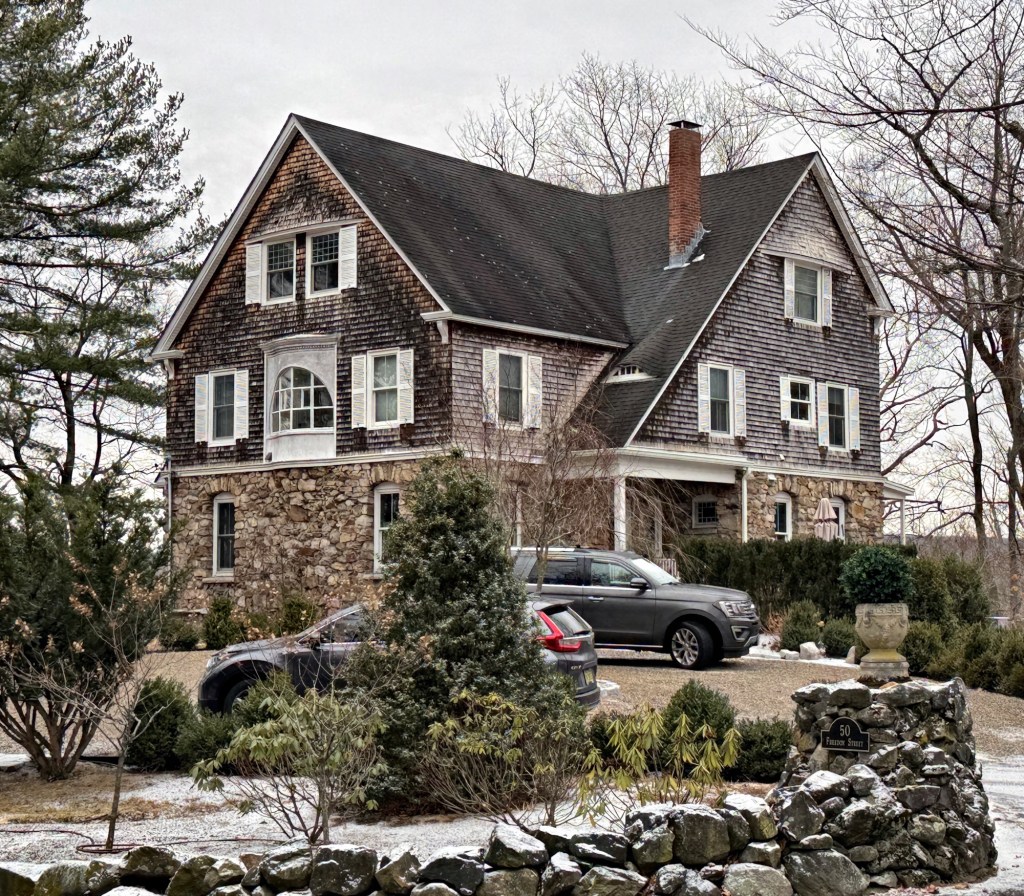
Highways Cottage // 1902

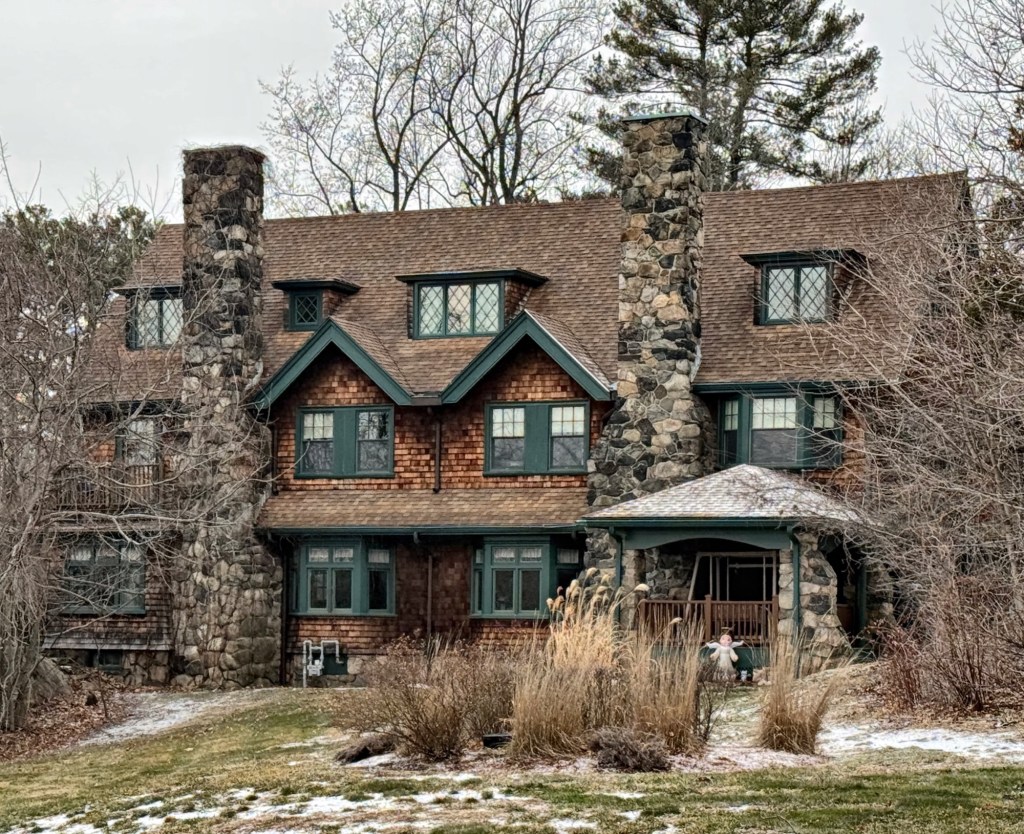
One of the more unique and enchanting historic summer “cottages” I have seen in my travels is this early 20th century rustic example in the Onteora Park colony. Built in 1902 for John S. Stanton Sr. (1837-1933), this residence was later the summer home of Dr. Edward Ahrens and his wife, Gertrude, who founded the Mountaintop Arboretum nearby. The house stands 3 1/2-stories tall and features horizontal log siding on the ground floor and cedar shingle siding above. The facade is dominated by the broad gable end roof that extends downwards to the first floor at flared eaves on the sides and over the windows.

Beauford Lodge Cottage // 1902

This handsome cottage on Thurber Road in the Onteora Park colony in the Catskills of New York, was built by 1902 for Col. James P. Kimball (1840-1902), and his wife, Maria (Brace) Kimball, as their summer home. James Peleg Kimball was one of the most renowned U.S. Army surgeons of the late nineteenth century. The home was meant to be the couple’s place of respite, but Col. Kimball died here in 1902, not long after the family moved into the home to enjoy the fresh air of the Catskills. Maria Kimball retained the cottage for years until it was sold in 1919, and owned later by Clayton McMichael of Pennsylvania, and a director of the Onteora Summer Theatre. The rustic Shingle/Arts and Crafts style cottage was originally named Beauford Lodge, and was later named Stone Acres by McMichael.

George A. Eastman House and Stable // 1889

Built between 1889-1891, the house and stable at 60 Ocean Street in the Ashmont Hill neighborhood of Dorchester was commissioned by George A. Eastman, a Harvard graduate and insurance executive. George Augustine Eastman married Anna C. Winsor in 1870, and the family would remain in this house for nearly 100 years. George Eastman worked as an insurance executive at the Boston office of the Liverpool & London & Globe Insurance Company of England for over 50 years, and built his home next-door to his brother’s at 42 Ocean Street. It is believed that the Eastman House and Stable were designed by local architect Edwin J. Lewis, who designed about a dozen other residences in the surrounding area at the same time. The old stable has been converted to residential use, a great way to adaptively reuse these old, well-built structures.

Frank and Laura Carter House // 1889

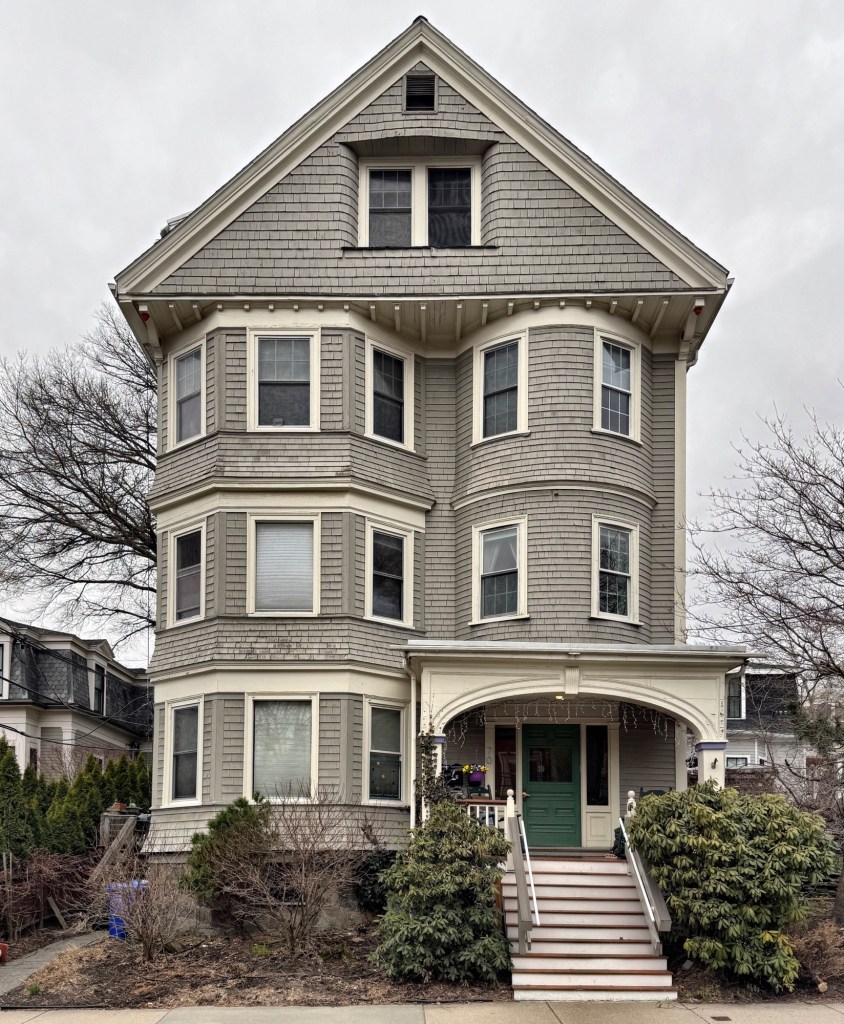
Effortlessly blending the Shingle and Queen Anne architectural styles, the Frank and Laura Carter House at 107 Ocean Street in Ashmont, Dorchester, Massachusetts, is one of the finest Victorian residences in the neighborhood. The house was designed by famed local architect Arthur Vinal, who also furnished plans for the Dorchester Temple Baptist Church nearby that same year. The house was built for Frank Carter (1859-1950), treasurer of the Bay State Belting Company, and his new wife, Laura. Special details on the house include the polygonal bay capped by pyramidal roof, belt-course of shingles breaking up the facades, and stunning two-bay eyebrow dormer facing the street with shingled returns.