Israel Snow House // c.1850

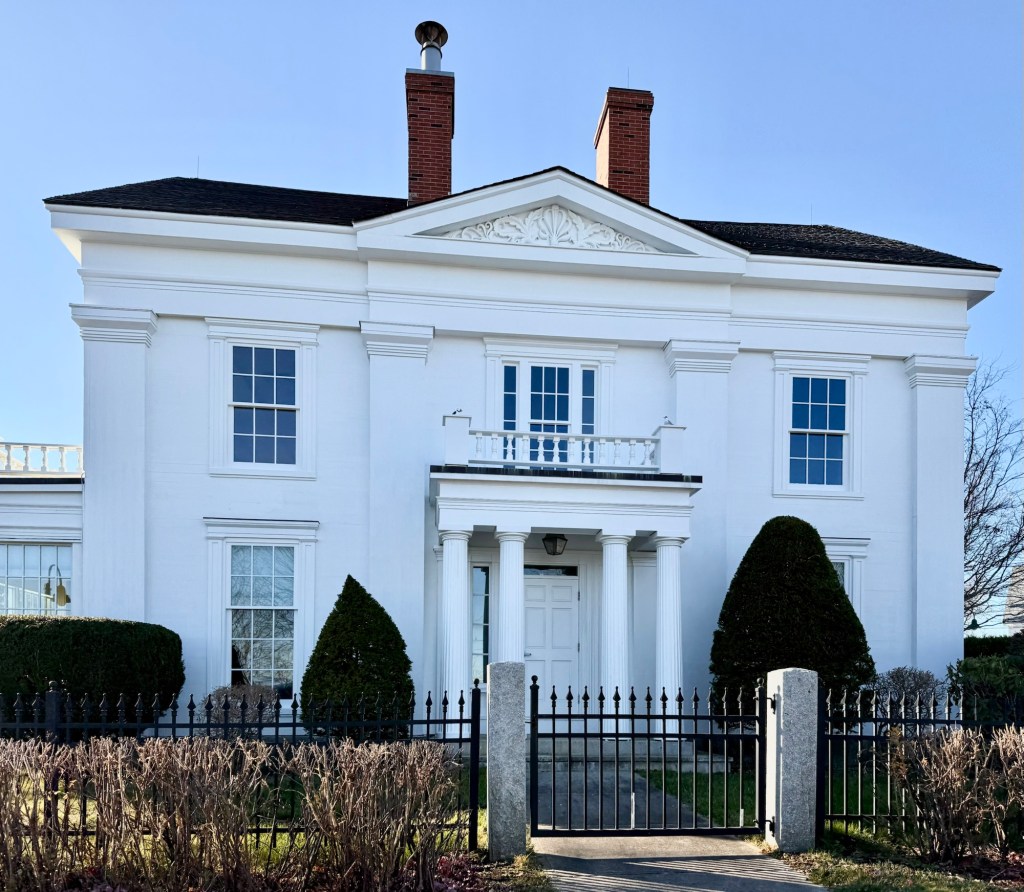
The Israel Snow House stands at 9 Water Street in the South End of Rockland, Maine, and it is one of the region’s finest examples of late Greek Revival architecture. The residence was built for Captain Israel Snow (1801-1875), a mariner and captain of several vessels, including the schooner Maria (1829), the brig Snow (1835-36), the brig Lucy Ann (1842), and the Barque Star (1848). In 1850, he and his wife Lucy moved from Thomaston to Rockland, and he would build this stately mansion where they raised seven children. Some records put the construction of this house at 1861, but that seems very late for such an example of this style. In 1863, he founded Snow’s Point Shipyard on Mechanic Street in the South End. Rockland was the fourth largest seaport in the United States in terms of production and commerce at the time, and Snow’s shipyard was a large part of that production. This residence is now offices to the U.S. Fish and Wildlife Service’s Maine Coastal Islands National Wildlife Refuge Complex.
William H. Glover House // 1873

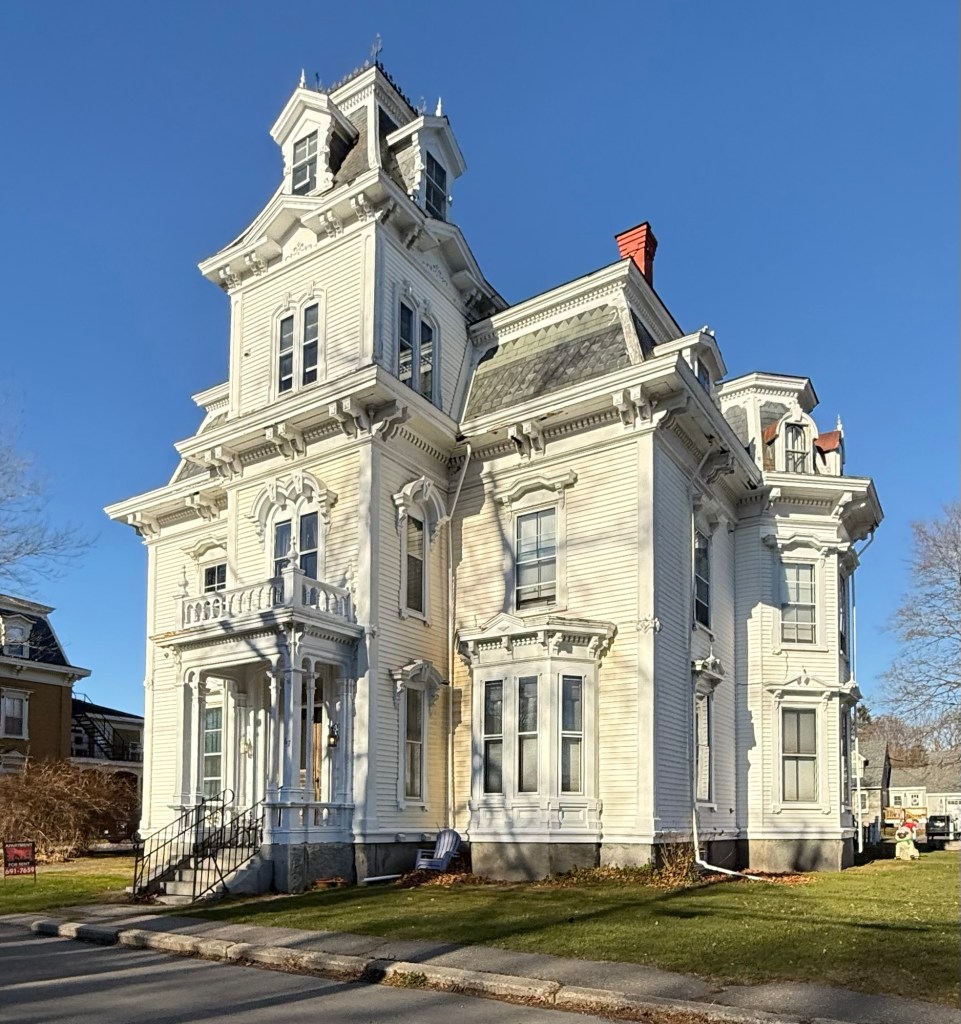
William Hurd Glover (1834-1910) was a prominent lumber dealer and builder in Rockland, Maine, and would built this house as his residence on Talbot Avenue. Mr. Glover hired architect Charles F. Douglas, to furnish the plans for the Second Empire style mansion. While covered in vinyl siding, the handsome residence features a slate mansard roof, central tower, delicate projecting portico over the entrance, and decorative window hoods and brackets. The house is one of the best examples of the style in Maine, even with the later siding.

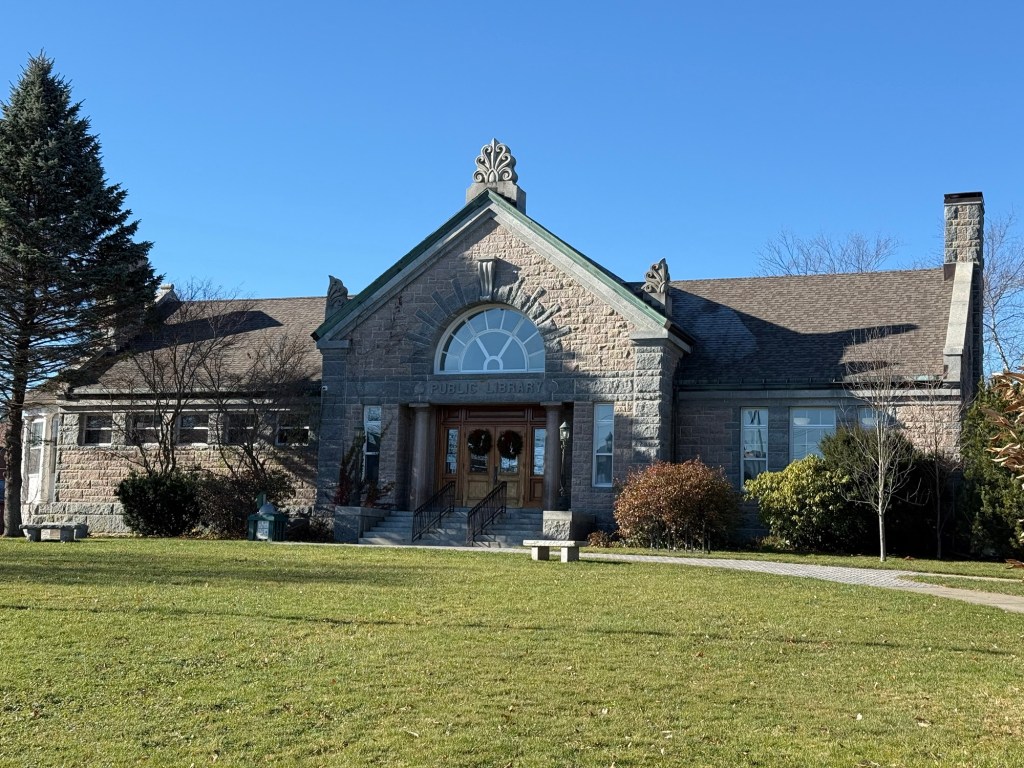
Rockland Public Library // 1903

The Rockland Public Library in Rockland, Maine, is an architecturally significant civic building that showcases the coastal town’s prosperity at the turn of the 20th century. The library was built in 1903–04, and was funded in part by a $20,000 grant from Andrew Carnegie. It is the city’s only major example of Beaux Arts architecture, a style that is also uncommon in the state. The library was designed by Maine native George Clough, who used granite quarried from nearby Vinalhaven in its construction. The building was later expanded by an addition at the rear, but from the street, the handsome Beaux Arts library looks near-identical as to when it was built over 120 years ago!

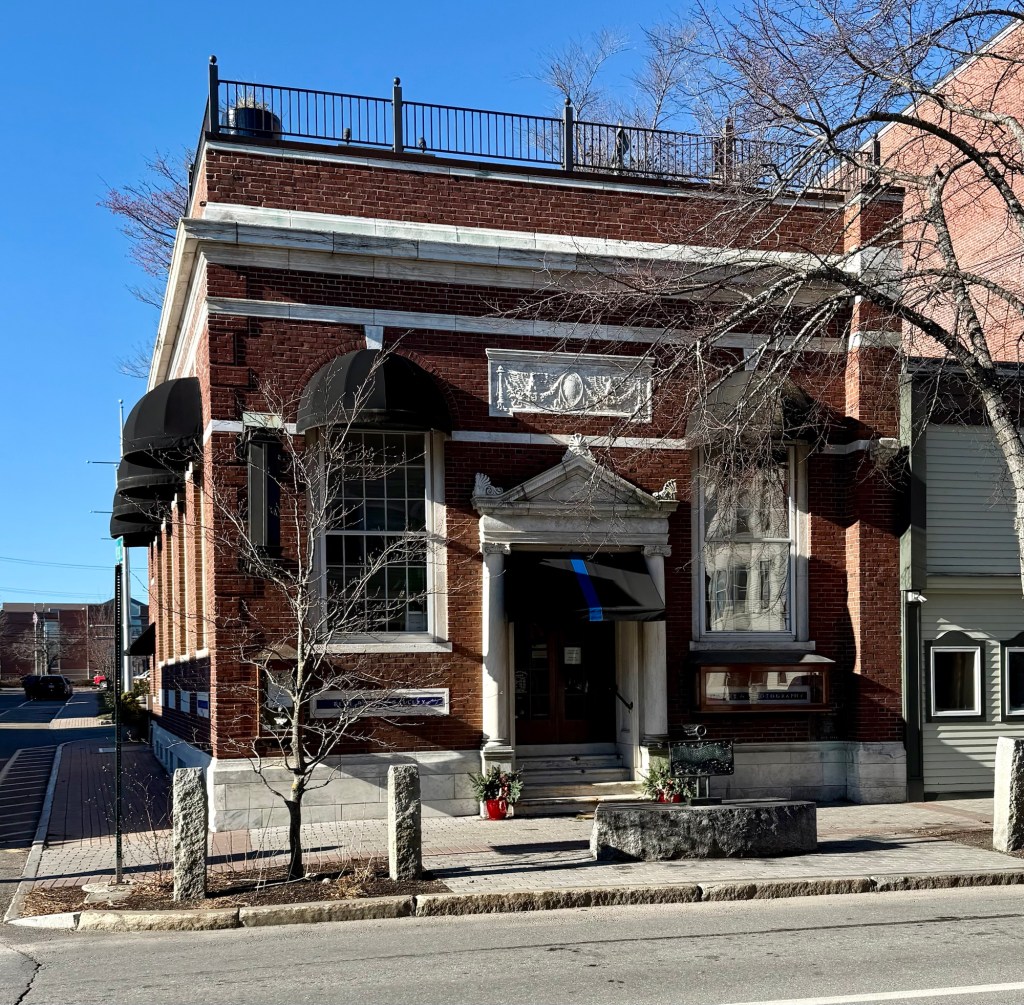
Rockland Security Trust Building // 1912

The Rockland Security Trust Building is a significant Colonial Revival style bank structure located on Main Street in Downtown Rockland, Maine. Built in 1912 from plans by Boston architect Richard Clipston Sturgis, the brick building is trimmed in marble, to provide a visual representation to the financial wealth and stability the bank could provide its clients. The bank closed and the building is presently occupied by an art gallery. Sadly, the rooftop deck railing takes away so much from the building’s presence.

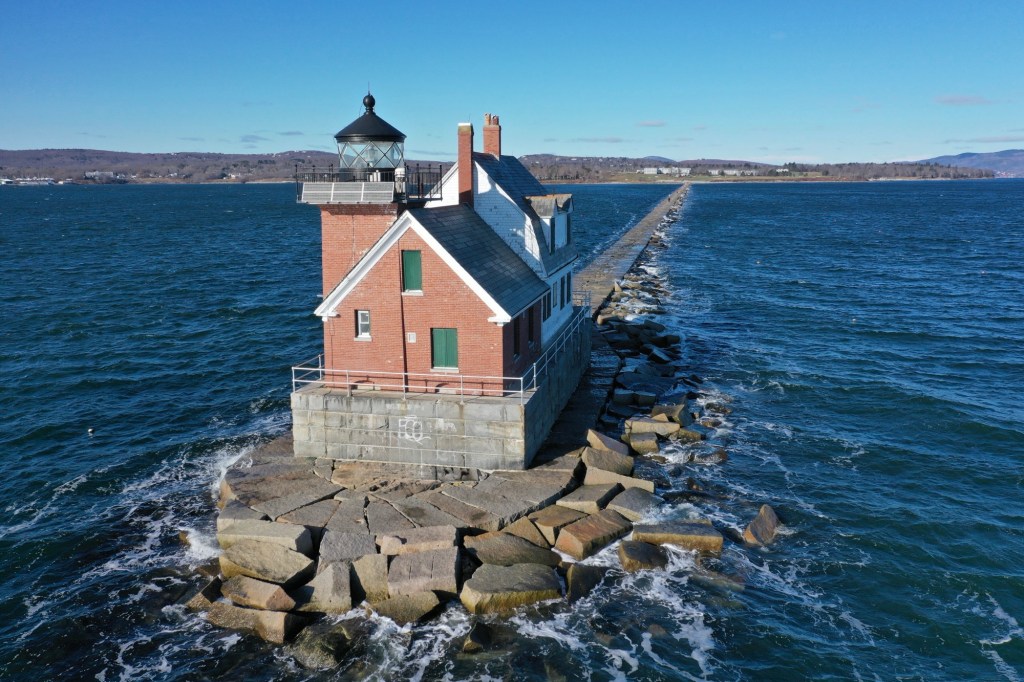
Rockland Harbor Breakwater Light // 1902

The Rockland Harbor Breakwater and Lighthouse is arguably the most iconic structure in the coastal town of Rockland, Maine. As Rockland was a major port and harbor, relying on the transportation of lime and shipbuilding for its economy, protecting the harbor was of paramount importance. Major storms in the 1850s highlighted the need for improved harbor protection, but federal appropriations for a breakwater were not approved until 1880. Between 1880 and 1900 the United States Army Corps of Engineers, under a series of Congressional appropriations, built the breakwater, a 4,364 foot long wall in the harbor built of locally quarried blocks of granite. It is truly a feat of engineering! The lighthouse standing at its end was added in 1902. The iconic breakwater is accessible by those who brave the crashing waves and distance to the end of the nearly mile-long walk out to the lighthouse. The structure is today maintained by volunteers and the City of Rockland.

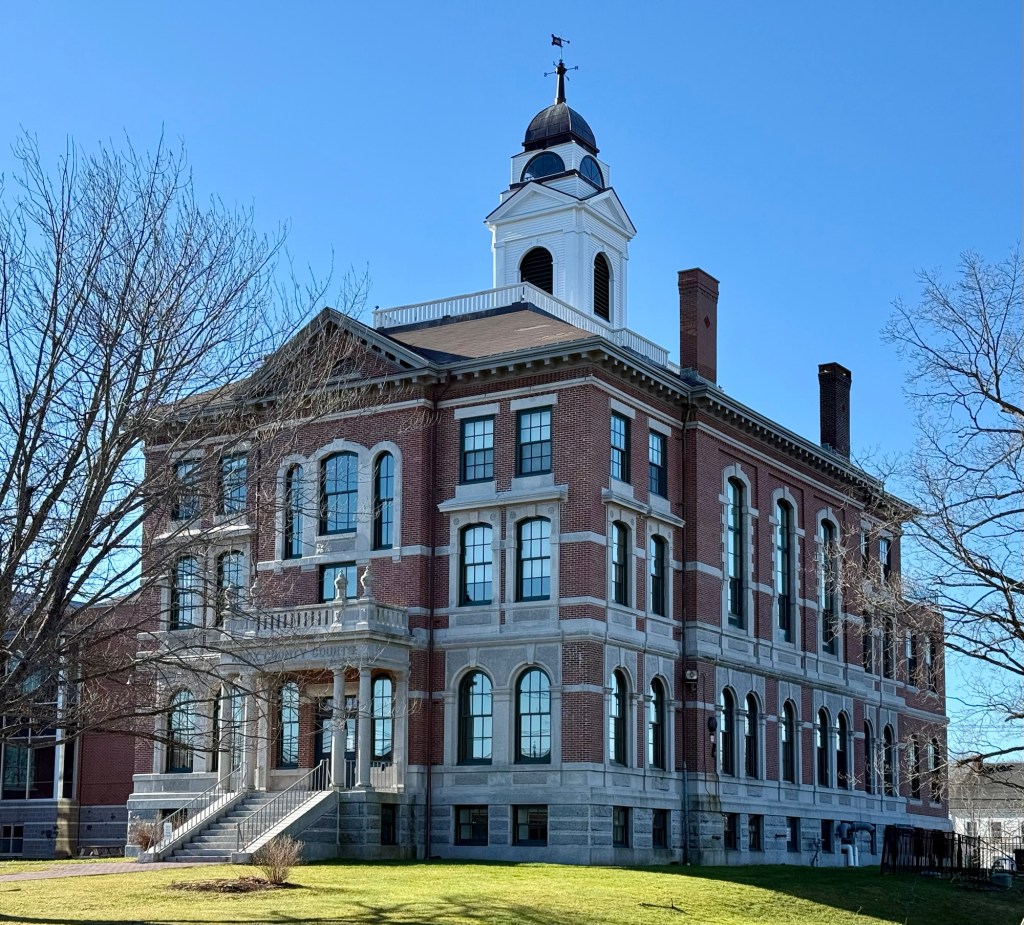
Knox County Courthouse // 1874

The Knox County Courthouse stands in Downtown Rockland, Maine, and is a landmark example of a Civic building constructed in the Italianate style. Knox County was separated from adjacent Lincoln County in 1860, with the coastal city of Rockland established as its county seat. For its first fifteen years, county offices were dispersed amongst buildings until in 1874 when the county retained Boston architect Gridley James Fox Bryant to design the present building. The building was constructed at a cost of $83,000, well over the anticipated $50,000 cost, and opened in 1875. The first floor accommodated all the county offices, with fireproof storage areas for records. The second floor was be taken up by the courtroom, and at either end were rooms for judges, jury and counsel.

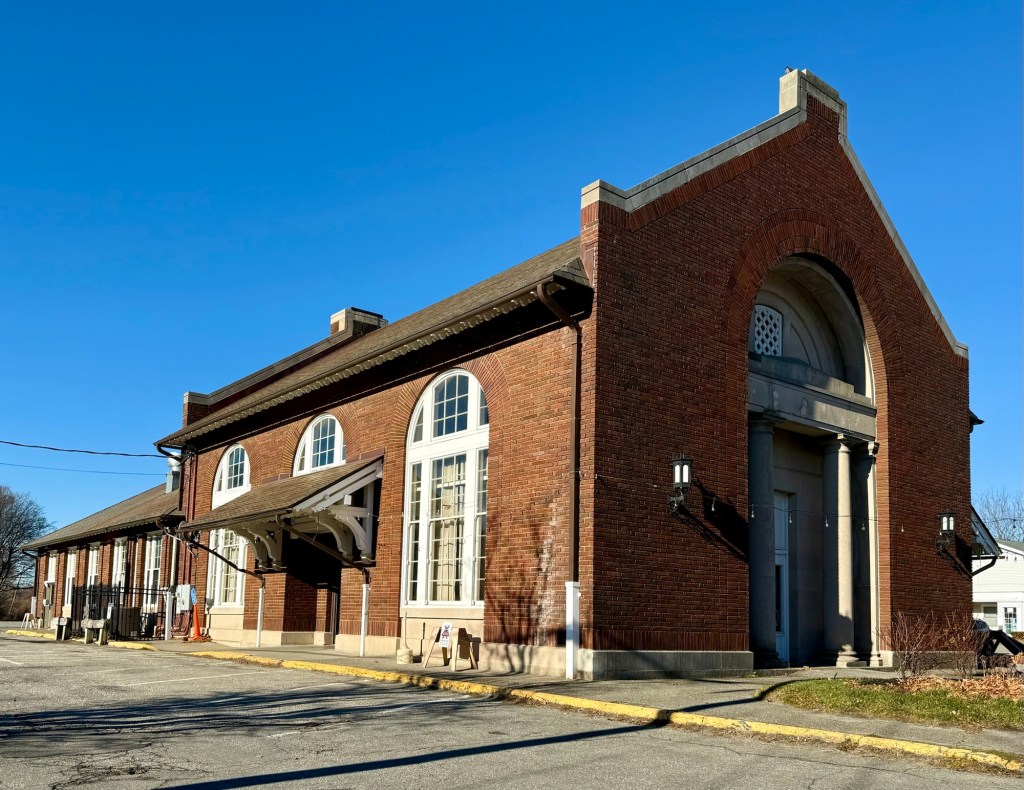
Rockland Railroad Station // 1917

Welcome to Rockland, Maine! Originally called Catawamteak by the Abenaki, meaning “great landing place”, Rockland was first settled by European settlers in In 1769 as a camp to produce oak staves and pine lumber. In 1777, when Thomaston was incorporated, present-day Rockland became a district called Shore village. In 1848, it was set off as the town of East Thomaston and renamed Rockland in 1850. The coastal community grew quickly as a shipbuilding and lime production center, with upwards of 300 vessels to transport the mineral to various ports in the country for the building of communities all down the coast. The opening of the Knox and Lincoln Railroad in 1871 brought an influx of tourists and businesses, creating a development boom for the community. The line was leased to the Maine Central Railroad in 1891, which took over ownership in 1901. The Rockland Railroad Station, seen here, was built in 1917, just before the government took over the railroads during World War IArchitects Coolidge and Shattuck designed the station in the Romanesque Revival style with the oversized arched openings at the windows and main entrance. The rise of the automobile industry would further harm rail service and usage, and the Rockland Branch officially closed in 1959. The old Rockland branch station operated as the Rockland Town Hall for decades and is now occupied by a local restaurant, Trackside Station.

All Soul’s Chapel, Poland Springs // 1912

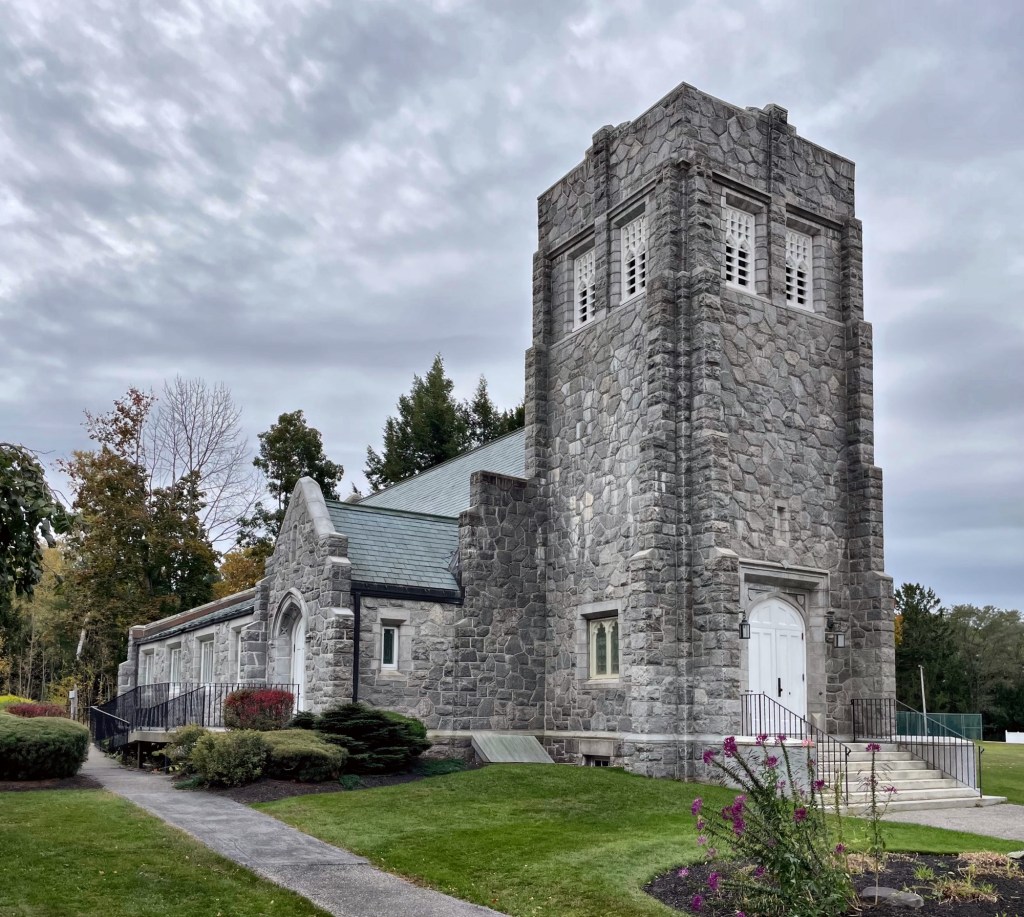
As part of the ever-growing Poland Springs Resort in Poland, Maine, the operators of the Poland Springs Hotel sought to erect a house of worship for guests and local community members. In 1909, fundraising had risen to total of $15,000 and that, along with a matching contribution by the Ricker Family, who owned the Poland Springs Resort, allowed for the hiring of an architect and the project to commence. Boston-area architect George Henri Desmond furnished the plans for the chapel, and were also hired by the Ricker family to complete plans for alterations to the Mt. Kineo House on Moosehead Lake during the same time period. All Souls Chapel is a Neo-Gothic Revival building constructed of irregular granite blocks with a gable roof covered with slate. It has a central tower with a flat parapet roof and a belfry with ornate louvered openings. The tower is square in plan and contains the principal entrance to the chapel. When the chapel was opened in 1912, it was opened as an interdenominational place of worship for use by Catholics and Protestants. Guests contributed much of the interior furnishings and all of the memorial hand-painted windows placed in the chapel were sponsored by guests or relatives of longtime guests. Today, the chapel hosts weddings, baptisms, and other similar events.

New Gloucester Town Hall // 1886

New Gloucester, Maine was established in 1736 under a Massachusetts Bay Colony grant of a 6-square-mile tract of land in the Maine Territory to sixty inhabitants from the Gloucester fishing village on Cape Ann. The first white settlers here built cabins in the forests in the 1740s, which were largely abandoned from 1744–1751 due to the heightened native tribe attacks during King George’s War. As the Native Americans gradually withdrew to Canada, the settlers moved out into their own newly built homes and the town has grown ever-since. New Gloucester was incorporated on March 8, 1774, and was named New Gloucester after Gloucester, Massachusetts, the native home of a large share of the early settlers, as Maine was still a territory of Massachusetts until 1820. Previous to 1886, the First Baptist Church was used for a town meeting house, but in that year the new Town Hall, this building, was dedicated. The building is Queen Anne in style with varied siding, applied ornament in the gable, with a more Classical portico at the entrance.

Pennell Institute Building – Gray Town Hall // 1886

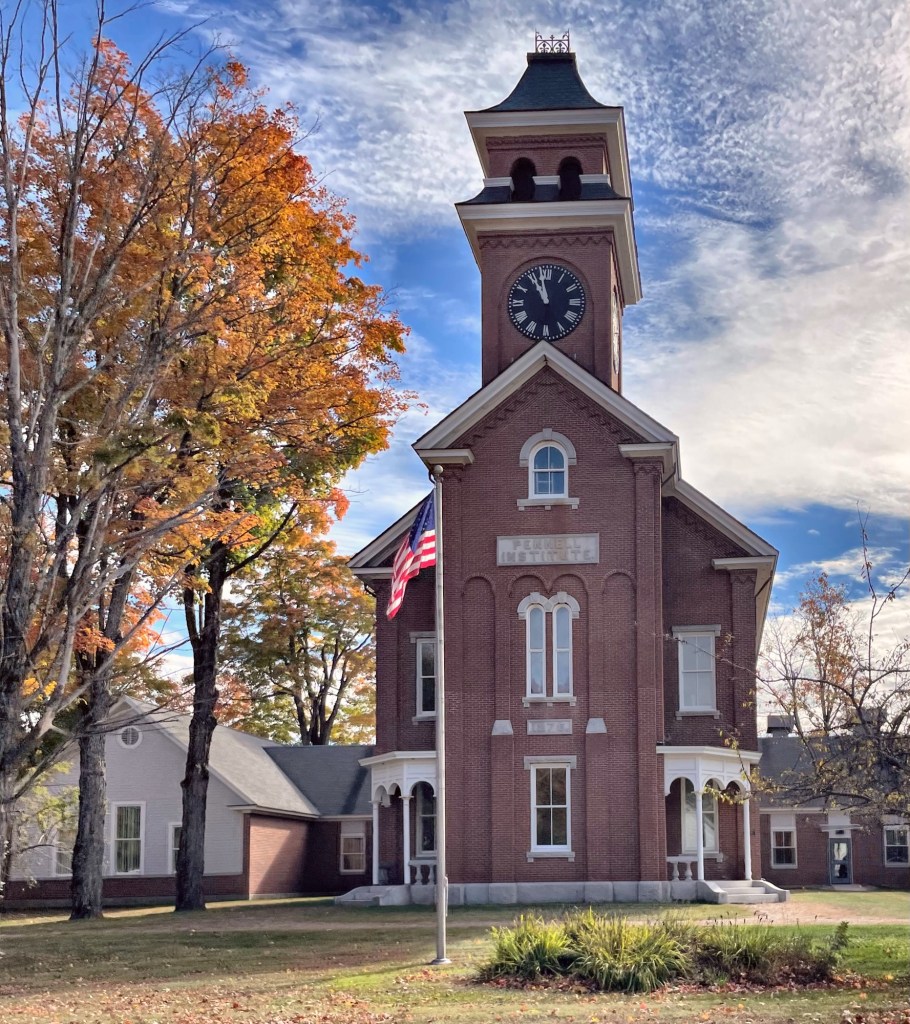
The Pennell Institute was built in 1886 as a privately funded, public school for the town of Gray, Maine. By 1870, Gray High School was located in the former Town Hall, and due to increased enrollment and ever-cramped quarters, demand for a standalone school was of grave importance. As a result, local resident Henry Pennell decided he would help his hometown. Henry Pennell (1803-1884) as a young man, worked as a butcher and traveled to Portland to sell his cuts of meat, later buying and selling livestock. After the Civil War, he dealt in real estate and mortgages, was sheriff of Cumberland County (1857-1858) and served in the State Senate (1872-1873), and became the richest man in the town of Gray. Mr. Pennell, who himself, never had received much formal education, saw the value in it for the youth of the town. Construction started on the school in 1876, where the foundation was laid, but it would take ten years until after the death and bequeathing of his estate in his will, that the building would be completed in 1886. Henry Pennell left the town the school building, the lot it stood on, a trust fund of $25,000 for the school’s general expenses, and a special fund of $5,000 for the library and for laboratory equipment and supplies. The school closed with students educated at a larger, modern building. After disputes between the Town of Gray and the local school district, the building has now been home to the Gray Town Hall, with the town clearly showing pride in their Italianate style building.