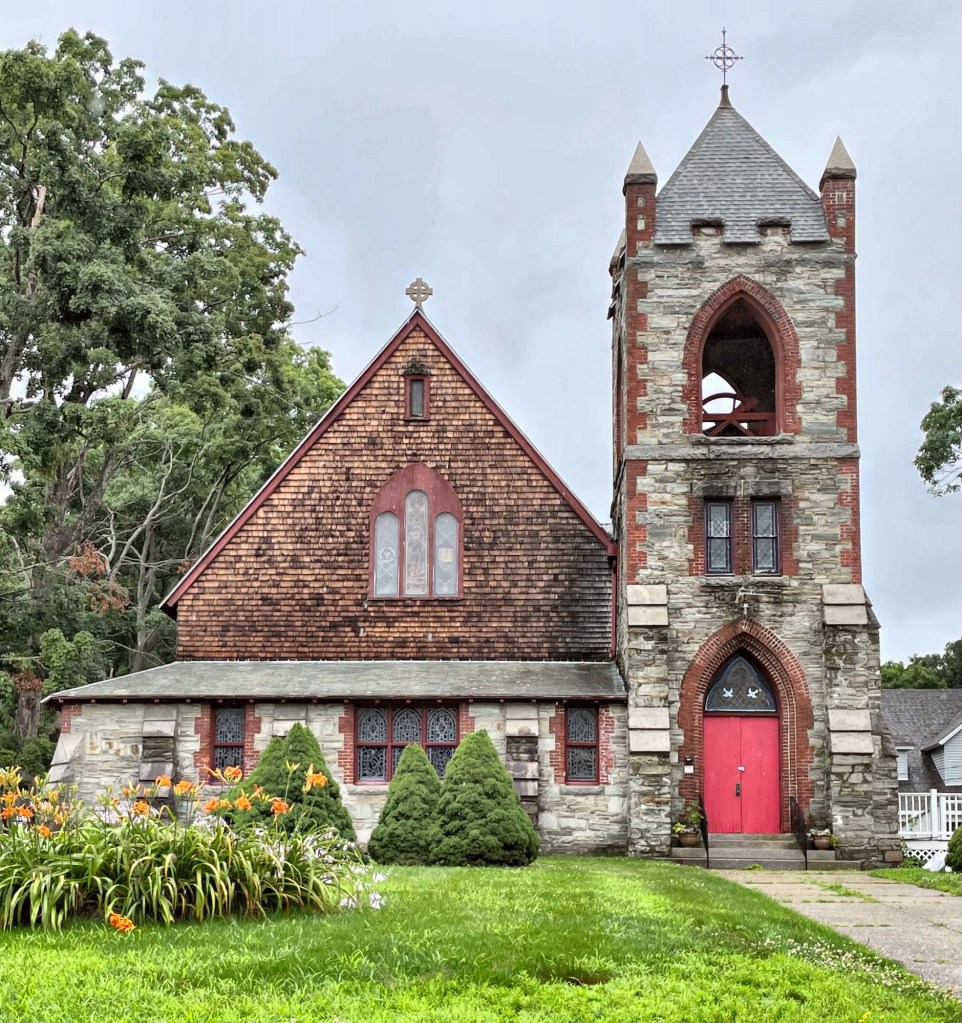
St. Alban’s Episcopal Church // 1891

Tucked away off Broad Street in the Danielson village of Killingly, Connecticut, you will find this charming and eclectic church building, long-occupied by the St. Alban´s Episcopal Church. Episcopalians began congregating in the town in the 1860s, and it would be in 1865, when an old academy building on this site was acquired and converted for use as an Episcopal church. By 1891, the relative prosperity of members of the church made it so a new church building was to be built on the site. Worcester-based architect Stephen C. Earle was hired to furnish plans for the new edifice which is eclectic with Victorian Gothic and Shingle style elements. The congregation appears to have either disbanded or merged with a nearby church as the building does not appear to be occupied. 
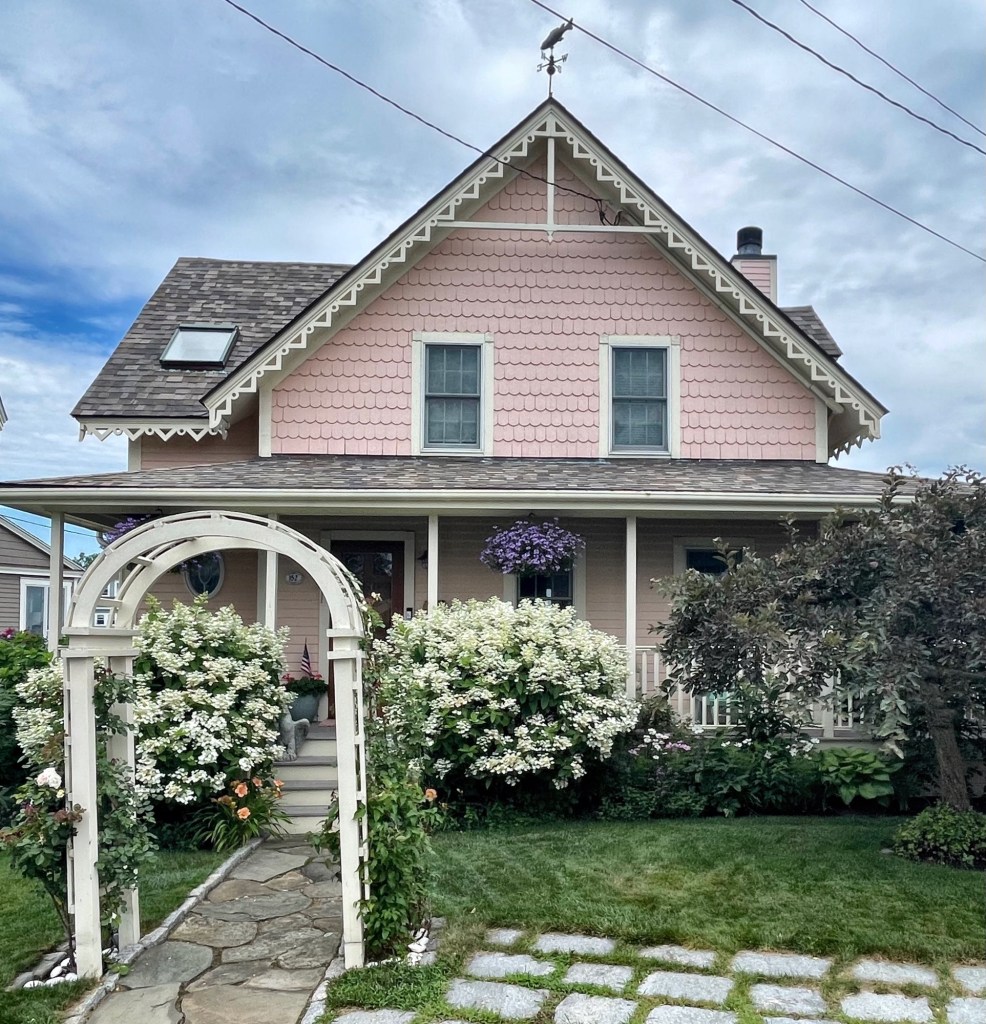
Joseph P. Allen Cottage // 1877

One of the most picturesque and charming summer cottages (now year-round residences) in the Salem Willows neighborhood in Salem, Massachusetts is this Victorian on Bay View Avenue. The cottage was built around 1877 for Joseph Pray Allen (1822-1897) who was a police officer who likely climbed the ranks in the force to afford a second home in the city. The 1 1/2-story cottage has decorative bargeboards at the eaves and stick bracket at the gable. Perfection!

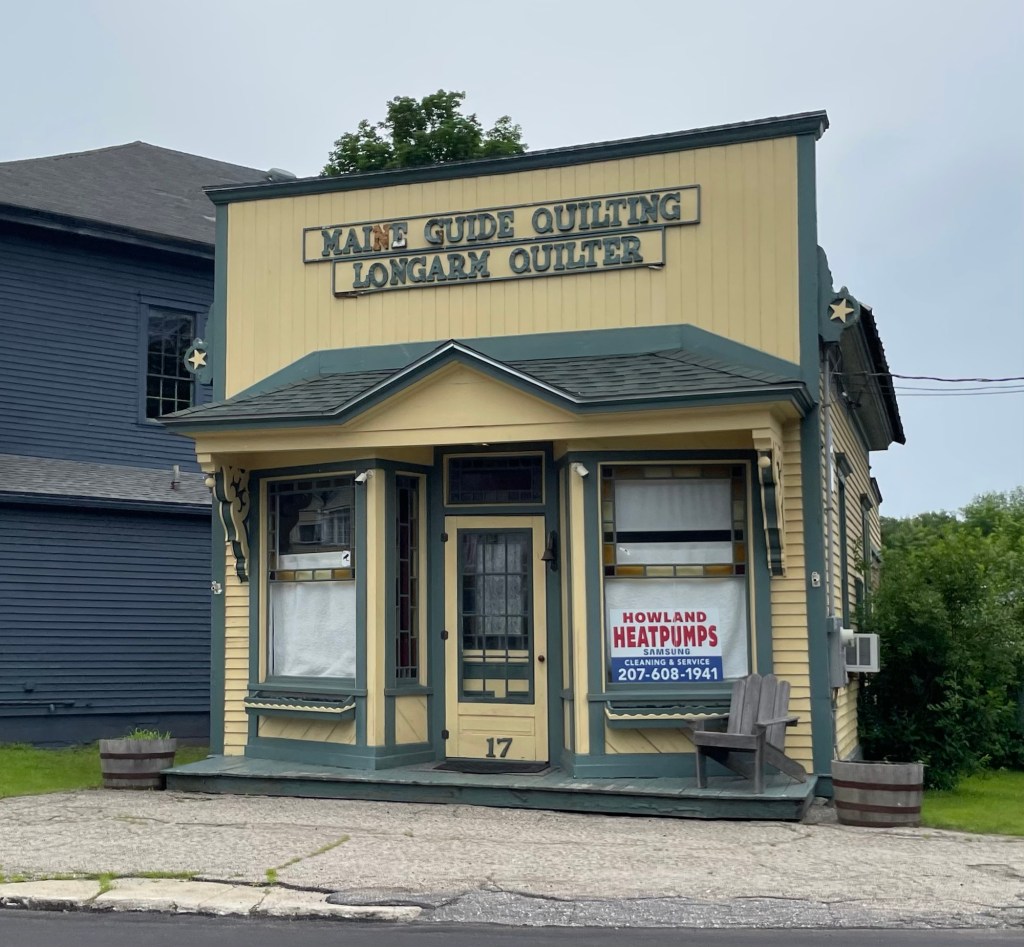
Ms. Perkins’ Millinery Shop // c.1890

This charming one-story shop sits on the Porter-side of Kezar Falls village, a district that spans the Ossipee River between Porter and Parsonsfield, Maine. This shop was built at the end of the 19th century as a millinery shop (womens’ hat store) for Ms. Florence Perkins (1862-1950), who appears to have been unmarried all of her life. Retaining almost all of its original decorative detail, the building has a symmetrically arranged facade with two-sided projecting bays; the upper sash in the facade windows, including that in the entrance door, has a border of small rectangular colored glass panels. The storefront is a rare survivor of this period, with not many other examples in the area.

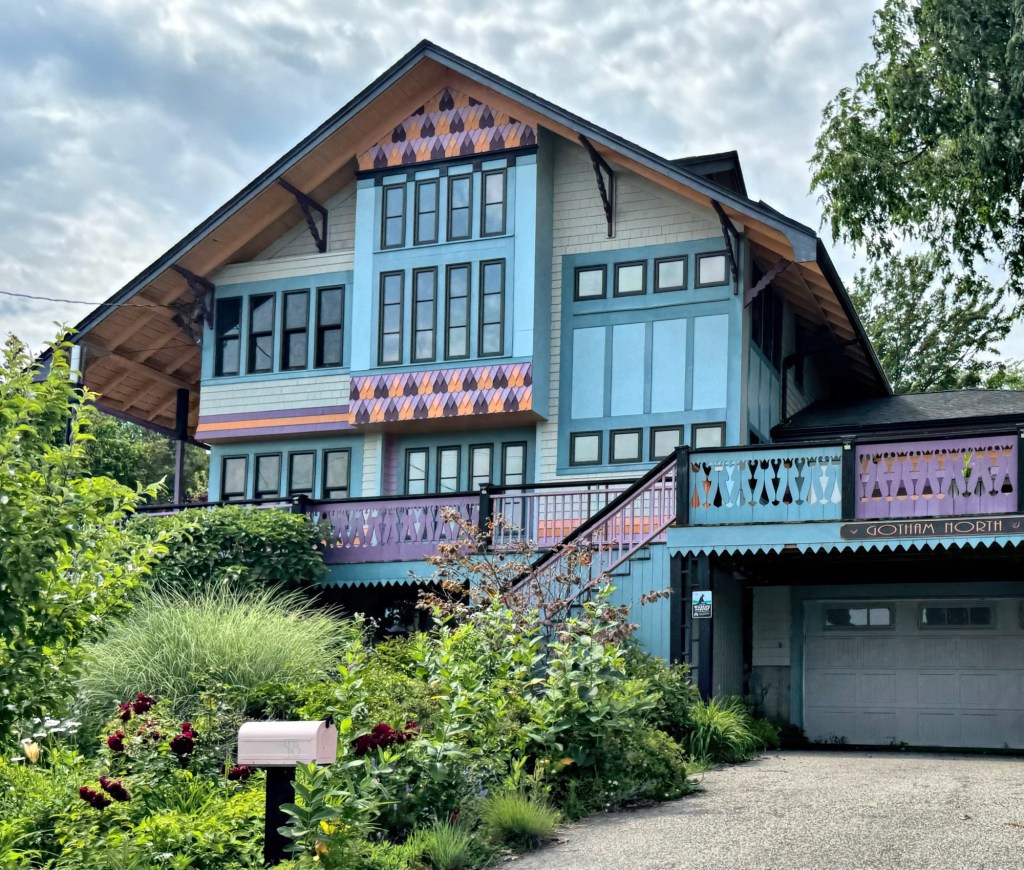
George N. Faught Chalet // c. 1890

The most unique house in Hull, Massachusetts is this stunning (and rare) example of a Swiss Chalet, located on Vautrinot Avenue in the fashionable Hull Hill neighborhood, which is dominated by late-19th century summer cottages. The earliest owner of the house was George N. Faught (1831-1915), an artist and tailor who moved to Boston from Maine. George went into the tailoring business in Boston and did well for himself, eventually building (and possibly designing) this summer home for himself in Hull. Mr. Faught died in 1915 in his bed in Boston, and this property was sold at auction in 1917. After some insensitive alterations in the 20th century, the property was sold in 2011. The later owners restored much of the house, while modernizing it to meet their needs. It is a showstopper!

The house is privately owned and not open for tours.

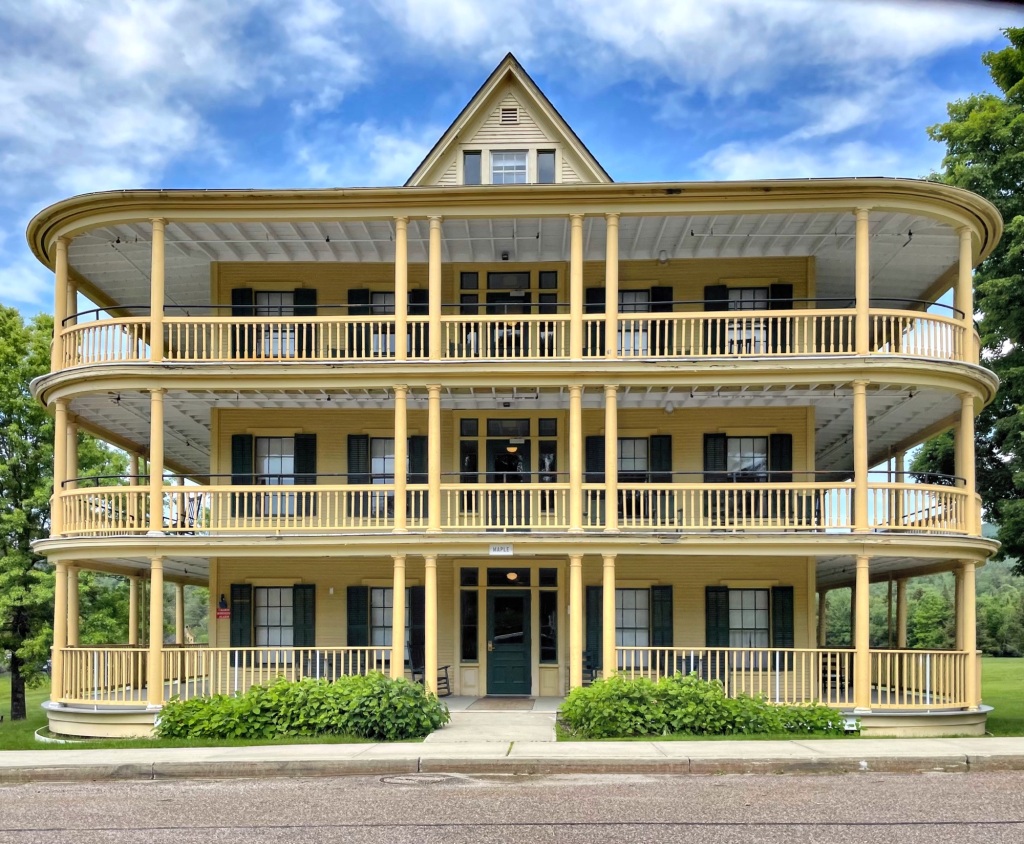
Bread Loaf Campus – Maple Cottage // c.1900

Welcome back to the Bread Loaf Campus! For more early history and context of the complex, check out the post on the Bread Loaf Inn. By 1900, owner Joseph Battell’s enterprise exceeded the capacity of the original inn, and cottages were added to accommodate more guests visiting his new permanent home in the mountains of Ripton, Vermont. Located adjacent to the Mansard-roofed Birch Cottage, one of the most visually striking buildings in the campus is Maple Cottage, which reads more porch than cottage, but it’s 100% perfect. It was the last cottage built by Battell for his family and friends to stay at when visiting. They must have loved evenings on the three-floors of porches looking out over the Green Mountains.

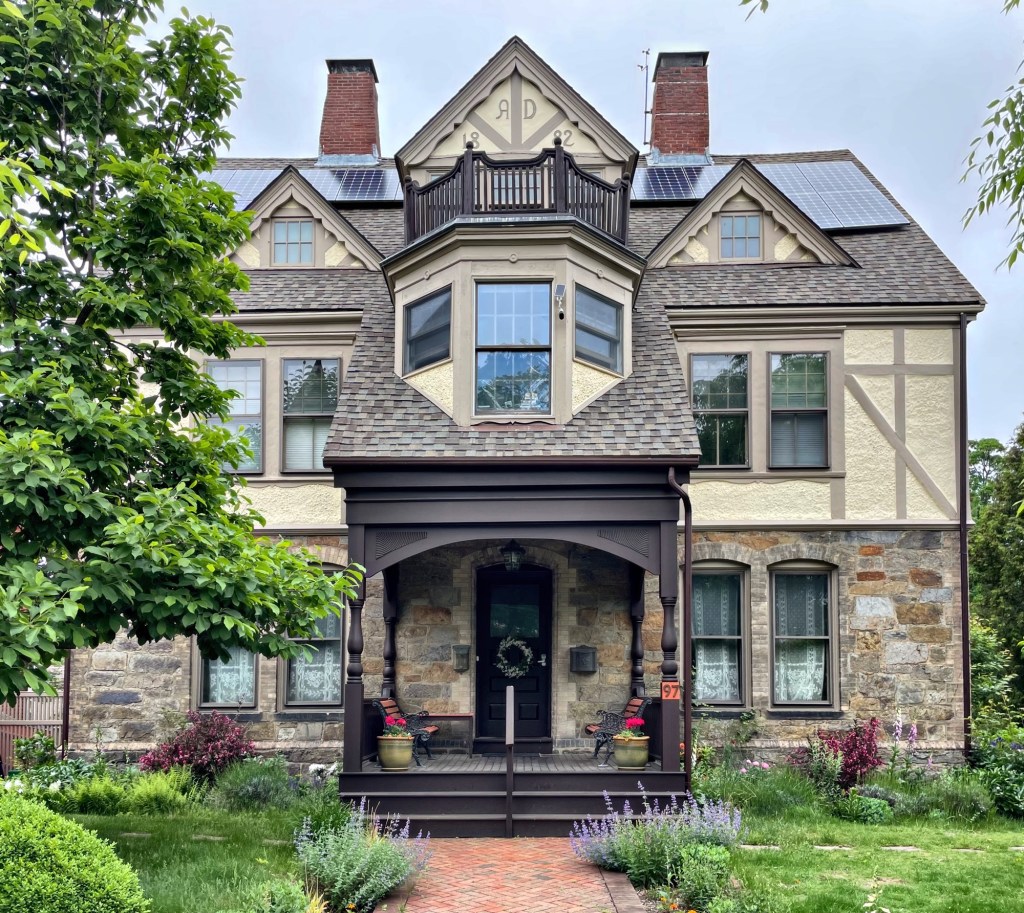
Henry S. Chase House // c.1882

One of the many “hidden” gems of old houses in Brookline is this charmer on Francis Street, just west of the Longwood district. The residence was built by 1882, by Henry Savage Chase (1825-1885) who lived in a larger stone mansion across St. Paul Street (no longer extant). This house was rented out by Chase, possibly to friends and remained in the family for decades. This early Queen Anne style dwelling (and likely the main house) was designed by architect Edgar Allen Poe Newcomb, a relatively unknown architect of the period. The house has an irregular plan with varied siding and materials, with applied ornament that has survived intact for nearly 150 years.

Potter-Leland House // c.1888

Francis Street in Brookline, Massachusetts, has some of the finest Queen Anne Victorian residences in the Boston area. This is the Potter-Leland House, built by 1888 by William Potter, a wealthy shoe manufacturer and businessman who developed rental housing in the neighborhood not far from his house on Kent Street. He built this just before the larger Queen Anne duplex was built nextdoor from plans by Rand & Taylor, architects, and it was rented out as a single-family income-producing property. Various exterior wall textures, irregular massing, and turned supports on the front porch contribute to the Queen Anne character of this house, but the real showstopper is the rounded bay projection with three, 25-over-1 (yes you heard that right) curved sash windows! The property was later purchased by Herbert M. Leland, a broker.

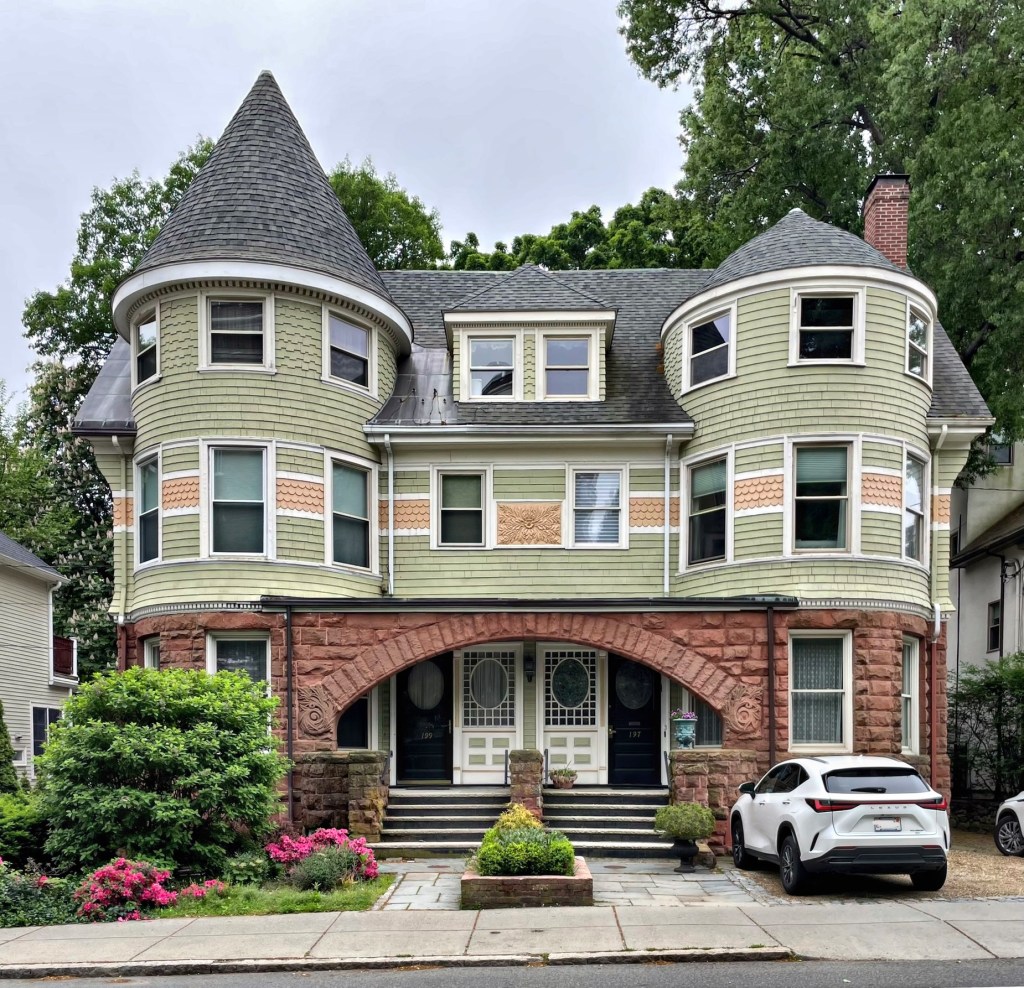
Webber Duplex // c.1890

In the late 19th century, the Longwood section of Brookline, saw a second surge of development when larger pieces of land were sold by heirs of the original developers. On the lot across from the Longwood Towers and near the Longwood rail station, Maine-born lumber dealer, John Prescott Webber, built this two-family residence and rented it out for supplemental income. Webber lived in a large home on Beacon Street while renting this and other properties in town to middle-class commuters to Boston. The Queen Anne style residence exhibits a unique rusticated stone first floor with wide arched entry with Richardsonian Romanesque carved detailing.

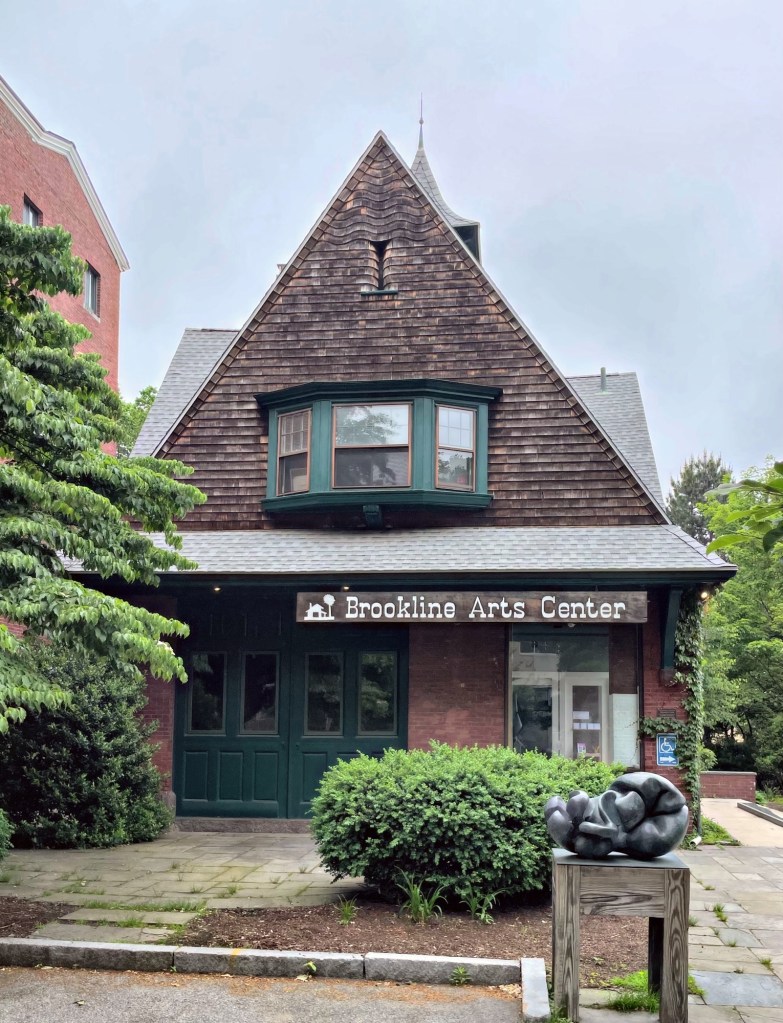
Brookline Arts Center – Former Fire Station // 1886

The Longwood area of Brookline, Massachusetts, is among my favorite neighborhoods to stroll and admire great old buildings. The area is home to many grand houses, churches and later high-style apartment buildings but this diminutive building is often overlooked at the edge of the neighborhood! The structure was erected in 1886 by the Town of Brookline as a new Chemical Engine House. The locally renowned architectural partnership of Peabody and Stearns designed the Shingle style fire station for the town, an important hire as the surrounding neighborhood was dominated by stately old homes in a suburban setting. Eventually, in 1965, the firehouse was closed and in 1968, the Brookline Arts Center renovated the building, where their programs have been continuously based in the years since. The brick and shingle building is maintained by the non-profit, preserving a significant piece of the town’s history for the public to enjoy!

Old Chaplin Public Library // 1911

In his will, lifelong Chaplin, Connecticut resident William Ross (1833-1908) bequeathed his hometown funds to erect its first purpose-built public library. As planning began, his widow, Emily Jones Ross donated even more to fund a building fitting of her late husband. The Queen Anne/Romanesque Revival style library is built of pressed brick with granite trim and features a prominent rounded corner bay of cedar shingles. The masonry work was done by George E. Snow but I could not locate the architect. The town outgrew the library and moved it into a new building nearby, selling the William Ross Public Library to a private owner, who appears to be renovating it now.