Newfane Inn // 1787

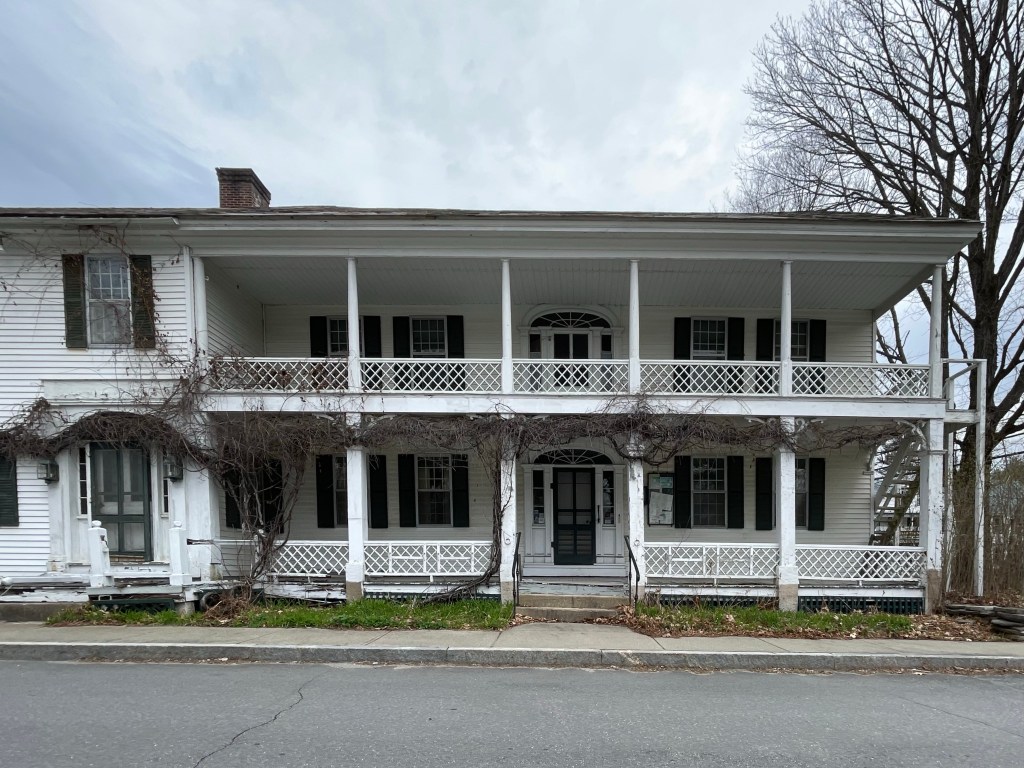
Originally constructed in 1787 on Newfane Hill, the main block of this historic inn was moved in 1825 for owner Anthony Jones, to its present site overlooking the Common in Newfane, Vermont. The Federal style building was oriented towards the main street, with its length extending along the town common. The inn was a busy stop for lawyers and judges who worked at the courthouse across the street. Porches were added likely in the early 20th century. After a period of neglect, the inn was restored by decorator Christoph Stumpe Castou, and later sold. The inn was run for 42 years in the second half of the 20th century by Eric and Gundela Weindl, a couple who were both from Germany, yet met at Stratton Mountain in Vermont in 1963, marrying in 1968. They operated the inn until 2011.

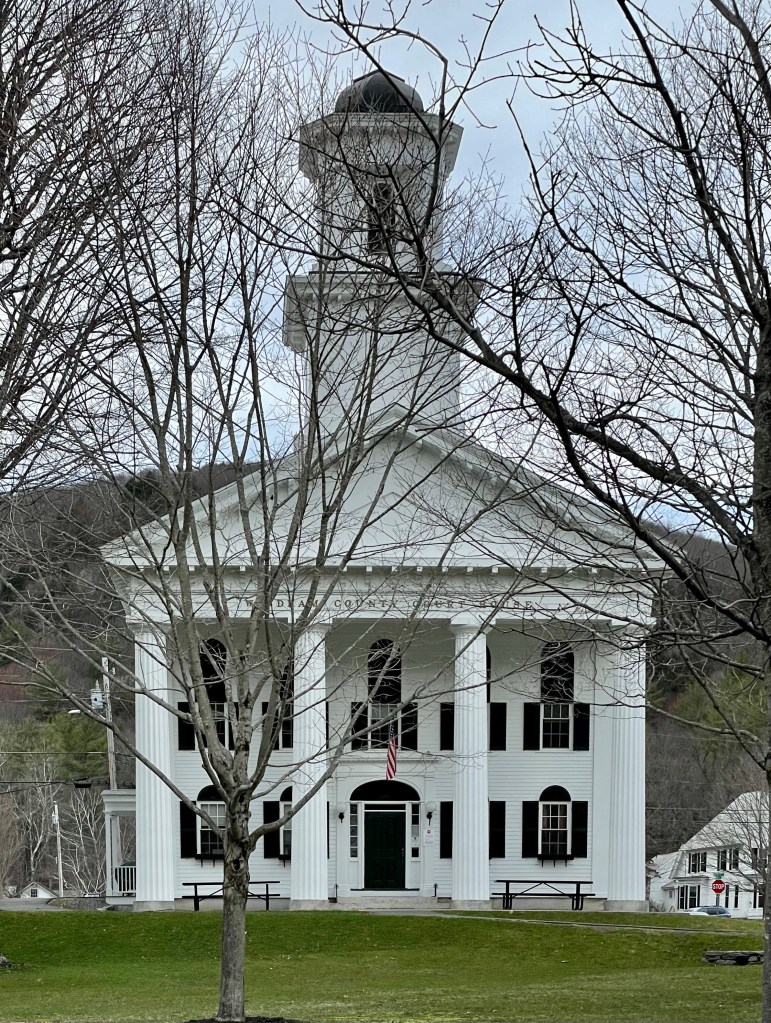
Windham County Courthouse // 1825

When the Windham County courts were transferred from Westminster in 1787, they were housed in the village known as Newfane on the Hill. Four decades later, influential residents convinced their townsmen to shift the village down to their land in a flat part of town, a location better suited for waterpower and commerce and ease of travel in the winter months. The first two buildings constructed were the courthouse and jail on a common. The village center grew rapidly as people moved old buildings down the hill and remodeled them or built anew, establishing a particularly unified townscape. This courthouse building is very stately for such a small town and packs an architectural punch. The two-story building is capped with a belfry and was designed in the Federal style with fan motifs over the windows and door. In the 1850s, nearby Brattleboro tried to usurp Newfane’s county seat status, so they in turn expanded the courthouse, raising the ceiling on the upper floor and adding the monumental Doric portico and pediment to give the building a decidedly Greek Revival appearance.

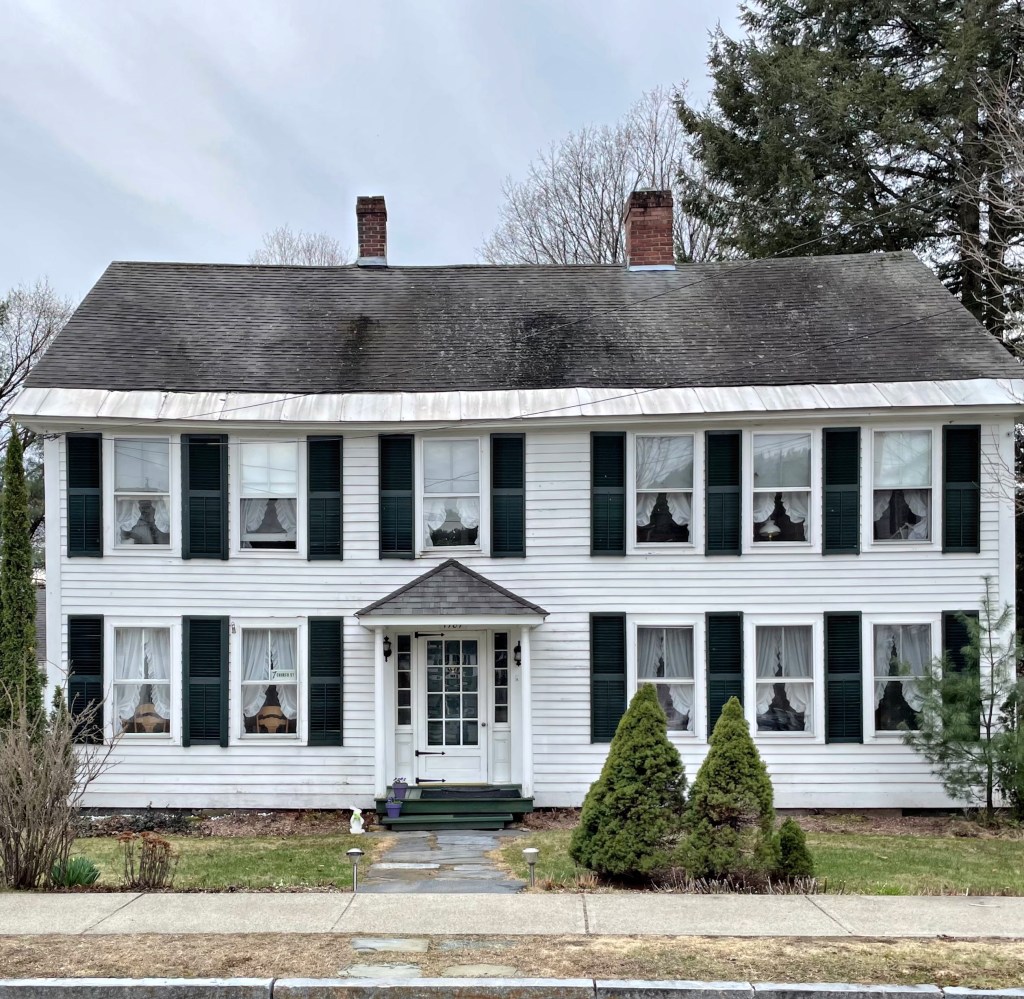
Old Windham County Jail – Jones House // 1787

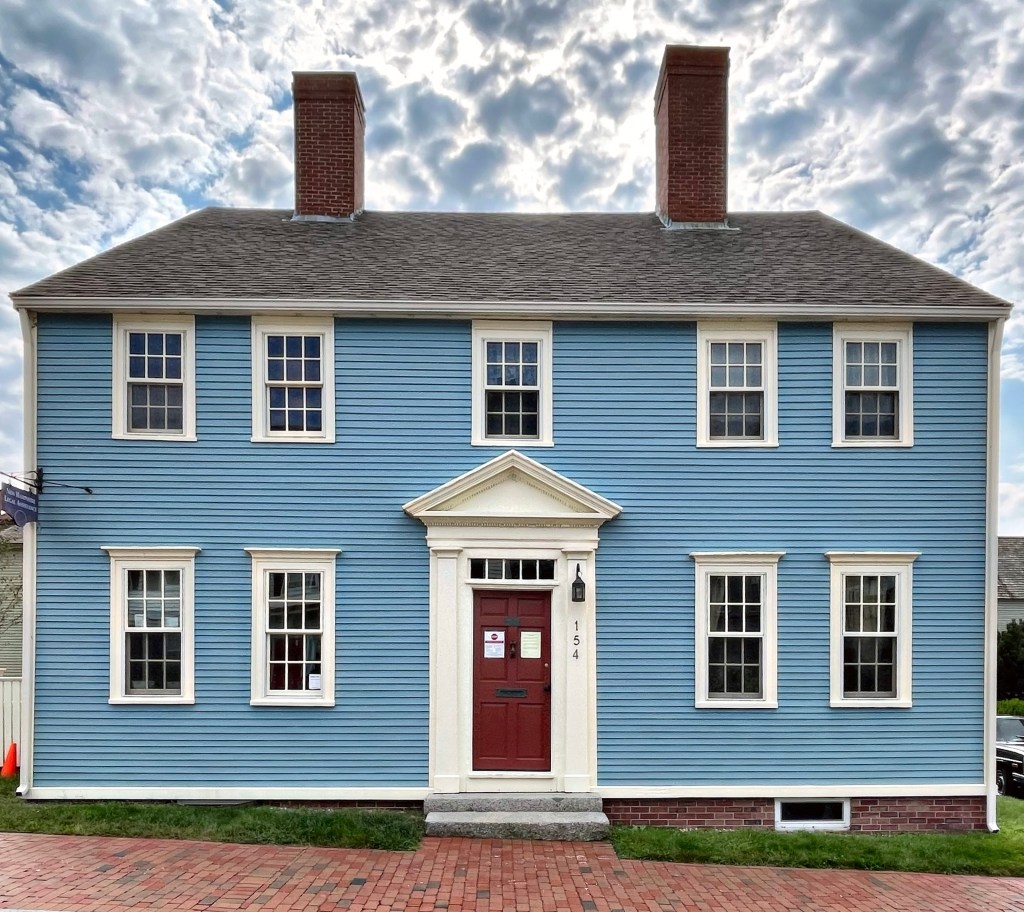
Among the earliest buildings in Newfane, this plain two-and-a-half-story, wood-framed and clapboarded gable-roofed house was constructed on its original site on Newfane Hill in 1787 to serve as the county jail. When the residents in town found that living on a hill in winter was less than ideal, much of the town relocated to the flat of town. In 1825, this building was dismantled and moved to its present site. With a new jail being built already, this building was reconstructed as the residence of Anthony Jones, an early resident and businessman. During the middle decades of the century (c.1840-1880), the house served as the Congregational Parsonage for the adjacent church.

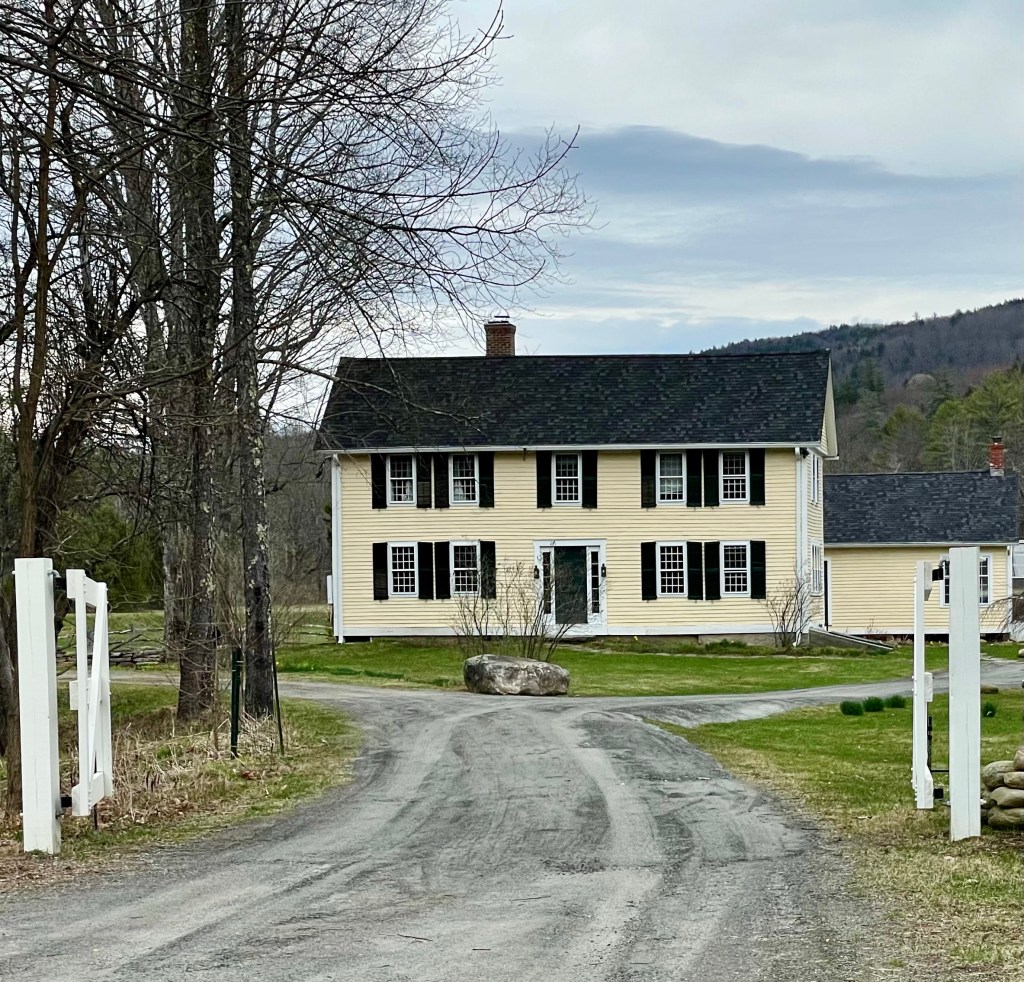
Codding’s Tavern // c.1810

In the earliest part of the nineteenth century of sleepy Brookline, Vermont, the town saw its largest population until 2010. As a result, churches, schools and homes were built to serve the townspeople. Joel and Susan Codding seemingly had this house built in the early decades of the 1800s and operated it as a tavern. With a shrinking population, the tavern must have struggled. The Codding House saw new life in the early 1900s when it served as a boarding house for laborers of a nearby saw mill. Today, the old Codding’s Tavern stands in a great state of preservation as an early home in rural Brookline, VT.

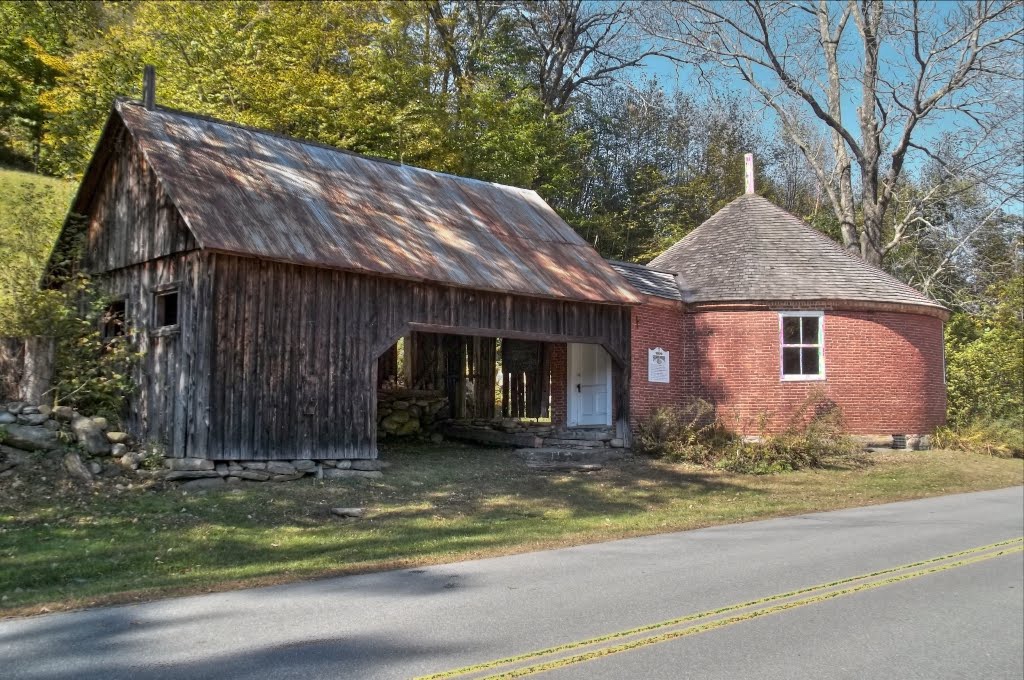
Brookline Round Schoolhouse // 1822

Historic schoolhouses in rural New England are often one-room wood-frame buildings, but not in Brookline, Vermont! The Brookline Round Schoolhouse is constructed of brick and… you guessed it, ROUND! The iconic building sits on the same road as the Baptist Church in town (last post) and likely built from bricks made at the same brickyard. The school was built in 1822 to replace a log school house originally built nearby. The plan for the round design was apparently made by Dr. John Wilson. Wilson, known as “Thunderbolt”, was reputed to have been a robber and highway-man who came from Scotland to escape punishment. He eventually settled in Vermont and had many occupations but settled on saying he was a doctor and began practicing. He eventually took up teaching and somehow convinced the town he should design the new school building. Local legend asserts that Wilson designed the school house round so that he could see from any position, all possible intruders. At the interior, the single-room originally contained sixty oak benches and desks arranged in a circular position facing a teacher’s desk near the door. The building is capped by a conical wood shingle roof, which appears in great condition. The structure functioned as a school until 1929, when a new school was built which conformed to state codes. At this time the round school was turned over to the town for use as a Town Hall, a use it held until the 1980s.

Czar Jones House // c.1787

Czar Jones (1789-1869), a woodworker and a justice of the peace, served in the War of 1812 and later was a partner in the local carriage manufacturing company in Ridgefield, CT. Jones bought a circa 1787 house on Main Street in 1818 and modernized it to serve as his family’s residence. The modest late-Georgian house was updated in the Federal style. Not long after Czar’s death (his only wife died 1851) the home was then purchased by New York City publisher, Albert H. Storer and his wife Sophie, the latter was the founder and first president of the local Ridgefield Garden Club. The couple divorced in 1915, and Sophie moved to Europe before remarrying and settling in California. The home that was intended as a summer getaway for the family, became Mr. Storer’s primary residence as he remained in Ridgefield with his son Francis, daughter-in-law, and grandchildren, until his death in 1933.

Captain George Benson House // 1797

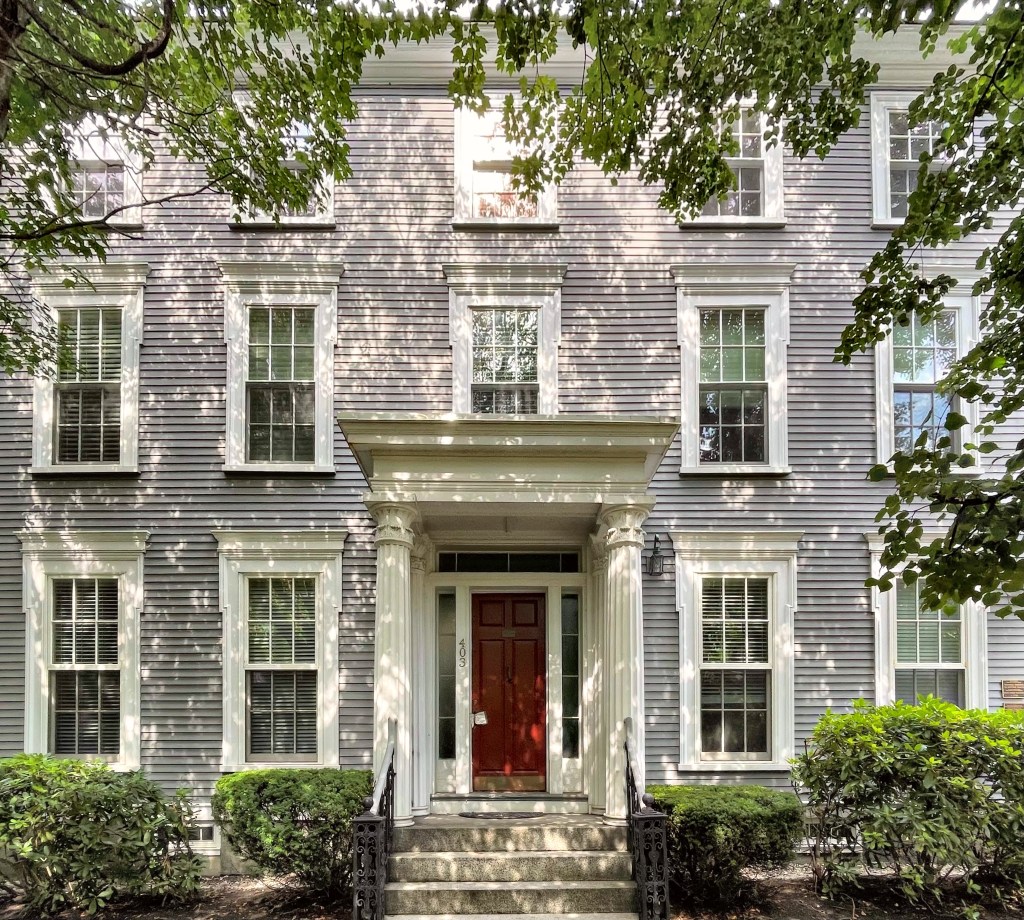
One of the finest Federal period mansions in Providence is this well-sited home on College Hill known as the Captain George Benson House. George Benson was a partner of the mercantile firm of Brown, Benson & Ives, who made immense sums of money at the end of the 18th century. The firm did well as the movement to abolish the transatlantic slave trade grew at the time in Rhode Island, many abolitionists placed their faith in so-called “legitimate commerce,” an African trade centered on commodities other than enslaved people. In 1794, the firm run by Nicholas Brown, Jr., and his partners George Benson and Thomas Ives, tried the legitimate trade, and dispatched the ship Charlotte to Freetown Africa, under the command of Benson’s half brother, Martin. George’s half-brother Martin was a slave trader, a job that may have accounted for the unusually explicit tone in a 1794 letter of instructions: “by no means take any Slaves on board the Ship on any terms whatever as we desire to have nothing to do with business.” Three years later, George had this Federal style mansion constructed on the peak of College Hill which remains one of the best in the area over 200 years later.

Pardon Miller House // 1822

Pardon Miller, a watchmaker and silversmith in Providence had this Federal style home built in 1822 in Providence’s high-value College Hill neighborhood when he was in his 20s. The home and its neighbor were built at the same time, seemingly by the same builder as they share a lot of similarities in design and detailing. The house remained in the Miller Family until 1882, and it is now owned by the Rhode Island School of Design (RISD). The homes on the northern side of Angell Street, like this house, are largely built on a raised foundation with high retaining walls, which showcases the “hill” in College Hill.

Jonathan Congdon House // 1818

Jonathan Congdon (1763-1862) worked in the hardware and iron business, following his father’s footsteps, eventually taking over the family business. Jonathan married Elizabeth Arnold and had at least nine children together. Two of their sons, Arnold and Welcome, too followed in the family business, as ironworkers and salesmen, with the new firm name, Jonathan Congdon & Sons. The company did well, and Jonathan replaced his c.1787 home on the lot (built at the time of his marriage) with the present structure. He also laid out a street on the side of the property, which was named Congdon Street. The home remained in the Congdon Family until 1937, when it was acquired by the Rhode Island School of Design (RISD).

Samuel Eddy House // 1797

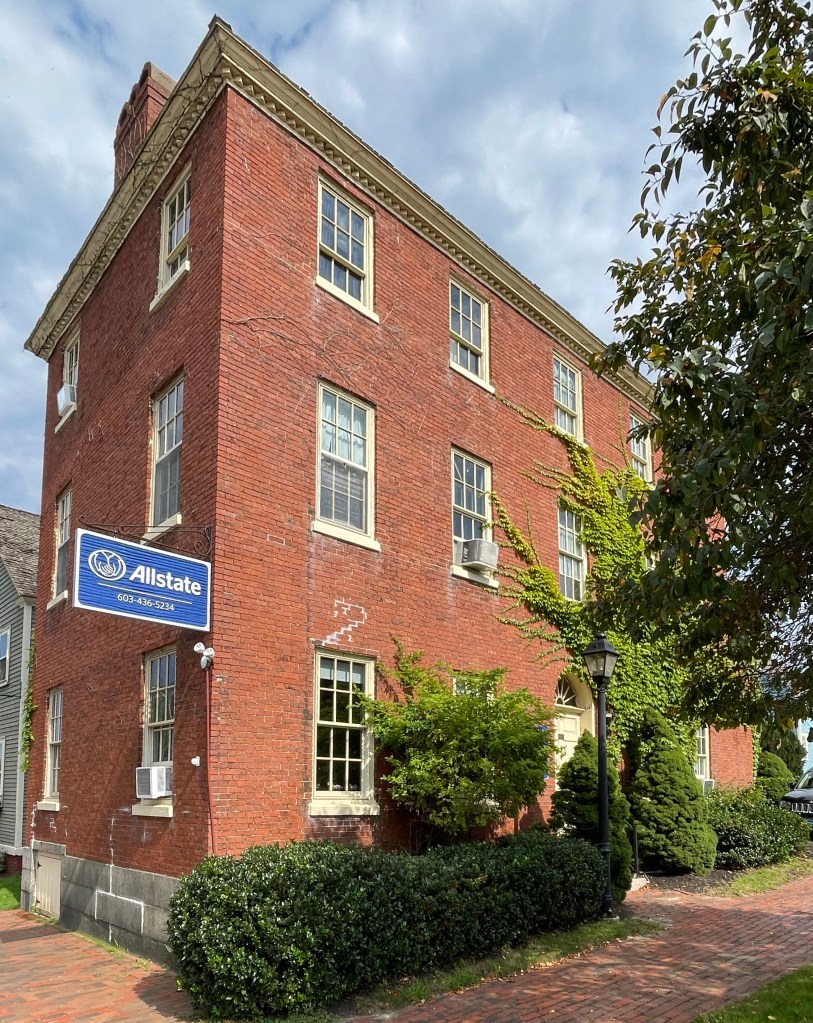
Located next door to the William Holroyd House (last post) in Providence’s College Hill neighborhood, this Federal style home appears to have been constructed by the same builder just a year apart, but in brick! This house was constructed in 1797 for Samuel Eddy, an attorney, congressman, and later served as Chief Justice of the Rhode Island State Supreme Court. Similar to the Holroyd House, the property was later acquired by a member of the Brown Family, and has since become part of the Brown-RISD Hillel.