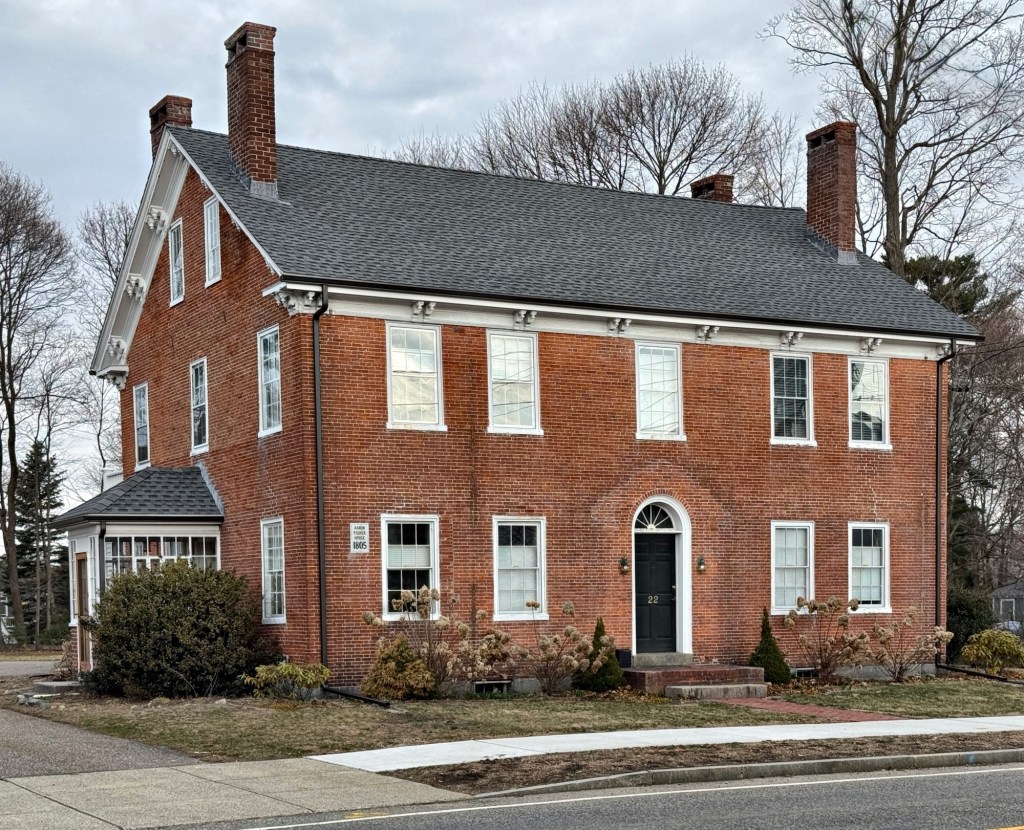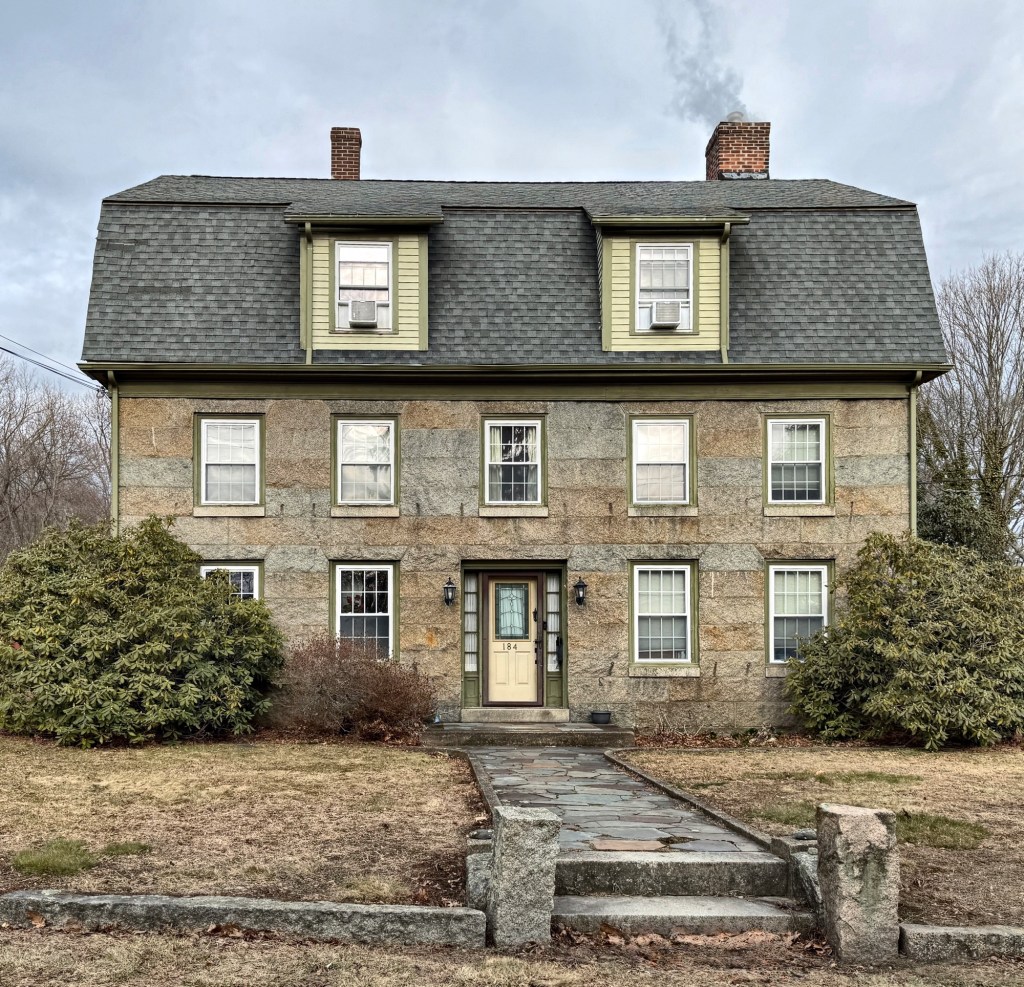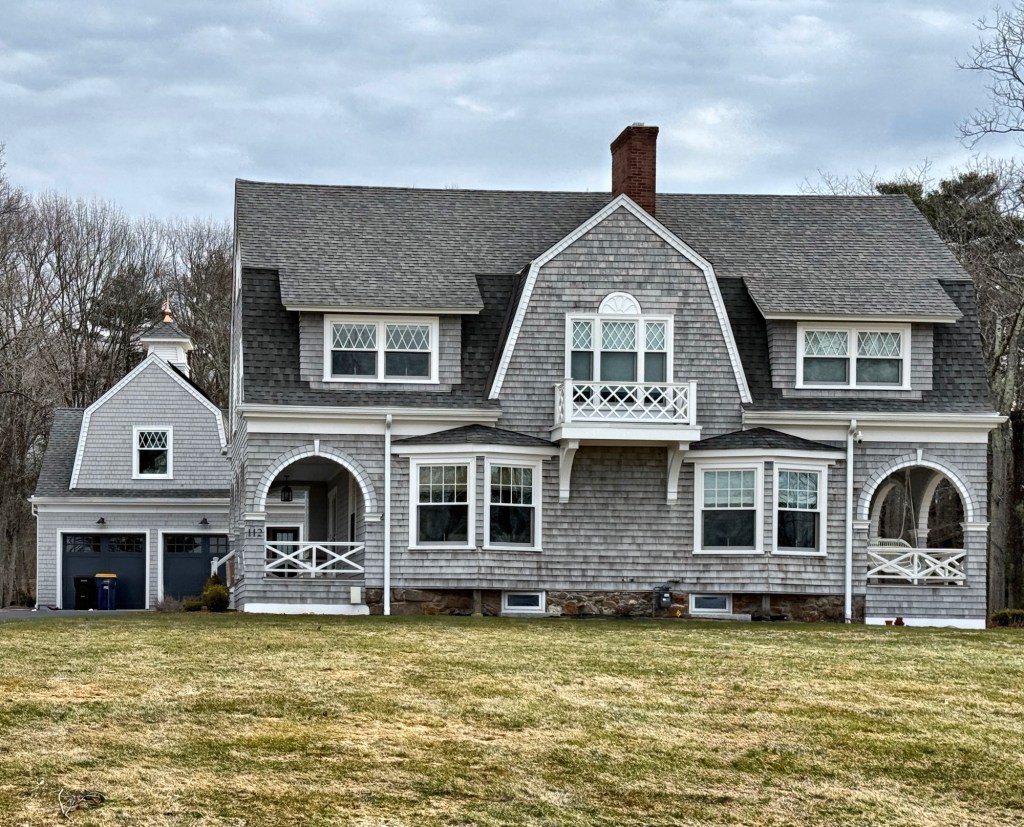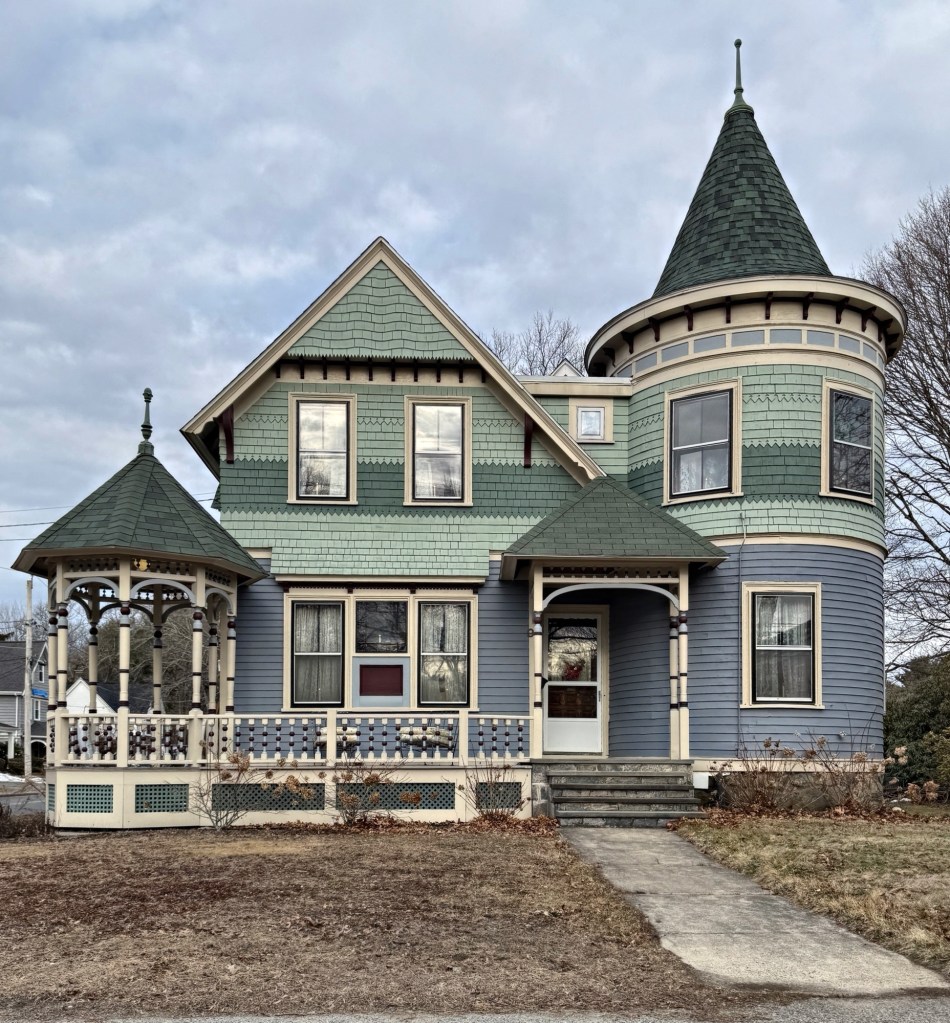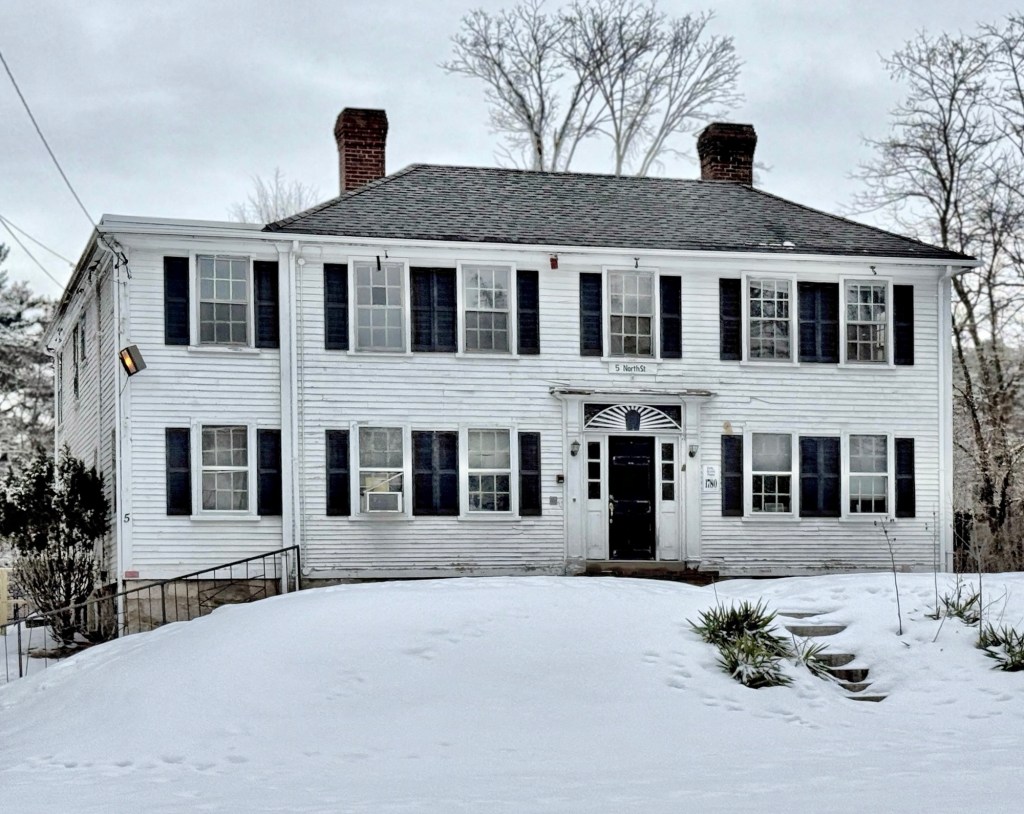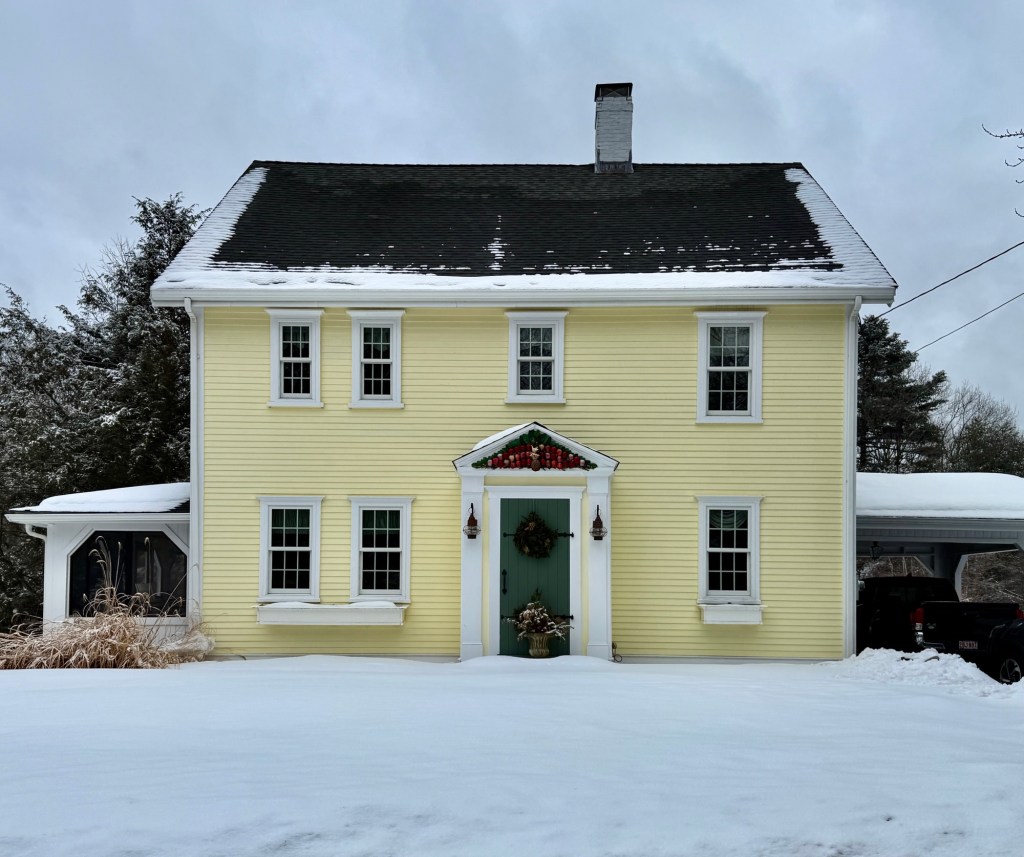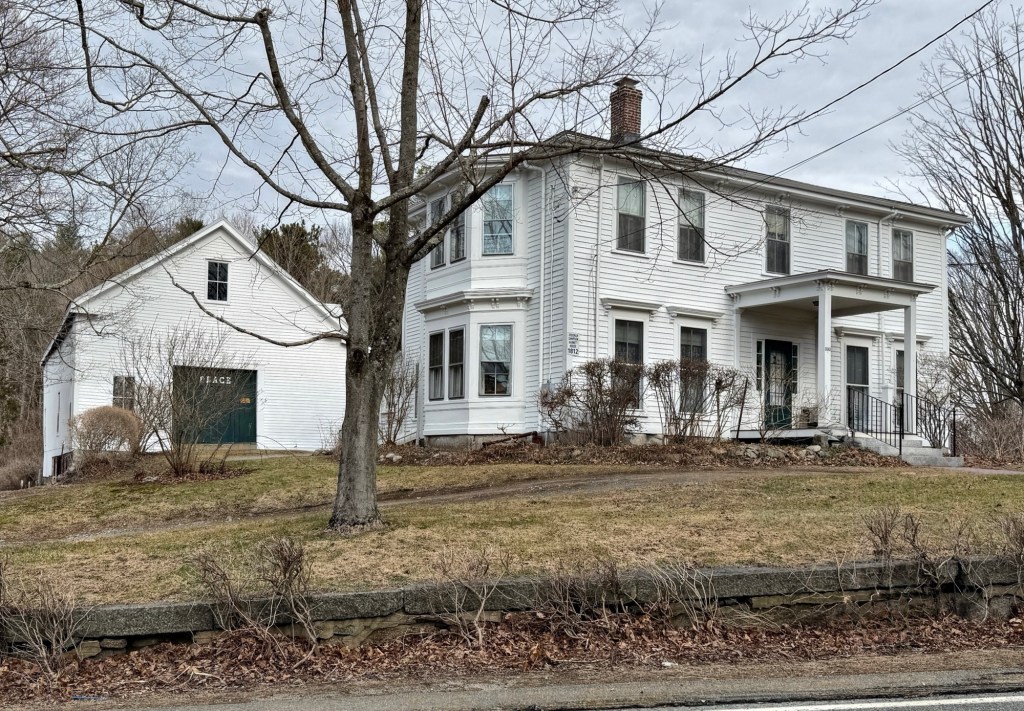
General Oliver Pond House – Wrentham State Hospital Superintendent’s House // c.1790

This Federal period house in Wrentham, Massachusetts, has had quite the history from the residence of a Revolutionary War veteran to the superintendent’s house for a school for the insane. This five-bay Federal style house was built for Oliver Pond (1737-1822) in about 1790. General Pond commanded one of the five militias in Wrentham that marched on Boston in 1775 to fight in the Revolution. Pond fought in at least two battles in Princeton and Trenton New Jersey under Washington. After the War, Oliver Pond got involved with politics and became General of the local militia granting him this important title. His heirs remained in the house into the second half of the 19th century. In the early 1900s, the property was purchased by the Commonwealth of Massachusetts as part of the new Wrentham State School, a facility to treat and educate children with disabilities. The Pond House was occupied by the superintendent of the school and is still owned by the State.

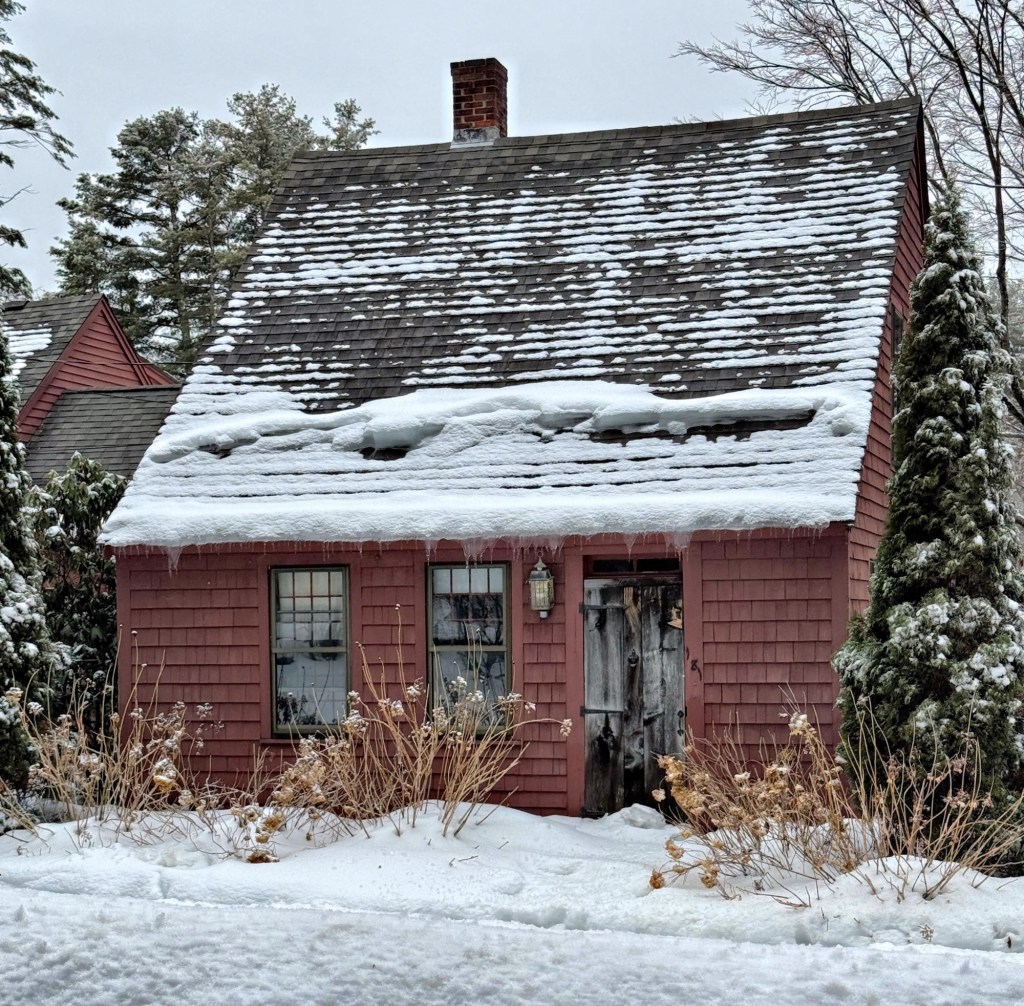
Follett House // c.1820

A rare surviving half-cape dwelling, the Follett House on Chestnut Street in Wrentham, Massachusetts, has been lovingly preserved by generations of stewards as a private home. Given its form and vernacular style, the house could date to the mid-18th century, but available early records show it was owned by members of the Follett family in the 19th century. The home was owned by Amorous Follett (1792-1863) and his wife, Huldah Mason Follett who operated a farm on the property and raised their children in the small residence. The property was later inherited by the couple’s son, Alonzo Follett and his wife, Tryphena. The half cape is just three bays wide with a steeply pitched side gable roof, shingled siding, and later wings, expanding the original house.

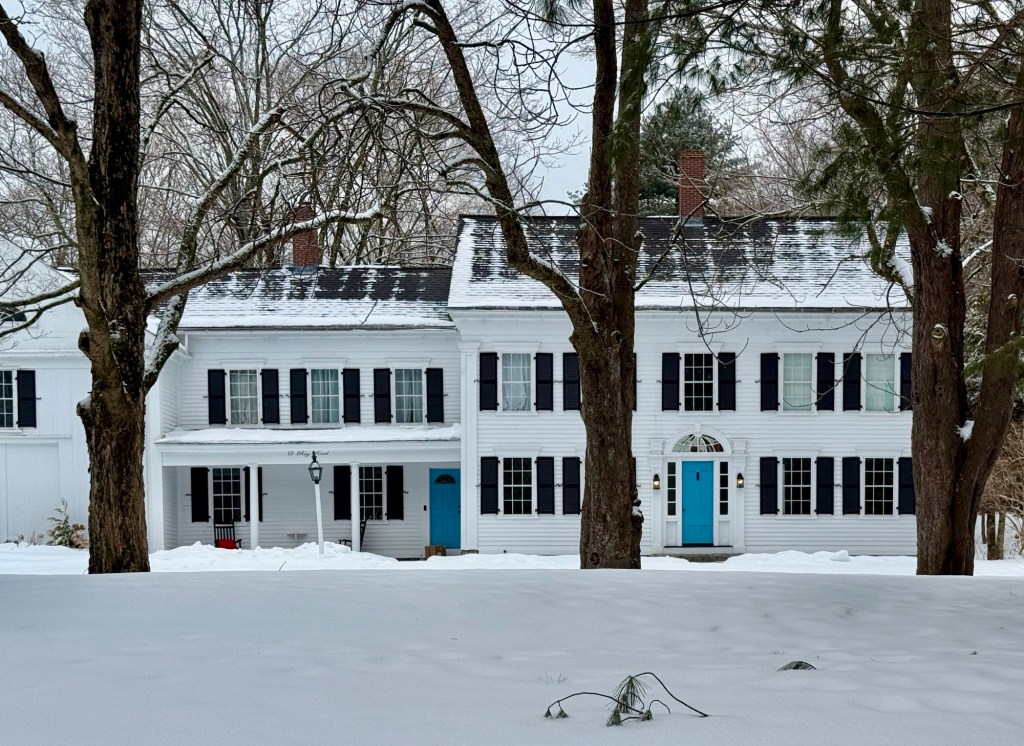
Philander P. Cook House // 1847

Built in 1847 as a residence for local Postmaster and storeowner, Philander P. Cook, this historic house off West Street in West Wrentham, Massachusetts, showcases the evolution so many New England farmhouses have experienced, from working farm, to country retreat, to suburban residence. Philander Perry Cook (1816-1880) purchased this land in 1845 from prominent Massachusetts State Senator and local government official, Alan Tillinghast, and shortly after purchase, he began construction of this Greek Revival style, two-story residence with attached stable. At the turn of the century, wealthy Wellesley College graduate, teacher and published author named Lucy Freeman, purchased the property from Cook’s heirs (as well as a residence nearby where she took up residence) and she rented the Philander P. Cook House to friends during the course of her ownership. In 1910, she modernized the house, likely adding the fanlight transom in the Colonial Revival mode, and had the grounds landscaped as a country retreat. Throughout the 20th century, a number of owners have preserved and modernized the home, while retaining its unique charm and character, and it now is a large, single-family home

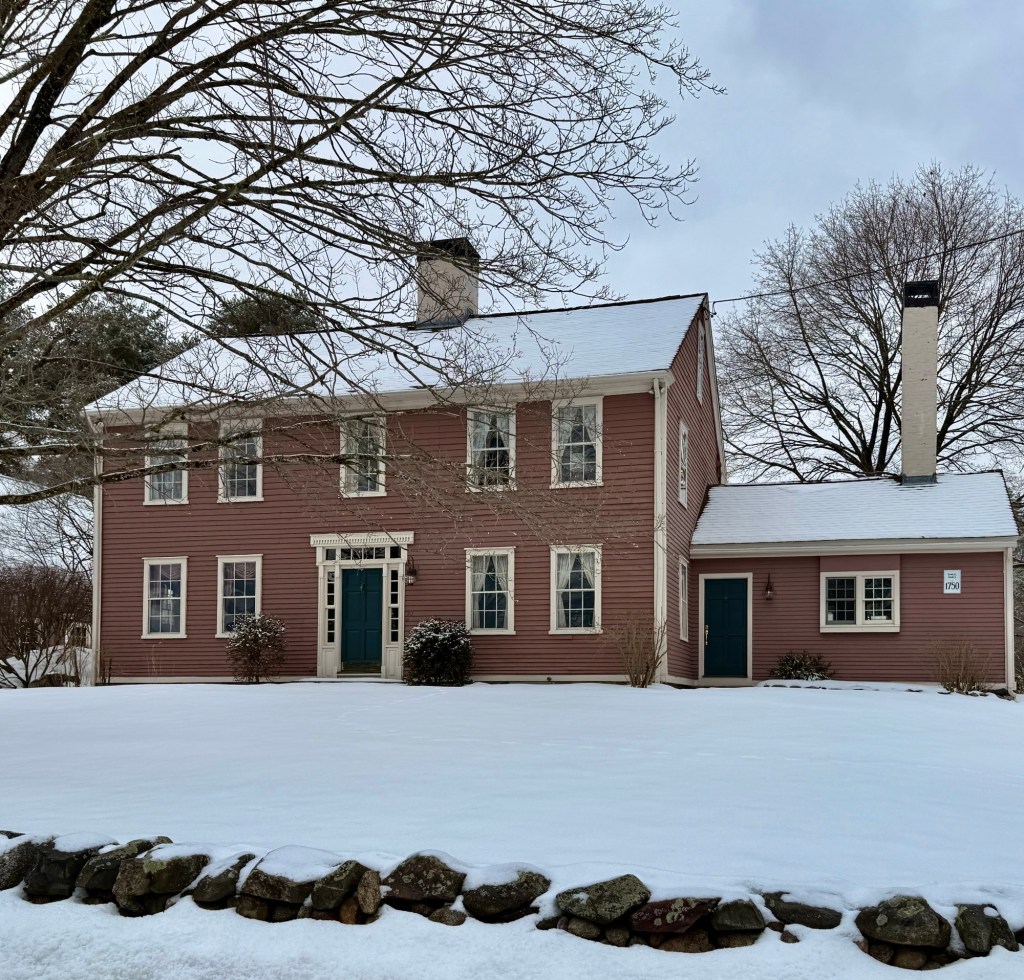
Samuel Hawes House // c.1742

The Hawes’ in Wrentham, Massachusetts, were a prominent local family that largely settled in the western part of the town, building large farmhouses with properties bounded by rustic stone walls. This residence on Spring Street dates to the mid-18th century and was likely built for Samuel Hawes (1713-1795) around the time of his marriage to Priscilla Ruggles in 1741. After the death of both Samuel and Priscilla in 1795, the couple’s only son, David, bought out his two sisters value in the property and lived here with his family. The property was passed down through members of the Hawes Family until the 20th century, though later owners have still maintained and preserved this significant home for future generations.

Hawes Homestead // c.1740

One of the earliest extant homes in western Wrentham, Massachusetts, the old Hawes Homestead on Williams Street stands as an important Georgian style farmhouse in what was once a more pastoral part of the community. The house likely dates to the mid-18th century (or earlier) and was possibly built by Daniel Hawes, who farmed the land here. Due to the varied sizes of the upper windows, the residence was most probably a three-bay house with central chimney, and the right-most bay and modern chimney were added later. The residence was later inherited by his son, and later by other heirs before the property sold out of the Hawes family in the mid-19th century.

Guild-Kollock House // c.1714

The Guild-Kollock house on East Street in Wrentham, Massachusetts, is one of the oldest and best-preserved historic homes in the suburban community. In 1674, John Guild of Dedham, was granted this lot by the proprietors and later willed the property to his son, Deacon John Guild Jr. (1649-1723). John Guild Jr. had the home built between 1682 and 1714, the first recorded document that acknowledges the existence of this dwelling, giving the home a definitive “built by” date. The Colonial farmhouse remained in the Guild family until 1804, when it was purchased by Cornelius Kollock, a Revolutionary War veteran, surveyor, Justice of the Peace, Town Clerk, Town Treasurer, and Representative to the General Court. The significant early Guild-Kollock House was documented inside and out as part of the Historic American Buildings Survey (HABS) in 1962 and has been lovingly preserved for over 300 years since its construction.

Druce-Francoeur House // c.1787

In 1787, Oliver Druce (1760-1797) married Sarah “Sally” Kollock (1764-1789) and had this large residence built overlooking the Town Common in Wrentham, Massachusetts. The young couple raised one daughter here until Sarah died in 1789 at 25 years old, followed years later by Oliver, who died in 1797 at 37 years old. By the turn of the 19th century, the late-Georgian residence was owned by John Francoeur, a French Huguenot. The Druce-Francoeur House is one of the finest Georgian style residences in Wrentham, which retains its magnificent doorway framed by fluted Ionic pilasters with broken scrolled pediment above.

Boyden-Clark House // c.1725

Wrentham, Massachusetts, was originally known as Wollomonopoag, roughly translating to “place of shells” a name given by the native tribes living here, referencing to area lakes as a food source for the people living here for over 8,000 years before European settlement. The area was settled by colonists in 1635 and became part of Dedham, when it was established in 1636. In 1673, the General Court allowed for the separation of what is now Wrentham, to incorporate as its own town. The community adopted the name Wrentham after the town in Suffolk County, England, a small village of just under 1,000 residents. About 50 years after incorporating, this historic Georgian farmhouse off Cumberland Road, not far from the Rhode Island state line, was built. The Boyden-Clark House is among the few pre-Revolutionary era homes remaining in the suburban community and retains its rural character. The house is said to have been built for Thomas Boyden (1681-1771) and wife, Mary (Clark) Boyden around 1725. The Boyden’s enslaved laborers who worked the farm here for decades. The property was later owned by Stephen Clark who farmed the land and likely added the stone well in the front yard. The house retains its gambrel roof and central chimney, hallmarks of the Colonial era.

Warren W. Dutcher House // c.1860

The finest example of the Second Empire style in the industrial village town of Hopedale, Massachusetts, is this stately residence at the beginning of Adin Street, which has been colloquially known as ‘Millionaire’s Row’ as it is lined with many large mansions owned by factory owners and managers. This is the Warren W. Dutcher House, built around 1860 for its namesake, a wealthy and well-connected manufacturer. Square in form, the house is capped by a concave mansard roof in slate, and features a cornice with paired brackets, round-headed dormer windows, and a central entry with door hood supported by oversized brackets all under the full-length porch. Warren Whitney Dutcher (1812-1880) was originally from North Bennington, Vermont, and in the 1850s, he invented a temple that worked better than one used by the Draper Corporation. are adjustable stretchers used on a loom to maintain the width and improve the edges of the woven fabric. George Draper bought an interest in it, and encouraged Mr. Dutcher to move to Hopedale to expand his operations. He moved to Hopedale in 1856, and built this home after a few years of managing the Dutcher Temple Company. After Warren Dutcher died in 1880, the home was inherited by his son, Frank Dutcher, until he built his own house on a lot behind his childhood home.

Urncrest // c.1875

Located on Adin Street, a street of homes formerly owned by factory owners and managers in Hopedale, Massachusetts, you will find “Urncrest”, a stunning Queen Anne Victorian mansion. This home was originally built around 1875 for William Lapworth (1844-1937) an English-born weaving expert, who worked at Hopedale Elastics Co. and patented certain weaving processes for suspenders, boot webbing, and garters. Hopedale Elastics was absorbed by the Draper Corporation in 1890, and Lapworth “modernized” his home with profits from this sale. His formerly modest home was updated with a corner tower, large additions, wrap-around porch with porte cochere, and applied ornament. The detached carriage house was also expanded, where he added a coachman’s apartment.