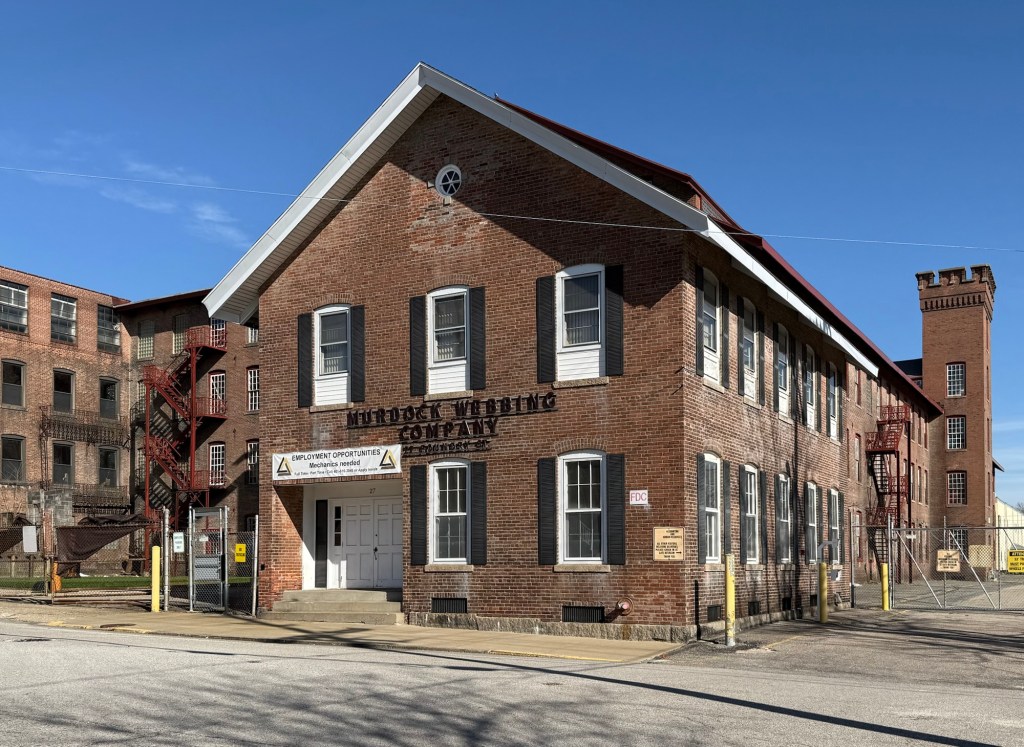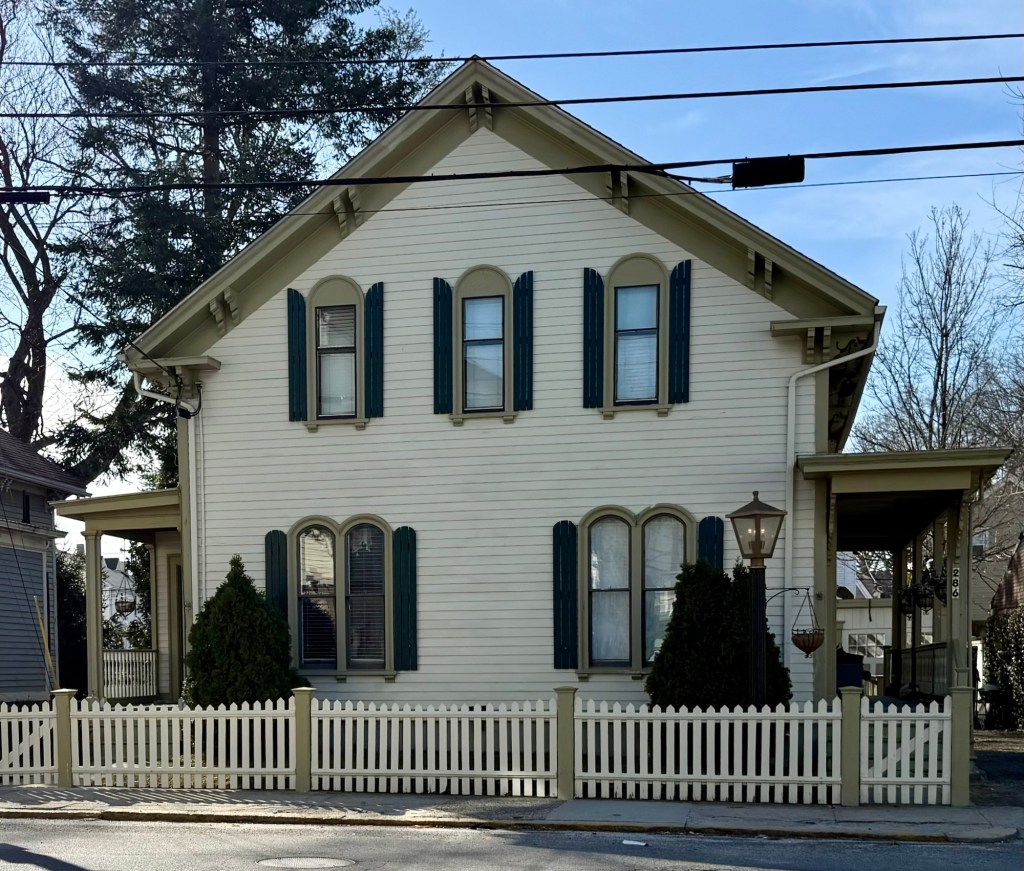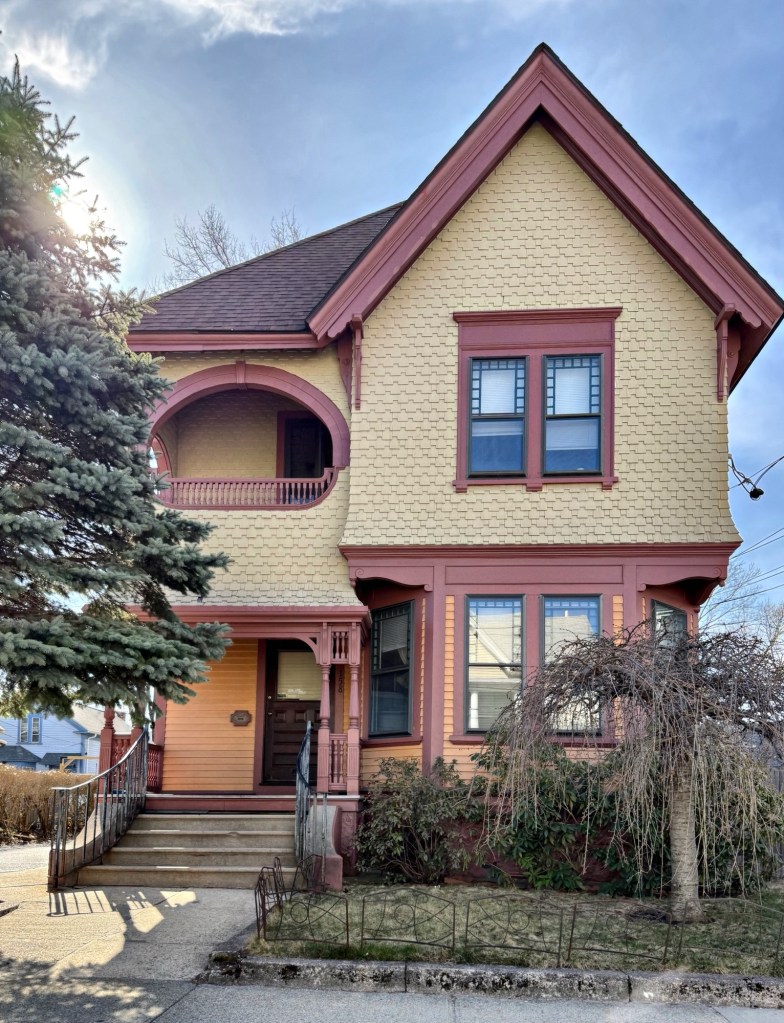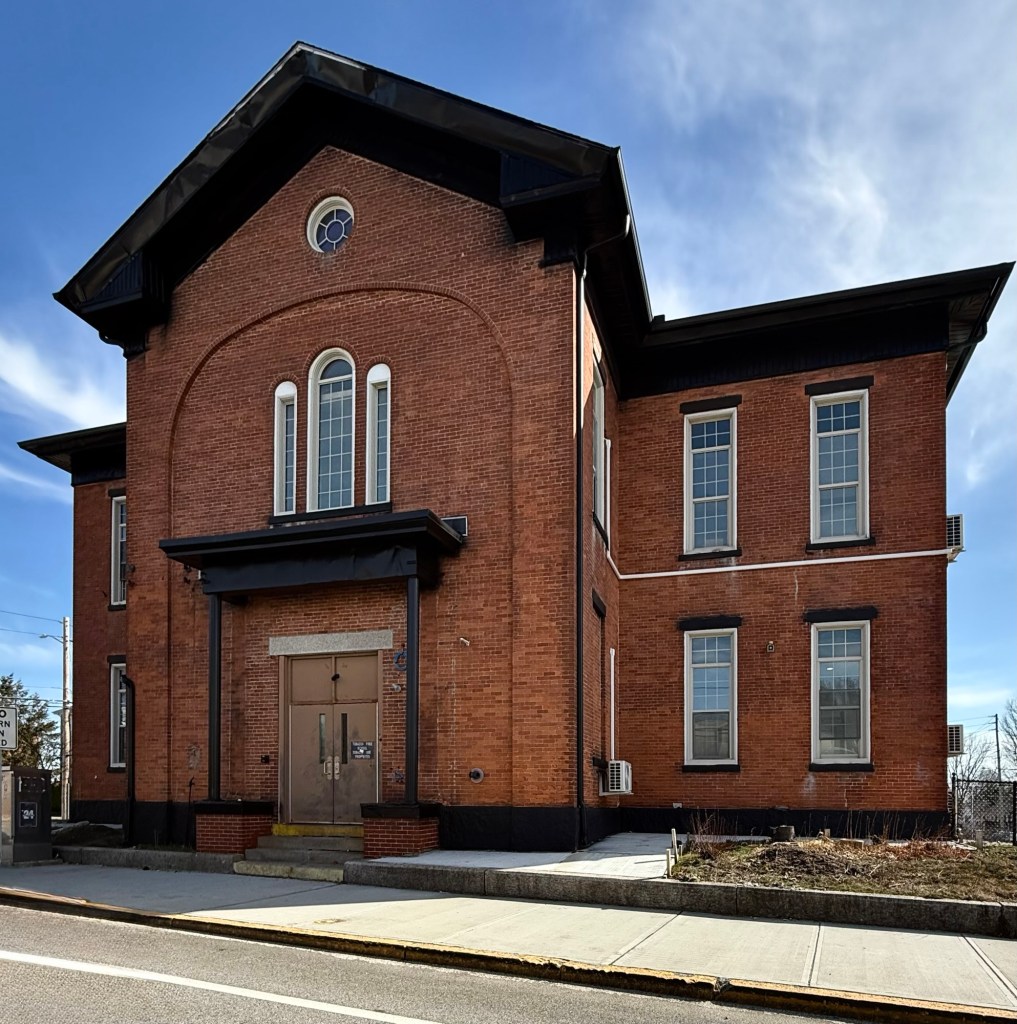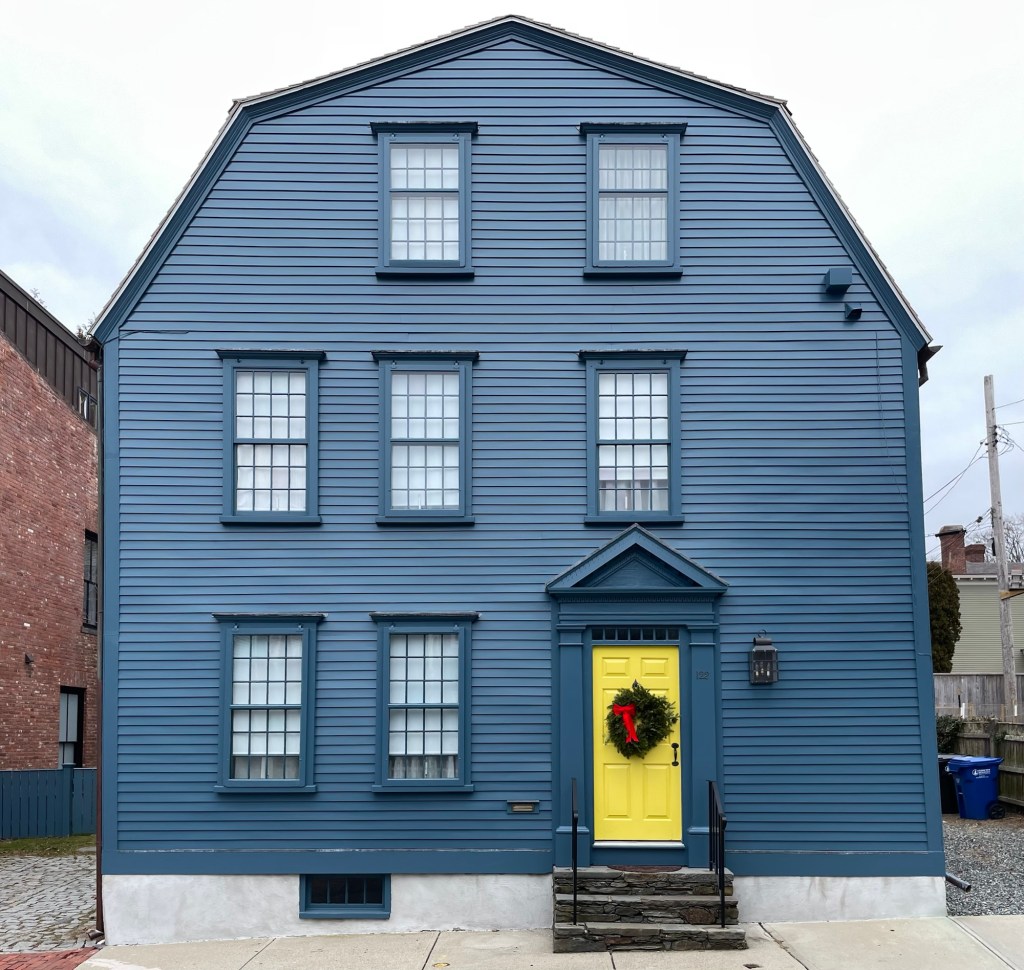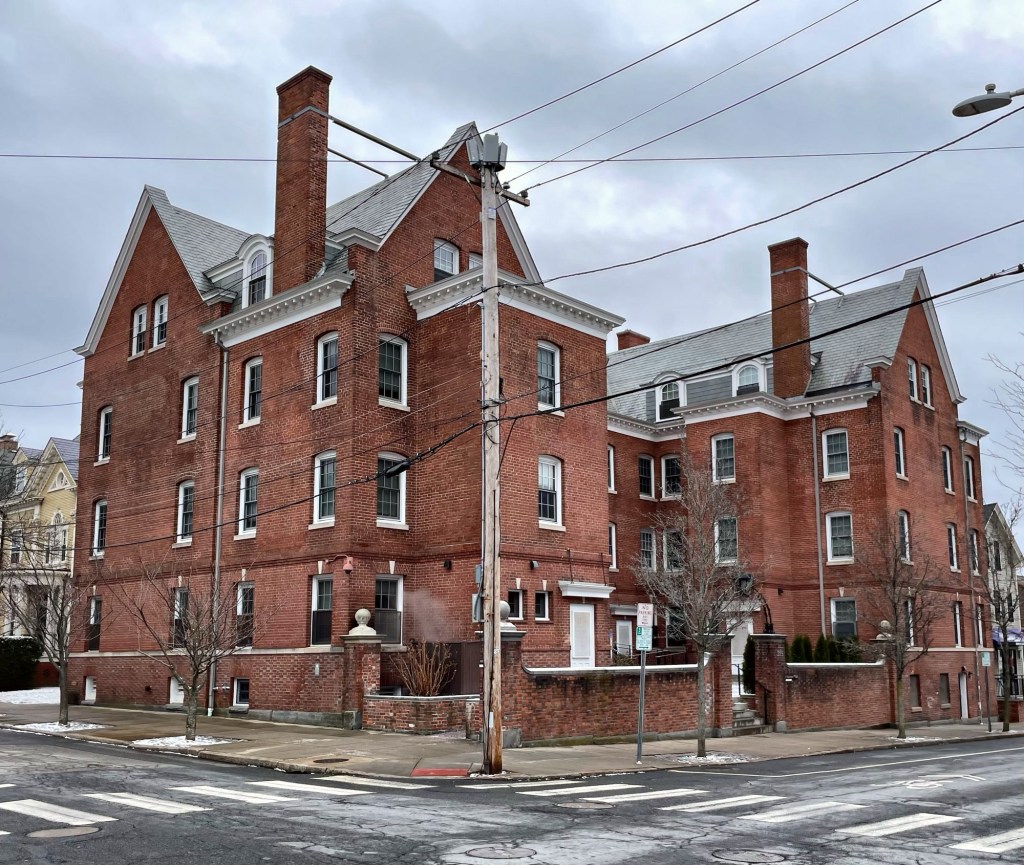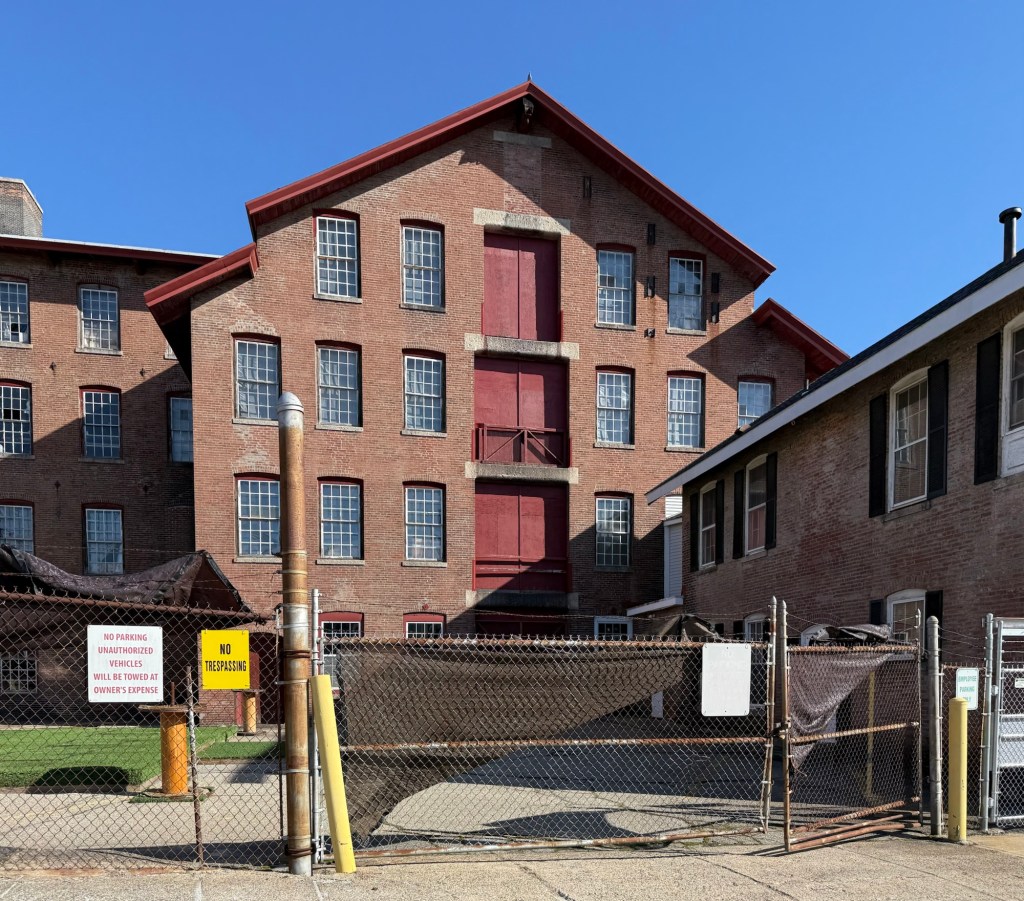
Newport Old Fire Station No.1 // 1885

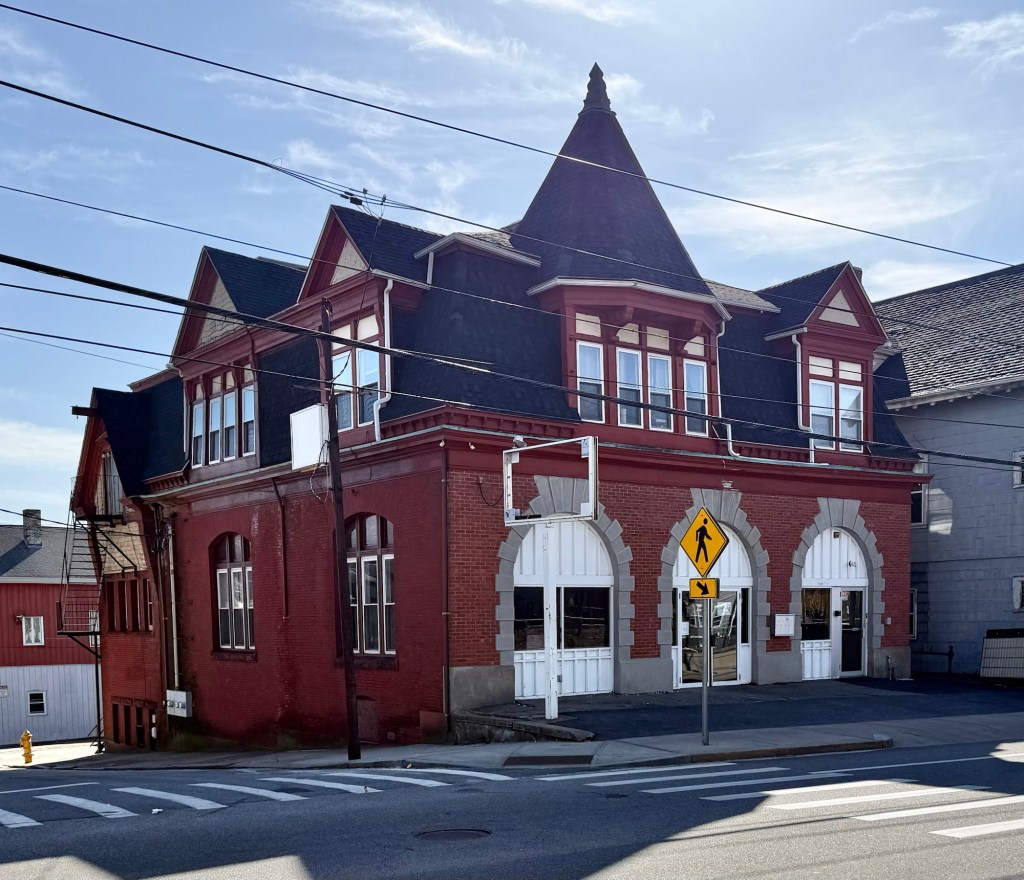
Central Newport, Rhode Island is best-known for its Colonial and early 19th century architecture, so when a Victorian-era building is spotted, it always stands out! This ornate building was constructed in 1885 as one of a half-dozen fire stations in Newport. This fire station housed one of the nation’s first organized fire companies known as Old Torrent No. 1. It was home to Newport’s first horse drawn steam engine until the steamers were replaced with motor-driven equipment in 1913. Unfortunately, these early model fire trucks weren’t designed to handle the steep incline of Mill Street. So, after 29 years of service, the station was closed and the horses, steamer, and the building were sold in 1915. The building saw numerous uses and deferred maintenance until 1991, when it was restored by local residents. Today, the one-of-a-kind features include original brass fire pole, private roof deck, and a 65 foot lookout tower with views of the Newport Harbor in the distance. It recently sold in 2022 for over $3 Million and is a residence!

Newport Telephone Building // c.1897

Before the days of virtual meetings, texting, and calls by cellphone, residents of towns and cities all over New England needed central telephone exchanges to connect them to those who they were trying to reach. Telephone exchange buildings were typically located in downtown areas and were often architectural statement-pieces by telephone companies. This example in Newport, Rhode Island, is located just behind Trinity Church and was designed around 1897 by the firm of Perkins & Betton of Boston. The building is constructed of brick (now painted) with terracotta trim details, which really pop. The oversized Palladian window with arch, pilasters, and cornice are all terracotta installed by the Waldo Brothers, contractors. The building was converted to residential use and was sold for $2.5 Million in 2020.

Trinity Church, Newport // 1725

Trinity Church in Newport, Rhode Island is one of the largest extant 18th century churches in New England, and founded in 1698, it is the oldest Episcopal parish in the state. Built in 1725, the Georgian style church was built just as the influence of Sir Christopher Wren’s churches reached the colonies, about a quarter century after his work had come to dominate ecclesiastical design in London. Trinity is the second major church built in the original colonies influenced by Wren, following Old North Church in Boston’s North End (1723). Stylistically, both churches are similar, with the notable difference in material (Old North in brick and Trinity Church in clapboard). Local builder Richard Munday, is credited with the design of Trinity Church. By the late 19th and early 20th centuries, many members of the Vanderbilt family and other wealthy residents attended sermons here when summering in Newport. When Newport was undergoing Urban Renewal in the mid-20th century, Queen Anne Square (the park which fronts the church) was created in the 1970s to establish a town common in a city which had never truly had one. “Early” buildings in the area to be bulldozed for the common were moved to other sites to enhance the “colonial” rehabilitation of the area around the harbor, making this one of the few examples of urban renewal having a positive impact on a city.

Meehan Auditorium – Brown University // 1962

Across from the new Nelson Fitness Center at Brown University in Providence, Rhode Island,Meehan Auditorium is an excellent example of a 1960s institutional athletic facility. The auditorium was dedicated at the Brown-Princeton hockey game on January 6, 1962 and was named after George V. Meehan, donor of half a million dollars for its construction. The new facility filled the need for a skating rink and large auditorium for indoor functions, specifically for ice skating and hockey and was the first building of the new athletic plant at Aldrich-Dexter Field east of the campus. The building was designed by Perry, Shaw, Hepburn & Dean, a prominent firm who designed many collegiate buildings in the 20th century, all over New England.

Smith Owen Mansion // 1861

You honestly cannot beat Providence when it comes to brick Italianate mansions… The Smith Owen Mansion on College Hill was built in 1861 for jeweler and silversmith Smith Owen (1809-1889) and is one of the finest homes in a neighborhood full of historically and architecturally significant properties. Mr. Owen was in business with his brother George, and they manufactured and sold some of the best jewelery in the region, largely from their commercial block downtown (featured here previously). He hired Alpheus C. Morse and Alfred Stone, local architects who furnished the plans for the colossal home. Owen lived here until his death, which occurred less than a week after his wife’s passing. His daughter Lydia Dexter Owen Beckwith (1850-1947) inherited the property and lived here with her family until her death. It was under Lydia’s ownership that the Colonial Revival entrance details were added with projecting vestibule with columns and urns and central fan transom. It is really something special!

Rose and Howard K. Hilton House // 1900

Tudor Revivals may just be my favorite style of house. The interesting roof forms and gables, the use of stone, brick or stucco, and the presence of garrisoning and half-timbering in designs are always so charming. This enchanting Tudor Revival home in Providence, Rhode Island, was built in 1900 by local architect Howard K. Hilton (1867-1909) as his personal residence with wife Rose. He first worked in the office of H. W. Colwell and continued his training under Ellis Jackson joining him in partnership (Jackson & Hilton) and under the firm name was identified with the design of several churches, schools, hospitals and various other buildings in his native city before he retired in his final years. This home is very unique for its site on a narrow urban lot with the door at the side, brick first floor with jettying at the second floor of wood construction with half-timbering. While writing this, I noticed that there are also projecting gargoyles which serve as water spouts to send water away from the structure during rainfall events. Tudors are really the best!

Mumford-Brown House // 1847

Incredible triple-decker vibes with this beauty on Providence’s College Hill neighborhood. In 1847, this home was built as a single-family, Greek Revival style home for Henry G. Mumford, who worked as a City Marshal for the City of Providence at City Hall. The house was likely originally a one-story or two-story Greek Revival cottage which was upgraded in a BIG way after Mumford’s death! His heirs sold the family house in 1859 it was owned by John A. Brown and his wife, Ellen. It was likely Ellen who had the property converted to a triple-decker with three units in the home. It was modernized with Italianate detailing, including the elaborate window hoods, front portico and side porch, round arched windows, and extra floor for additional rental unit. The property was later owned by Governor and member of the Taft Political family Royal C. Taft as an income-producing property.

Eliza and Samson Almy House // 1859

The College Hill neighborhood of Providence has some of the finest residential architecture in New England, and some really fun stories of those who built these grand homes. In 1859, the house was built with a concave mansard roof punctuated with dormers and a bold bracketed cornice below. The use of round headed windows on the second floor is a really great design detail. The residence was first owned by Eliza Talbot Almy (1808-1886), who held the title to the property. Wives holding the title of properties in this period was fairly common as it would protect their personal property and residence from financial risk if the husband was met with lawsuits or financial hardship. Eliza’s husband was cotton broker and manufacturer Samson Almy (1795-1876), who had already been sued in a case heard before the United States Supreme Court in 1851. After Eliza’s death in 1886, her daughter, Susan Smith (1837-1917) and husband, Amos Denison Smith (1835-1912), a Civil War veteran, occupied the house into the early 20th century.

Congdon Street Baptist Church // 1875

The Congdon Street Baptist Church on College Hill is extremely significant as part of the rich history of Providence. Its origins began in 1819, when Moses Brown, an abolitionist, industrialist and member of the Brown Family (who profited on the institution of slavery) gave land to “the people of color” of Providence for a schoolhouse and meeting house. The original building stood slightly north of the present structure and it was built in 1821. The structure provided the first schoolhouse for Black children in Providence. In 1869 the building was torn down, without the approval or knowledge of the congregation by white neighbors because “its proximity displeased them”… Eventually the congregation arranged an exchange of lots with one of the church’s neighbors and architects Hartshorn & Wilcox were commissioned to design the new church building. Hartshorn was the successor of Thomas A. Tefft and this church echoes many of his designs in the Italianate style. The new building was completed in 1875 at the cost of $16,000. It was renamed the Congdon Street Baptist Church. The church has since 1875 served as an important landmark and gathering place for many Providence’s Black residents past and present.

Welcome Congdon House // c.1820

In 1820, Joseph Dorr, a trader, purchased this house lot in Providence’s East Side overlooking present-day Downtown. He had this Federal style house built with a symmetrical five-bay facade with fanlight transom over the door. He occupied the house until 1827 when he sold the property to a Charles Hadwin. In 1832, the property was acquired and soon after purchased by Welcome Congdon (1794-1874) who lived there until his death. The house was more recently added onto with a Modern addition on the side, to provide additional, private space for the owners who live directly next to a public park.