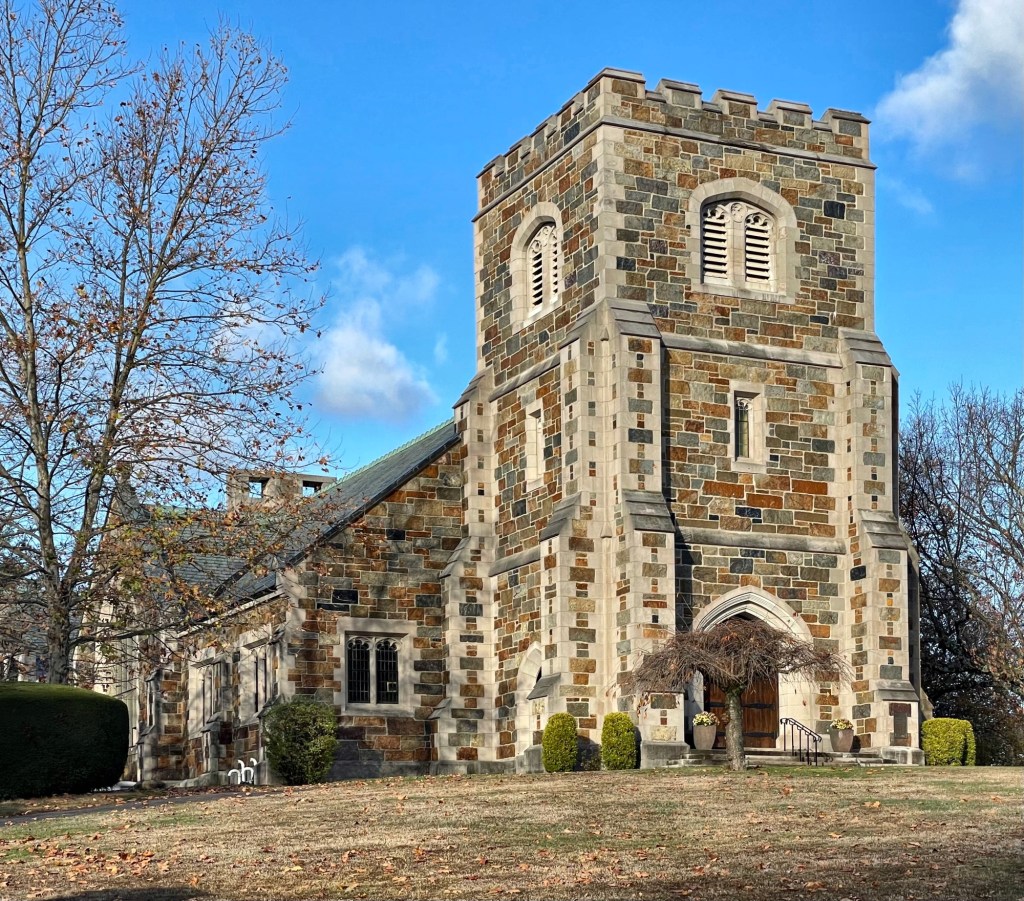
United Church of Norwood // 1886

Located across from the church-like Norwood Town Hall, the United Church of Norwood is a landmark example of the Victorian Gothic architecture style and an important historical landmark for the town. The cornerstone of this present church was laid in 1885 and was completed and consecrated by December of 1886. Boston architect J. Williams Beal, got his start at the firm of McKim, Mead & White, designed the church here for the local Universalists, who lost their previous church to fire in 1884. In 1934, the town’s Universalist and Methodist congregations merged and they joined together in this, as a Union Church. Built of Milford granite and pressed brick, the United Church of Norwood features a side chapel and clock in its steeple which are unique and add charm to the historic church.

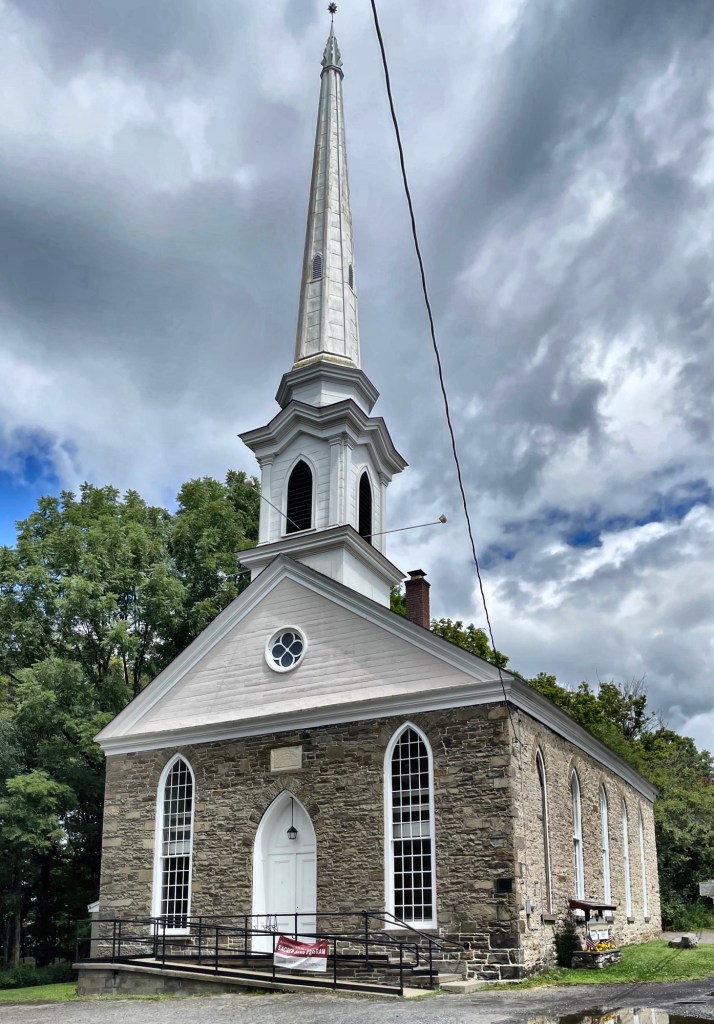
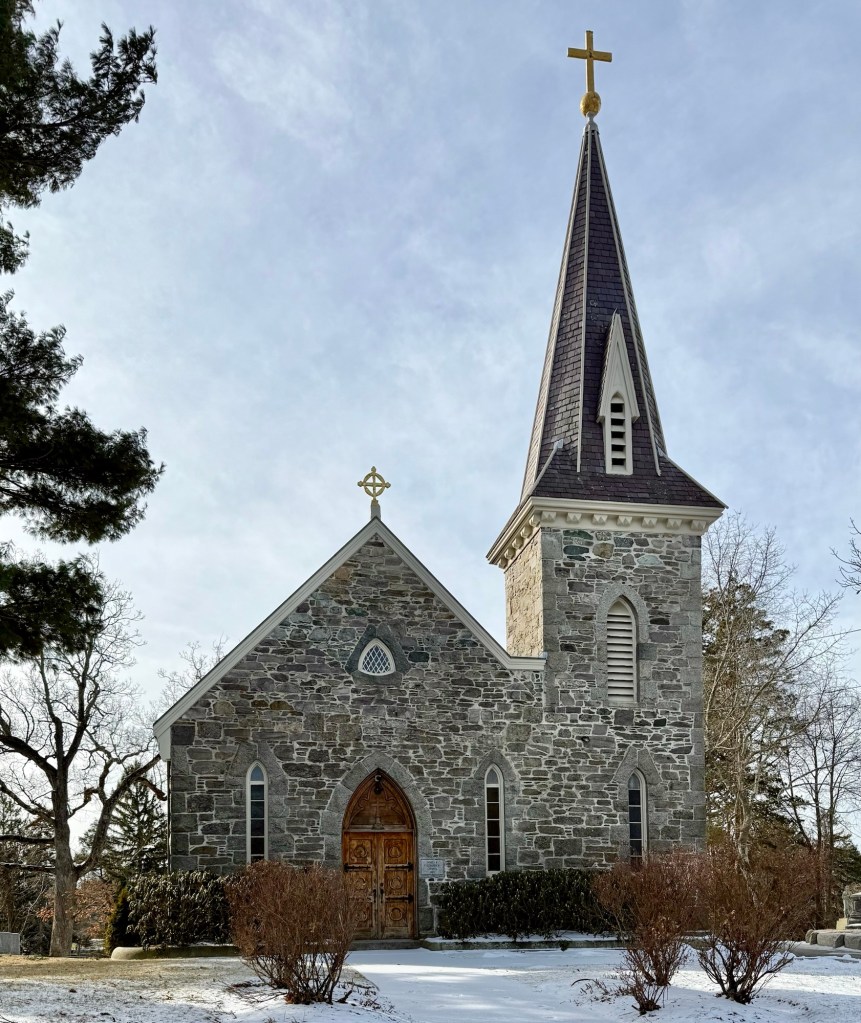
Katsbaan Reformed Church // 1732

The first church on this site in Katsbaan, Saugerties, New York, was a 1732 simple stone church built by Dutch and German settlers. Church services were first held in the German language,  and gradually came to be also held in Dutch and English, as the village and surrounding area developed. The original church was rebuilt in 1816 using the same stone base, but the entrance was shifted away from the street. Larger windows and the steeple were added at this time. In 1867, the steeple was heightened and the windows were enlarged with Gothic points, giving the building its present appearance. The Katsbaan Reformed Church remains an architectural and historical landmark noting the early history of Ulster County and its growth.

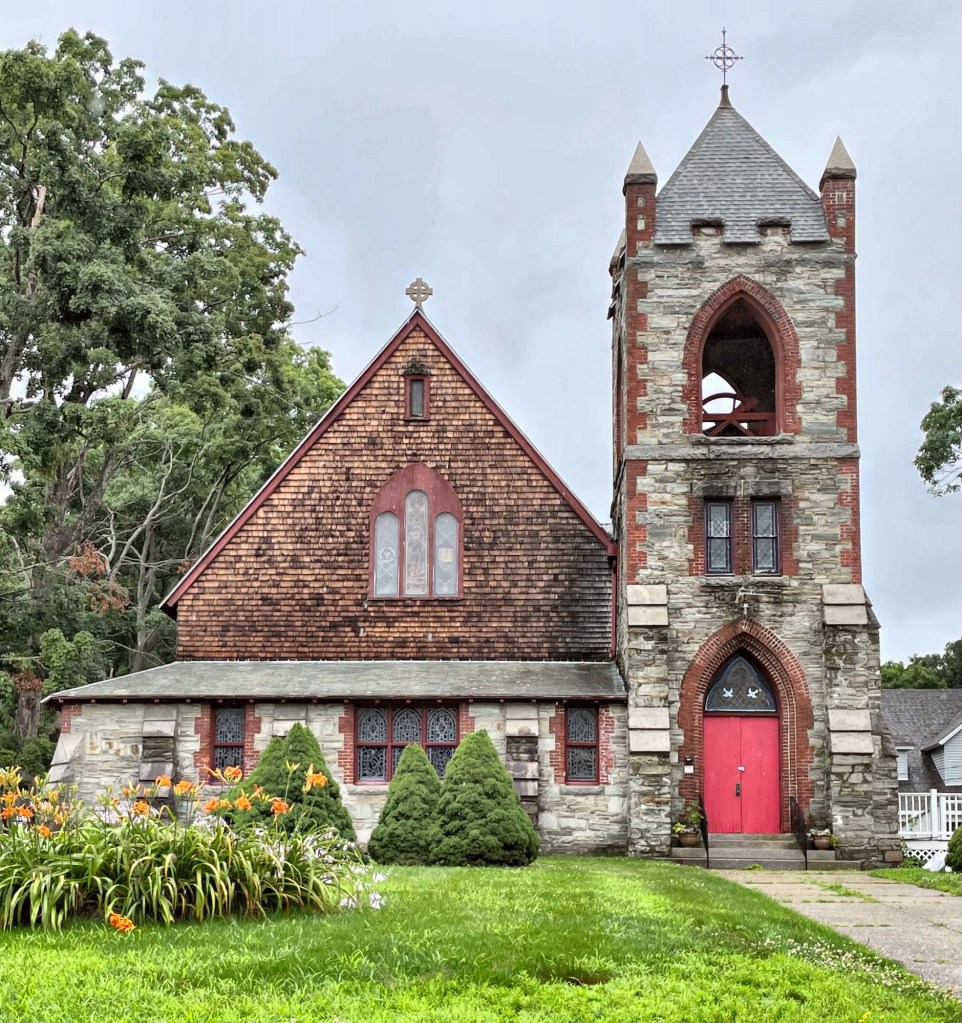
St. Alban’s Episcopal Church // 1891

Tucked away off Broad Street in the Danielson village of Killingly, Connecticut, you will find this charming and eclectic church building, long-occupied by the St. Alban´s Episcopal Church. Episcopalians began congregating in the town in the 1860s, and it would be in 1865, when an old academy building on this site was acquired and converted for use as an Episcopal church. By 1891, the relative prosperity of members of the church made it so a new church building was to be built on the site. Worcester-based architect Stephen C. Earle was hired to furnish plans for the new edifice which is eclectic with Victorian Gothic and Shingle style elements. The congregation appears to have either disbanded or merged with a nearby church as the building does not appear to be occupied. 

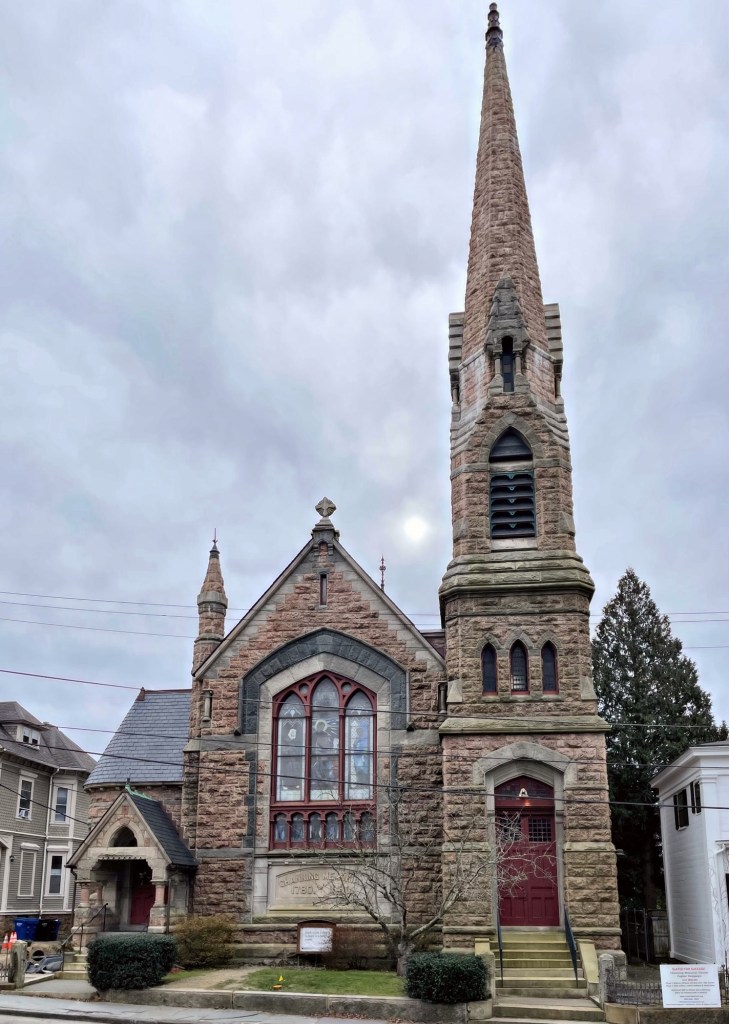
Channing Memorial Church // 1880

The Channing Memorial Church of Newport, Rhode Island was named in the memory of William Ellery Channing (1780-1842), an ardent abolitionist and founder of the Unitarian faith in America. In 1835, ten men formed the first Unitarian Society in Newport in October 1835 and met in the home of Channing’s grandfather, William Ellery, one of the 56 signers of the United States Declaration of Independence. In 1879, the congregation’s minister, Rev. M. K. Schermerhorn, conceived the idea of a memorial to William Emery Channing, whose centenary would be the following year. He decided upon the ambitious project of a new church building and planning began immediately. On Rev. Channing’s 100th birthday, the cornerstone laying ceremony occurred in 1880. The Victorian Gothic stone church designed by Elbridge Boyden took a year to be completed and was was built from granite, cut in Lyme, Connecticut. Inside, two stained glass windows, the first ecclesiastical commission of John LaFarge, flood the interior spaces with warm colored light. The church looks much as it did when completed almost 150 years ago, thanks to an active congregation preserving this great landmark.

Warren Baptist Church // 1844

Photo by Kenneth Zirkel

Stone churches are some of the most entrancing and imposing buildings, so I always have to feature them when I see them! This is the Warren Baptist Church on Main Street in Warren, Rhode Island. Built in 1844 from plans by famed architect Russell Warren, the Gothic style edifice features randomly laid rubblestone which adds to the intrigue. This is the third church building on this site. The first (1764) was burned by the British in 1778; its replacement in 1784 was demolished for the present building in 1843. Interestingly, this is the site that the predecessor college for Brown University began! The Baptist school, an institution parallel to those of the Congregationalists at Harvard and Yale and the Presbyterians at Princeton, was first known as Rhode Island College. In 1770, the school moved to Providence, the home of Baptism in this country and where Baptists promised more financial support than those in Newport , and changed its name to Brown University in 1804. This Baptist congregation is still very active in town and they maintain the building and its stunning stained glass windows very well!

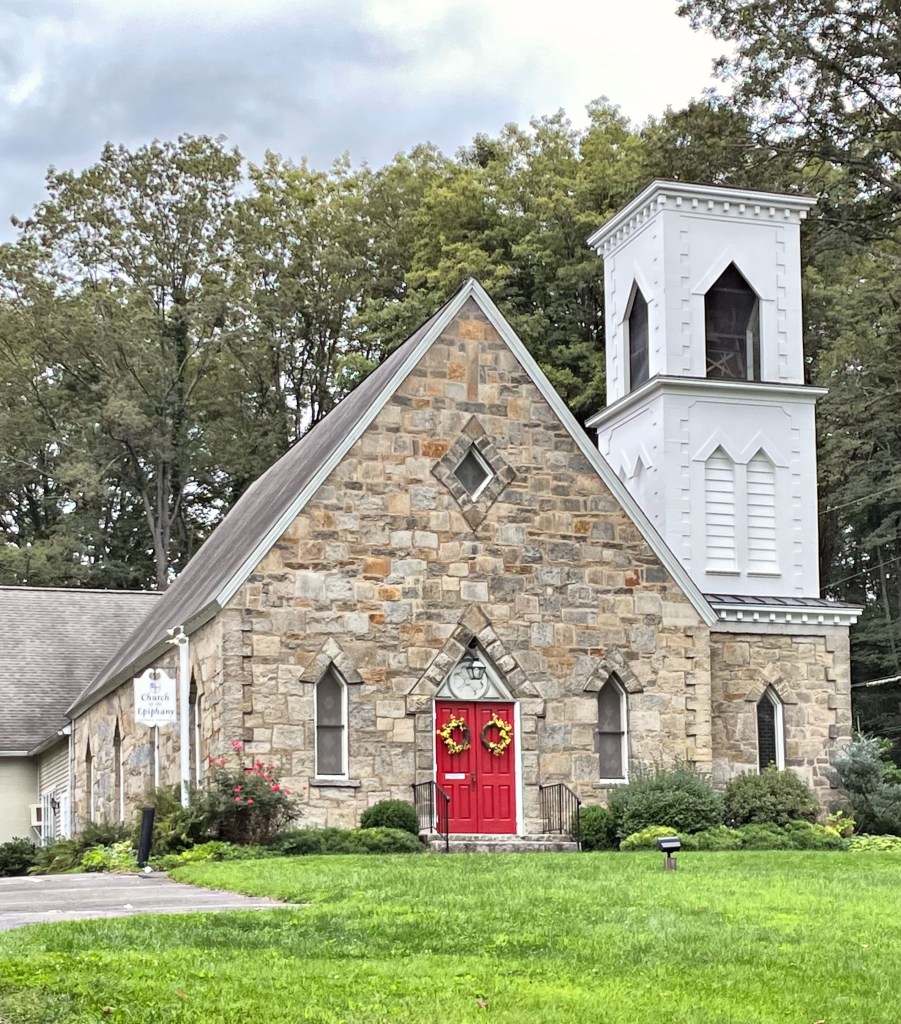
Church of the Epiphany // 1867

The stereotypical church in New England is the usual wooden structure with a central steeple and painted a bright white. Whenever I see an old church that breaks that oh-so-common mold, I have to snap a photo and learn more! This is the Church of the Epiphany, located on Main Street in Southbury, Connecticut. The church is an example of the Gothic style built in the Victorian period and is constructed of stone with a wooden corner belfry. Construction started in 1863, and the church was not completed until four years later in 1867. I could not locate who the architect was, but I am dying to know!

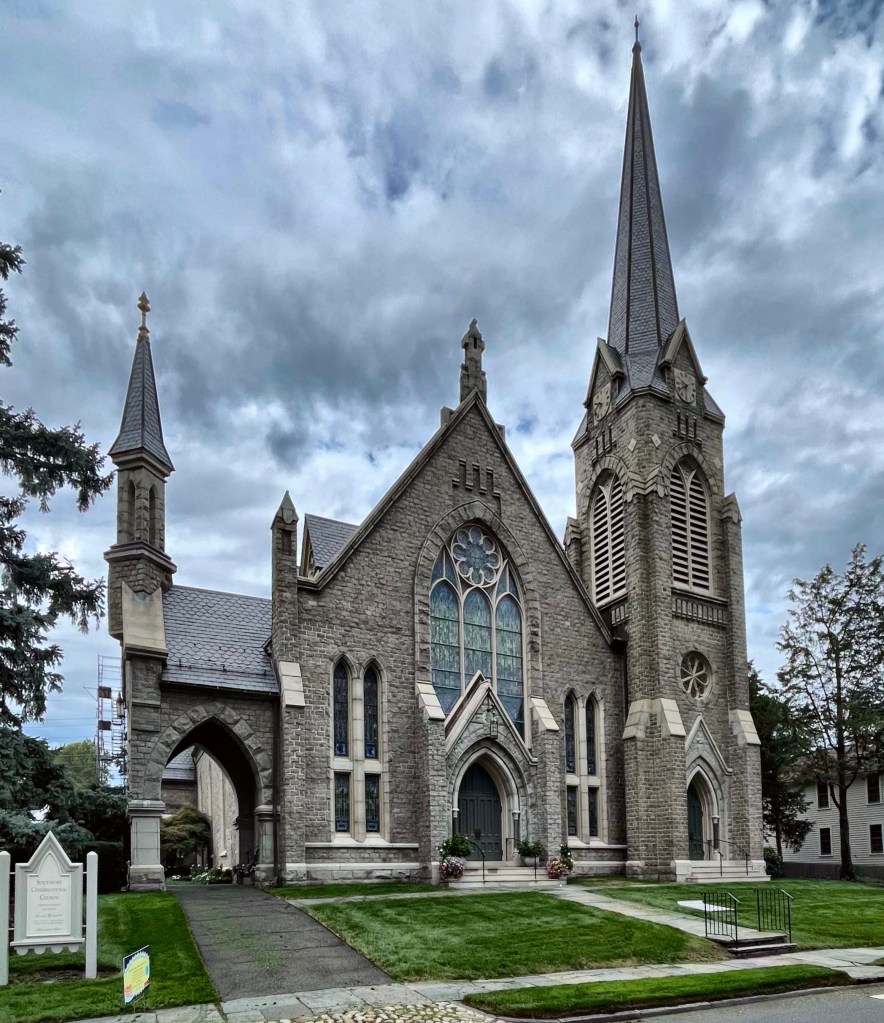
Southport Congregational Church // 1875

Southport was and still is a part of Fairfield, Connecticut, but it has long been very different from the geographic center of town. Largely due to distance, Fairfield Congregationalists in the Southport area of town sought to establish a new parish to worship closer to home. By the 1840s, their request was granted and a small wood-frame Greek Revival house of worship was built in 1843. By 1871, the increase in population and wealth in the village necessitated a new, larger church. The congregation hired the architectural team of Lambert and Bunnell who made a huge statement here! It is constructed of granite ashlar masonry with a steeply pitched roof and soaring spires.

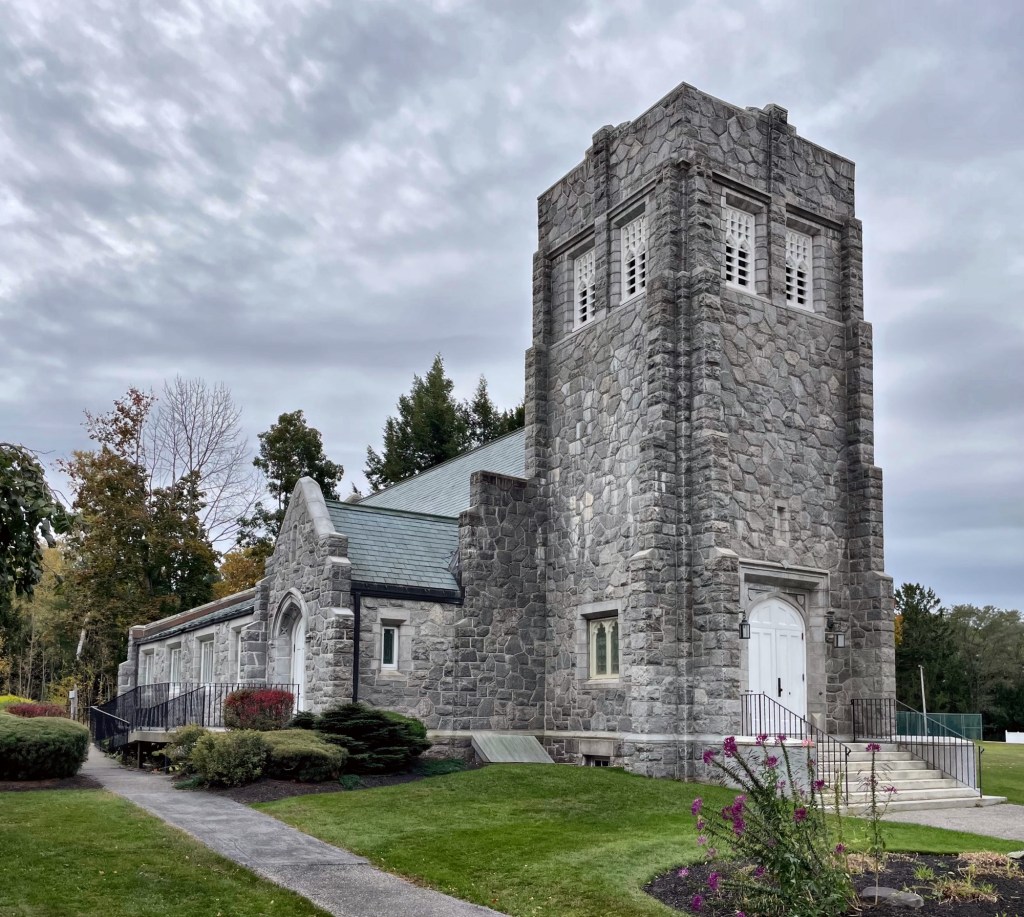
Dorset Congregational Church // 1909

Arguably the most high-style building in the quaint village of Dorset, Vermont is the Congregational Church, which appropriately sits on Church Street. The original congregational church in Dorset was located in nearby Maple Hill Cemetery. When the wood structure burned in 1832, an new wooden church was built on this site. The second wooden building burned in 1907, and then this church was built, but of fireproof construction. Jordan Greene, an architect from New York, designed this Neo Gothic Revival style in the historic district. The church was constructed by the contracting firm of O. W. Norcross, partner in the Norcross-West Marble Company, which donated the building stone from its South Dorset quarry. The design is dominated by a massive square central tower that ascends its facade and is capped by pinnacles. Behind the tower, the gable-roofed church is built of rough-faced Dorset marble laid in patterned coursed ashlar and trimmed with dressed stone. How many other marble churches can you think of?

Old North Church, Marblehead // 1825

Old North Church, formally the First Church of Christ Marblehead, was organized in 1635 by fishermen and mariners who formed a church to relieve them of the burden of travel to Salem in order to receive church sacraments and participate in civil affairs (before the separation of church and state). They met in member’s homes until 1638, when a meeting house was constructed overlooking the ocean. By 1695, a “modern” church structure was built on Franklin Street. The structure was not adequate for the growing wealth and prosperity of the town, as Marblehead emerged from local cod fishing to overseas trade. In 1824, merchant-politician William Reed helped the congregation acquire a large lot on Washington Street. Within a year, the new stone church was built. The stone to build the church was blasted from the ledge upon which it stands. In 1879, a wooden meeting house was built to accommodate an increased membership at prayer meetings. The detached meeting house was added onto in 1951, connecting it to the stone church. The two attached buildings were designed/re-designed in the Colonial Revival style to add to the architectural composition of the old Federal period church.

Cavendish Universalist Church // 1844

Oh Snecked Ashlar… the iconic vernacular building style that was seen in south-central Vermont in the middle of the 19th century. The Cavendish Universalist Church was built in 1844 by Scottish immigrant stonemasons who had moved to the area ten years earlier from Canada. These builders constructed houses, schools, and churches in Windsor County and nearby, using traditional building techniques they likely brought to North America from Scotland. This church in Cavendish was built under the leadership of Rev. Warren Skinner, an avid abolitionist and was part of the “above ground” railroad in Vermont. The church was decommissioned in the 1960’s from a shrinking congregation and was leased to the Cavendish Historical Society in the 1970’s. While work has been done to maintain the building, it is in need of repairs. In recent years, the Universalist Unitarian Convention of Vermont and Quebec has agreed to deed the building to the town of Cavendish on May 11, 2013. The structure has been restored, and apparently houses exhibition space inside.