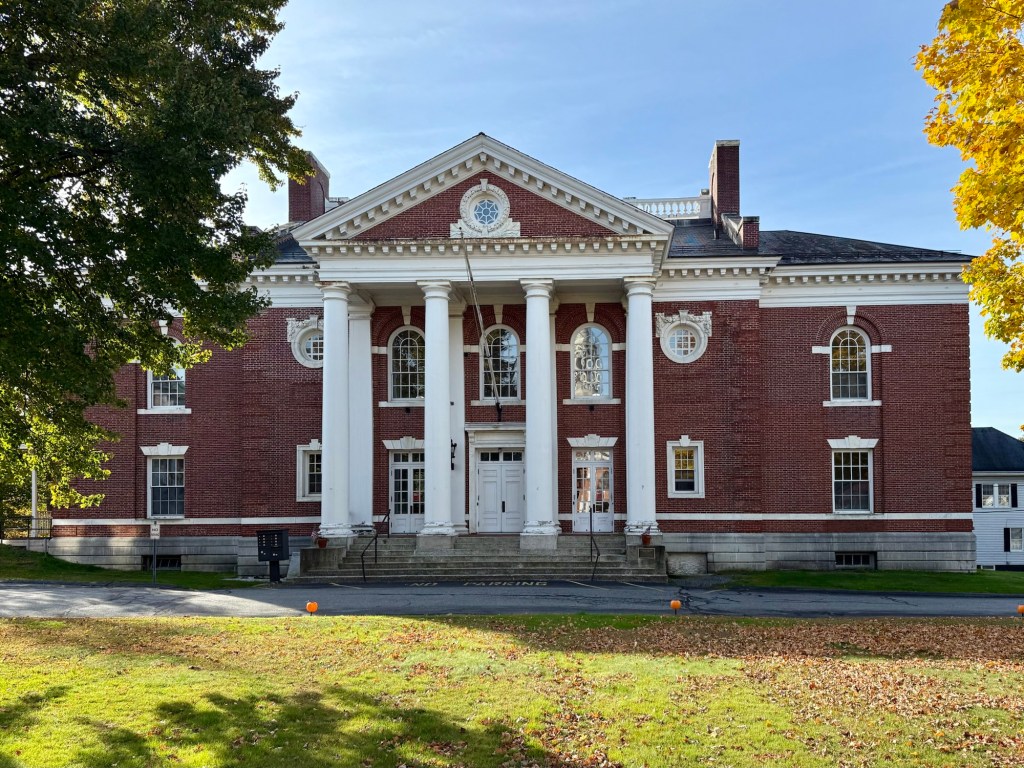
Lancaster Town Hall // 1908

The Town Hall of Lancaster, Massachusetts, was built in 1908 and is one of four religious and civic buildings framing the village’s bucolic town green. The Town Hall was built opposite the Charles Bulfinch-designed First Church of Lancaster and replaced an earlier town hall building that was constructed in 1848. The building was largely funded as a gift from wealthy Lancaster-native, Nathaniel Thayer’s sons, following their late-father’s death. Boston architect, Alexander Wadsworth Longfellow, the nephew of poet Henry Wadsworth Longfellow, was hired to furnish plans for the building, which is Colonial Revival in style, a perfect compliment to the historic New England town.
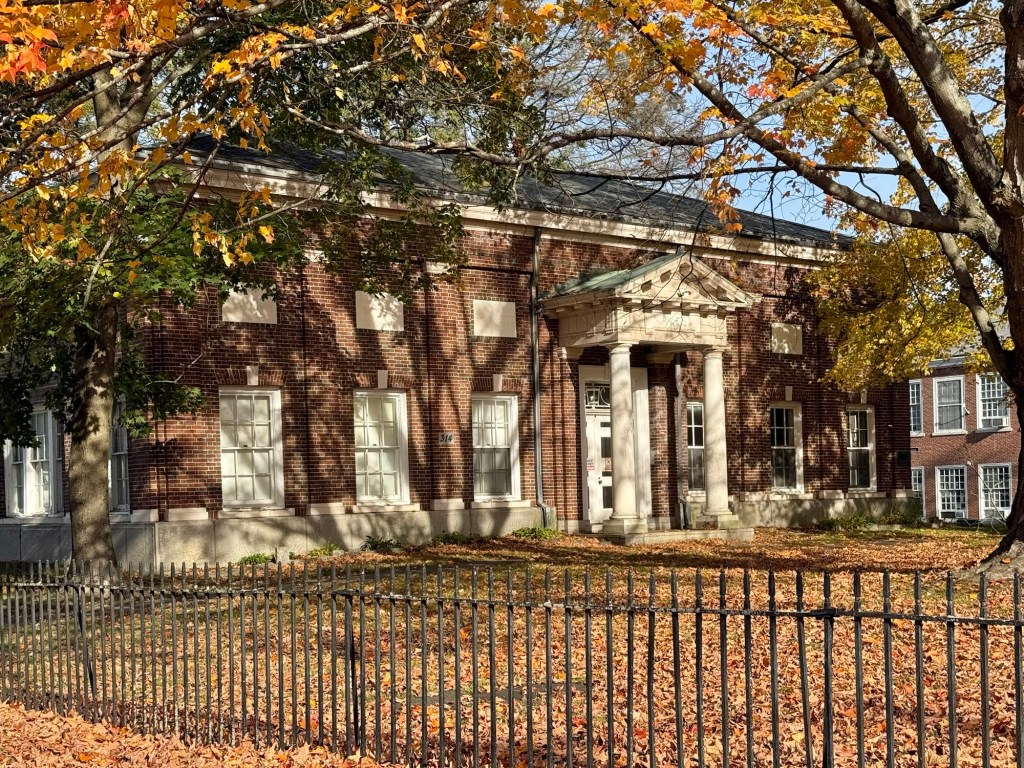
Thayer Bird Museum // 1903

John Eliot Thayer (1862–1933) was an amateur ornithologist and member of the wealthy Thayer Family in Lancaster, Massachusetts. Due to his family’s business dealings, John Thayer was able to turn his passion, studying birds, into one of the largest collections of stuffed birds, eggs and nests for professionals all over the country to study. John began collecting and housed his collections were in several wooden buildings close to his home in Lancaster, but when these became unsafe and crowded he built this beautiful brick building in 1903 in South Lancaster opening it to the public as a museum a year later. The Boston architectural firm of Winslow & Bigelow designed the Colonial Revival style building, with the Guastavino Fireproof Construction Company providing plans for interior spaces and likely engineering inside. Many of the leading ornithologists of the time visited the Thayer Museum and it was estimated that more than ten thousand visitors came to the museum in the first six years.  In 1974, the building was sold to the now defunct Atlantic Union College and reopened as the Mabel Bartlett Art Gallery. Much of the Thayer collection was donated to the Museum of Comparative Zoology at Mr. Thayer’s alma mater, Harvard University. Since the Atlantic Union College closed in 2018, this important building has been closed, hopefully to see reuse in the eventual redevelopment of the campus.

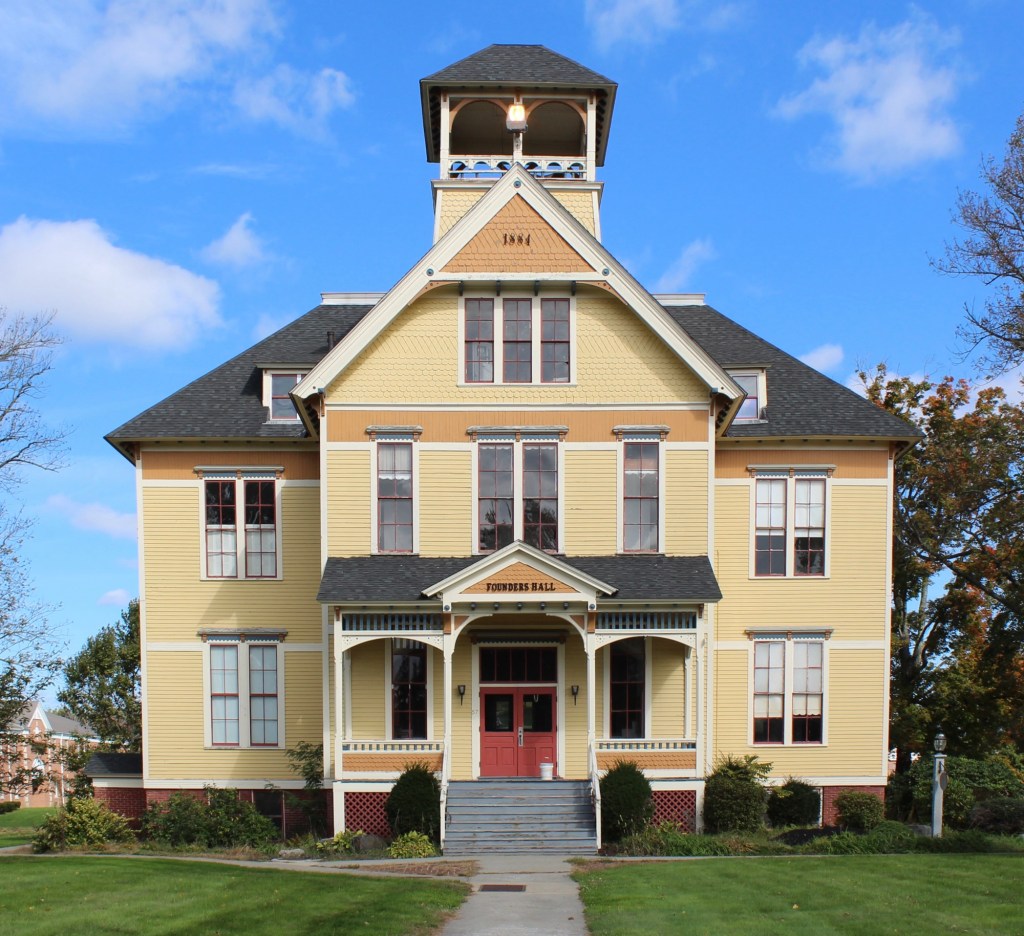
Founder’s Hall // 1884

Completed in 1884, Founder’s Hall is the oldest building on the campus of Atlantic Union College, a now defunct college in Lancaster, Massachusetts. The handsome Queen Anne style building was constructed for the school, originally known as South Lancaster Academy by Stephen N. Haskell, an elder of the Seventh-day Adventist (SDA) church. The building was designed by Worcester-based architects Barker & Nourse, and is the oldest educational SDA facility standing. The institution changed names, first to Lancaster Junior College, and then to Atlantic Union College, before the institution closed in 2018. The building and nearby campus buildings were sold in 2021, but the future is uncertain at this time.

Mary S. Johnson Mansion // 1910

Mary Elizabeth Spiers (1847-1915) married Iver Johnson (1841-1895) in 1868 and raised their children until Iver’s death in 1895. The couple lived in Worcester before moving to Fitchburg where Iver Johnson was head of the Iver Johnson’s Arms & Cycle Works in Fitchburg, and had sporting goods stores in Worcester, Fitchburg, and Boston. After his death in 1895, his widow Mary, became president of the stores and trustee and operator of the Iver Johnson Sporting Goods Co. in Fitchburg. Ms. Mary S. Johnson sought retirement and purchased land on Main Street in the bucolic town of Lancaster and built this large mansion in 1910. The estate sat on 75-acres of land and comprised of an older farmhouse, the 20th century mansion, two caretaker’s cottages, and a large stable. Ms. Johnson died suddenly in 1915 and the estate of over $4 Million dollars was distributed amongst the couple’s children. In 1934, the estate became the Dr. Franklin Perkins School, a K-12 school for students with special needs.

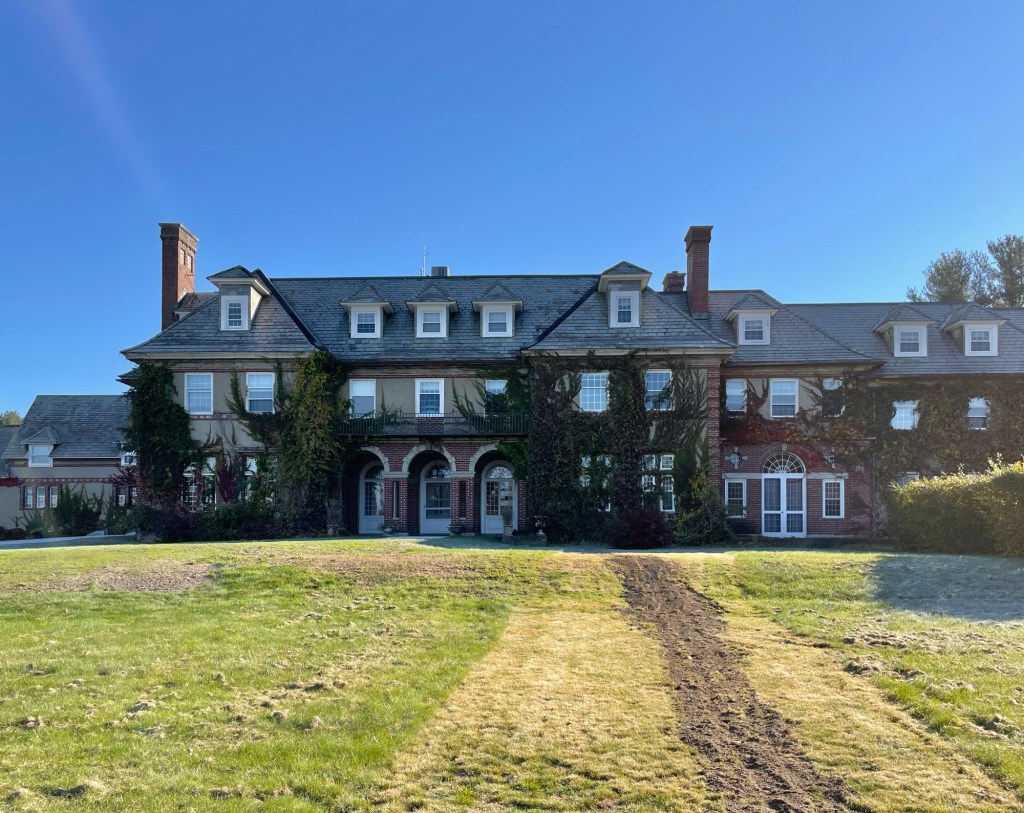
Nathaniel Thayer Mansion // 1902

The Thayer Family is one of the most prominent and well-connected families of New England, and that stature comes with handsome estates. Nathaniel Thayer (1801-1883) was born in Lancaster as the son of Reverend Nathaniel Thayer (1769–1840), a Unitarian congregational minister. Nathaniel Thayer Jr. made his fortune in businesses and held deep ties to his hometown, despite spending most of his time in Boston. He took down the original Thayer home on this site and developed the estate in the 1850s. After his death, the property was inherited by his son, Nathaniel Thayer III (1851-1911), and the house was enlarged and remodeled in the Georgian Revival style in 1902 by the architect and interior designer Ogden Codman Jr. The mansion served as a summer home to Nathaniel, who too spent much of his time in Boston. After his death, the 46-room mansion was sold out of the Thayer family with many of its furnishings sold at auction. The Nathaniel Thayer Mansion house was sold to Atlantic Union College in 1943 at a cost of $12,500. It was used as the school’s administration building between 1945 and 1951, and then as a dormitory until about 1970. From 1973 to present-day, the estate has been home to Thayer Conservatory, Center for Music and the Arts, who do a great job at preserving this significant landmark.

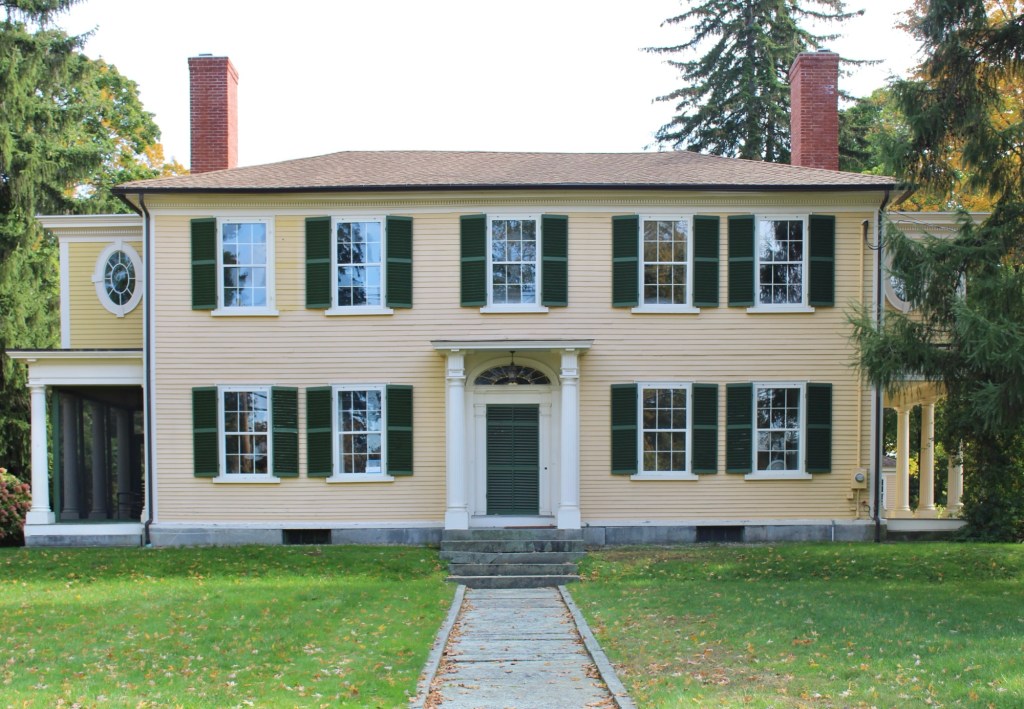
Rice-Carter House // 1796

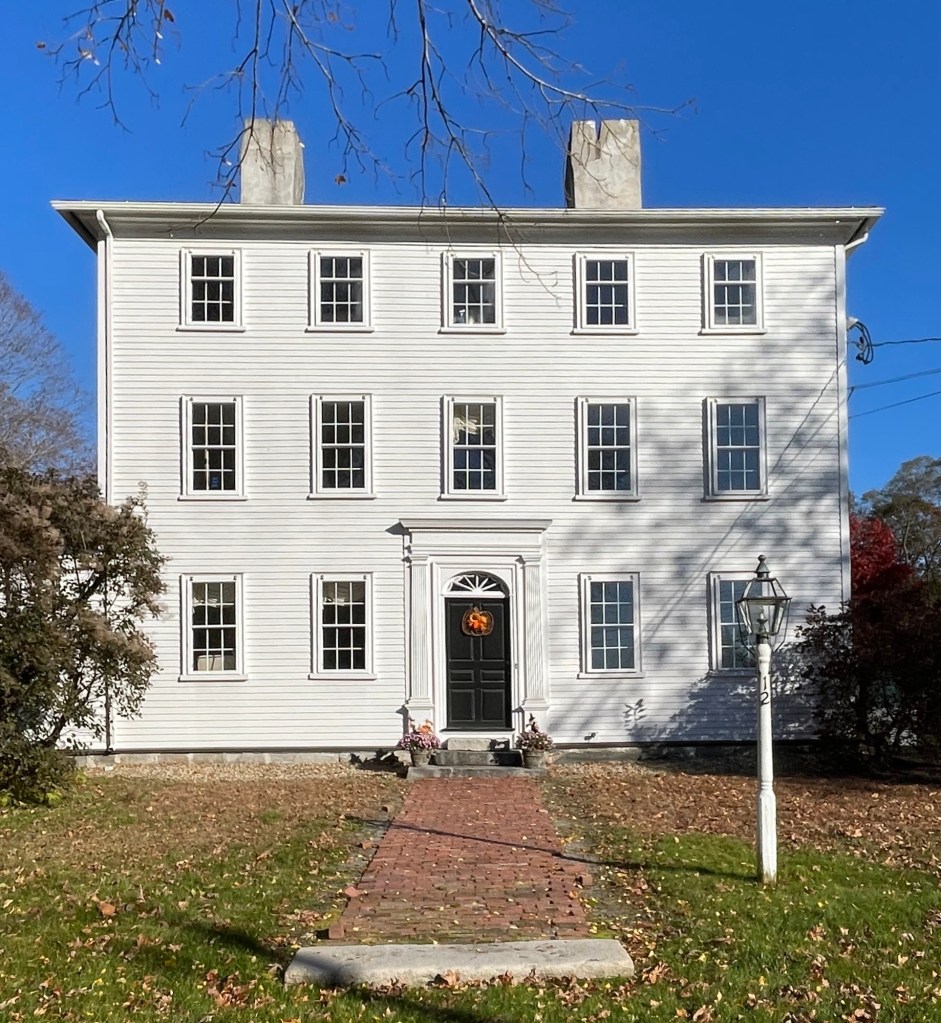
In 1796, attorney Merrick Rice (1764-1819) built this stately Federal style farmhouse on Main Street in Lancaster. The house exhibits a symmetrical facade with hipped roof and twin chimneys and portico at the entrance sheltering the front door with fanlight transom. The house has end porches which may have been added sometime in the 19th century. The property was later purchased by Rev. Asa Packard, who rented the residence to his daughter, Ann, and her husband, James Gordon Carter, a state representative and education reformer who wrote Influence of an Early Education in 1826, and in 1837, as House Chairman of the Committee on Education, contributed to the establishment of the Massachusetts Board of Education, the first state board of education in the United States. The Rice-Carter House is excellently preserved both inside and out.

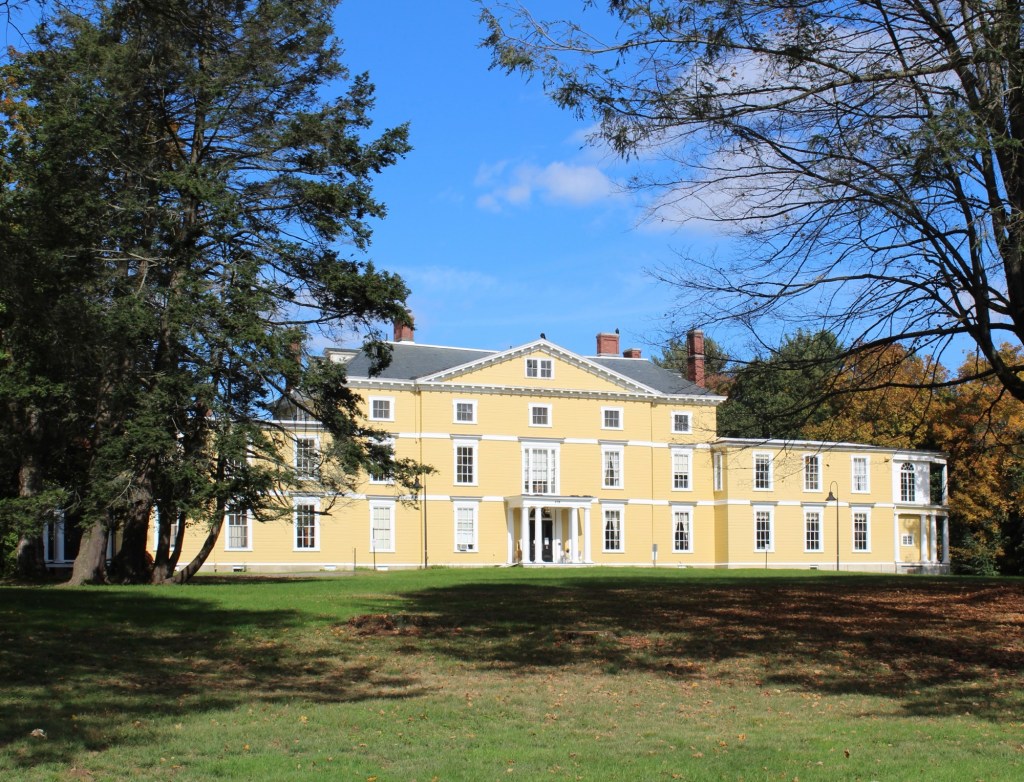
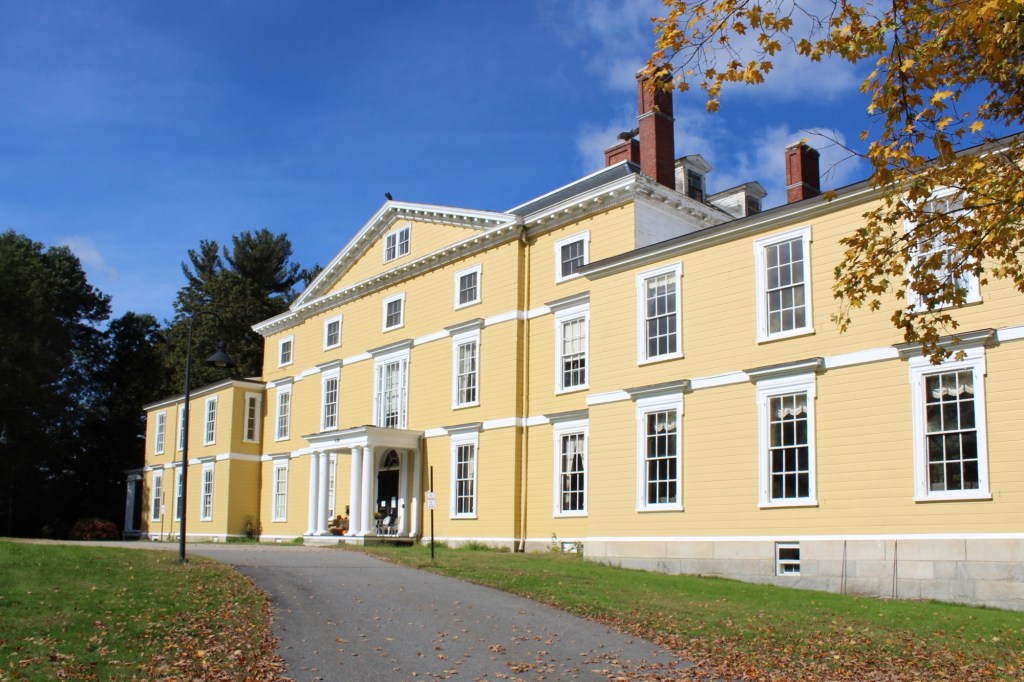
Willard-Stedman Mansion // c.1760

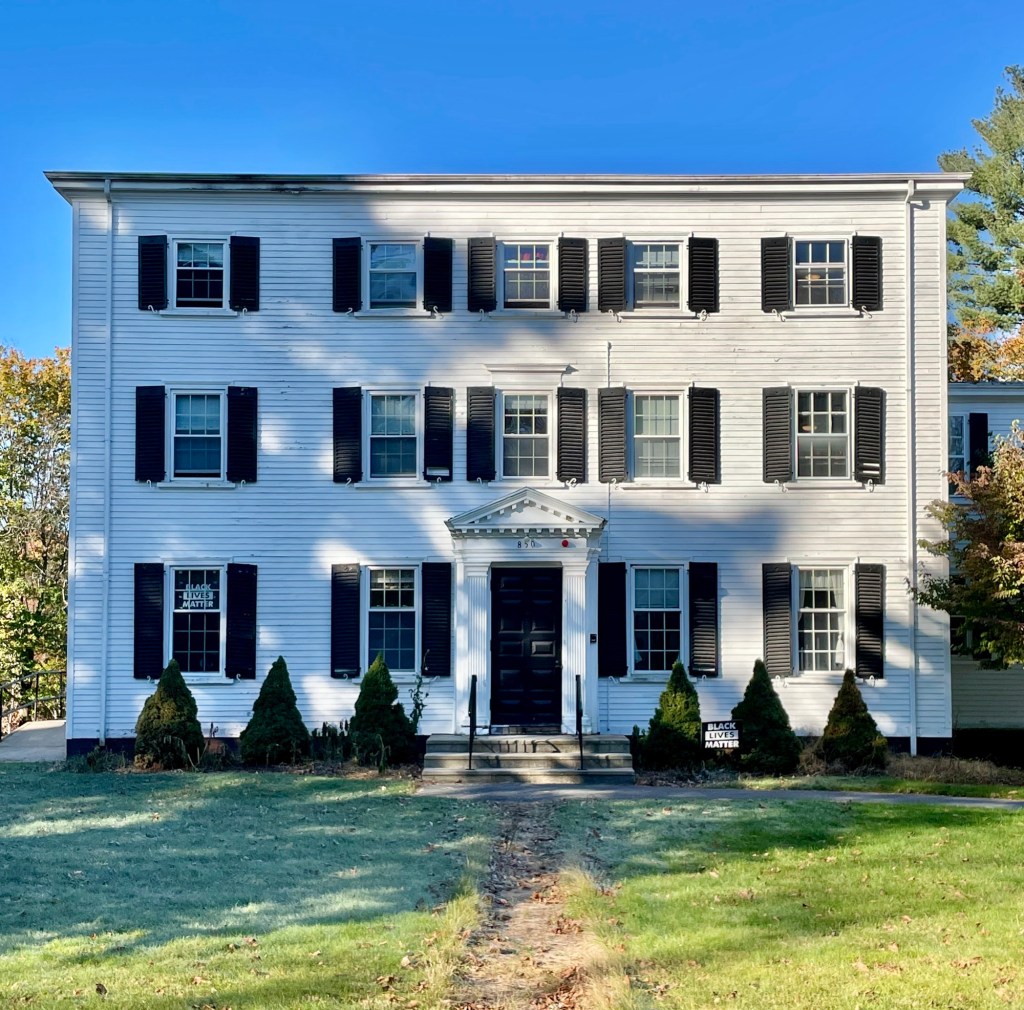
This stately Federal period mansion in Lancaster, Massachusetts, was originally constructed as a Georgian, two-story, five-bay house for Levi Willard (1727-1775), the son of a major landholder and descendant of one of the earliest settlers in the town. The residence is said to have been built by Levi’s cousin, Aaron Willard around 1760. Sometime after Levi’s death in 1775, the property was acquired by William Stedman (1765-1831), a notable attorney who served as town clerk of Lancaster 1795-1800, later becoming a member of the Massachusetts House of Representatives from 1802-1810. It was during Representative Stedman’s ownership that the house was remodelled into the fashionable Federal style appearance we see today, with the third floor added with shallow hip roof and classical entrance with pilasters and fanlight. In the mid-19th century, the house was operated as different boarding schools, though more information is needed. Today, the residence has been preserved and maintained as a single-family home, contributing to the charming Lancaster Center Village.

Joseph Andrews House // 1831

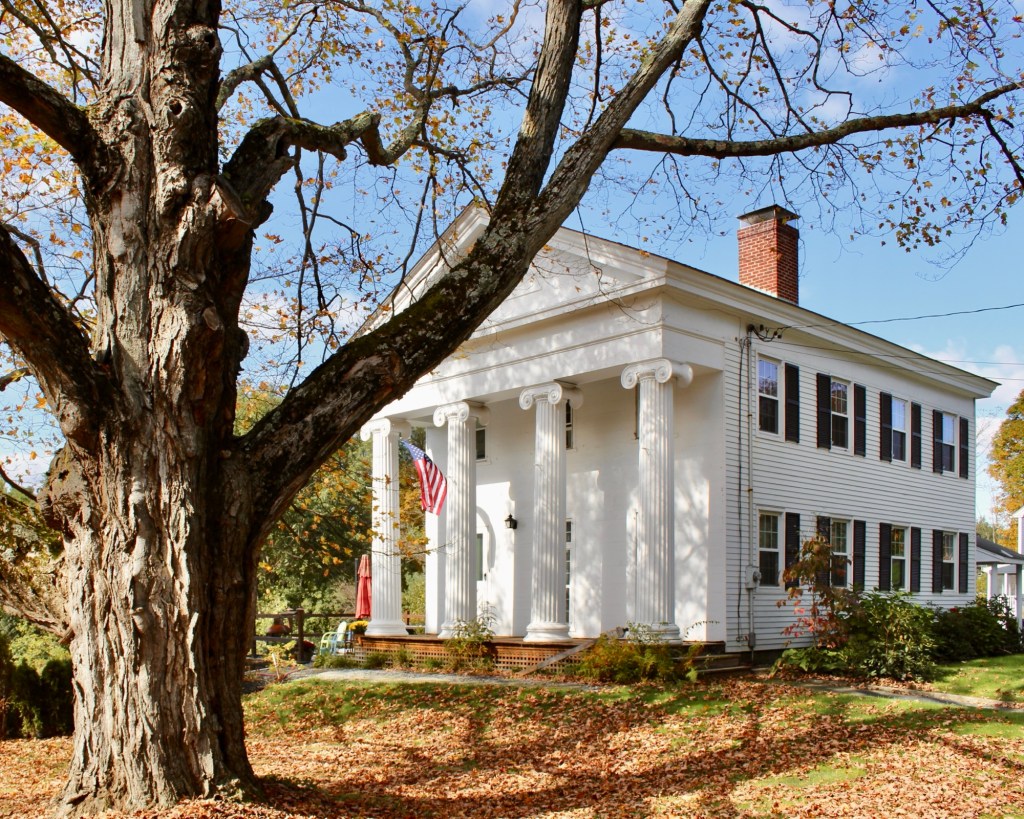
This stately temple-front Greek Revival style house in Lancaster, Massachusetts, faces southward and when originally built, had sweeping views of fields and the Nashua River which abuts the property. The residence was built in 1831 for Joseph Andrews (1806-1873), a renowned 19th century artist who engraved portraits and landscapes, and was also an elder in the local Swedenborgian Church when it still met at residences. The Andrews House was likely a wedding gift to his wife, Thomazine Minot of Brookline, when they married. Tragically, Thomazine died just years later in 1834 at the age of 22. Joseph Andrews remarried soon after and would later move to Waltham. The house, which is listed on the National Register of Historic Places, features a full-length projecting porch with pediment supported by four, two-story fluted Ionic columns and a flush-board facade.

Swedenborgian Church of Lancaster // 1881

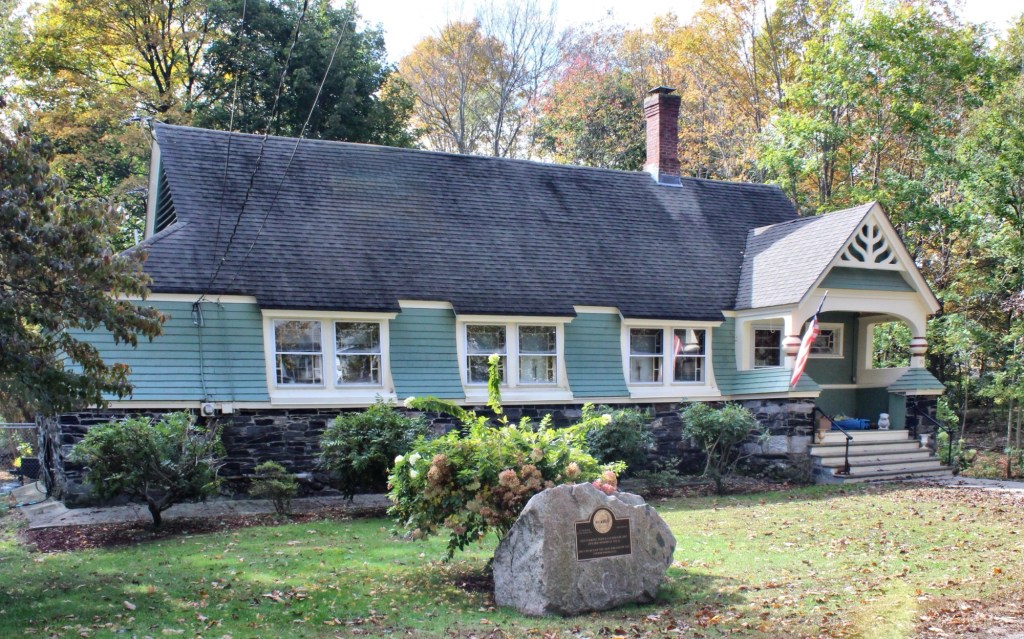
Built in 1881, the Swedenborgian Church of the New Jerusalem in Lancaster, Massachusetts, is a handsome Victorian-era chapel that has been well-preserved for nearly 150 years. The Queen Anne/Shingle style church was designed by architect Francis Ward Chandler of the firm, Cabot & Chandler, for the local Swedenborgians in Lancaster, some of which likely spent summers in Lancaster from Boston. The membership of the church dwindled in the early 20th century, and the congregation sold the church to a local women’s social group, the Current Topics Club in 1923. The women’s club met in the old church and maintained the building for nearly a century until the building sold to private owners in about 2007, who converted it to a residence, preserving the unique architecture we still see today.

Bessie & Murray Potter House // 1909

Murray A. Potter (1871-1915) and his wife, Bessie Lincoln Potter lived in Cambridge, Massachusetts, where Murray worked as a Professor of Romance Languages at Harvard College. The couple spent summers in Lancaster, Massachusetts, where they would purchase a house in 1909 that was built just a decade or so earlier. The couple were said to be big fans of history and decided to make their house resemble the 1782 Pierce-Nichols House in Salem, having the brown shingle Victorian house “modernized” in the current three-story near-symmetrical form.