John and Gertrude Parkinson House // 1902

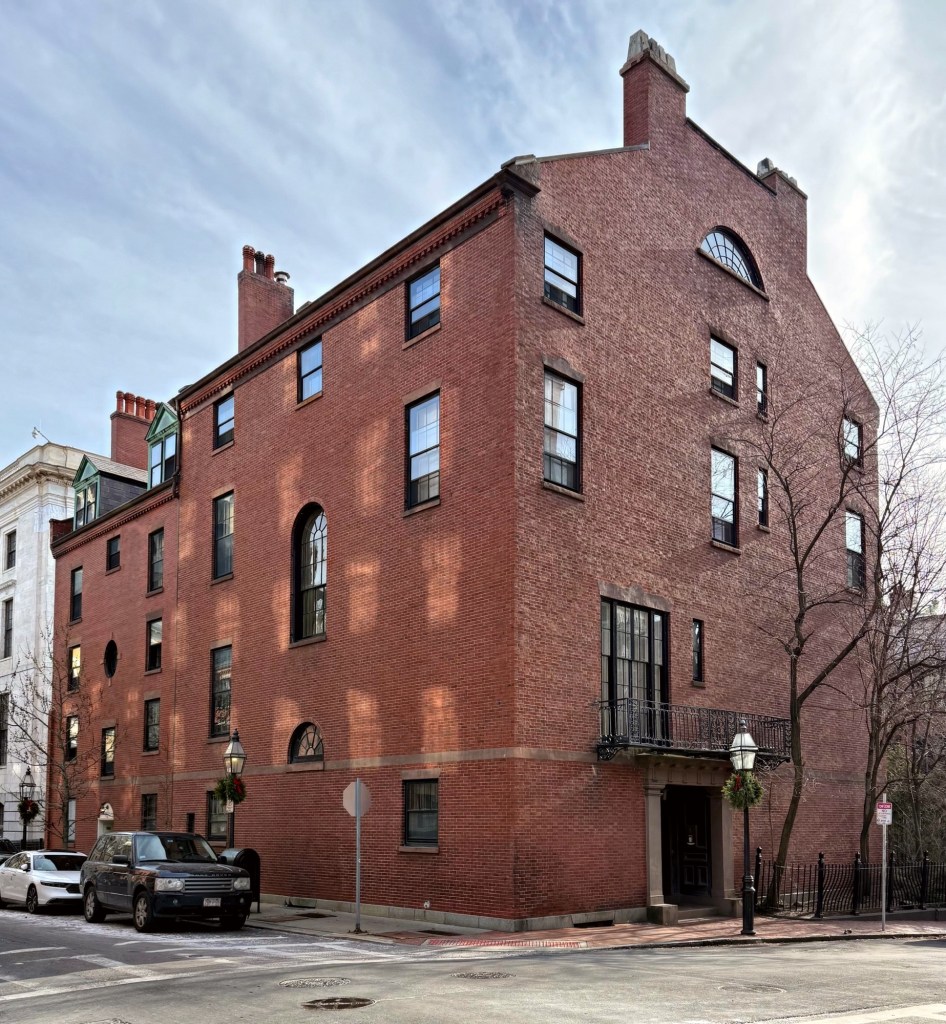
Teardowns have always been a common occurrence in cities, though replacement buildings from before WWII tended to be more substantially designed and built. This stately manse on Beacon Street in the Back Bay was built in 1902 on a lot previously comprised of two townhouses! This residence was built in 1902 for John and Gertrude Weld Parkinson from plans by the renowned firm of Peabody and Stearns. The Classical Revival style house has a limestone face and chunky stone lintels at the second floor to break up the facade. After income tax was introduced in the early 1900s and changing economic conditions for wealthy homeowners shifted, large single-family homes were no longer the norm. This home (and many others in Back Bay) was converted to a multi-family apartment building and today is home to eight condo units.

Preston Double-House // c.1830

Until recently, the Clam Point neighborhood of Dorchester was called Harrison Square. The name commemorated President William Henry Harrison’s visit to Dorchester during the presidential campaign of 1840 and honored his memory, as he died of pneumonia shortly after taking office. Development in the neighborhood was initiated following the arrival of the Old Colony Railroad depot (1844). When rail service to Harrison Square was discontinued in 1957, the Harrison name began to fade from the memories of area inhabitants. The name “Clam Point” is said to have been coined during the 1970s by realtors intent on touting the area as a desirable coastal community of antique homes, it stuck. Likely the oldest extant house in the neighborhood (built before the railroad depot) is this house on Mill Street, constructed as a double-house around 1830 for brothers Elisha and John Preston. The vernacular, late-Federal style house has later shed dormers and lancet windows in the side gables. The Preston’s land holdings and sale before the Civil War led to much of the later development in the neighborhood.

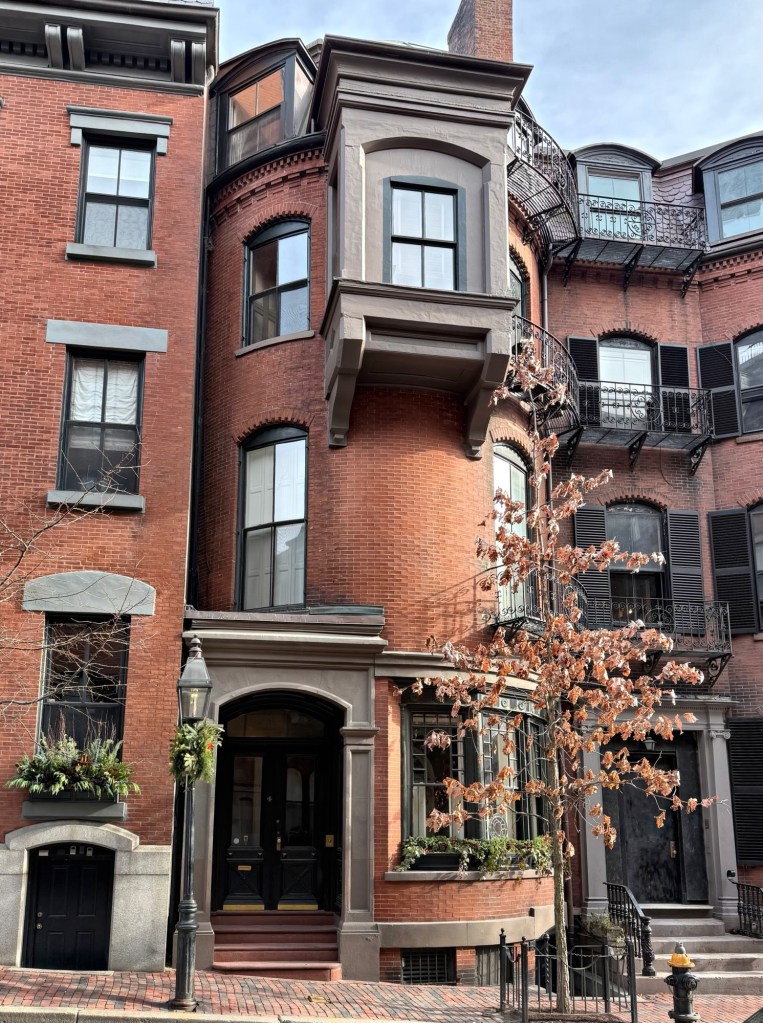
Joshua Bennett Townhouse // 1834

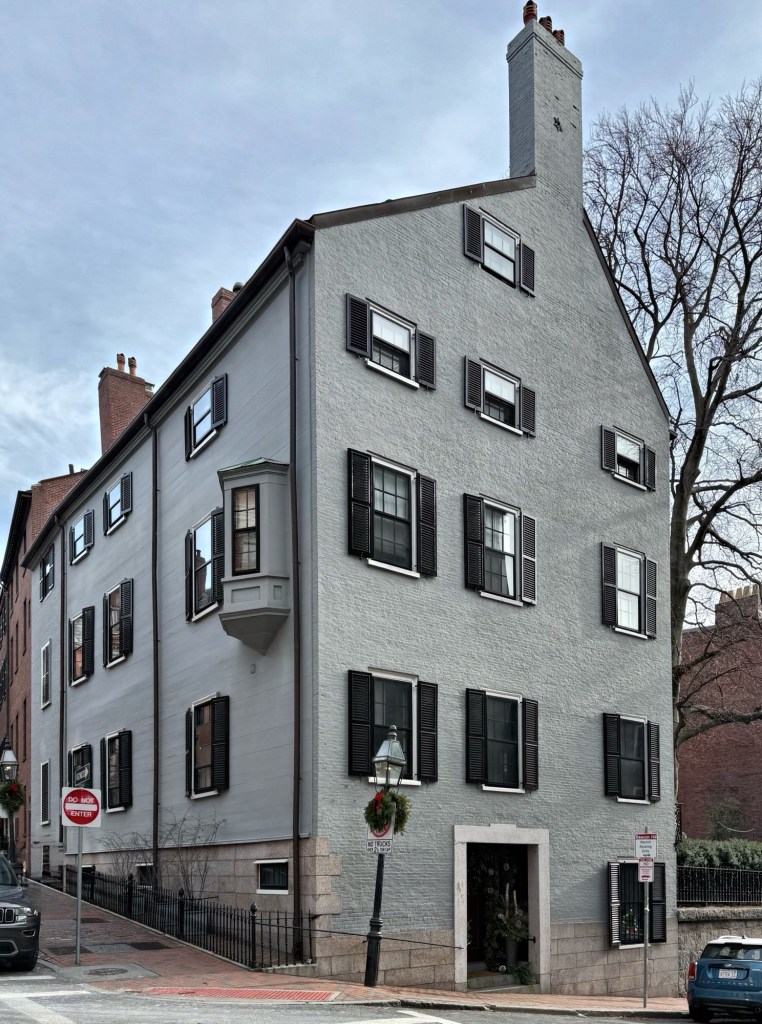
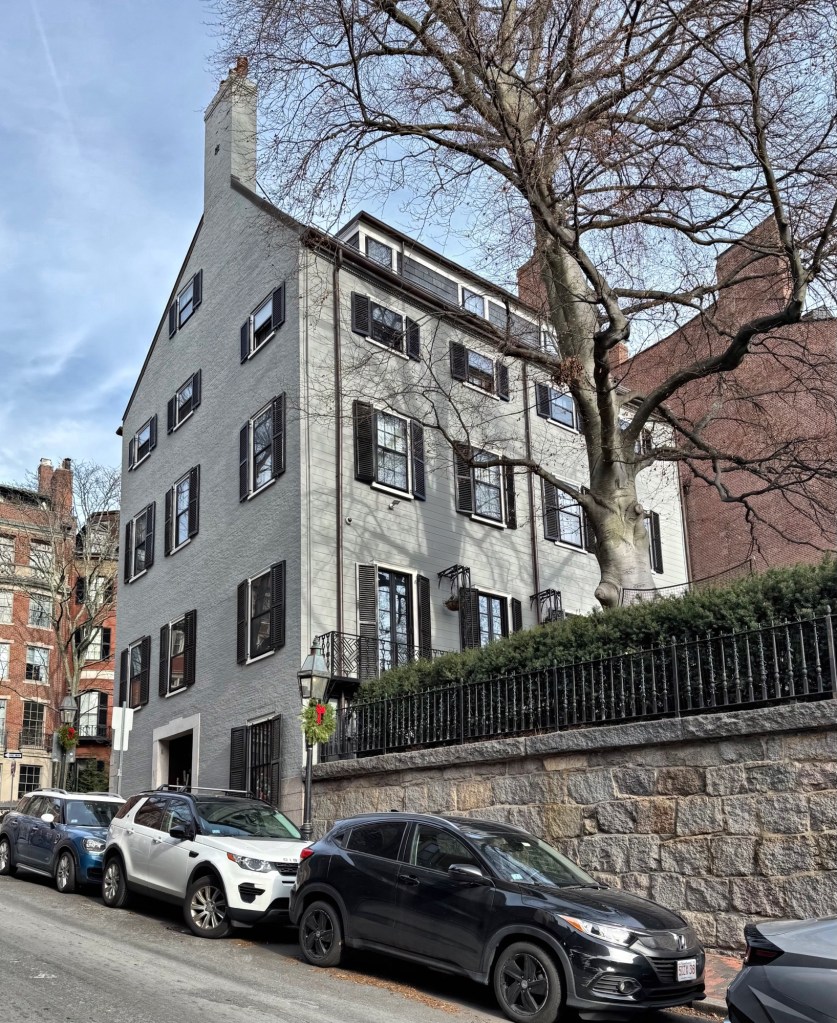
Just steps from the iconic Louisburg Square in Boston’s exclusive Beacon Hill neighborhood, a man named Joshua Bennett in 1834, purchased two recently completed townhouses built by housewrights Samuel H. Mitchell and Loring Dunbar. Joshua Holden Bennett (1792-1865) was born in Billerica, Massachusetts and split his time between his hometown and Boston. Bennett and his family owned the two identical bowfront houses until about 1930, likely renting them out to middle-upper class families. The home on the right (pictured) was later purchased by Benjamin B. Gillette an organist at a local church. After WWII, property values in Beacon Hill began to falter and this property and its neighbor became lodging houses of rented rooms to a more wealthy clientele than those on the North Slope of the hill. The home last sold in 1989 for $753,000 and is estimated at a value today at over $4,000,000!

Emmel Rental Houses // 1896

Tucked behind the massive Emmel Building (last post), you will find these two charming houses on the dead-end street in Jamaica Plain, Boston. Like the Emmel Building, these two homes were built by Charles Emmel, an architectural sculptor and real estate investor, who hired local architect George Zimmer to furnish plans for the buildings. The two transitional Queen Anne houses feature some of Emmel’s architectural decoration, from the lion’s head corbels to the decorative lintels above the windows, these homes really stand out!

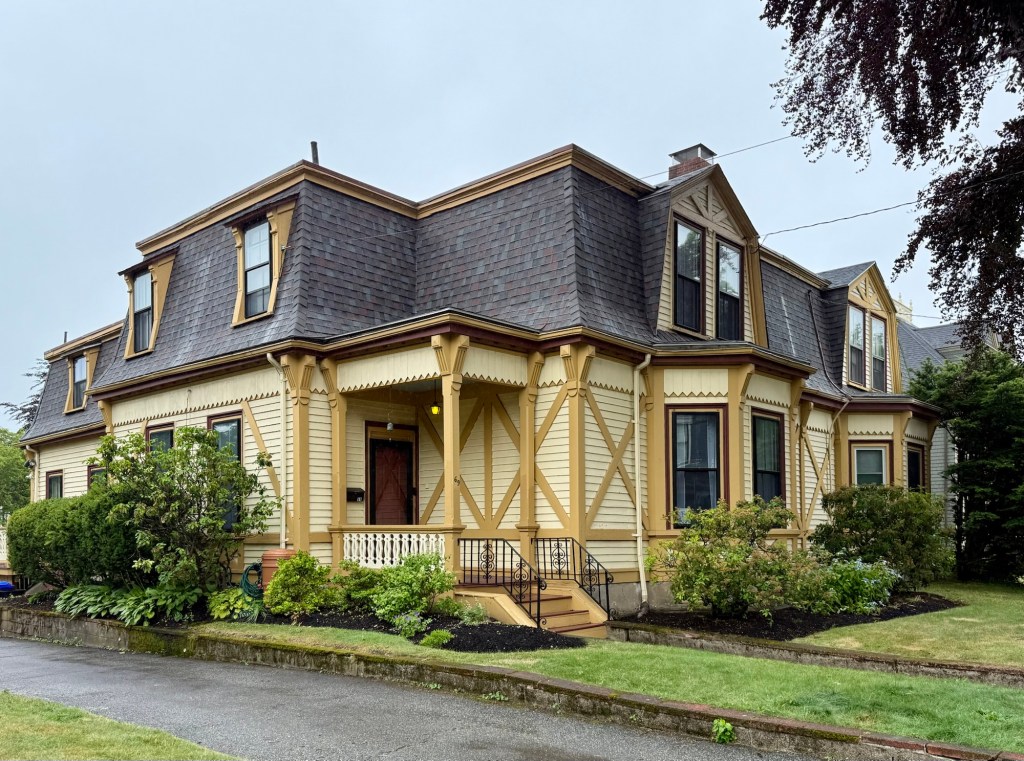
William F. Goodwin House // 1888

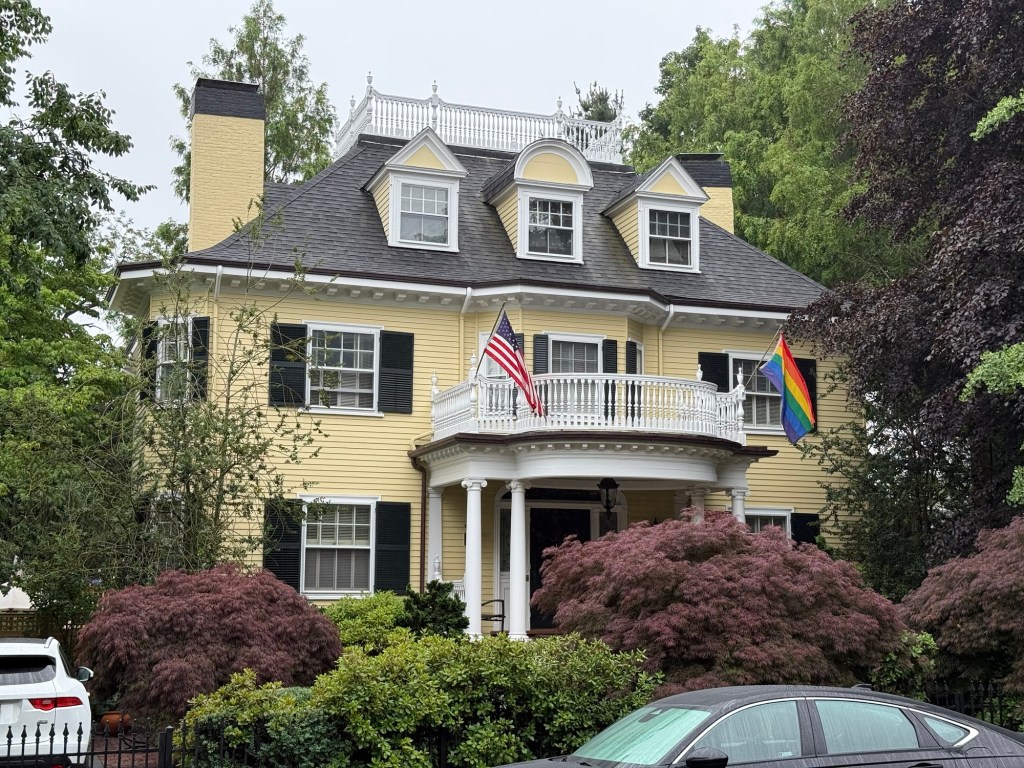
When an architect designs their own home, they typically focus on the minute details which can make such a difference, often because they know what works and what doesn’t! This home was designed and built for William F. Goodwin, an architect with an office in Downtown Boston. After the Waban Station was built in 1886, he sought open space and a large home in suburban Boston, to get away from the hustle-and-bustle of daily life. Years after he moved into his home, he gifted his services to design the neighborhood’s first church, the Church of the Good Shepherd.