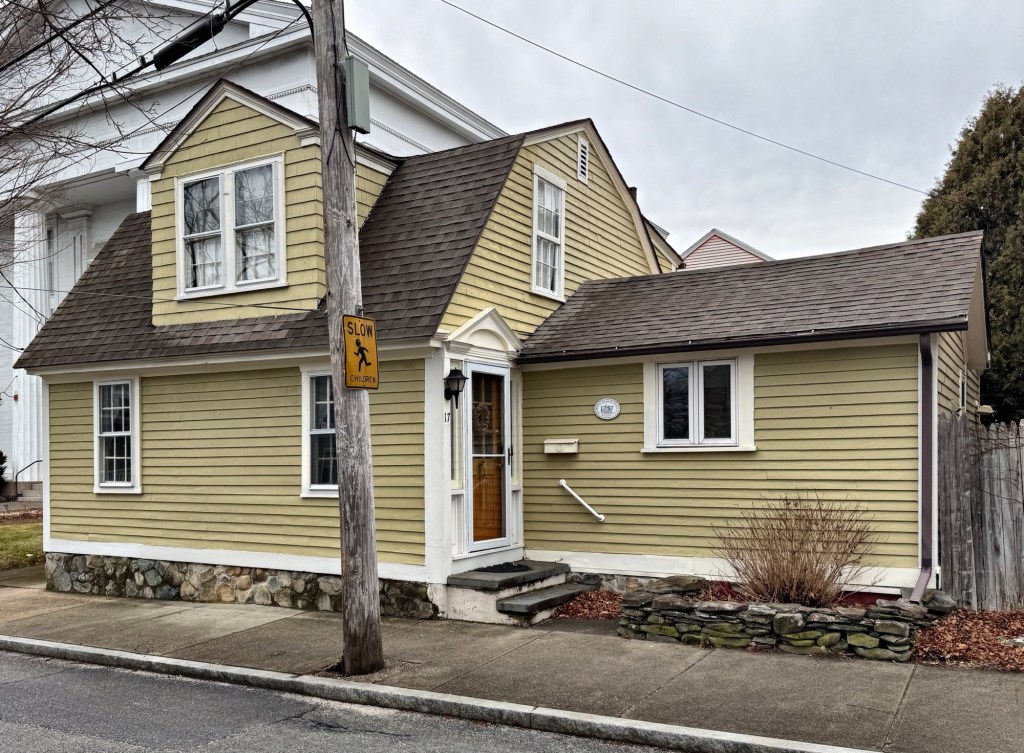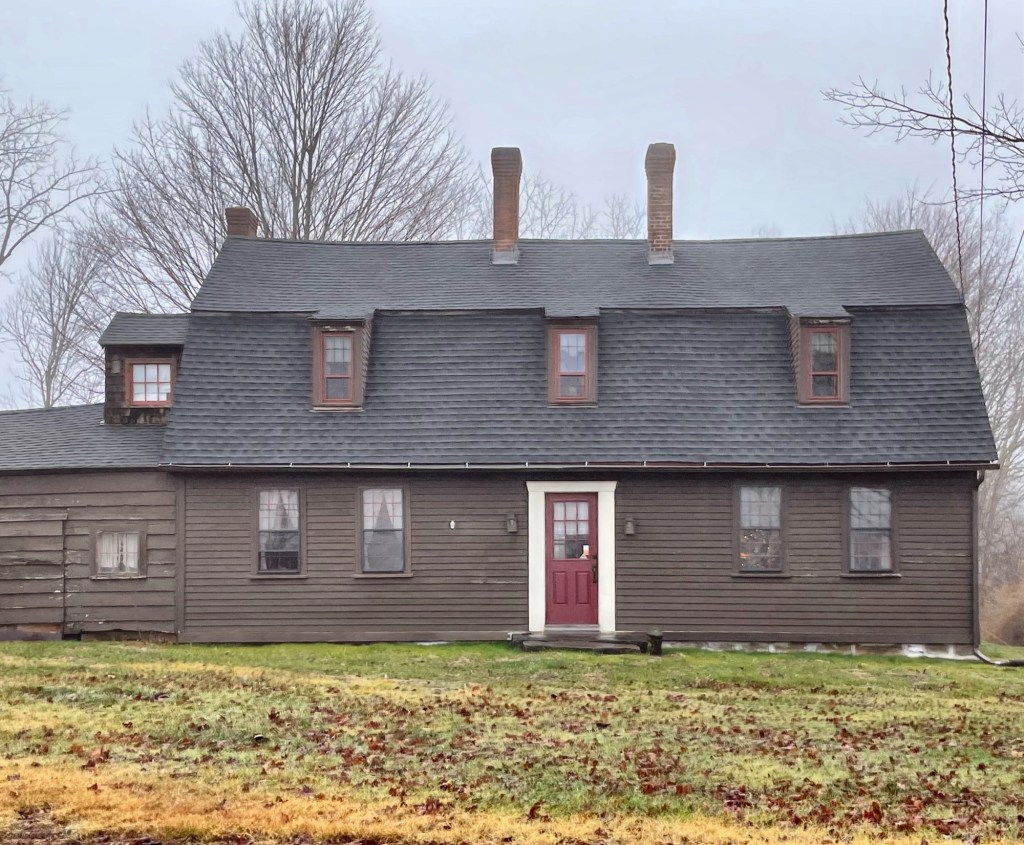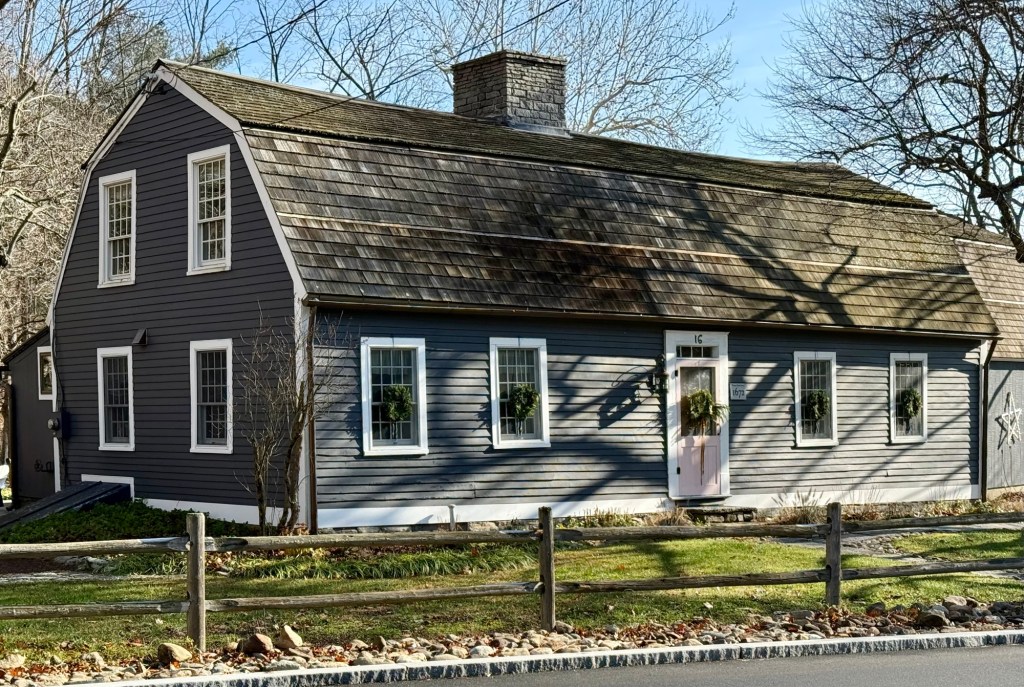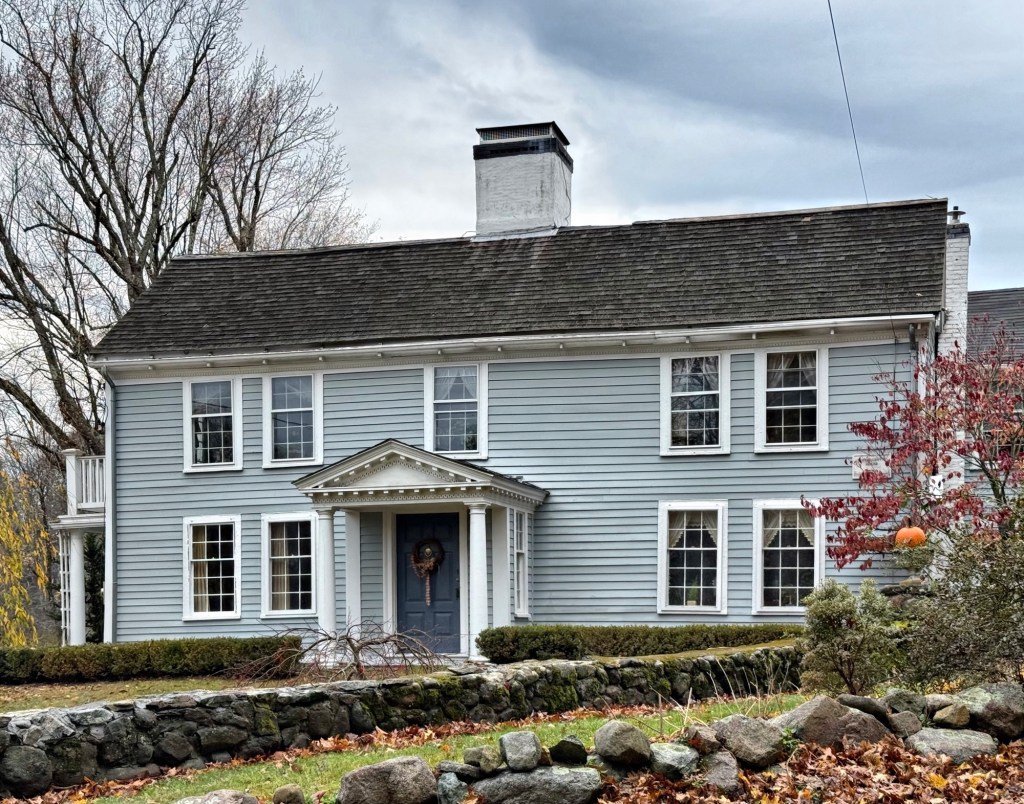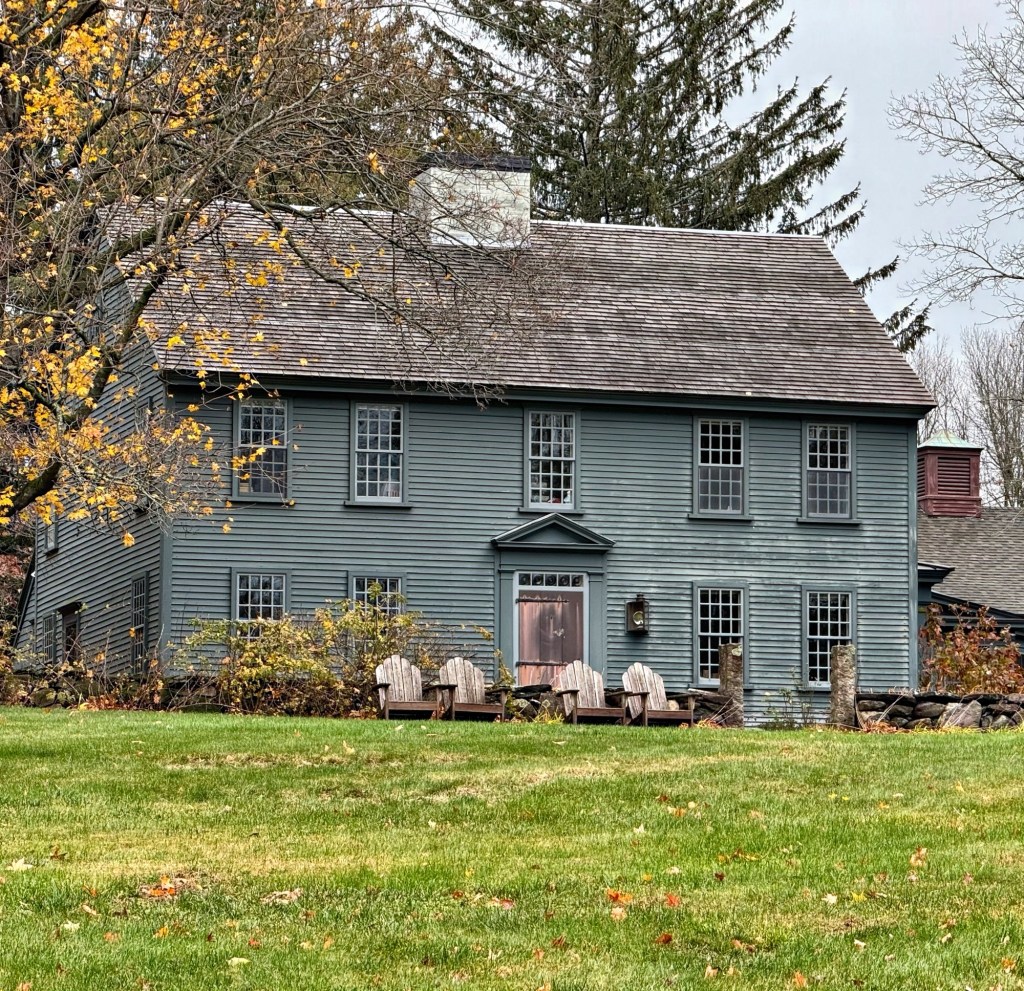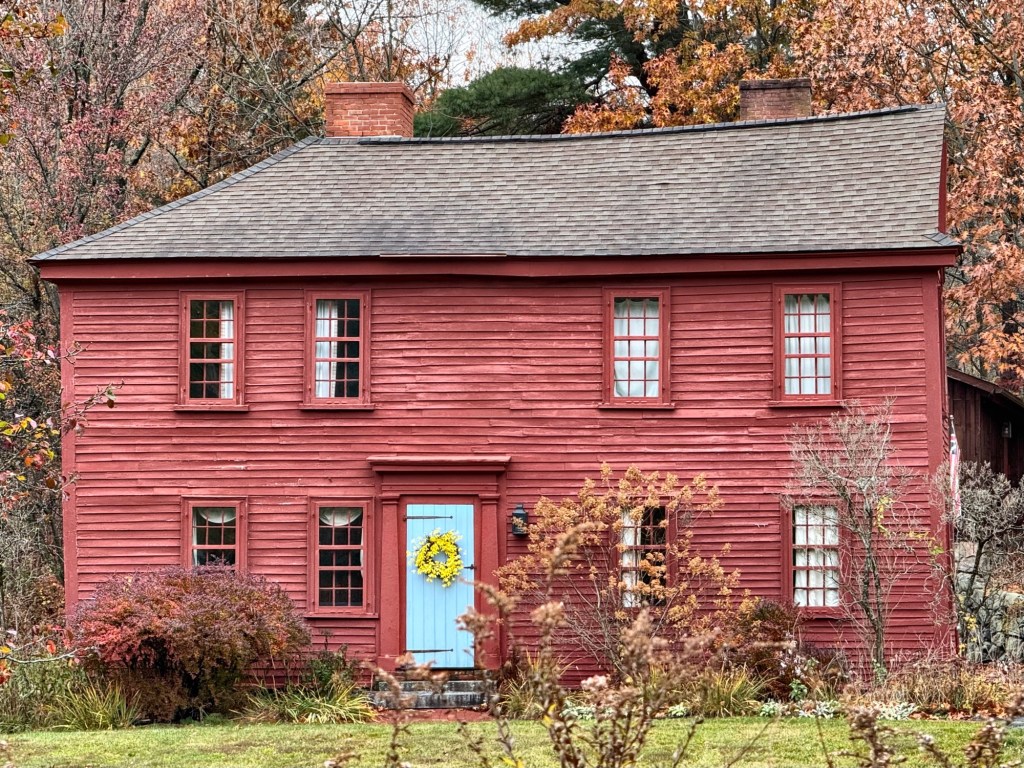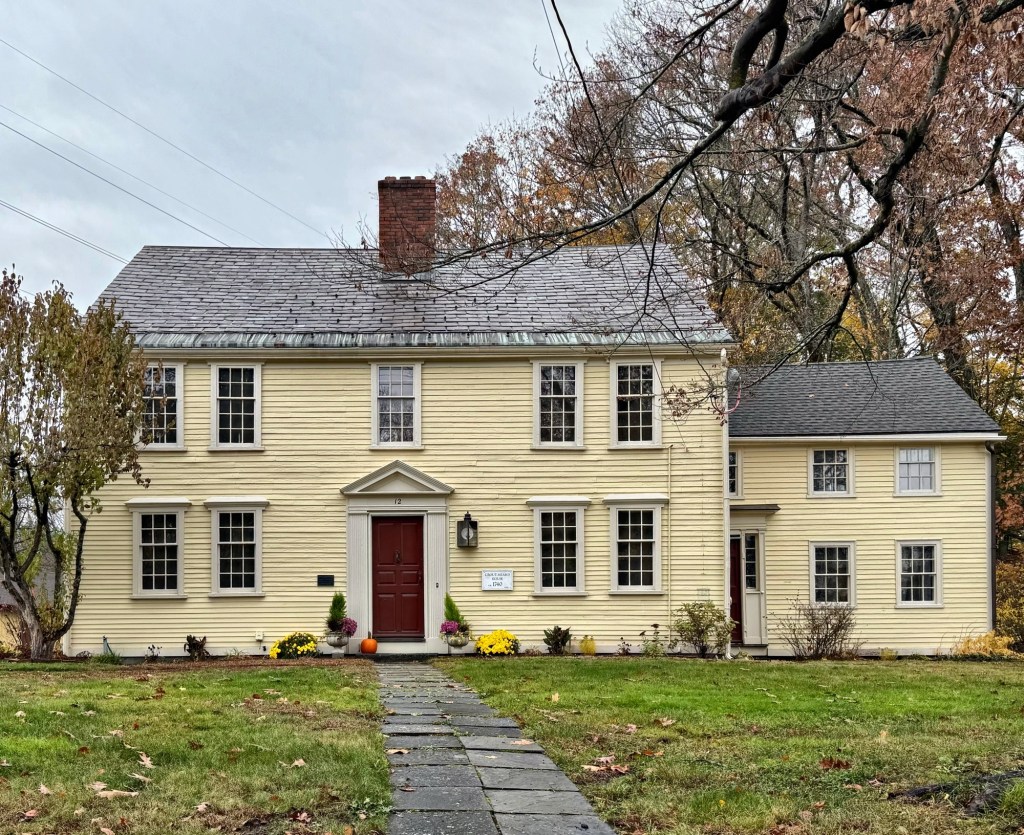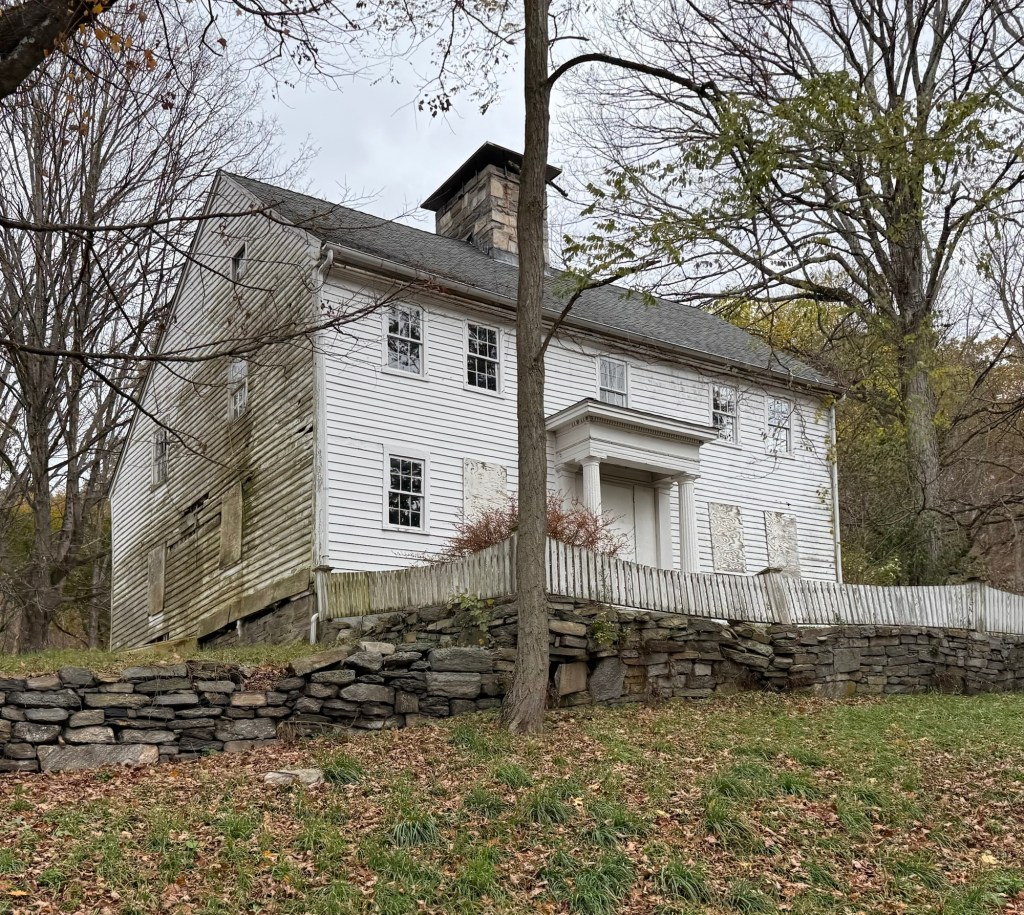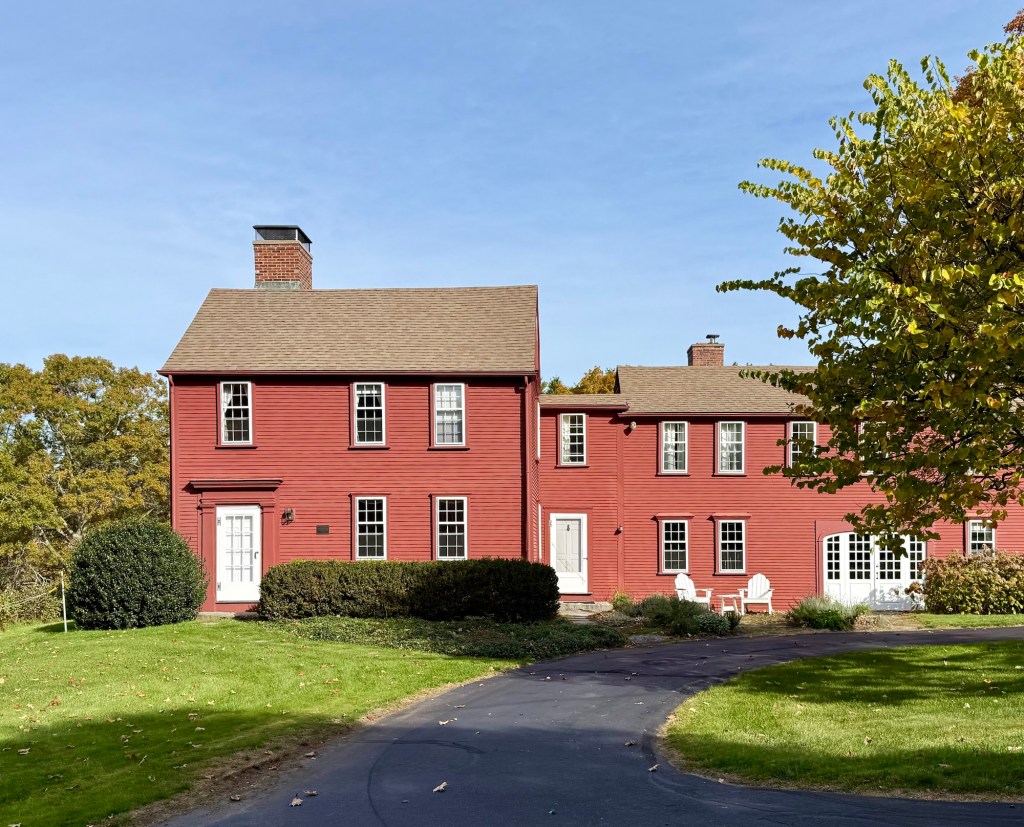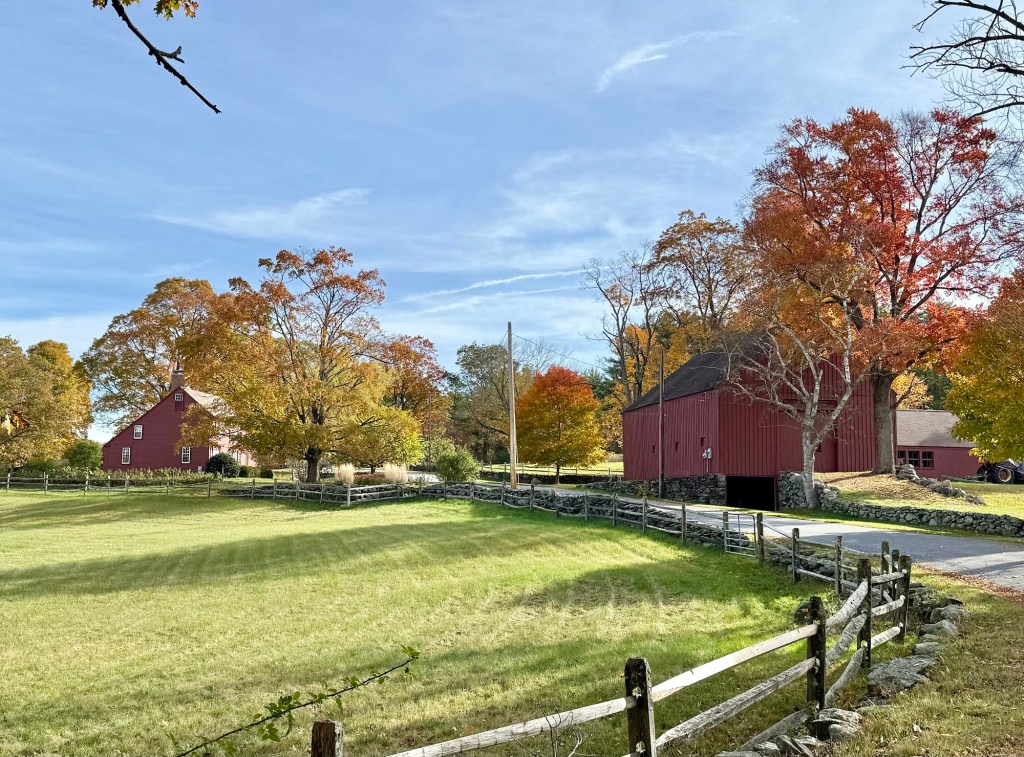
John Bennett House // 1717

The oldest residence in the North Village of Lancaster, Massachusetts, the John Bennett House dates to 1717 and evokes the old Colonial days of New England towns. John Bennett settled in Lancaster and built this large First Period house for his family and operated it as a tavern to weary travellers passing through town along the main turnpike. After Bennett’s death, local legend identifies that the property was a stopping place on the Underground Railroad for runaway slaves escaping to Canada. This, however, has never been substantiated. From 1872 to 1874, the house was occupied by the first Adventist missionary, John Nevins Andrews, co-founder of the Seventh-day Adventist Church. The house is well-preserved and remains as one of the oldest in Lancaster and an important landmark of the early days of the community.

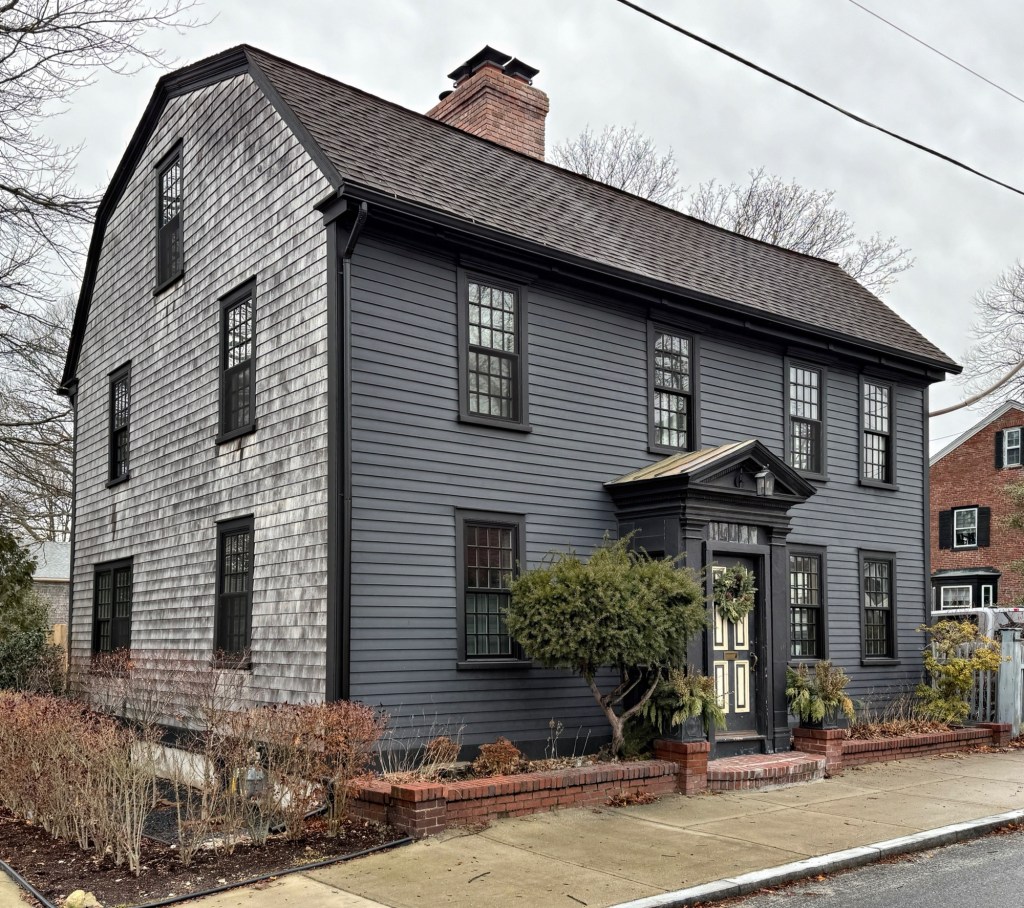
John Sprague House // 1785

Judge John Sprague (1740-1800) was a Harvard graduate and settled in Lancaster, Massachusetts as one of only three lawyers in Worcester County following the departure of his Tory colleagues during the Revolution. From this, a young Sprague climbed the professional ladder quickly and represented Lancaster in the General Court beginning in 1782 and occasionally sat in the Senate. He was first appointed judge in 1784 and in 1798 became chief justice of the Court of Common Pleas for Worcester County. After being appointed a judge in 1784, Sprague purchased a house lot on Main Street in Lancaster and hired local housewrights Eli Stearns and Jonathan Whitney, to design and build this stately home. Judge Sprague moved from his 1771 houseshort distance away, to this more substantial late-Georgian home with projecting entry with pilasters and pediment. After his death in 1800, the property was inherited by his daughter, Ann Sprague Vose and her husband, a merchant, Peter Thatcher Vose

Sprague-Waldo House // c.1771

Just outside of the village center of Lancaster, Massachusetts, this Georgian style house stands out as one of the town’s finest Colonial residences. The residence was built for John Sprague (1740-1800), who settled in Lancaster and was one of only three lawyers in the county following the departure of his Tory colleagues during the Revolution. Sprague represented Lancaster in the General Court beginning in 1782 and occasionally sat in the Senate. He was first appointed judge in 1784 and in 1798 became chief justice of the Court of Common Pleas for Worcester County. He was active in Shays’ Rebellion, and later, along with John Hancock and Samuel Adams, was one of the antifederalists who converted and helped ratify the U.S. Constitution. Sprague moved to a new house in 1785, and sold this property to Daniel Waldo (1724-1808), a wealthy Boston merchant who started America’s longest-running hardware store, in Worcester (Elwood Adams). Waldo was a great-great-grandson of Anne Hutchinson, America’s first major female religious leader/dissenter. The house has had many other notable owners, all of whom have preserved this stunning five-bay colonial house for nearly 250 years.

Daniel Heald House // c.1785

Daniel Heald (1739-1833), one of the earliest settlers in the town of New Flamstead (later renamed Chester) Vermont, established his farm on the west side of the upper Williams River. He moved to rural Vermont from Concord, Massachusetts, where he was one of the Patriot soldiers who at the Concord bridge, fought against the British troops while his wife and children who had fled from their home viewed the battle from a neighboring hill. He, with his family, emigrated to Vermont in about 1776 and eventually would serve as town clerk from 1779 to 1799 and as town representative from 1783 to 1797. Around 1785, he built this residence, oldest wood-frame house in North Chester, a two-story, central-chimney house with saltbox roof sloping to the rear. When his son, Amos Heald, was of age, some of the property was deeded to him, where he built a stately Federal style residence that stands across the street to this day. Both of the Heald houses tell the early history of Chester through well-preserved houses.

Stephen Hopkins House // 1743

The Stephen Hopkins House is a Colonial-era house in the East Side neighborhood of Providence, and has survived waves of commercialization and redevelopment for nearly 300 years. The home is associated with Founding Father of the United States, Stephen Hopkins (1707–1785), who served as Governor of the Colony of Rhode Island and Providence PlantationsChief Justice of the Rhode Island Supreme Court, and was a signer of both the Continental Association and Declaration of Independence. In 1742, Stephen Hopkins purchased a one-story cottage built in 1707 on Main Street, and enlarged the original house to its present size by 1743, incorporating the original cottage as the rear ell. The eight-room residence was occupied by Gov. Hopkins, his family, as well as enslaved Africans who lived under the same roof until his death in 1785. During his ownership, George Washington slept here, twice. After 150 years of successive ownership, in 1928, the house was moved to its current location at the corner of Hopkins and Benefit Streets to facilitate the construction of the new Providence County Courthouse complex. The Hopkins House was restored by architectural historian and architect, Norman M. Isham, and is owned by The National Society of the Colonial Dames of America, operating it as a historic house museum. The Gov. Stephen Hopkins House is a National Historic Landmark.

Captain Joseph Tillinghast House // c.1770

This Georgian house at 403 South Main Street in Providence’s East Side was built by Captain Joseph Tillinghast (1734-1816) a wealthy merchant and participant in the Gaspee Affair, a significant event in the lead-up to the American Revolution. The Gaspee Affair occured in 1772, when a group of men from Providence attacked and burned the British customs schooner, HMS Gaspee. The incident was fueled by colonial resentment towards British customs enforcement, and took place not too long after the Boston Massacre. Joseph built this house for his family on land he inherited from his family, who claimed the land in 1645. Tillinghast was also the owner of a line of packet boats (light shipping of domestic freight and mail) operating between Providence and Newport. After Joseph died in 1816, the property was occupied by members of the Tillinghast family until 1847. By the mid-20th century, urban renewal and the proximity to the new highways caused the surrounding area to suffer, with this historic home threatened. Throughout 2008, the building’s condition continued to rapidly deteriorate, and local preservationists advocated for the home’s future. After attention was brought to the residence and its significance, the house was restored with the assistance of the Providence Revolving Fund, including the stabilization of the foundation, roof and chimneys rebuilt, with clapboards and windows repaired.

Joseph Brown House // 1774

Constructed in 1774 by architect Joseph Brown (1733-1785) of the Brown family of Rhode Island as his personal residence, the John Brown House of Providence, stands as one of the oldest (if not the oldest) house built by an American architect for his own use. Joseph Brown, while a member of the Brown Family, was not as much in the shipping business as others in his family, instead turning his attention to scientific matters, becoming an expert in astronomy, electrification, and architecture. He was an architect in the Thomas Jefferson-gentleman mode, owning English architectural books from which he selected motifs for inclusion in his designs. It is believed that the eccentric curved ogee gable that caps the façade was adapted from the roof design of a garden house published in William Salman’s Palladio Londinensis, owned by Joseph Brown’s builder, Martin Seamans. The same ogee gable was later replicated in the Colonial Revival period in Providence. The residence’s entrance was originally raised above ground and accessed via symmetrical flights of stairs; in the late 18th century, the entrance was moved to street level in the brownstone basement level. Over a decade after Joseph’s death in 1785, the structure was acquired by the Providence Bank, an enterprise founded by Brown’s brothers John and Moses, and used as an office. The bank occupied the structure until 1929, and the Joseph Brown House was subsequently owned by the Counting House Corporation, and still appears to be owned by descendants of the Brown Family.

Joshua Wentworth House // 1770

The Joshua Wentworth House at 27 Hancock Street in Portsmouth, New Hampshire, is a high-style Georgian residence built before the American Revolution, and was almost demolished in the name of “urban renewal.” The house has a side-gable roof with three broken-pediment dormers and a wood paneled door with segmental entablature, pilasters, and a five-light transom. Joshua Wentworth (1742–1809) the namesake of the house, was a grandson of John Wentworth (1671–1730), who had served as an early Lieutenant Governor for the Province of New Hampshire, and was himself, a merchant and State legislator. The house was originally located in the North End of Portsmouth, but in the 1970s, urban renewal and local politicians sought to raze portions of the town to “revitalize” the port town. If only they knew that Portsmouth would be the largest tourist draw in the state just for people to see historic, walkable neighborhoods! Businessman Harry Winebaum acquired the house and sought to preserve it. The solution: move the house by barge to the south side of town near Strawberry Banke. Luckily for us, the house was moved in 1973 and was restored. It is a private residence.

Drew-Holmes House // c.1760

This charming Colonial house is located at 51 Landing Road, overlooking the banks of the Jones River in Kingston, Massachusetts. The house is thought to date to 1760, and by 1800, was likely owned by Stephen Drew a prominent local shipbuilder from a family of shipbuilders who operated a shipyard near the property. In 1810, the property was owned by Joseph Holmes (1772-1863), who also would build a wharf and dock on the riverfront of the property. The property remained in the Holmes Family when it was inherited by Edward Holmes, who worked in shipbuilding until the decay of the industry. The house is a great example of a 18th century residence with a 4×2 bay two-story form, clad with wood clapboards
and shingles with a large brick chimney at the roof. In 2018, Jones River Landing, a non-profit, purchased the house and ‘seek to provide seasonal lodging and accommodations for visiting students, interns, scientists and advocates who are studying and working in environmental programs in our region’. While there were plans were to restore the house, the landscaping and peeling siding appear to show some deferred maintenance.

Bildad Washburn Tavern // c.1774

This stately Georgian style house on Main Street in Kingston, Massachusetts, was originally built in nearby Marshfield and later moved to its current location just decades later. The house was built on the Winslow estate in Marshfield in about 1774 by either Dr. Isaac Winslow or his brother, Maj Pelham Winslow. In 1796, the property was purchased by Bildad Washburn, a noted gravestone carver, and the house was moved to its present site. Reports state that the house was moved by boat and oxcart to its current location, where it became a tavern and residence of Mr. Washburn. In 1804, the house was sold to Major George Russell, a merchant and town clerk, who later served in the War of 1812, who converted the ell into a store where he sold, East and West India goods from his ships. After his death, his daughter ran a dame’s school from the house. The Washburn Tavern is significant as a large Georgian-era house that remains in a great state of preservation.