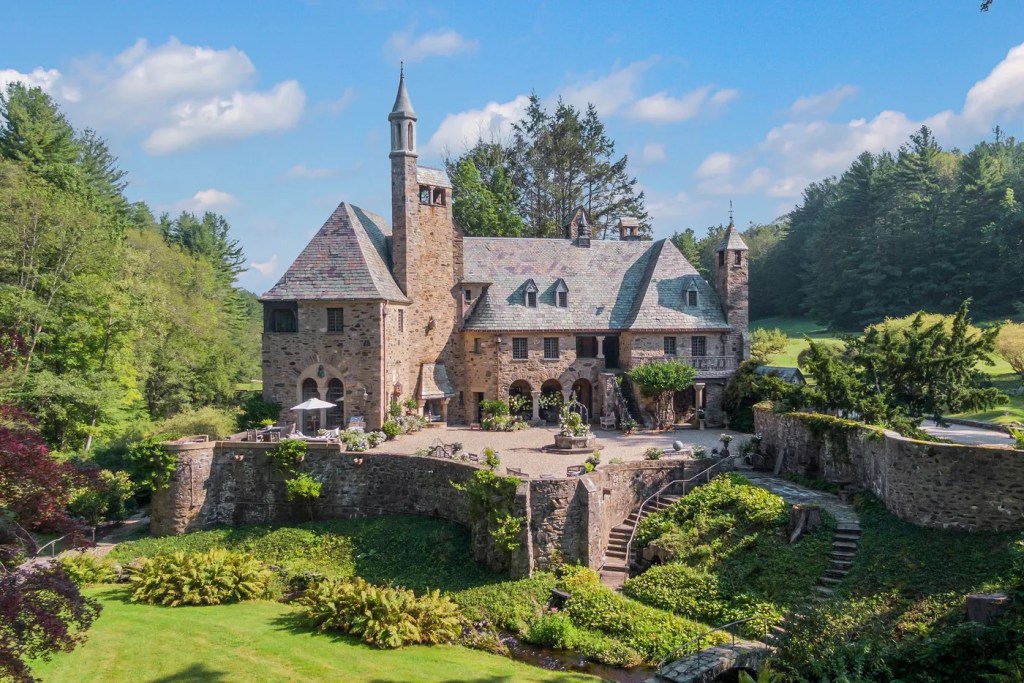
Hidden Valley Castle // 1921

Photo from listing.

A castle can be found in the small town of Cornwall, Connecticut! Set amongst 275 acres of woodland and streams, with several outbuildings on the property, this whimsical castle looks like it was dropped here from Cornwall, England, but it actually dates to the 1920s. Hidden Valley Castle, had its beginnings when socialite Charlotte Bronson Hunnewell Martin envisioned building a unique country retreat for herself and her husband, Dr. Walton Martin, in the Litchfield Hills of Connecticut as a summer retreat. Just before this, Charlotte had bought a group of 20 brownstones in Manhattan on 48th and 49th Streets, between Second and Third Avenues, and converted them into charming townhouses around a central Italian-inspired garden. Called Turtle Bay Gardens, the houses were highly acclaimed and almost immediately attracted prominent and celebrated residents. The Cornwall Castle was designed by architect, Edward Clarence Dean, who also redesigned the Turtle Bay Gardens for the couple. Dr. Martin imported many of the materials as well as the 100 workmen required to build the castle, a project that lasted five years. Charlotte would also have a cottage built on the estate and hired young Italian artist, Vincenzo Rondinone, to be her resident artist on the estate to create unique vases, bowls, and pots to be used at the house and to be given as gifts to visitors and friends. The property was restored in recent years and put up for sale, with the cottage sold as a separate dwelling.

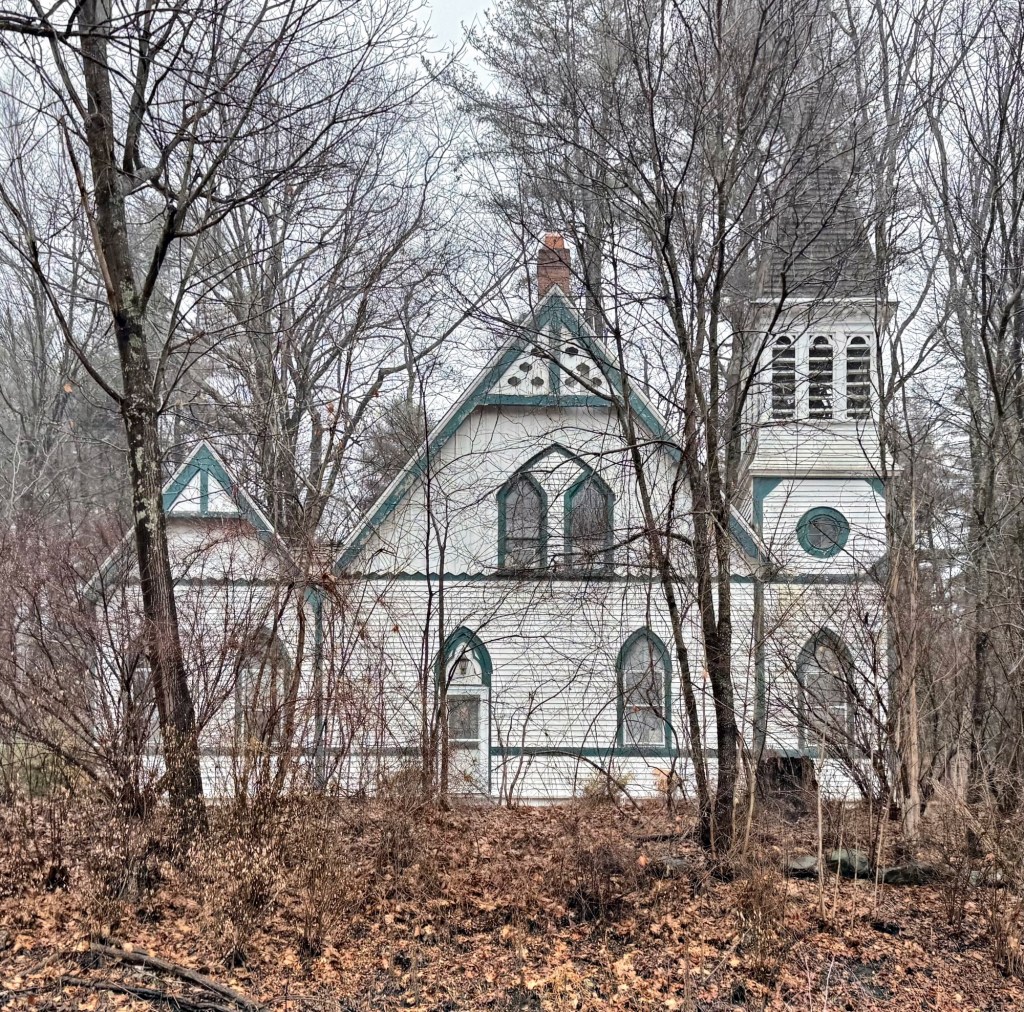
West Cornwall Congregational Church // 1877

One of the few Gothic style buildings in the enchanting town of Cornwall, Connecticut is this large church-turned-residence in West Cornwall village. As West Cornwall developed in the second half of the 19th century into the largest district in town, residents here began to discuss the idea of building their own Congregational church, rather than travel to the central village church to attend services. In the 1870s, West Cornwall congregationalists raised over $4,000 to acquire a building lot and erect this fine church. Dedicated in January 1878, the wood-frame church is a rare example of the Victorian Gothic/Stick styles with clapboard siding, lancet (pointed arched) windows, a corner tower with belfry, vertical sheathing in the gables, and ornamental applied stickwork. The church closed in the 20th century and was converted to a private residence, and is presently for sale!

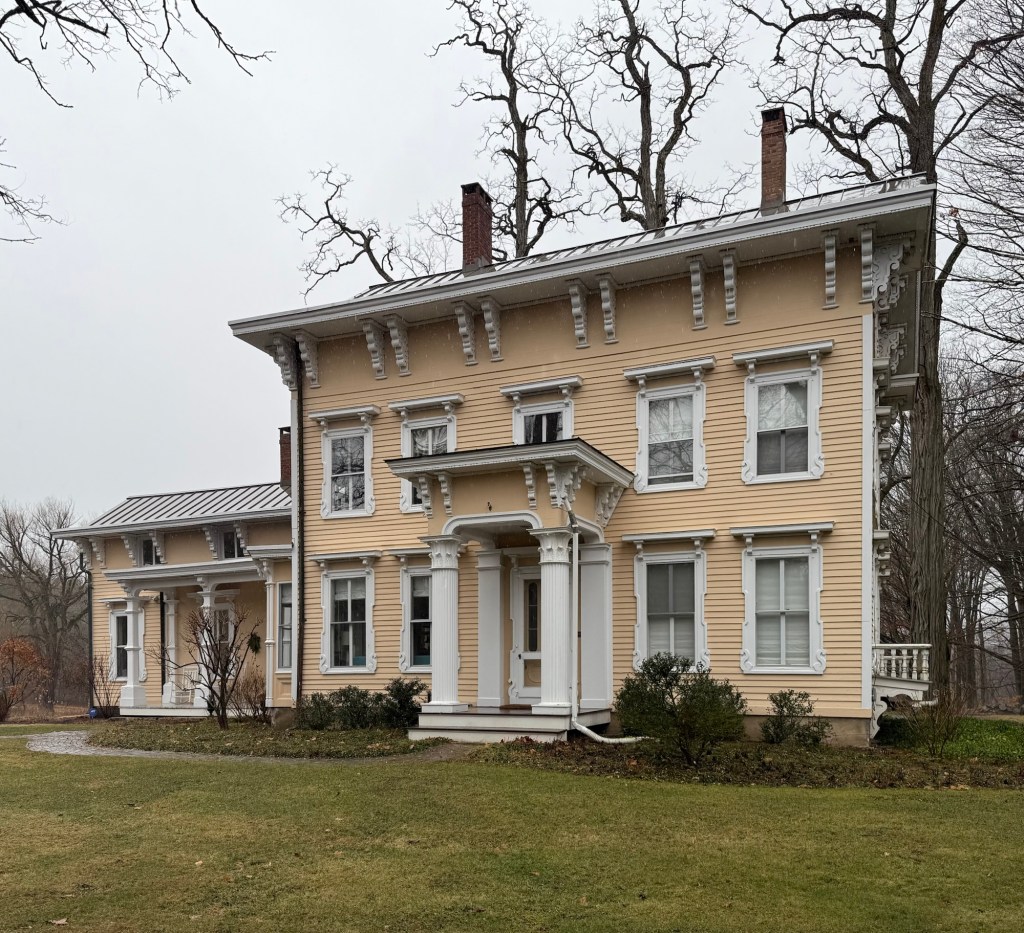
Foster Mansion // c.1860

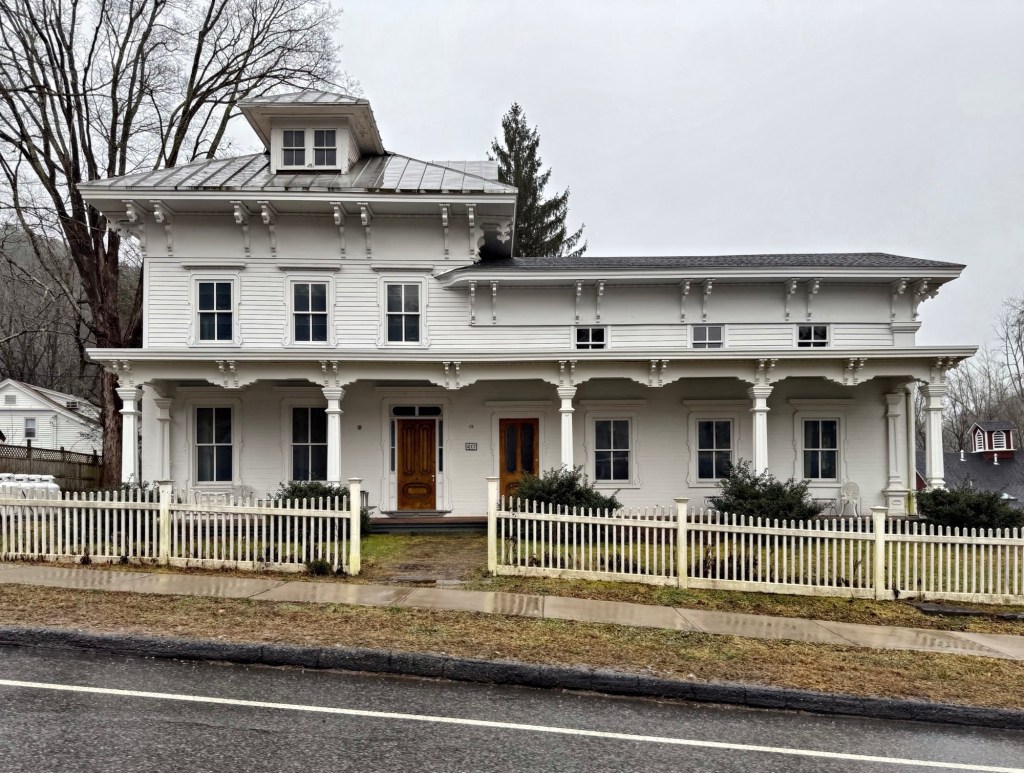
This large, Italianate style mansion is located at 417 Sharon-Goshen Turnpike, the main street through West Cornwall Village, Connecticut. The house was built around 1860 for Stephen Foster (c.1816-1863) a merchant and railroad contractor who had constructed a portion of the Housatonic Line railroad near West Cornwall. He and his wife, Helen, previously lived in a Greek Revival style house across the road until they moved into this stately residence. Mr. Foster would not get to enjoy his mansion long as he died in 1863. Helen Foster remained at the home until her death in 1875. The high-style Italianate residence was likely built by master-carpenter C. W. Marsh, and features all the hallmarks of the style: overhanging eaves with decorative brackets, elaborate window and door moulding, two-over-two windows, and a shallow hipped roof with dormer.

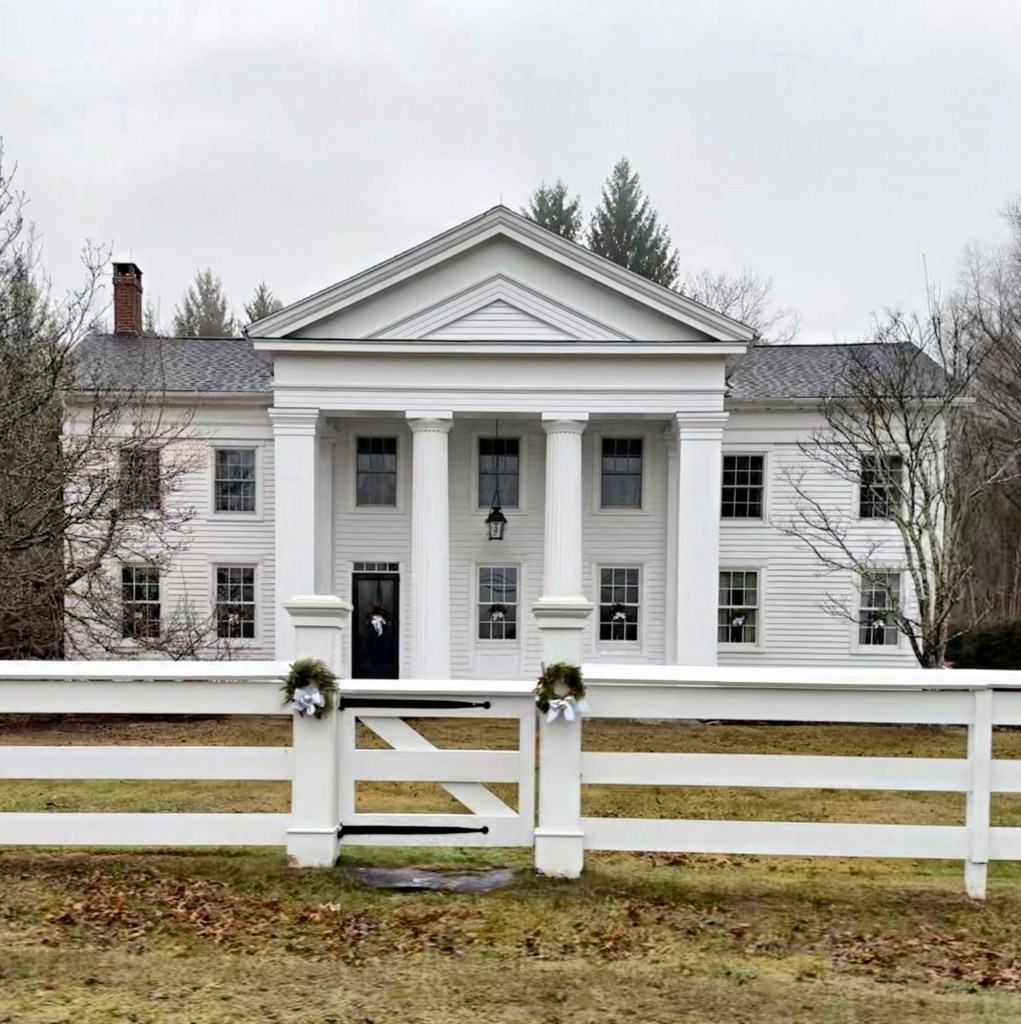
Foster-Beck House // c.1845

This attractive Greek Revival style residence with later porch was likely built in the 1840s and is one of the finest homes in the village of West Cornwall, Connecticut. The house was likely built for Stephen Foster (c.1816-1863), a merchant and railroad contractor who had constructed a portion of the Housatonic Line railroad near West Cornwall, further opening the village up to trade. Stephen and his wife, Helen, lived here for some time until around 1860 when they relocated to a larger, Italianate style mansion nearby. In 1867, this property was purchased by George Beck, a German immigrant and partner of the Vollmiller Shear Shop, who manufactured metal shears and scissors in West Cornwall. It is likely that Beck was owner of the house at the time the wrap-around porch with scroll-sawn columns.

Harris Sayles House // c.1860

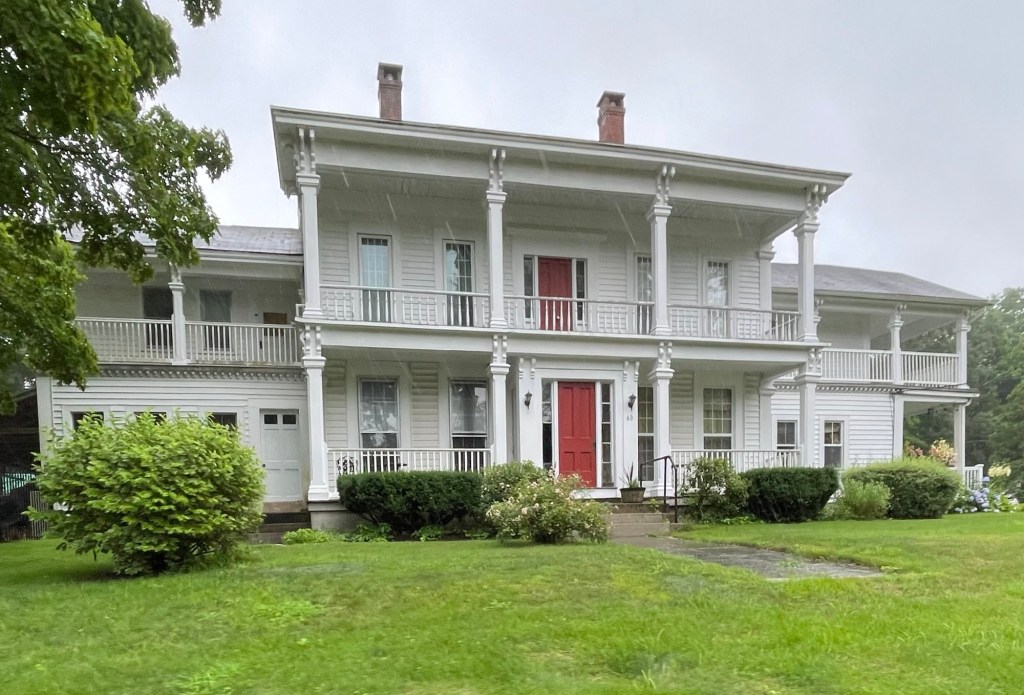
This handsome Italianate style house is located on Dog Hill Road in Killingly Center, Connecticut. The house appears to date to the years just before the Civil War and historic maps show that the property was owned by Harris Sayles, a co-owner of the large woolen mill in nearby Dayville. The home was built for Harris and his wife, Phebe. The house stands out for its two-tiered gallery of porches with large chamfered posts and paired brackets and has some Classical corner pilasters and door surrounds noting the transitional period from Classical Greek Revival style to the romantic Italianate style.

Harris and Sabin Sayles Mansion // c.1845

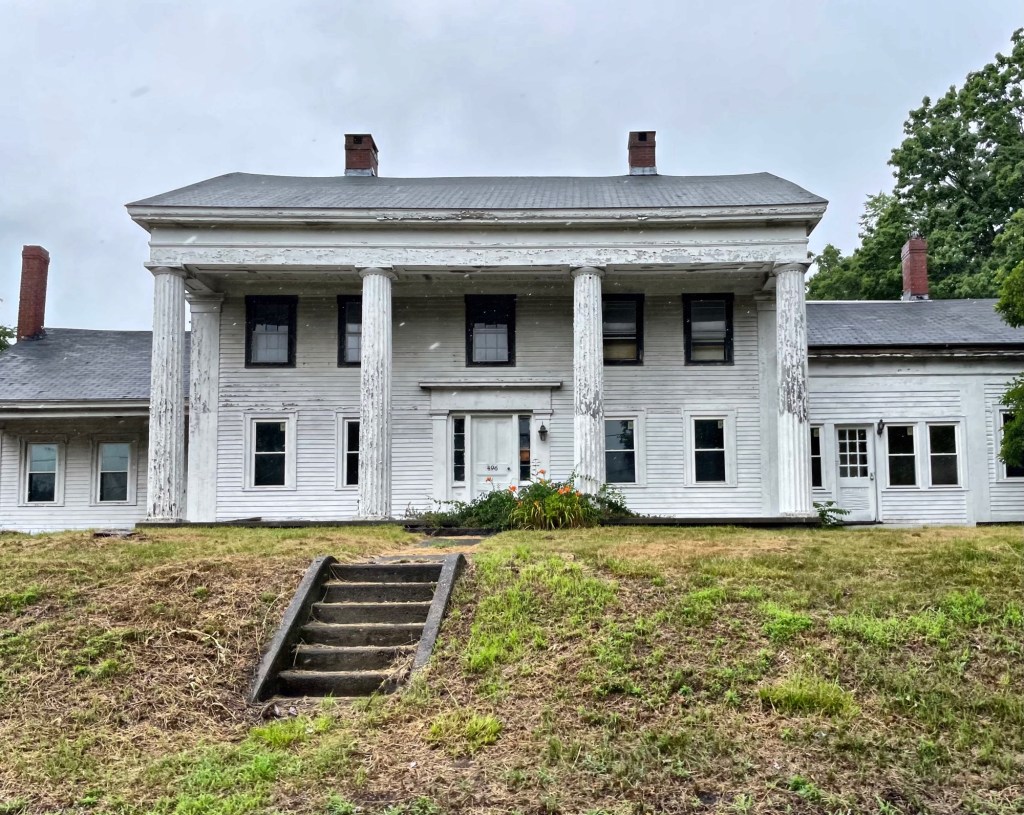
Located in the Dayville section of Killingly, Connecticut, you can find a row of large mansions built for mill owners and managers from the 19th century. This house dates to the 1840s and by the 1860s, was owned by Harris Sayles (1817-1893) and his brother, Sabin L. Sayles (1827-1891) who together, co-owned and operated a large woolen mill in the town (featured previously). It is not clear if the Sayles brothers lived in the home, but they likely rented it to higher-level employees at the mill as they both had other homes in town. The two-and-a-half story mansion is a great example of the Greek Revival style in the town, with the side gable roof extending over the full-height portico with doric columns. The mansion was built across the street from the village church, also in the same style, but that building was demolished by 2011.