Fullerton Inn // 1921

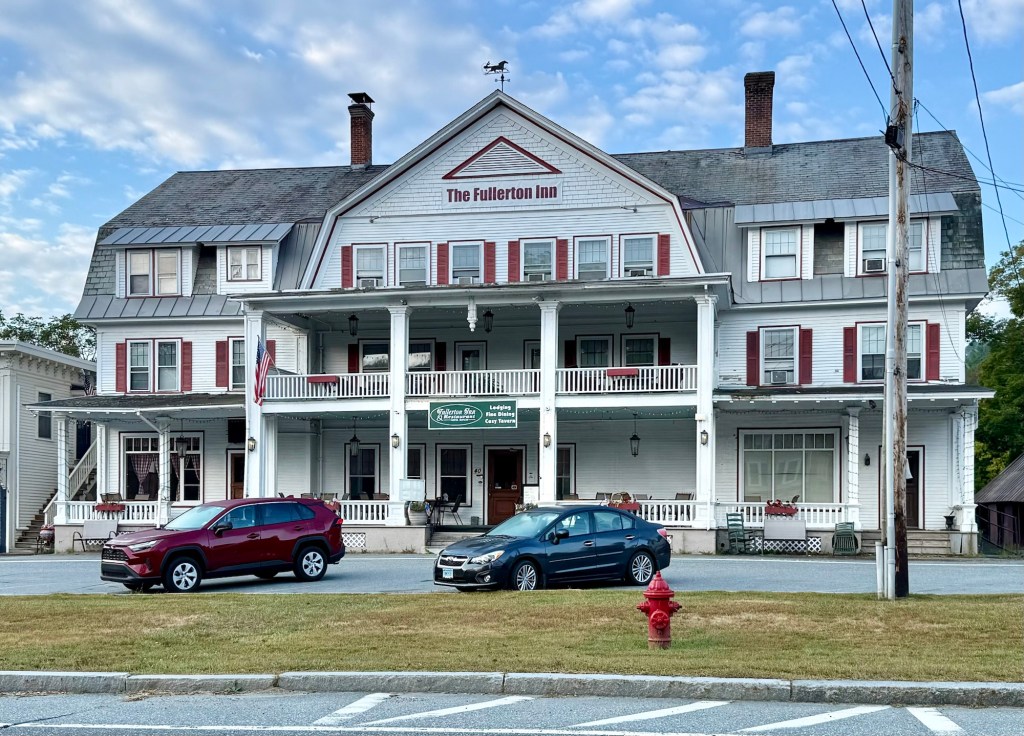
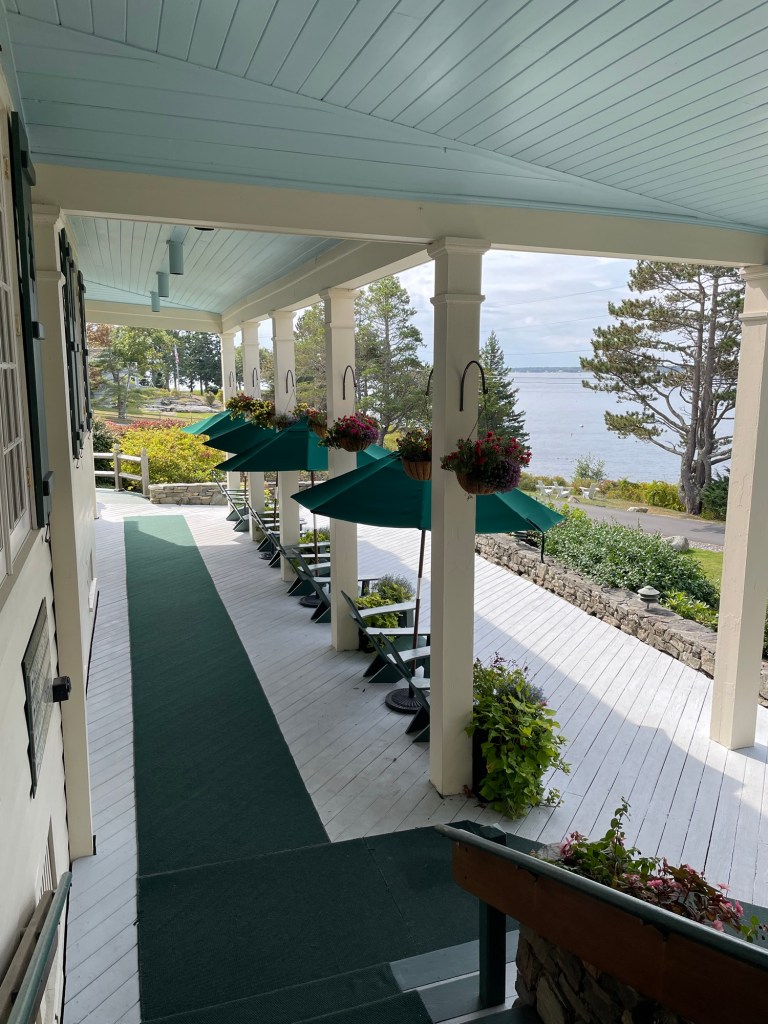
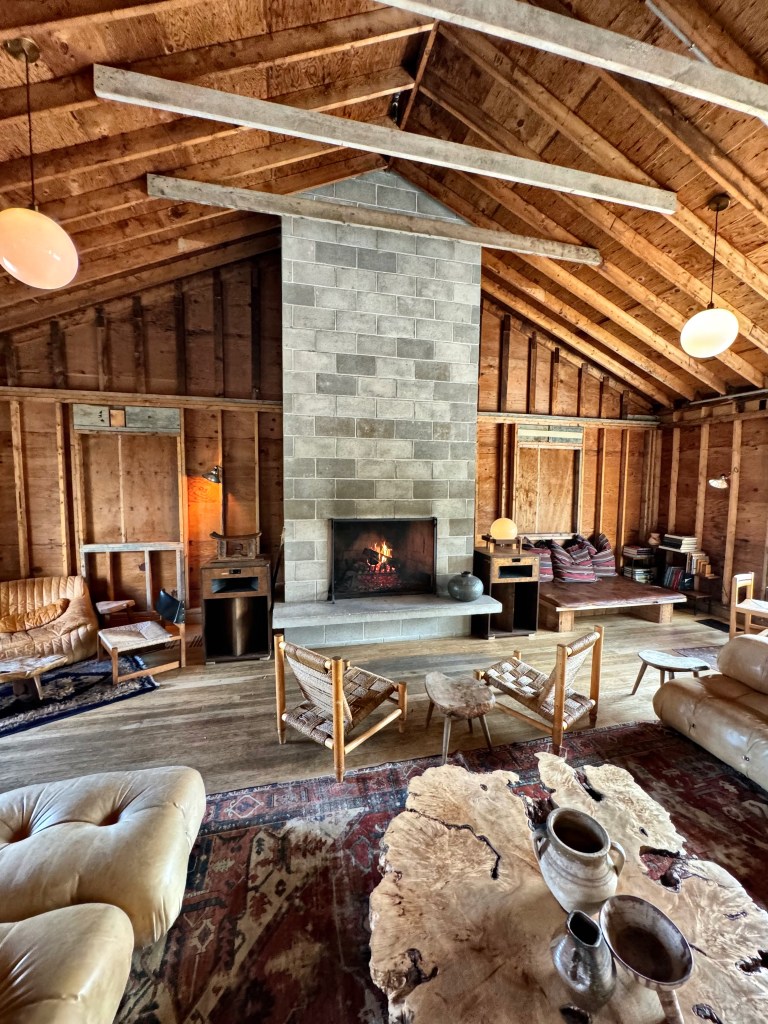
The Fullerton Inn, overlooking the Town Common in Chester, Vermont, is an imposing Colonial Revival style hotel that has been in operation through many iterations, and contributes to the strong commercial character of the Chester Village streetscape. The inn was first developed here following the arrival of the railroad to Chester, which brought new business and travellers to the formerly agrarian and light industrial community. The original 1862 inn building, known as the Ingraham House, was destroyed following a large fire in the village, and its replacement burned as well in January 1920. Within a year, the present building was built from the ashes in a style typical of the early 20th century, Colonial Revival. Dominated by the large slate-shingled gambrel roof and projecting front veranda, the building’s most iconic feature is said to be inside, a fireplace inside the lobby which contains 27 stone varieties from the area.

Oceanview House // 1883

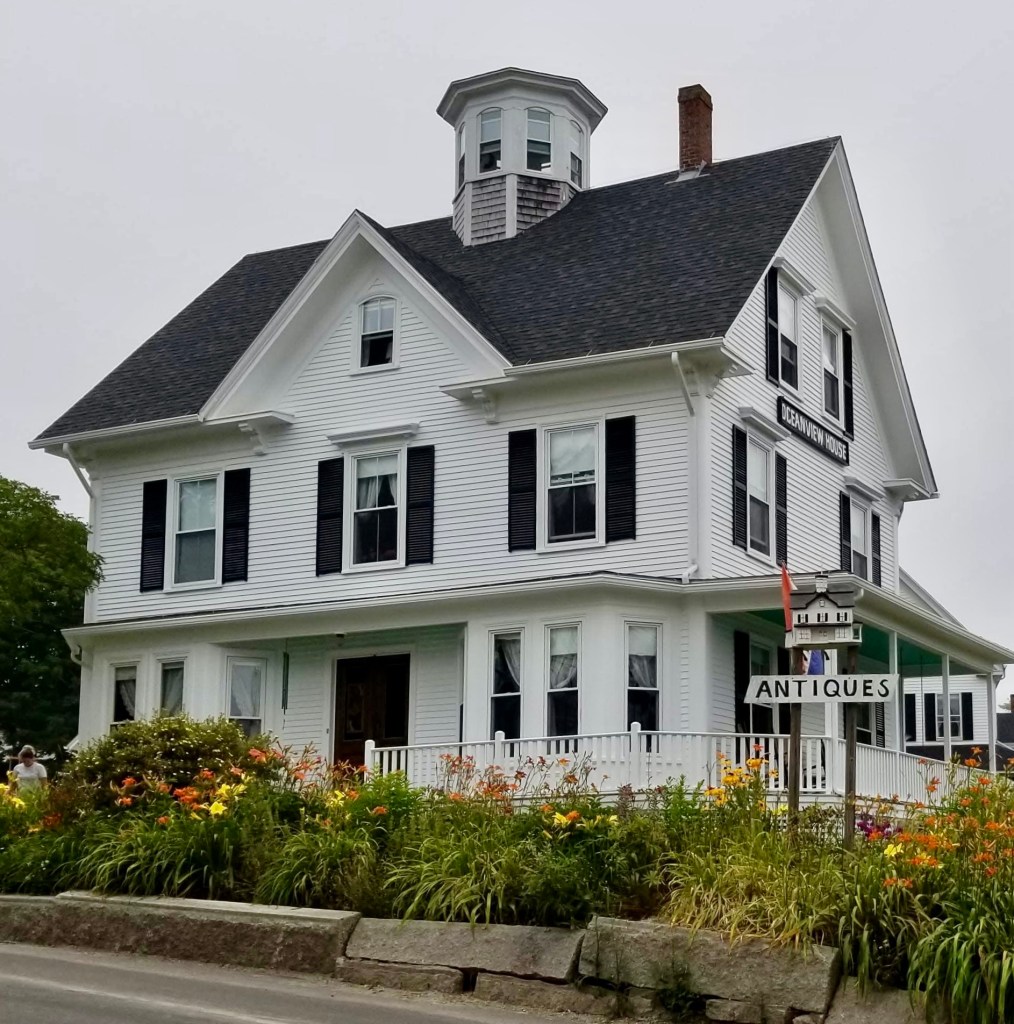
At the tail-end of the 19th century, the active fishing town of Stonington, Maine, like many other coastal communities Down East, began to see growing seasonal tourism and summer residents escaping the woes of city life for the cool sea breezes. Although there were neighborhoods of summer cottages built and occupied in the 1890s on Deer Isle, no summer colonies formed in Stonington in the late 19th century, likely due to its industrial nature with fishermen and quarry-workers living in the village. There were however, visitors, and the 1883 Oceanview House was built to house “people from away” every summer. The Oceanview House property also included its own water tank and windmill along with a meeting room for local groups. The late Italianate style building has been lovingly maintained by later owners and most recently, housed an antique store!

Spruce Point Inn // c.1892

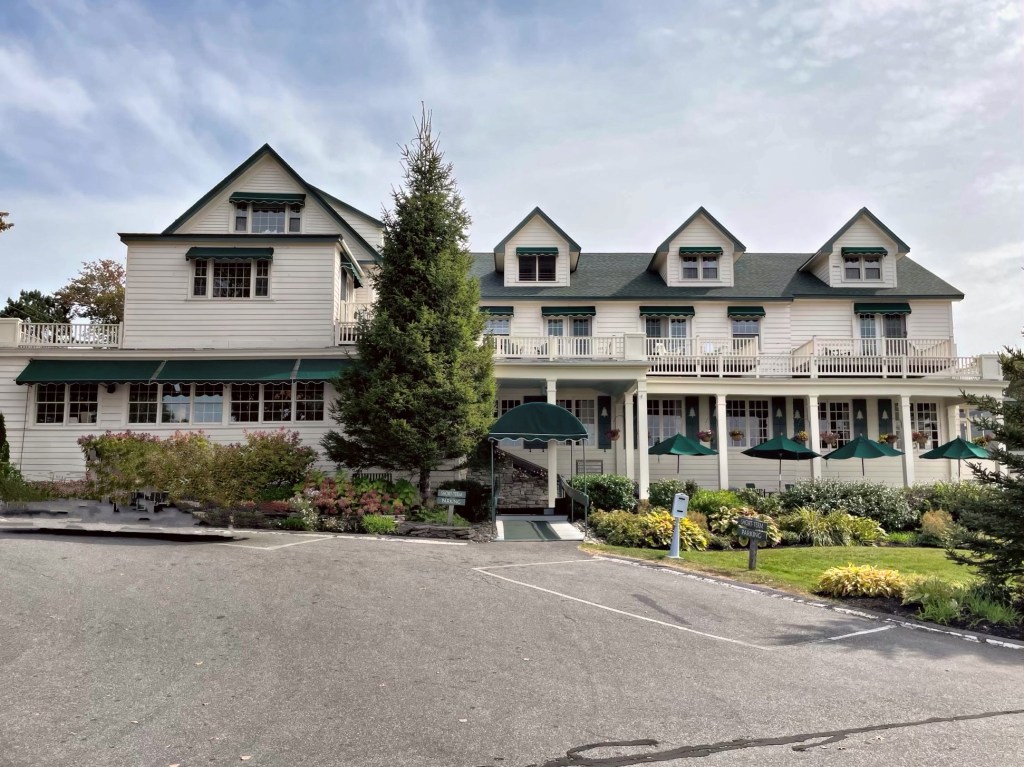
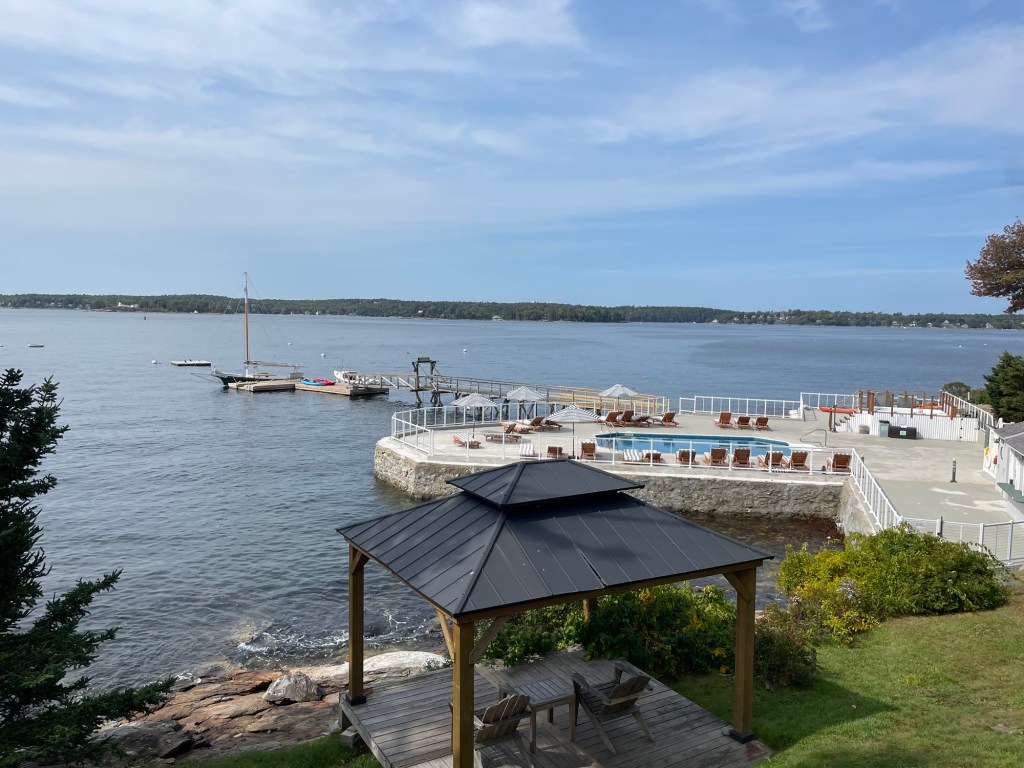
Spruce Point Inn sits amongst acres of pristine pine forests on the shore of the rugged coastline in Boothbay Harbor, in Mid-Coast Maine. The Inn had its beginnings in the 1890s as a hunting and fishing lodge when the peninsula was an undeveloped and remote point on the outer edge of Boothbay Harbor. The enchanting location off the beaten path attracted rusticators, who sought to escape the hot and polluted air of Boston and other cities, for the coastal breezes on Spruce Point. Private cottages were built nearby the old lodge, and frequented by summer rusticators year-after-year. By the 1940s the lodge was converted to an inn and many of the private summer cottages surrounding were acquired and rented out for summers. The buildings exhibit the warm, natural materials typical of the region, with weathered shingles and expansive porches that invite guests to take in the ocean breeze. Inside, the beadboard walls, wood floors, and fireplaces paired with period-appropriate furnishings really provide an authentic historic feeling. The resort’s first saltwater pool was constructed in a rocky outcropping right at the coastline and was recently restored, providing visitors a unique experience to swim in a historic saltwater pool just over the ocean! Over the years, the inn has undergone several renovations and expansions, ensuring that it continues to meet the needs of modern travelers while preserving its historical significance. The Spruce Point Inn is more than just a place to stay; it is a part of the rich history of Boothbay Harbor and ongoing legacy, a historic getaway that blends both luxury and history in a setting unlike any other.

Tourists Hotel // 2018

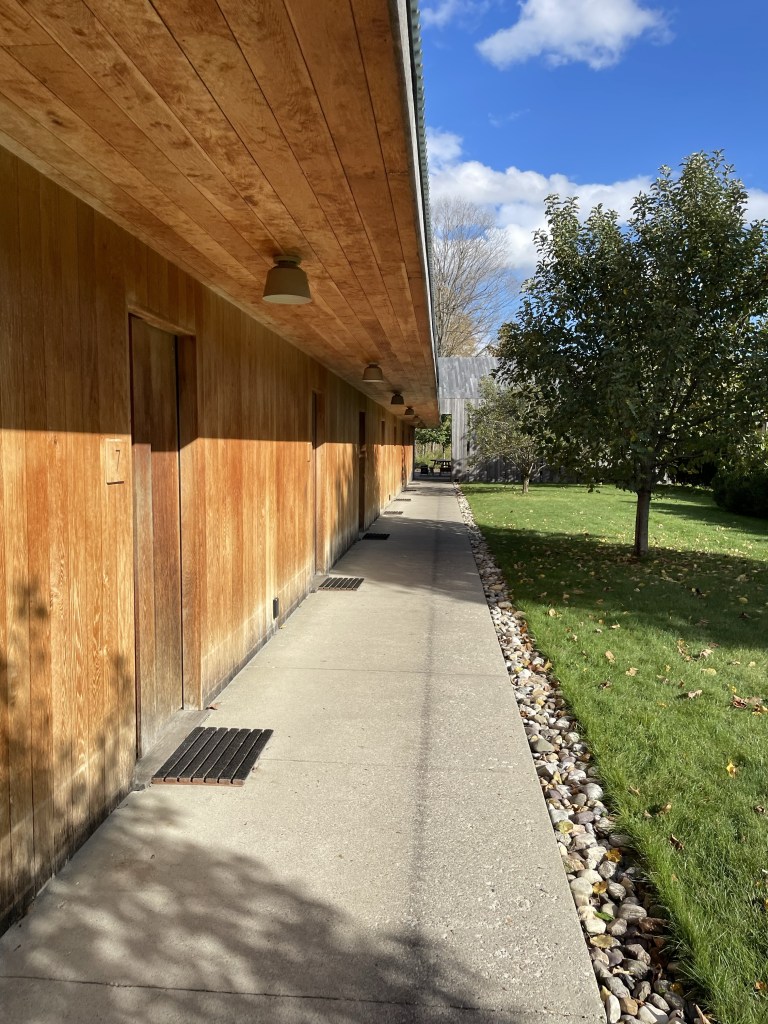
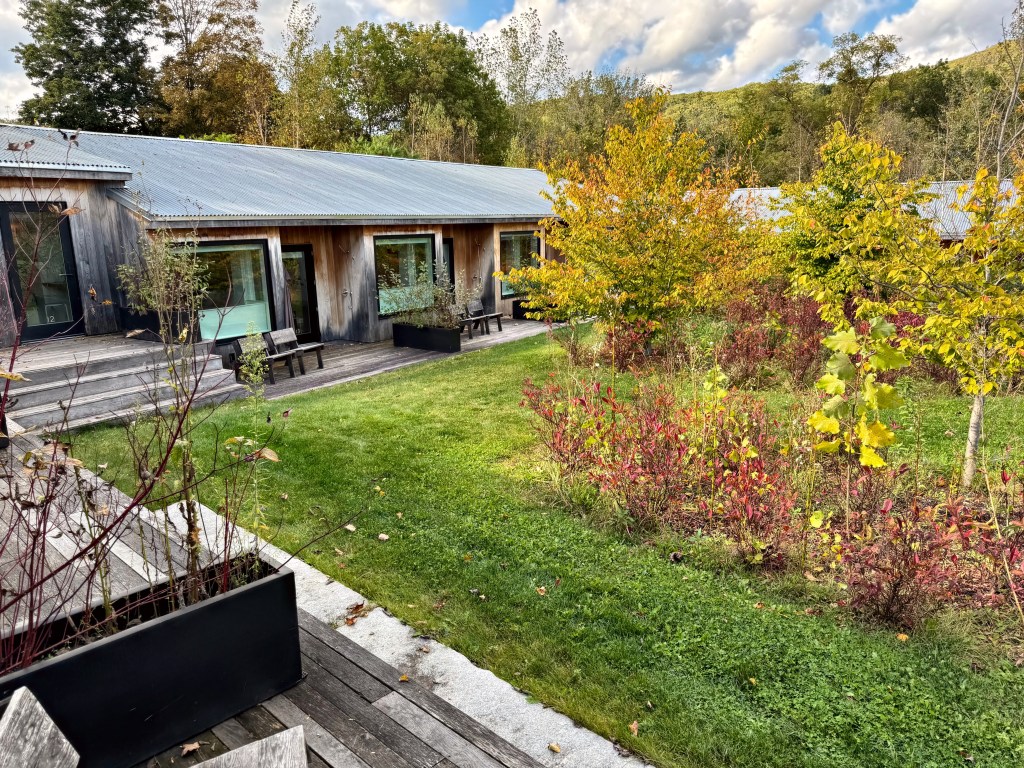
This past weekend, I had the absolute pleasure to stay at one of New England’s coolest new hotels, Tourists Hotel! Located in the industrial-turned-artistic town of North Adams in the Berkshires of Massachusetts this elevated, 48-room hotel modernises the aesthetic of a classic American motor lodge with contemporary design that feels cozy and inviting. The site was originally home to the Redwood Motel, a prototypical 1960s motel on the Mohawk Trail, a designated scenic tourist route which became popular in the automobile era of the 20th century. The reimagined motel was developed by Broder a Boston-based developer who worked with architect Hank Scollard and landscape architecture firm Reed Hilderbrand to design the new hotel. U-shaped in plan, the main part of the hotel surrounds a central courtyard with native flora. Facades are wrapped in white oak planks with the intention to blend the architecture with the surrounding woods. My favorite part was that the rooms have sliding glass doors which open to private decks which make rooms feel more personable. On the crisp fall day, the lounge was an amazing space to cozy up with some spiked cider and chat with other guests. An unexpected treat was to learn that the grounds include dozens of walking trails running along the Hoosac River with a suspension bridge that stretches 220 feet across. Pictures do not effectively showcase how special Tourists is, both in the design details and the attention to detail the staff had during my stay. If you are ever in the Berkshires for a weekend trip, I highly recommend you check them out!

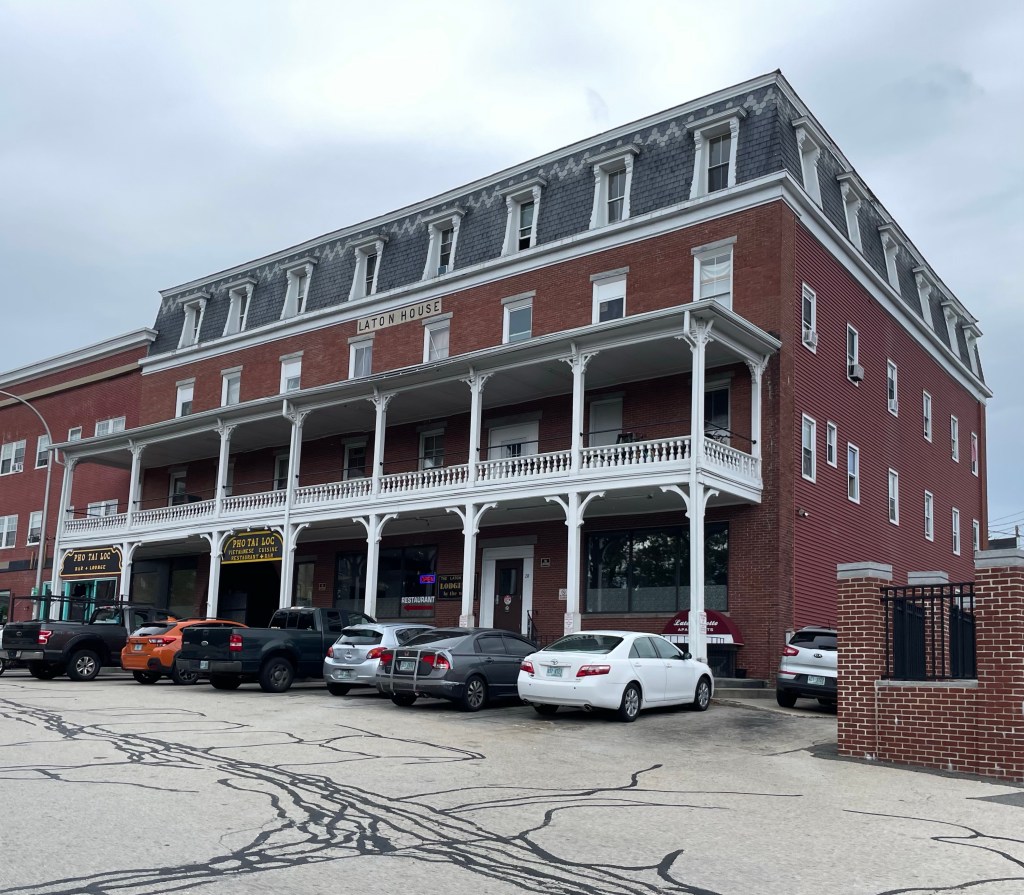
Laton House Hotel // 1878

A late example of Second Empire style architecture, the Laton House in Nashua, New Hampshire, is a 3 ½ -story brick hotel building with a slate-covered mansard roof pierced by regularly spaced dormers. The facade is dominated by a two-story porch with decorative railings and brackets. The hotel was developed between 1878-1881 when Railroad Squareserved as the central square in town. The hotel thrived, allowing visitors cheap rooms while doing business in the manufacturing hub of Nashua. Eventually, the hotel closed and was converted to housing. Today, it houses commercial space on the ground floor with low-income housing above.

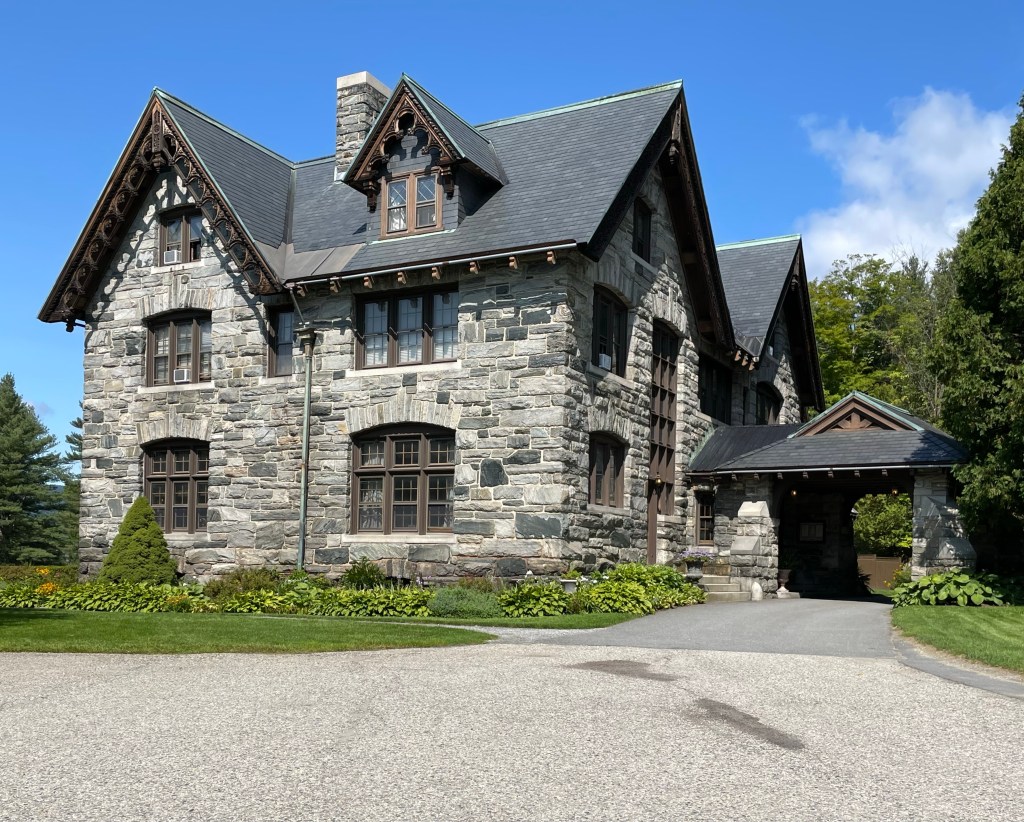
Allen Fletcher Mansion // 1906

As Cavendish and other rural towns of Vermont became summer destinations for the rich of the urban centers of the northeast, large estates began to sprout up, replacing old family homesteads. Allen Miller Fletcher was born in Indianapolis, Indiana, the grandnephew of Josiah Fletcher, one of the original settlers of Cavendish in September 1853. He was the son of a successful banker and became a banker himself, building homes in Indianapolis and New York City. In 1881, he built a summer home in his ancestral home of Cavendish, taking the train up to relax and breathe in the clean air. While living most of the year in New York, Fletcher became involved in Vermont politics, winning the Republican nomination to serve in both the Vermont House of Representatives and the Vermont Senate in the early 1900s. During his time as a Vermont state senator, Fletcher commissioned architect Samuel Francis Page of the Boston-based firm, Fehmer and Page, to bring his vision to life. Page used English Cotswold-style architecture for his inspiration, and when completed in 1906, the home was the first in Vermont to be fully wired for electricity and equipped with an elevator! Fletcher also hired Frederick Law Olmsted Jr. to design the landscaping on the property. Fletcher would spend the rest of his life at his country mansion, going on to work as the Governor of Vermont from 1912 to 1915. Today, Fletcher’s beautiful mansion now lives as a magnificent holiday retreat known as the Castle Hill Resort & Spa.

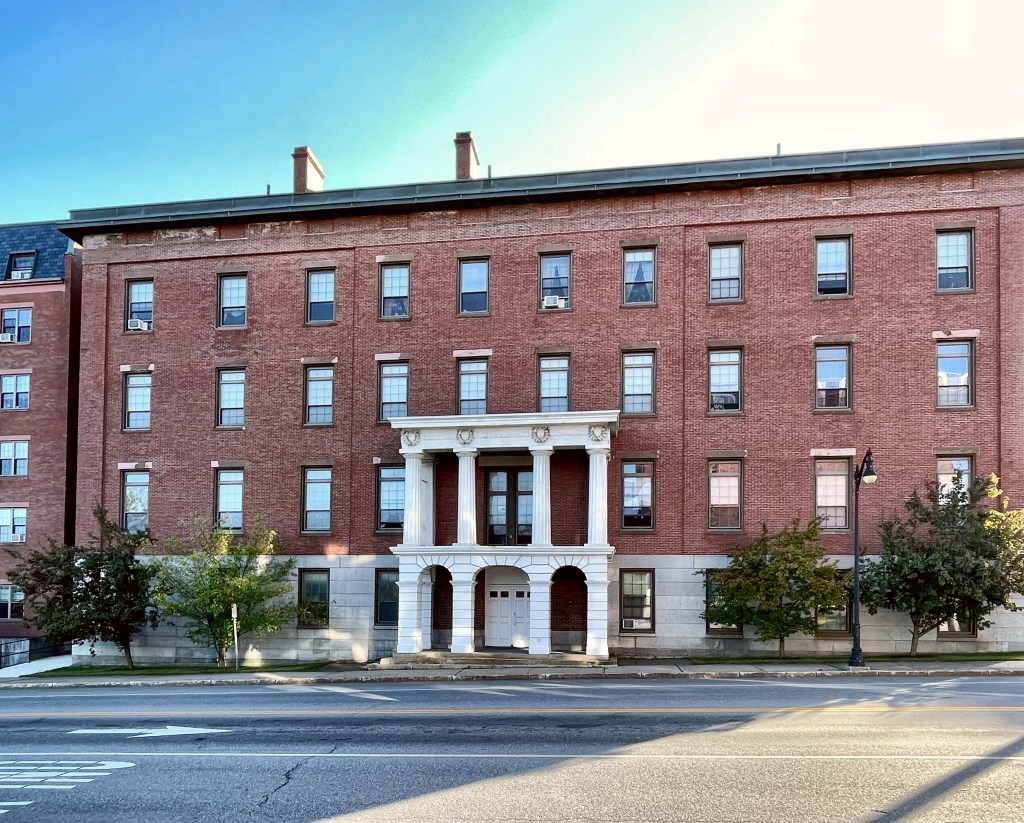
Bangor House // 1832

In the first couple decades of the 1800s, Bangor, Maine, became the capital of the timberlands of the state, as thousands of acres of untouched forests were sold for lumber harvesting and shipping to other developing parts of the region. The massive cedar trees were shipped by rail and boat to cities like Boston, which lacked such large lumber. At the time, a group of wealthy lumbermen in Bangor wanted a hotel which would impress investors and visitors to the frontier town. Inspired by The Tremont House in Boston, an 1829 hotel that was then regarded as one of the pinnacles of luxury accommodation. The investors hired architect Isaiah Rogers, the same architect who designed the Tremont House years earlier, to design the Bangor House. The two hotels are strikingly similar in design. The hotel expanded numerous times over the decades, until the 20th century, when the town’s prosperity began to falter. Many of the additions have since been torn down as part of the building’s conversion to apartments, replaced by modern residential wings which are much lesser quality of design and construction. Thankfully, the historic core of Bangor House remains very well preserved and as it did nearly 200 years ago!

Lighthouse Inn // 1902

In the 1890s, Charles Strong Guthrie and wife Frances Amelia Lampson Guthrie began vacationing at Pequot Colony, a resort community in New London, CT, with considerable social cachet and popular with wealthy New Yorkers like themselves. Charles Guthrie was an industrial mogul who served as President of the Republic Iron and Steel Corporation. In 1901, the couple acquired 12-acres of land overlooking the Long Island Sound, and hired renowned Summer home architect William Ralph Emerson to design a mansion with the Olmsted Brothers commissioned to design the site and landscaping. Upon completion in 1902-03, the estate became known as “Meadow Court”, taking its name from the six-acre wildflower meadow overlooking the Sound. The home was a landmark in the Mission/Spanish Revival style, which became popular in the early 20th century, coinciding with other architectural revivals. Charles Guthrie died prematurely in 1906 at age 46, and not long after, Frances began spending summers on Long Island. In the 1920s, she sold off some of the land to a developer, who constructed more modest summer cottages, and sold the mansion, which soon after re-opened as the Lighthouse Inn. The summer hotel flourished through the mid 20th century, boosted by great management and luxury events. A fire in 1979 destroyed some of the building, but it was restored. It closed in 2008 and sat vacant until recently, when a new owner has begun the long process of restoration, looking to restore the light back to the Lighthouse Inn.

Exeter Chambers // 1889

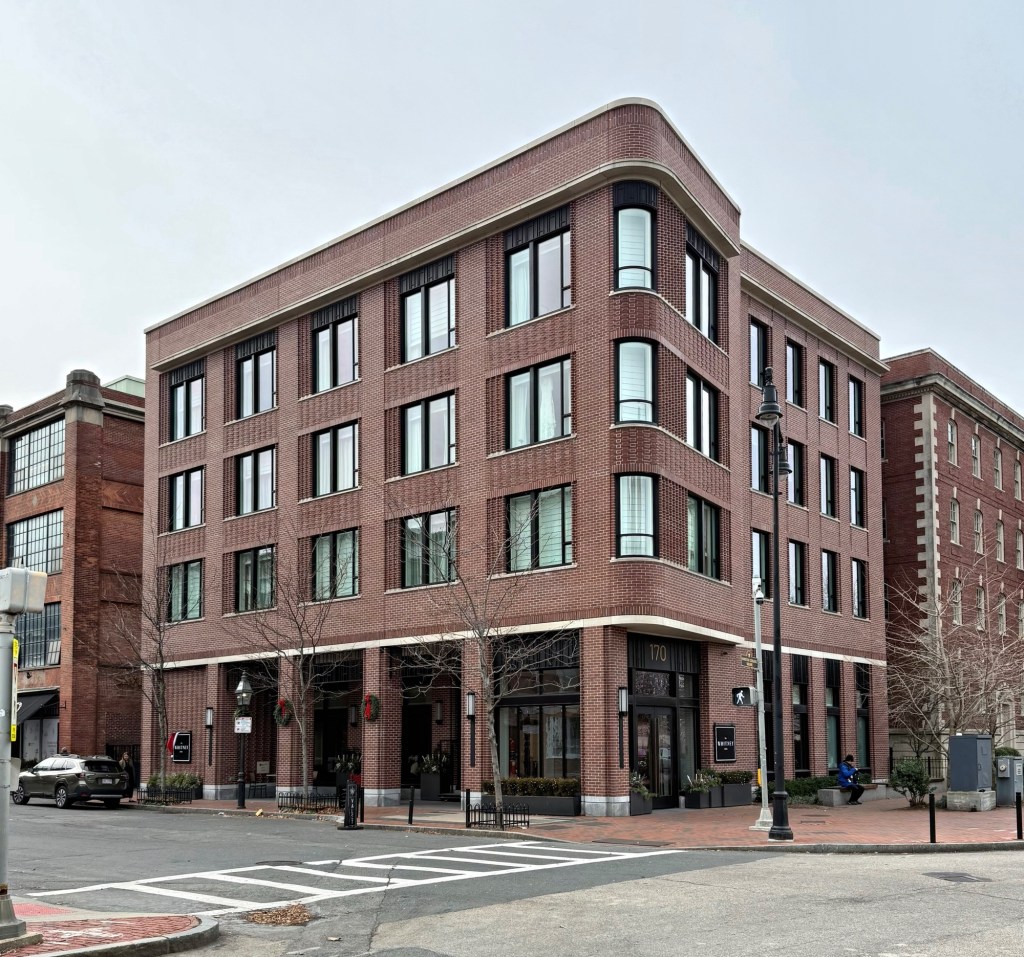
One of the lesser-known historic hotels in Boston can be found at the corner of Exeter and Blagden Streets in the Back Bay neighborhood, tucked behind the Boston Public Library’s Johnson addition. Exeter Chambers (now Courtyard by Marriott Boston Copley Square), was built between 1889 and 1890 from plans by architect Theodore Minot Clark. Clark was a professor at MIT and the understudy of Boston’s famed Trinity Church architect, H. H. Richardson. Clark oversaw much of the construction of Trinity Church and his name is even engraved on the building. Exeter Chambers was constructed by the Guastavino Company, a very prominent contractor during the period noted for style and quality, known for the Guastavino tile. Cutting edge techniques such as compression arches and terracotta accents were featured throughout the structure. The hotel was vacant for many years and a renovation in 2004, which added three stories to the building, restored the ornate exterior to its former glory.

Mount Pleasant House // 1875-1939

One of the earlier grand hotels in the White Mountains of New Hampshire, was Mount Pleasant House, built in 1875 after the arrival of the railroad through Crawford Notch. The hotel was located on a small hill where the Lodge at Bretton Woods is currently sited, across the street from the iconic Mount Washington Hotel. It was built by lumberman and investor John T.G. Leavitt and opened the following year. It was then a simple, almost box-like structure with only forty rooms, later expanded and “modernized” to accommodate the growing waves of affluent visitors from New York City and Boston every year. In 1881, Leavitt sold the hotel to Oscar Pitman and Joseph Stickney, the latter eventually became sole owner and acquired land across the street to build the Mount Washington Hotel in 1900. Possibly as a practice for his larger endeavor across the street, Stickney hired one of Portland’s leading architects, Francis H. Fasset, to design the additions and alterations. When Stickney died in 1903, just a year after his larger hotel was built, both properties were willed to his wife, Caroline. She ran the company through changing economic conditions and when she died, in 1936, the hotels were left to her nephew, F. Foster Reynolds. Reynolds decided that the Mt. Pleasant was not worth the expense needed to maintain it, and in 1939, ordered the building demolished, replaced decades later with the present building.