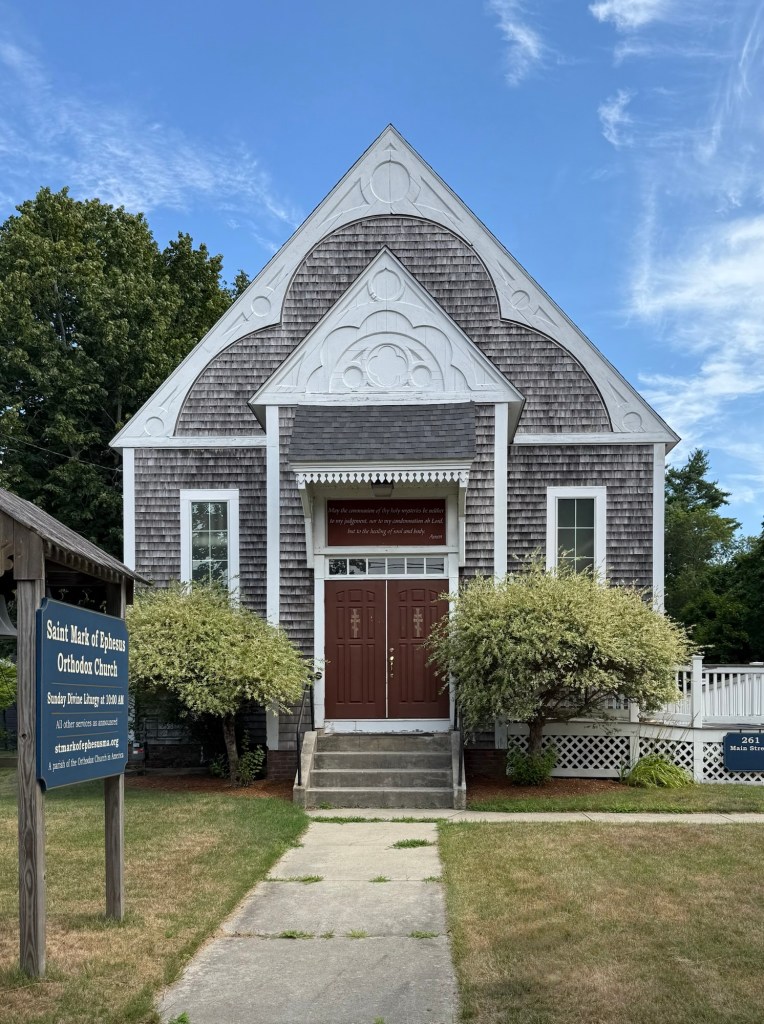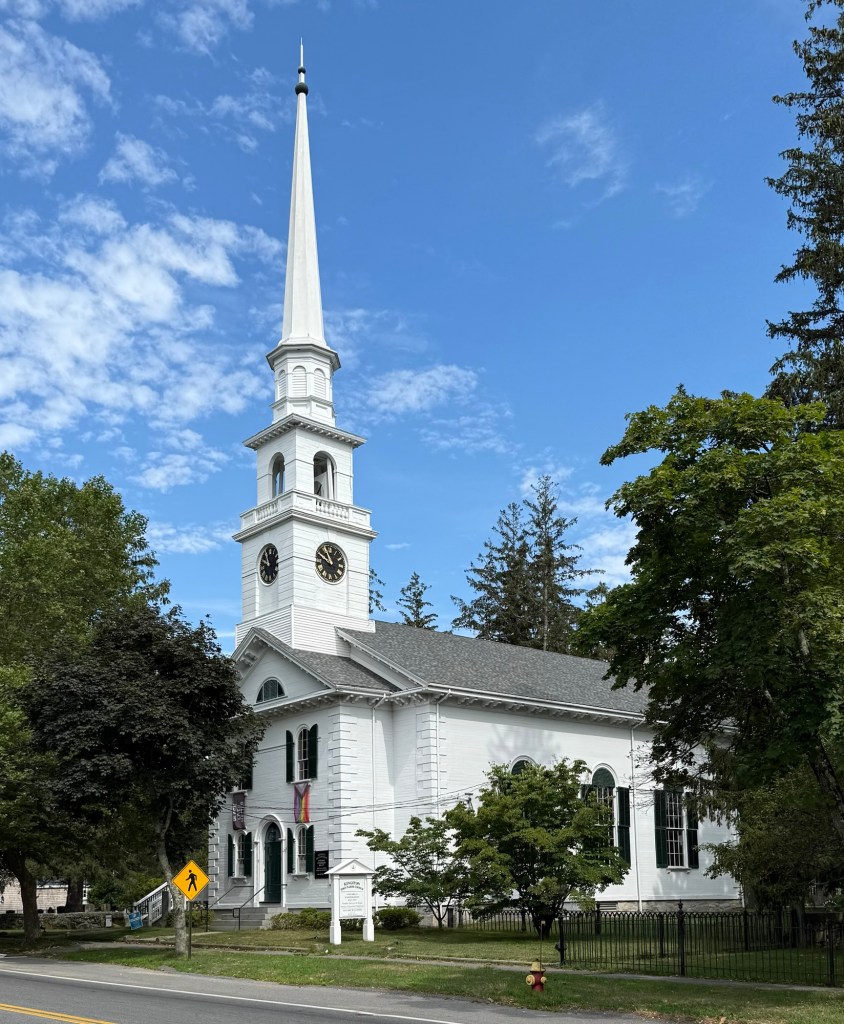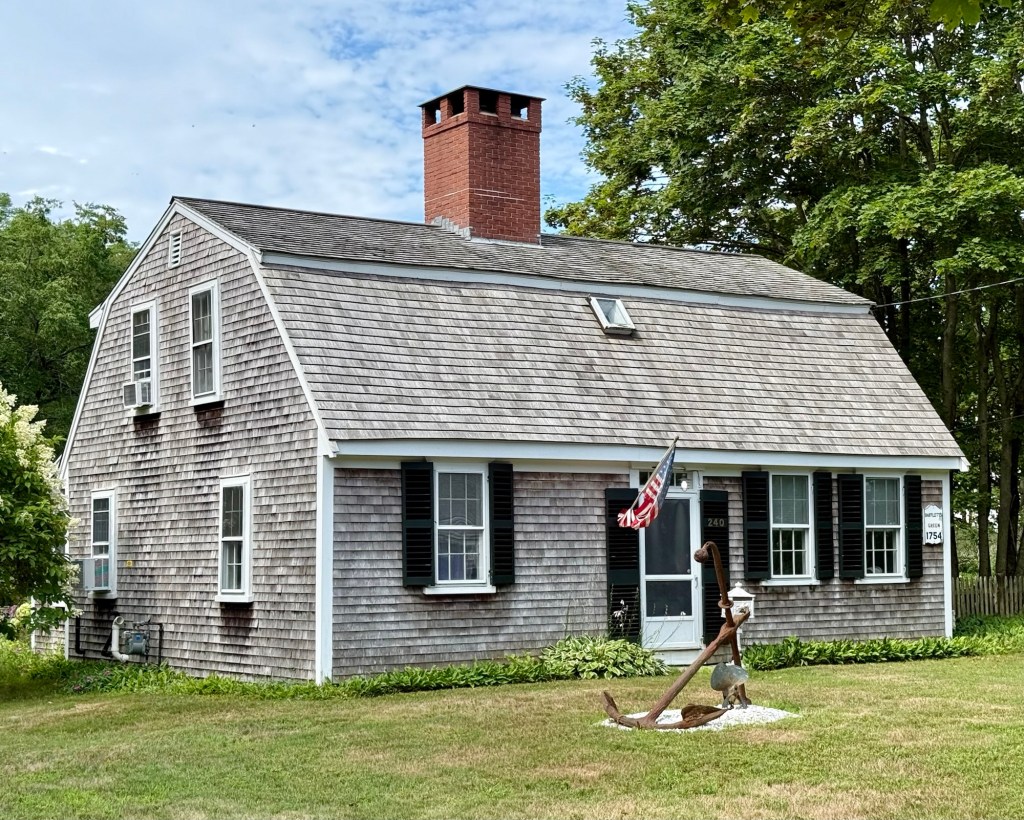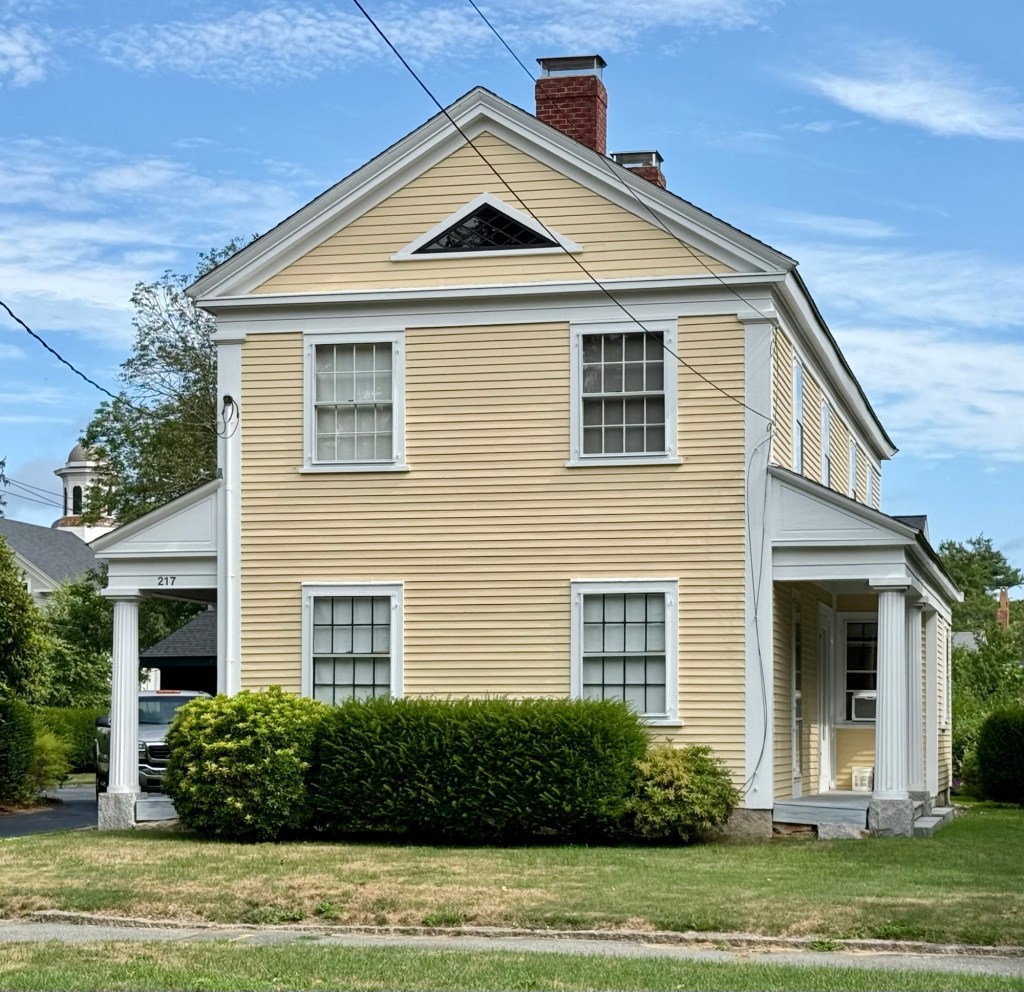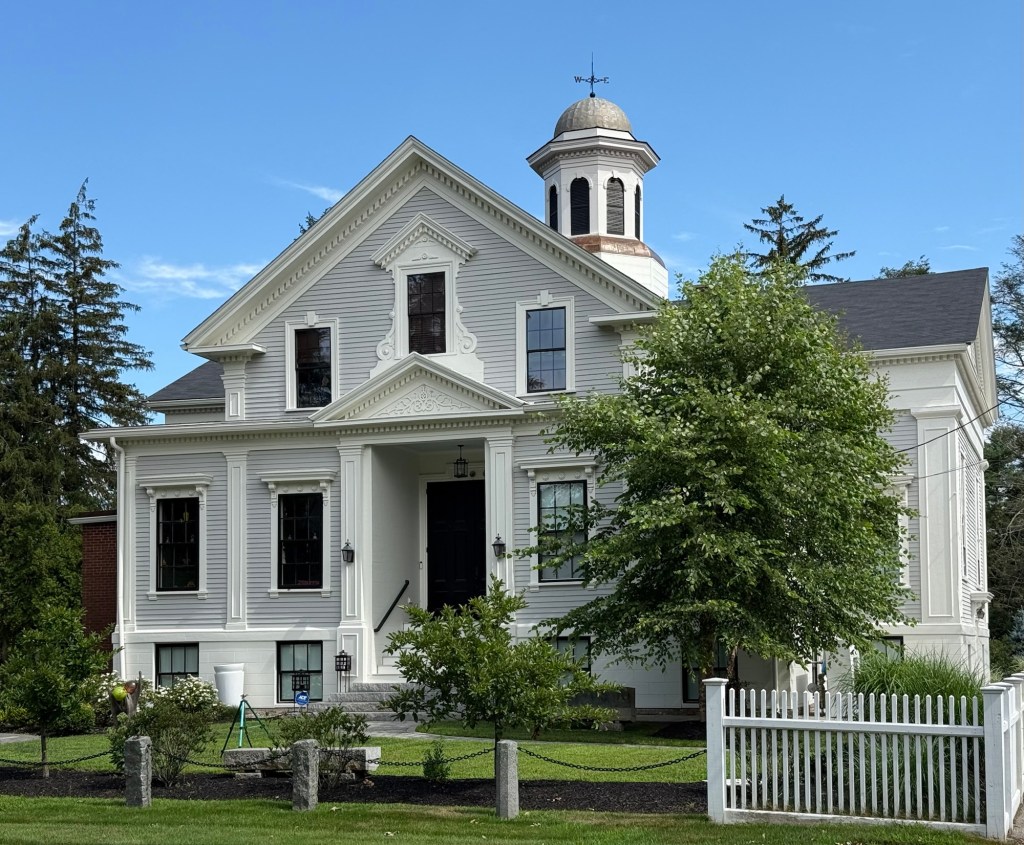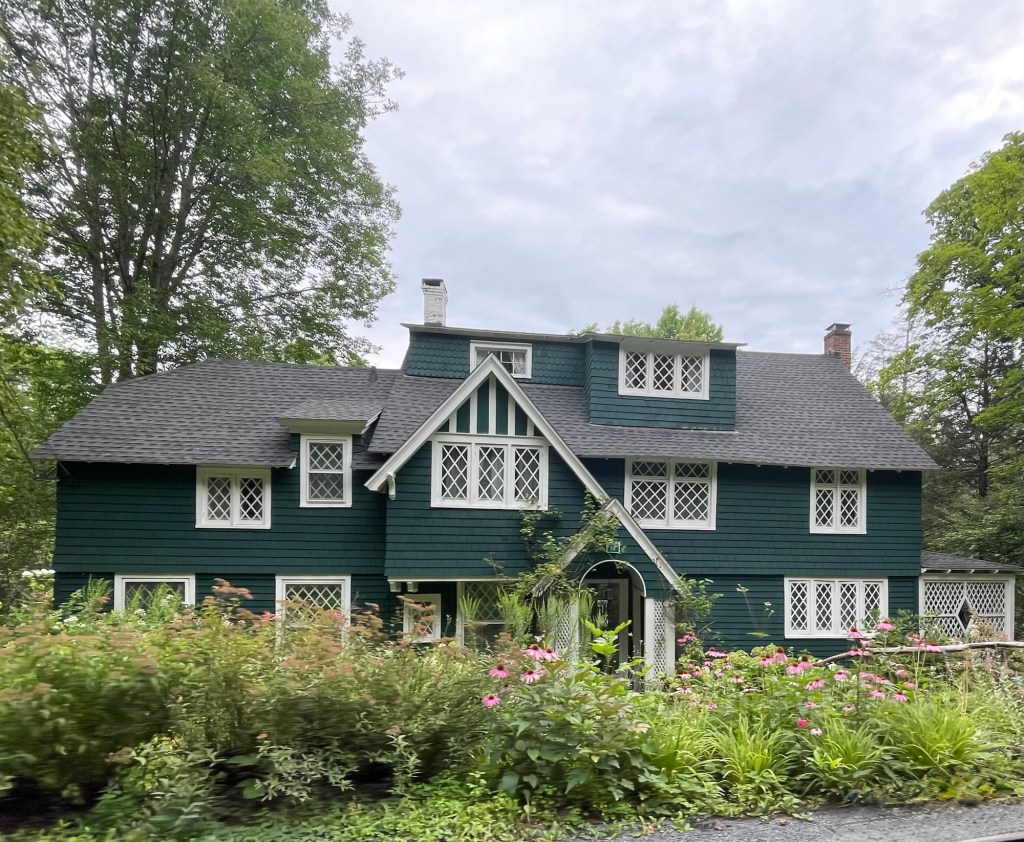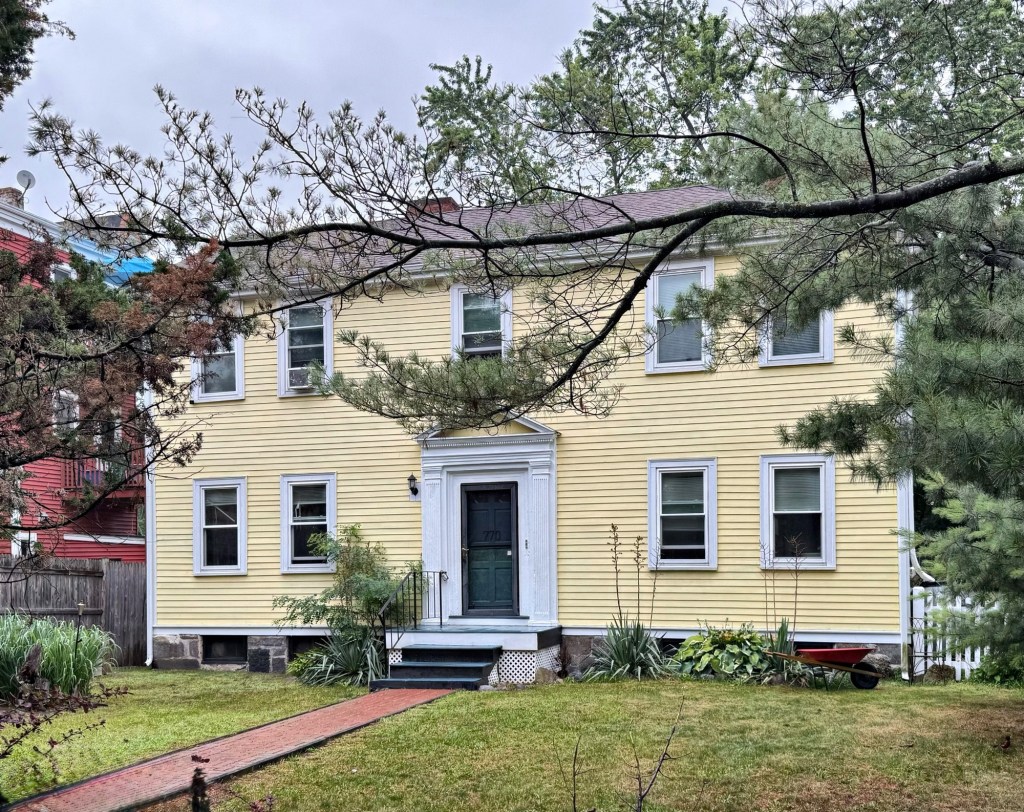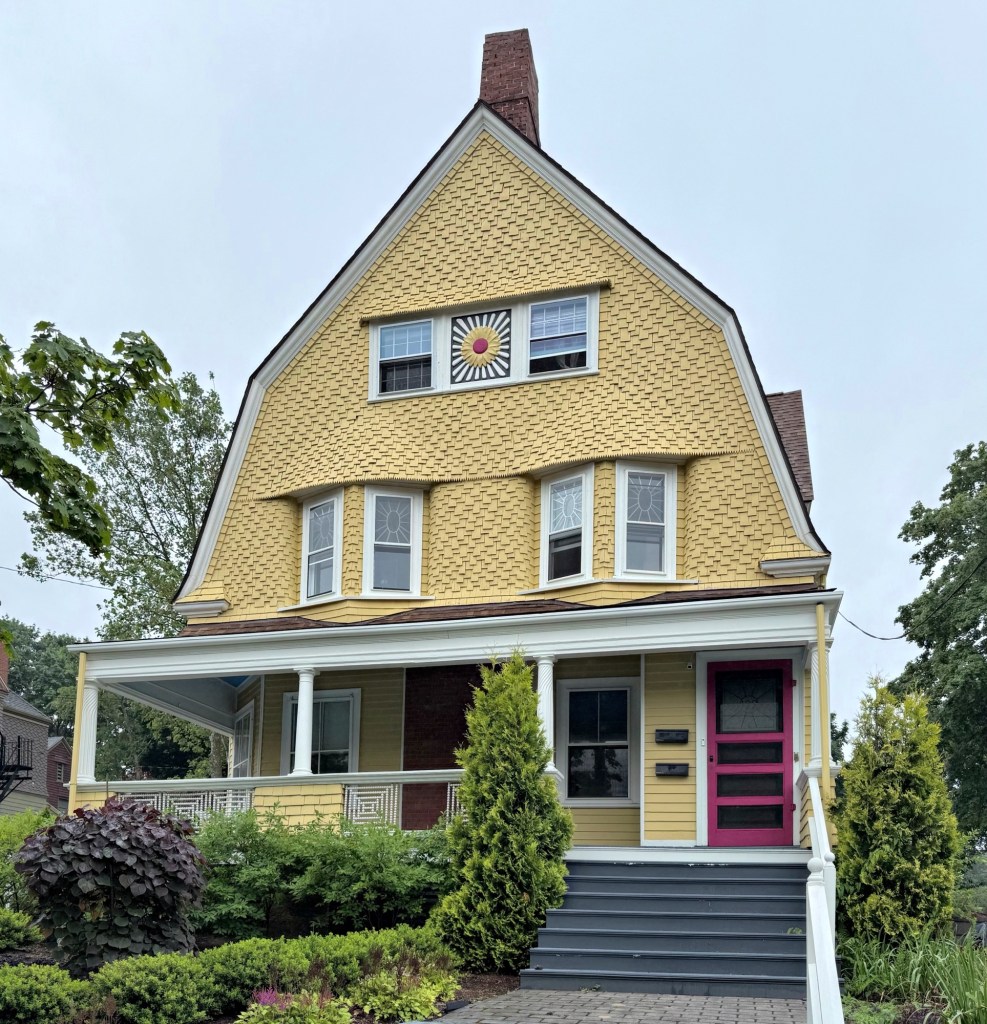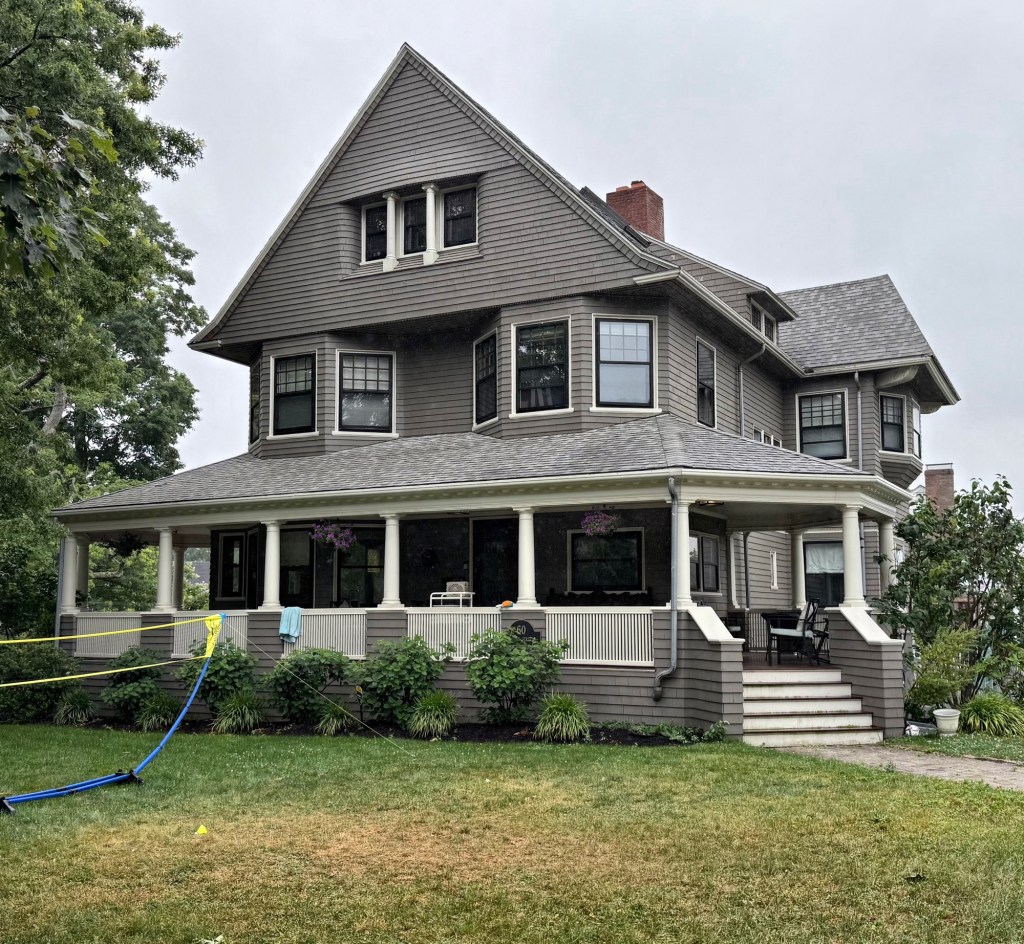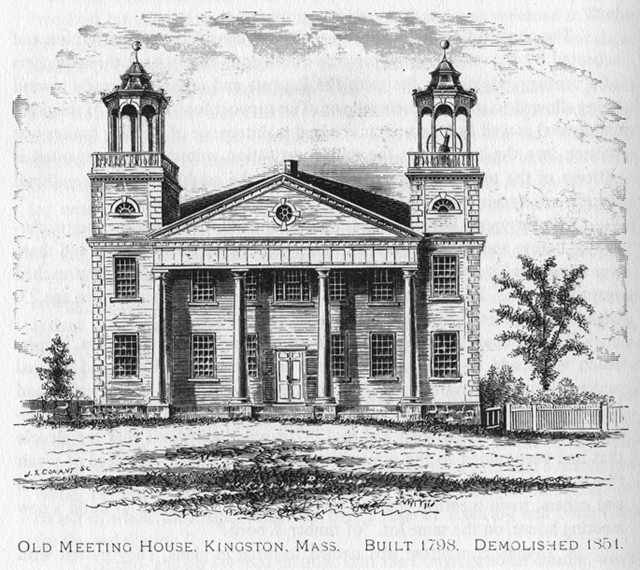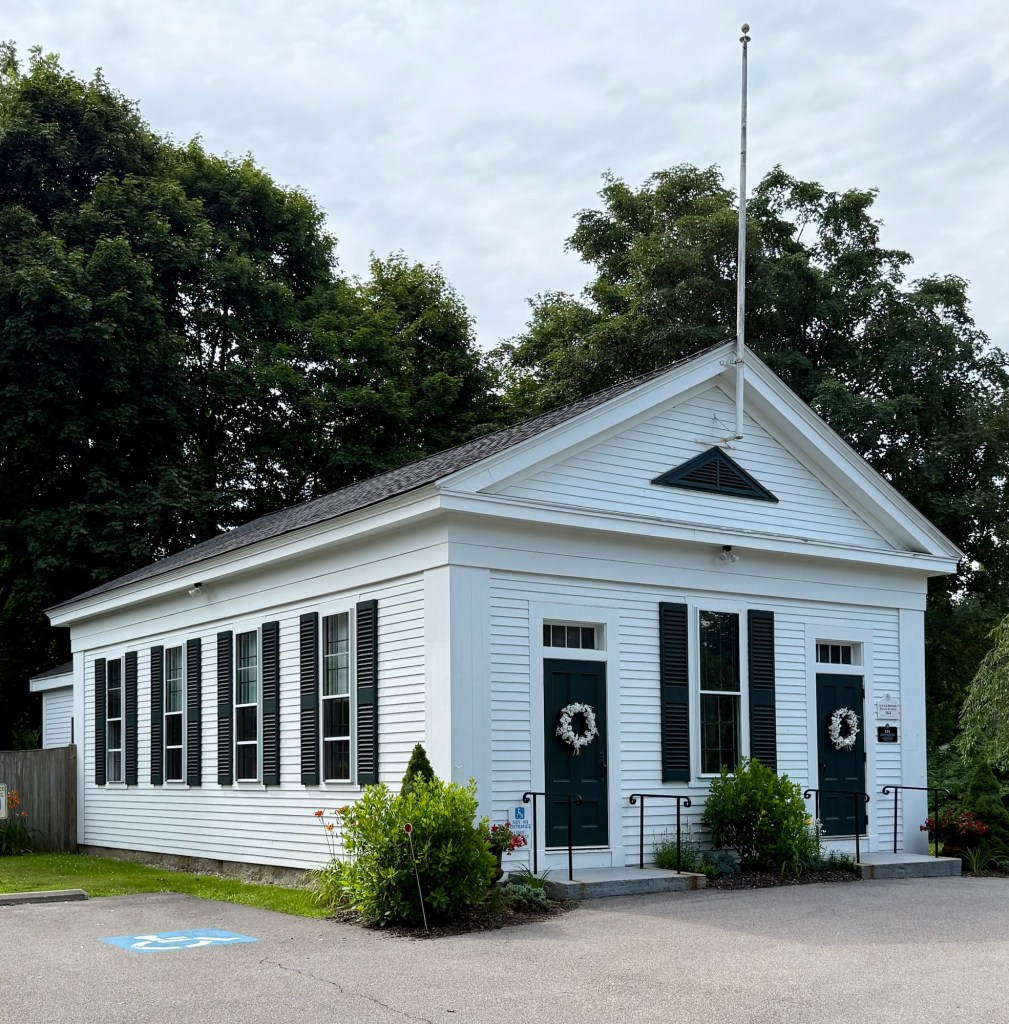
Joshua Orne House // c.1750

Joshua Orne (1708-1772) was born in Marblehead and attended local schools there. He would marry Sarah Gale, and they had one son together, Azor Orne, who would become a merchant, politician and patriot, fighting in the American Revolution. Sarah Gale died in 1743 and Joshua would remarry to Annis Stacey, having one child together, Joshua Orne Jr., who was a Patriot and fought in the Revolution, fighting alongside his half-brother, Azor. Joshua Orne and Annis owned a c.1663 house on this site and appear to have completely rebuilt the house or greatly modernized it around 1750. Joshua was a cordwainer and shipowner and later got involved with discussions of revolution and liberation from England. He likely inspired his sons to follow-suit and shared the same beliefs and values, though Joshua Sr. would die in 1772, not seeing the beginning of the War, nor freedom from tyranny. The house would be inherited by Joshua Jr. and later deeded to his son-in-law, John Bubier Prentiss, a shipmaster, who likely added the Federal period doorway and pedimented dormers.

Glover Broughton House // 1721

This Georgian-era house sits on Franklin Street in the charming coastal town of Marblehead, Massachusetts. The residence was built in 1721 for Benjamin Gale, who worked as a shoreman at the nearby harbor. The original structure (likely the left half) was likely just three bays wide with a side hall entrance that was later expanded by a later owner in the Federal style with a fanlight transom over the new main entrance. In the 19th century, this residence was the home of Glover Broughton (1797-1869), the grandson of Nicholson Broughton, the first commodore of the American Navy and, as part of the Marblehead Regiment, commanded George Washington’s first naval vessel USS Hannah. Nicholson’s grandson, Glover Broughton, was also an ardent Patriot and at just 15 years old, joined the crew of the privateer America, and was serving on the ship when it was captured and its crew imprisoned at the infamous Dartmoor Prison in Britain, the principal location for American prisoners during the War of 1812. Broughton drew the world’s attention to the inhuman treatment prisoners were subjected to in a rhyming long form poem that detailed the April 6, 1815, massacre that took place at Dartmoor. He also drew a map of the prison from memory to accompany the poem. Once Glover Broughton returned to Marblehead, he became a successful merchant and also served the town of Marblehead in a variety of offices including town clerk and postmaster. In later years, Glover also used his time to help fellow veterans of the War of 1812 by writing letters for them to help them get benefits for their time in service to the United States, as many men at the time could not read or write. It is possible that Broughton had his house “modernized” with the Federal period doorway and gambrel roof addition.

M. A. Pickett Building // 1902

The M. A. Pickett Building on Washington Street in Marblehead is a spectacular example of a commercial building of the early 20th century designed in the Colonial Revival style. The building was designed in 1902 by the firm of Peare & Quiner, who worked mostly in the North Shore of Massachusetts and funded by members of the M.A. Pickett Association, a fraternal organization founded in the late 19th century and named after Moses A. Pickett (1780-1853), who left his entire will to: “comfort the widow and the fatherless, the aged, the sick, and the unhappy”, also donating his home to the use and funding for its preservation. In 1866, a hand-drawn fire engine named after M. A. Pickett, was used by a group of volunteer firefighters, who later would create the club named after Mr. Pickett. The building originally held a barber shop and a creamery on the ground floor with a meeting hall and billiards room above for members of the Pickett Association. Today, the building is lovingly maintained, including the three stunning Palladian windows at the third floor.

Cloon Stores // c.1880

Washington Street in Marblehead is lined with dozens of amazing old homes, civic, and commercial buildings, that serves as the “downtown” spine of the old village. Located at the corner of Washington and State streets, this handsome late-Victorian commercial block serves as an important contributing building to the character of Marblehead. The structure was built around 1880 for a member of the Sparhawk Family, who operated the building as a factory or store for their shoe manufacturing. By the 1890s, the building was owned by Horace Cloon and Samuel G. Cloon, who operated a hardware store from the ground floor and leased the upper floor as apartments. The block retains its original bracketed cornice over the storefronts, but the brackets at the upper cornice are no longer extant. 

Captain Knott Martin House // 1770

This gambrel-roofed Georgian house on Franklin Street in Marblehead was built before the American Revolution for Mr. Henry Lane, a sailmaker, but is best-known as being the home to Captain Knott V. Martin. Knott Martin (1820-1898) was born in town as was descendants from early settlers of Marblehead, and after attending local schools, became a shoemaker beginning at the age of just thirteen. After over a decade as a shoemaker, he began a butchershop and had a slaughterhouse to the rear of his property. When the Civil War broke out, Captain Knott was among the first to reach Faneuil Hall to begin duty. A Boston Globe article from 1918 detailed his finding out of the war, “Late in the afternoon of April 15, 1861, Lieut. Col. Hinks of the 8th Mass. Regiment rode into Marblehead to notify the Commanders to be ready to take the first train, the following morning to answer President Lincoln’s call for troops… I found Captain Martin in his slaughter house, with the carcass of a hog, just killed. On communication to the Captain my orders, I advised him to immediately cause the bells of the town to be rung, and to get all the recruits he could. Taking his coat from a peg… with his arms stained with blood and his shirt sleeves but half rolled down, he exclaimed, ‘Damn the hog!” In a battle at New Bern he was wounded by a spent cannonball and lost eight inches from the main bone of his right leg, becoming permanently disabled. Following his discharge from the War he was elected a member of the Massachusetts House of Representatives serving in that capacity during 1866 and 1867.  He was then appointed Messenger to the House of Representatives for two more years. In May 1869 he was appointed Postmaster in Marblehead, a position he held until he retired on May 16, 1885. Knott Vickery Martin died at his home in 1898, but it has been lovingly preserved ever-since.

Knight-Tutt House // c.1750

The Knight-Tutt House on Franklin Street in downtown Marblehead, Massachusetts, is a great example of a pre-Revolutionary Georgian home built for the working class. The house, like its neighbor, has a three-bay, side-hall facade with a large, central chimney. The residence was built around 1750 for William Knight (1722-1799), who worked as a shoreman, loading and unloading the many ships that docked in Marblehead harbor. By 1850, the house was jointly owned by an F. Bateman and William Russell Tutt, a shoemaker. The residence remains one of a large number of well-preserved Colonial homes in the town of Marblehead, a testament to preservation planning and its effect on streetscapes and vibrant communities.

Russell-Goodwin House // c.1750

Marblehead is one of the oldest towns in America, first settled by colonists in 1629 and incorporated twenty years later. For the following decades, the coastal community grew, and was even one of the ten largest towns and cities in the colonies in 1790! From this history, the town has worked to preserve the unique character and walkable warren of narrow streets, that makes the town feel so charming and a great place to visit. There are dozens of pre-Revolution houses in Marblehead’s downtown area, including this side-hall Georgian house on Franklin Street, with a neighboring “sister house”. The residence dates to about 1750 and was occupied early on by Richard Russell, who according to the house plaque, was a fisherman. Later, in 1850, the house was occupied by John Goodwin Jr., who fought in the Civil War, and ultimately lost his life in the Battle of Roanoke Island, on February 8, 1862, when he was killed when he was struck in the chest by a cannonball. After his death, local Marblehead veterans established the G.A.R. Hall, John Goodwin Jr. Post 82 in his honor. The Russell-Goodwin House remains one of the many charming Colonial-era houses in Marblehead’s walkable village, telling a story of the generations of families who made this coastal community home.

Warren Homestead // 1727

The old Jonah Warren Homestead of Westborough, Massachusetts, was built in 1727 on the Old Connecticut Path, a former Native American trail, and is among the earliest and best-preserved examples of 18th-century domestic architecture in Westborough. The Colonial-era house was built for Jonah Warren (1700-1780) and his wife Elizabeth Seaverns (1700-1775), who moved from Watertown to Westborough in 1720, the couple would have 13 children. The home remained in the family for generations. Jonah was a tanner by trade, but also sold wooden shingles, cut from nearby cedar swamps. In 1778, the couple’s son, Aaron, owned the house, as he returned home to take care of his aging father. The property was later owned by Aaron’s son, David Warren, and later passed to his only child, a daughter, Mary Waterman Warren (1799-1858), who married Josiah Fay (1797-1869) in 1838. The home was inherited by Hercules Warren Fay, a Harvard-educated reverend and author. The homestead remained in the family until the last of Hercules’ children died in 1957. The Warren Homestead remains as one of the finest and best-preserved Colonial-era residences in Central Massachusetts.

Lyman School for Boys – Manual Arts Building and Powerplant // c.1900

The former Lyman School for Boys was established in Westborough as the Massachusetts State Reform School in 1847, the first state-operated reform school in the country. Initially located on the eastern shore of Lake Chauncy and dominated by a single massive building, but its early history was plagued by conflict between inmates and administration. In 1885, legislative action authorized the Trustees to purchase and prepare a new site, the first in the state system to be developed on the dispersed cottage plan, the school thrived throughout the 19th century and into the 20th century until its eventual closure in about 1974. Much of the campus was designed by architect, William G. Preston, likely including this industrial building, which was used as a Manual Arts training building. Here, young men would learn trades, where upon graduation, they would be able to enter the workforce. The building appears to have been extended decades later with the addition of a powerplant wing, in a more Arts and Crafts style. The handsome building has been vacant for over 50 years and is literally a shell of its former self. With much of the old Lyman School campus razed for uninspiring replacement buildings, it would be a shame to see this building not restored and adaptively reused.

Lyman School for Boys – Elms Cottage // 1906

The former Lyman School for Boys was established in Westborough as the Massachusetts State Reform School in 1847, the first state-operated reform school in the country. Initially located on the eastern shore of Lake Chauncy and dominated by a single massive building, but its early history was plagued by conflict between inmates and administration. In 1885, legislative action authorized the Trustees to purchase and prepare a new site, the first in the state system to be developed on the dispersed cottage plan, the school thrived throughout the 19th century and into the 20th century until its eventual closure in about 1974. This cottage, known as Elms Cottage, provided rooms for the young men at the school, providing sanitary and well-appointed lodging as they were “reformed” to graduate and enter society. Each cottage was ruled by a cottage master and usually a cottage matron. This husband-and-wife team lived in a cottage apartment and was on duty 24 hours a day, often overseeing the young boys and strictly disciplining them, without much oversight. Many of the cottages and other buildings on the campus were demolished after the school closed, but the Elms Cottage, designed in the Arts and Crafts style, was restored.