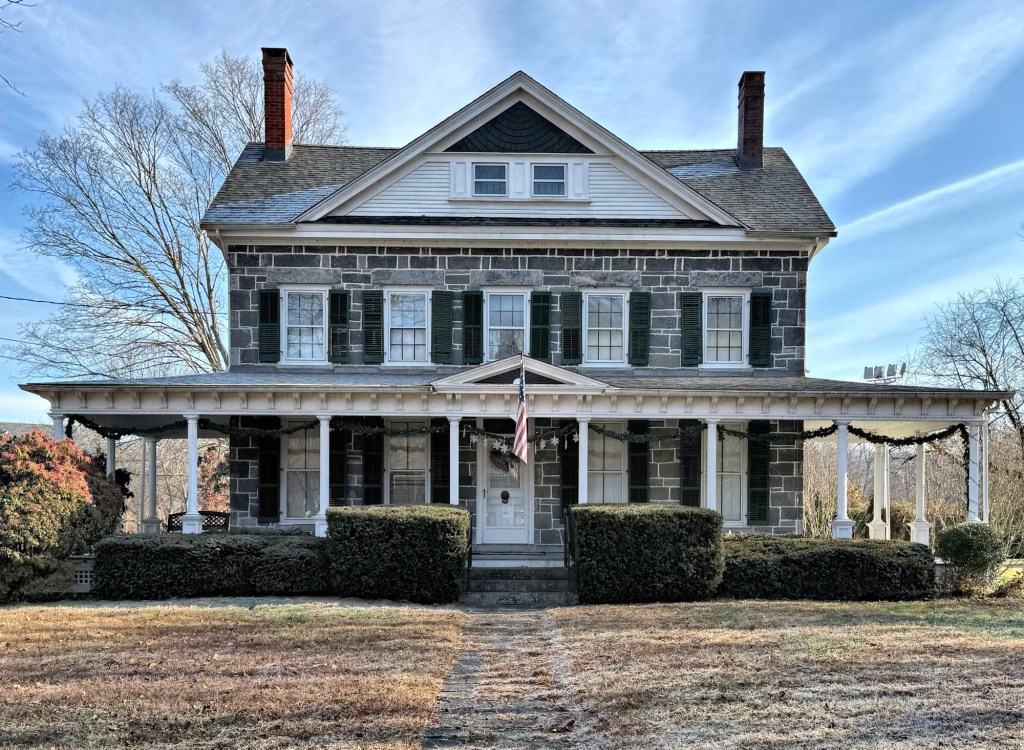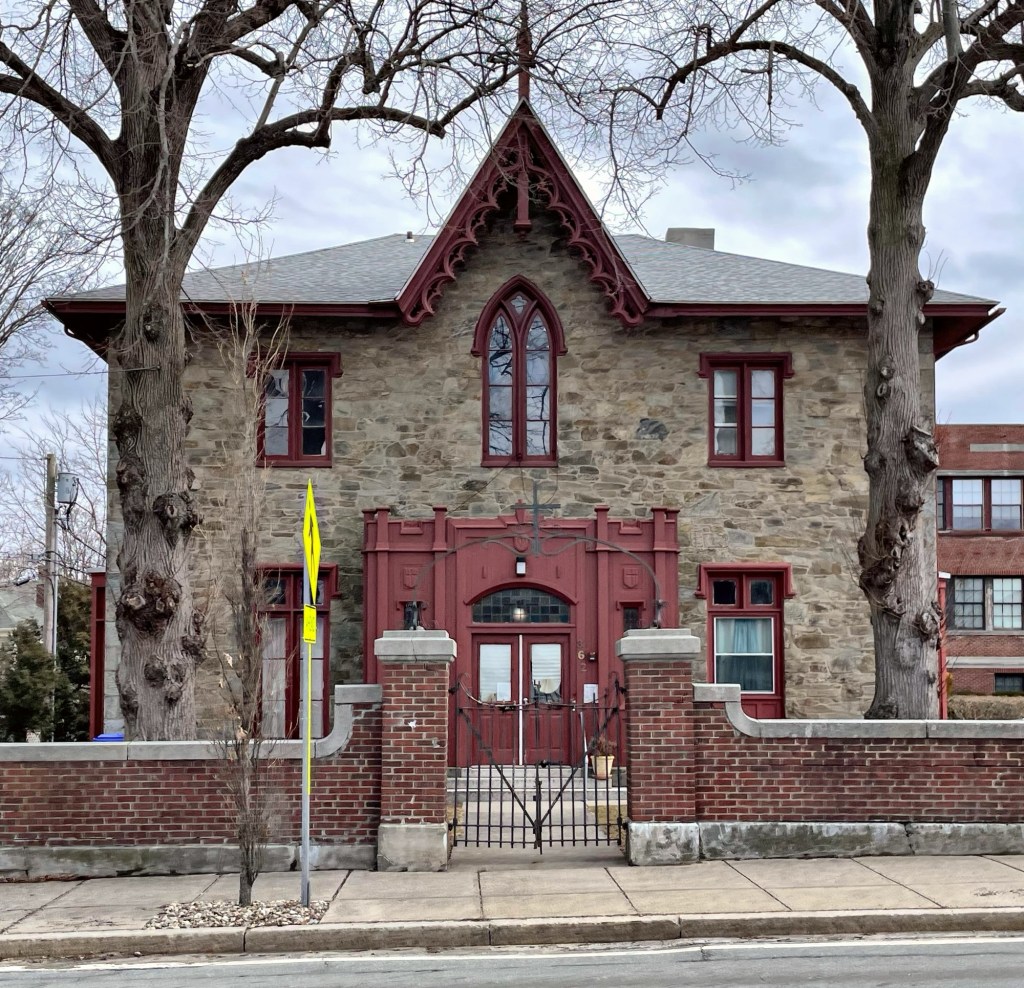
Southworth House – Deep River Historical Society // 1842

The Southworth House, also known as the Old Stone House, in Deep River, Connecticut, is a significant example of a stone, Greek Revival style house built for an important local family. The Southworth House was constructed in 1842 for Deacon Ezra Southworth (1803-1859) from stone harvested from one of the Southworth family’s quarries. Ezra was the son of local shipbuilder, Job Southworth who began building ships at the Deep River landing in the 1790s. Ezra Southworth branched off into manufacturing, becoming a partner and patent holder producing ink wells. His son, Ezra Job Birney Southworth (1844-1919), went into business with his father-in-law in shipping and served as a member of the State Legislature twice. In 1882, Ezra Jr. added the wooden ell onto the rear of the Stone House along with the wrap-around veranda and likely the rear barn as well. Ada Gilbert Southworth Munson was Ezra J. B. Southworth’s only child to live to adulthood and inherited the family home. She was a founding member of the Deep River Historical Society and bequeathed her family home to the Society in 1946, who have maintained the significant home here ever since. 

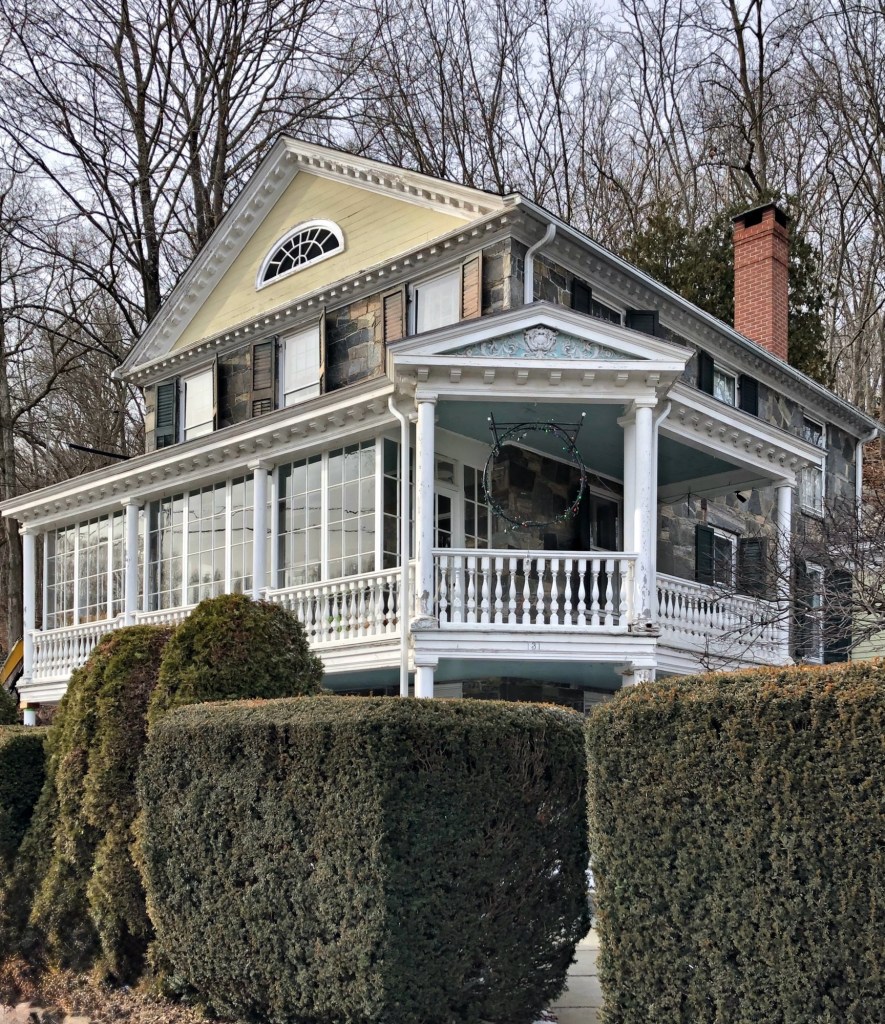
Captain Calvin Williams House // c.1820

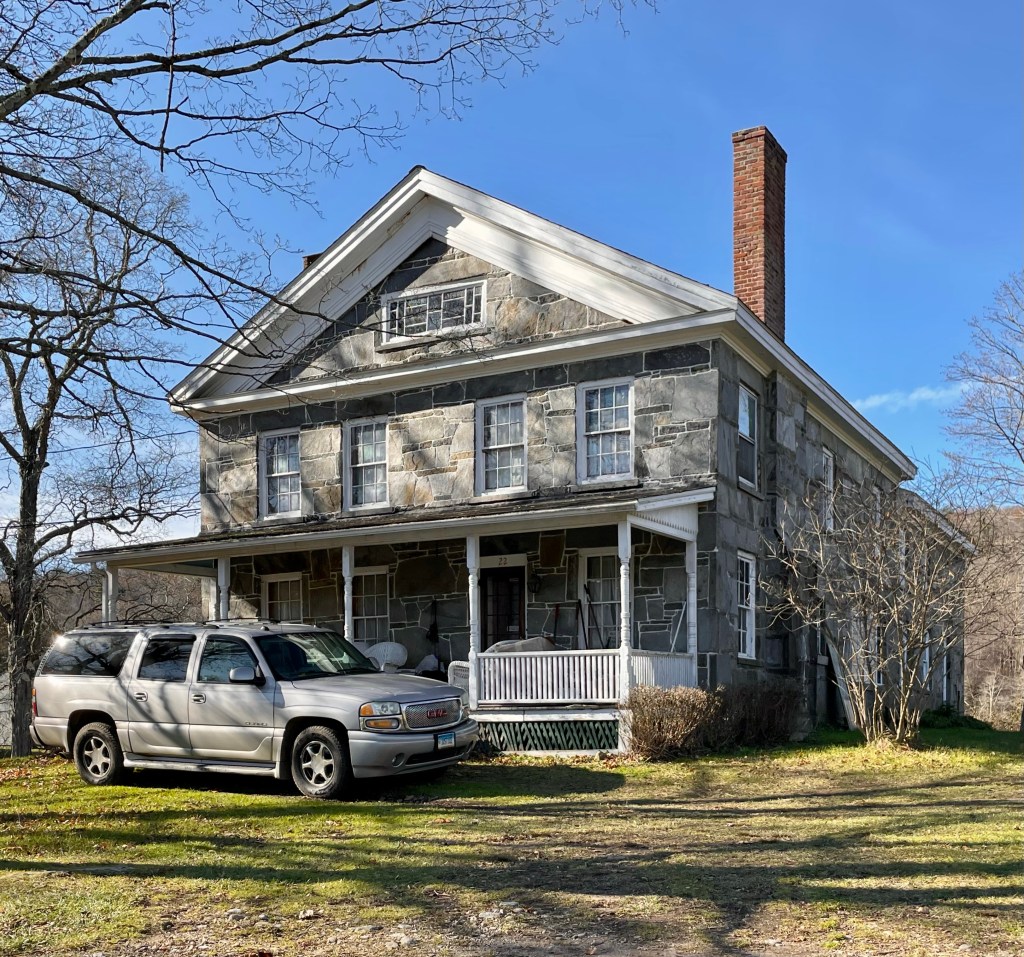
This Federal period stone house with a later Victorian-era porch, is located on Kirtland Street in Deep River, Connecticut, an area dominated by homes built for sea captains and ship builders in the 19th century. Calvin Williams (1785-1833) married Eunice Southworth of Deep River in 1809, and in 1820, built this stately home from granite from the Southworth family quarry. Captain Williams did not get to enjoy his home much as he was often out at sea commanding shipping vessels out of New York. Likely due to failing health, in 1832, Capt. Calvin Williams retired from the sea and returned to his home on Kirtland Street before he died in August of 1833. Federal style features of the house, like the elliptical fanlight and modillons in the gable and a fanlight over the main entry remain, while later alterations after his death include the spectacular enclosed porch from the late 19th or early 20th century. 

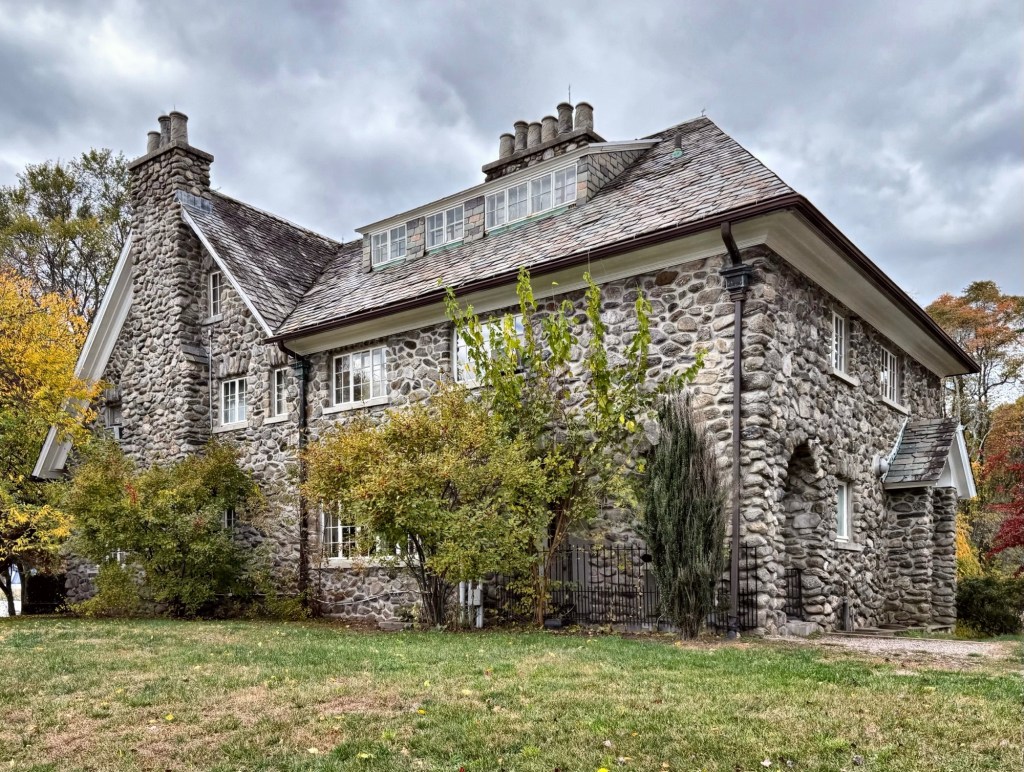
Randall House // 1927

This handsome stone mansion in Derby, Connecticut, was built by industrialist Walter Randall (1868-1949) and his bride, Olive Vouletti Whitlock Randall (1870-1938), in 1927 on a tract of about 200 acres of farmland. Olive was a granddaughter of Isaac Merritt Singer, the inventor of the first practical sewing machine for home use, which made him one of the wealthiest men in the world. It is unclear as to who the architect was, but the stone residence was built in an English Tudor/Arts and Crafts style, possibly from stones taken from the 200-acre estate. The property was sold in 1950 to Harold and Ida Yudkin, who developed much of the land into a shopping center and housing development, but maintained this stone house and a smaller parcel surrounding it. That smaller parcel was purchased in the 2010s by a developer who restored the old house, and developed a small cul-de-sac of “green” homes on the aptly named, Singer Village Drive.

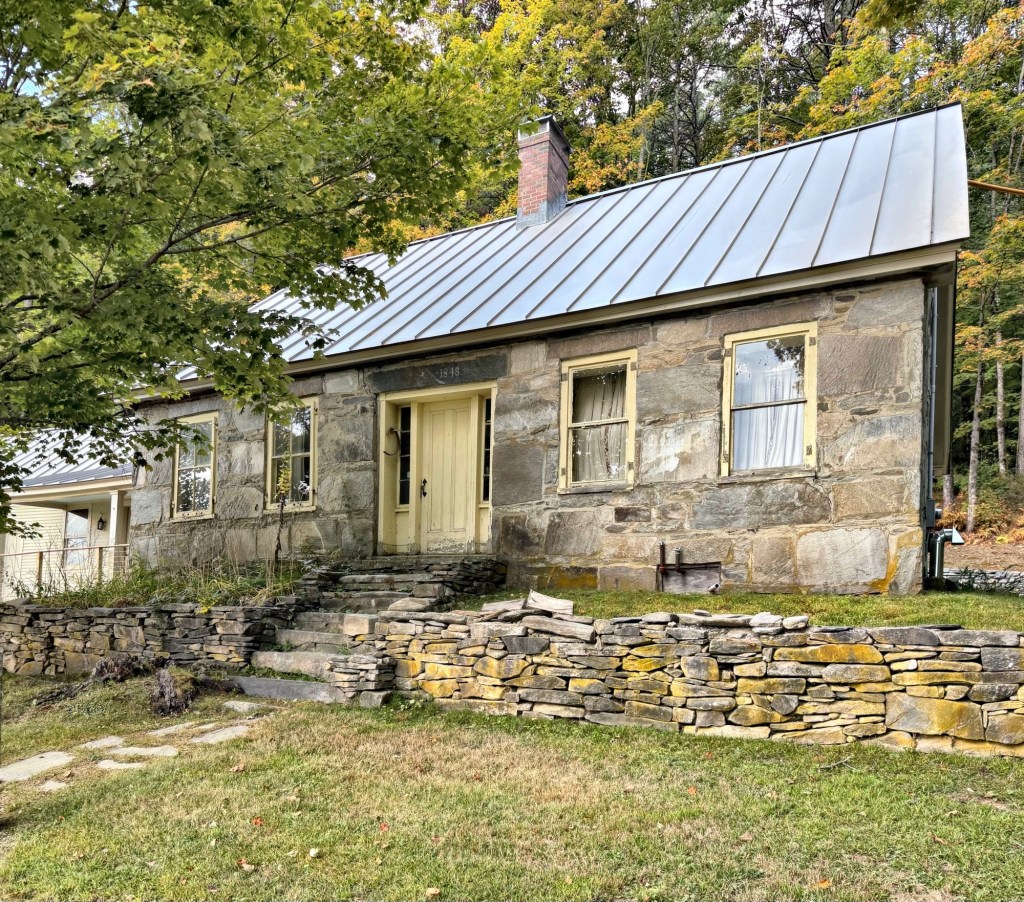
Leland Homestead // 1843

The small, rural Town of Baltimore, Vermont, was originally a part of Cavendish but due to the geography and a mountain separating the village from the main town, residents here voted in 1793 to set off as its own town. The nomenclature of the town name, Baltimore is not clear, as the city in Maryland was named for George Calvert, first Baron Baltimore, who was granted that colony in 1632, but there is no evident connection between the two communities. The word Baltimore itself is Celtic for “large town”; appropriate for Calvert’s colony, perhaps, but hardly for this Vermont town, which is one of the smallest in the state in terms of population or square miles. The town has always been a community without a distinctive village center and has long been primarily farmland, with properties bounded by stone walls and forests. This stone house on Harris Road in Baltimore was built in 1843 by Joshua Leland and his wife, Betsy Boynton. A history of the town speaks of the house, “It was one of the most attractive houses ever built in Baltimore, a well-built front hall and stairway, four fair-sized pleasant rooms downstairs, three well-arranged chambers and a convenient back stairway, all well-finished”. The home, with its date of construction over the front door, remains one of the most historic and well-preserved buildings in the town of just over 200 residents.

Tully Bowen House // 1853

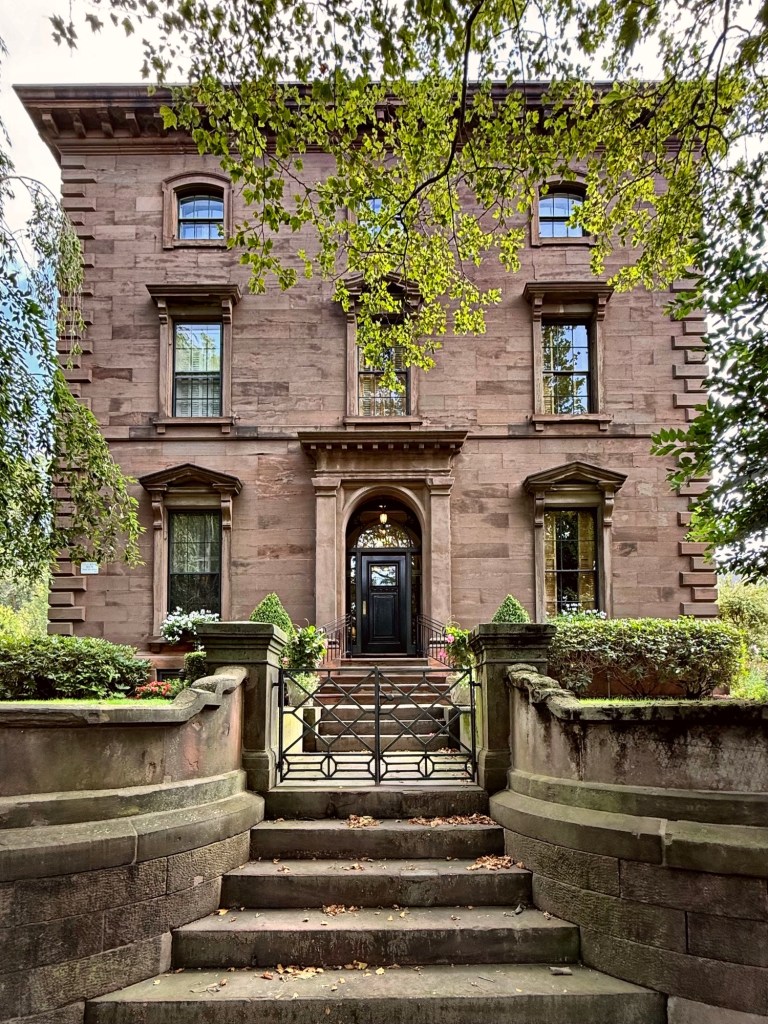
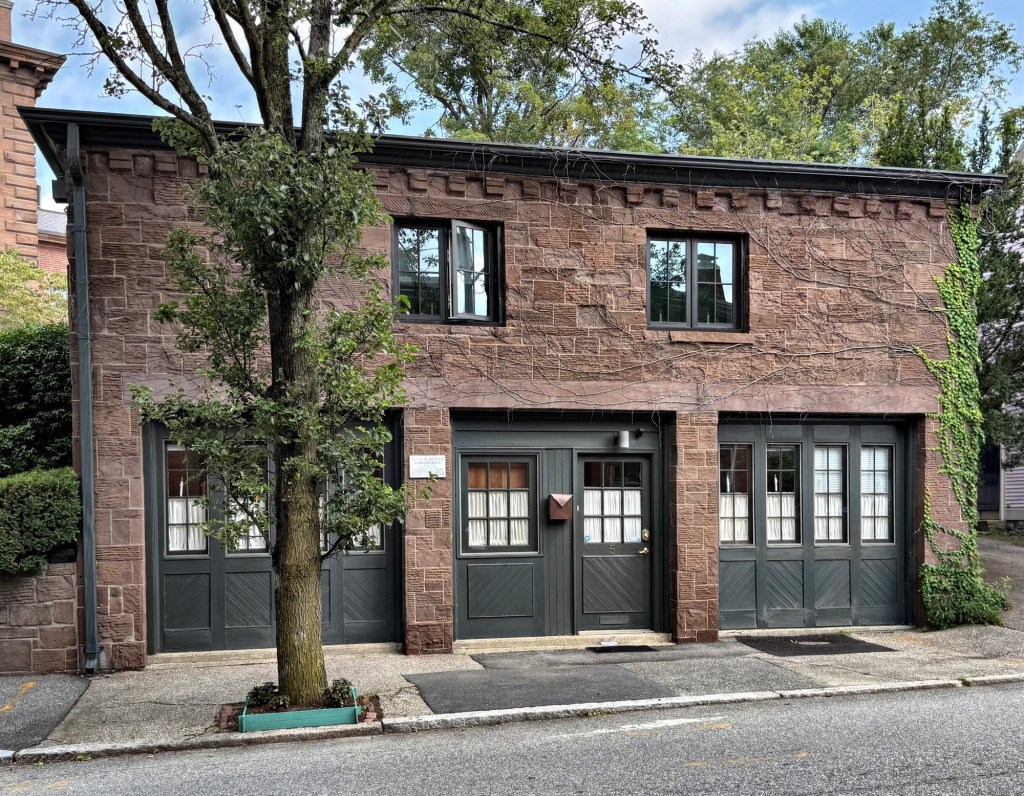
Designed by great architect, Thomas Tefft, this three-bay, three-story brownstone house located at 389 Benefit Street in Providence, was built for Tully D. Bowen, a cotton manufacturer. The house, one of the finest Italianate style mansions in the state, is constructed of brownstone and features a recessed arched entrance surrounded by a flat-headed Doric-pilastered frame, pedimented first-floor windows resting on brackets with the alternation of flat and pedimented heads at the second story, and quoining at the corners. The property also retains its original Tefft-designed brick and brownstone carriage house. Thomas Tefft, who was just 27 at the time of designing this house and corresponding brownstone and iron gate, would become one of America’s finest architects before he died in Florence with a fever in 1859 at just 33 years old. The residence was converted to 12 apartments in 1941 and the carriage house was converted to residential use as well. Even with the subdividing the interior spaces of the residence and carriage house, the Bowen property remains in a great state of preservation and is one of the finest homes in Providence.

Winthrop-Eckley Double House // c.1855

Newport has no shortage of amazing architecture. From the grand Gilded Age mansions along the coast to the pre-Revolutionary Colonial houses, there are always new buildings to stumble upon and learn about. This charming stone double-house on Corne Street was built in the mid-19th century and had two owners by the 1870s, John Winthrop (1809-1886) and Julia Ann Eckley (1800-1874), a widow, who owned the smaller side. The stone cottage sits atop a raised basement with bold stone quoins at the corners. Dormers with delicate wood trim are at the roofline with the detail reflected in the porch on the Winthrop half. This double-house is one of the many “hidden” treasures in Newport’s warren of narrow streets.

John Bottume House // c.1858

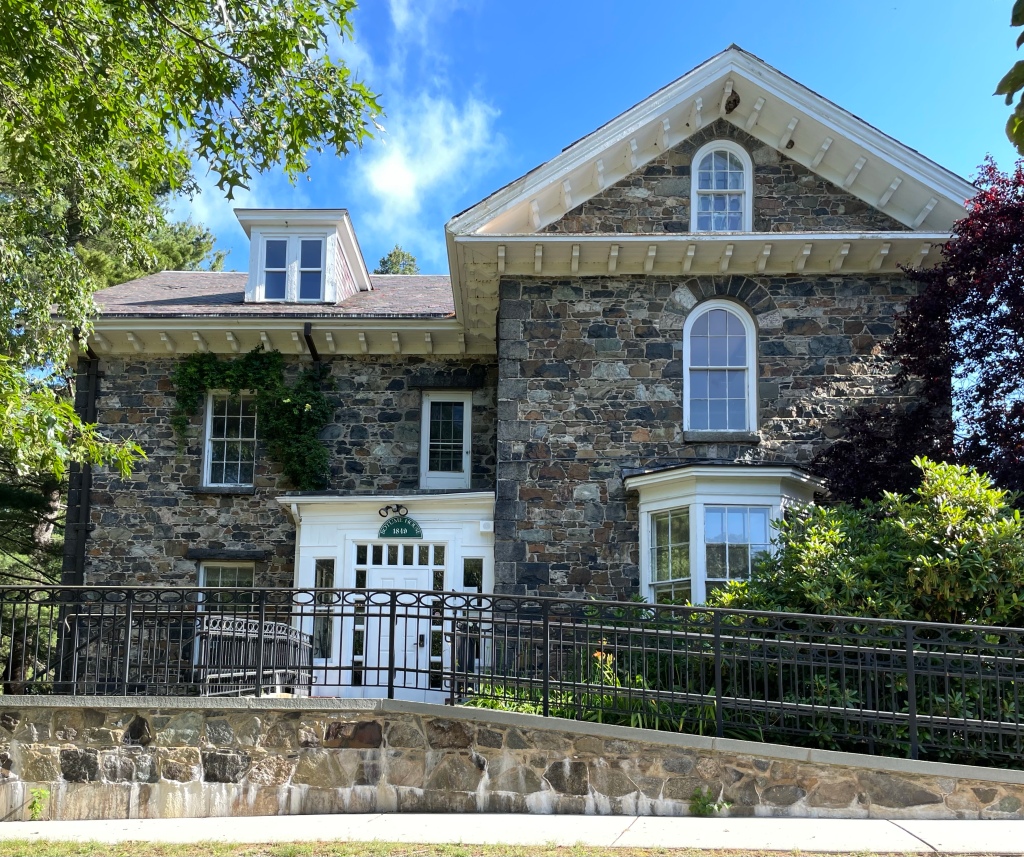
The John Bottume House in Stoneham, Massachusetts was built c.1858, this stone house was one of several built along the shore of Spot Pond by a Boston businessman as a retreat, and is the only one to survive. The coursed granite residence is an excellent and high-style example of the Italianate architecture style. It is owned today by the Massachusetts Department of Conservation and Recreation, and houses the visitors center for the Middlesex Fells Reservation.

Barber-Perry Farmhouse // 1843

Known locally in Canton as the “Stone House,” the Barber-Perry House was built in 1843 by two brothers, Volney and Linus Barber, seemingly for their brother, Samuel. They used local stone for the construction, that was quarried to the north of the property. The house was bought by George W. Lamphier in 1866 and by Thomas M. Perry in 1944. Perry was a physicist working on gears for naval ordinance during the war. He worked in a shop on his property and soon started the T.M. Perry Company in 1955. The property here is still a working dairy farm, known as Perrys Dairy, and is reportedly the last working dairy farm in town!