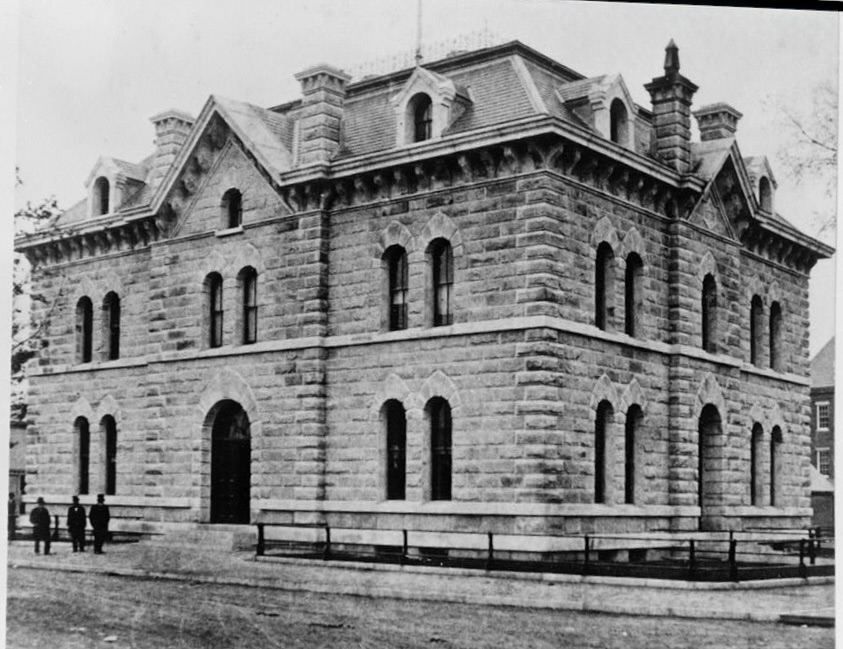
Rockland Custom House & Post Office // 1873-1969

Photo included in HABS documentation

It saddens me to see photos and learn about some of the amazing buildings demolished in the name of “progress”; it is even more disappointing when said building is replaced by a surface parking lot (over 50 years later)! This great stone building was built in Rockland, Maine, in 1876 as the town’s post office and custom house by the Federal government. Relatively unknown architect Alfred B. Mullett is credited with the design as he served from 1866 to 1874 as Supervising Architect of the United States Treasury Department. The building can be classified as Italianate-Second Empire in style and is constructed of massive, rough-faced granite block walls with a shallow mansard roof above. The building was offered for sale by the U.S. Government in 1967, likely due to the upkeep costs and a shrinking local population with the dependency on maritime trade diminished. The building was ultimately razed in late 1969, with a new, uninspiring, post office built next door to this site.
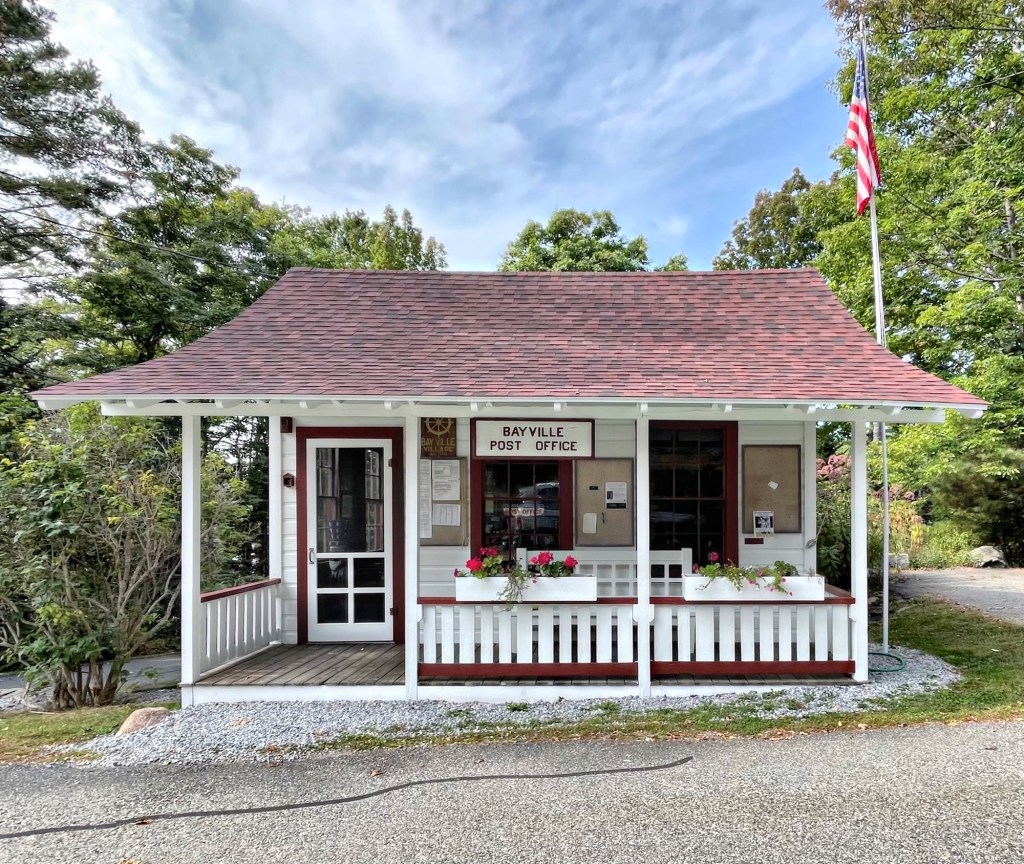
Bayville Post Office // c.1920

Bayville, is a quiet and picturesque coastal village on Linekin Bay, in the eastern part of Boothbay Harbor, Maine. The small village is comprised of roughly 40 cottages and a small post office. This post office was built around 1920 and has operated here seasonally every summer since. The rustic Craftsman style building features a broad roof with exposed rafter tails, extending to create a sheltered porch off the front.

Former Allerton Point Post Office // c.1890

By the end of the 19th century, various coastal developments on the elongated coastal town of Hull, Massachusetts, developed into established neighborhoods of cottages. As a result, new stores, schools, and post offices were built to accommodate the increase in population. William Henry Sylvester (1840-1923) a local resident, built this structure to serve as a store, professional offices, and post office. Like other buildings in the area constructed in the 1890s, the structure blends Queen Anne and Craftsman elements in a great composition. Sadly, the building has not been maintained and the windows are now boarded up, with the entire waterfront parcel selling in 2018. Plans to demolish the buildings on the site, including this charming structure were proposed to erect new townhomes, but they have not materialized. I’d love to see the site redeveloped with much-needed housing, but this structure should be incorporated in the development.

East Blue Hill Post Office // c.1884

Before the days of USPS trucks delivering mail to your door, mail was delivered to local post offices for pick-up daily. Due to this, many villages had their own post offices to service local communities better due to ease of access by residents. A post office first arrived in East Blue Hill Village, Maine in 1873, likely due to the distance traveled to the central village for mail. By 1884, George Long built this vernacular structure as the village post office, which belonged to members of the Long family, who also served as postmasters, until 1997. The post office is distinct in the state as the only known example of a purpose-built post office facility that is not owned by the United States Postal Service, and that was not built or adapted to its standards. The building sold out of the Long family in 1997, when it was purchased by the East Blue Hill Village Improvement Association, who have preserved it ever-since!

Old Platte Clove Post Office // c.1885

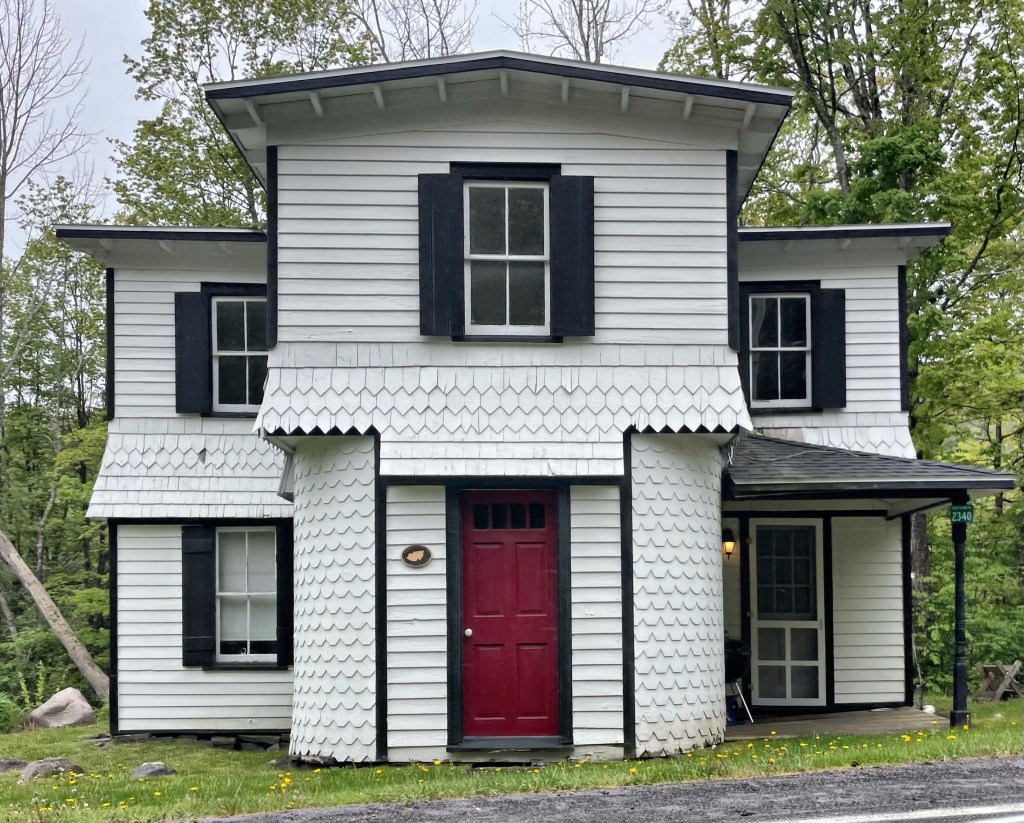
Believe it or not, but I occasionally venture out of New England, and a favorite place of mine to explore is Upstate New York. On a recent trip, I ended up driving through the tiny town of Hunter, New York, located in the middle of the Catskills. This charming little building was constructed c.1885 as the Platte Clove Post Office. The building was constructed to serve a rural portion of the town and was built as an early mixed-use building with the post office at the ground floor and small residence upstairs for the postmaster to live. The exterior cladding features both shingle and clapboard siding with overhanging eaves. The post office here ceased by 1911 and the use reverted solely to residential.

Kennebunkport Post Office // 1941

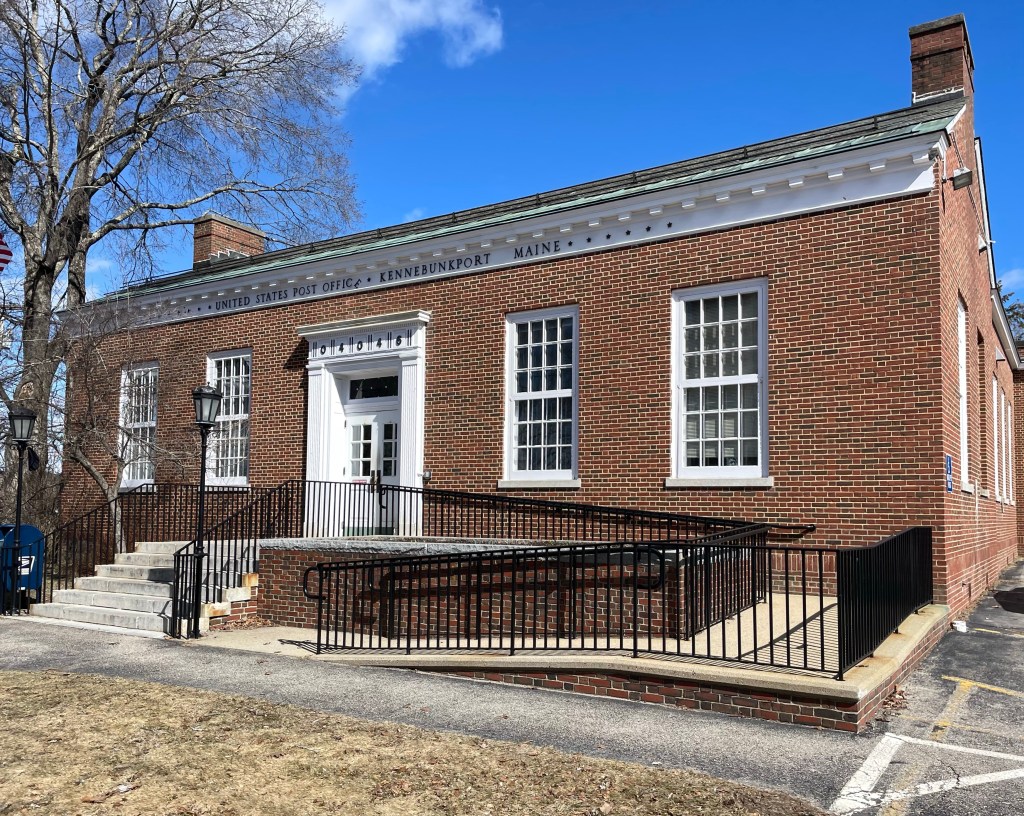
During the Great Depression, the federal government built over 1,100 post offices throughout the country as part of the New Deal’s Federal Works Agency. Many of the post offices funded and built in this period were designed by architect Louis Simon, Head of the Office of the Supervising Architect for the U.S. Treasury. Few architects had such a role in designing buildings nationwide than Federal architects who designed buildings ranging from smaller post offices like this to courthouses and federal offices. They really are the unsung designers who impacted the built environment in nearly every corner of the nation. As part of the Treasury Department Section of Fine Arts, artists were hired to complete local murals inside many post offices built in this period, depicting local scenes and histories of the towns they were painted in. In Kennebunkport, artist Elizabeth Tracy who submitted a preliminary sketch of her piece “Bathers” which was approved depicting a beach scene, though the townspeople had not been consulted. Unfortunately, the opinion of a vocal part of the Kennebunkport populace was highly negative to Tracy’s painting, largely due to the fact that her beach scene depicted people on a beach in adjacent Kennebunk, not Kennebunkport! Within a few years, the townspeople gathered funds to hire artist Gordon Grant to paint a satisfactory replacement mural in 1945. The new mural remains inside the post office.

Marion Post Office // 1830

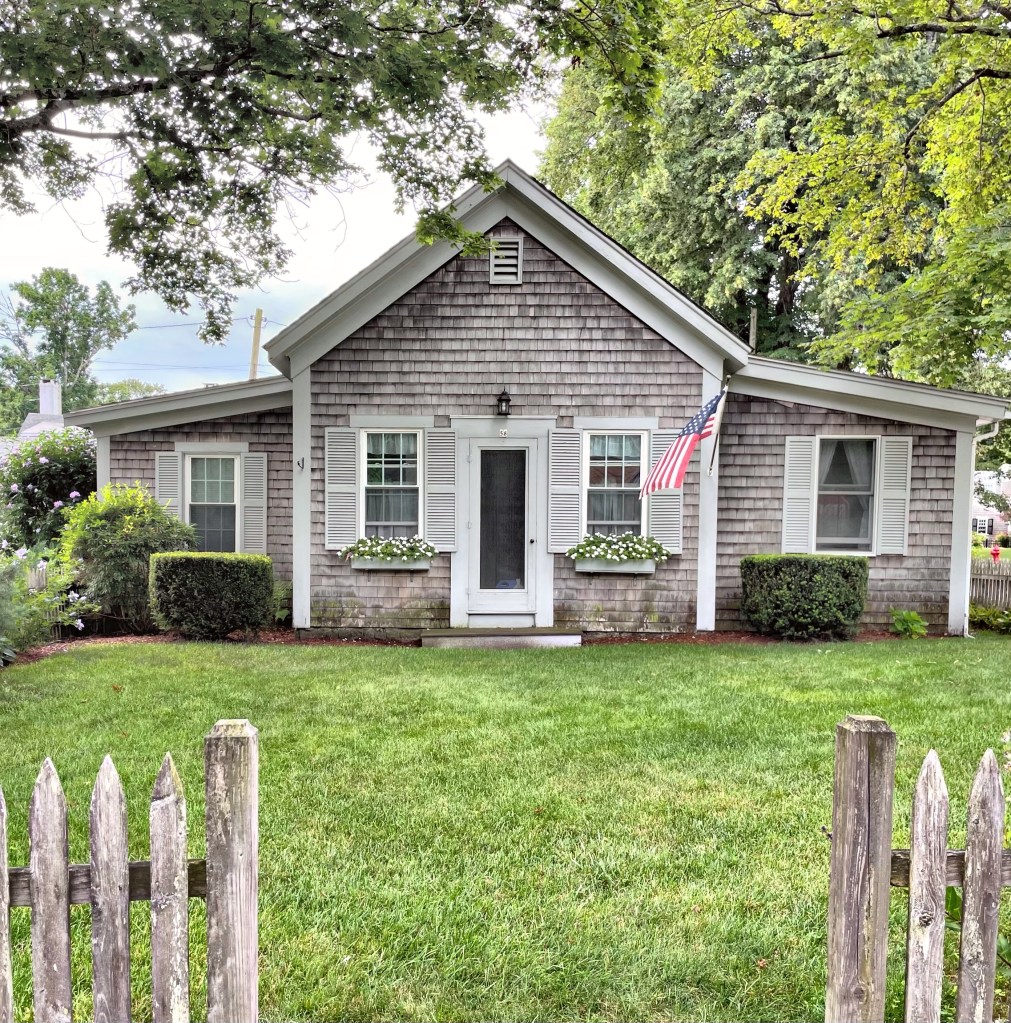
Built around 1830, this little cottage is set behind a front lawn and is among the many photogenic buildings along Marion’s Main Street. Originally located behind the Marion Congregational Church, this structure was moved to its current site between 1855 and 1879, and run as a post office for the village. During the mid-19th century, the job of post-master was a political appointment. For a time Captain Nathan Briggs, a retired sea captain and Democratic party appointee, operated a post office in this structure, competing with Republican Dr. Walton N. Ellis who was in charge of a rival Post Office nearby. He ran the post office until he was struck by lightning in the doorway of his home. Who knew that everything was as political then as they are now? Things do not change!

Bristol Customs House and Post Office // 1858

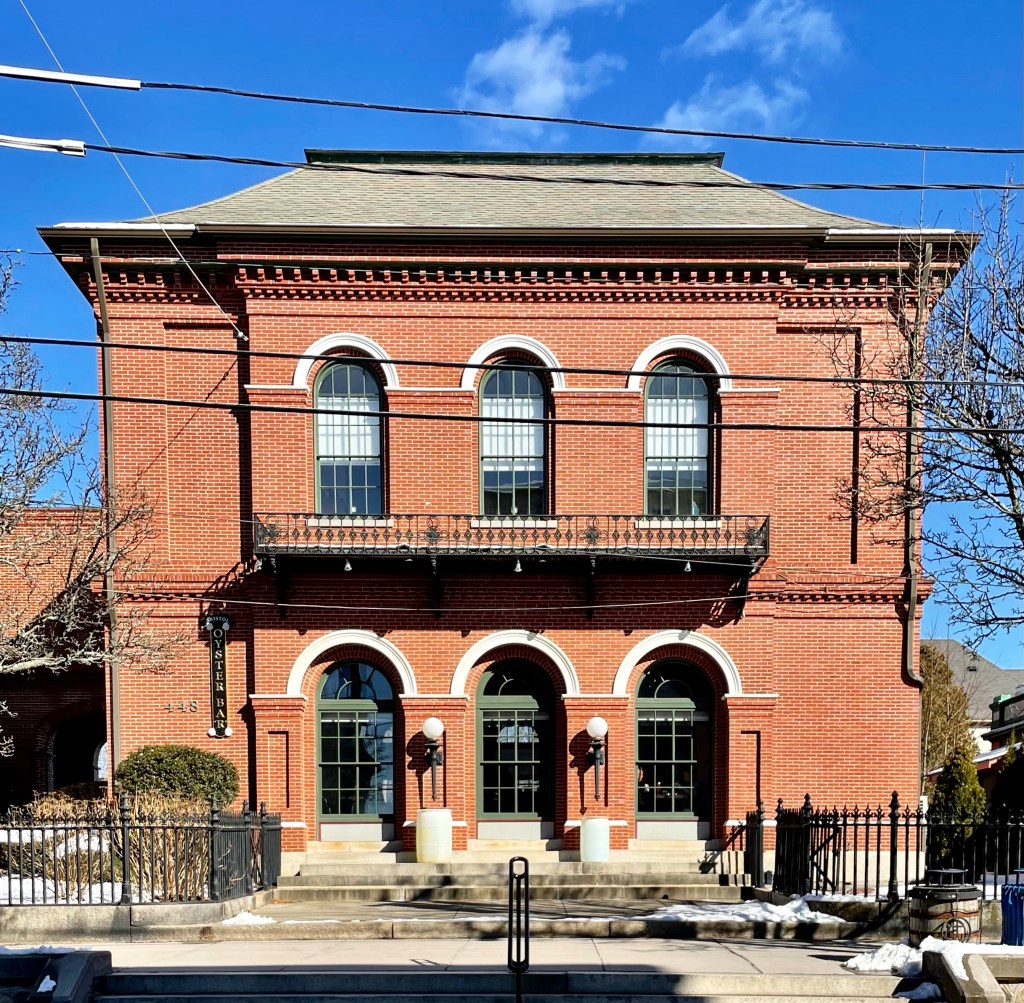
Completed in 1858 from designs by architect Ammi B. Young, the Bristol Customs House and Post Office is a two-story rectangular Italianate style building, that stands out as an uncommon building of the style in town. Ammi B. Young was the first Supervising Architect of the U.S. Treasury Department. As federal architect, he was responsible for designing many custom houses, post offices, courthouses and hospitals across the United States. He was a master of the Greek Revival style so it is interesting to see how he diverged from his trusted style in a town so populated by homes and buildings in the style. The design is more subdued compared to other Customs Houses he designed around the time, likely a response to the declining economy in town from whaling and shipping. The building was occupied as a customs house and post office until 1962, when it was abandoned. The adjacent YMCA purchased the building soon after, connecting it via a small addition and occupying it as additional programming space until 1990. The building was restored and is now home to the Bristol Oyster Bar.

Chittenden County Superior Courthouse // 1906

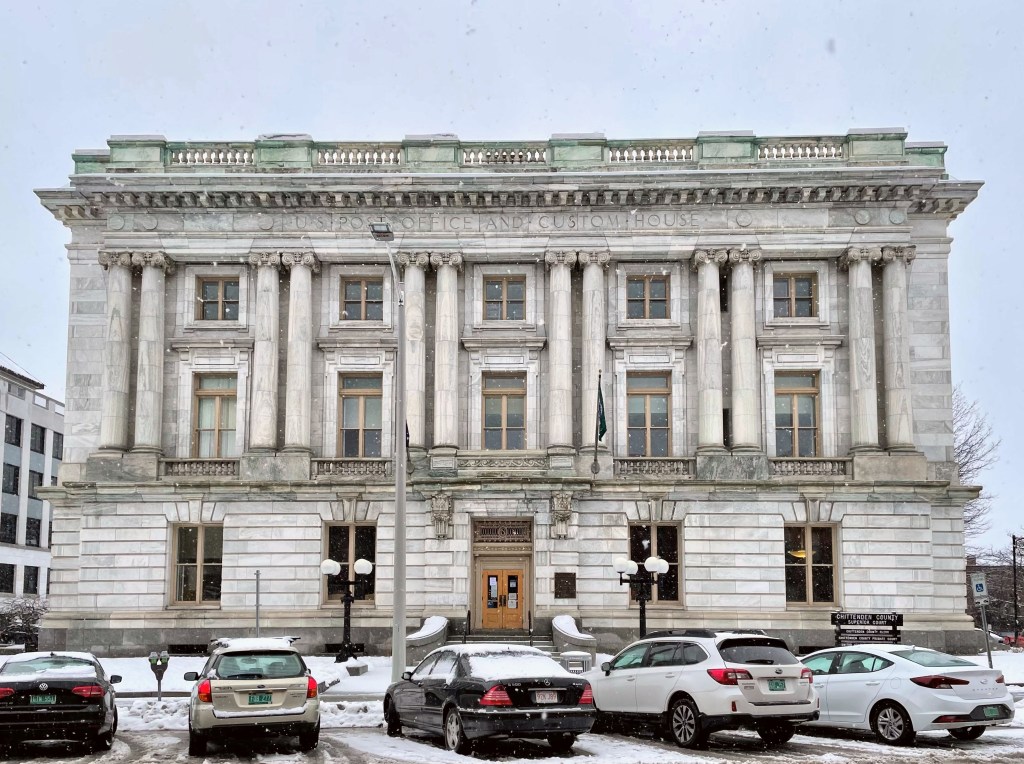
The Chittenden County Superior Courthouse in Burlington, Vermont was built in 1906 and is one of the most bold architectural designs in the city. The building was actually constructed as the U.S. Post Office and Custom House for Burlington, but changed use in the 1980s after the Old County Courthouse was destroyed by fire. The building was the work of U.S. Treasury architect James Knox Taylor. Taylor designed, many major eastern federal buildings during the late 19th and early 20th centuries. He provided plans for this Beaux Arts structure with a well-appointed exterior finished in marble and dressed granite. Beaux-Arts architecture depended on sculptural decoration along conservative modern lines, blossoming in the United States in the early 20th century after many American architects studied at the École des Beaux-Arts in Paris, particularly from the 1830s to the end of the 19th century.

Harris Store // 1834

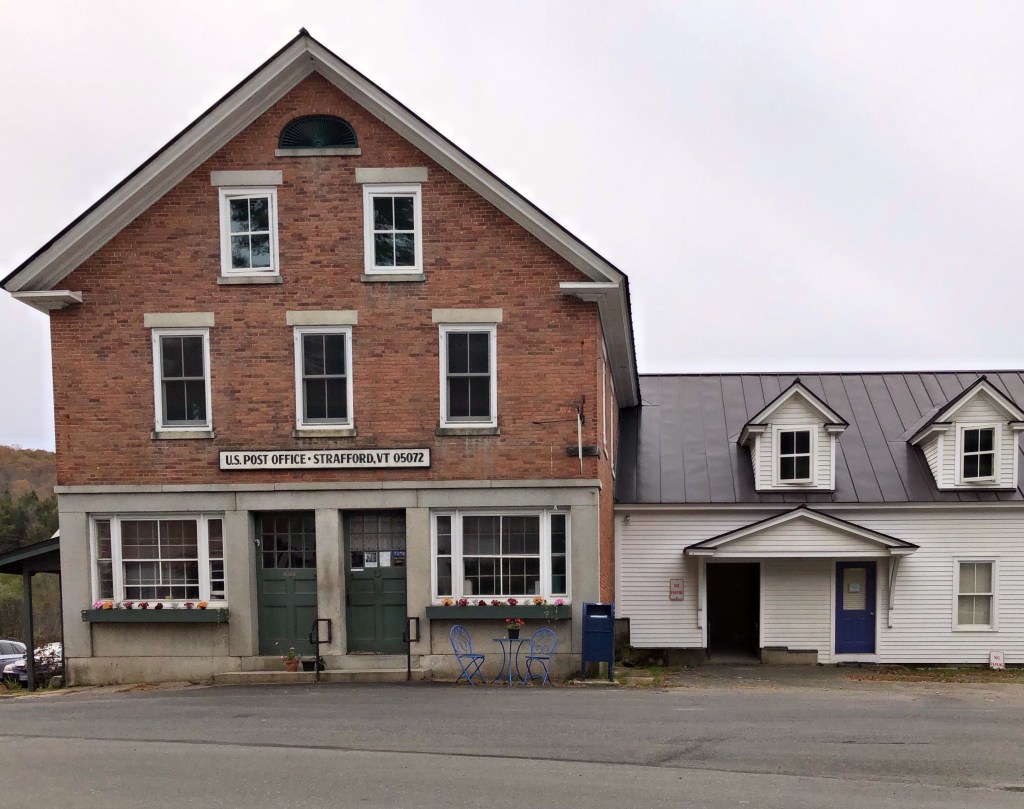
In 1833, Jedediah H. Harris, who had run a general store in Strafford village since 1803, commissioned a local contractor to build a new brick and granite store. Harris and his then-partner, Justin Morrill, opened the store in late fall 1834, selling provisions to locals and visitors to the small town. Morrill would later go on to construct a stunning Gothic home nearby and become a leading U.S. Senator. For more than one hundred years the store passed through a succession of owners, until C. William Berghorn Jr. closed it in 1951 to make it his residence. The building has since been converted to the local post office branch, with a residential unit likely above.