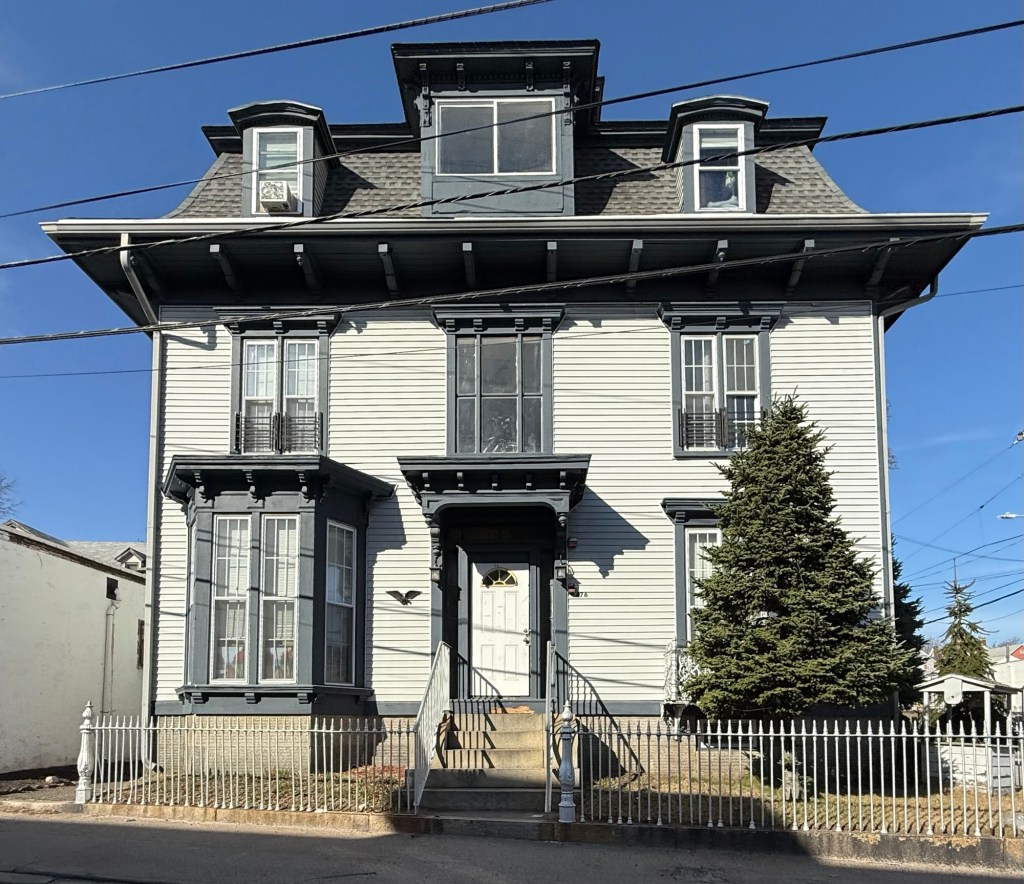
David G. Fales House // c.1858

The David G. Fales House of Central Falls, Rhode Island, is an excellent example of the Second Empire architecture style in a high-end residence. The home was built around 1858 and belonged to David Gilmore Fales (1806-1875), one of the partners of the nearby Fales and Jenks machine works. Mr. Fales either built or purchased the home which was then a flat-roofed Italianate style home, and hired architect Clifton A. Hall, to modernize the residence, adding trim and the mansard roof. Its broad eaves are supported by brackets with pendants; segmental-head dormers are set in the mansard and a square belvedere with round-head windows tops the roof. A major fire gutted much of the house in the 1960s, and its future was uncertain. It was preserved and is now a multi-family apartment building.
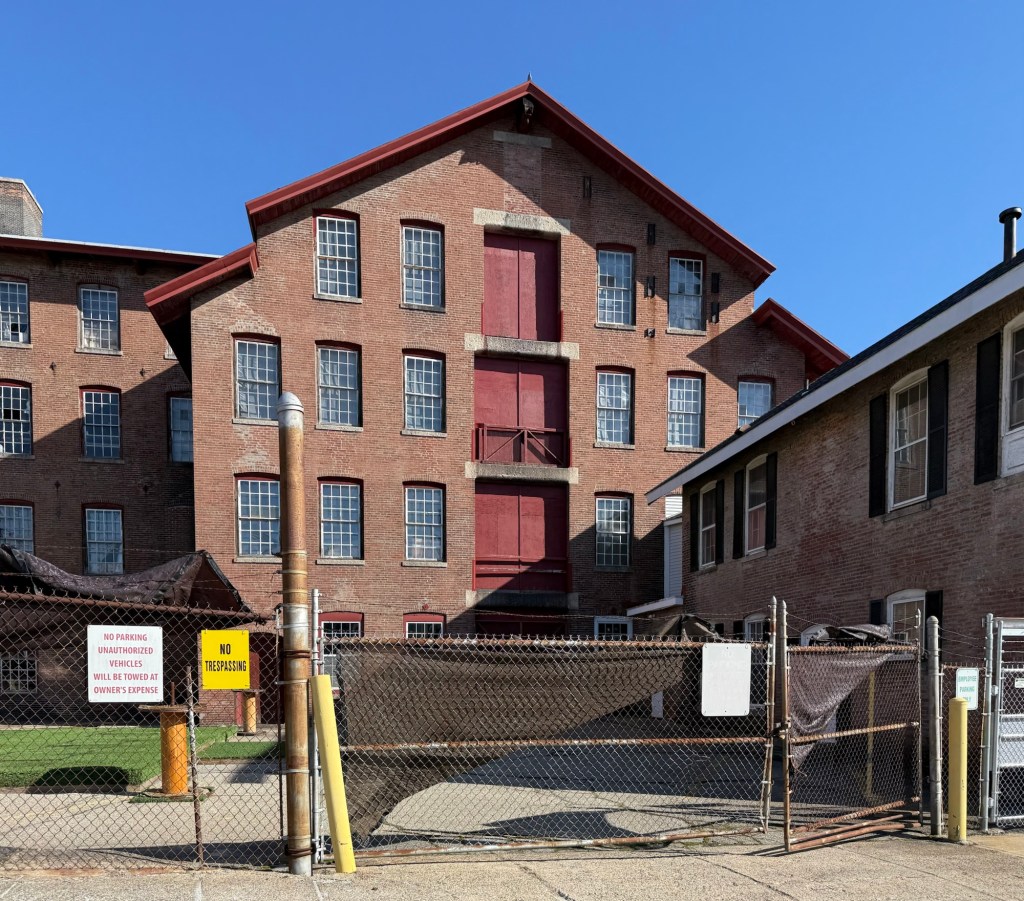
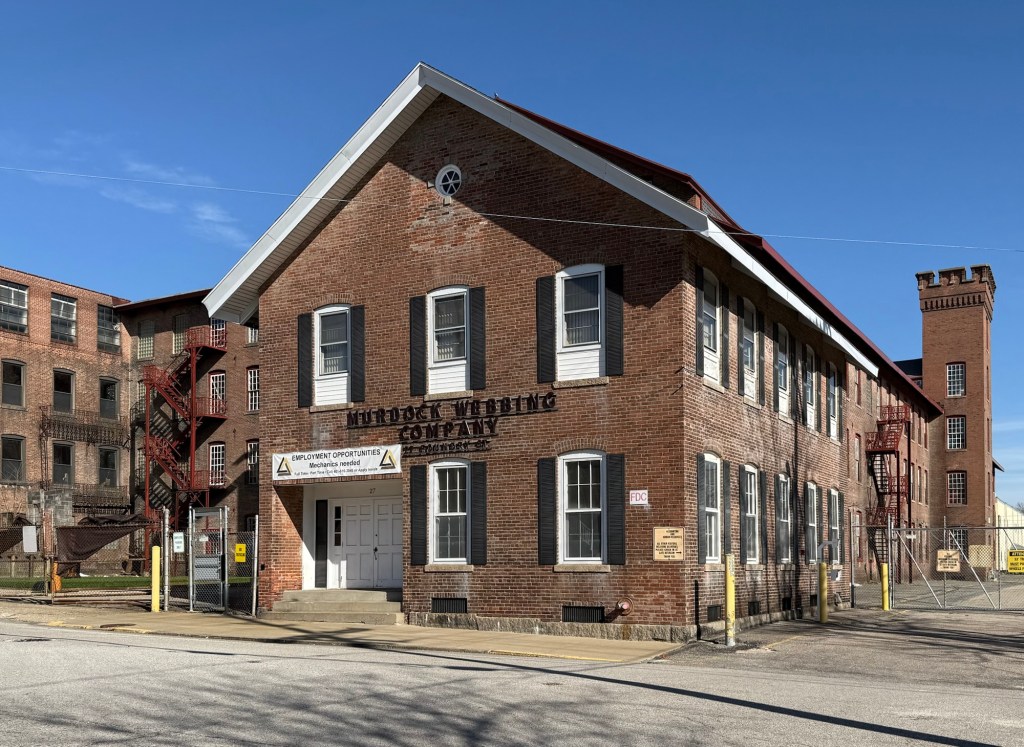
Fales & Jenks Mill // 1863

One of the largest mills in Central Falls, Rhode Island, is this complex tucked away on Foundry Street. Constructed in phases beginning in 1863, the site was originally owned by the firm of Fales & Jenks, manufacturers, and it was the first major factory in the town to not be built on a river, but on the railroad, showcasing a shift in the transportation of goods along with the increasing availability of steam power, relieving mill owners from having to build on the rivers. Fales & Jenks manufactured textile machinery here for just a few years until they moved to Pawtucket, and the complex was purchased by A. & W. Sprague in 1865 and after slight enlargement, was used as a flax mill until the Spragues’ failure in 1873. In the late 19th century, the mill was occupied by the U.S. Cotton Company. The oldest buildings are brick with granite lintels under a monitor roof. Later additions include a massive brick factory with a tower with castellated parapet. The small, two-story gable-roofed building at the corner was the mill office. The complex is today owned and maintained by the Murdock Webbing Company.

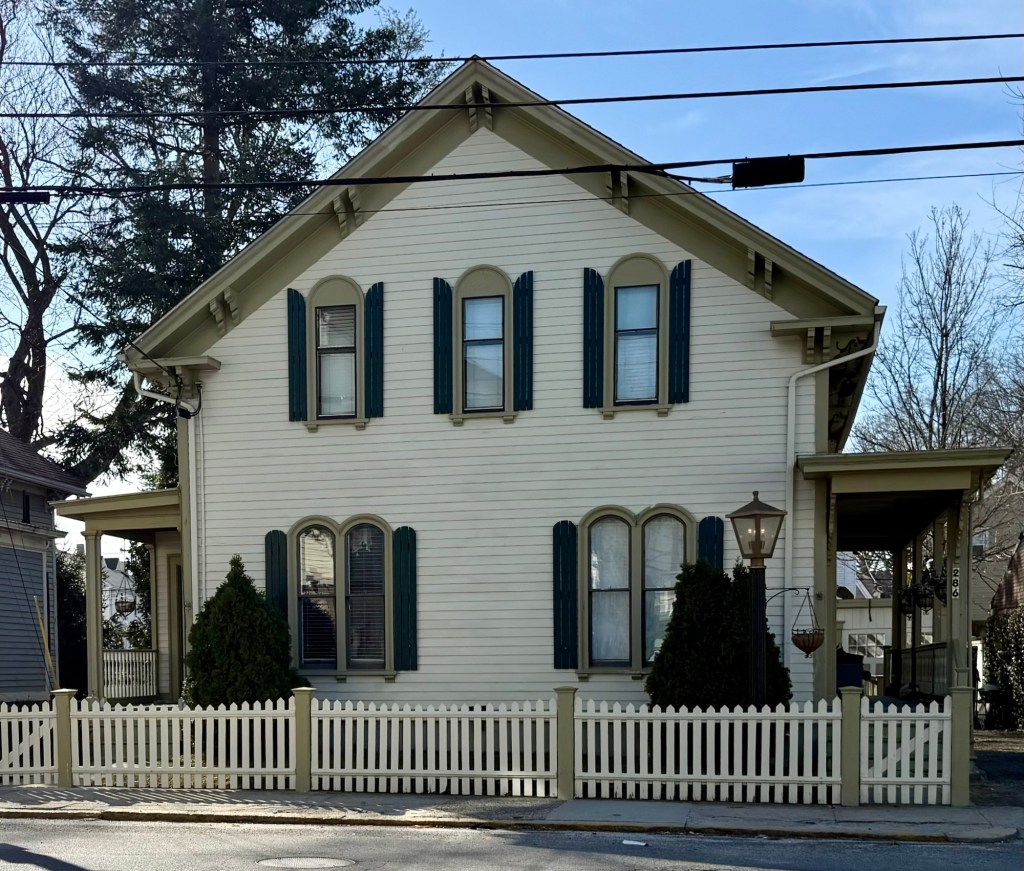
Nathan S. Horton House // c.1860

This modest, Italianate style house was built around 1860 by a carpenter and builder as his own residence. Nathan S. Horton (1819-1916) was a busy builder in Central Falls, Rhode Island in the mid-late 19th century as the population boomed along with the industrial growth and wealth that the city saw. For his own residence, Horton built this two-story wood-frame house with side entrances and porches, paired brackets in the eaves, and arched top windows, all commonly found in the Italianate style, popular around the time of the Civil War. Mr. Horton lived to his late 90s and likely remained in this home until his death.

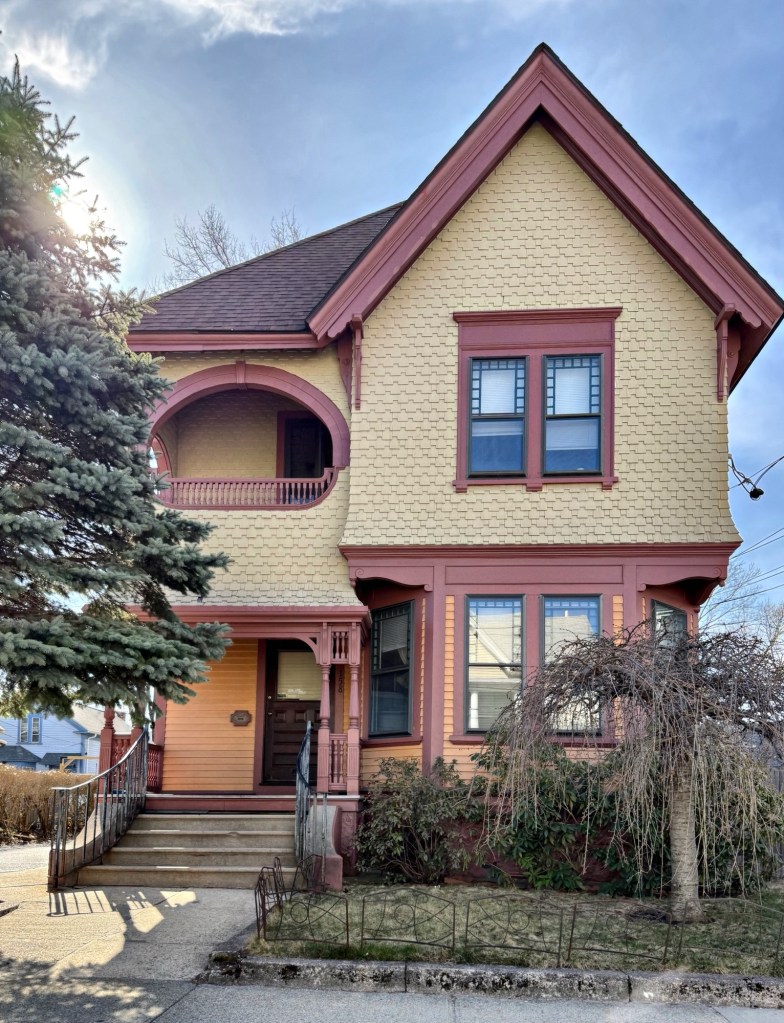
Edward Johnson House // c.1886

Central Falls, Rhode Island, is not necessarily known for its residential architecture, but like any good industrial city, there are some excellent examples of Victorian houses from the mid-late 19th century to be discovered! This is the Edward L. Johnson House on Cross Street in Central Falls. The house was built around 1886 for Mr. Johnson, a manufacturer, who resided here for some years with his wife, who founded the Pawtucket Women’s Club in 1899 and was an active member of the Daughters of the American Revolution. The house is an excellent example of the Queen Anne architecture style, from the various siding types including clapboard and patterned shingling; its steep cross-gable roof; and its variety of windows, including a shallow bay on the first floor and oval and half-round windows in the 2nd-floor porch. 

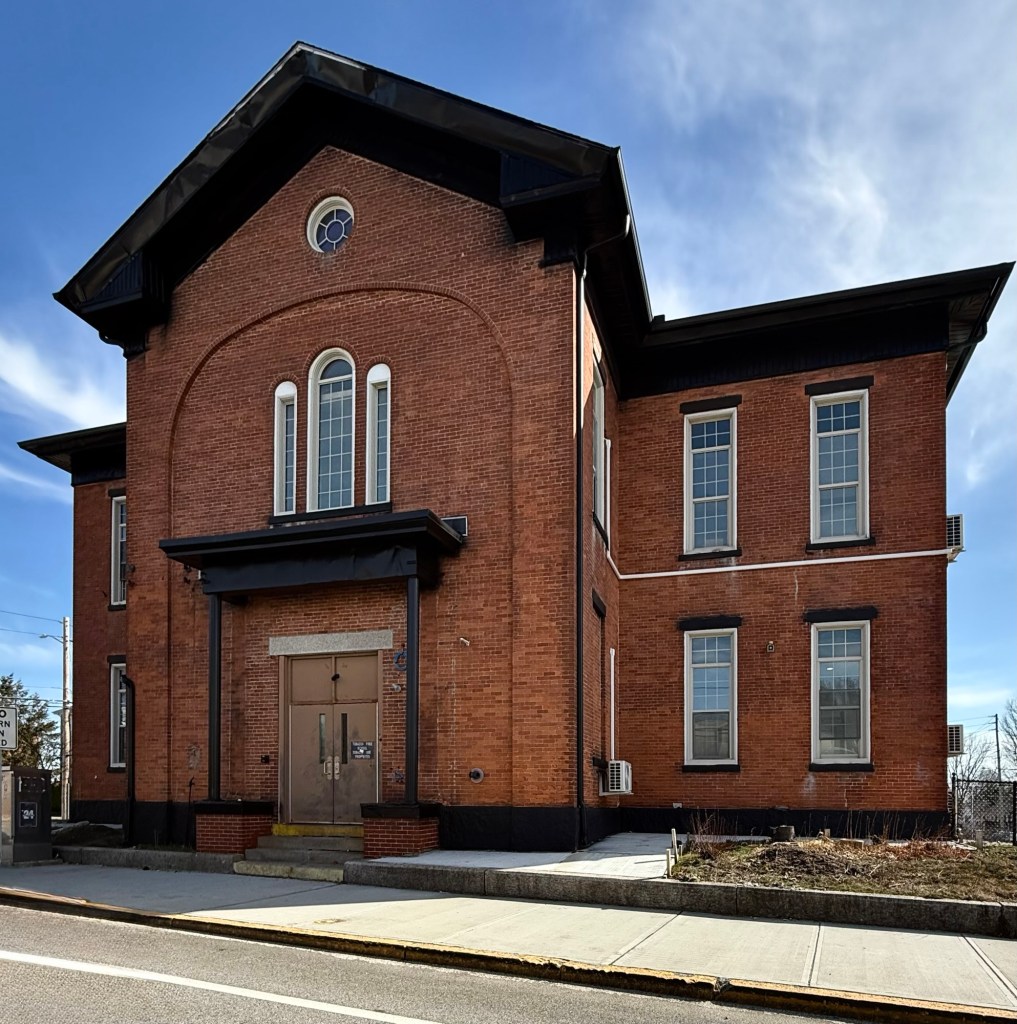
Former Broad Street School // 1861

The oldest extant school building in present-day Central Falls, Rhode Island, is this brick schoolhouse, constructed in 1861, to serve as the main village school. The rather plain two-story brick building was built just before the Civil War, during a period of rapid industrialization and growth in Central Falls, when it was then the dense core of the town of Smithfield, Rhode Island. The building contained classrooms for pupils from elementary through high school. Italianate in style, the rather unadorned building does feature oversized windows with some containing rounded tops, deep eaves, and a subtle recessed arch in the central bay on the facade. The school has been vacated for some time, and in 2024, plans materialized to convert this building into affordable housing. Hopefully the renovation/restoration is thoughtful for such a significant piece of the city’s history.

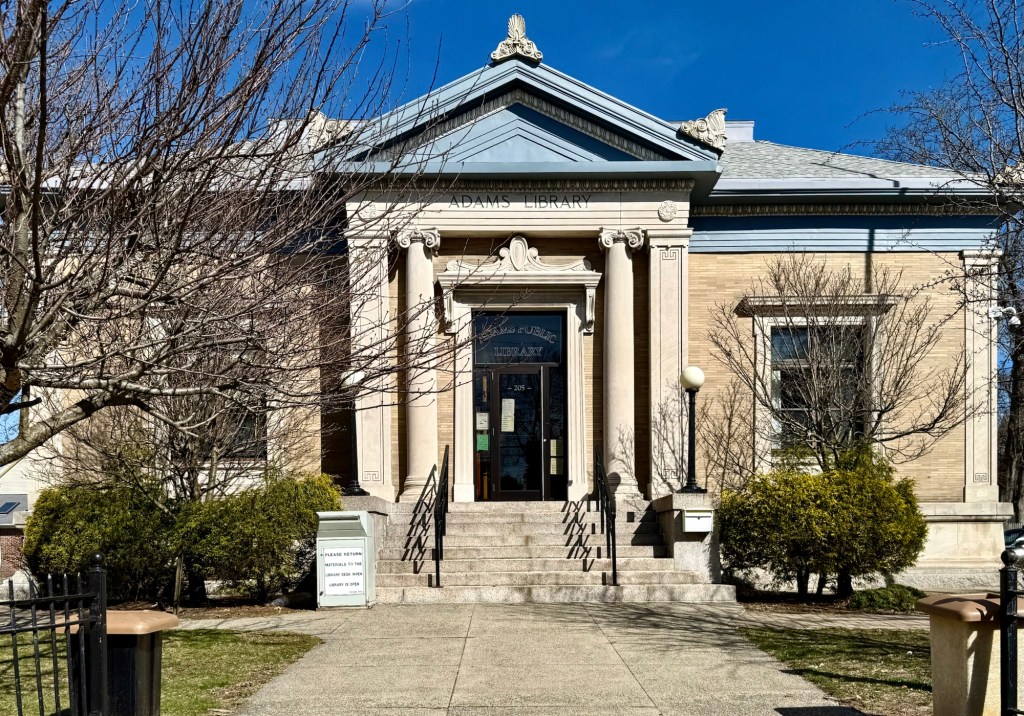
Adams Memorial Library, Central Falls // 1910

When Stephen L. Adams, a public-spirited citizen and a member of the school committee in Central Falls, Rhode Island, passed away in 1900, he left a bequest to provide for the erection and maintenance of a library building for his community. It would take years until a site in the center of town was acquired and contracts were written for designing and building the city’s first purpose-built library. Architect, William H. McLean of the firm McLean & Wright were hired to furnish plans, which is supposed to have been modified from a number of prototypes for small-town libraries supplied to set standards by the Carnegie Corporation in conjunction with its endowment of such facilities in cities and towns throughout the United States. While this is not a Carnegie Library, it does mimic many design elements found in similar libraries by the corporation. The Adams Library in Central Falls is Classical Revival in style and built of light brick with limestone trim with a symmetrical facade dominated by a columned, pedimented portico.

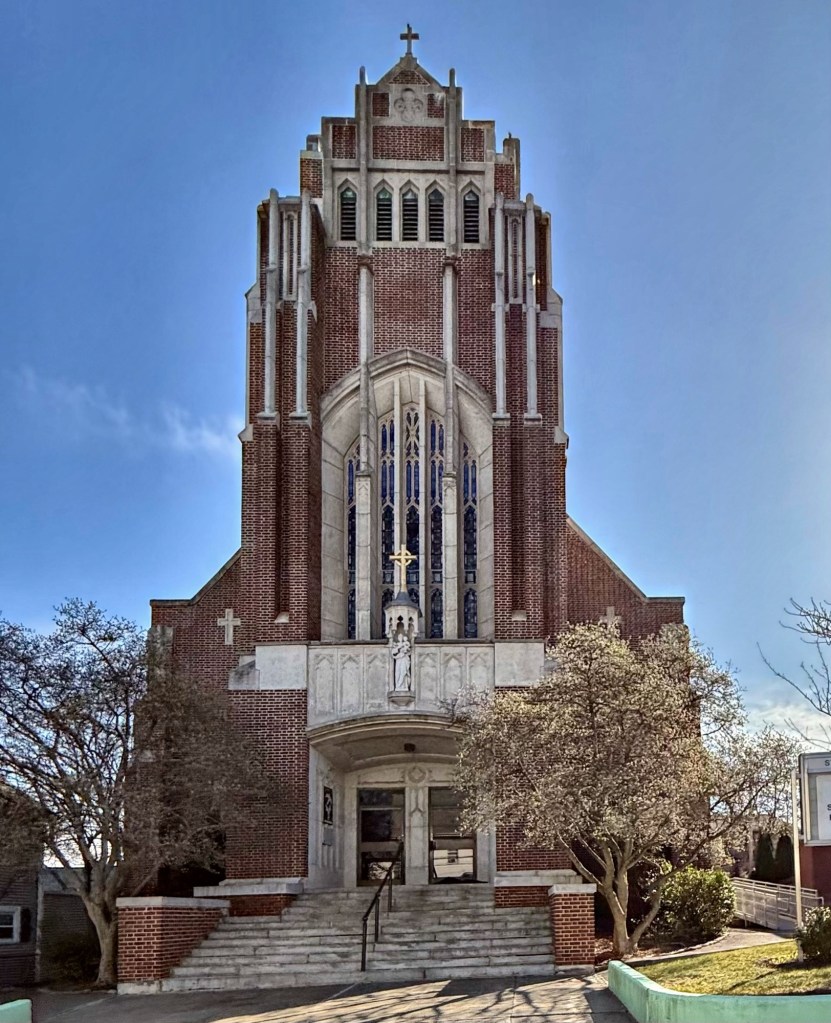
St. Joseph’s Catholic Church // 1915

As the city of Central Falls, Rhode Island, continued to see population growth spurred by the industrial development, immigrant groups began to seek to establish their own community centers and houses of worship. The local Polish population was a major immigrant group that organized and became one of the Polish Catholic Churches in New England. Founded in 1905, the St. Joseph Parish waited years until it had the funding to erect this church, which was designed in 1915 by Providence architect John F. O’Malley. The brick and stone church is Neo-Gothic in style with ornate masonry and detailing. 

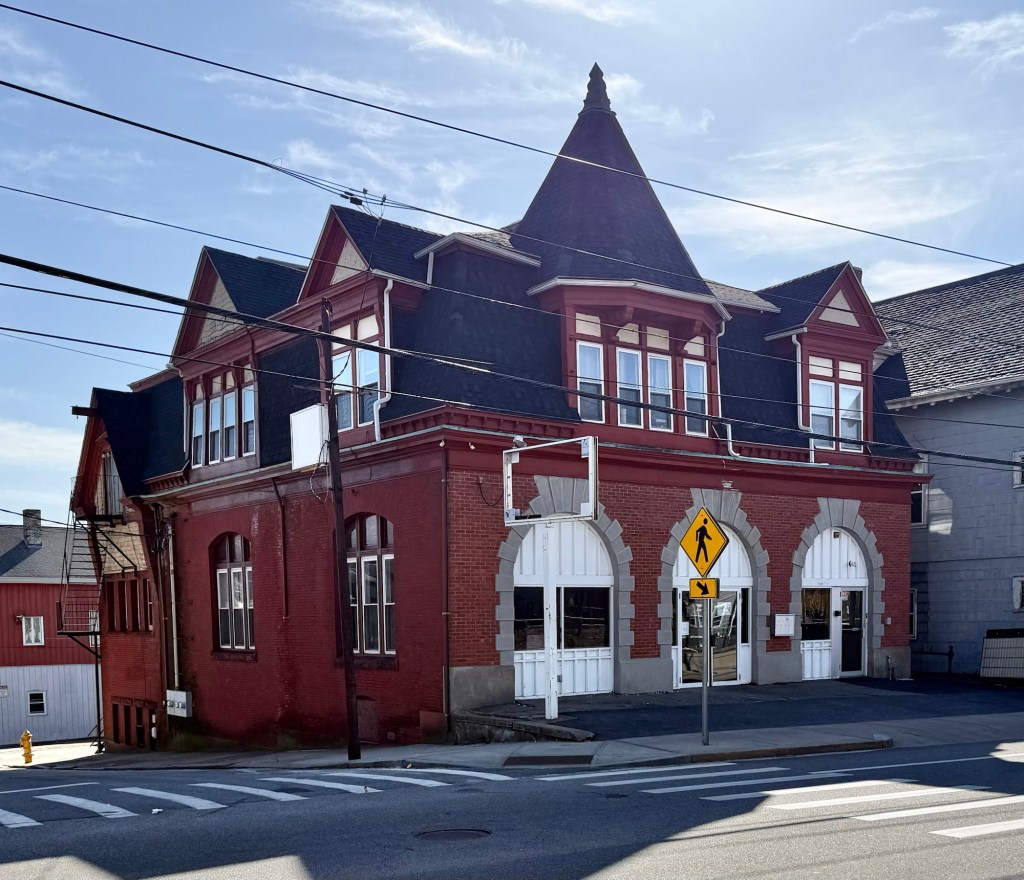
Broad Street Fire Station // 1889

Built in 1889 at the same time as the Central Falls City Hall across Broad Street, this former fire station in Central Falls, Rhode Island, is a great example of late 19th century architecture for a civic use. The fire station was built in the dense Central Falls village, before it separated from Lincoln, creating their own city. The brick, Queen Anne style structure features a unique mansard roof which is broken by a series of pedimented dormers. The original arched doors have since been infilled, but maintain the original openings, awaiting a thoughtful restoration. The fire station was designed by Pawtucket-based architect, Albert Humes. Due to ever-growing fire trucks, the historic station was eventually deemed obsolete, and a new station was built elsewhere. Today, the former Broad Street Fire Station is occupied as the Morabeza Health Center.

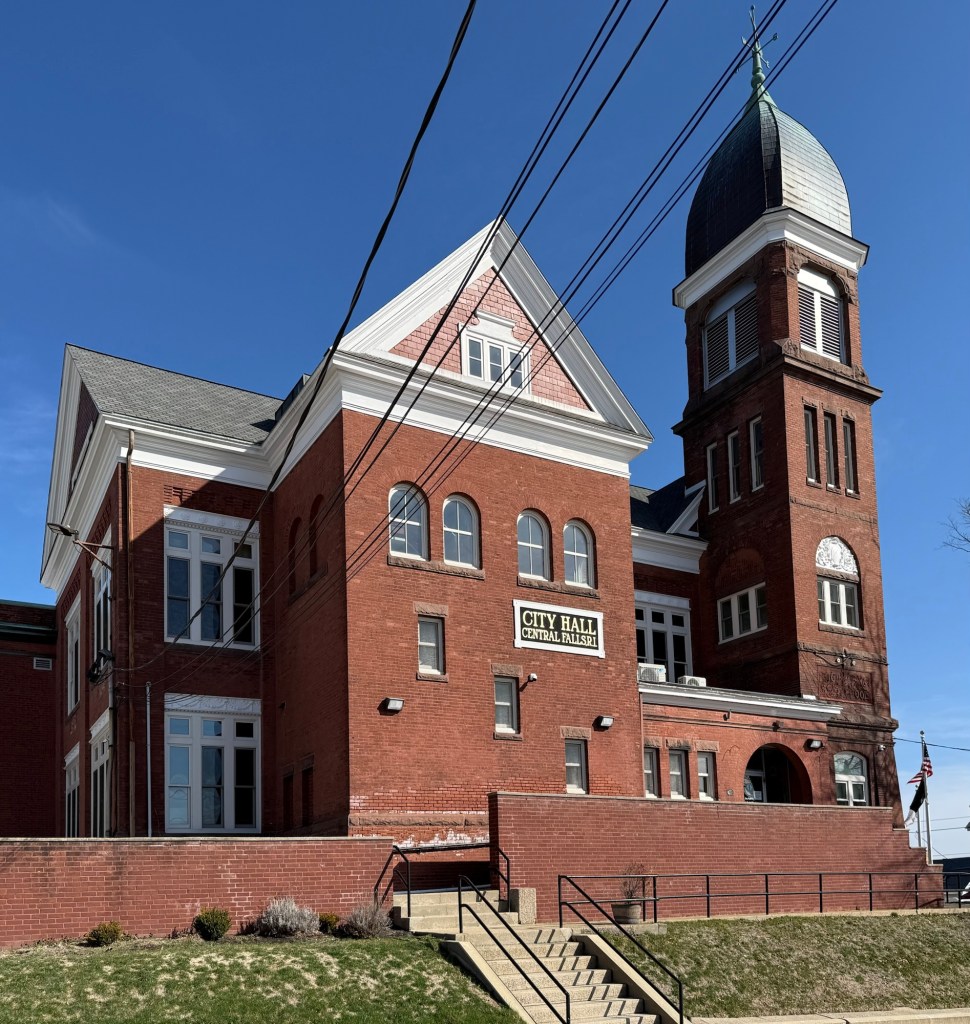
Central Falls City Hall // 1888

Welcome to Central Falls, an industrial city in Providence County, Rhode Island. With an area of only 1.29 square miles it is the smallest and most densely populated city in the smallest state, and the 23rd most densely populated incorporated place in the United States. Originally, Central Falls was one of the many villages within the town of Smithfield, but in 1871, the town split into three smaller towns: Smithfield, North Smithfield and Lincoln. Central Falls village then became part of the town of Lincoln until Central Falls’ industrial character and differing needs had it split off to form the small city of Central Falls in 1895. Before it was its own city, Lincoln officials had this building constructed in 1888-9 on Broad Street, the commercial and civic center of the city. This red brick, Queen Anne building with its four-stage tower was built as Lincoln High School, the first school in the town built exclusively for secondary education. Designed by William R. Walker & Son, architects, the building features shingles in the gable, asymmetrical plan, and carved terracotta panels. The building continued as Central Falls High School until 1927, when the city offices were moved there, and it has remained as the City Hall ever-since.