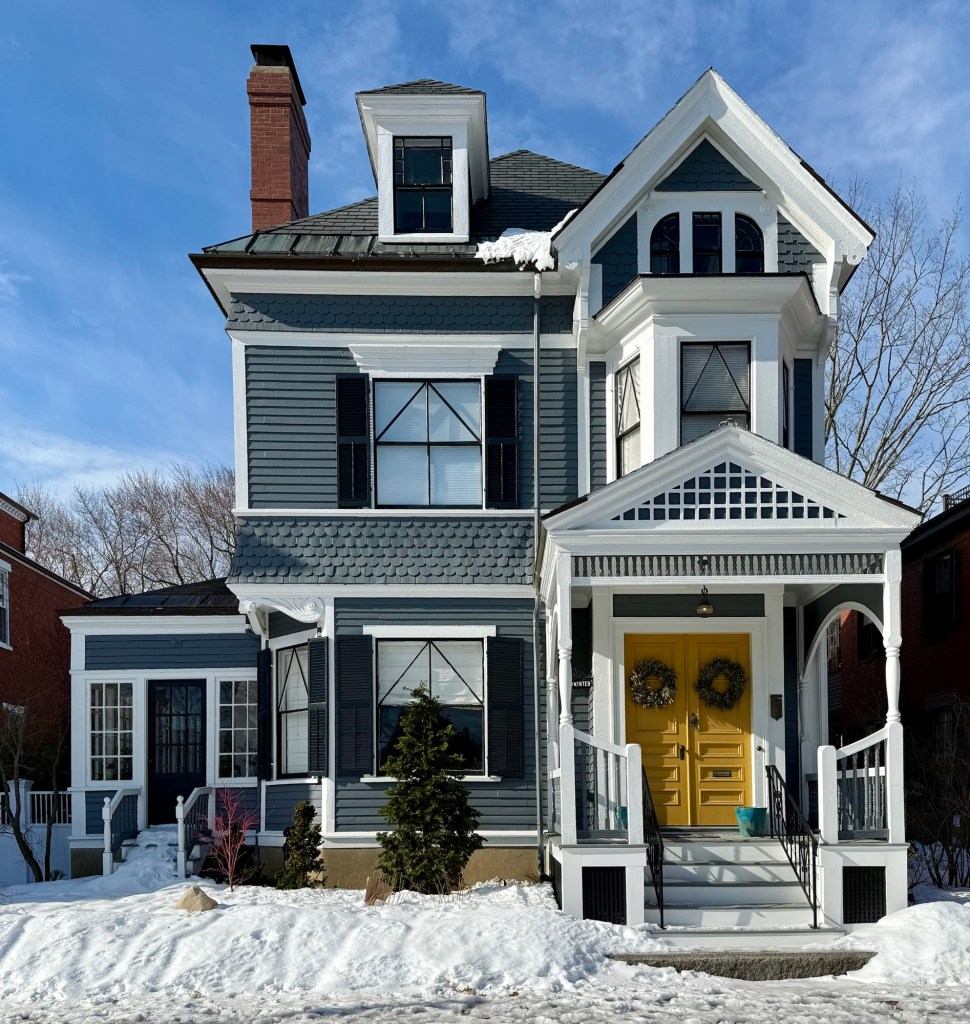
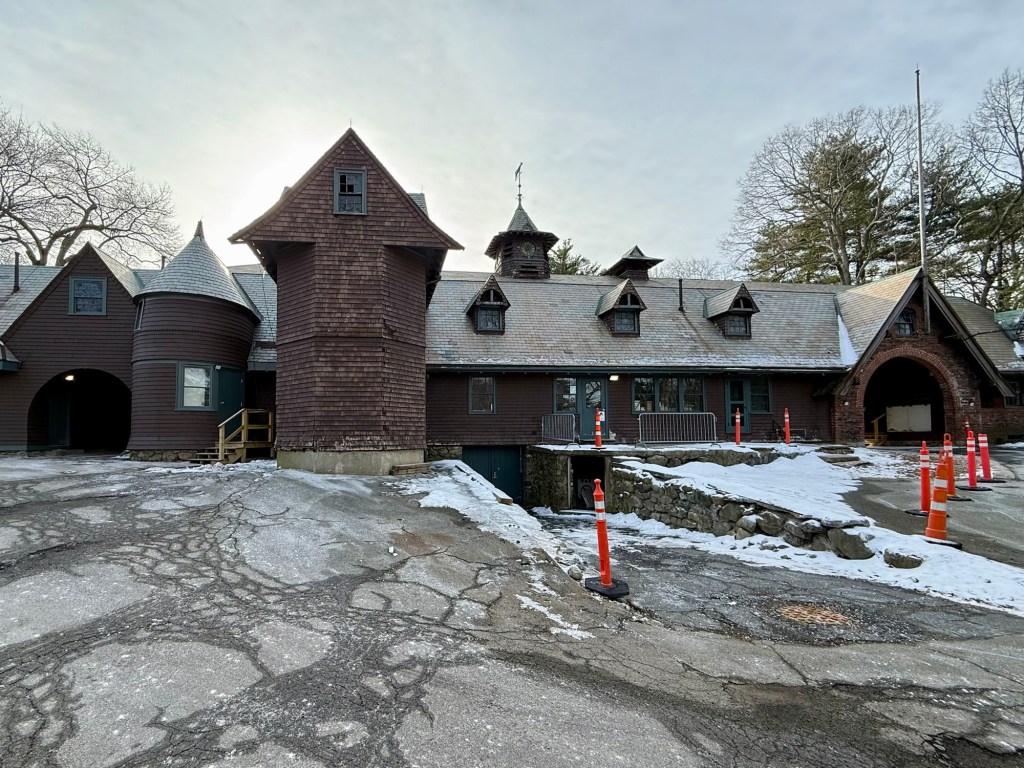
Edward Stanwood House // 1880

The Edward Stanwood House at 76 High Street in Brookline, Massachusetts, is one of the finest and exuberant examples of the English Victorian Queen Anne style, notable for its varied wall textures and materials, unique form, and applied ornament. The house was built in 1879-1880 for Edward Stanwood, who was for many years the editor of the Boston Daily Advertiser, and a children’s magazine, The Youth’s Companion. The ornate residence was designed by Clarence Sumner Luce, with interiors by Thomas Dewing. The Stanwood House features a well-preserved exterior and period-appropriate paint scheme, highlighting the bas-relief sunflower ornament and gargoyles. Of particular note is the use of hung tile siding, overlaid to give the appearance of fish scales and the roof cresting.

Moorfield Storey House // 1875

The house at 44 Edgehill Road in Brookline, is a brick Queen Anne style residence built for Moorfield Storey (1845-1929) by architect and neighbor, Robert Swain Peabody, who was Moorfield’s friend and college roommate. Both Peabody and Storey would later move in the early 20th century to the Fenway in neighboring houses, also designed by Robert S. Peabody. Moorfield Storey was a president of the American Bar Association and the president, for most of its existence, of the Anti-Imperialist League, an organization founded to oppose the annexation of the Philippines as a colony and to support free trade and the gold standard. Storey consistently and aggressively championed civil rights, not only for African Americans, but also for Native Americans and immigrants. He opposed immigration restrictions, and supported racial equality and self-determination. He would become the first president of the National Association for the Advancement of Colored People (NAACP), from its founding in 1909 until his death in 1929. The Storey House in Brookline is a well-preserved and early example of the Queen Anne style, that would dominate architectural tastes for the following decades.
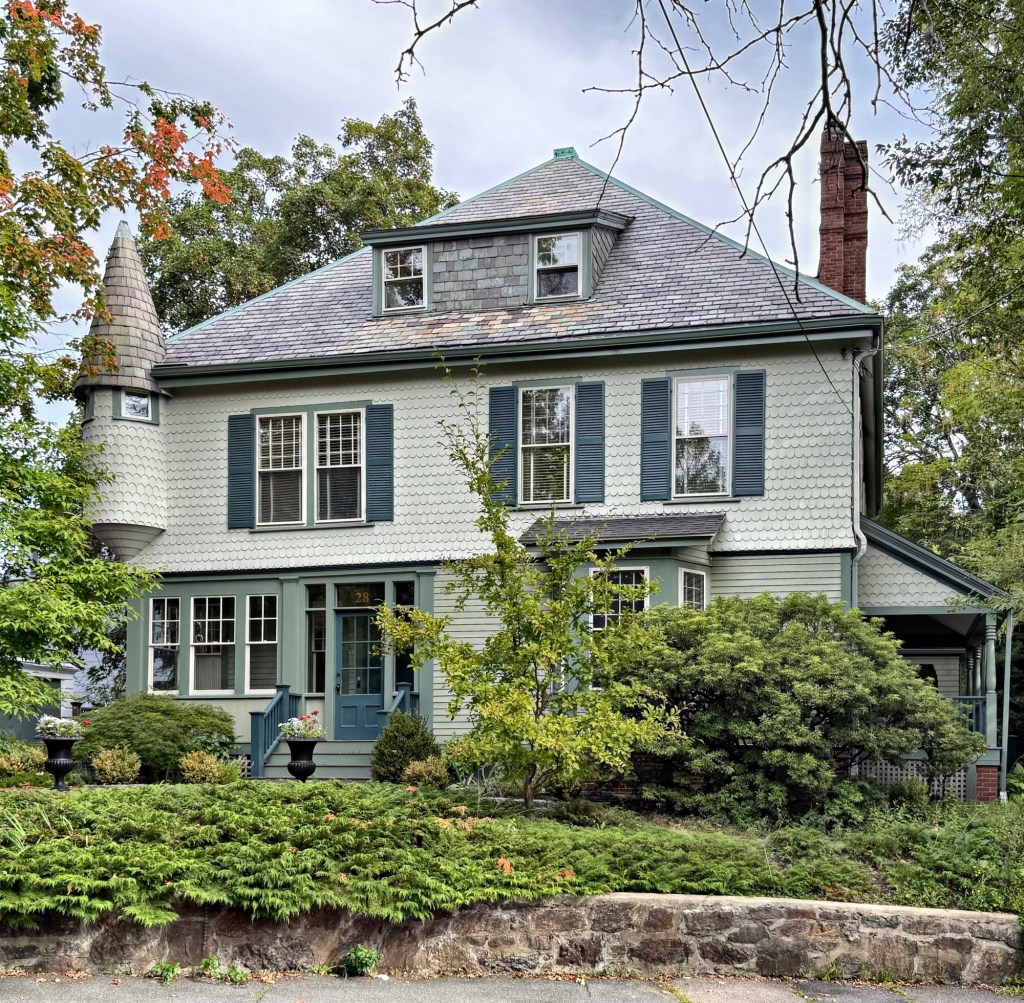
Low-Rock House // 1888

This handsome shingled Queen Anne style home on Allerton Street in Brookline, Massachusetts, is part of the reason why the “Pill Hill” neighborhood gets its name. The residence was built in 1888 for Mr. Sumner Flagg, likely as an investment property as the neighborhood developed into one of the finest in the Boston area. An early resident here was Judith Motley Low (1841-1933), founder of the Lowthorpe School of Landscape Architecture, which was the first school intended solely to prepare women as landscape professionals in a field dominated by men. In 1945, the Lowthorpe School merged into the Rhode Island School of Design and became the basis of RISD’s Landscape Architecture Department. Another prominent resident of the house in the 20th century was Dr. John Rock (1890-1984), a physician and scientist who worked nearby at the Massachusetts Hospital for Women. As a Catholic doctor, John Rock is best-known for two groundbreaking medical discoveries in women’s health: the birth control pill and in-vitro fertilization. Dr. John Rock and his lab technician, Miriam Menkin, were the first researchers to fertilize a human egg outside of a human body in February of 1944, this research was compounded and later led to in-vitro fertilization as we know it today. Additionally, while running his clinic, Dr. Rock encountered a number of women bearing unwanted children that they could neither afford financially nor handle physically. Rock observed numerous women who, after giving birth to multiple children, had prolapsed uteri, malfunctioning kidneys, and were prematurely aging. In 1952, Rock was recruited to investigate the clinical use of progesterone to prevent ovulation. Enovid, the brand name of the first pill, was approved by the U.S. Food and Drug Administration (FDA) and put on the market in 1957 as a menstrual regulator. In 1960, Enovid gained approval from the FDA for contraceptive use.

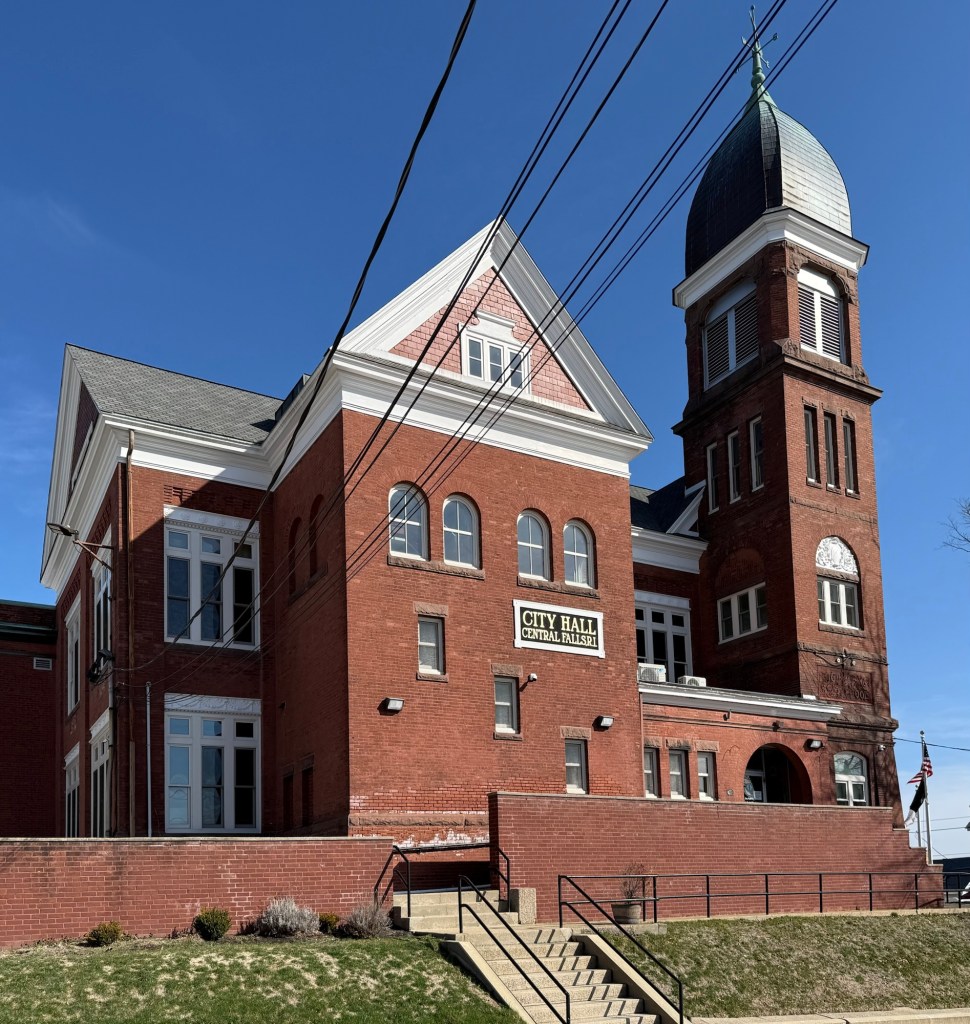
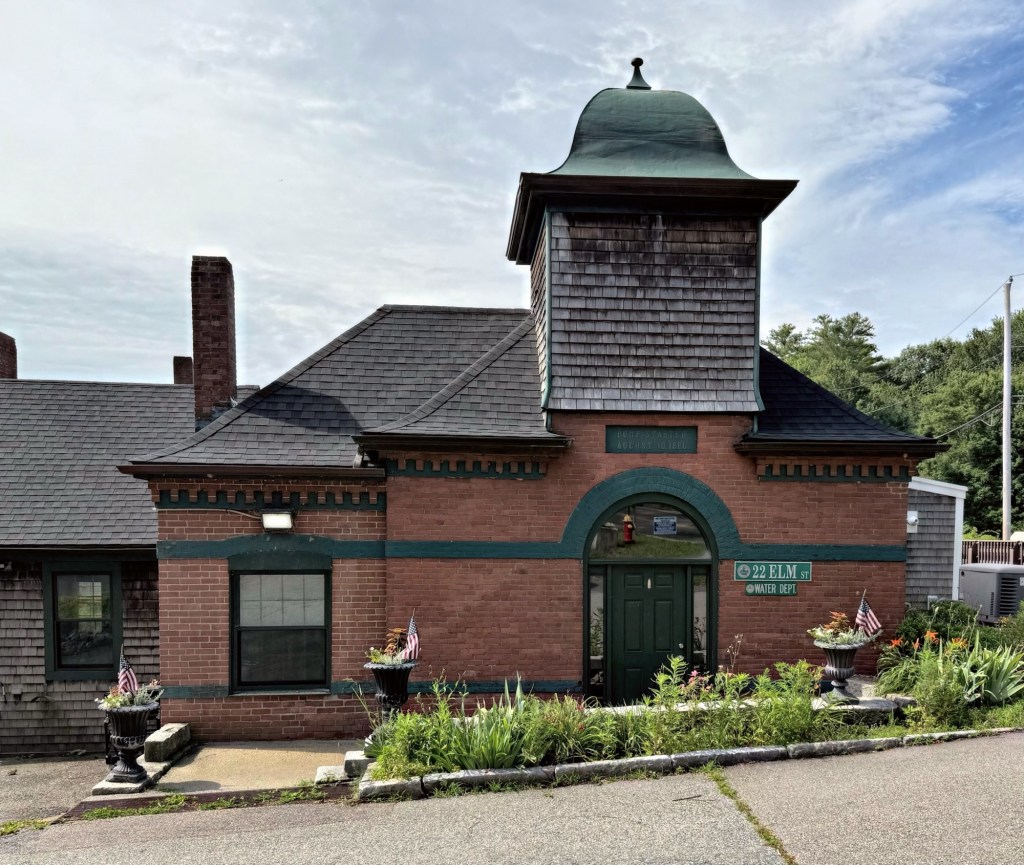
Kingston Waterworks Pumphouse // 1888

The Queen Anne style pumphouse of the Kingston Waterworks in Kingston, Massachusetts, is a unique brick building capped with a hipped roof and wood shingle tower over the arched entrance, surmounted by a bell-cast metal roof. The structure was built in 1888 from plans by Quincy Adams Faunce, a mason, who likely worked with an architect to design the building. Before the building was completed, residents had to pump and transport their own water. This was until the first private Kingston Aqueduct Company formed, when householders of means bought stock in the company. The Aqueduct Company used a natural spring near a local pond. Before the waterworks, water was piped through the village through hollowed logs with their joints covered with iron bands. The building remains a well-preserved and significant structure that allowed Kingston to grow from a sleepy agricultural town to a vibrant community.

Lynch House // 1889

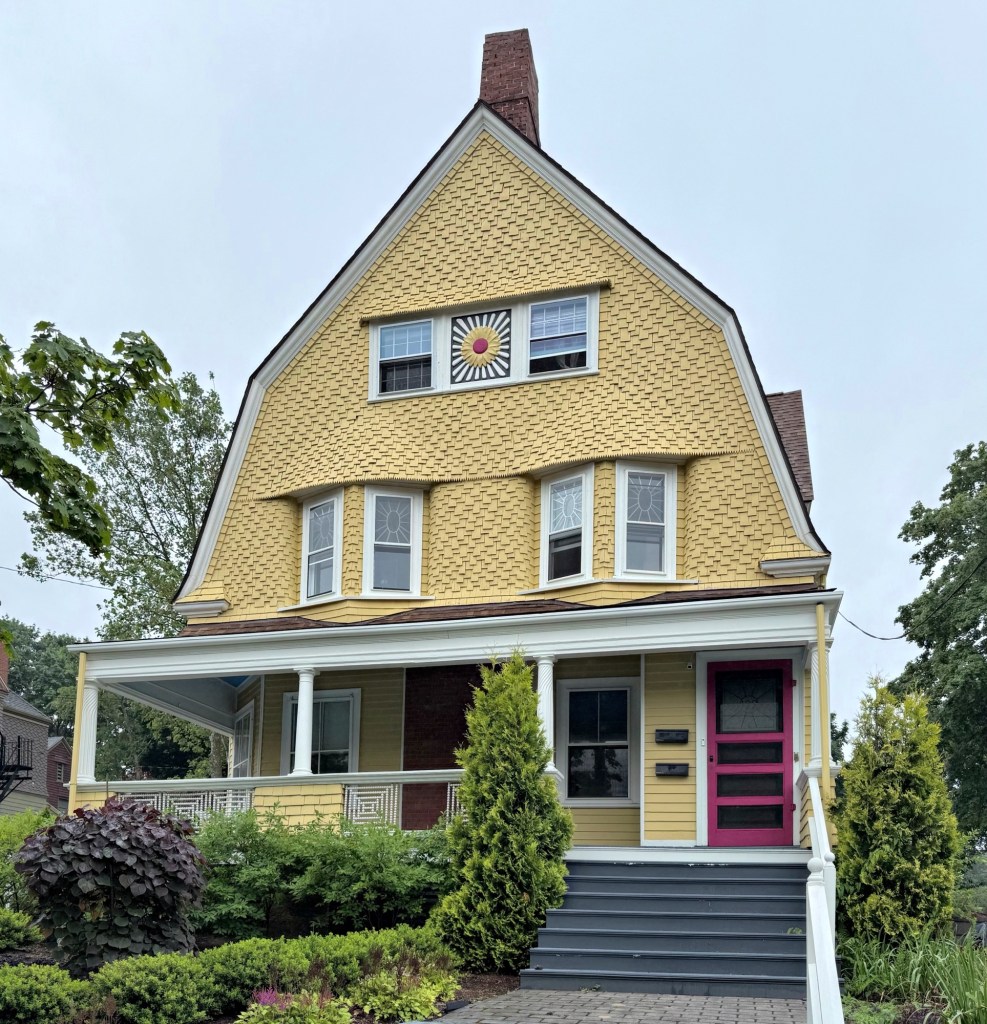
One of the most unique and enchanting houses in the Ashmont Hill neighborhood of Dorchester is the Lynch House (aka the Sunflower House) at 102 Ocean Street, a landmark example of the Queen Anne architectural style. This residence was designed in 1889 by architect Samuel J. Brown, who worked in the firm of Cummings and Sears before opening his own office in Boston, where he specialized in residential designs. The first owners were Edward C. Lynch, a stair builder, and his wife, Petronella P. Lynch, who was born in Sweden and emigrated to the United States. Architecturally, the Lynch House features a prominent gambrel roof that swells out over the second-floor inset windows, clapboard and shingle siding, sawtooth shingled details over the windows, and the sunflower motif in a panel at the third floor.

George and Emma James House // 1894

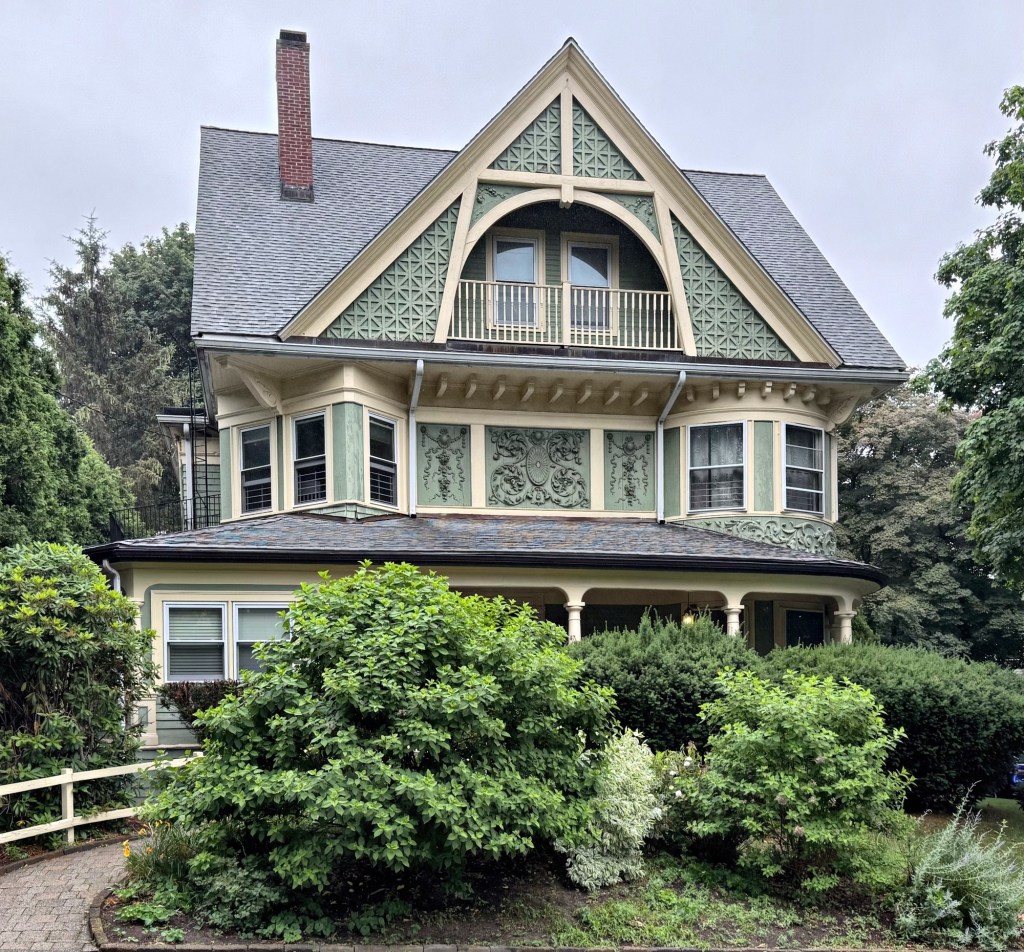
Built in 1894 for George and Emma James, the house at 47 Ocean Street in the Ashmont area of Dorchester, stands as one of the finest high-style examples of a Queen Anne single-family residence in Boston. George James was born in Vermont and worked as a farmer before moving to Boston, where he found work as a shoe manufacturer, opening offices and manufacturing facilities in the Leather District. The house was clearly designed by a skilled architect, and historians note that the residence was the design of architect S. Edwin Tobey, a skilled proponent of the Queen Anne style, seen here with its incredible detailing and unique form. The high-relief carvings in the gable and panels stand out, along with the recessed porch, and historic stable at the rear.

Sidney A. Kimber House // c.1894

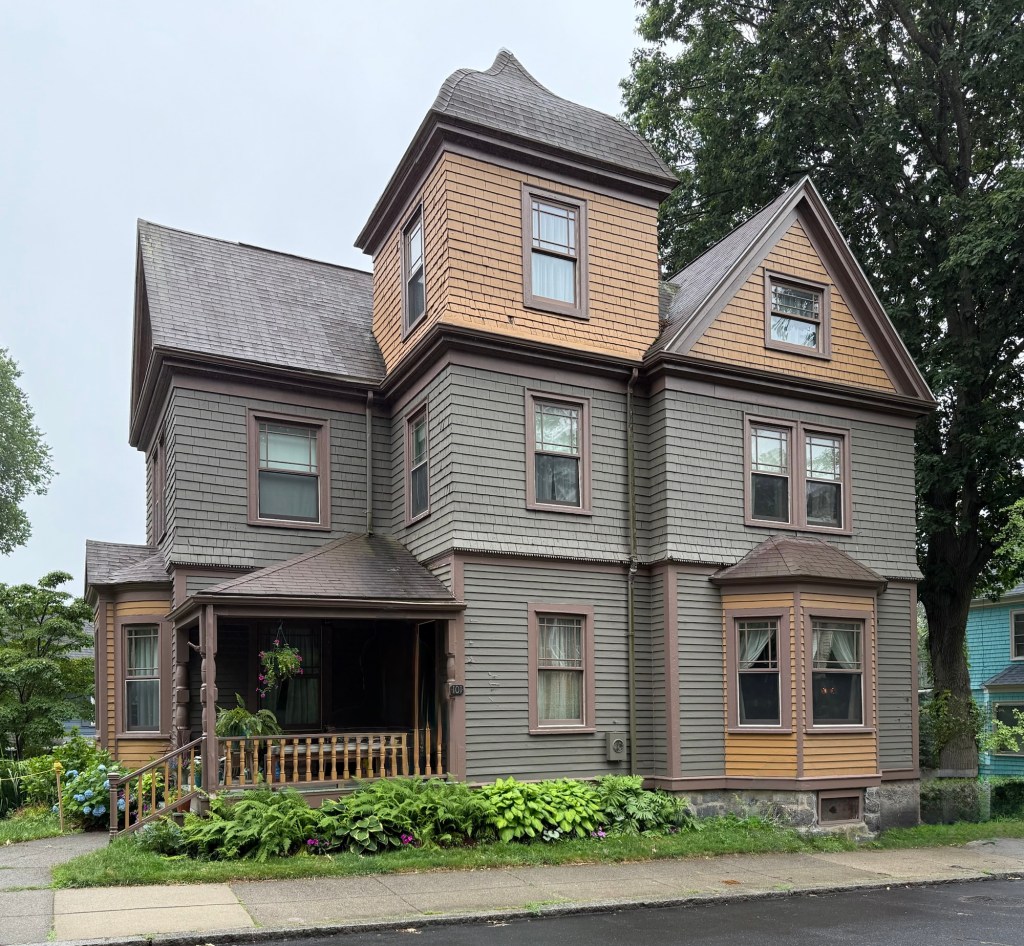
Built by 1894, this fabulous Queen Anne victorian house can be found on Ashmont Street in Dorchester, and it has a period-appropriate color scheme. The residence here was built for Sidney Arthur Kimber (1866-1956) a London-born printing expert, who for years worked at the University Press in Cambridge. Mr. Kimber was an expert on printing and wrote many books on the subject; he even built a working model of the first printing press brought over from England to Cambridge in 1638. The Kimbers lived here for just a few years before moving, and the house was sold a few times until the first long-term owner, Helena T. Shortell. The house is lovingly preserved and features a unique entry tower capped by an ogee roof.

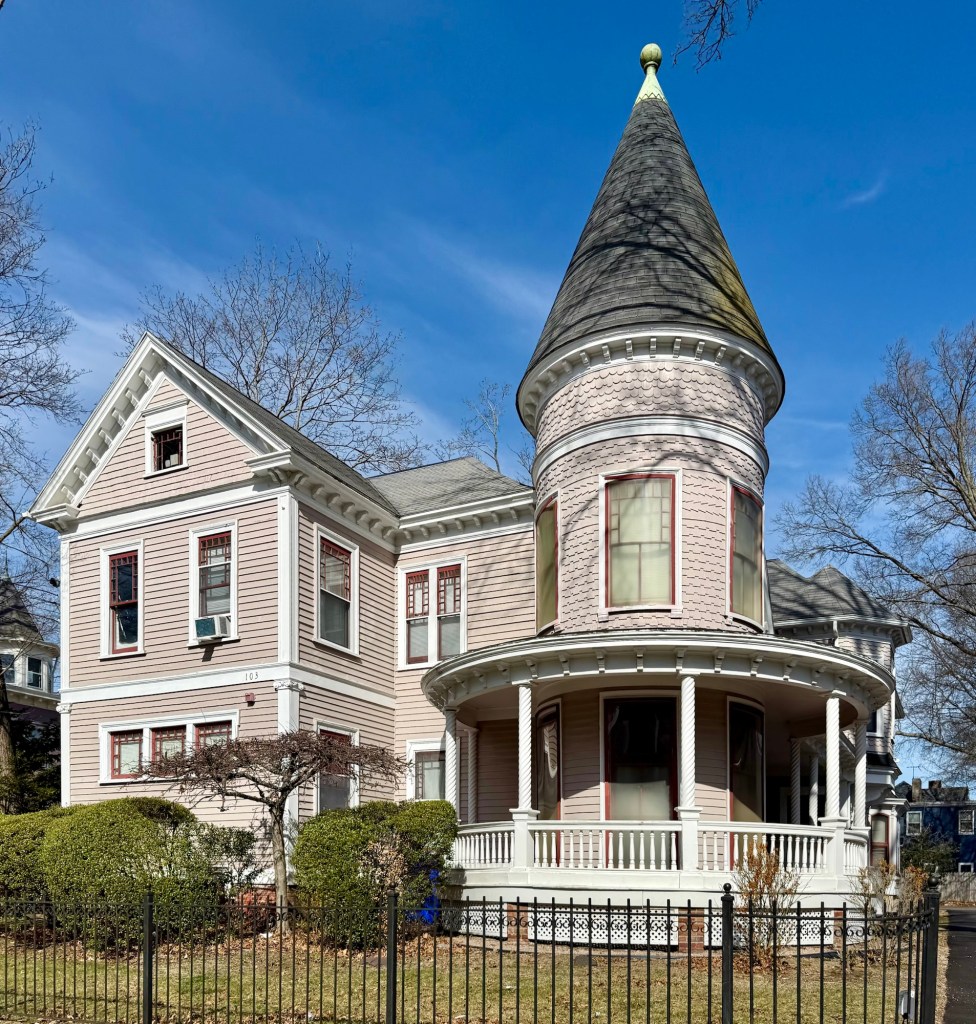
Louville V. Niles House // 1887

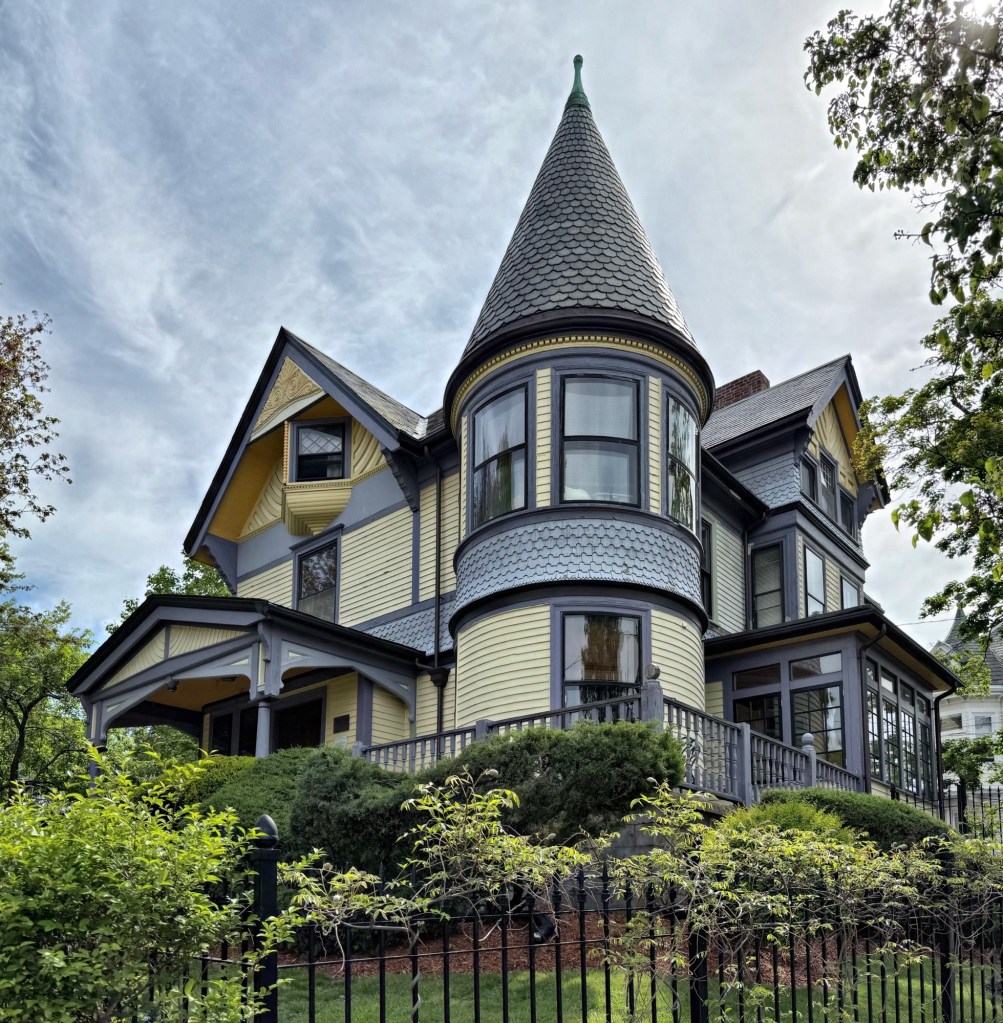
Louville Varanus Niles (1839-1928) was born in Maine and came to Boston in 1860 for the chance to make his fortune. In 1870, he formed a partnership with his two brothers in the provisions business under the name Niles Brothers. The company would later merge with the Boston Packing and Provision Company. Niles moved from Boston to Somerville in 1882, purchasing the Bradshaw estate on Walnut Street. He remained in the house until he decided to redevelop the property, building a number of dwellings on the former estate bounded by Walnut, Boston and Munroe streets. For his own residence, Louville hired the firm of T. B. Blaikie and Son, who designed this beautiful example of a Queen Anne style house in 1887. The building has irregular massing, with numerous gables and rooflines. There is a prominent two-story, rounded tower at the corner, capped with a conical roof, and applied ornament in the gable ends, all common features in this style in the Victorian period. The owners have painted the house to accent the many unique details found here. 

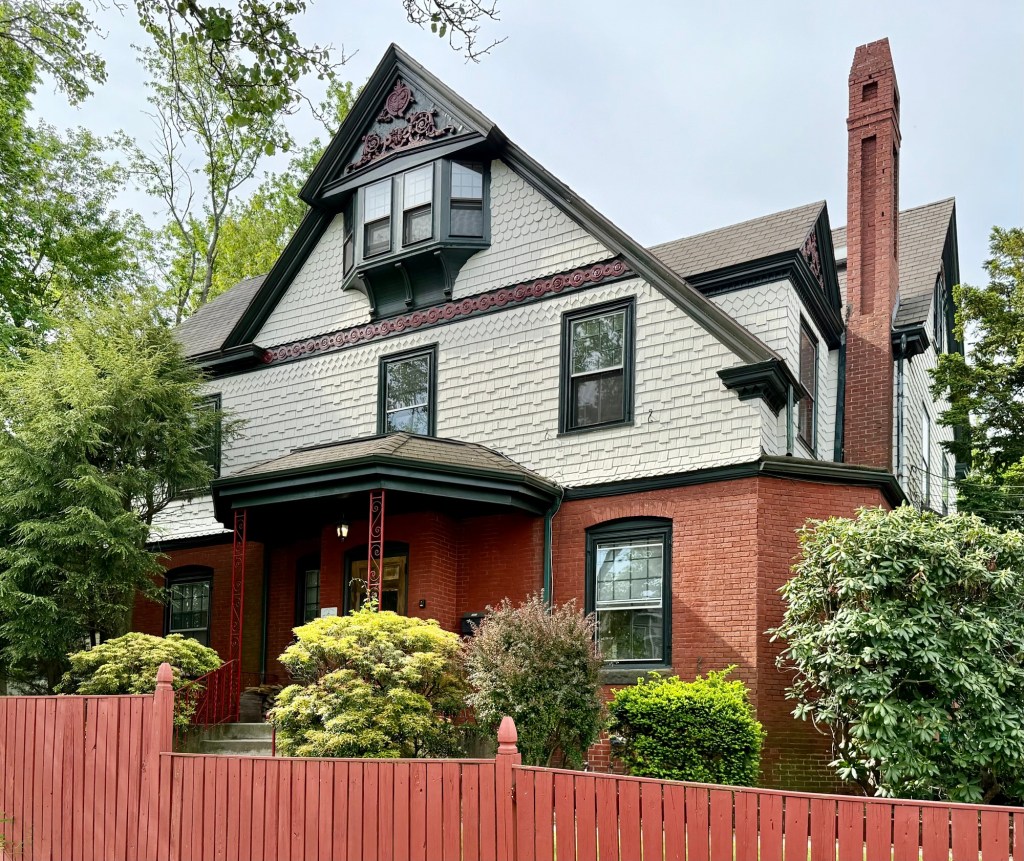
John E. Sylvester House // 1884

One of the many beautiful old Victorian houses in the Prospect Hill area of Somerville can be found here on Summit Avenue, a tree-lined street with sweeping views to Boston and other neighborhoods. This house was built in 1884 for John Edwards Sylvester (1839-1901) and his wife Clarissa (Clara). The Queen Anne style house has a brick ground floor with shingled walls above. The facade is dominated by its gable roof with varied shingle siding, decorative belt course, and oriel window with highly ornate pediment above. The house was likely designed by the Boston firm of Sturgis & Brigham, who included Sylvester in their list of clients. Mr. John E. Sylvester was head of the John E. Slyvester Co. in Somerville, a spike manufacturing company started by his father. After John died in the home from heart failure in 1901, his widow, Clara, remained in the home with her daughter until after WWI, when the property was sold. 

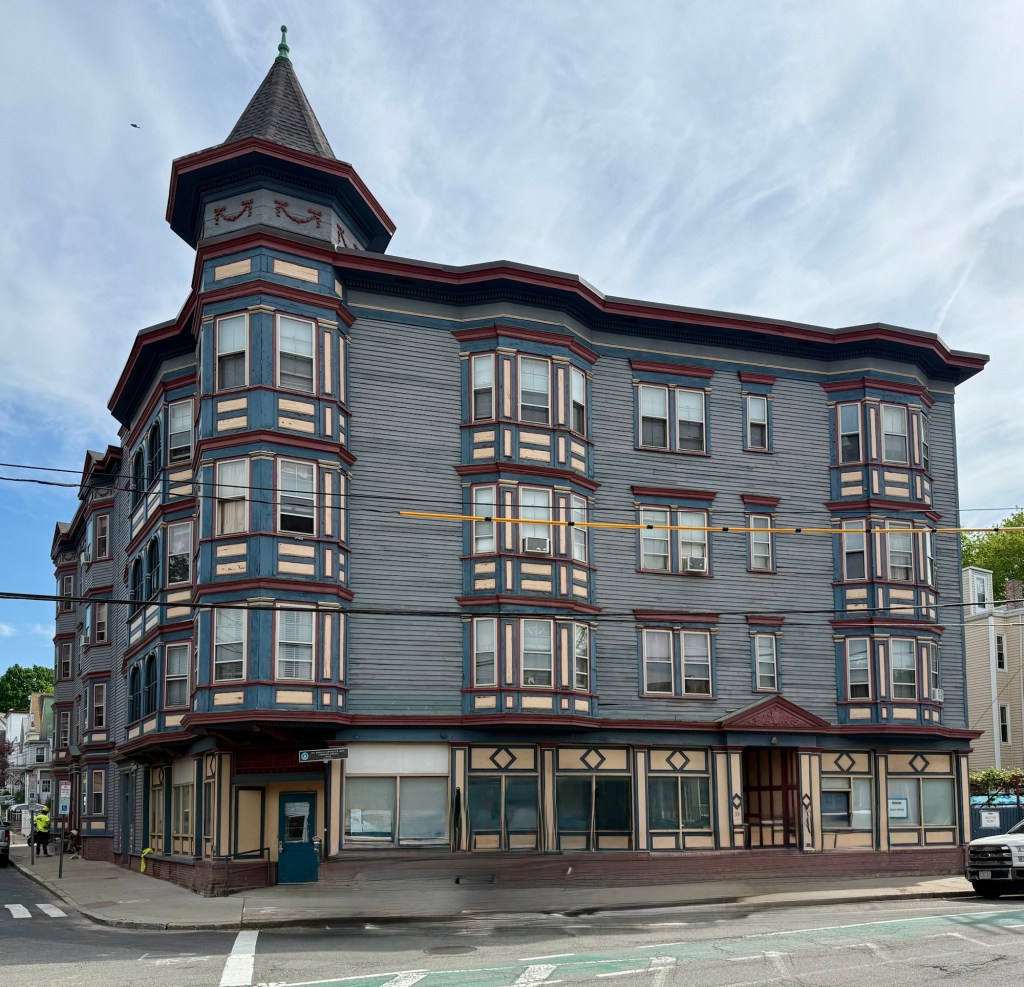
Richmond Block // 1892

The Richmond Block on Bow Street in Union Square, Somerville, is a historic and architecturally significant mixed use building. Constructed in 1892 as one of the substantial wood-frame buildings in the western section of Union Square, the Richmond was designed by architect Aaron Gould for Mr. Charles Drouet, who developed the Drouet Block, a historic flatiron building just years later. Designed in the Queen Anne style, this building is noteworthy for its corner tower, octagonal oriel bay windows, sleeping porches on the side facade, and polychromatic color scheme to highlight the many architectural details on the block.