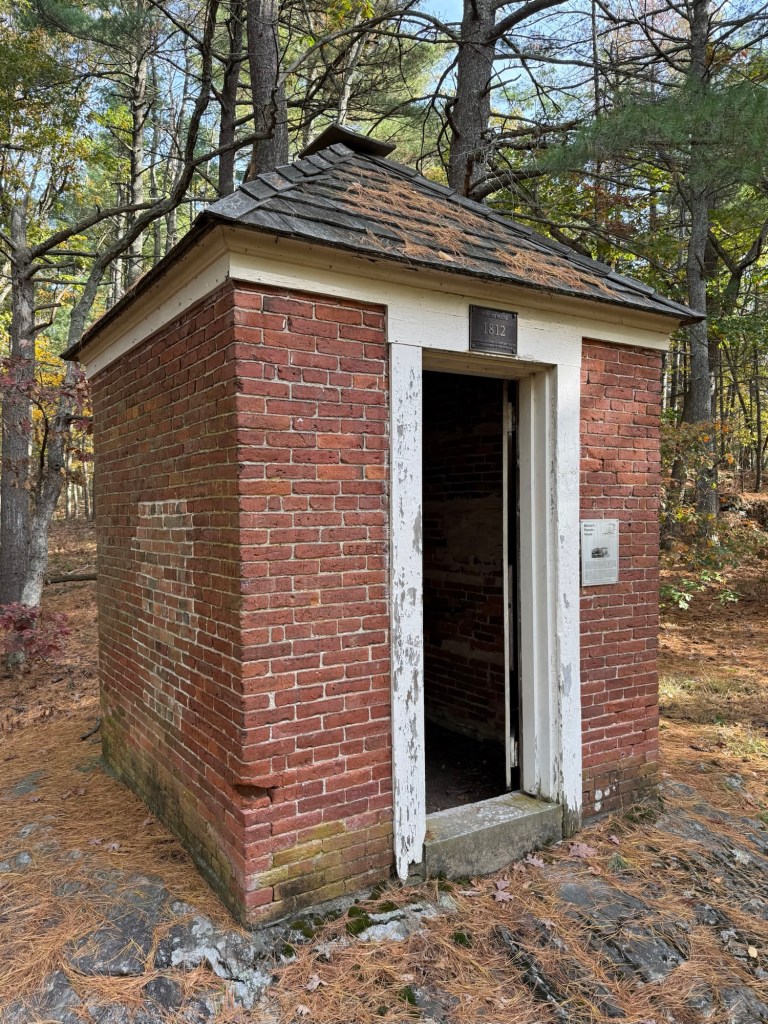
Bolton Powder House // 1812

Hidden away in the woods behind the Bolton Town Hall, this small brick structure sits atop a rocky outcropping and showcases a piece of early history we often do not think about. Built in 1812 as a powder house, a storage facility far from homes and businesses to store the town’s supply of gunpowder, musketballs and cannonballs, the structure remains as the town’s oldest extant municipal building. Since the founding of the colonies, the procurement and storage of ammunition had been the responsibility of local governments. Before this structure was built in the forest, Bolton‘s gunpowder and ammunition had been kept under the meetinghouse pulpit, not the best place suitable for highly explosive storage. The structure is a well-preserved example of a typical early 19th-century powder house, built of brick manufactured in town, laid in common bond, measuring just over seven-feet square with a pyramidal wood shingle roof.
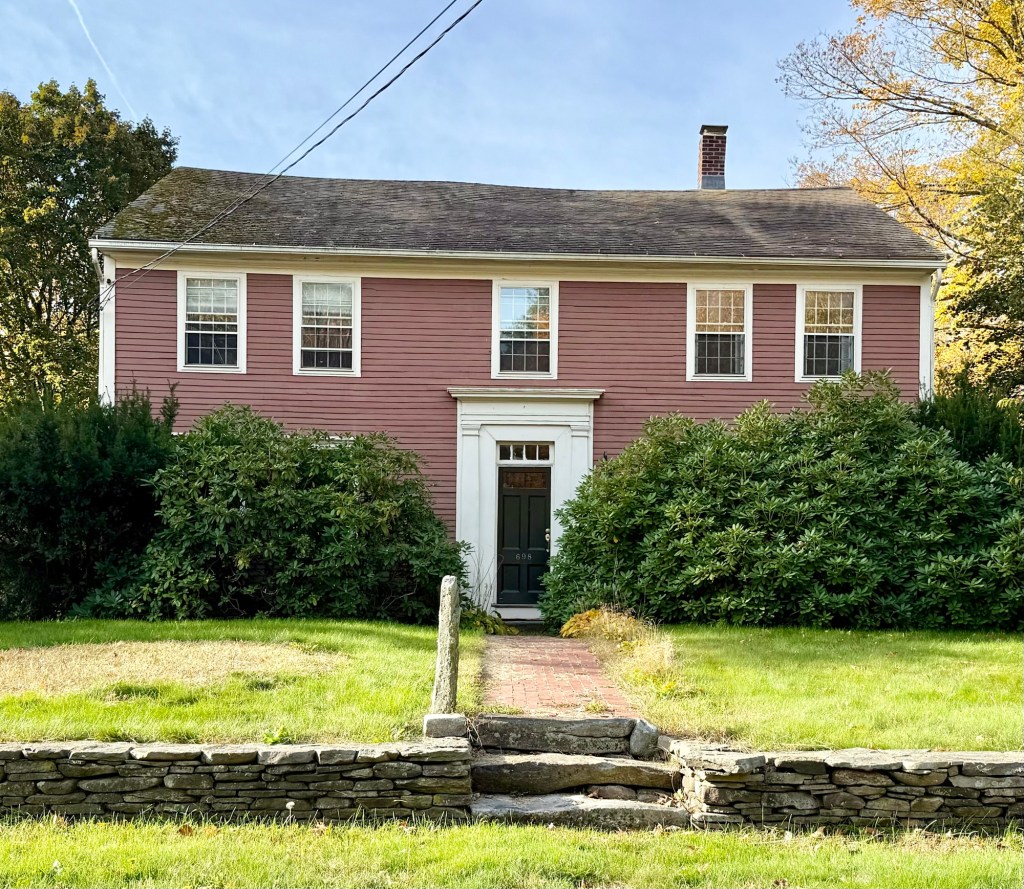
Joseph and Ruth Sawyer House // c.1782

The town center of Bolton, Massachusetts, as we know it, was largely an early Colonial landholding and farm held by William Sawyer (1679-1741) who possessed roughly 300 acres in the area when Bolton was still a part of Lancaster. The Town of Bolton seceded along the Still River from Lancaster and incorporated in 1738. A year later, an aging William Sawyer gifted two acres of his land for the town’s newly designated burying ground, now the Old South Burying Ground, where his own grave (dated 1741), is the oldest marked burial in the cemetery. In 1780, William’s son, William Sawyer, Jr., sold over sixty-acres of the family farm to his son, Joseph Sawyer (1756-1828) who was to marry Ruth Walcott in 1782. This house was probably built about the time of their marriage. Joseph had previously fought in the Revolutionary War, and marched with the Bolton militia to Lexington on April 19, 1775, and upon his return, he worked as a blacksmith and operated the farm while serving in various town offices.

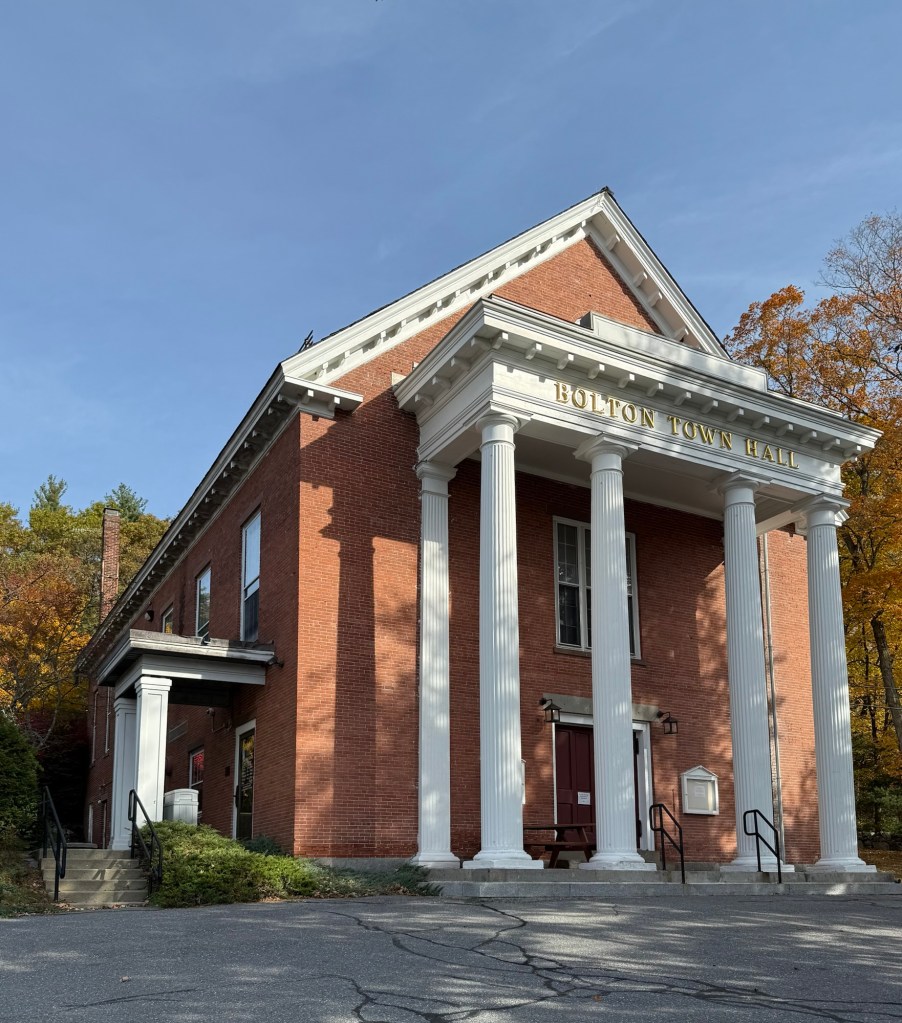
Bolton Town Hall // 1853

The Town Hall building in Bolton, Massachusetts, is significant as the hub of the town’s municipal activities for the past century and a half and architecturally as a mid-19th century town hall built in the transitional Greek Revival and Italianate styles. The structure was completed by the town in 1853 as a replacement for the former 1834 wood-frame town hall, which had burned down in 1851. The original wood-frame building was constructed at the time that municipal functions were being moved out of town meetinghouses across Massachusetts following the desire to separate church and government functions. Like many town halls of its era, the larger 1853 building was designed to accommodate multiple aspects of the community’s institutional and public life. The two-story building included a fireproof vault for town records, with town meetings held in the second floor meeting hall, with selectmen meeting in a room on the first floor. A small room was fitted for a library until the early 20th century when the town’s first purpose-built library was constructed farther down Main Street. The fairly unadorned Town Hall was modernized in around 1916 with the addition of the front portico and a rear addition. The Bolton Town Hall remains as a source of pride for the small, yet charming town of just under 6,000 residents.

John E. Thayer Mansion // 1883

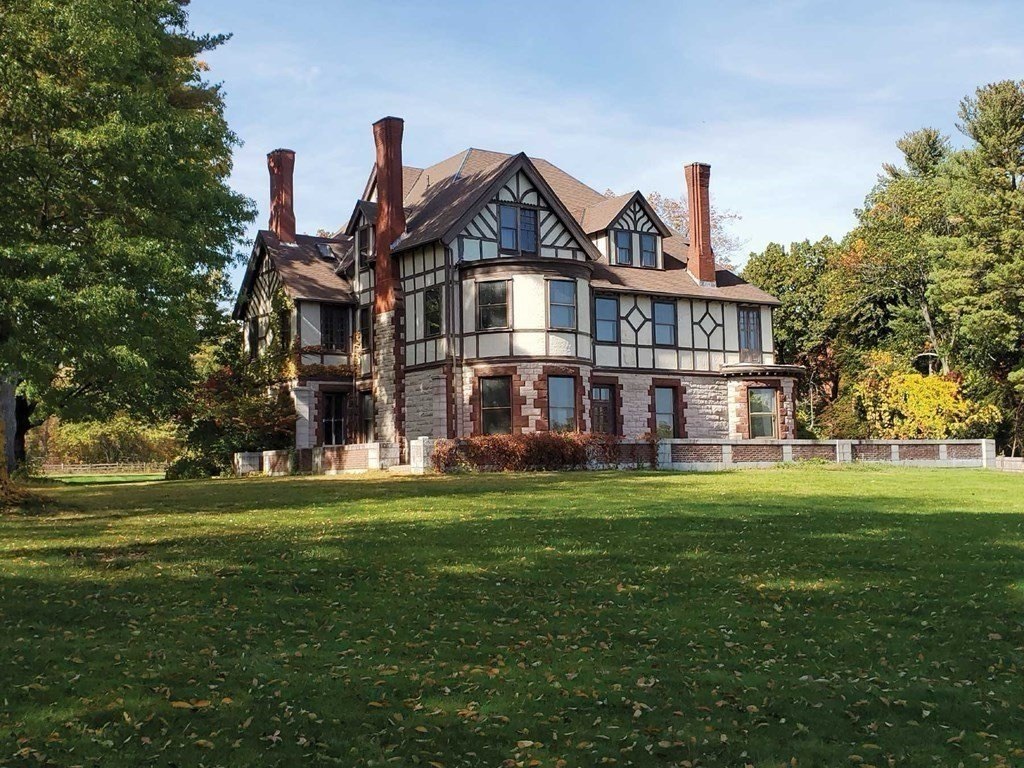
Photo from real estate listing.

A lesser-known residence built for a member of the wealthy Thayer Family is this stately Queen Anne mansion tucked away in South Lancaster, Massachusetts. The John E. Thayer Mansion was built in the 1880s for its namesake, John Eliot Thayer (1862-1933), who graduated from Harvard College in 1885 and engaged in business before becoming one of the world’s most prominent ornithologists. John began collecting and housed his collections in several wooden buildings close to his home in Lancaster, but when these became unsafe and crowded he built a beautiful brick building in 1903 nearby, opening it to the public as a museum a year later. John Thayer hired esteemed Boston architect, John Hubbard Sturgis, who was then working with his nephew, Richard Clipston Sturgis, to design the English Queen Anne style country mansion. The residence features a stone first floor with wood-frame above that is given half-timbering treatment, suggesting the English design. John Thayer’s country mansion was a short walk away from his twin brother, Bayard Thayer’s mansion, and his other brother, Eugene’s country house, both in Lancaster. The house remained in the Thayer family until the 1960s, and was recently sold to new owners. The interiors are some of the best preserved for a country estate I have seen and worthy of the Thayer name. 

Fairlawn Mansion // 1883

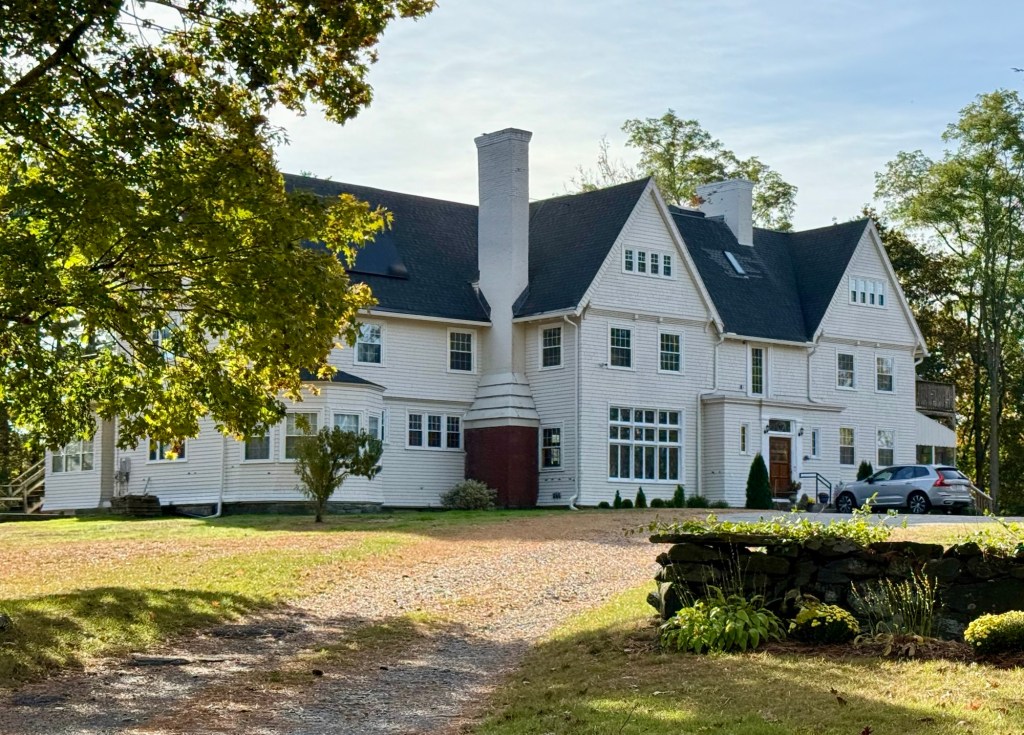
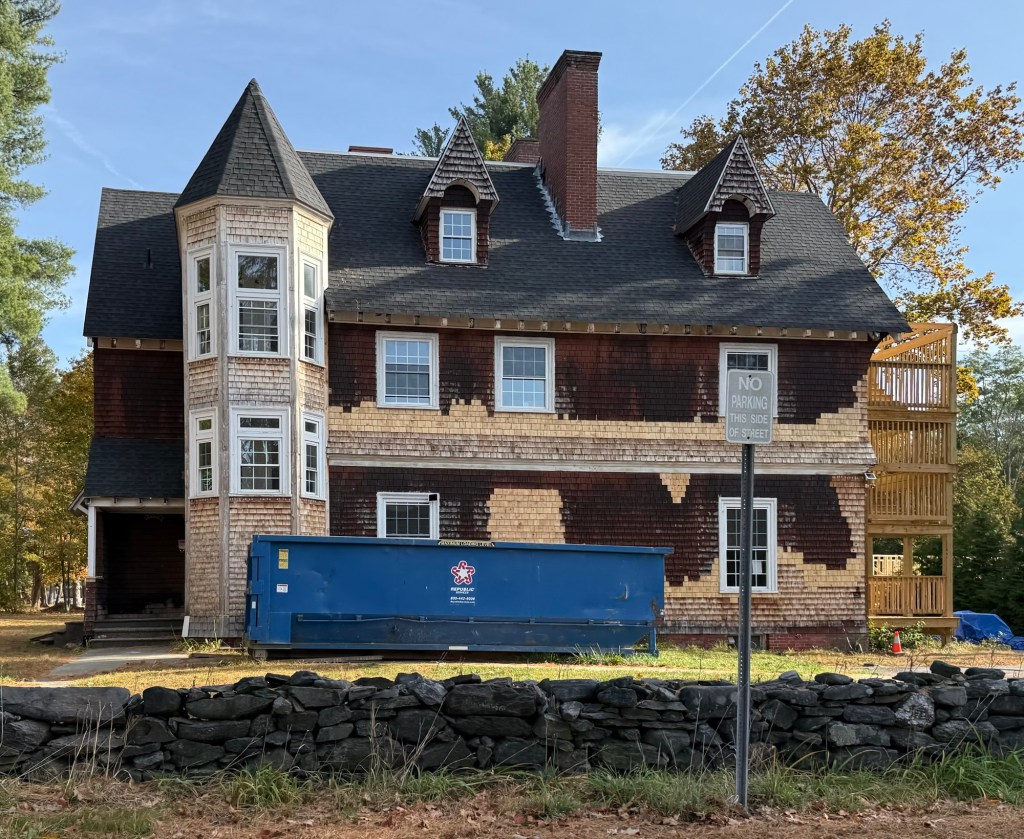
One of the great mansions built for the wealthy Thayer Family, “Fairlawn” stands as one of the finest Gilded Age homes in Lancaster, Massachusetts. This home was built for Eugene Van Renssalear Thayer (1855-1907), a financier and businessman, and his wife, Susan Spring Thayer. The gracious Richardsonianeque Shingle style house was designed by the Boston architectural firm of Andrews & Jacques as one of their first commissions after leaving the office of H. H. Richardson to establish their own practice. After the deaths of Eugene and Susan, the property was inherited by Susan Thayer Bigelow, the youngest daughter of the couple, and her husband, architect, Henry Forbes Bigelow. Under the ownership of Henry and Susan Bigelow, a massive renovation occurred, where Henry F. Bigelow oversaw in 1923, the removal of the south wing of the house, which was relocated to the south and became a detached residence, painted the brown-stained shingles white, and removed the Richardsonian arches to create a 20th century country house more in the Tudor Revival mode. From 1965, the property was owned by the former Atlantic Union College, and was colloquially known as the White House, but has since been sold to private owners. The former south wing, now a detached house, is under separate ownership. 

Detached portion of original house.

South Lancaster Engine House // 1888

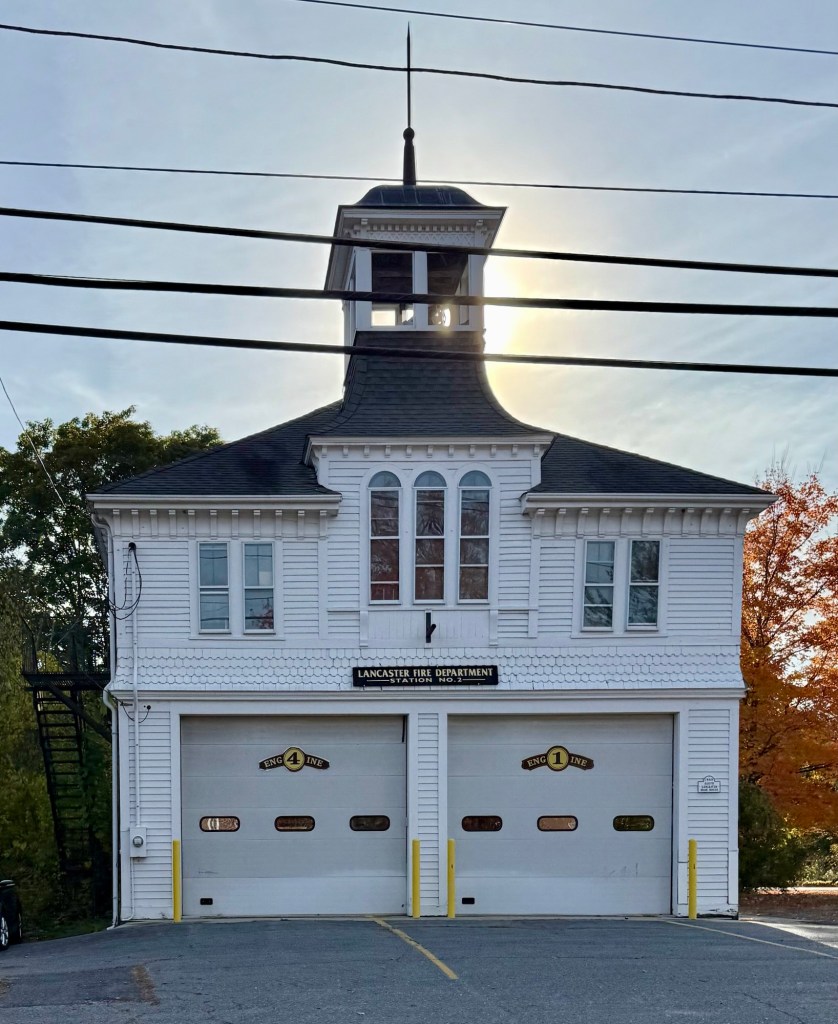
The South Lancaster Engine House is located in the village of South Lancaster, Massachusetts, and is one of the town’s three remaining historic fire stations and the oldest that remains in use by the local fire department. At the Town Meeting of June 18, 1887, it was decided that $3, 500 would be expended to build a station for the Fire Department in South Lancaster. Construction began in 1887, and was completed in March of 1888 from plans by architect, C.A. Woodruff. The station housed horse-drawn wagons, including one sleigh, and featured a bell in the belfry to call attention to the public. The station appears much like it did when built in 1888, besides the bright white paint color and the modification of the engine doors for the new, larger fire trucks. 

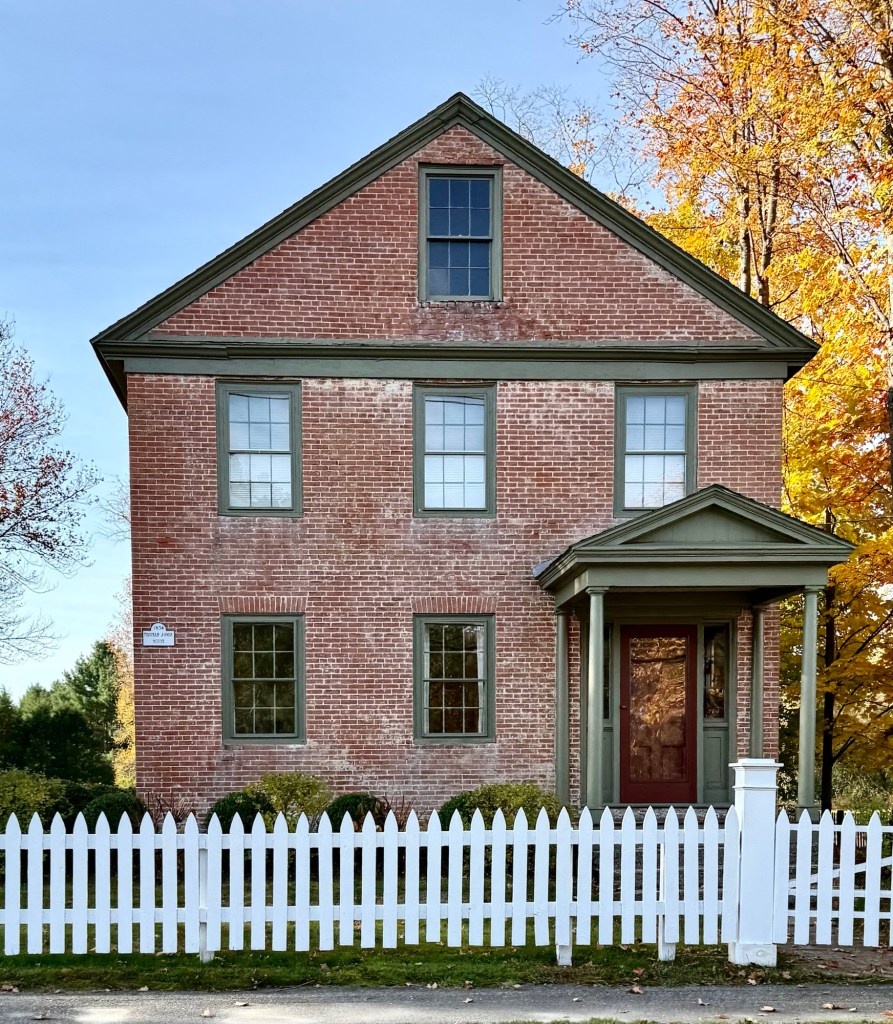
Thomas Jones House // 1834

Thomas Jones of Lancaster married Mary Tweed of Lunenburg, Massachusetts, in June 1834 and immediately began building this house on Main Street in Lancaster for his new family. The Greek Revival style house is a refined example of brick with six-over-six sash double-hung windows and a Classical entry portico supported by Doric columns. The house was later owned by Sewell T. Rugg (1821-1892), a blacksmith who had a shop nearby.

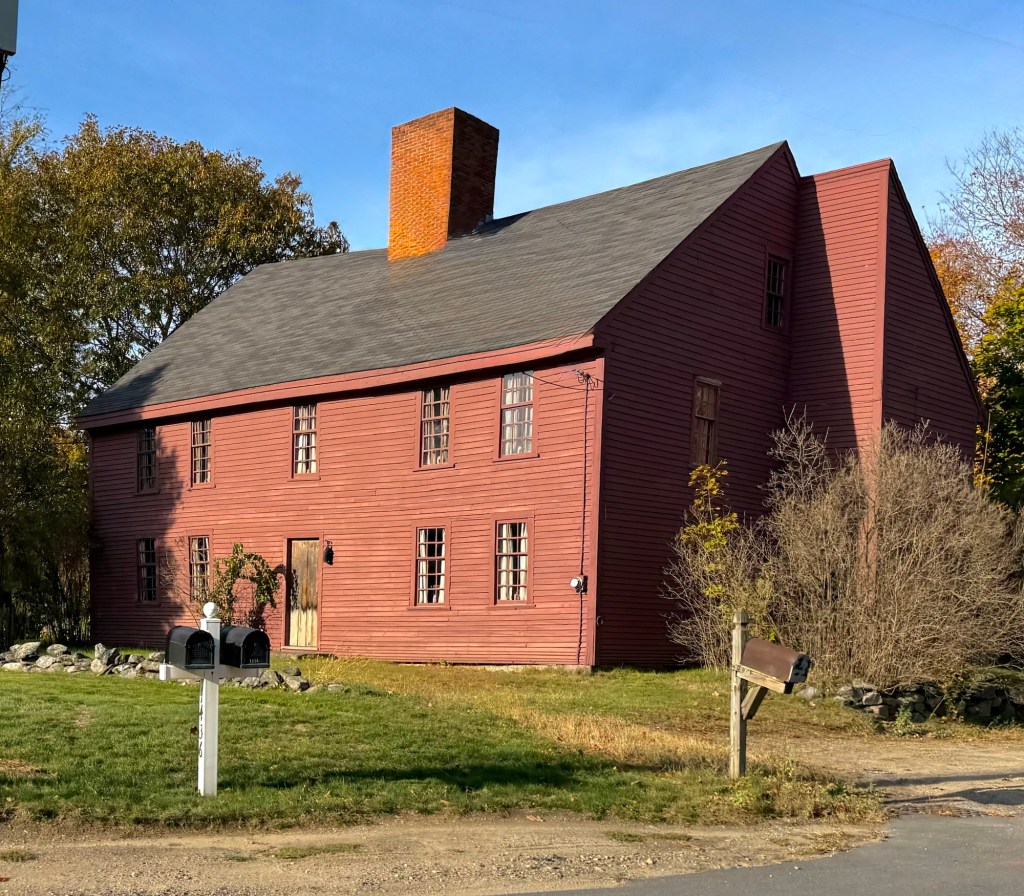
John Bennett House // 1717

The oldest residence in the North Village of Lancaster, Massachusetts, the John Bennett House dates to 1717 and evokes the old Colonial days of New England towns. John Bennett settled in Lancaster and built this large First Period house for his family and operated it as a tavern to weary travellers passing through town along the main turnpike. After Bennett’s death, local legend identifies that the property was a stopping place on the Underground Railroad for runaway slaves escaping to Canada. This, however, has never been substantiated. From 1872 to 1874, the house was occupied by the first Adventist missionary, John Nevins Andrews, co-founder of the Seventh-day Adventist Church. The house is well-preserved and remains as one of the oldest in Lancaster and an important landmark of the early days of the community.

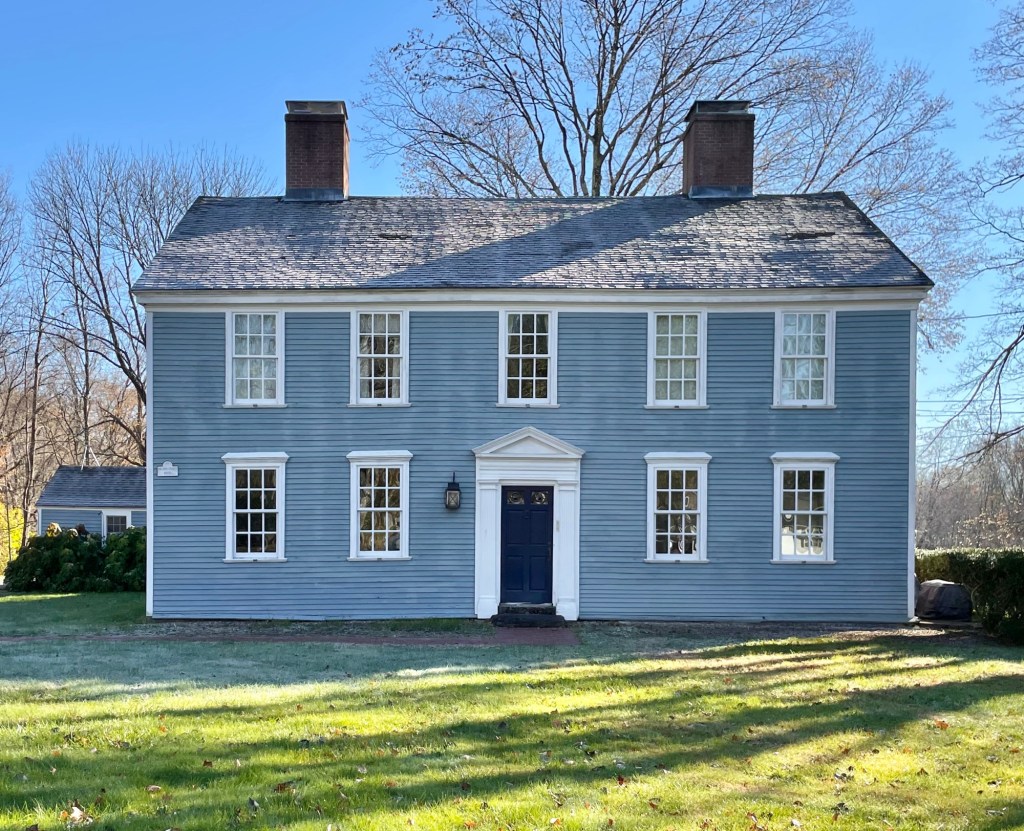
Sprague-Waldo House // c.1771

Just outside of the village center of Lancaster, Massachusetts, this Georgian style house stands out as one of the town’s finest Colonial residences. The residence was built for John Sprague (1740-1800), who settled in Lancaster and was one of only three lawyers in the county following the departure of his Tory colleagues during the Revolution. Sprague represented Lancaster in the General Court beginning in 1782 and occasionally sat in the Senate. He was first appointed judge in 1784 and in 1798 became chief justice of the Court of Common Pleas for Worcester County. He was active in Shays’ Rebellion, and later, along with John Hancock and Samuel Adams, was one of the antifederalists who converted and helped ratify the U.S. Constitution. Sprague moved to a new house in 1785, and sold this property to Daniel Waldo (1724-1808), a wealthy Boston merchant who started America’s longest-running hardware store, in Worcester (Elwood Adams). Waldo was a great-great-grandson of Anne Hutchinson, America’s first major female religious leader/dissenter. The house has had many other notable owners, all of whom have preserved this stunning five-bay colonial house for nearly 250 years.

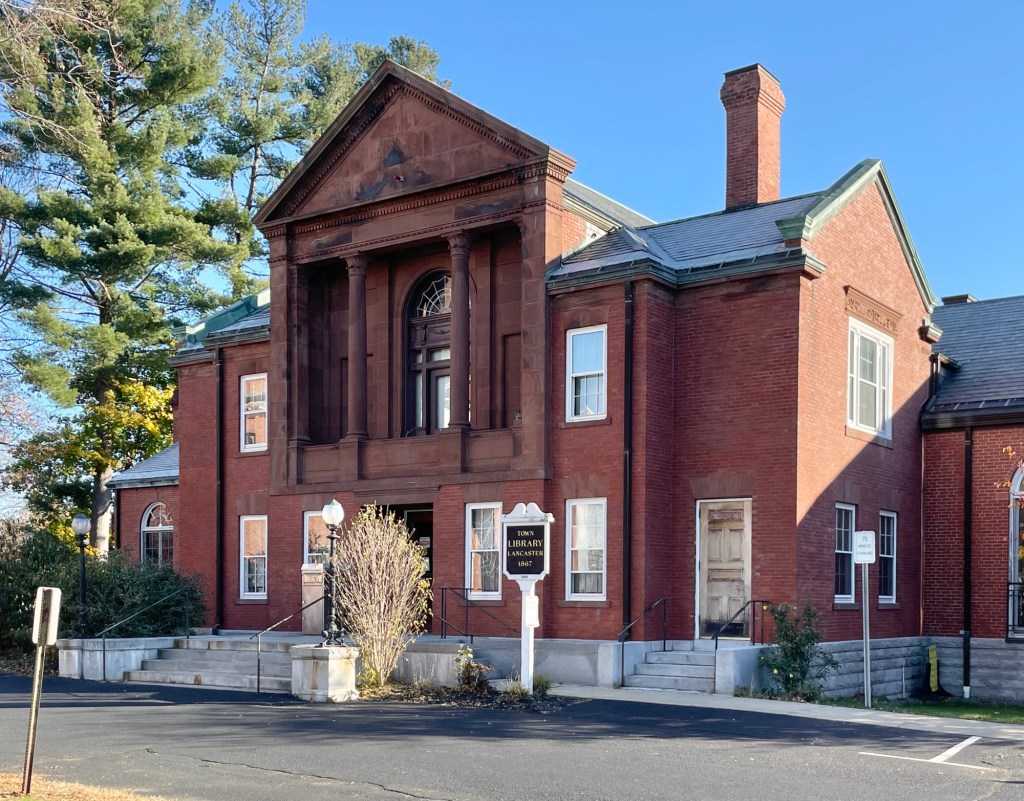
Thayer Memorial Library // 1868

One of the four stately brick buildings framing the Lancaster Town Common in Lancaster, Massachusetts, is this brick and brownstone building, the historic town library. The story of the town’s first purpose-built library building began in 1866, when wealthy resident, Nathaniel Thayer offered $5,000 to the town for the erection of a new library in his hometown. Quickly, a committee of residents, led by Mr. Thayer, worked to acquire land from the First Church of Christ in Lancaster and hire architects Ryder & Harris of Boston to furnish plans for the new building, which was set to be a library and Memorial Hall dedicated to the 39 Lancaster men who died fighting in the Civil War. Nathaniel Thayer ultimately donated two-thirds of the final cost of the building, believed to be nearly $30,000, in addition to his already established $5,000 for books. The building was updated later with the addition of a children’s room in 1929, a gift of Mrs. Bayard Thayer in memory of her son, another Nathaniel Thayer. The Classical/Renaissance Revival style building stands out for its unique central brownstone pedimented bay with engaged columns and balcony over the main entrance.