Thompson Block // 1868

Another of Portland’s stunning mid-19th century commercial blocks is the Thompson Block, built in 1868. The structure is one of the most high-style commercial buildings in Maine and is in a great state of preservation. The building was designed by George M. Harding, a VERY busy architect after the disastrous Great Fire of 1866, which destroyed much of Downtown Portland. The building stands three-stories tall with a polychrome slate mansard roof providing a full fourth floor, a subtle and great way to get extra height without making a building too overbearing. The mansard is broken up at the facade by dormers with round-arch windows and keystoned and eared hoods. If only all cities held off urban renewal, we would have so many more structures like this!

Portland Custom House // 1868

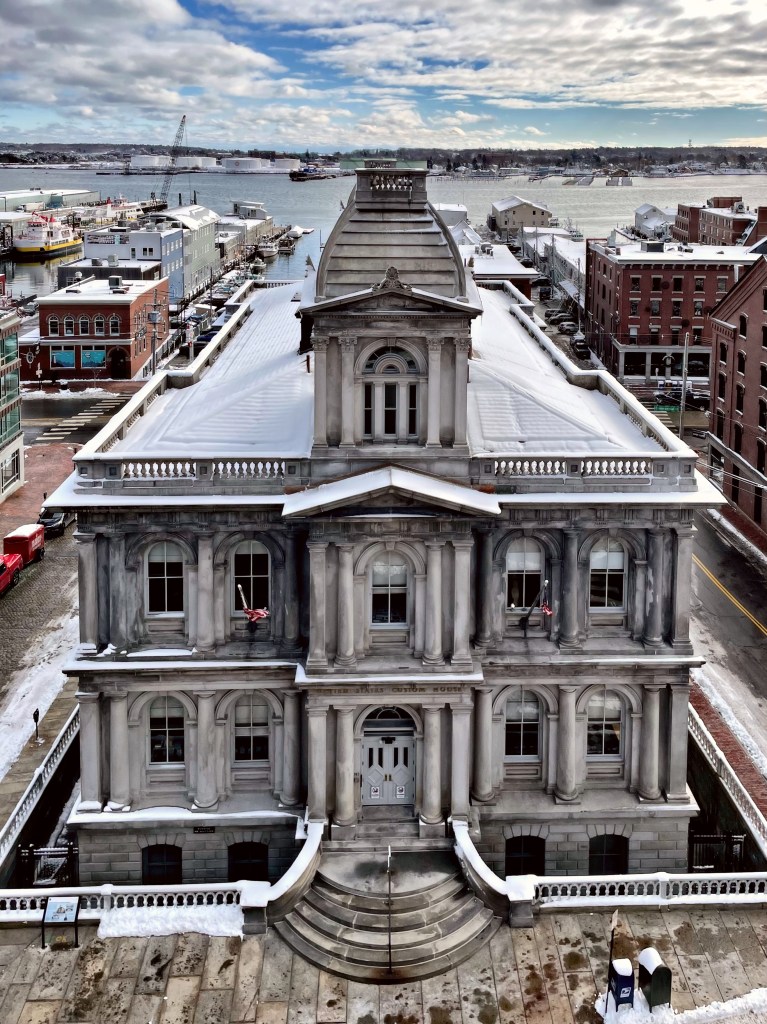
Probably my favorite building in Portland, Maine is the former Custom House building, an imposing granite building located a stone’s throw from the Portland Harbor. It was built to accommodate the city’s growing customs business, which, by 1866, was collecting $900,000 annually in customs duties—making Portland one of the most significant seaports in the country. The building is typical of the notable designs completed under the direction of Alfred B. Mullett, Supervising Architect of the Treasury from 1865 to 1874. Constructed between 1867 and 1872 (due to delays in obtaining granite for the upper stories) the U.S. Custom House combines elements of the Second Empire and Renaissance Revival styles and is one of the best preserved custom houses in New England. The interior custom hall is especially remarkable.

Woodman Block // 1867

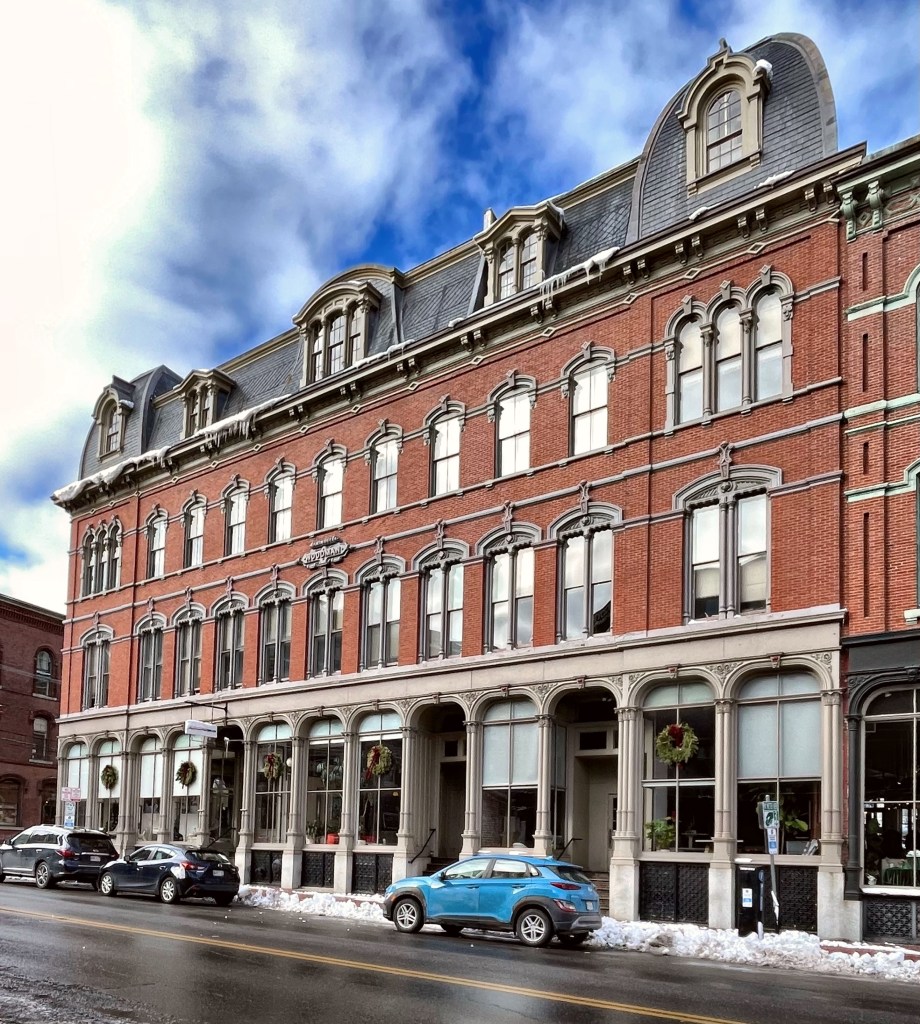
Located next-door to the Rackleff Block, this high-style Second Empire commercial block in Downtown Portland, Maine really turns heads. The Woodman Block (like its neighbor) was built in 1867 from plans by architect George M. Harding, who designed the building for George W. Woodman, a drygoods dealer. This stunning commercial block originally housed Woodman’s dry goods firm, Woodman, True, and Company. It later held a druggist and medicine company. The building retains much of its original architectural character minus the iron cresting which once capped the mansard roof. They don’t make them like they used to!

Sprague Grist Mill – Sprague Public Library // c.1875

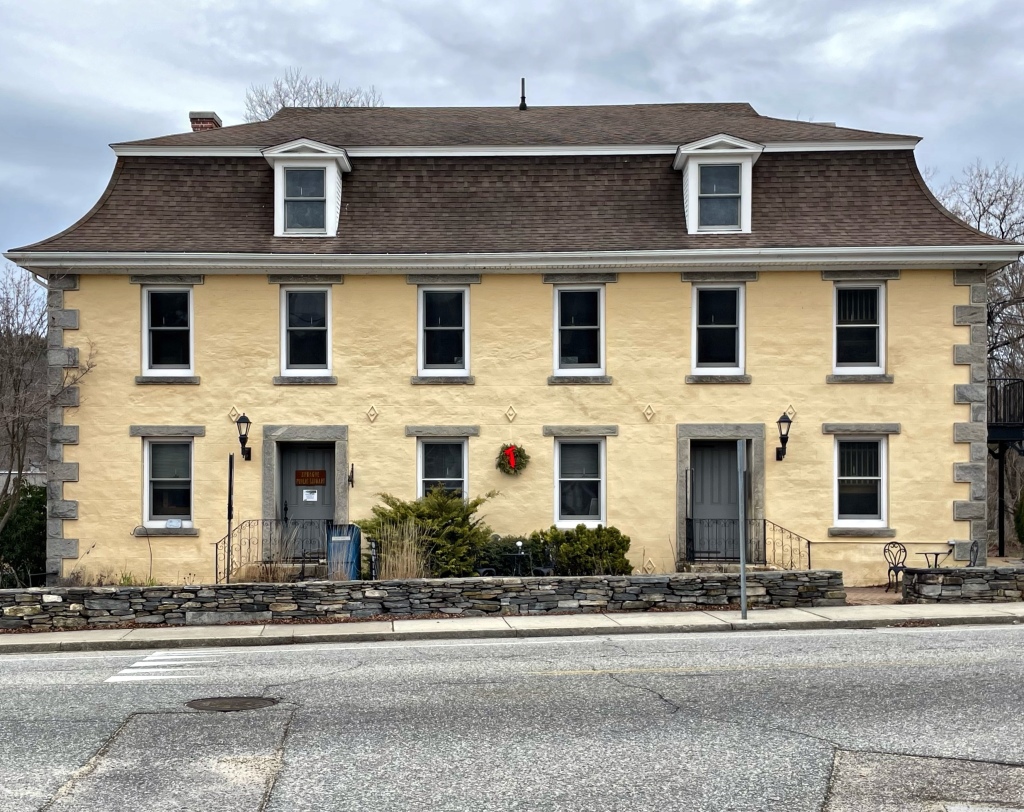
The town of Sprague, Connecticut was incorporated in 1861, with the land formed from portions of the town of Franklin. A few years earlier, in 1856, former Rhode Island Governor and U.S. Senator William Sprague III of Rhode Island had laid out plans to build “the largest mill on the Western Continent” in eastern Connecticut, only to die later that year. His nephews William and Amasa Sprague constructed the Baltic Cotton Mill in what was to become the village of Baltic, which is today the geographic and population center of the town of Sprague. The village of Baltic developed largely between the years 1857-1861, when the Sprague brothers developed the mill, commercial buildings, and workforce housing for the employees. In 1870, 804 men, 396 women, and 210 children worked in the Baltic mill. This building was constructed after the initial period of development for the town in about 1875 as a grist mill. It is now home to the town’s library!

Belair Mansion // 1850

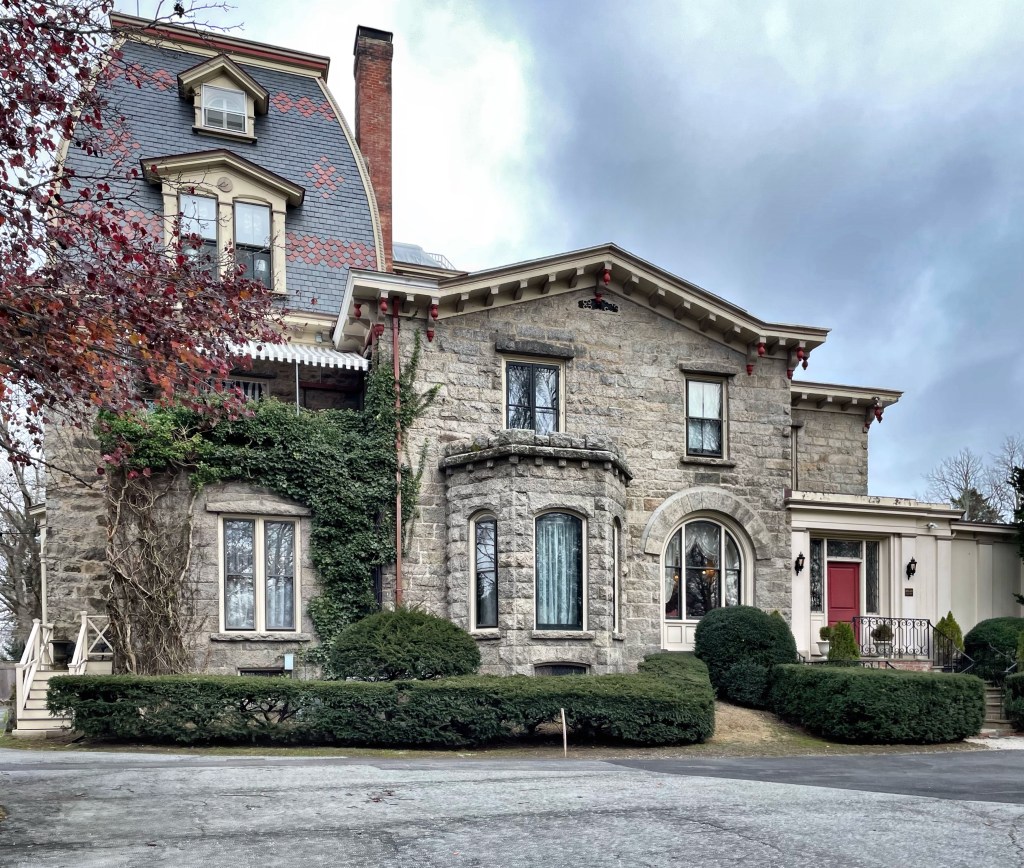
One of the most stunning summer “cottages” in Newport, Rhode Island is this stone behemoth named “Belair”. The house is set back way off the street and was one of the first summer estates built in this section of Newport. Belair was built in 1850 for New York oil baron H. Allen Wright in the Italianate style and constructed of roughly dressed stone and was originally about half of the size of the current footprint. The mansion was designed by architect Seth C. Bradford, who is also credited as architect of the similarly designed Chateau-sur-Mer, built one year later. Wright sold this house to George H. Norman two years after its completion. Norman (1827-1900), founded the Newport Daily News in 1848 and made his fortune as an engineer, first establishing gas works and later water works systems across New England, New York, and the Midwest. Norman made a fortune, and renovated and expanded his mansion in 1870 from plans by Newport architect Dudley Newton, with grand Second Empire additions, including the high convex-mansard corner tower. The original four acre Belair property has been extensively subdivided, and this house now occupies a lot of about an acre; with the original outbuildings sold off, and Belair is now 11 condominium units!

Andrew Hunt House // 1878

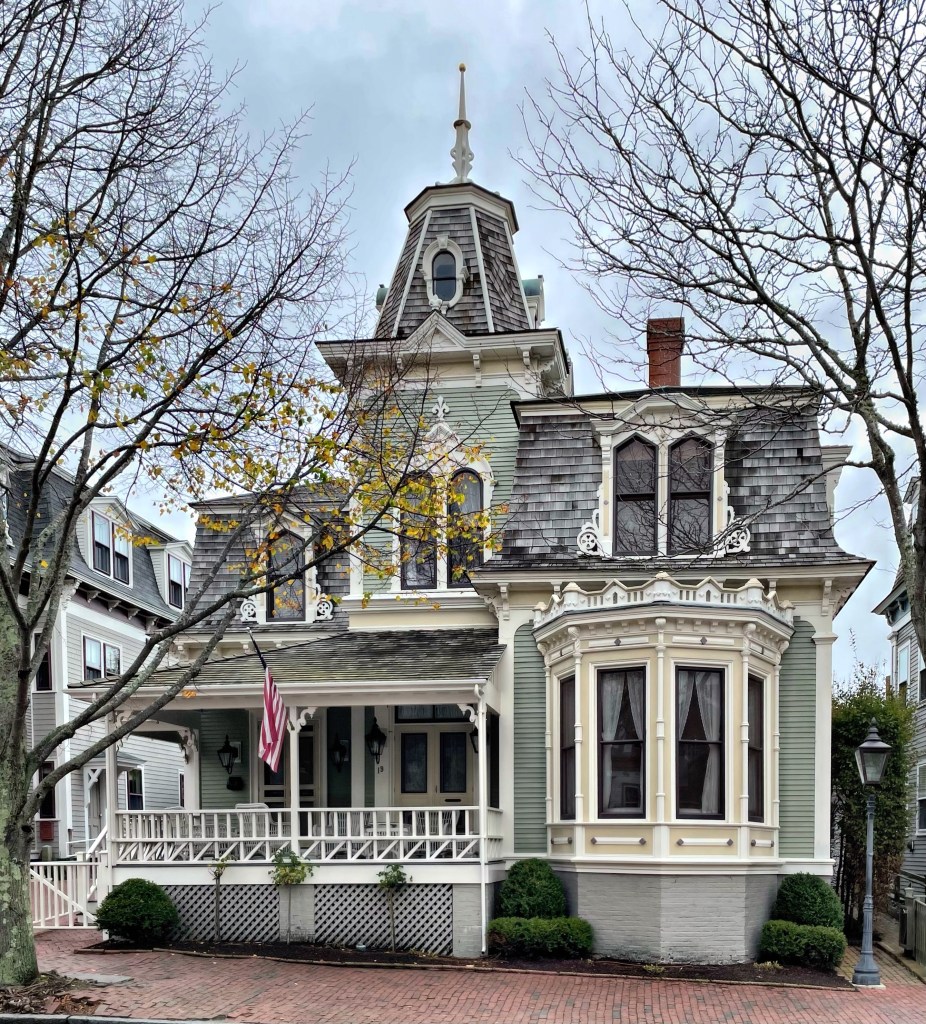
When one thinks of architecture on Nantucket, many would think of old Colonial-era capes and stately Federal and Greek Revival whaling captains mansions. There are Victorian-era houses on Nantucket, but building on the island tapered off by the mid 1800s after the mid-1700s to the late 1830s when Nantucket was the whaling capital of the world. In December of 1877, Nantucket coal dealer Andrew Hunt purchased a vacant lot on Broad Street to erect a new home for his family. Mr. Hunt hired local builder Charles H. Robinson to design and construct the Second Empire cottage, which today, remains one of the best-preserved and high-style Mansard residences on the island.

Coney House // c.1870

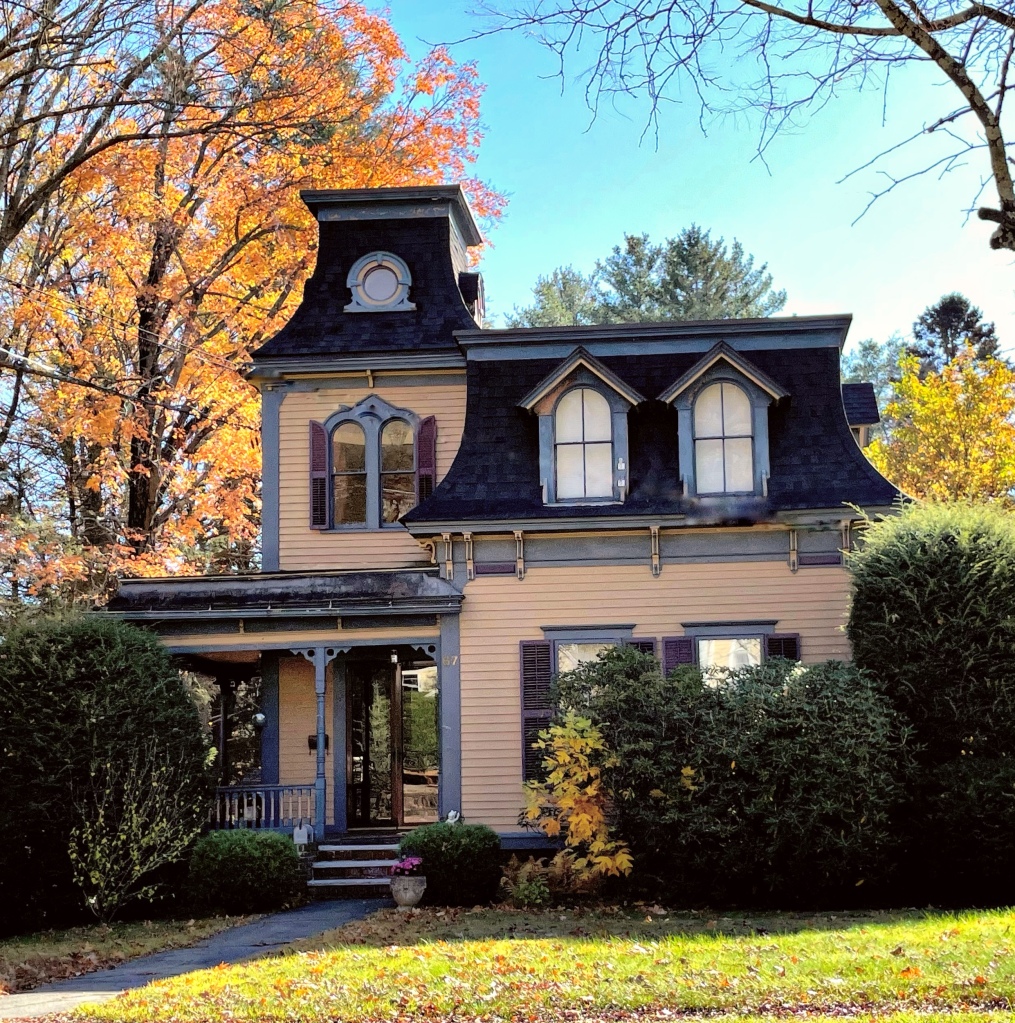
Located on Church Street, the best architectural stretch of buildings in Ware, Massachusetts, you’ll find this absolutely charming mini-Mansard house. The property was built after the Civil War and historic maps show it was owned by a J. Coney. Upon further research, it seems J. Coney is John Coney (1809-1884), a farmer who retired in 1870 and was later referred to as a carpenter in census’. It is likely that Mr. Coney built this mansard cottage around his retirement and relocation to Ware’s industrial village, building it himself. The home features gabled dormers with round-headed sash projecting from the mansard roof. A two-story tower has paired, round-headed windows with oculus windows. Perfection.

Augustus Wiswall House // c.1870

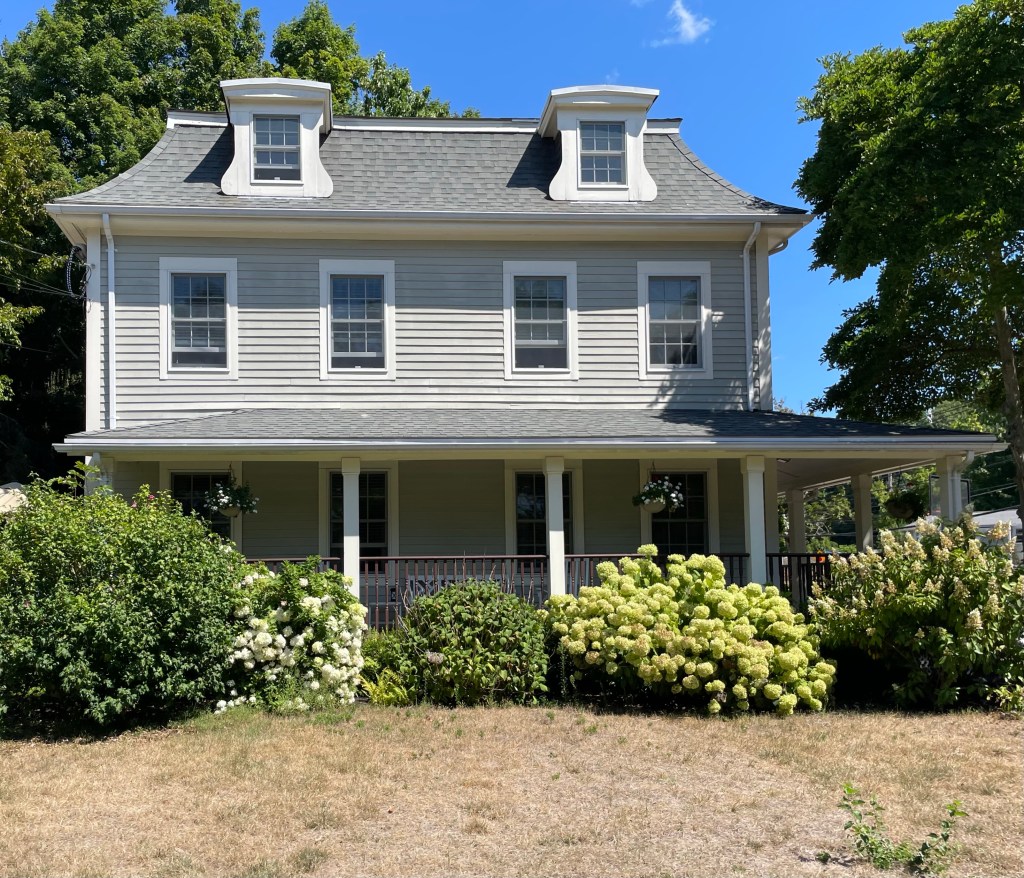
Augustus Curtis Wiswall was born in Exeter, NH in 1823. At seventeen, he moved to Boston and sought to live life on the open seas. He saw a ship docked called the “Republic” which was about to set sail to Calcutta. He took several other jobs as he hoped for more adventure as a young man. His final voyage was with a general cargo ship to Brazil. On route, several lawless members of the crew rose up in open mutiny, murdering the captain and first-mate, seizing control of the vessel. Loyal to the captain, Augustus was stabbed but was allowed to live as he was the only man capable of navigating back to land. The small crew scuttled the larger ship and manned the small boat surviving on minimal food. They made it to Rio De Janeiro and managed to board a vessel back to Boston. Wiswall never shared his story but to his wife, who in turn shared his stories after his death. His life back home was more calm, after living in the south and midwest during the Civil War, he moved back to Massachusetts and he bought land in Newton’s Lower Falls village building this home. He operated a paper mill in the village and was active in the local church until his death in 1880.

Samuel Sparhawk House // c.1870

In 1870, Samuel Sparhawk built a large Second Empire style mansion on Mugford Street in Marblehead. Samuel and his brother Peter were among the first large shoe manufacturers in Marblehead, and did very well for themselves. Samuel also worked as Director of the Marblehead Savings Bank. In the early 20th century, the property was sold to Asa A. Schofield. In 1910, a fire at the Second Congregational Church destroyed the 1832 building and embers carried and burned the roof of the old Sparhawk House. The mansard roof was replaced with a simpler hipped roof with dormers.

Francis Carpenter House // c.1857

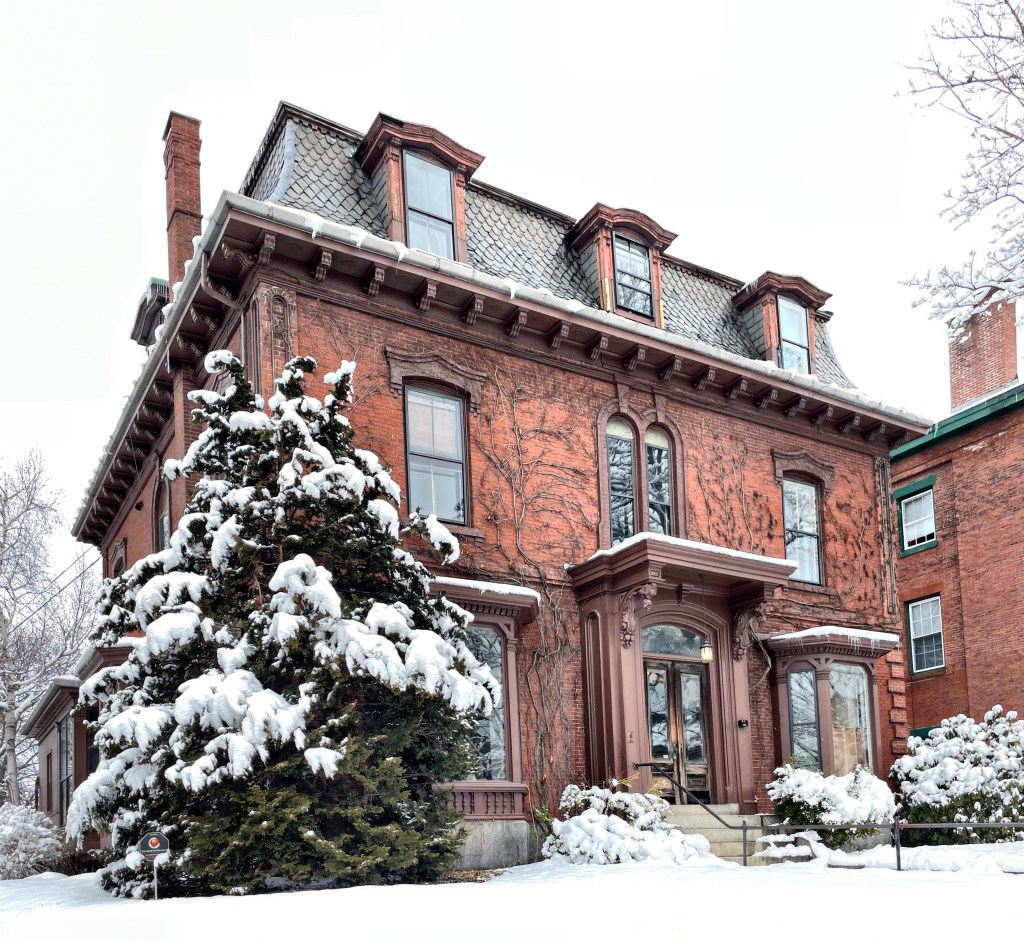
I love a good Second Empire style house with a mansard roof, and luckily, New England is full of amazing examples. This house in Providence’s College Hill neighborhood dates to about 1857 and appears to have been built for Francis W. Carpenter, a successful businessman who would later serve as President of the Congdon & Carpenter Company, an iron and steel company which was founded in 1792. Carpenter did very well for himself and would later move out of this house and into a stunning Beaux Arts mansion further up the street (featured previously), designed by the premier architectural firm of Carrère and Hastings. The house is today owned by RISD, and appears to be used for residences.