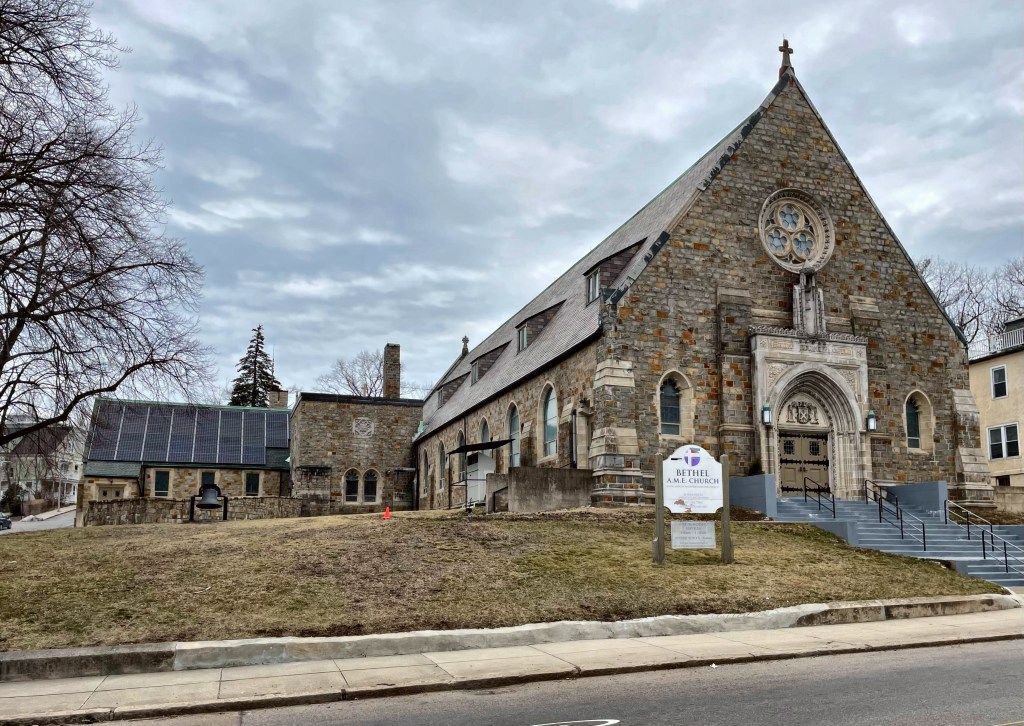
St. Andrew R.C. Church – Bethel AME Church // 1921

During the rich Arts and Crafts movement of Boston, dozens of churches and their associated buildings were constructed using principles of the movement, which sought to incorporate English design with hand-crafted detailing, moving away from the mass-produced features and architecture seen in the Victorian-era/Industrial Revolution. After WWI, the Forest Hills neighborhood of Boston saw a massive influx of residents and housing construction, leading to the desire for a new neighborhood church. The Roman Catholic Archdiocese commissioned Boston architects Timothy O’Connell and Richard Shaw, who specialized in ecclesiastical design to build the new church. Opened in 1921, the building is constructed of random ashlar walls with buttresses, lancet windows, and a large rose window, all nods to Gothic architectural precedent. Demographic changes and declining church attendance led the parish, for the first time in 1995, to accept aid from the archdiocese to meet expenses. Unable to justify keeping the church open, the Archdiocese sold the church to Reverend Ray Hammond and the Reverend Gloria White-Hammond, a husband-and-wife pastoral team, who started a local African Methodist Church (Bethel AME Church) in the neighborhood.
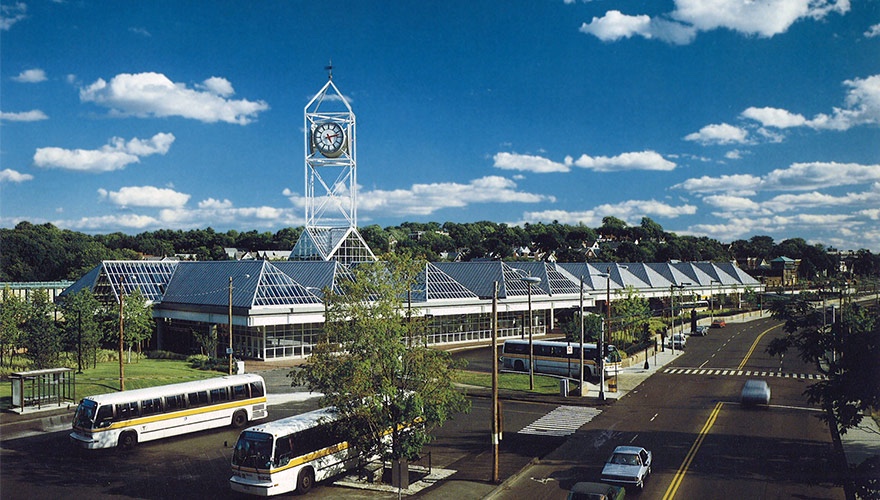
Forest Hills Station // 1987

Photo courtesy of Cambridge Seven

While the demolition of the 1909 Forest Hills Station in Jamaica Plain (last post) was a huge architectural and historic loss for the city of Boston, the present building is a landmark in its own right. The present building was built in 1987 as a pivotal project in the MBTA’s Southwest Corridor Improvement Program, which was largely unfinished (thanks to neighborhood pushback and protests against the proposed highway to cut through the neighborhoods). The existing station, designed by local firm Cambridge Seven, is situated between two important points in Boston’s “Emerald Necklace” park system, and thus was given the appearance of a greenhouse by the architects. The distinctive clock tower, rising 120 feet above the station, signals the station location and is a nod to the days when stations once had prominent clocks to help passengers keep tabs on the time, before the days of cellphones!

Old Forest Hills Station // 1909-1987

Photo courtesy of Boston City Archives

When elevated train service from Boston extended to Forest Hills in Jamaica Plain in 1909, the residents of the surrounding neighborhoods and points south were ecstatic to realize the chance to enjoy quicker transit to the city. The station, which opened in 1909, was an architectural landmark and engineering feat, as the new terminal was the largest structure of its kind and the most costly in the country at the time. The large station was made of steel and reinforced concrete, finished in copper at the elevated section, and took nearly two years of construction. City architect Edmund M. Wheelwright designed the station, and upon its opening, it was called “the chef-d’œuvre of rapid transit development in Boston”. Like with many cities all over the country, shifting transportation planning and priorities and shrinking investment necessitated the once grand station to suffer the fate of the wreckingball. As part of the Southwest Corridor project, this station was to be demolished, with a modern station constructed to service the MBTA trains on the Orange Line. Also, plans were developed for a 12-lane highway along the railroad right-of-way between Boston through Cambridge. The residents of the affected areas, including Jamaica Plain, Roxbury, South End, Back Bay, and Cambridge, protested against the destruction of their neighborhoods by the planned highway, and won! The old Forest Hills Station was a casualty of the proposal, but a lasting reminder for neighborhood planning and advocacy, preserving character and people over cars.

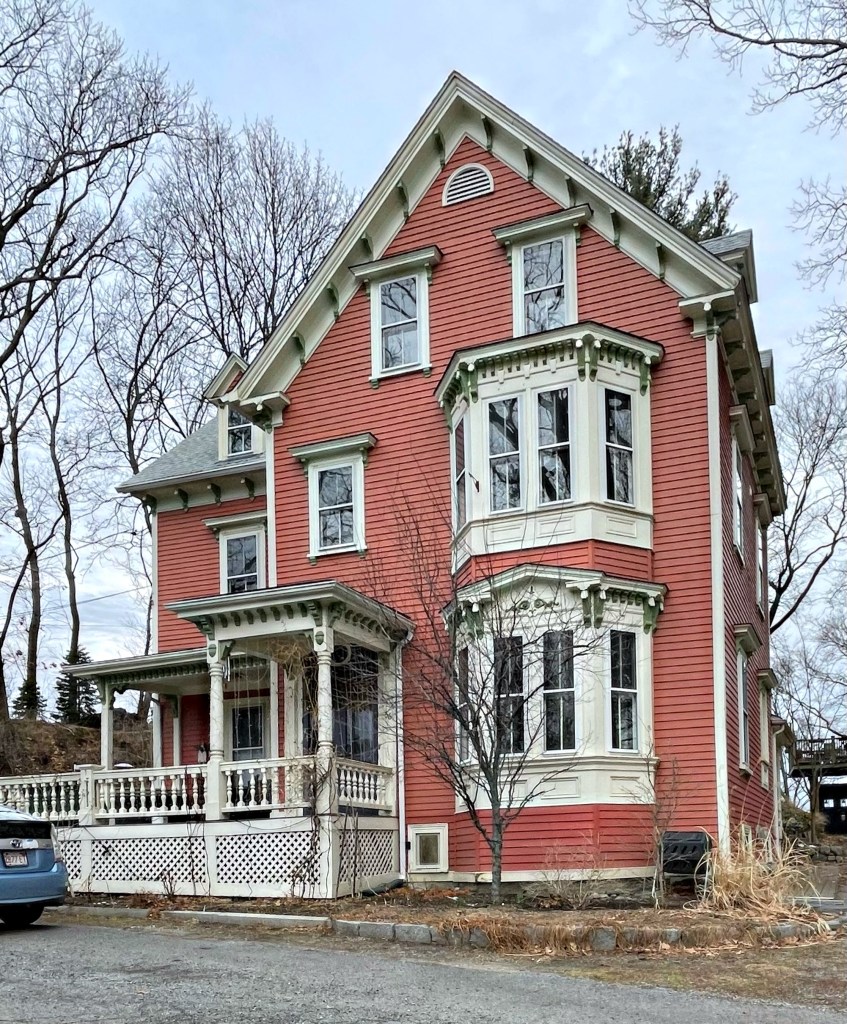
Edward Moulton House // c.1870

This stunning Italianate style home in the Forest Hills area of Jamaica Plain, Boston, sits directly adjacent to Forest Hills Cemetery, one of the finest examples of a rural cemetery in America. This house dates to the mid-19th century and maps show it was built on land owned by Isaac Cary, who built homes on this hill. By the 1880s, the property seems to have been acquired by the cemetery, or they gave financial assistance to Edward Everett Moulton, who worked as an Assistant Clerk at the cemetery. Edward lived in this house seemingly until his death in 1927. Since then, the home stands as one of the best-preserved in the area and is a testament to stewards of these significant old homes.

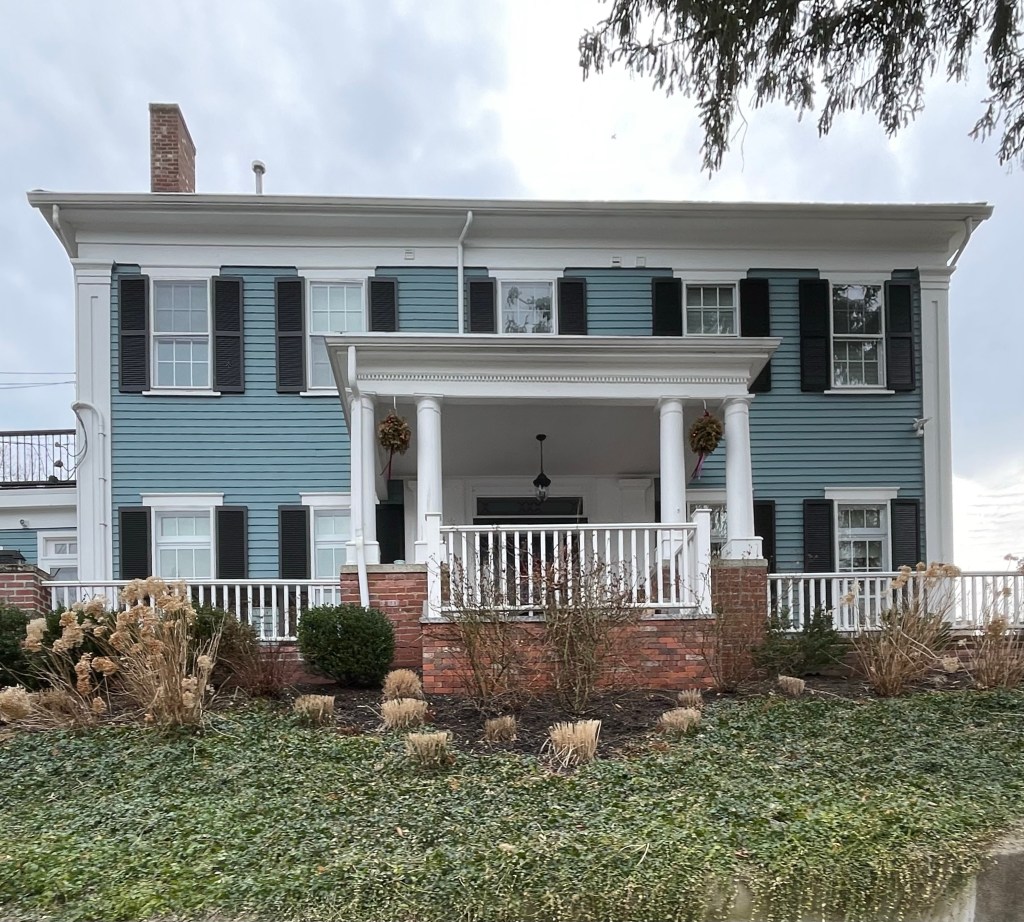
Jacob Weld Seaver House // c.1850

In 1849, Jacob Weld Seaver (1820-1914) married Sarah Abby Weld and built this Greek Revival home, perched on a hill near the burgeoning Forest Hills Cemetery. The property originally extended all of the area of Orchardhill Road and the dead end streets that extend off of it, and included a stable, caretakers cottage, and at least two rental properties (this house may have been one of them). Jacob Seaver grew up in the neighborhood and attended Harvard, graduating in 1838. He became involved with the drygoods business and must have met his future wife from her father George F. Weld, who was a commission merchant in Boston. He went on to become the director of the Second National Bank of Boston, commuting into the city from the Forest Hills station. In the early 20th century, Seaver sold this property to a Thomas Minton, who subdivided some of the lot and built houses on the estate.

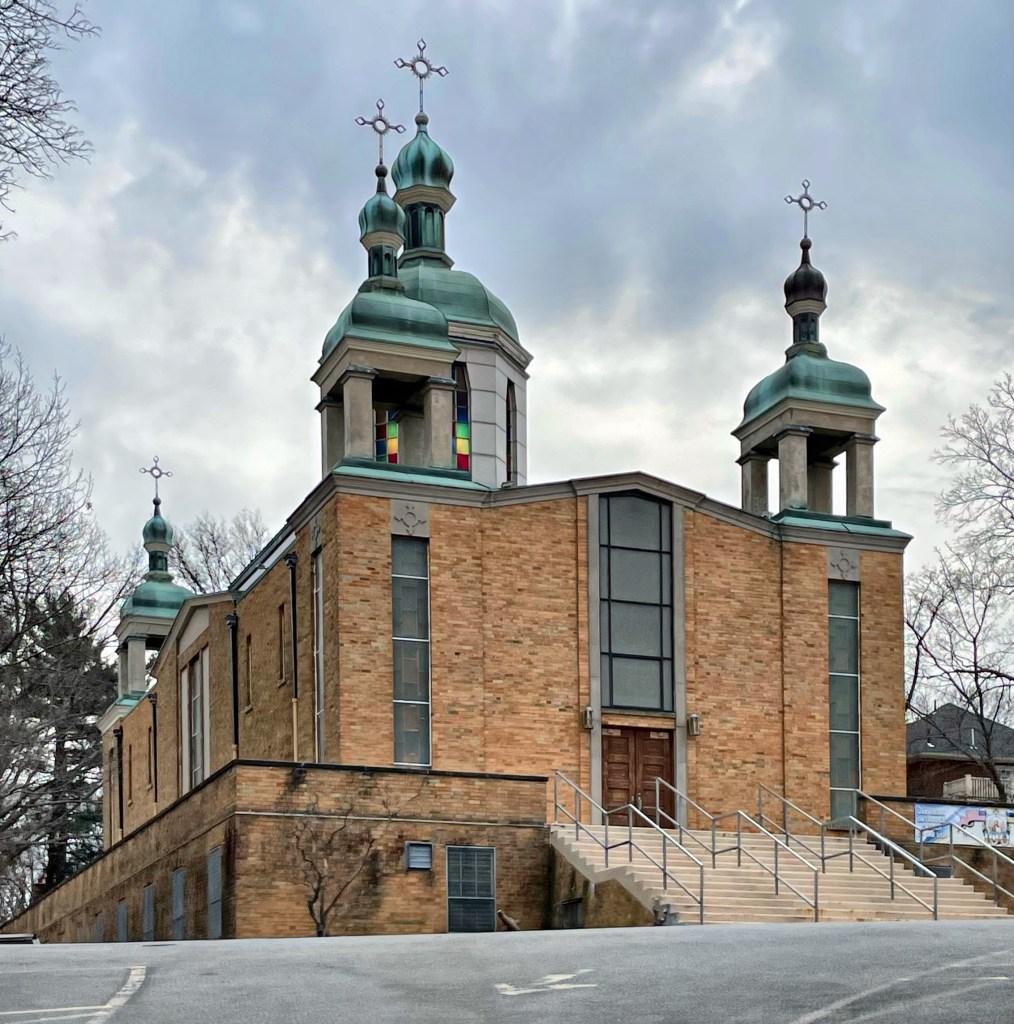
St. Andrew Ukrainian Orthodox Church // 1958

I typically do not connect my posts to current events, but I really wanted to take time to highlight the strength and fortitude of the Ukrainian people fighting to preserve their home and democracy around the globe. Closer to home, a growing Ukrainian community in Boston in 1956, decided to erect a new church in the Forest Hills section of Jamaica Plain. Land was acquired and a blessing ceremony was attended by members of the church, the architect, and Reverend John Theodorovich; the head of the Ukrainian Orthodox Church of America, who was born in Ukraine, and served at chaplain with the Army of the Ukraine National Republic in the war against Russia in 1919-20, before eventually moving to North America. The architect, John Kodak, was a Toronto-based architect of Ukrainian descent who ended up in Canada after fleeing from his home to escape communist rule from the USSR. This church is a Modernist interpretation of the iconic St. Andrew’s Church in Kiev, Ukraine, with its onion domes surmounted by crosses. The church, like many others, is holding prayers for Ukraine and is coordinating donations and aid to the Ukrainian people and related charities.

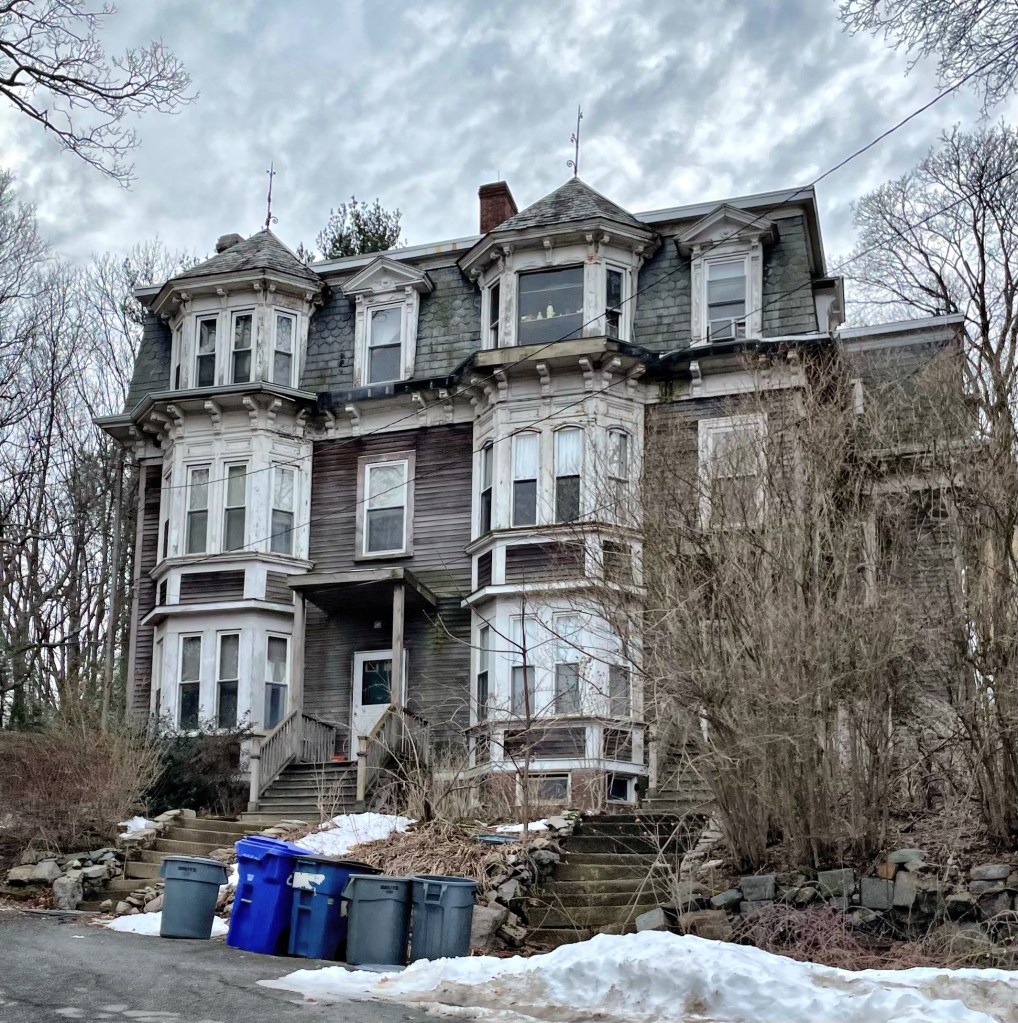
Susanna Cary Rental Property // c.1884

Isaac Harris Cary’s land holdings adjacent to Forest Hills Cemetery in Jamaica Plain, Boston, saw a surge in value when the cemetery and Forest Hills Station were constructed, opening up the area for development. After Isaac’s death in 1881, his unmarried daughter Susanna, built this large Second Empire style building contributes to the varied 19th century architecture of the street. This double-house was constructed around 1884, seemingly as a rental property which provided Susanna income while residing nearby. The two units suffer from some deferred maintenance, but are excellent examples of the Second Empire style in a double-house form.

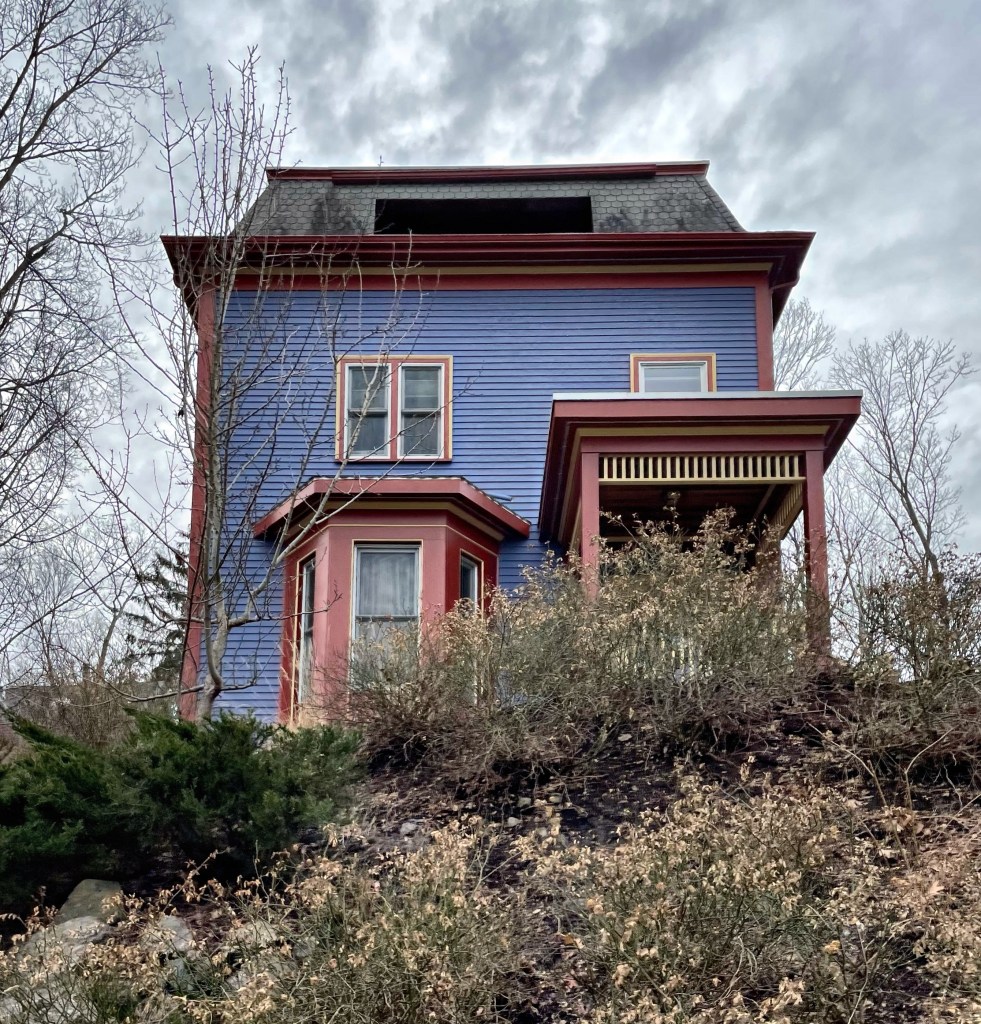
Isaac Cary House // c.1870

Isaac Harris Cary (1803-1881) was born in Charlestown, MA to an established, old New England family. He eventually settled in West Roxbury, an area that is now known as Jamaica Plain, where he operated a tannery along a branch of Stony Brook, a tributary of the Charles River. Isaac built this home and a couple income-producing rental properties on a hill adjacent to the newly established Forest Hills Cemetery. The Second Empire style home today features bright colors and a modern recessed window set into the mansard roof, likely providing views to Boston’s skyline.

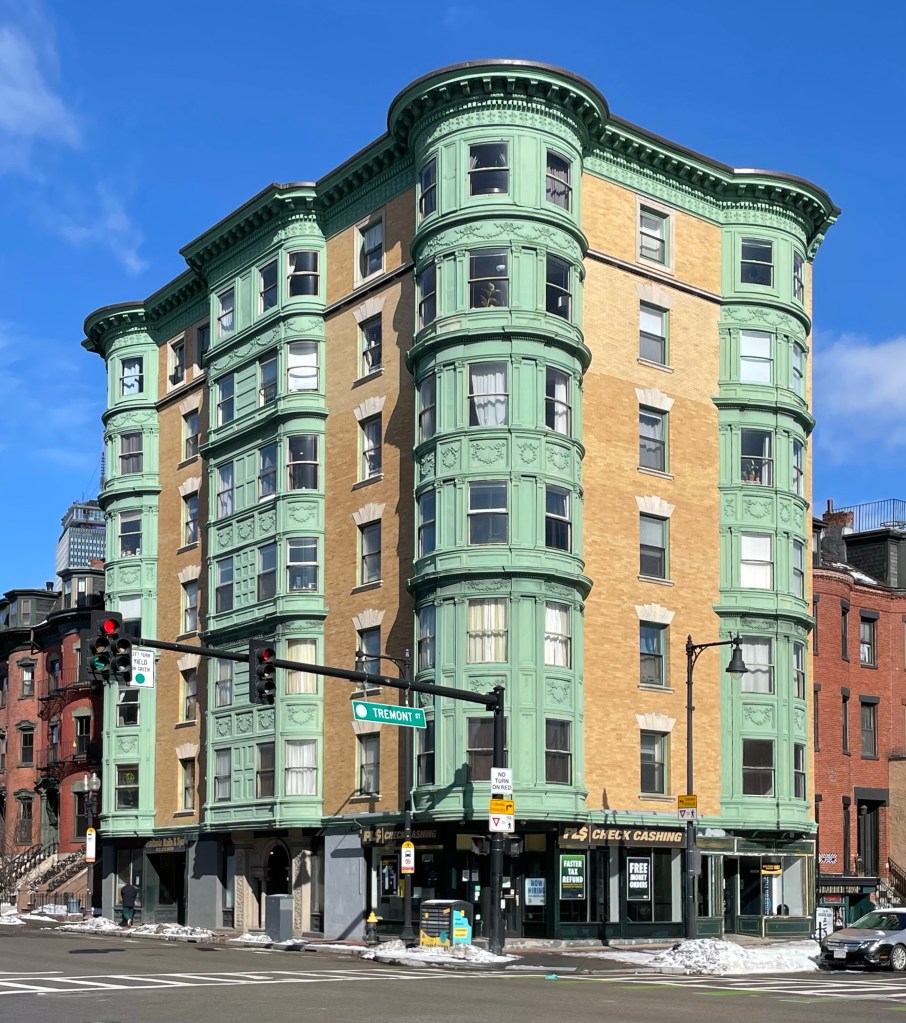
Hotel Bretagne // 1897

Located at the prominent corner of Mass Ave and Tremont Street in Boston’s South End neighborhood, this beautiful apartment building has long caught my eye, but I finally got around to looking up its history! The building was constructed in 1896-7 by Albert Geiger, a real estate developer who sold the completed building to a Josiah P. C. Marshall. The building is Classical Revival in style and had eleven suites for rental. The blond brick building with Indiana limestone trim are gorgeous, but the showstoppers are the metal bay windows with decorative wreaths and garlands.

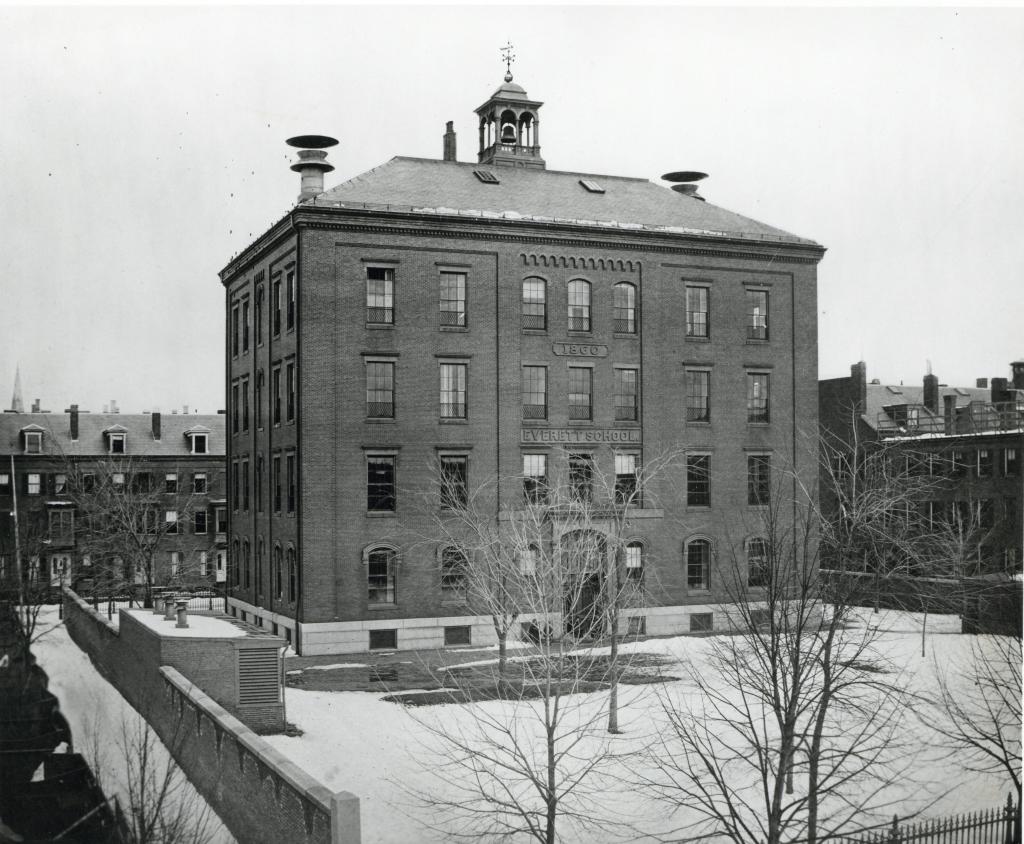
Everett Schoolhouse // 1860-1965

c. 1910 image courtesy of Boston City Archives.

The Everett Schoolhouse opened in 1860 as Boston’s most modern school at the time, serving students in the South End and Roxbury. The school was located on Northampton Street, just off Tremont Street, and stood four stories with lawns surrounding it. The building was architecturally beautiful, with brick walls and stone trim and basement, large double-hung windows, and a slate roof capped by a bell tower. The building was so special, the opening ceremonies were documented in the New York Times in 1860. The school was named after Edward Everett (1794-1865), a Boston-native who served as a U.S. Senator, the 15th Governor of Massachusetts, Minister to Great Britain, and United States Secretary of State. He also taught at Harvard University and served as its president. My favorite tidbit of history on Edward Everett is that he was a great orator, and was the featured speaker at the dedication ceremony of the Gettysburg National Cemetery in 1863, where he spoke for over two hours—immediately before President Abraham Lincoln delivered his famous two-minute Gettysburg Address! The Everett Schoolhouse in Boston saw thousands of children graduate before a fire on the top floor of the building in 1965 and subsequent water damage from fire hoses necessitated its demolition.