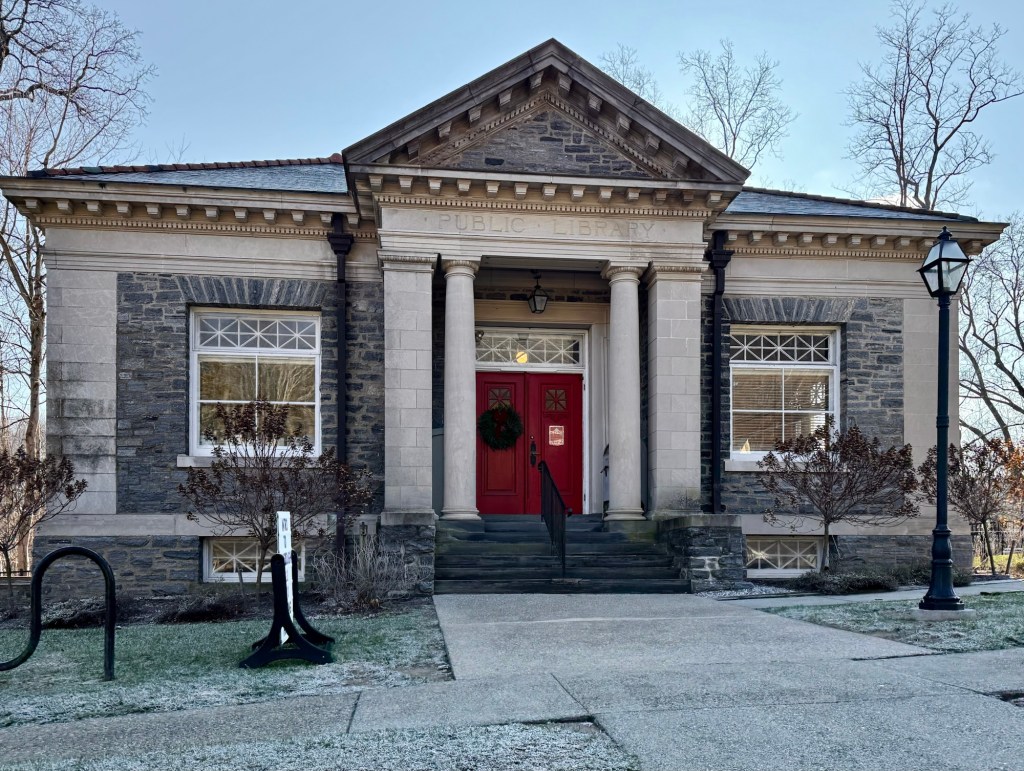
Chester Public Library // 1907

The Chester Public Library in Chester, Connecticut, was formed from a private library when in 1875, a Library Association was formed with members paying fees to take out books. The library grew throughout the 19th century and was housed in rented spaces, including in the Old Stone Store, until the early 20th century, when the collection grew to a point a purpose-built library was needed. A generous donor stepped forward, Mr. Samuel Mills Ely (1837-1909), who grew up in Chester, but made his fortunes in Binghamton, New York. Samuel Ely donated funds to his hometown as a memorial to his parents, Richard and Mary Caroline Ely. The library opened in 1907 and is built of native granite and trimmed with Indiana limestone and resembles many of the Carnegie libraries built at the time with a central, pedimented entry pavilion and recessed side wings, but no Carnegie funds were allocated for this project. The architect is also not known at this time.

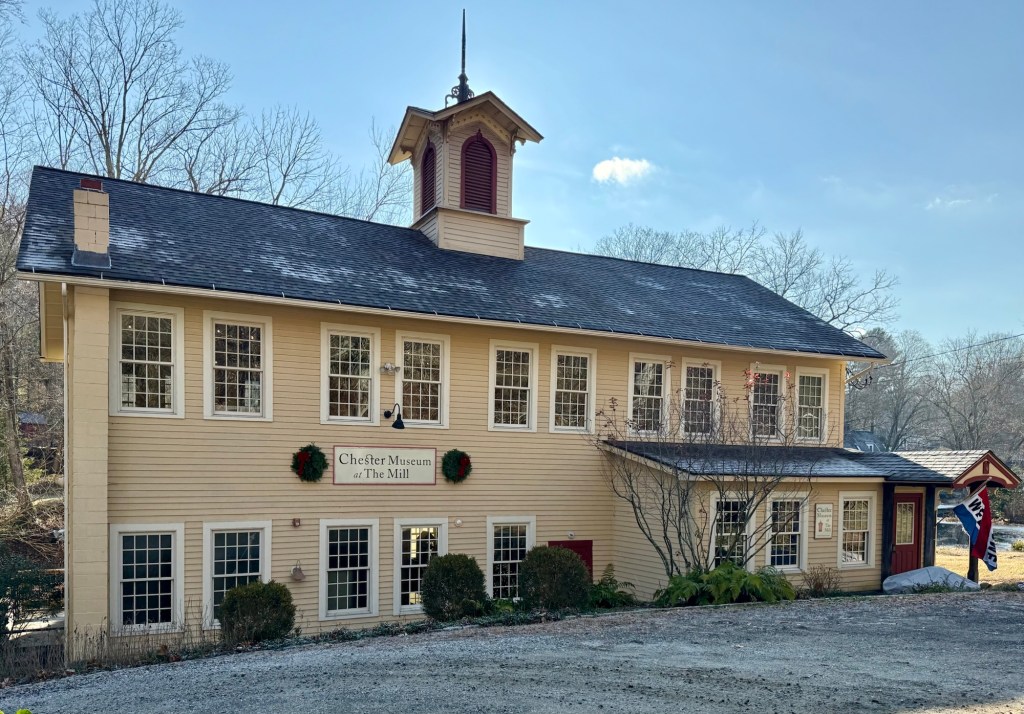
C. L. Griswold Mill // 1850

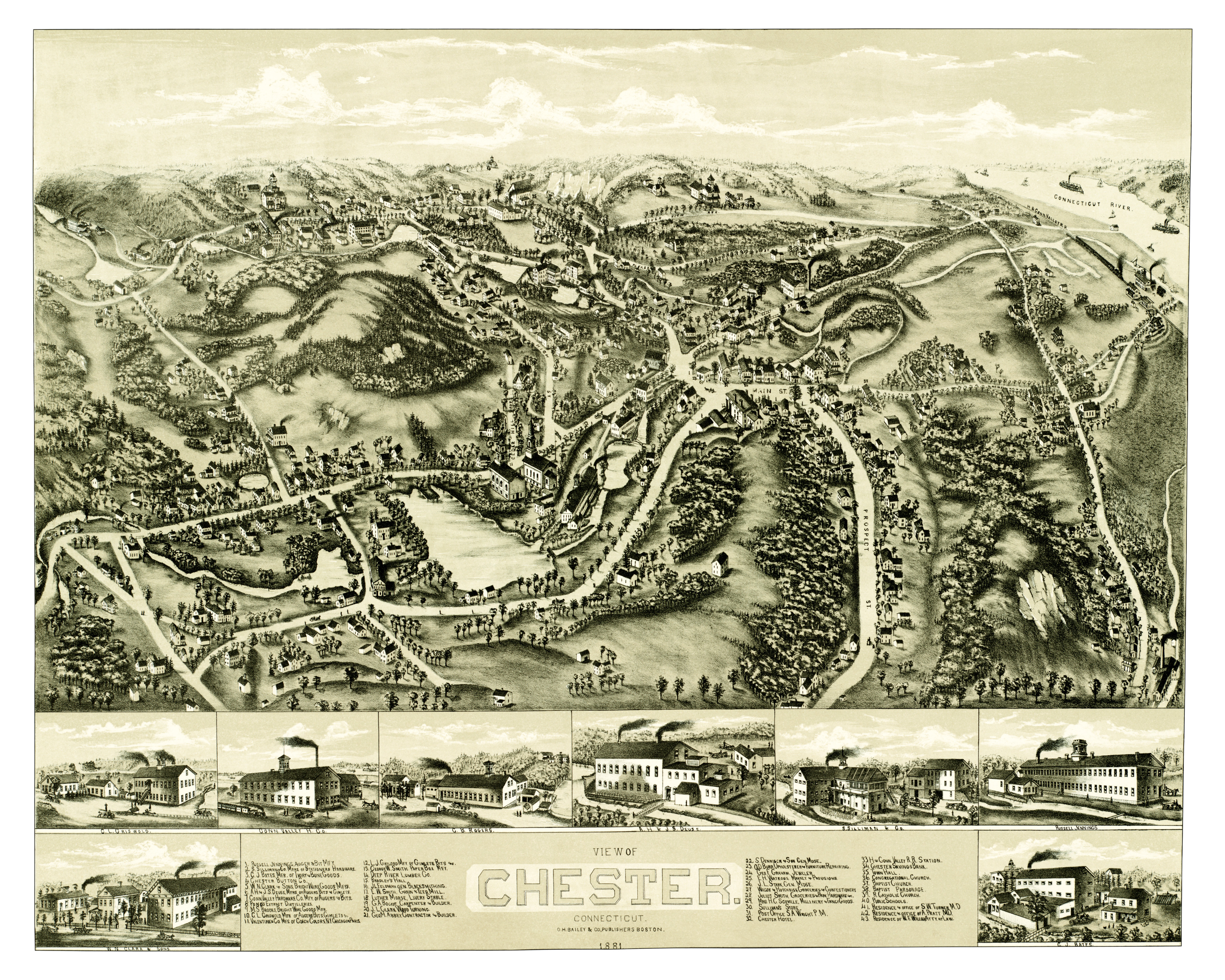
Tucked away on the banks of the Pattaconk Brook in Chester, Connecticut, this mid-19th century industrial building contributes to the town’s vibrant industrial past. Built in 1850 by Charles L. Griswold (1822-1901) the mill ran on water power and originally produced auger bits, wood screws, corkscrews and other light hardware under the name Chester Manufacturing Company, before closing in 1919. In the early-mid 20th century, the building was occupied by the Solar Masonic Lodge No. 131, who renovated the building and removed all the original factory equipment. The National Theatre of the Deaf bought the building in 1983 and restored the original openings, using the building for rehearsal space and small performances until the theater company moved to Hartford in 2000. With its future uncertain, the old Griswold Mill was purchased by the Chester Historical Society, who opened it as the Chester Museum at The Mill in 2010.

Leet Store // 1909

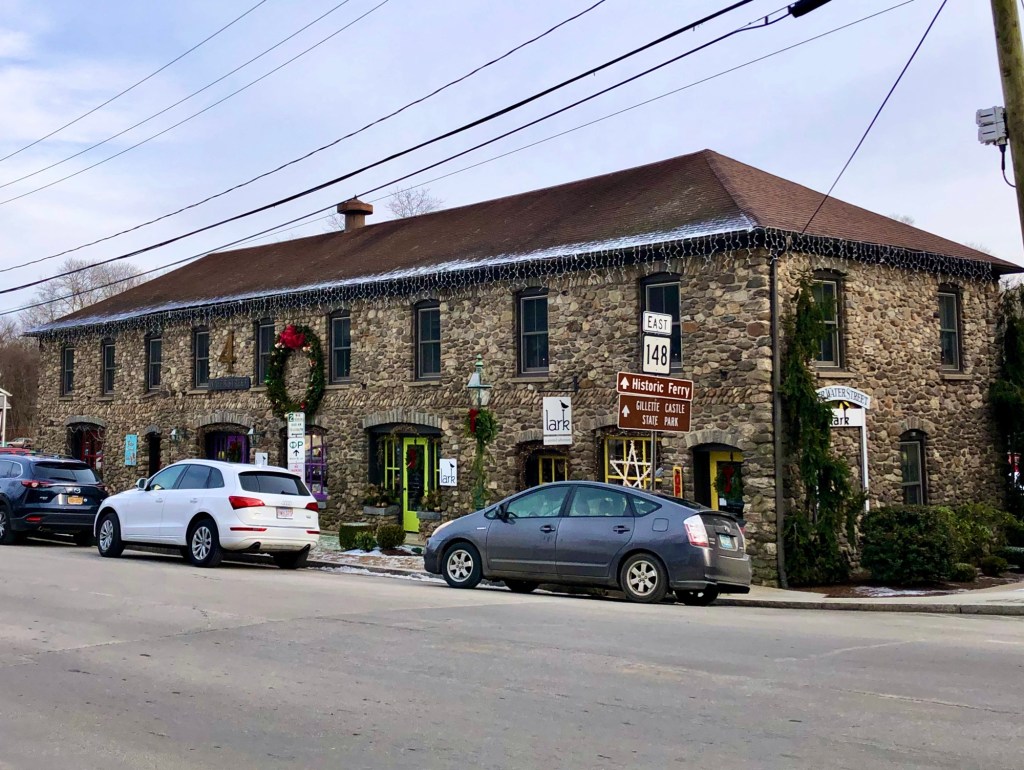
The handsome rubblestone commercial block at the corner of Main and Water streets in Chester, Connecticut, was built in 1909 by Italian stone masons for Joseph H. Leet and contained a grain and feed store, with other spaces in the building rented out. Decades later, the old Leet Store became a auto repair shop and the upstairs space was used as a meeting hall and theater for the community. The building was restored in 1979 and expanded at the rear with a two-story wood-frame addition for additional commercial space.

Old Stone Store, Chester // 1809

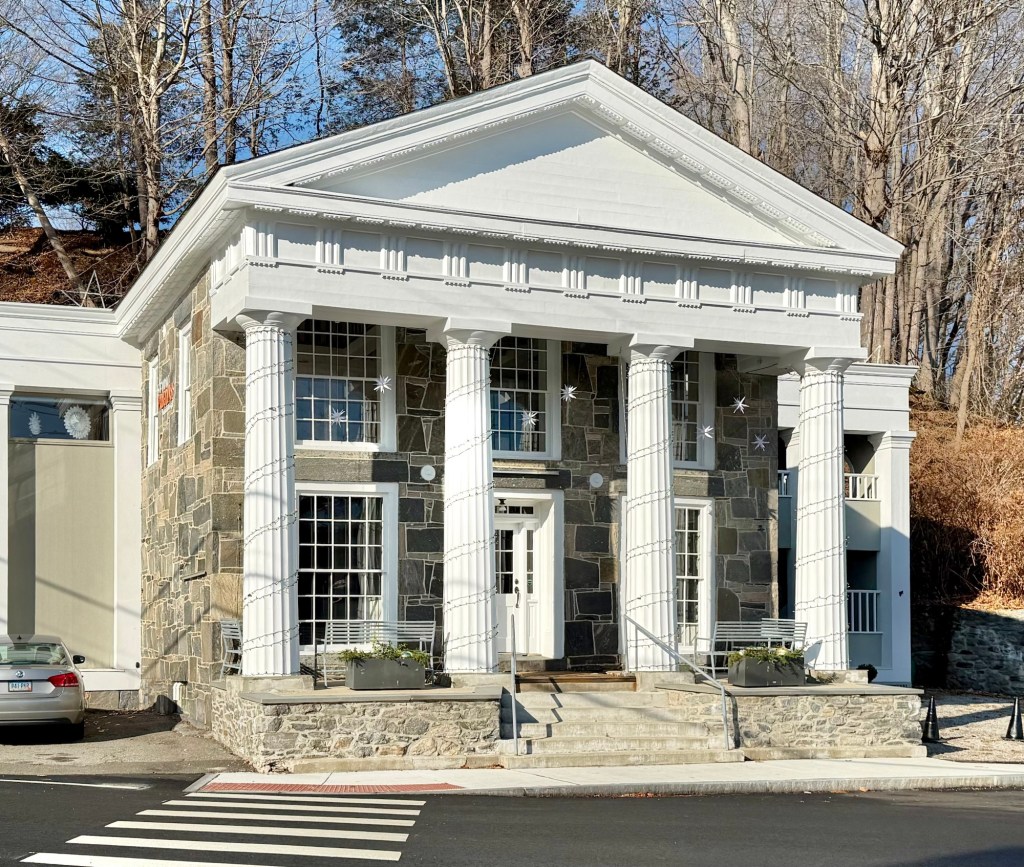
Colloquially known as the “Stone Store,” this handsome stone structure in Chester Village, Connecticut, was built by William Buck in 1809, a merchant involved in the West Indies trade. The stone for the building is believed to have come from the Chester quarry in town and was likely more vernacular without the columned portico. The four-columned Doric portico was likely added in the 1830s or 1840s as the Greek Revival style surged in popularity. The two side wings were added in the 20th century. The Old Stone Store has held various uses from a store, tavern, post office and liquor store, while the upper floor has served as a private school, the town’s library and an apartment. The Old Stone Store today acts as the western terminus of the town’s Main Street commercial district.

Dunk Homestead // c.1672

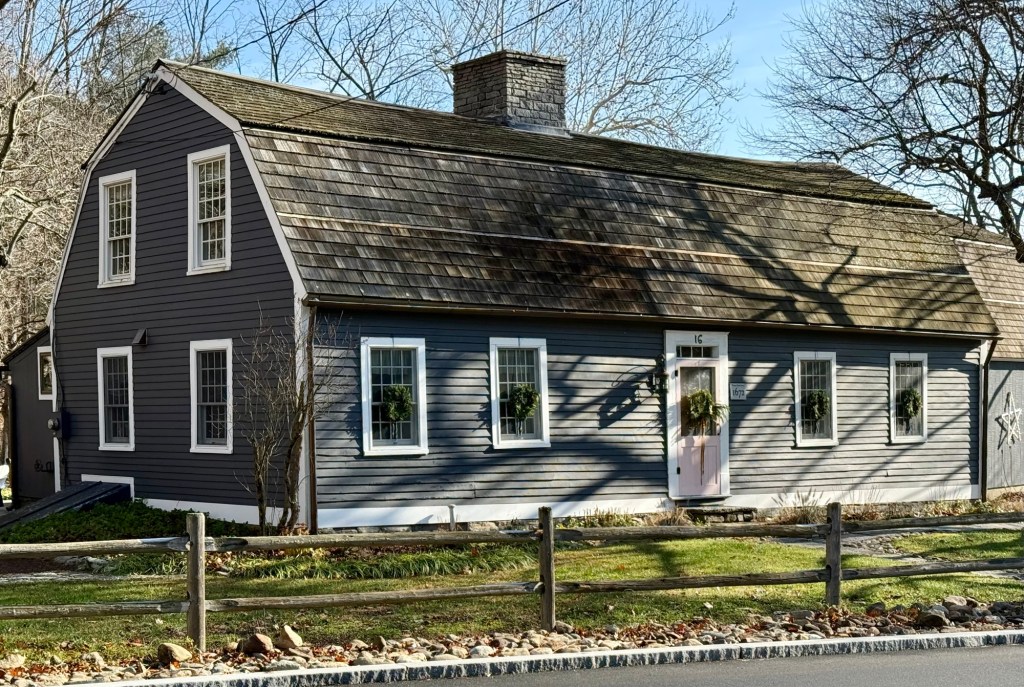
The oldest building in Chester, Connecticut, is believed to be this First Period residence on North Main Street, which was originally built sometime after 1672, when land here was deeded to Thomas Dunk (1648-1683). The property was inherited by various members of the Dunk family, including Deacon Jonathan Dunk (1711-1781), who added onto what was originally a one-room, gambrel-roofed house as their families and wealth grew. The old Dunk Homestead is one of the many great landmarks in Chester and has been lovingly preserved for over 350 years!

Chester House Hotel // c.1840

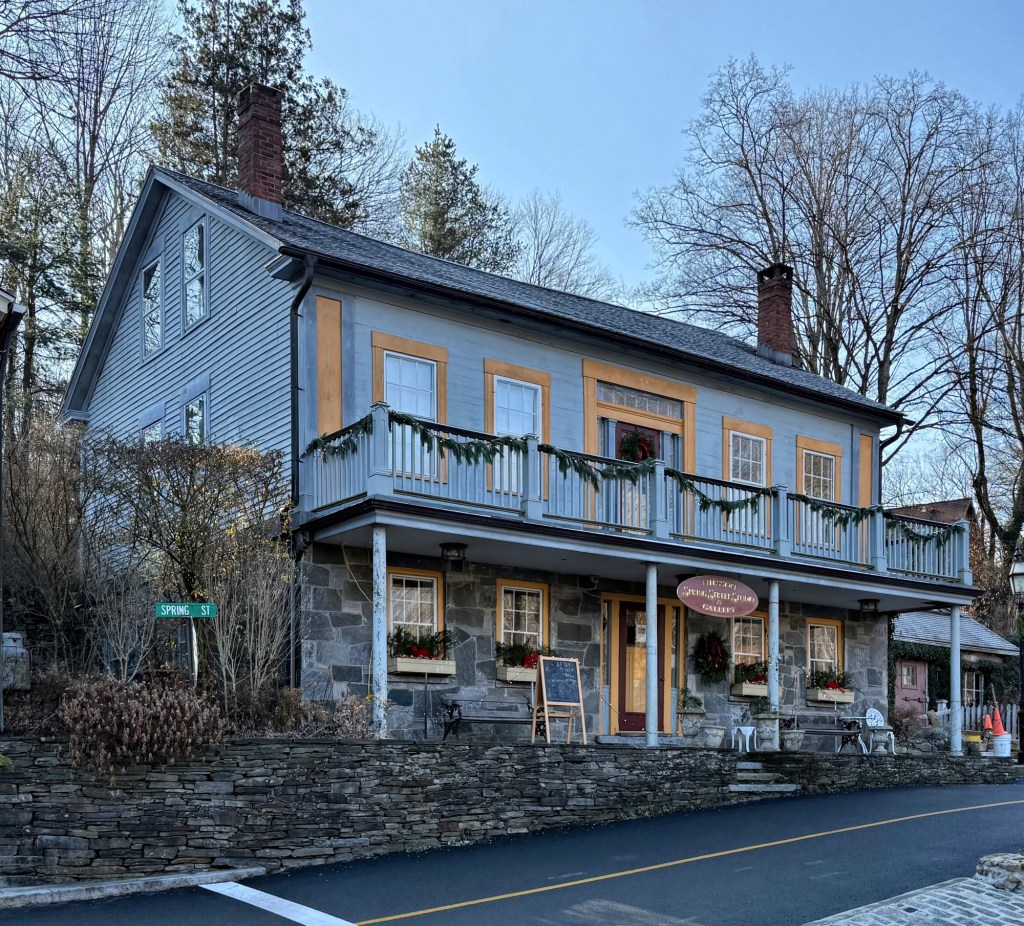
This altered building in the center of Chester Connecticut’s village Main Street, has historically been known as the Chester House, a hotel and tavern to provide lodging and drinks to travelers passing through the area in the mid-late 19th century. The structure, built atop a raised stone foundation, was constructed in the Greek Revival style around 1840, and long had a sheltered two-story portico supported by four monumental columns under a gabled roof which resembled a pediment. In 1903, a fire destroyed the upper floor and the roof was removed, creating a flat roof design. Later in the 20th century, a shallow side gable roof replaced the flat roof and the columns on the facade were also removed, giving the building the appearance we see today. The hotel closed, but the historic structure remains an anchor to the town’s vibrant commercial center, and houses a local business.

Charles Daniels House // c.1826

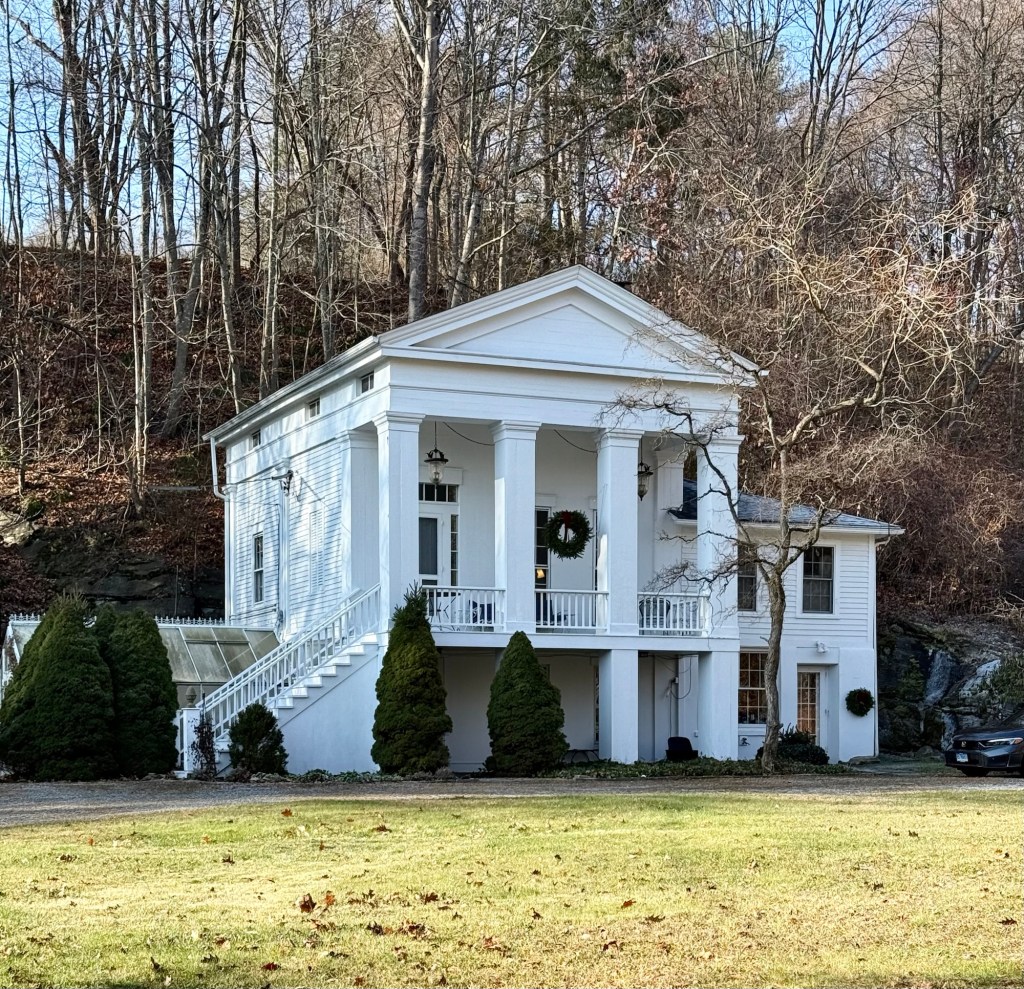
The Charles Daniels House in Chester, Connecticut, is a sophisticated and excellently proportioned and designed example of a single-family residence in the Greek Revival style. Features like the Doric portico, flushboarding and frieze windows are components of a skillful design that has been credited to architect Ithiel Town, but this is unsubstantiated. The home was built around 1826 for Charles Daniels (1799-1838), a gimlet manufacturer, who had his factory nearby. Charles died in 1838, and the property was inherited by his second wife, Abby Gilbert, who also remarried and lived here with her new husband, Clark N. Smith, and they resided here until the early 1900s. Later, the residence was owned by the adjacent mill company, and used temporarily as a storage facility. The location adjacent to the deteriorating factory threatened the significant Daniels House, so in 1978, architect Thomas A. Norton had the house moved a short distance away onto the present site. The house was listed in the National Register of Historic Places and has been preserved, inside and out, by later owners.

Ezra L’Hommedieu House // c.1835

Ezra L’Hommedieu (1772-1860) settled in Chester, Connecticut, in 1812 with his brother Joshua, and built a factory on the south branch of the Pattaconk Brook, which cut through the small village. The brothers manufactured gimlets (not the cocktail), a small wood-boring hand tool used to drill precise pilot holes for screws or nails, preventing wood from splitting and making driving fasteners easier. Ezra invented and patented the single-twist ship auger in 1812, which helped propel Chester into a prominent ship-building community. From his success, Ezra had this residence built on North Main Street in about 1835, which, like his brother’s house on Maple Street, blends Federal and Greek Revival styles elegantly.

Buck-L’Hommedieu House // c.1755

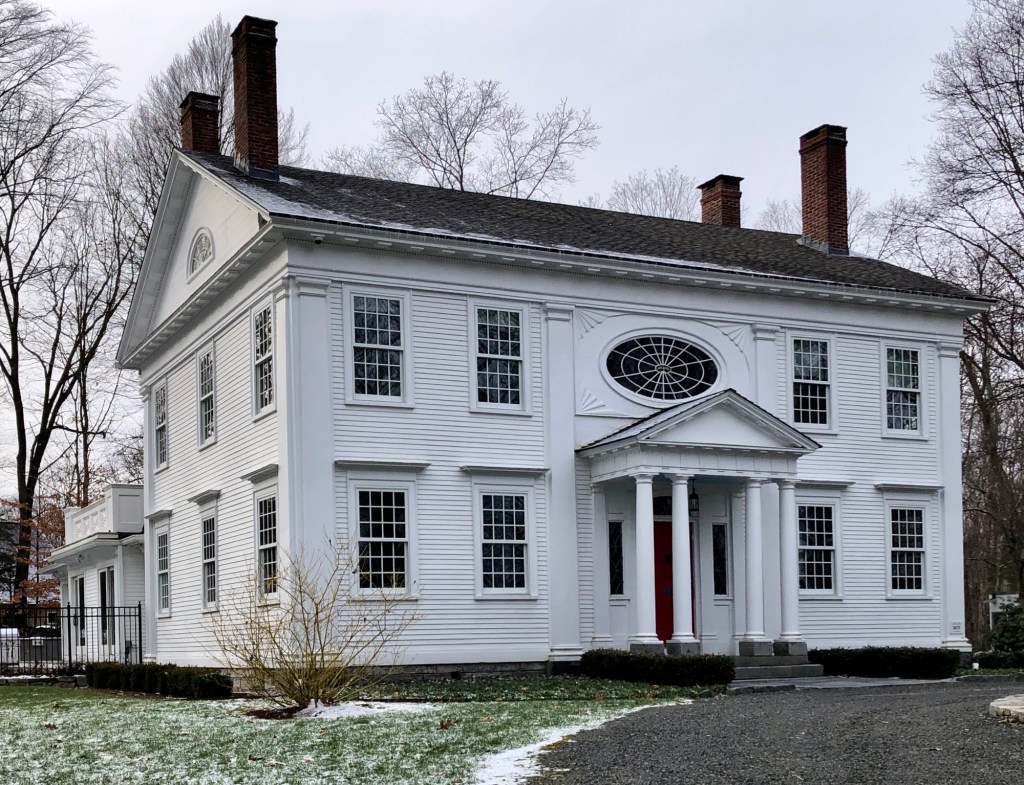
This beautiful Federal style side-hall house is located on Maple Street in Chester, Connecticut, and (at least a part of it) was built by 1755 by Isaac Buck, who deeded half of the property to his son, Justus, during his lifetime. In the early 1800s, the property was purchased by Joshua L’Hommedieu (1787-1880), a manufacturer, who had the property redeveloped or redesigned in the Federal style giving it the appearance we see today. The house has its gable end oriented to the street with an elliptical fan and dentil block detailing.

Leet-Ely House // c.1787

One of the finest homes in Chester, Connecticut, can be found on Liberty Street, a short distance to the village green. The Federal style house dates to about 1787 and was built by Gideon Leet, a Revolutionary War veteran and joiner as his own residence. After Gideon’s death, the property was purchased by Dr. Richard Ely (1765-1816), who may have expanded the residence, and worked locally as a town doctor. The property remained in the Ely familyfor generations and minimal changes have occured to the exterior as a result of this. The modillon cornice, corner quoins, and fanlight transom sheltered under a columned portico add to the charm of this great house.