William G. Low House // 1887-1962

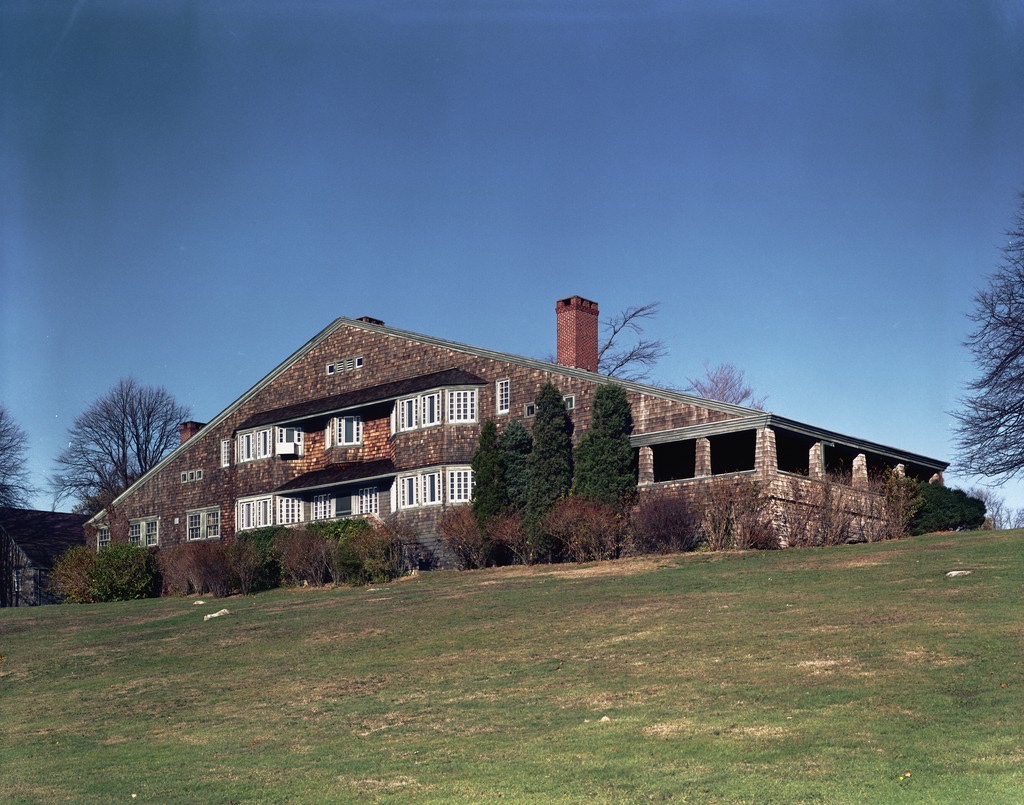
One of the many significant losses to American architecture is the demolition of the Low House, a perfect encapsulation of the Shingle style of architecture by one of the most prolific designers in American history. The William G. Low House was constructed at the southern tip of Bristol, Rhode Island by esteemed architect Charles Follen McKim (my personal favorite) of the firm McKim, Mead & White. The Shingle style, which took off in the Northeast United States, primarily in seaside communities in the late 20th century, the homes of the style often had a strong horizontal emphasis. The style contrasts the other Victorian-era styles, de-emphasizing applied decoration and detailing in favor of complex shapes wrapped in cedar shingles. The Low House, formerly located on Low Lane, stood out for its 140-foot long gable which appeared to protrude right from the hilly outlook. The home was demolished in 1962, but was documented by the Historic American Buildings Survey program, which documented the home inside and out before it was a pile of rubble. Architectural historian Leland Roth later wrote, “Although little known in its own time, the Low House has come to represent the high mark of the Shingle Style”.
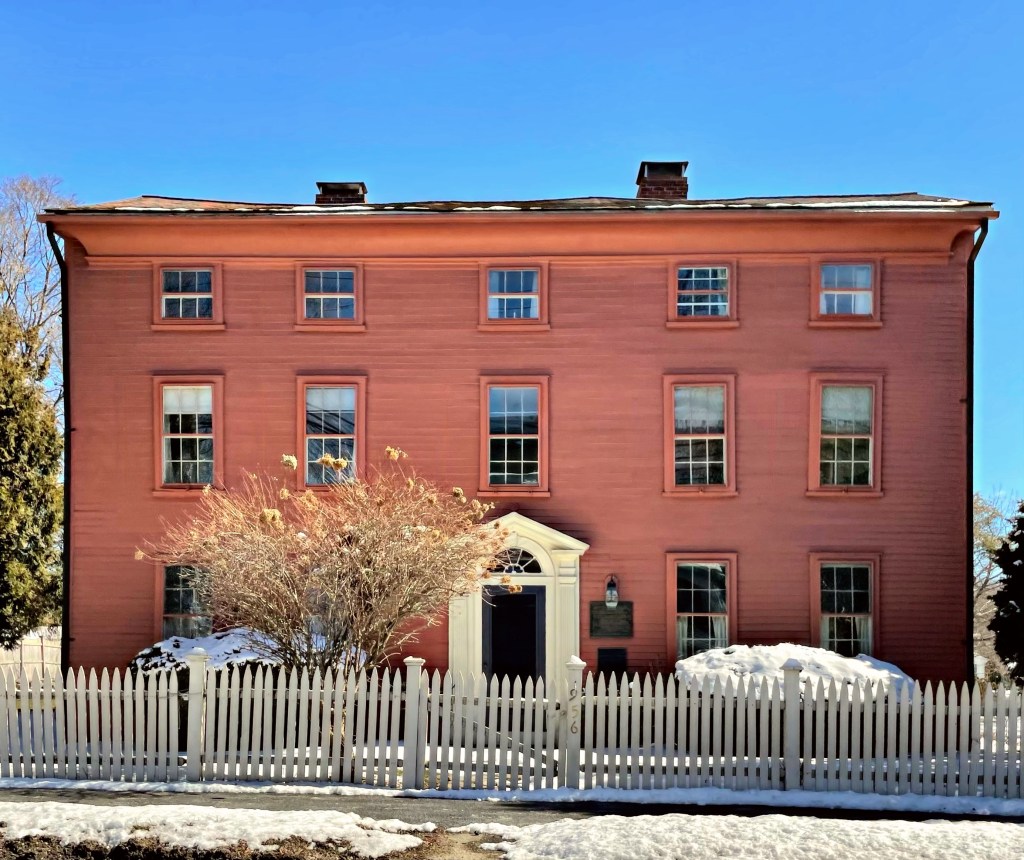
Joseph Reynolds House // 1698

This three-story wood-frame house is one of the oldest buildings in Bristol and the oldest known three-story building in Rhode Island. The home was built by Joseph Reynolds (1679-1759), a patriarch in the Reynolds Family, who later built the Reynolds-DeWolf House I featured previously. The house is five bays wide and three deep with the roof extending lower to the rear, giving the house a classic New England saltbox appearance. Joseph built this house, and also operated a tannery and gristmill on his land. The home is nationally significant as during the ownership of the house by his son Joseph II, Marquis de Lafayette occupied the north parlor chamber. Lafayette was a general in the Continental Army and was responsible for the defense of Bristol and Warren from September 7 to 23, 1778 during failed military operations to drive the British from occupied Newport. The home was added onto and altered in 1790 to give it the current design, with Federal detailing. The home remained in the Reynolds Family until 1930.

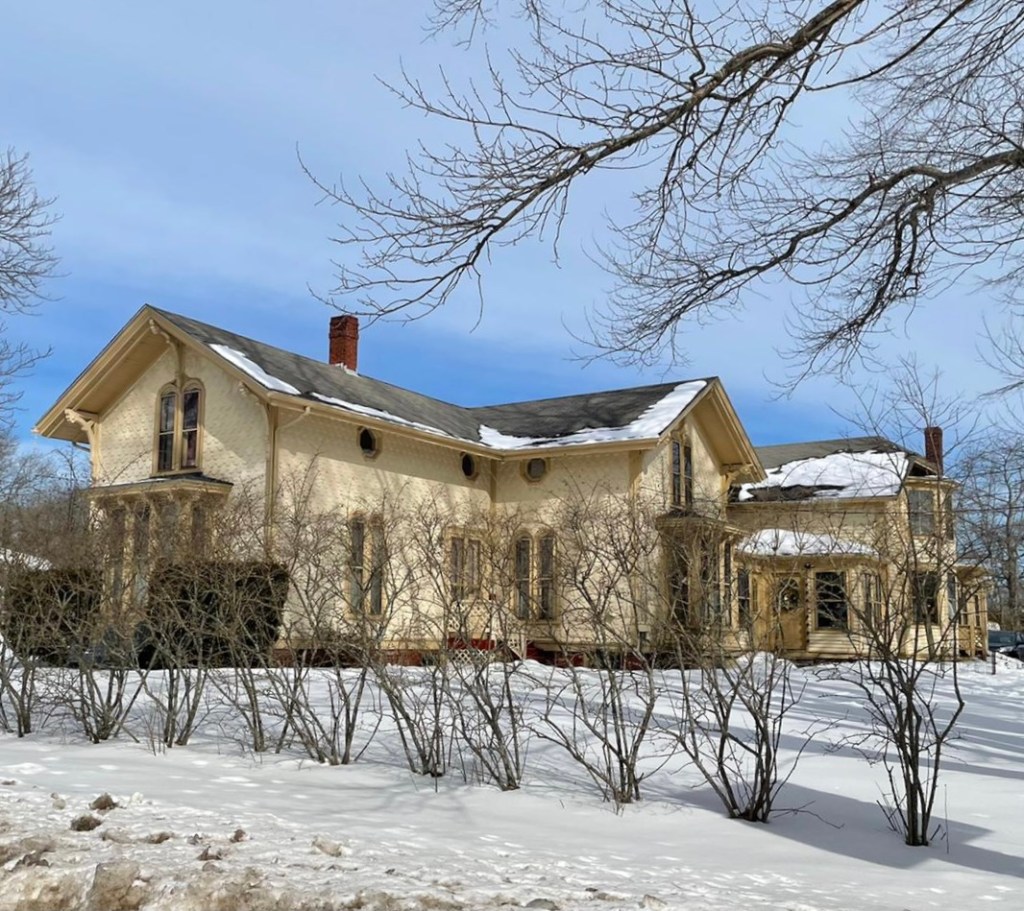
312 Ocean House Road // c.1870

This charming home in Cape Elizabeth, Maine looks to have been built after the American Civil War, as an interesting Italianate cottage. The home is clad with scalloped shingle siding which works well with the paired round headed windows facing the street. The deep overhanging eaves are supported by brackets. Running under the eaves on the sides are octagonal windows, a very unique detail. The home is located at the center of town, away from the summer cottages which sprouted up along the rocky coastline in town starting around this time. It was converted into condominium units sometime in the late 20th century.

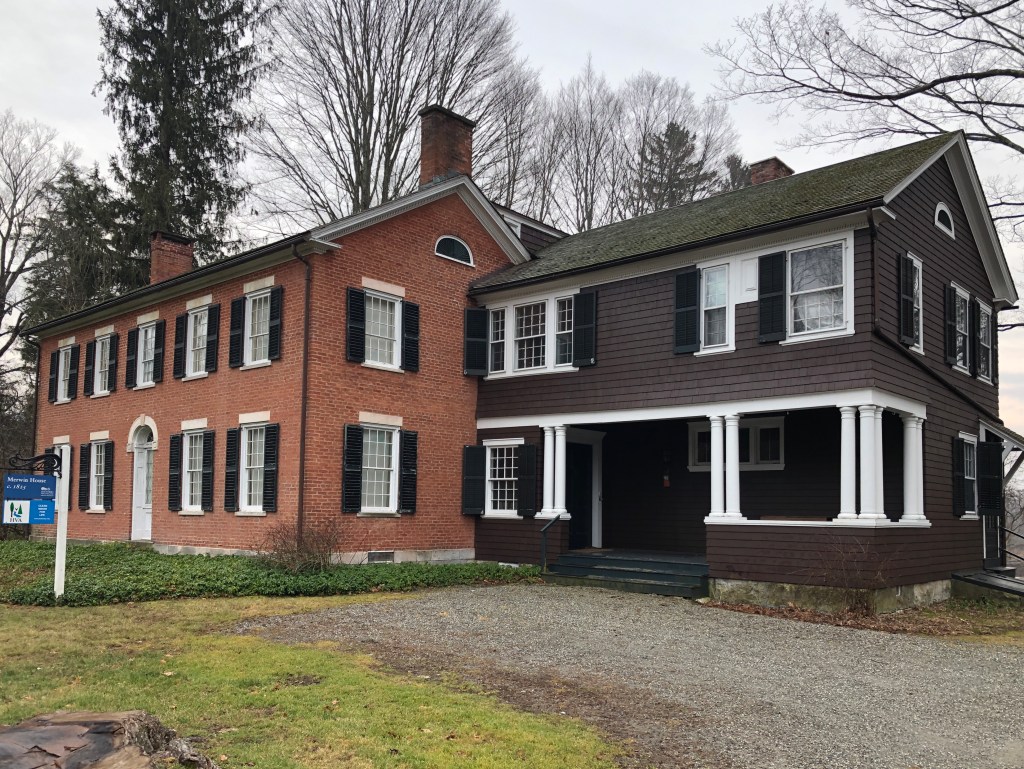
Merwin House // 1825

In about 1825, Francis and Clarissa Dresser built this charming brick Federal house in the rural town of Stockbridge, MA. Just 25 years later, the railroad arrived to town, connecting it to Connecticut and New York to the south, opening the town up as a leisure destination for wealthy city dwellers looking to escape the noise and congestion of the city. The period following the Civil War through World War I saw the Gilded Age reach the Berkshires. With artists, writers, financiers, and industrialists flocking to the rural hills of western Massachusetts for seasonal escapes. In 1875, William and Elizabeth Doane, wealthy New Yorkers, purchased Merwin House from the Dresser family to use as a summer retreat. As the Doane family grew to include two young daughters, Vipont and Elizabeth, they added a Shingle Style side addition to the original brick structure. The home became known as “Tranquility”, even after the home was willed to daughter Vipont. After a couple marriages, Vipont married Edward Payson Merwin, a New York stockbroker. Historic New England acquired Merwin House in 1966, shortly after the death of Marie Vipont deRiviere Doane Merwin, known as Vipont. It was her desire to leave Merwin House as a museum, as her will states, “as an example of an American culture which is fast becoming extinct.” The space is occasionally open for tours and is partially occupied by the Housatonic Valley Association.

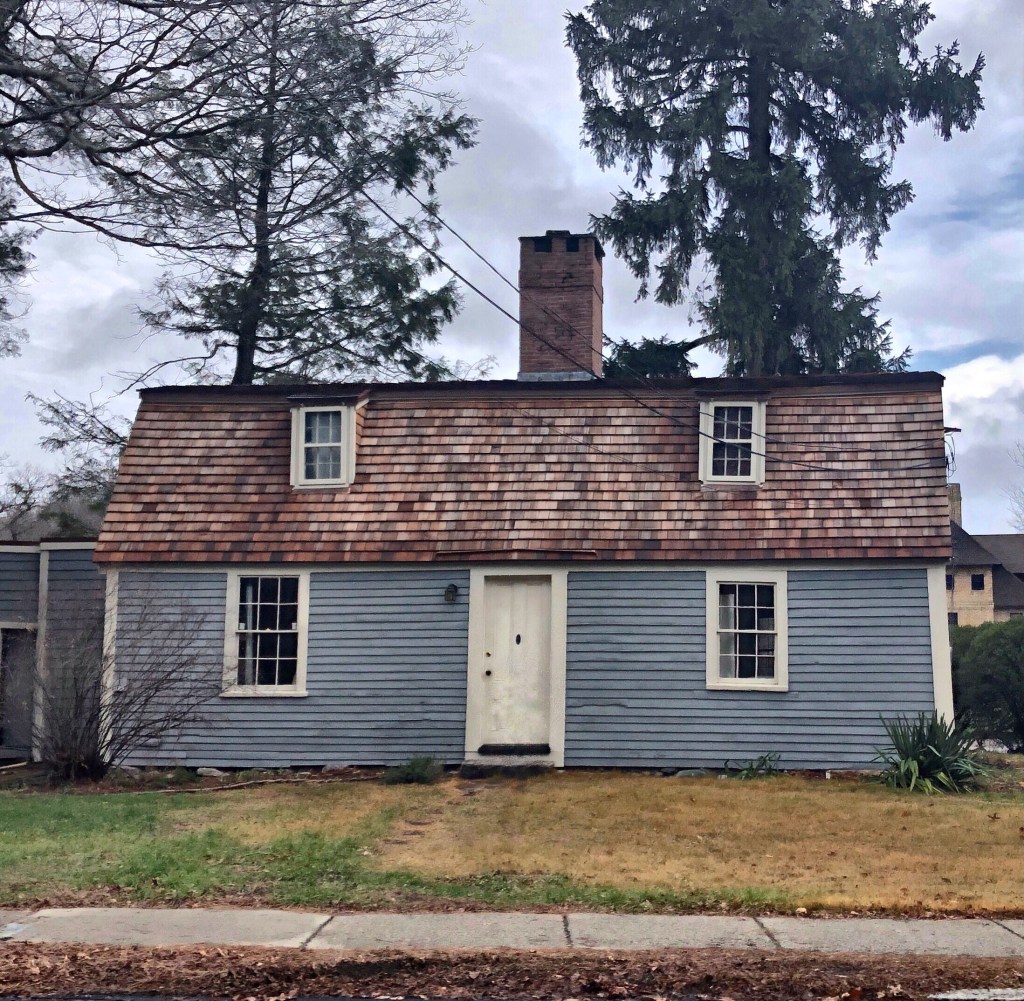
Hannah Harris House // c.1772

This cute little Georgian home in Brookline was built around 1772 for Hannah Winchester Harris, a widow at the time. Hannah’s husband, Timothy died in 1772 and it appears the widow had this small gambrel-roofed home constructed sometime soon after. Ms. Harris died in 1805 and the home was occupied by a new family, who added the saltbox addition. The home is today owned by the Town of Brookline, who maintain the building through the Brookline Historical Society. the home sits on the boundary of the old Weld Estate.

Conant House // c.1800

This stunning Federal home in Hollis, NH was built around 1800 for Josiah Conant, likely as a wedding gift to his new wife, Lucy. Conant was a cabinetmaker by trade and his shop was located across the street, and according to local sources, he used his woodworking skills on the inside and out of his home, with intricate details including mantels, wainscoting and exterior cornice. Half of the second floor was originally a dance hall and was later used for a reading or writing school school run by Lucy. The brick-end Federal home features a Palladianesque entry with sidelights and an arched transom with historic windows!

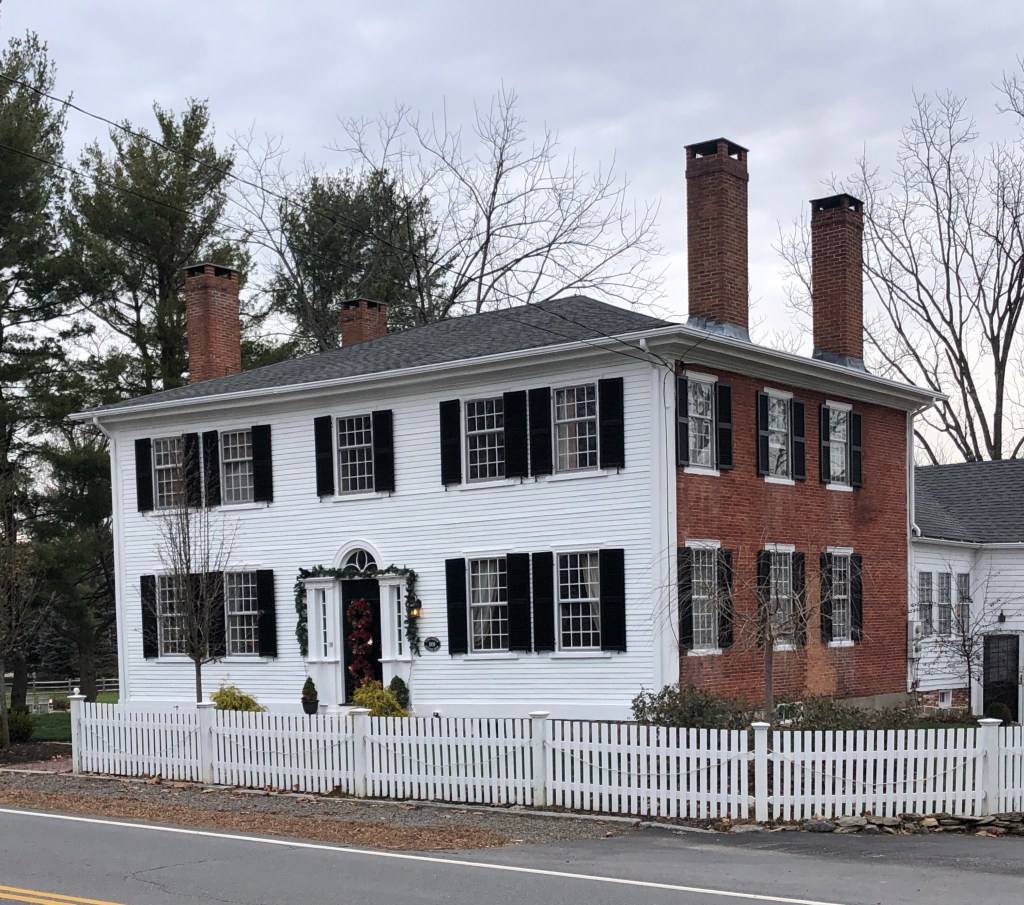
Charles Perry House // c.1830

Charles C. Perry (1795-1870) was a wealthy nineteenth-century shipowner and sea captain and a prominent figure within Southport’s community. After his father’s death in 1814, when Charles was just 25, he inherited a large sum of money from his father’s will and followed his footsteps as a career. Miah Perry’s will stipulated that in order to keep the family together, members were to reside at the family home for five years from his death if neither of the daughters married; “but in case they remain unmarried at the expiration of five years…my estate shall not be divided until eight years from my decease unless one of the said daughters should marry…partition may be immediately thereafter made.” Talk about pressure to get married!

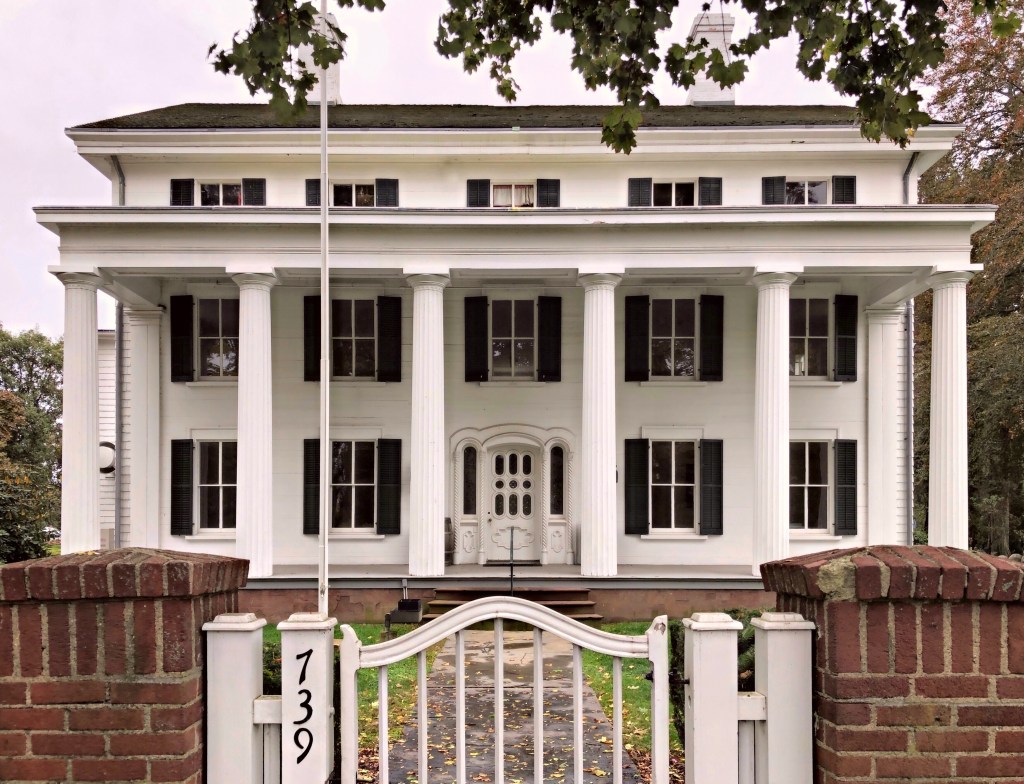
It is unclear if any daughters got married before, (Julia, one daughter died in 1821 at 22 years old). That same year, Charles Perry seemingly got his part of the inheritance and acquired the land upon which this house stands. He was then twenty-six years old and unmarried. He appears to have built it later as a blending of the Federal and Greek Revival styles, perfectly complimenting each other.

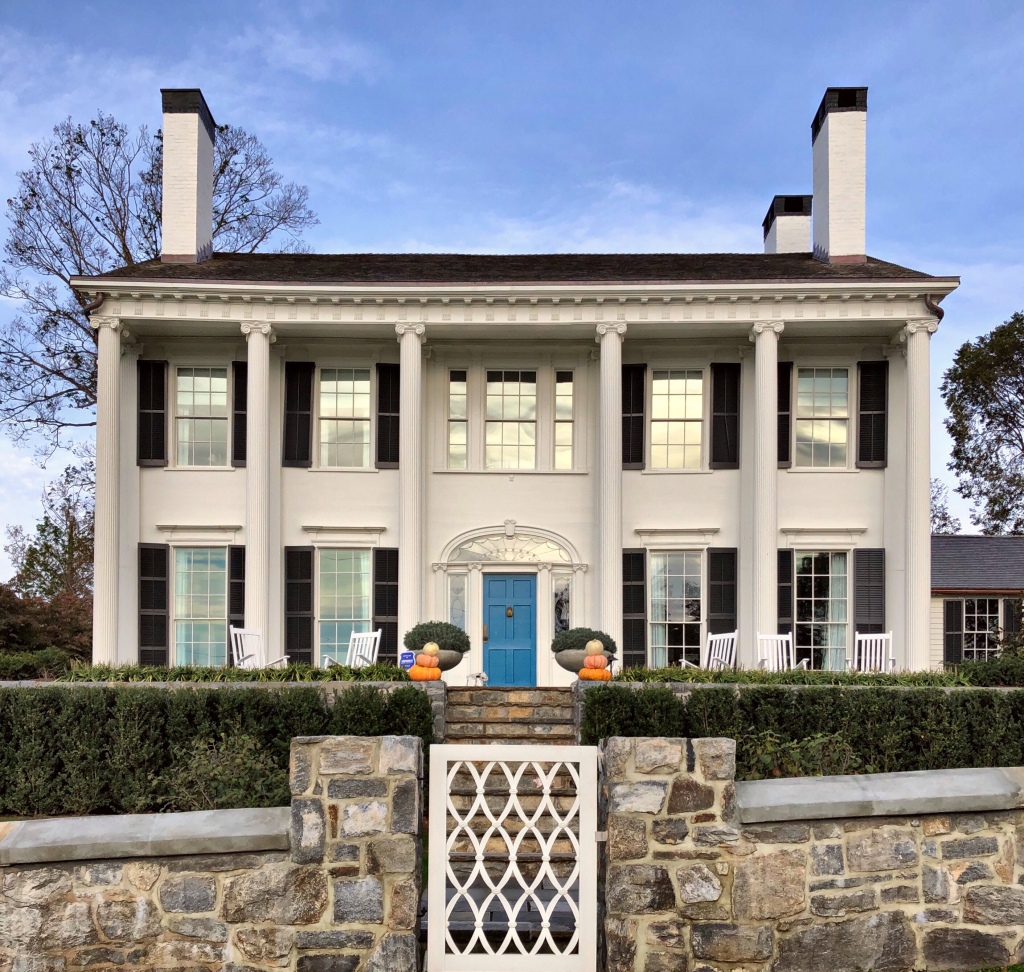
Burr Mansion // 1794

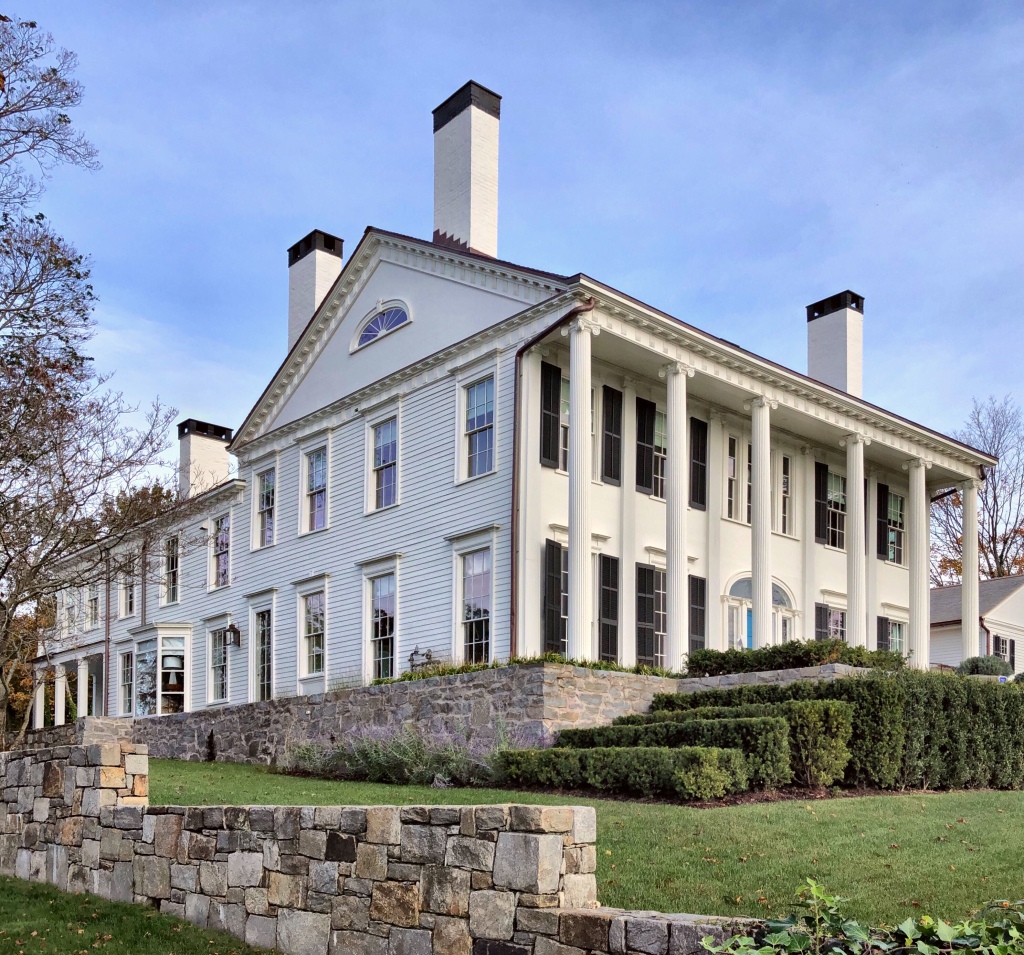
Originally built in 1775, the first iteration of the Burr Homestead, home of Thaddeus and Eunice Burr, which actually saw the marriage of John Hancock, President of the Continental Congress, to Dorothy Quincy. Thaddeus was the cousin of the famous Aaron Burr, Jr., who was the 3rd vice-president of the United States alongside Thomas Jefferson as President. Aaron Burr Jr. is best-known today through his portrayal in the popular play “Hamilton,” where he shoots Alexander Hamilton in a duel. The house was rebuilt in 1794 in its former location in Fairfield, Connecticut after a fire by the British in Fairfield destroyed the first. The home was willed to Thaddeus’ son General Gershom Burr, who eventually sold the mansion to Obadiah Jones. Mr. Jones updated the home by, ““taking out the dormer windows and lifting the roof, taking away the porch and building the broad veranda with its lofty massive fluted columns”. The home was eventually gifted to the Town of Fairfield and is presently maintained by the Fairfield Museum and History Center.

Frederick Henshaw House // 1888

After the completion of the Waban Station, providing opportunity for residential and commercial development due to transit to and from Boston, two men sought to develop the area into attractive housing lots. In 1886, Dr. Morrill Wyman, founder of Mount Auburn Hospital in Cambridge, sold the old Wyman Farmhouse (still extant) and 150 acres of farmland to real estate speculators. The speculators, Charles Page and Frederick Henshaw, proceeded to subdivide the land into 87 house lots, creating this suburban neighborhood in Waban we know today. Frederick Henshaw sought to build his own home adjacent to the old farmhouse and hired H. Langford Warren (who then owned the farmhouse next door), esteemed architect and then Dean of the Harvard School of Architecture to complete designs. The Queen Anne mansion with its bold octagonal bay commands the corner lot and is a well-preserved significant home in the neighborhood.

William F. Goodwin House // 1888

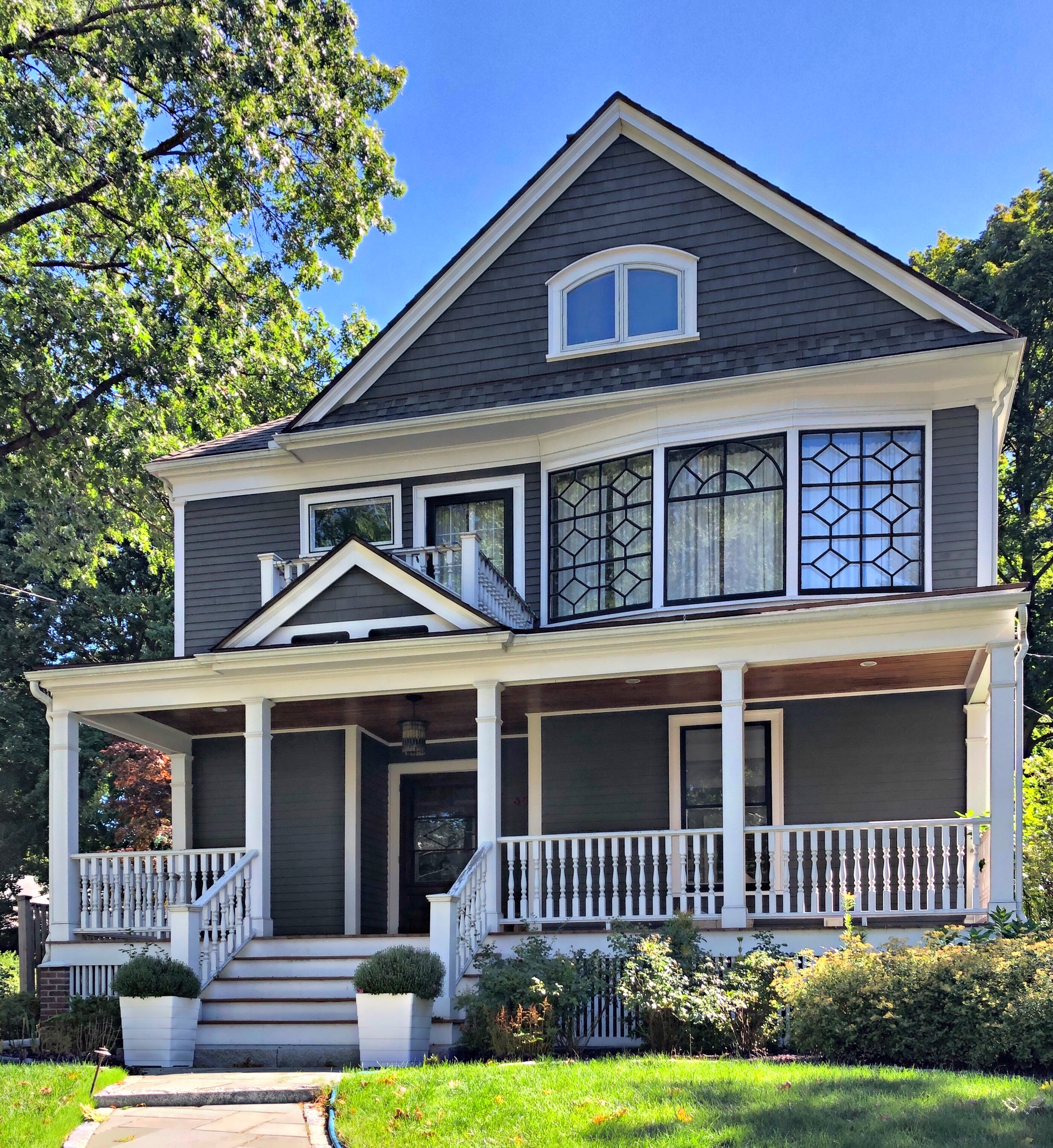
When an architect designs their own home, they typically focus on the minute details which can make such a difference, often because they know what works and what doesn’t! This home was designed and built for William F. Goodwin, an architect with an office in Downtown Boston. After the Waban Station was built in 1886, he sought open space and a large home in suburban Boston, to get away from the hustle-and-bustle of daily life. Years after he moved into his home, he gifted his services to design the neighborhood’s first church, the Church of the Good Shepherd.