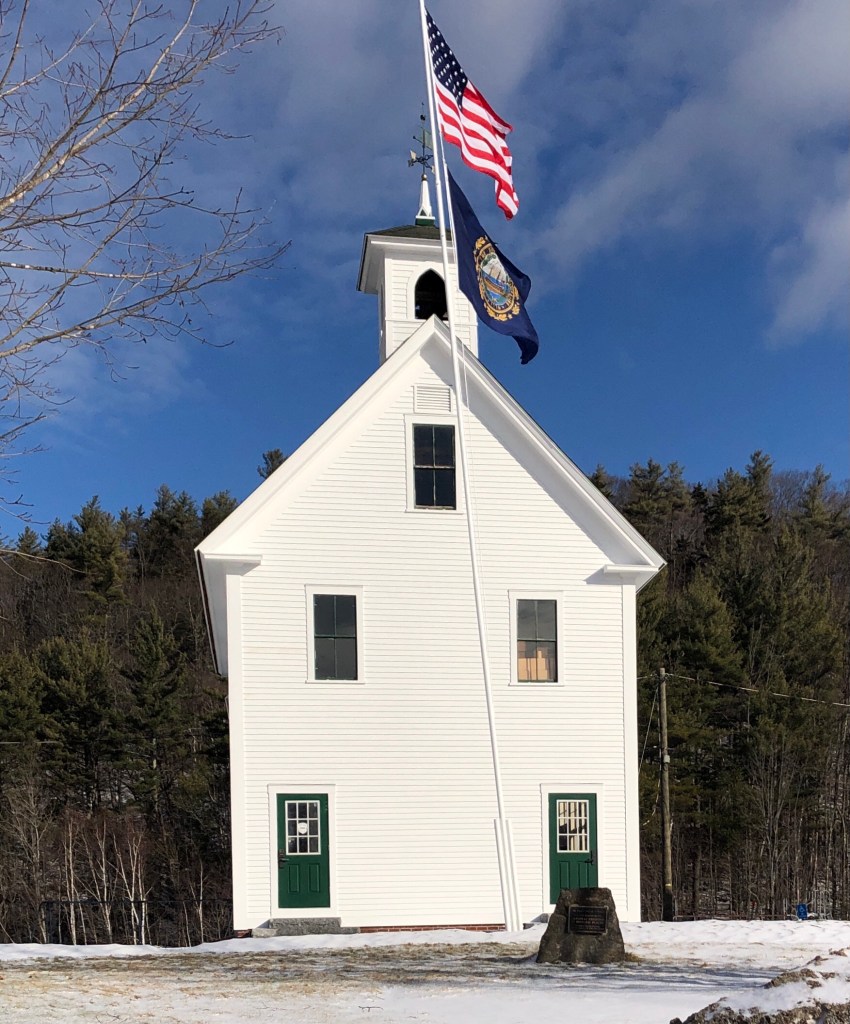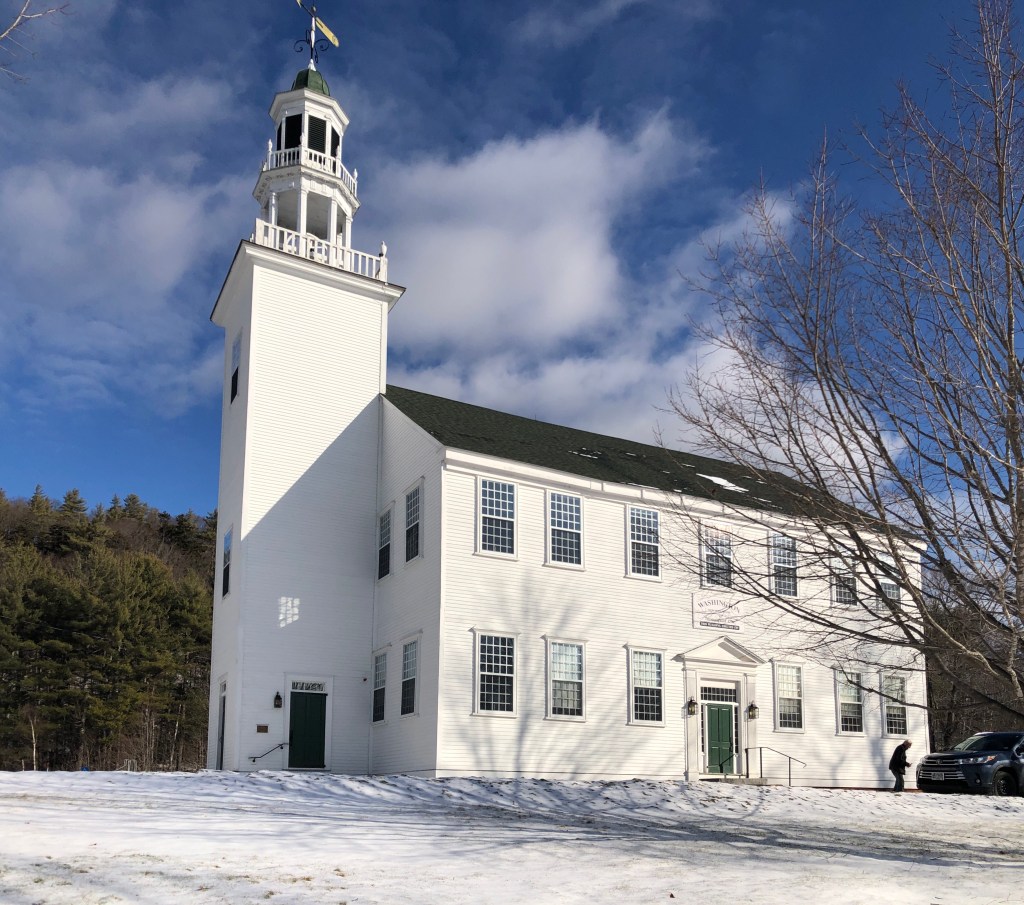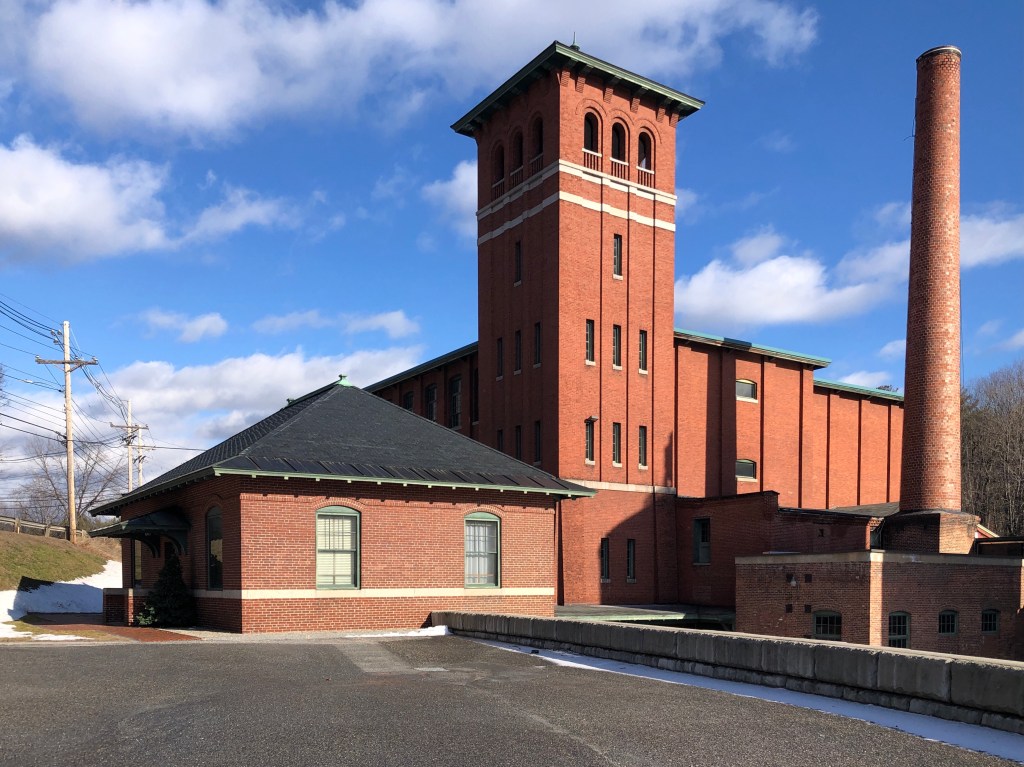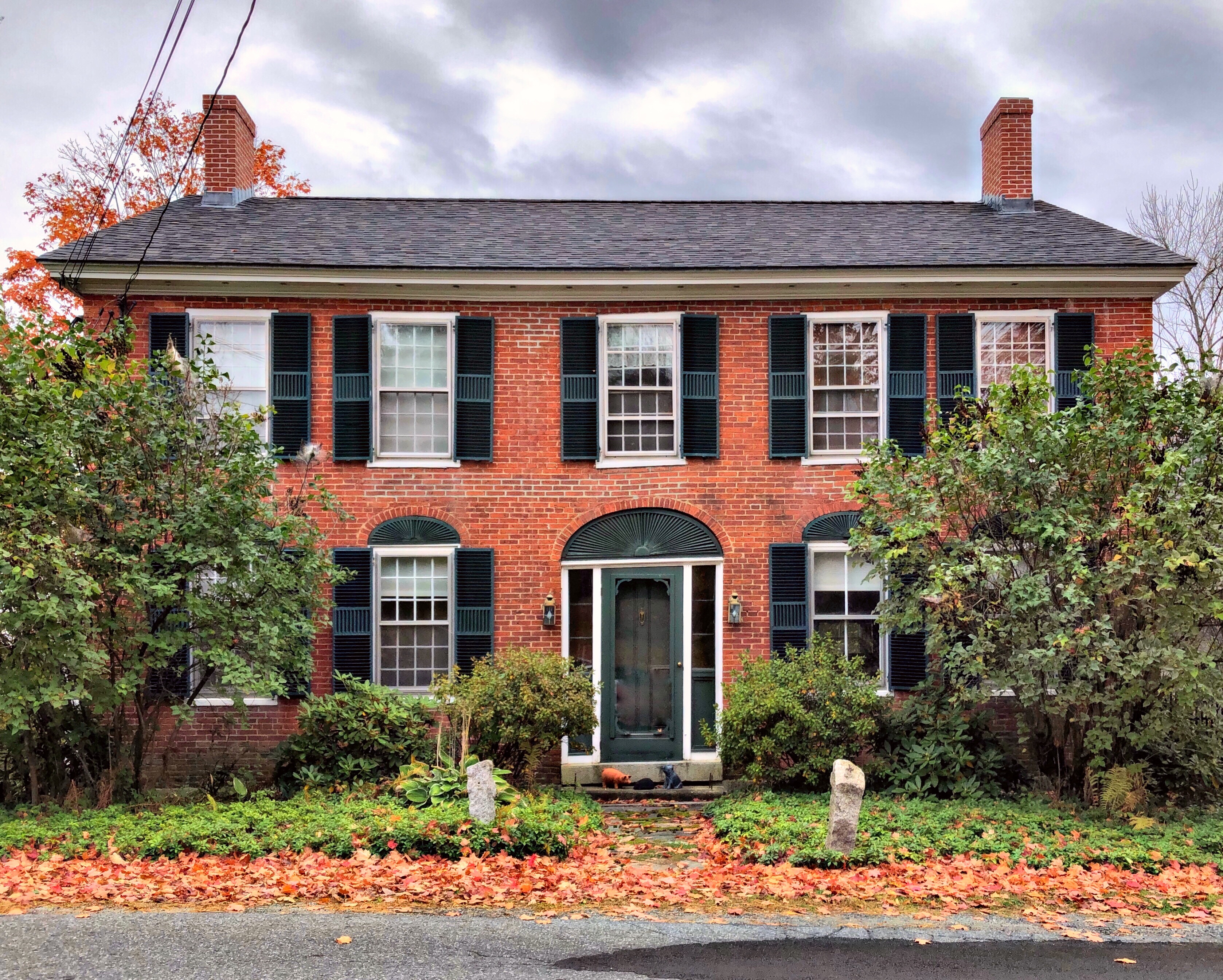
Merwin House // 1825

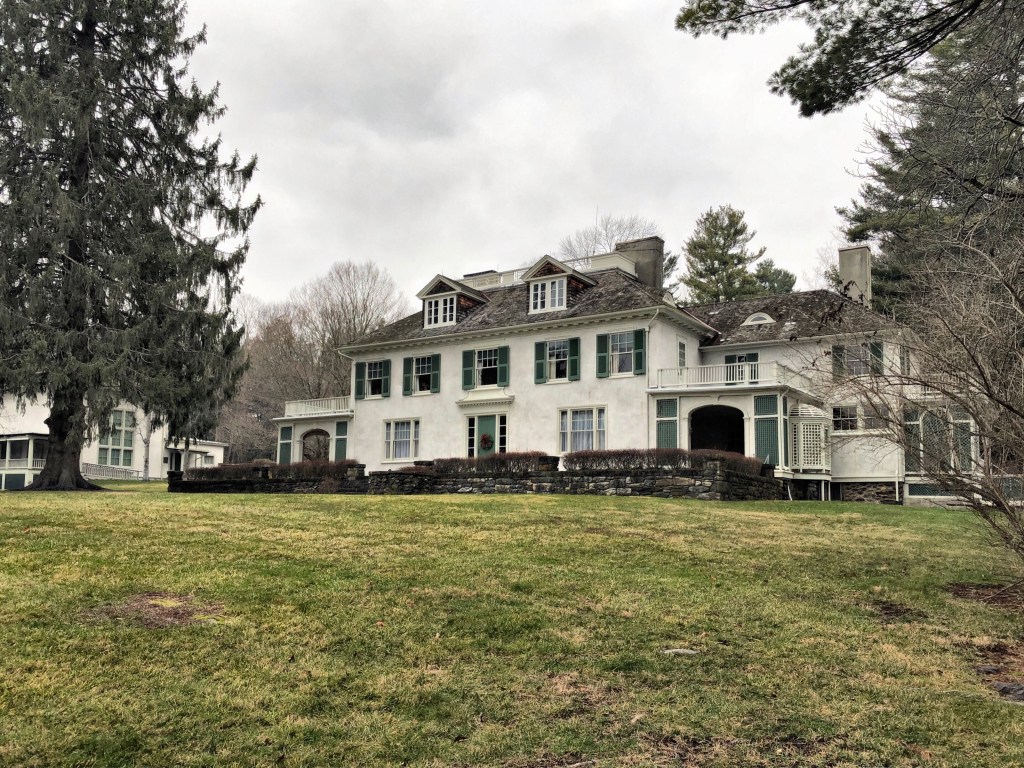
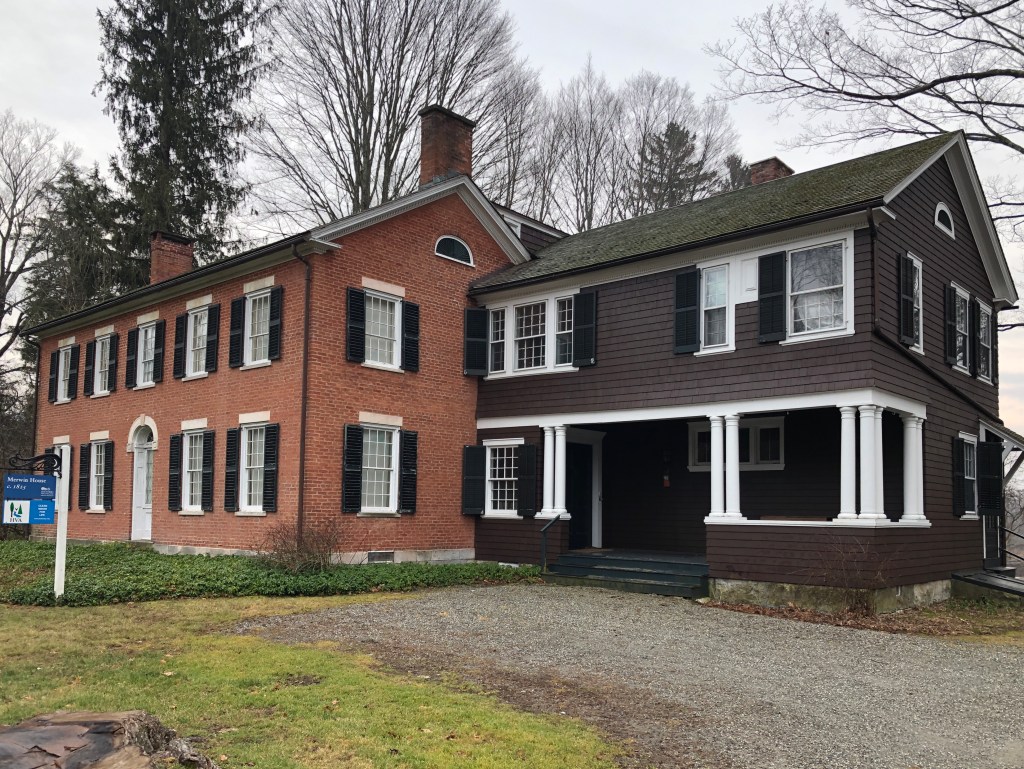
In about 1825, Francis and Clarissa Dresser built this charming brick Federal house in the rural town of Stockbridge, MA. Just 25 years later, the railroad arrived to town, connecting it to Connecticut and New York to the south, opening the town up as a leisure destination for wealthy city dwellers looking to escape the noise and congestion of the city. The period following the Civil War through World War I saw the Gilded Age reach the Berkshires. With artists, writers, financiers, and industrialists flocking to the rural hills of western Massachusetts for seasonal escapes. In 1875, William and Elizabeth Doane, wealthy New Yorkers, purchased Merwin House from the Dresser family to use as a summer retreat. As the Doane family grew to include two young daughters, Vipont and Elizabeth, they added a Shingle Style side addition to the original brick structure. The home became known as “Tranquility”, even after the home was willed to daughter Vipont. After a couple marriages, Vipont married Edward Payson Merwin, a New York stockbroker. Historic New England acquired Merwin House in 1966, shortly after the death of Marie Vipont deRiviere Doane Merwin, known as Vipont. It was her desire to leave Merwin House as a museum, as her will states, “as an example of an American culture which is fast becoming extinct.” The space is occasionally open for tours and is partially occupied by the Housatonic Valley Association.

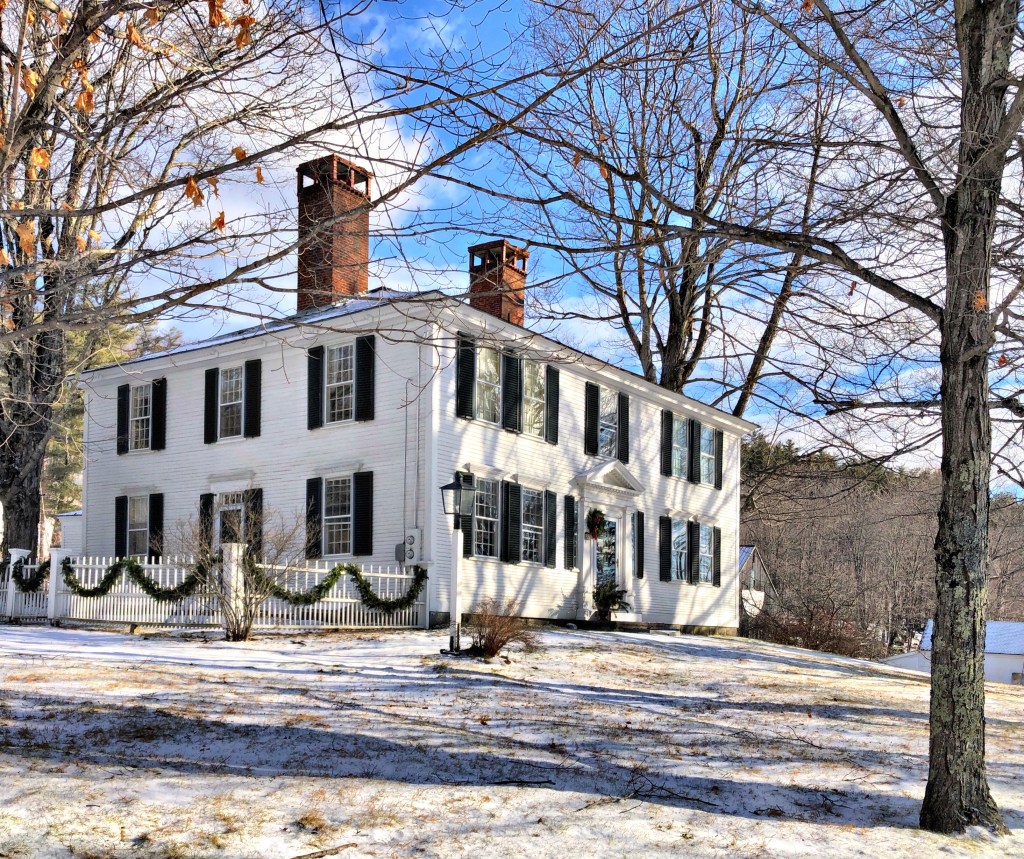
Thomas Carter House // 1830

All I want for Christmas is a brick Federal house! This home in Stockbridge, Massachusetts was constructed in 1830 by Thomas Carter (1777-1863) and his wife Anna. The couple farmed the property and had eleven children (plus two who died in childbirth). According to a family history, the lime for the mortar on the home was burned in a kiln on the property by Thomas. The ancestral home remained in the family for generations, including by John Calvin Calhoun Carter, a town selectman, who added a full-length porch on the home in the mid-late 19th century (since removed). The home’s rural charm remains even-though it sits on a busy road in the Berkshires.

First Congregational Church, Stockbridge // 1824

Stockbridge, Massachusetts was settled by English missionaries in 1734, who established it as a praying town (an effort to convert the local Native American tribes to Christianity), for the Mohican tribe known as the Stockbridge Indians. The township was set aside for the tribe by English colonists as a reward for their assistance against the French in the French and Indian Wars. From this, a Yale-educated missionary, John Sergeant began converting native people to Christianity, essentially stripping them of their own religious culture and practices. Although Massachusetts General Court had assured the Stockbridge Indians that their land would never be sold, the agreement was rescinded. Despite the aid by the tribe during the Revolutionary War, the state forced their relocation to the west, to New York and then to Wisconsin. The village was then taken over by British-American settlers who created the township.

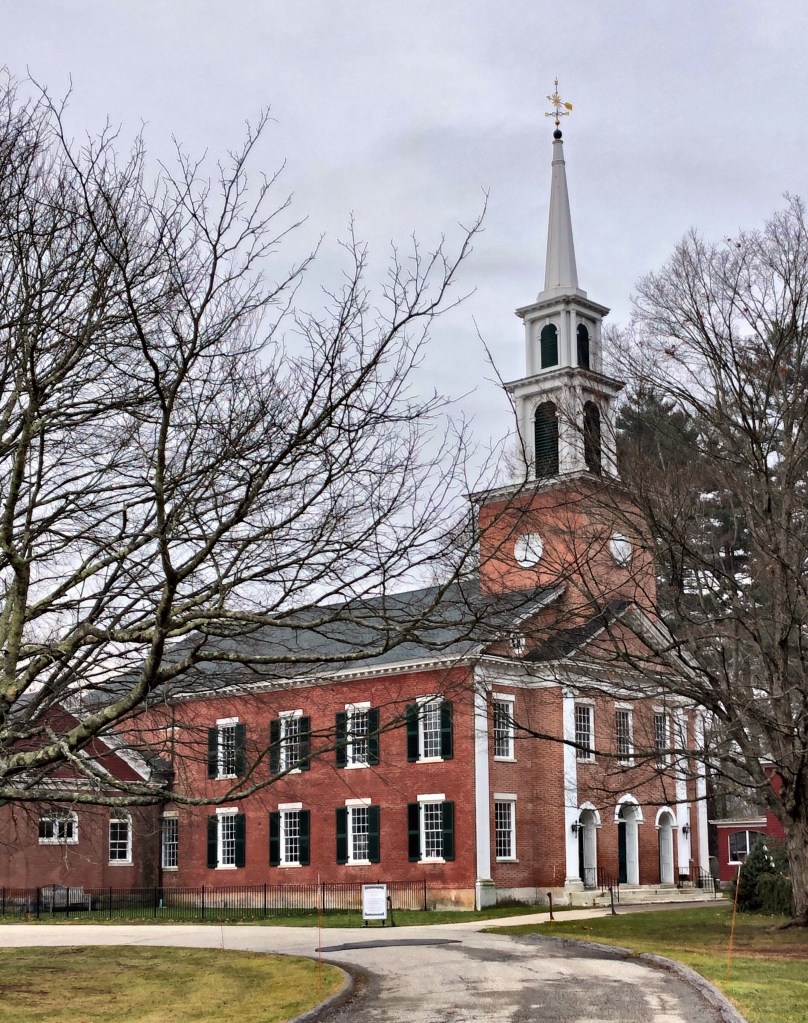
The first congregational church here was formed by Sergeant in 1734, and later succeeded by Jonathan Edwards, another minister. During his time in Stockbridge, Edwards wrote his masterpiece, Freedom of the Will, which remains one of the most studied works in American theology. Edwards later left the church to become the President of The College of New Jersey, now known as a little school by the name of Princeton. The first church was built in 1739, later replaced by a second church building that stood from 1785 to 1824. The present brick building was built in 1824 in the Federal Style. The space was occupied for town functions until the 1840s, when an official town hall was erected next door, demarcating the separation of church and state. The stunning church marks the immense influence religion had in the early colonial days of New England and the impact it had on native peoples (for better or worse).

Marion Nichols Summer Home // 1935

This summer estate in Hollis, NH epitomizes the hidden architectural splendor that can be found off the beaten path in many small New England towns. Hollis began serving as a summer destination in the late 1880s and the trend continued until WWII. In many cases, old family homesteads became summer residences for descendants who had moved to the city but desired to return to their “roots” periodically. The Nichols Home is unique in Hollis as it was designed to be a summer retreat for a well-to-do widow and her considerable servant staff, combining all the comforts available with the advantages of a rural retreat. The design of the main house offers separate living spaces for the family and the servants, including a library, living room and dining room for the use of the family. The servants’ wing was designed to include a two-car garage, a butler’s pantry, a manual dumbwaiter connecting the basement and first floor used to transport fireplace wood and a receiving unit for the delivery of milk, groceries and other goods. Sleeping porches, capitalizing on the benefits of the fresh country air, are an integral component of the house design and are included in both the family and servant wings. The home was designed by the Boston architectural firm of Densmore, LeClear & Robbins, who were hired by the 52 year old widow’s children for their mothers’ summer home. It is said that Ms. Nichols never liked the home and decided to summer instead at the old family summer home down the street.

Eli Smith House // 1794

This house on a prominent lot opposite the Town Green in Hollis, NH, was constructed in 1794 for Reverend Eli Smith (1760-1847). In 1794, Rev. Smith married Ama Emerson, the daughter of Rev. Daniel Emerson, then the minister of the Congregational Church in Hollis. After Rev. Emerson’s death, Eli Smith took over the church and became the second minister of the town. Eli’s brother Andrew, a skilled carpenter, is said to have built the stunning Georgian house. After his death in 1847, the property was subdivided and another home was constructed, likely for a member of the family, while Joseph Emerson, one of Eli’s sons lived in the former family home. It remains one of the best-preserved late 18th century homes in the area.

Deacon Daniel Emerson House // 1768

One of the oldest extant homes (and one of my favorites) in Hollis, NH is this charming gambrel-roofed Georgian built in 1768. The home was built for Deacon Daniel Emerson Jr., the son of Reverend Daniel Emerson, who was the first minister in Hollis (his home was the last post). Besides serving as the Deacon for the Congregational Church, Daniel Jr. (1746-1820) also was Coroner and High Sheriff of Hillsborough County. He was Captain of the Hollis Company that went to Ticonderoga in July 1776 returning a year later. The home retains the massive central chimney, a common feature in older homes, to radiate heat to the entire home from the central heat source.

Emerson House // 1744

The oldest extant building in the village center of Hollis, New Hampshire is the Emerson House, which overlooks the town green. The home was constructed in 1744 for Reverend Daniel Emerson, the first settled minister in Hollis. The home stands on land that was part of the 40-acre ministerial parcel set aside when the town was planned that year. Over the next 21 years, Reverend Emerson and his wife had 13 children (seven sons and six daughters) which caused them to expand the home numerous times until his death in 1801. The home remained in the Emerson family for some years until it was sold at some point in the 20th century when the home was modified with the storefront windows. It now houses apartment units.

Strafford Municipal Building // 1883

Designed and built by Senator Justin Morrill in 1883, this building was donated to the town of Strafford by Morrill in memory of his mentor Jedidiah Harris. It was given to the town as a public library in part to house the Harris Library, which in turn had been created by a bequest from Harris. This structure remained a library until the Morrill Memorial Library building was completed in 1928 and its collection was joined with Morrill’s. It is currently used as the Town Office building providing space for the Town Clerk/Treasurer and Town Records, and town boards. The white clapboarded building has Victorian detailing with the spindled posts at the porch with a prominent gambrel roof covered in slate. Cute!

Strafford Town House // 1799

Perched atop a hill at the edge of the town common in Strafford, Vermont, the Strafford Town House epitomizes rural New England charm. The town house was constructed in 1799 by local carpenters as a place to do public business and served for a brief period in the early days as a meeting house for various local congregations. The building is one of the oldest meeting houses in Vermont and was one of the first meeting houses to put the entrance at the tower-end and the pulpit at the other end of the building. The change from a side-entrance orientation reflected a time when New Englanders were clearly deciding to separate their political business from their ecclesiastical affairs.

Ames Memorial Hall // 1881

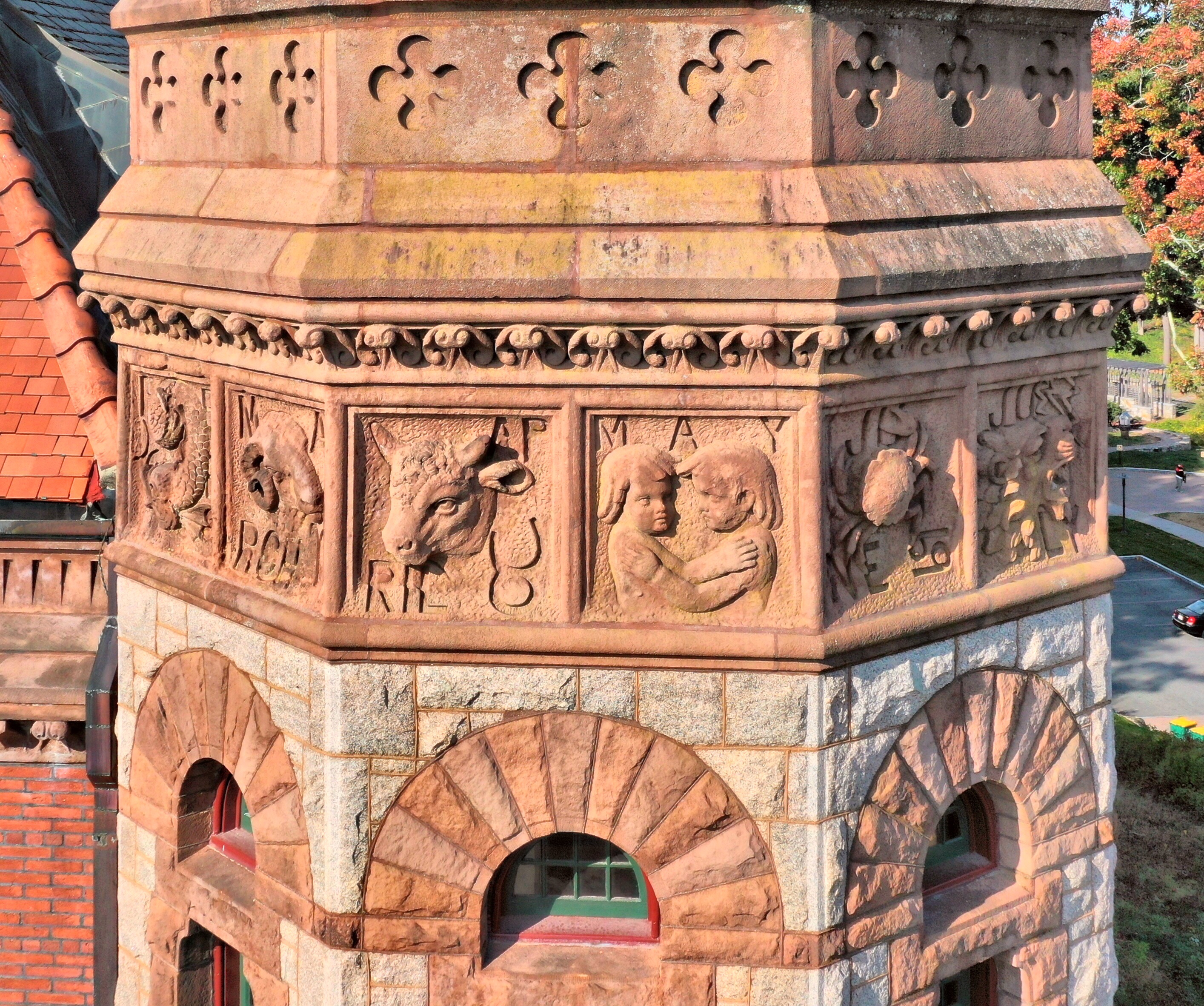
There are few buildings that make you stop and stare in marvel at their perfect architectural proportions, detailing and design, the Ames Memorial Hall in Easton, Massachusetts is one of them for me! In the late 1870s, the children of Oakes Ames commissioned the great American architect Henry Hobson Richardson to design the Memorial Hall as a tribute to their father. Richardson, the architect of Boston’s beloved Trinity Church in Copley Square, responded with a picturesque masterpiece using his signature architectural elements of rounded arches, dramatic roof lines, and heavy masonry adorned with carvings. The building was provided to the inhabitants of Easton “for all the ordinary purposes of a town hall”. Oakes Ames (1804-1873) was partner in the family business, O. Ames & Sons, a U. S. congressman, an early investor in the Central Pacific Railroad, and, at the urging of President Abraham Lincoln, a prominent force in the building of the first transcontinental railroad. The Richardsonian Romanesque building stands on the solid foundation of a natural ledge, from the northeast corner of which rises the beautiful octagonal tower, on whose frieze are carved the twelve signs of the zodiac.

Pomfret Congregational Church // 1847

Located in North Pomfret, Vermont, the North Pomfret Congregational Church is one of many white clapboard church buildings constructed in the mid 19th century. Built in 1847 by the Church of Christian Brothers and the Congregationalists, the church was used by the two religious societies as a joint meeting house, each society holding services in the church on alternating Sundays. The Greek Revival style church features a prominent tiered, boxed bell tower with louvered lancet openings and a slender octagonal spire.

Brethren’s East Shop // 1819

This 1819 building was originally located next to the first dwelling house on the present location of the Great Stone Dwelling in Enfield Shaker Village. The Shakers moved this structure to its current location in 1834 to make room for their new stone dwelling house. The building was primarily used as a school building for the Shaker children, but was soon converted to a tailor’s shop after the boy’s and girl’s schools were joined into one room. In Shaker communities throughout the United States, it was customary for Shaker tailors to create the clothing for the men of the community. A brother’s standard uniform consisted of a great coat, dress coat, waistcoat, and trousers.

Turner House // 1825

In New England, brick houses are more scarce for the simple fact trees are everywhere, brickyards were not. As towns and cities developed all across the region, some towns found they had a lot of clay in their soil, perfect for the manufacturing of brick. In Thetford, a man named Hezekiah Porter was the first to start a brickyard, manufacturing bricks for construction projects around the area. By the 1820s, a couple brick houses were built in the Thetford Hill area of town including the Hosford House, one of the earliest. Thomas Turner, a builder constructed the Hosford House and this home nearby for his own use, both utilizing Porter’s bricks. This fine Federal home was likely a great advertisement for Turner’s building skills.

Hosford-Slade House // 1821

Is there anything better than a brick Federal style house?

This house in Thetford, Vermont was built for Heman Hosford in 1821 from bricks produced by Hezekiah Porter, who established the earliest known brickyard in Thetford. Hosford sold the house to Enoch Slade in 1837 and it remained in the Slade Family for over seven generations. He became a prominent citizen of Thetford, was a surveyor and for many years justice of the peace, and in the latter part of his life was generally known by the title of “Squire Slade.” He was a supporter and trustee of Thetford Academy, in which his children and grandchildren were educated. He was a member of the Congregational church and an earnest supporter of the principles of the Republican party. The brick gable front home features a louvered sidelights and fan over the front door and in the gable.

William Strong House // 1896

William C. Strong purchased the old Wyman Farm in present day Waban Village in 1875, consisting of 93 acres of open land and rolling hills. He subdivided some of the land after the completion of the Waban Station, later developing the Strong’s Block, the premier commercial block in the village. To kick off the development along Windsor Road, he hired architect Herbert Langford Warren, the Dean of Harvard’s Architecture School (who also owned a historic farmhouse nearby) to design a couple homes for sale. This stunning house is notable for the prominent gable end gambrel roof, shingle siding, and porte-cochere.