424 Massachusetts Avenue // 2002

Modern architecture can often compliment and blend into the context of historic neighborhoods, and this example in Boston’s South End neighborhood is one of the best examples locally. In 2002, developers eyed a long-vacant lot on the busy Mass. Ave corridor through the South End and began designs of a contextual addition to the streetscape. Dolezal Architecture was tasked with designing a modern residential building that would comply with local historic district regulations, a balance that can be difficult to accomplish. Employing traditional masonry, solid-to-void ratios, massing, and bays, but in a modern context, the building blends in with its surroundings yet is architecturally interesting. The building contains ten condos in a single building which reads more like two distinct structures.
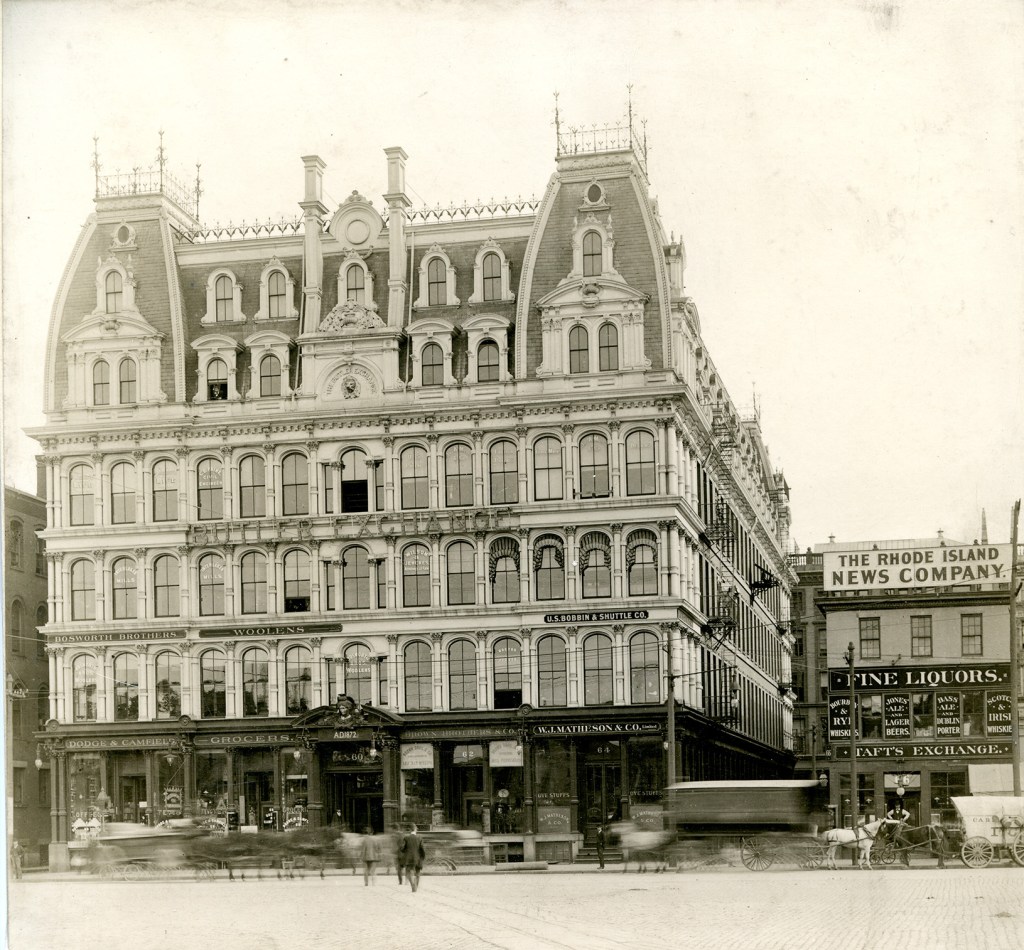
Butler Exchange // 1871-1925

Image Courtesy of Providence Public Library collections.

This magnificent structure formerly in Downtown Providence would likely still exist today had a devastating fire not destroyed it in 1925. When construction on the Butler Exchange began 1871, the area we know today as Downtown was only a cluster of small wooden and brick residences with commercial operations on the ground floors; the key retail shopping districts were across the river around where Brown University is today. The first major commercial development in modern-day Downtown was the Providence Arcade (featured previously), built in 1828, by Cyrus Butler. The Arcade languished in tenants and shoppers earning it the name, “Butler’s Folly”. A half-century later, a new Butler project was about to take off. Cyrus’ heirs built the Butler Exchange, which upon completion in 1873, was the largest building in Providence and its splendid French-inspired two-story mansard roof was a nice pairing with the City Hall being built nearby. The Butler Exchange saw commercial use, offices, and a school before a fire destroyed much of the building, leading to its demolition. The building was later replaced by the Industrial National Bank Building aka the “Superman Building”.

Beneficent House // 1967

Located on the same block as the Arnold-Palmer House (last post) in Downtown Providence, this apartment building is the work of one of the most prolific Modernist architects of the 20th century, Paul Rudolph. During Downtown Providence’s period of urban renewal, which saw the demolition of much of Cathedral Square (much of which remains surface parking lots), planners sought a high-rise apartment building to house displaced elderly residents and others who hoped to reside close to downtown shopping and amenities. Architect Paul Rudolph, who was at the time Dean of Yale’s Architecture School, designed the brick building which employs horizontal bands in concrete which marks off floor levels and provides some breaks in the materiality. The building was originally designed in 1963, but after years of delays and budget cuts from rising construction costs, the balconies and other design features were removed from the final product, leading to its present simplicity. While simple, the building retains intrigue, especially with the projecting window bays and offset openings, a departure from the block apartment buildings at the time.

Chickering and Sons Piano Factory // 1853

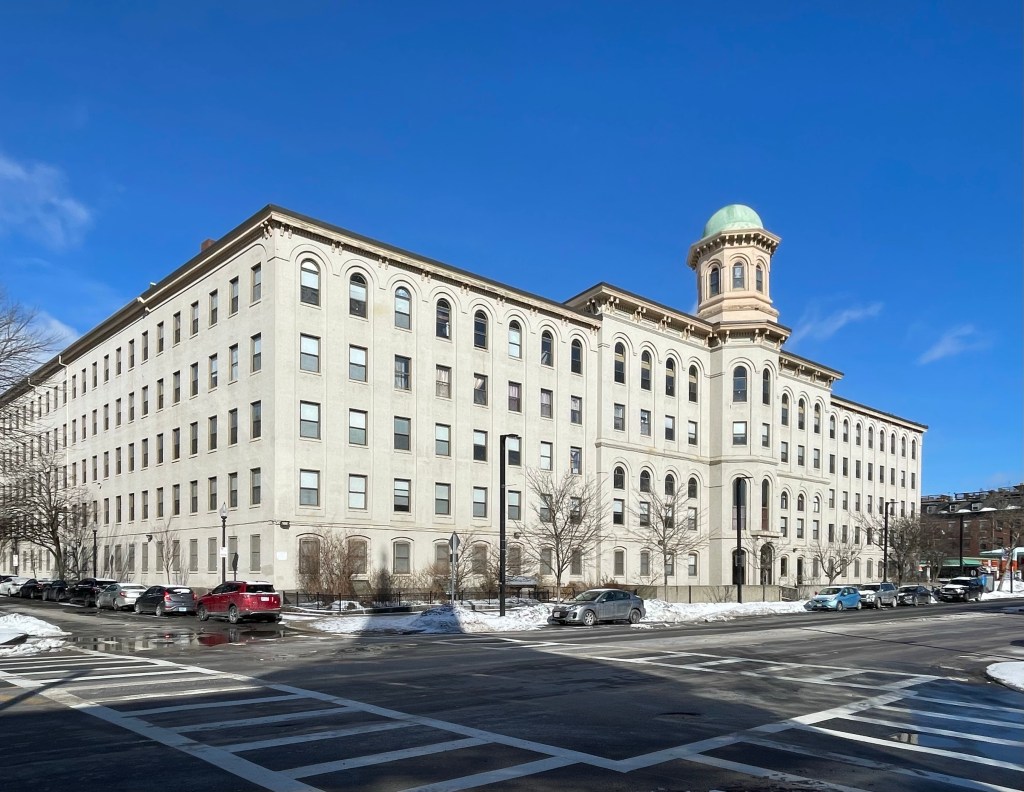
Jonas Chickering (1798-1853) was born in New Hampshire and eventually moved to Boston to work as a cabinet-maker. In 1823, Chickering formed a partnership with piano maker James Stewart and they began production of high-quality pianos. The partnership dissolved and Jonas partnered with wealthy shipbuilder and merchant John Mackay, using his factory for piano and organ production. John Mackay was lost at sea in 1841, and Chickering mortgaged the factory and bought out the Mackay’s shares, taking full ownership of the operation. In 1852, the factory burned, and was a complete loss. Undeterred, Chickering rebuilt, but in the rapidly developing South End neighborhood of Boston, hiring Edwin Payson to design a massive new steam-powered factory of fireproof construction. Jonas Chickering died before he could see the completion of his new factory, which opened in 1853 to great fanfare. The Italianate style building was bustling with over 400 employees when Chickering & Co. was the largest piano manufacturer in the United States in the middle of the 19th century, but was later surpassed in the 1860s by Steinway. From 1860-1868 space in the building was the location of the Spencer Repeating Rifle Company, who made over 100,000 rifles for the U.S. Army around the time of the Civil War. The Chickering and Sons Company moved out of the building by 1928 and the structure was occupied until 1973-4; when the building was rehabilitated by Brunner/Cott and Associates and subdivided into apartments and work and exhibit spaces for musicians, artists, and craftsmen, making this one of the earliest examples of adaptive reuse of an industrial building in Boston.

Emmel Rental Houses // 1896

Tucked behind the massive Emmel Building (last post), you will find these two charming houses on the dead-end street in Jamaica Plain, Boston. Like the Emmel Building, these two homes were built by Charles Emmel, an architectural sculptor and real estate investor, who hired local architect George Zimmer to furnish plans for the buildings. The two transitional Queen Anne houses feature some of Emmel’s architectural decoration, from the lion’s head corbels to the decorative lintels above the windows, these homes really stand out!

Emmel Building // 1896

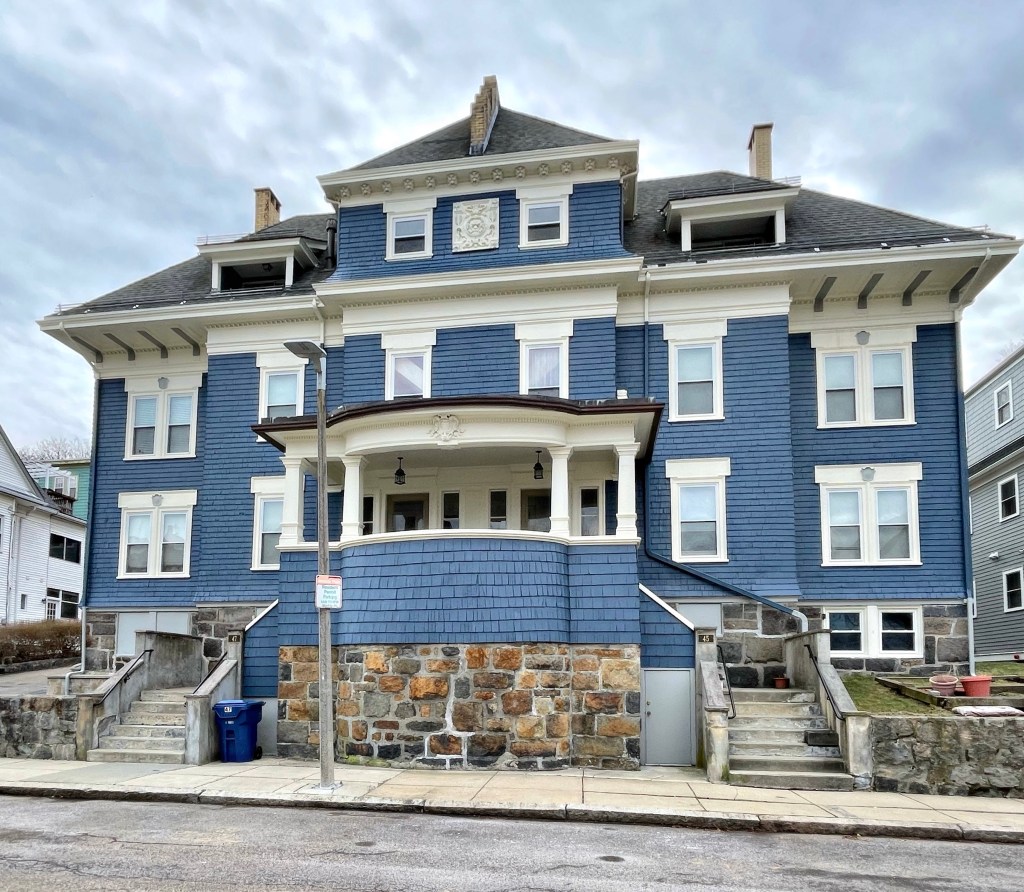
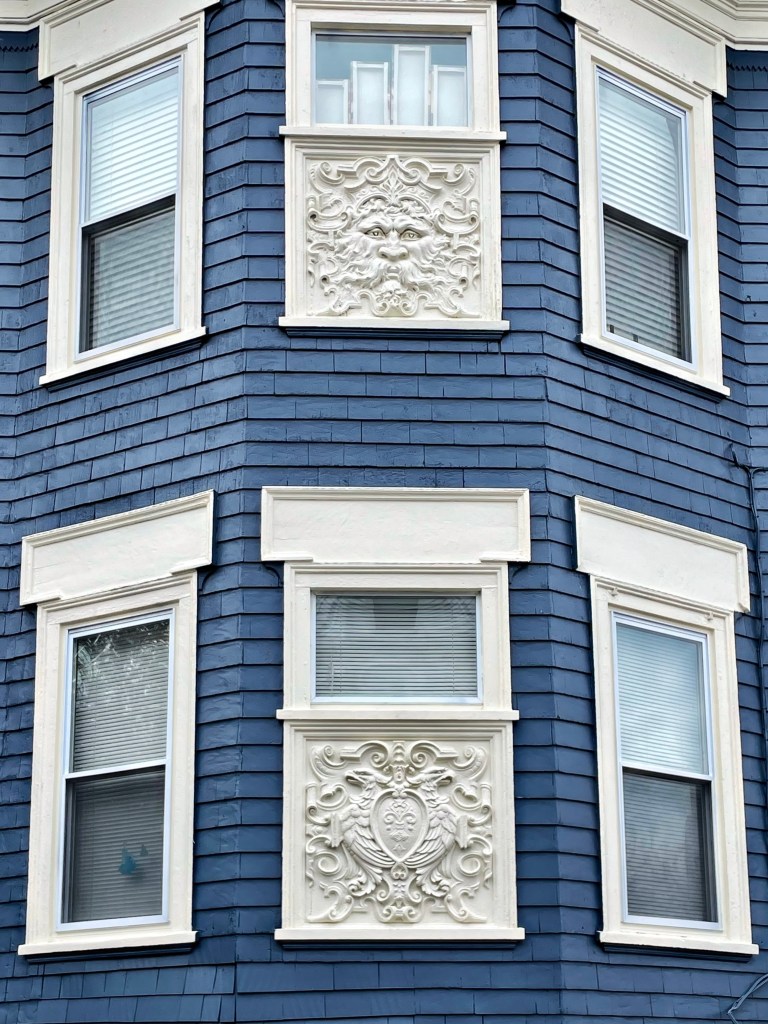
In 1896, architectural sculptor Charles Emmel purchased land in the rapidly developing Forest Hills section of Jamaica Plain, Boston. He hired local architect George Zimmer, to design a massive double-house which would serve as an income-producing investment, and could also be a sort of advertisement for his sculpture work. The result is this massive Colonial Revival style property, perched atop a puddingstone foundation. Architectural ornament has been lovingly preserved, a testament to the owners of the building today and the amazing work of the original owner, Mr. Emmel. I found myself staring at the building for a while when walking by, looking at all the hidden detail and architectural ornament which adds so much to the building.

Chemical Engine #13 Firehouse // 1909

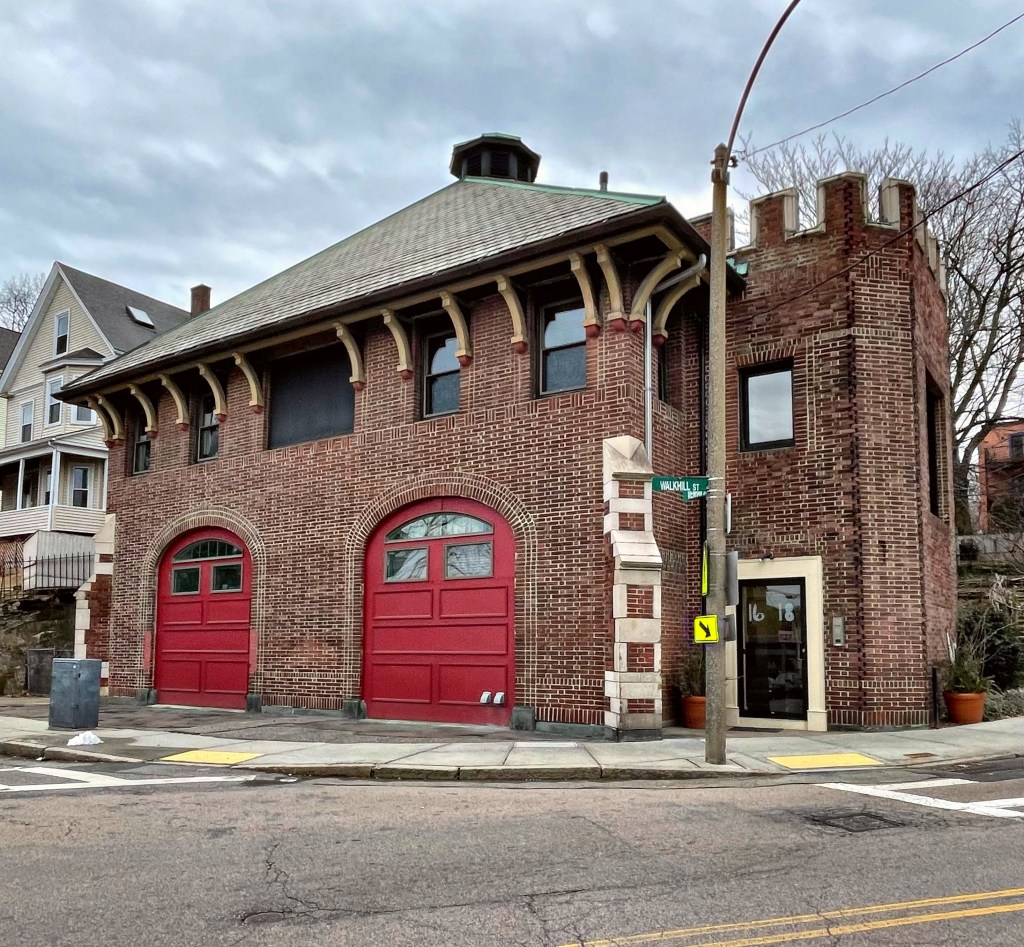
Just a block from the Bethel AME Church (last post) in Jamaica Plain, Boston, you will find this absolutely charming old fire station. The station was built in 1909 about the same time as the new Forest Hills Train Station was completed, signaling a huge population and development boom in the area. To provide emergency and fire service to the newly developing neighborhoods surrounding the train station, the City of Boston hired the architectural firm of Moller and Smith to design a new station that would allow for horses and related apparatus as well as a new fire automobile to enter the building. The Arts and Crafts style building is constructed of brick supported by structural steel finished with Carolina pine at the interior. The building retains its pyramidal hipped roof in slate and a unique corner tower capped with a castellated parapet.

St. Andrew R.C. Church – Bethel AME Church // 1921

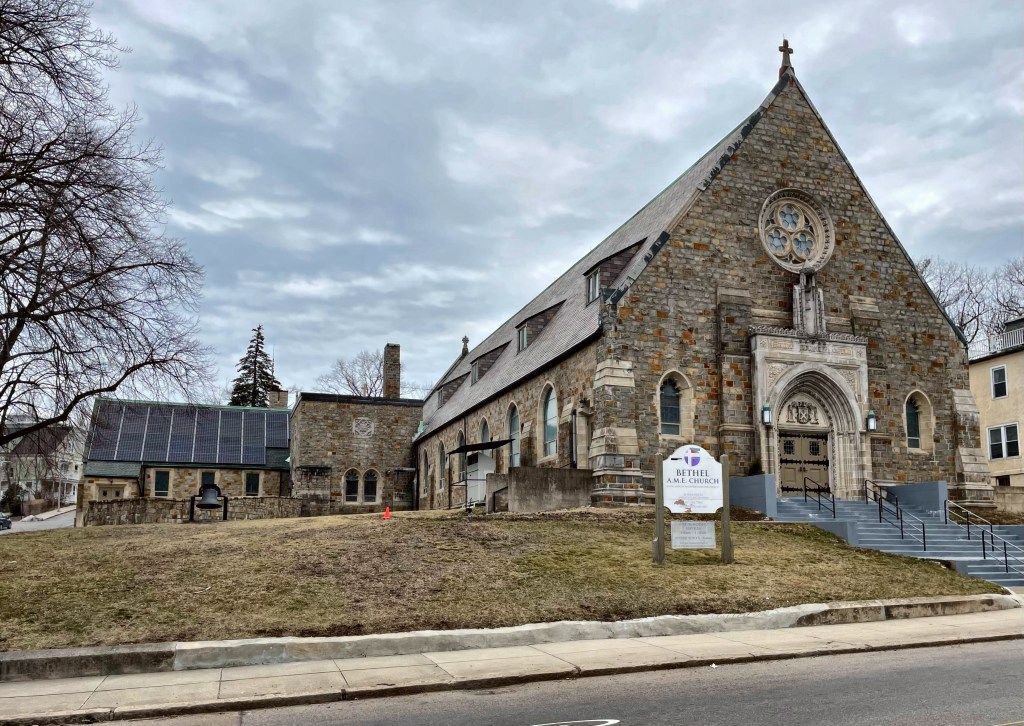
During the rich Arts and Crafts movement of Boston, dozens of churches and their associated buildings were constructed using principles of the movement, which sought to incorporate English design with hand-crafted detailing, moving away from the mass-produced features and architecture seen in the Victorian-era/Industrial Revolution. After WWI, the Forest Hills neighborhood of Boston saw a massive influx of residents and housing construction, leading to the desire for a new neighborhood church. The Roman Catholic Archdiocese commissioned Boston architects Timothy O’Connell and Richard Shaw, who specialized in ecclesiastical design to build the new church. Opened in 1921, the building is constructed of random ashlar walls with buttresses, lancet windows, and a large rose window, all nods to Gothic architectural precedent. Demographic changes and declining church attendance led the parish, for the first time in 1995, to accept aid from the archdiocese to meet expenses. Unable to justify keeping the church open, the Archdiocese sold the church to Reverend Ray Hammond and the Reverend Gloria White-Hammond, a husband-and-wife pastoral team, who started a local African Methodist Church (Bethel AME Church) in the neighborhood.

Forest Hills Station // 1987

Photo courtesy of Cambridge Seven

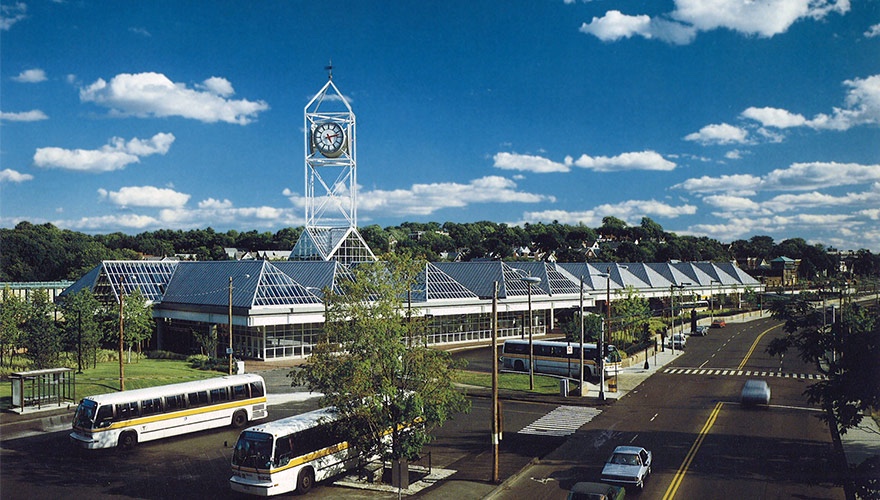
While the demolition of the 1909 Forest Hills Station in Jamaica Plain (last post) was a huge architectural and historic loss for the city of Boston, the present building is a landmark in its own right. The present building was built in 1987 as a pivotal project in the MBTA’s Southwest Corridor Improvement Program, which was largely unfinished (thanks to neighborhood pushback and protests against the proposed highway to cut through the neighborhoods). The existing station, designed by local firm Cambridge Seven, is situated between two important points in Boston’s “Emerald Necklace” park system, and thus was given the appearance of a greenhouse by the architects. The distinctive clock tower, rising 120 feet above the station, signals the station location and is a nod to the days when stations once had prominent clocks to help passengers keep tabs on the time, before the days of cellphones!

Edward Moulton House // c.1870

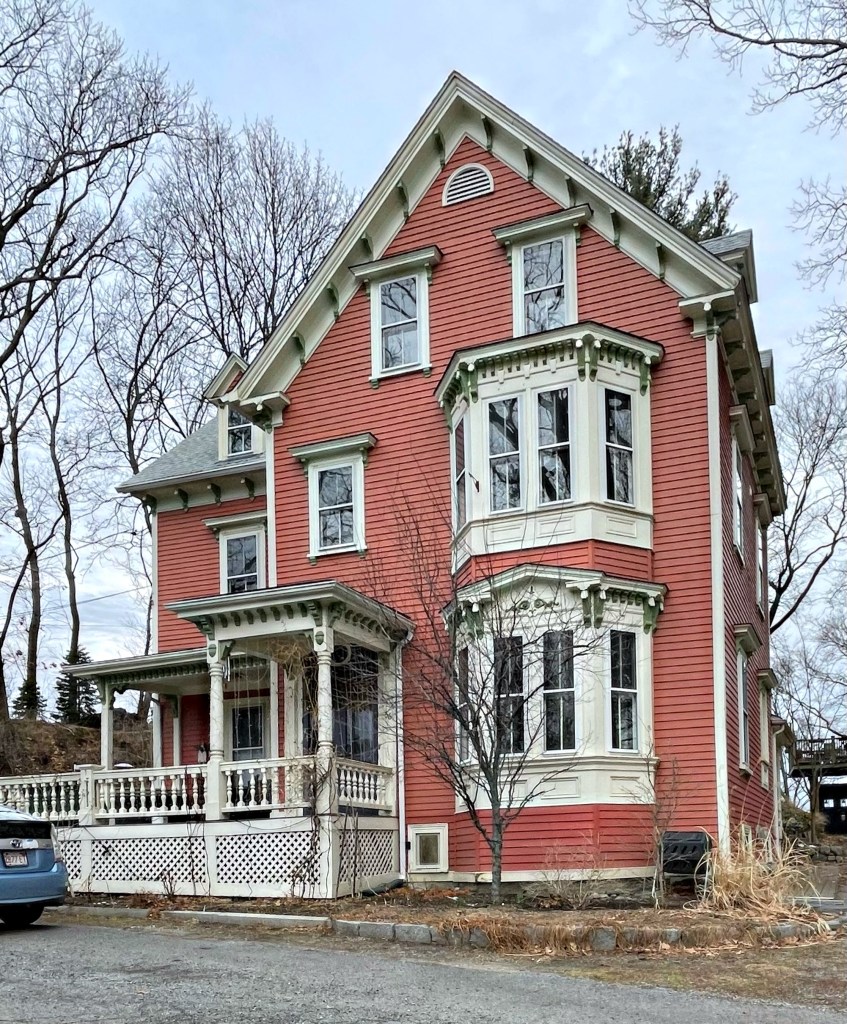
This stunning Italianate style home in the Forest Hills area of Jamaica Plain, Boston, sits directly adjacent to Forest Hills Cemetery, one of the finest examples of a rural cemetery in America. This house dates to the mid-19th century and maps show it was built on land owned by Isaac Cary, who built homes on this hill. By the 1880s, the property seems to have been acquired by the cemetery, or they gave financial assistance to Edward Everett Moulton, who worked as an Assistant Clerk at the cemetery. Edward lived in this house seemingly until his death in 1927. Since then, the home stands as one of the best-preserved in the area and is a testament to stewards of these significant old homes.