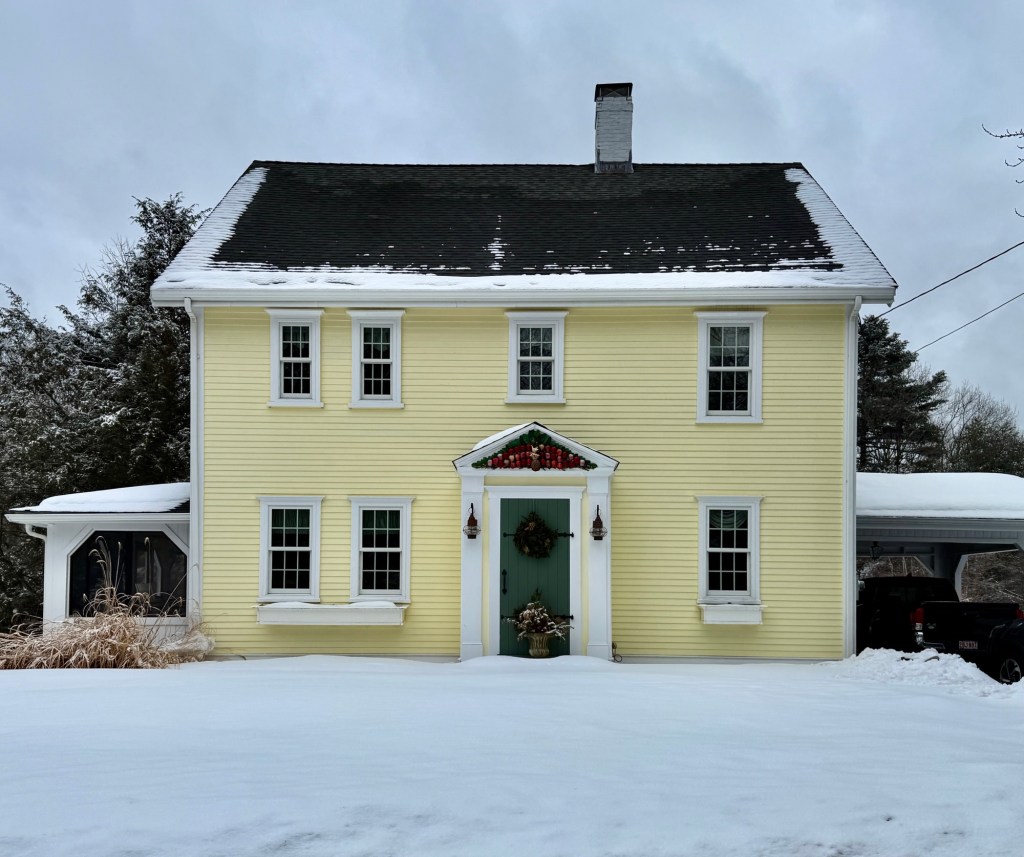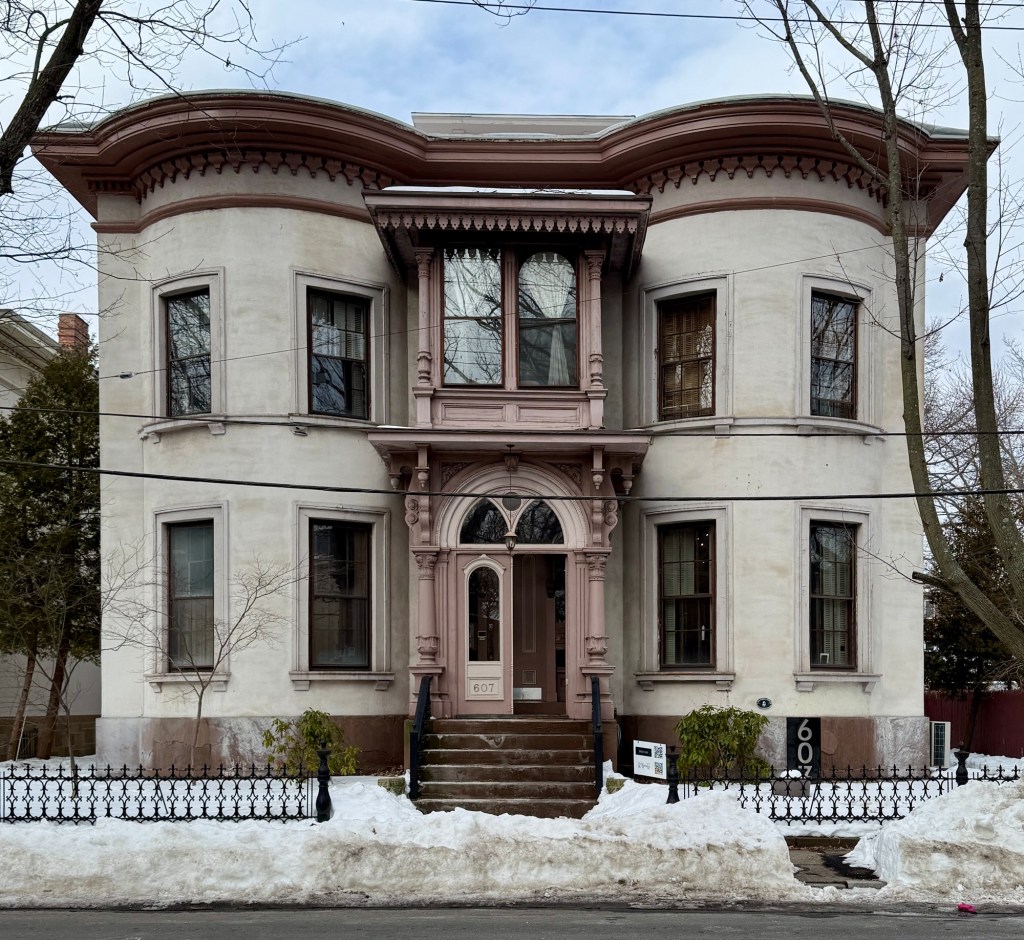
Cutler-Paine House // 1834

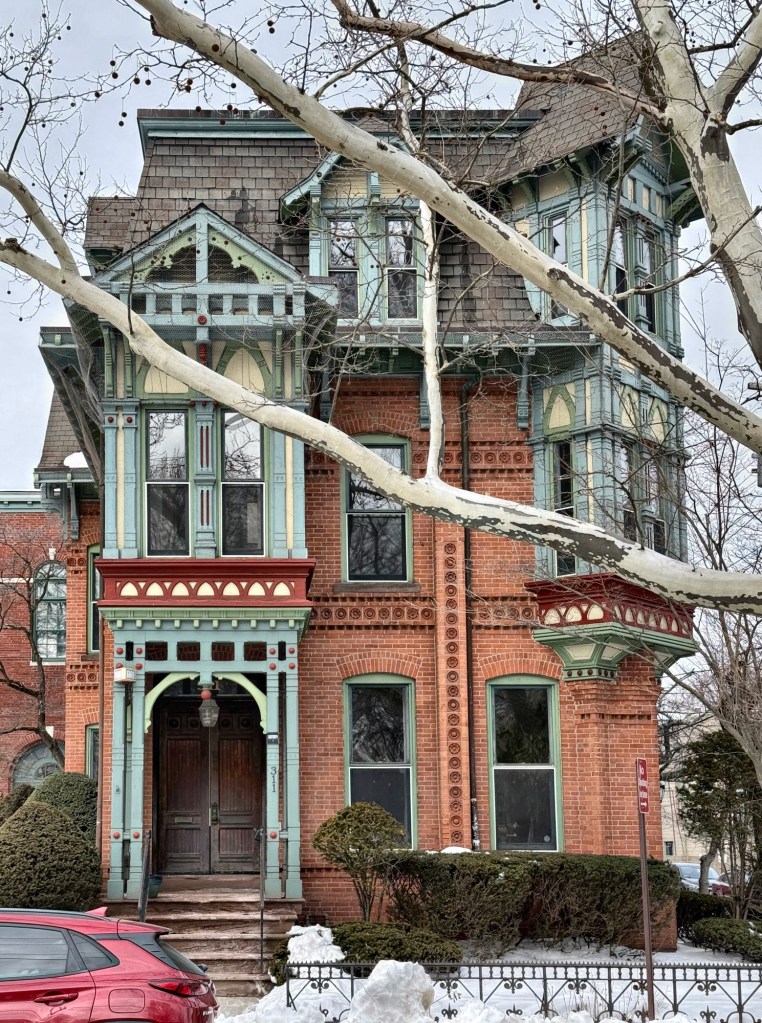
Mount Vernon Place is a short, dead-end street in Boston’s Beacon Hill neighborhood. The street was once an entire block of eight rowhouses, and was developed in the 1830s on land formerly owned by John Hancock and his family. The residences numbered 1-5 Mount Vernon Place were torn down during the 1910s to accommodate the expansion of the landscaped grounds of the State House, leaving just 6, 7, and 8 Mount Vernon Place. The easternmost rowhouse, 6 Mount Vernon Place, was built in 1834 and is believed to have been designed by Alexander Parris, a prominent local architect who designed Quincy Market and mastered the Federal and Greek Revival architectural styles with many notable buildings all over the east coast. This house was purchased in 1834, when still unfinished, by William Savage, a merchant, who sold the property to Pliny Cutler, president of the Atlantic National Bank, who appears to have bought it for his son, Dr. William Ward Cutler (1812-1870). The property was owned in the early 20th century by Robert Treat Paine Jr., who likely rented the home to boarders. The residence has a three bay facade and brownstone sills, lintels, and door surround.

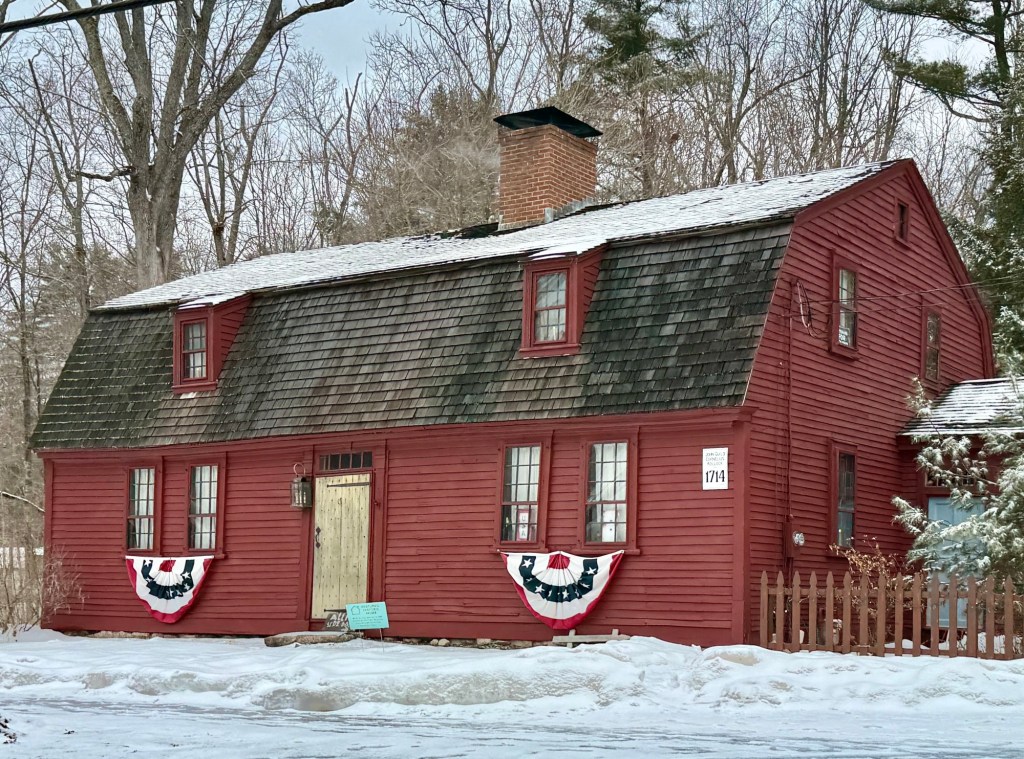
Mitchell-Pratt House // 1820

This architecturally unique and stunning Federal­ style house in Chester, Connecticut, was built in 1820 on the Middlesex Turnpike by Abram Mitchell for $10,000, double what he originally hoped to pay for the residence. The principal builder was Samuel Silliman, a locally well-known master carver, who clearly showcased his skill inside and out, much of which has been preserved by two centuries of owners. In 1845, the property was purchased by George Spencer, and presented as a wedding gift for his daughter, Julia, who married Dr. Ambrose Pratt (1814-1891). Dr. Pratt became well-known for his practice of hydropathology and temporarily used his house as a sanitarium known as the Chester Water Cure. The house was acquired by the local Roman Catholic Church and became the parish center until the residence was purchased and moved away from the busy street to its current location in 1966. In the 1980s, the house was purchased by famed artist, Sol Lewitt. The house has a large spider web window, still containing the original glass over the door and full-height pilasters dividing bays and inside, many stunning carved mantles and woodwork.

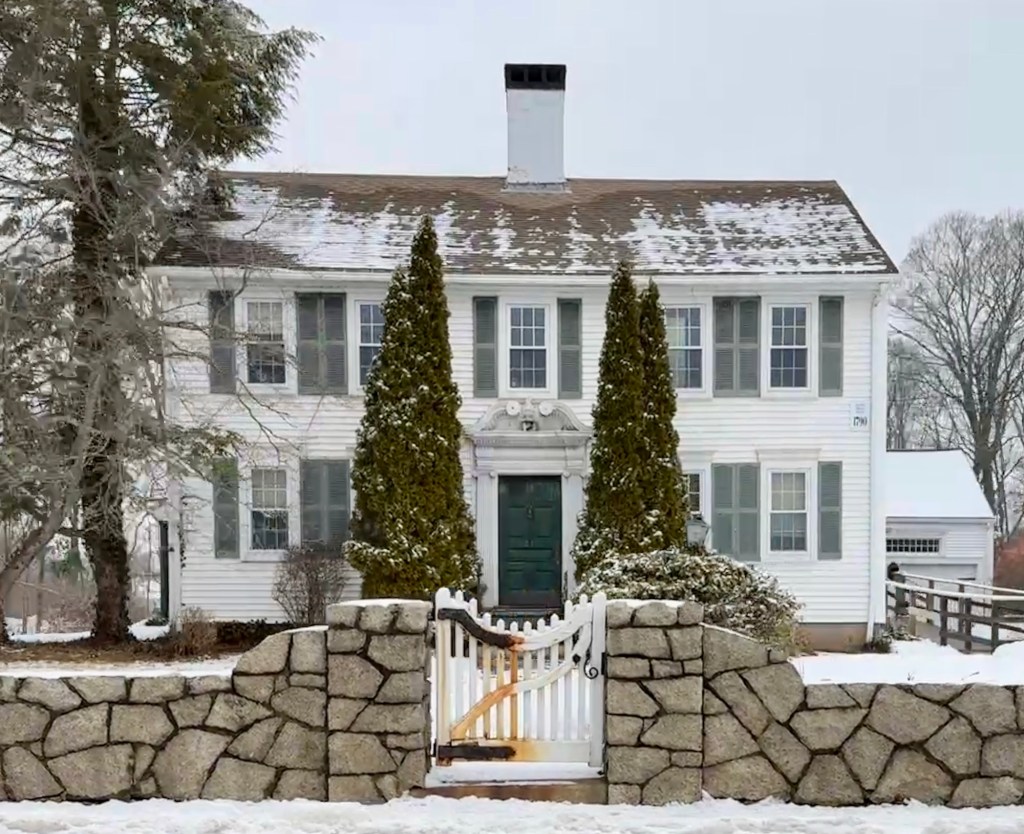
Jonathan Warner House // 1798

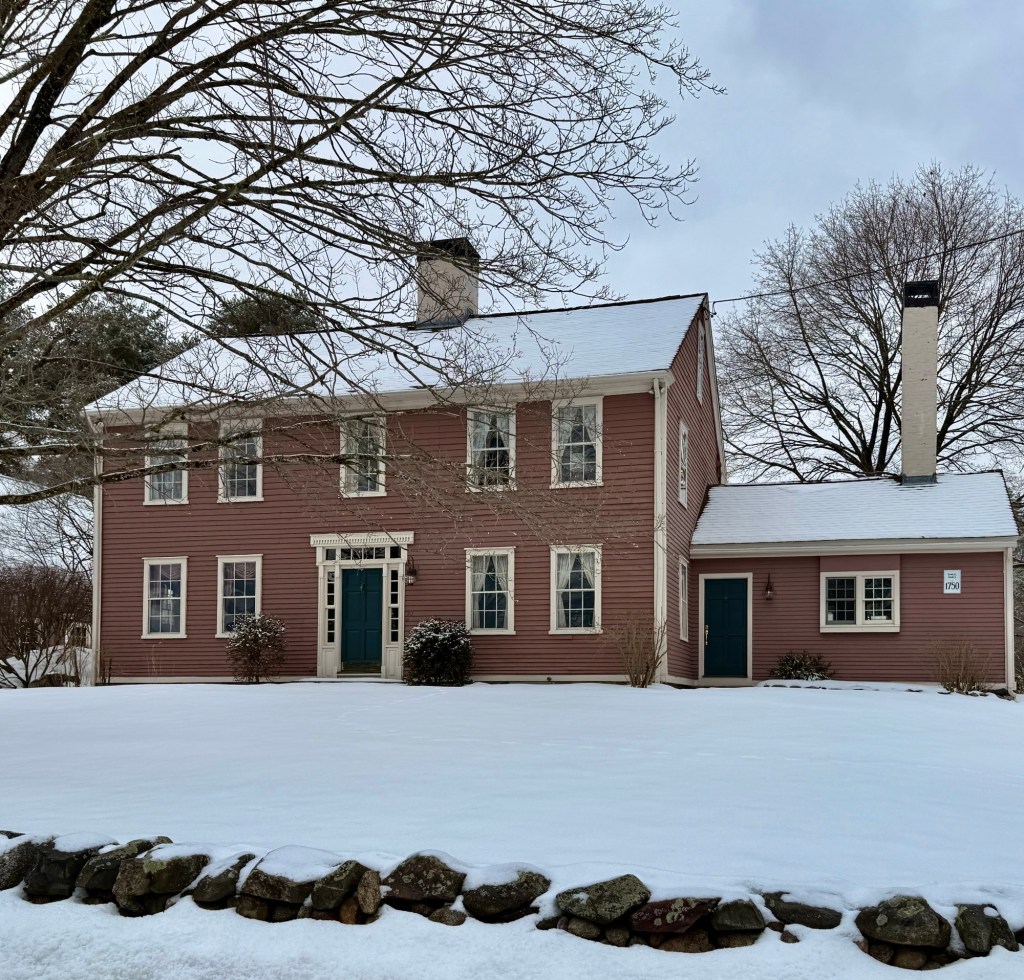
The Jonathan Warner House in Chester, Connecticut, is one of the finest Federal style houses in the state and has been meticulously preserved for over two centuries. The house was built in 1798 by Jonathan Warner (1756-1828), a wealthy farmer who invested in merchant shipping ventures and also operated the nearby Chester–Hadlyme ferry transporting people across the Connecticut River for a fee. When he built his house Jonathan Warner used local workmen and timber, importing glass and paint from New York, wallpaper from Hartford, and stone and hardware were brought from Connecticut and New York. The farmhouse remained in the Warner family until 1922 when it was purchased by Malcolm Brooks, who retained all of the receipts and correspondence on the house’s construction and maintenance. Architecturally, the house stands out for its proportions and detailing, specifically at the front door with fanlight and sidelights, which are framed by fluted pilasters, pediment and dentil molding. There is a Palladian-esque window above the entry which is framed by two free standing Ionic columns on brownstone pedestals. What is your favorite detail of this house?

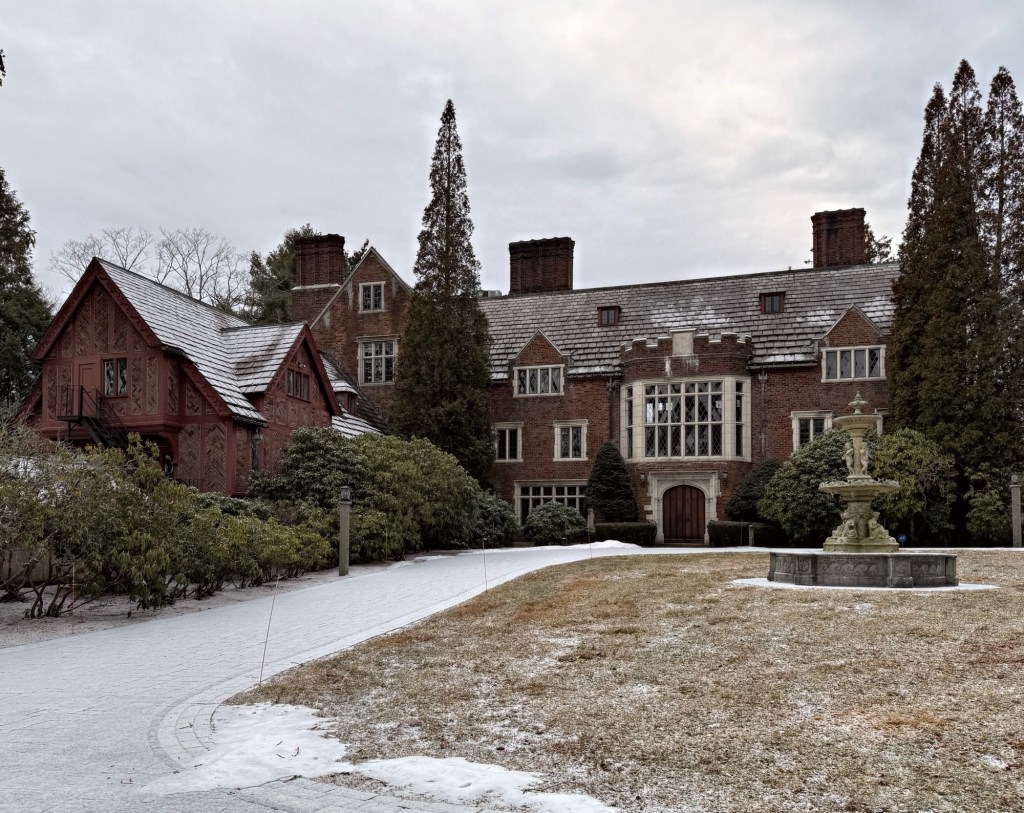
Dunk Homestead // c.1672

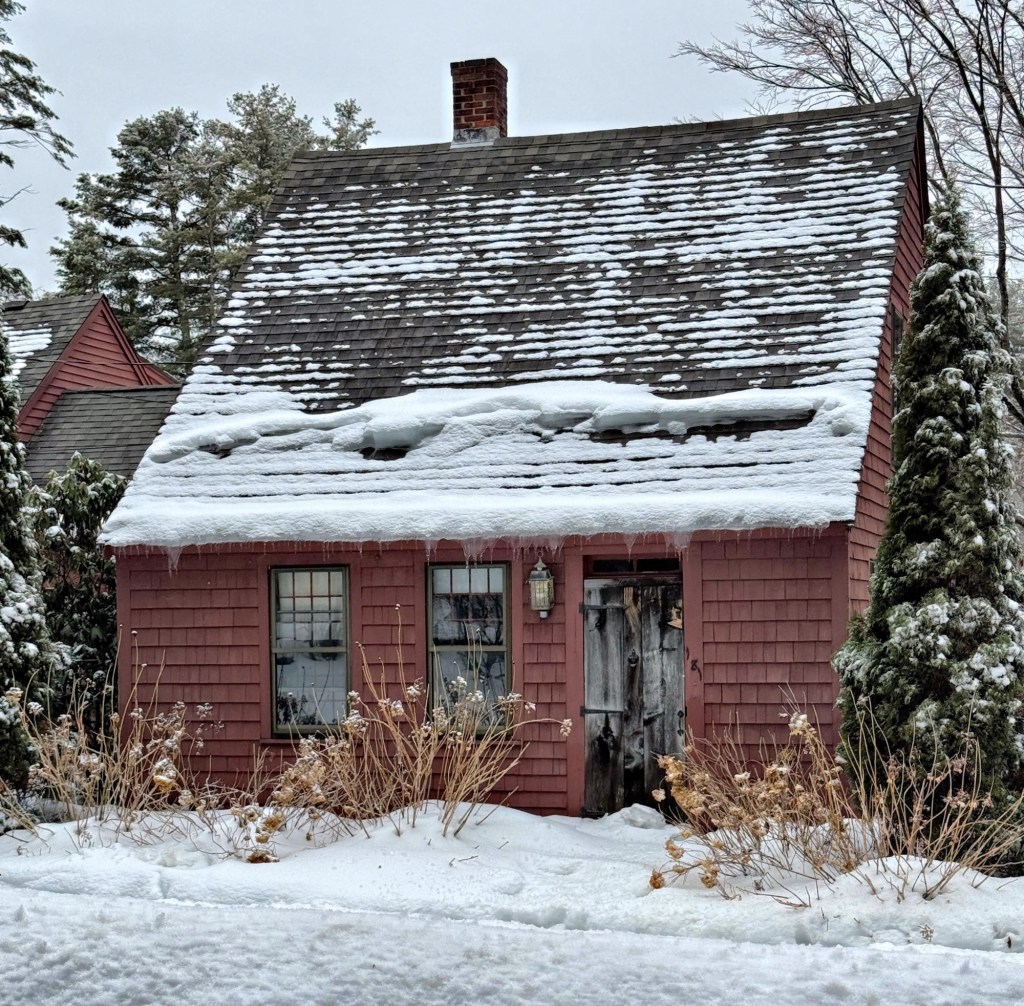
The oldest building in Chester, Connecticut, is believed to be this First Period residence on North Main Street, which was originally built sometime after 1672, when land here was deeded to Thomas Dunk (1648-1683). The property was inherited by various members of the Dunk family, including Deacon Jonathan Dunk (1711-1781), who added onto what was originally a one-room, gambrel-roofed house as their families and wealth grew. The old Dunk Homestead is one of the many great landmarks in Chester and has been lovingly preserved for over 350 years!

Charles Daniels House // c.1826

The Charles Daniels House in Chester, Connecticut, is a sophisticated and excellently proportioned and designed example of a single-family residence in the Greek Revival style. Features like the Doric portico, flushboarding and frieze windows are components of a skillful design that has been credited to architect Ithiel Town, but this is unsubstantiated. The home was built around 1826 for Charles Daniels (1799-1838), a gimlet manufacturer, who had his factory nearby. Charles died in 1838, and the property was inherited by his second wife, Abby Gilbert, who also remarried and lived here with her new husband, Clark N. Smith, and they resided here until the early 1900s. Later, the residence was owned by the adjacent mill company, and used temporarily as a storage facility. The location adjacent to the deteriorating factory threatened the significant Daniels House, so in 1978, architect Thomas A. Norton had the house moved a short distance away onto the present site. The house was listed in the National Register of Historic Places and has been preserved, inside and out, by later owners.

Buck-L’Hommedieu House // c.1755

This beautiful Federal style side-hall house is located on Maple Street in Chester, Connecticut, and (at least a part of it) was built by 1755 by Isaac Buck, who deeded half of the property to his son, Justus, during his lifetime. In the early 1800s, the property was purchased by Joshua L’Hommedieu (1787-1880), a manufacturer, who had the property redeveloped or redesigned in the Federal style giving it the appearance we see today. The house has its gable end oriented to the street with an elliptical fan and dentil block detailing.

Richard P. Spencer House – Deep River Public Library // 1881

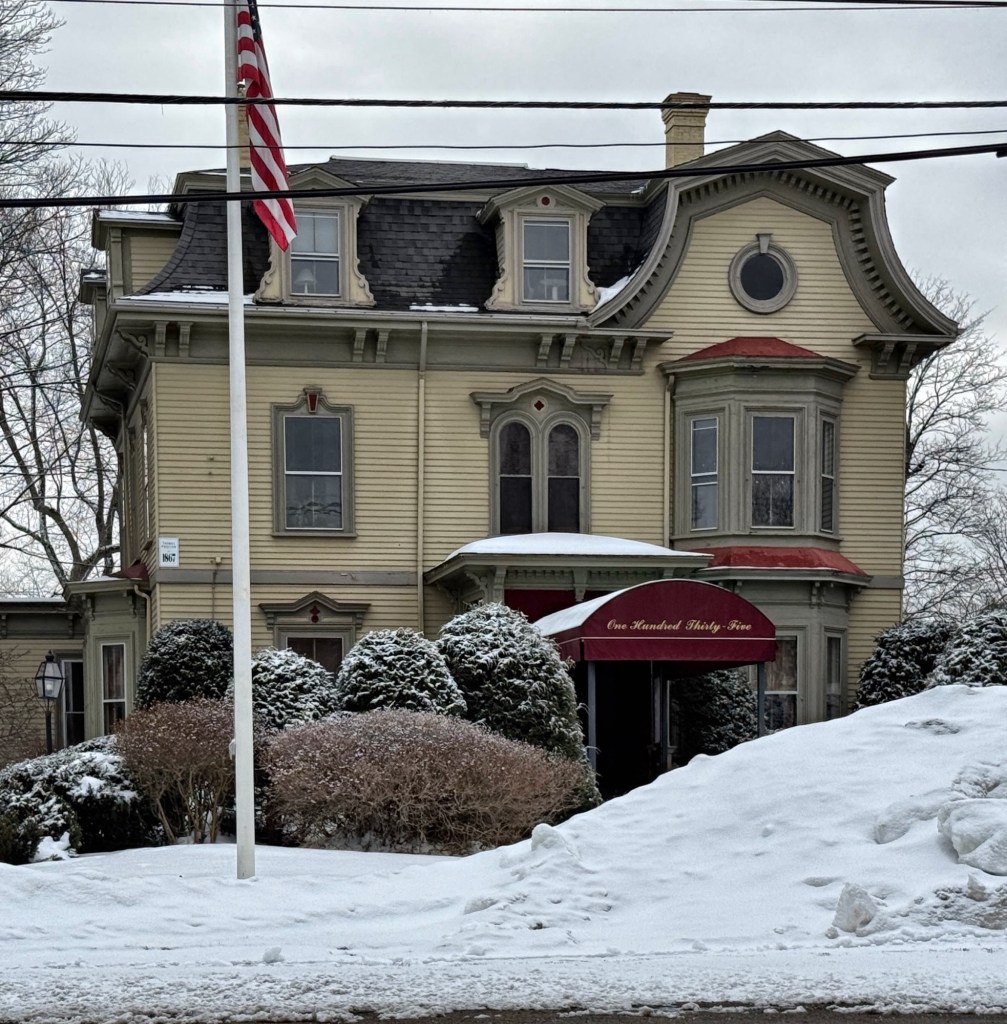
The finest extant Queen Anne Victorian-era house in the town of Deep River, Connecticut, is located on Main Street and since the 1930s, has been home to the town’s public library! How’s that for adaptive reuse?! This residence was built in 1881 for Richard Pratt Spencer (1820-1910), a local prominent businessman who lived to be 90 years old. Spencer lived here with his second wife, Juliana Selden, who was 32 years his junior, and three children until his death in 1910. When Spencer’s widow died in 1932, the heirs sold the property to the Saybrook Library Association (before the town renamed Deep River in 1947), which then, in turn, sold the building to the town for a small price in order to convert it into a library. Opened to the public in 1931, the Deep River Public Library has been preserved inside and out with historic fireplaces, woodwork, and features. The only notable change occured in 1995 when a children’s room addition was built to resemble an old porch. The library even retains the original pebbledash finish in the gables, a rare detail not commonly found in typical old houses of the period.


Southworth House – Deep River Historical Society // 1842

The Southworth House, also known as the Old Stone House, in Deep River, Connecticut, is a significant example of a stone, Greek Revival style house built for an important local family. The Southworth House was constructed in 1842 for Deacon Ezra Southworth (1803-1859) from stone harvested from one of the Southworth family’s quarries. Ezra was the son of local shipbuilder, Job Southworth who began building ships at the Deep River landing in the 1790s. Ezra Southworth branched off into manufacturing, becoming a partner and patent holder producing ink wells. His son, Ezra Job Birney Southworth (1844-1919), went into business with his father-in-law in shipping and served as a member of the State Legislature twice. In 1882, Ezra Jr. added the wooden ell onto the rear of the Stone House along with the wrap-around veranda and likely the rear barn as well. Ada Gilbert Southworth Munson was Ezra J. B. Southworth’s only child to live to adulthood and inherited the family home. She was a founding member of the Deep River Historical Society and bequeathed her family home to the Society in 1946, who have maintained the significant home here ever since. 

Faxon-Howe House // 1844

The Lindens neighborhood, located just east of the civic and commercial core of Brookline Village, was long an apple and cherry orchard known as Holden Farm. Beginning in 1843, the area became the earliest planned development in the town and was laid out as a “garden suburb” for those wishing to escape the growing congestion of Boston. As originally conceived in 1843, it reflected the latest ideals of planned residential development for a semi-rural setting on land owned by Thomas Aspinwall Davis. The streets, parks, and house lots here were laid out by civil engineer, Alexander Wadsworth, who two years earlier, laid out plans for Mount Auburn Cemetery in Cambridge, the first “Rural Cemetery” in America. Early homes were built on speculation by John F. Edwards, an architect-builder, for Davis, who was strict about high-quality designs in the Greek and Gothic revival styles in his newly laid out neighborhood. This house, at 53 Linden Street, was built in 1844 by Edwards, and sold soon-after to John G. Faxon (1793-1861), a lumber merchant who made his fortune in Lubec, Maine until he moved to Brookline. Faxon sold the house in 1851 to Thomas Howe, who likely added the Italianate style tripartite windows with the lower having scroll brackets.

Gleason-Patterson House // 1803

Another stately old home on Glezen Lane in Wayland is this brick, Federal style country mansion located across from the town Training Field. This residence is said to have been built by a Nathaniel Gleason (Glezen) and later inherited by a family member, Abel Glezen (1803-1890) who farmed the 55 acres of land and was a local politician. In 1900, as Wayland shifted from rural community to a desirable Boston suburb for summer residences, the Gleason House was purchased by Henry W. Patterson, who was in his late 20s when he bought this country house. Henry inherited his father’s estate and married Jane Harrington Adams from Massachusetts. The couple spent only a couple years here until Henry died in 1907 at just 35 years old. Jane, his widow, remained here until her death in 1950. The estate was subsequently subdivided and remains one of the finest homes in the community.