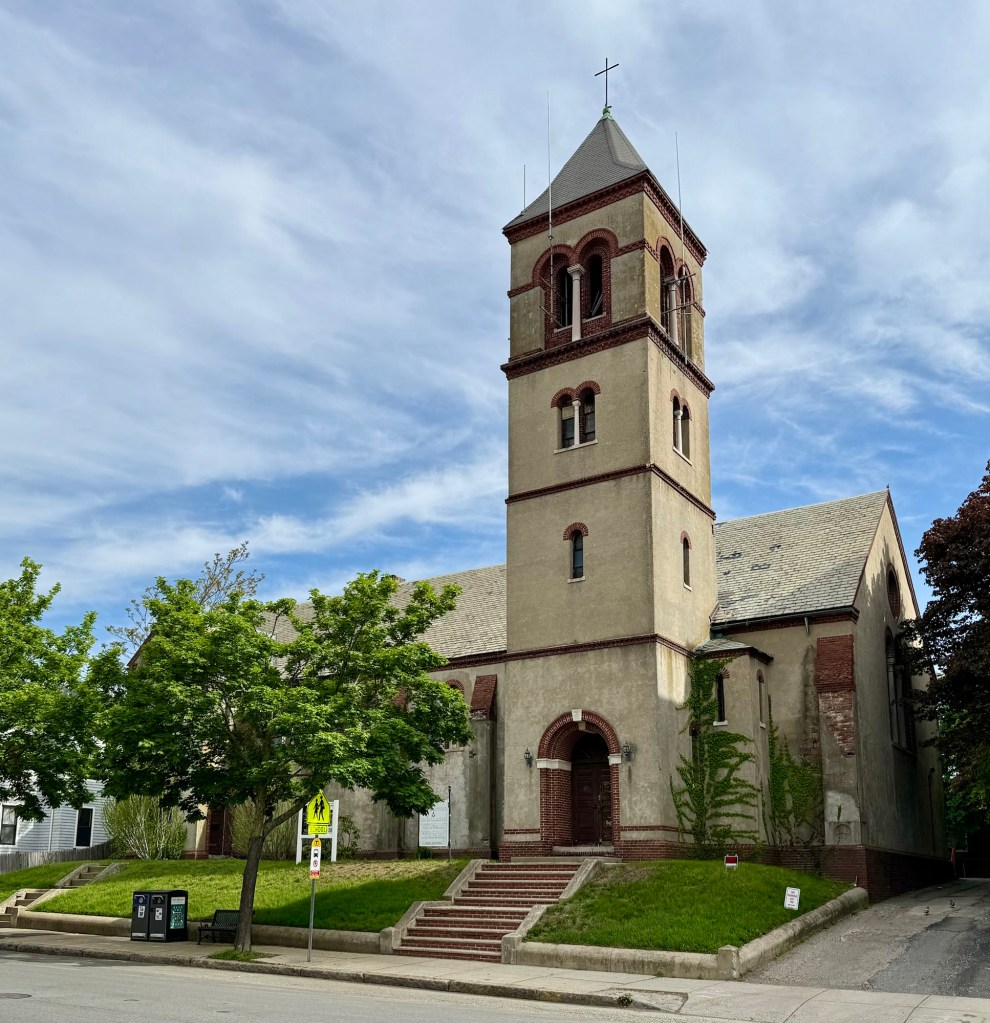
First Universalist Church of Somerville // 1917

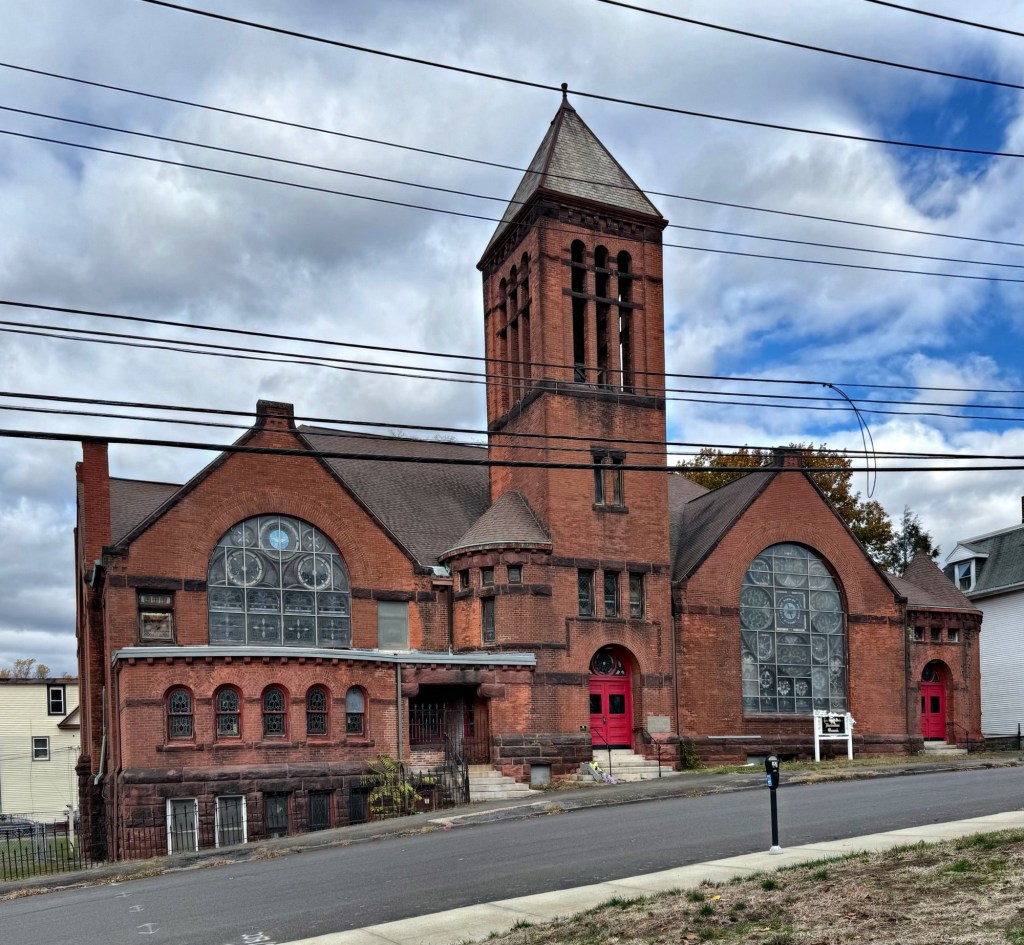
The First Universalist Church of Somerville is located on the north side of Highland Avenue across from the First Unitarian Church of Somerville, in a completely different design. The congregation acquired this site in 1915, and the church was built from 1916 to 1923 to a design by the noted ecclesiastical architect Ralph Adams Cram, who produced a somewhat more Romanesque plan than the typical Gothical Revival work he is best known for. One of the key members of the building committee was Gilbert Henry Hood of the Hood Milk Company family. The new church was planned to house an “assembly room,” Sunday school classes, and a parish house. The church operated here for decades, but most recently was home to the Highland Masonic Building Association as the King Solomon’s Lodge. The lodge moved from the building and the property was purchased by a developer who hoped to demolish the building and erect a housing development. The building was deemed significant and “preferably preserved” by the Somerville Historical Commission, and landmark designation was initiated. The building was recently re-listed for sale, and would make a great adaptive reuse or even partial demolition for housing incorporated into the old church. Kudos to the Somerville Historical Commission for standing firm on this significant church by a nationally recognized architect.

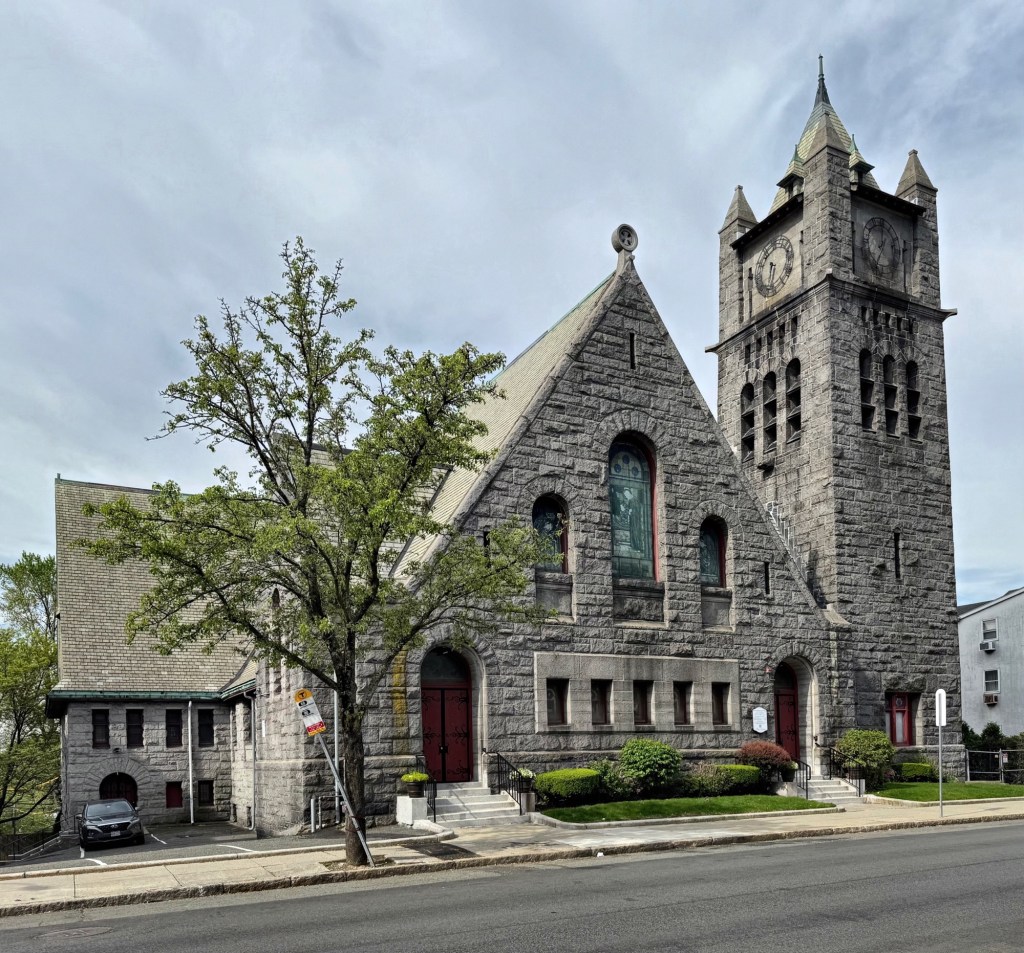
First Unitarian Church of Somerville // 1895

Located on Highland Avenue in the Central Hill section of Somerville, Massachusetts, the First Unitarian Church of Somerville is a landmark example of a church in the Romanesque Revival style. The church was built in 1895 from plans by the esteemed architectural firm of Hartwell & Richardson, and was the fourth and final building of the congregation, which was originally established in 1844. The congregation’s first church was a Gothic Revival style building designed by Richard Bond, but was destroyed by fire in 1852. A year later, the second edifice was designed and built by architect Thomas W. Silloway, which also burned in 1867. The church was replaced again by a Romanesque style structure in 1869. In the 1890s, when the City of Somerville purchased the building as part of the site for the new Somerville High School, a lot down Highland Avenue was secured and planning began for this building. The church is built of granite block with a steeply pitched gable roof, and a square tower at its right front corner. The prominent gable contains two arched entrances with a bank of five rectangular stained-glass windows below three tall round-arch stained glass windows. The congregation was dissolved in 1975 and a year later, the building was purchased by the Mission Church of Our Lord Jesus Christ, an Apostolic Pentacostalist church, who continue to use the building today.

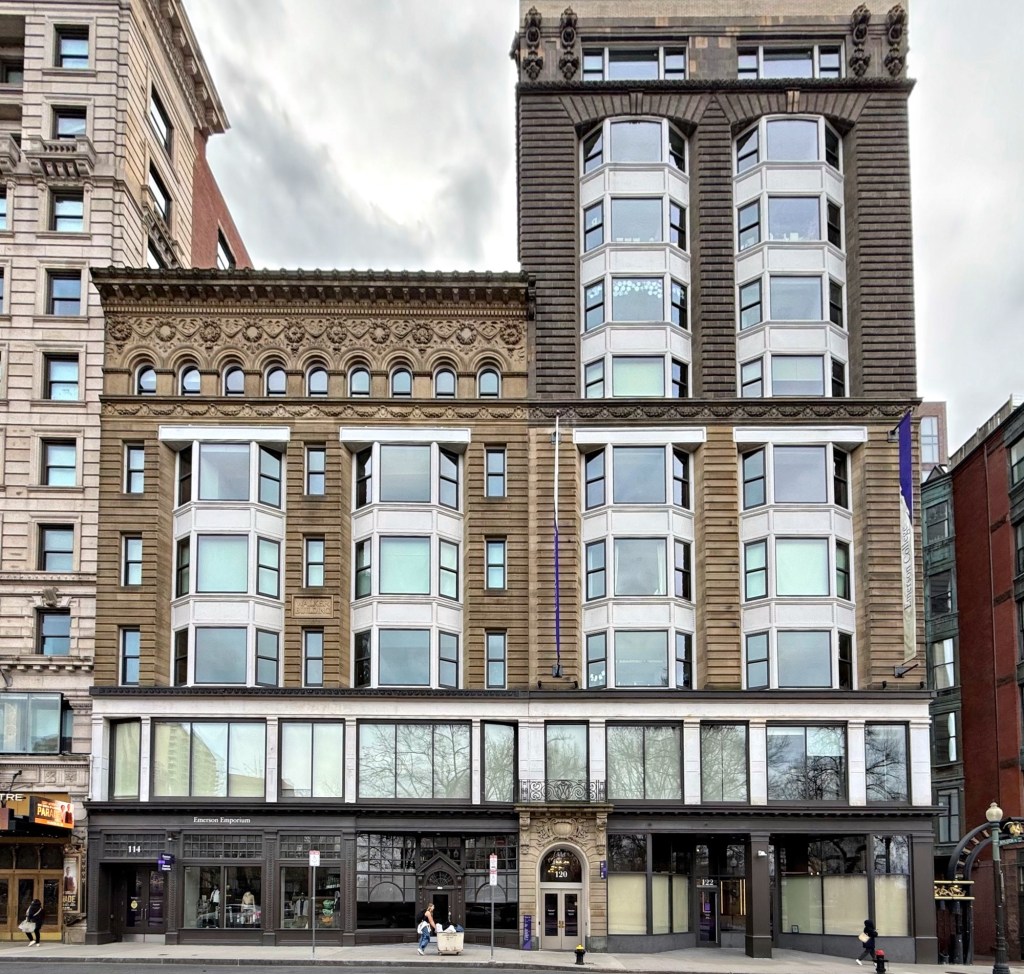
Walker Building // 1891

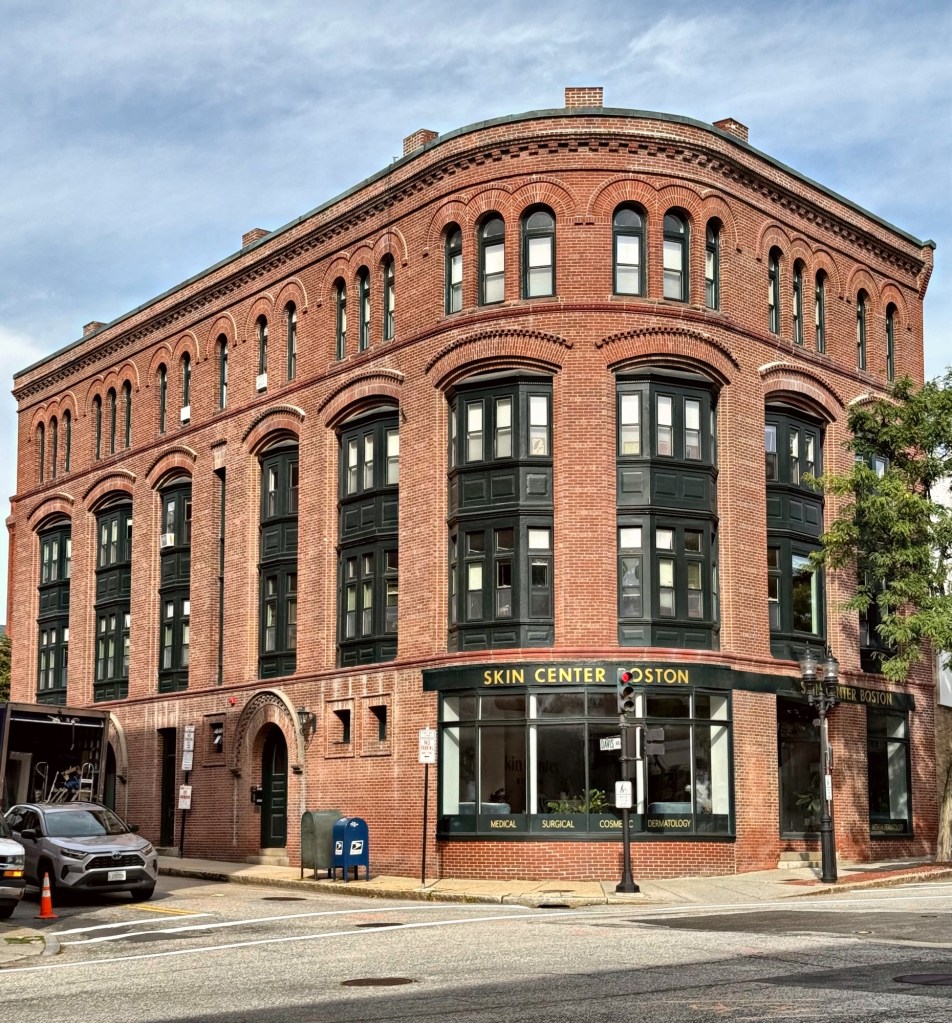
On Boylston Street overlooking the Boston Common, this historic building with two distinct parts is not photographed as much as some of its neighbors, but it is an important visual reminder of the period of growth and development in the city in the late 19th and early 20th centuries. This is the Walker Building, an early office building that was constructed beginning in 1891 in two phases by owner Joseph W. Walker. Mr. Walker hired the architectural firm of Winslow & Wetherell to design the building, which was finished in the Romanesque Revival style with a notable cornice with nine-bay arcade of arched windows and ornate wreath and swag motifs. A major tenant in the building was the Boston office of the S. S. White Dental Manufacturing Company, the largest dental manufacturing company in the world. Less than a decade after the six-story Walker Building opened, Joseph Walker purchased and razed the parcels nextdoor and again hired the same firm (at this time renamed Winslow & Bigelow), to expand the Walker Building, building a ten-story addition in a similar style. The second Walker building housed piano company showrooms and offices along with professional offices of numerous architects and professionals. The Walker Building is now owned by Emerson College, and is used as classrooms, computer labs, and study spots for students with the dining center and bookstore in the former retail spaces.

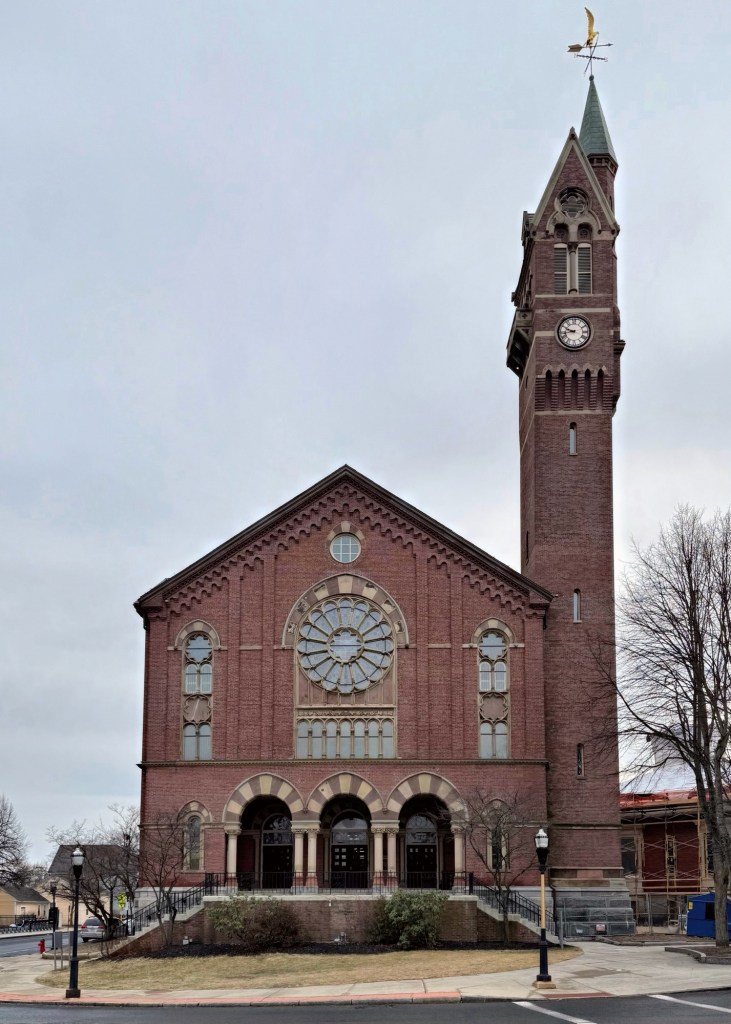
Chicopee City Hall // 1871

Chicopee, Massachusetts, was first settled in the early 17th century and incorporated as a town in 1848. Originally part of Springfield, Chicopee grew rapidly in the 19th century, fueled by industrialization and following immigrants arriving to the city to work in factories there. Many of these ethnic groups established cultural centers and built churches, creating the diverse and architecturally unique city we see today. Sadly, like many other 19th century industrial cities, many of the factories closed or relocated in the mid-late 20th century. While the loss of industry harmed the local economy, Chicopee is poised for growth and rebirth as the second largest city in Western Massachusetts, and anchored by its great architecture. The Chicopee City Hall, built in 1871, is one of the region’s finest buildings and one of a handful built in the Romanesque Revival style. The present building was constructed on land the City purchased in 1869 from the Ames Manufacturing Company, a major employer in town with mill buildings nearby along the river. Architect, Charles E. Parker of Boston, was hired to design the new building which is said to have been loosely modelled after the Palazzo Vecchio, the historic town hall of Florence, Italy. The City of Chicopee have been great stewards to their historic City Hall, undergoing numerous restoration projects in the past decades.

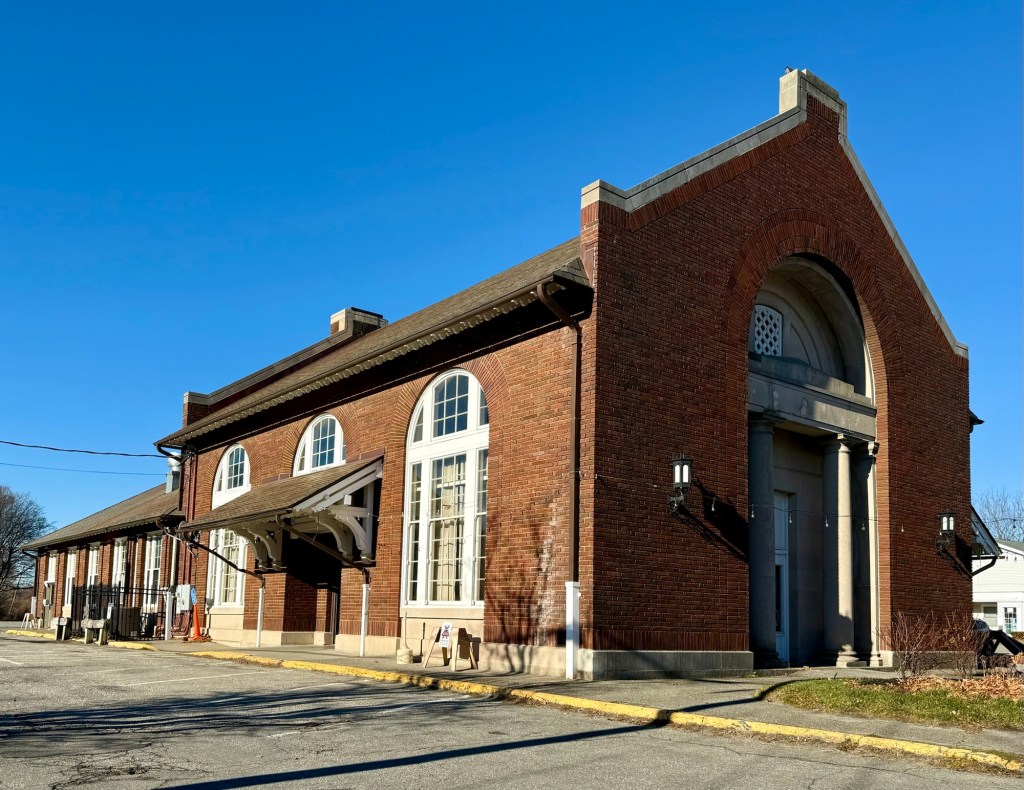
Rockland Railroad Station // 1917

Welcome to Rockland, Maine! Originally called Catawamteak by the Abenaki, meaning “great landing place”, Rockland was first settled by European settlers in In 1769 as a camp to produce oak staves and pine lumber. In 1777, when Thomaston was incorporated, present-day Rockland became a district called Shore village. In 1848, it was set off as the town of East Thomaston and renamed Rockland in 1850. The coastal community grew quickly as a shipbuilding and lime production center, with upwards of 300 vessels to transport the mineral to various ports in the country for the building of communities all down the coast. The opening of the Knox and Lincoln Railroad in 1871 brought an influx of tourists and businesses, creating a development boom for the community. The line was leased to the Maine Central Railroad in 1891, which took over ownership in 1901. The Rockland Railroad Station, seen here, was built in 1917, just before the government took over the railroads during World War IArchitects Coolidge and Shattuck designed the station in the Romanesque Revival style with the oversized arched openings at the windows and main entrance. The rise of the automobile industry would further harm rail service and usage, and the Rockland Branch officially closed in 1959. The old Rockland branch station operated as the Rockland Town Hall for decades and is now occupied by a local restaurant, Trackside Station.

Kinsley Building // 1892

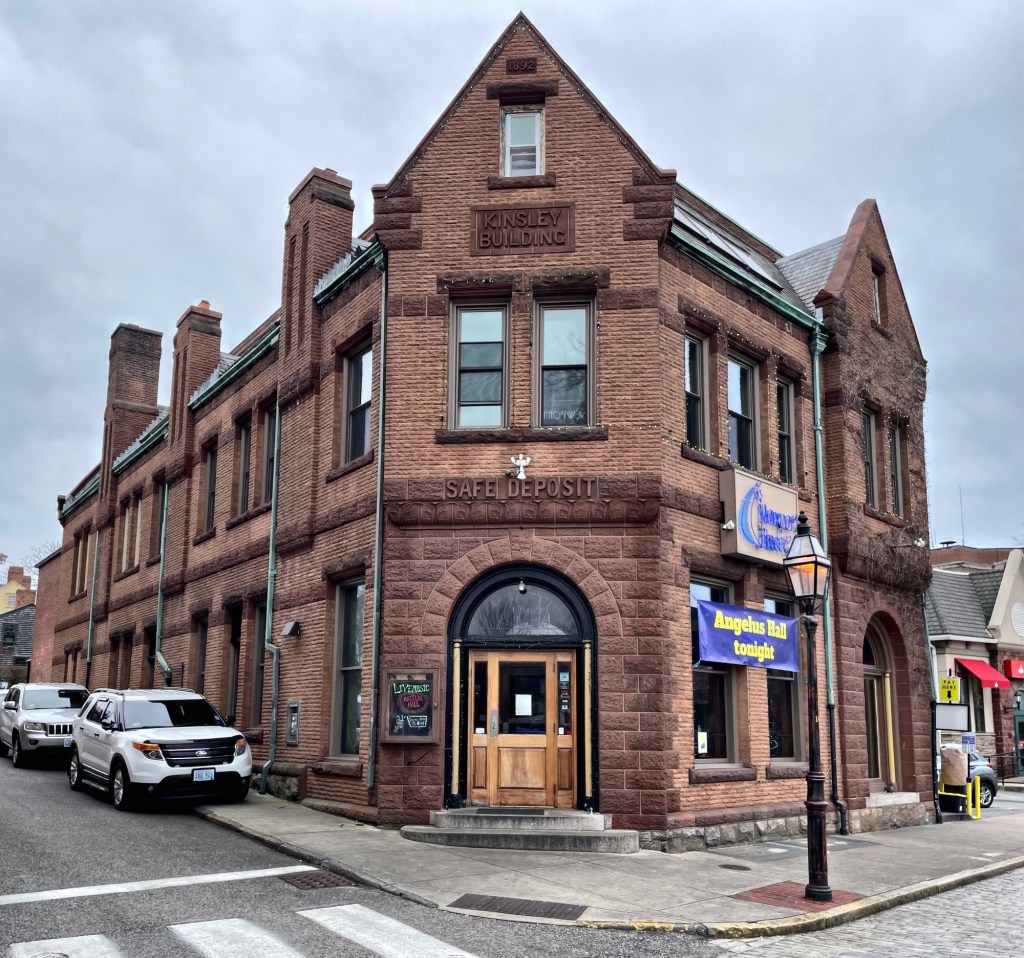
Established in May of 1854, the Aquidneck Bank begun with a capital of $100,000 with Rufus B. Kinsley as its president. The bank became the Aquidneck National Bank in 1865 and continued growing after the Civil War. The directors of the bank eventually left their former building (across Green Street) and moved into this building at Thames and Green Streets, which was built from 1892 to 1893 by local architect Dudley Newton. They named it after the banks founder, Rufus KinsThe Romanesque Revival style block is oriented to the corner and is built of brick and brownstone trim. Arched entrances are a nice Romanesque touch.

Newport Congregational Church // 1857

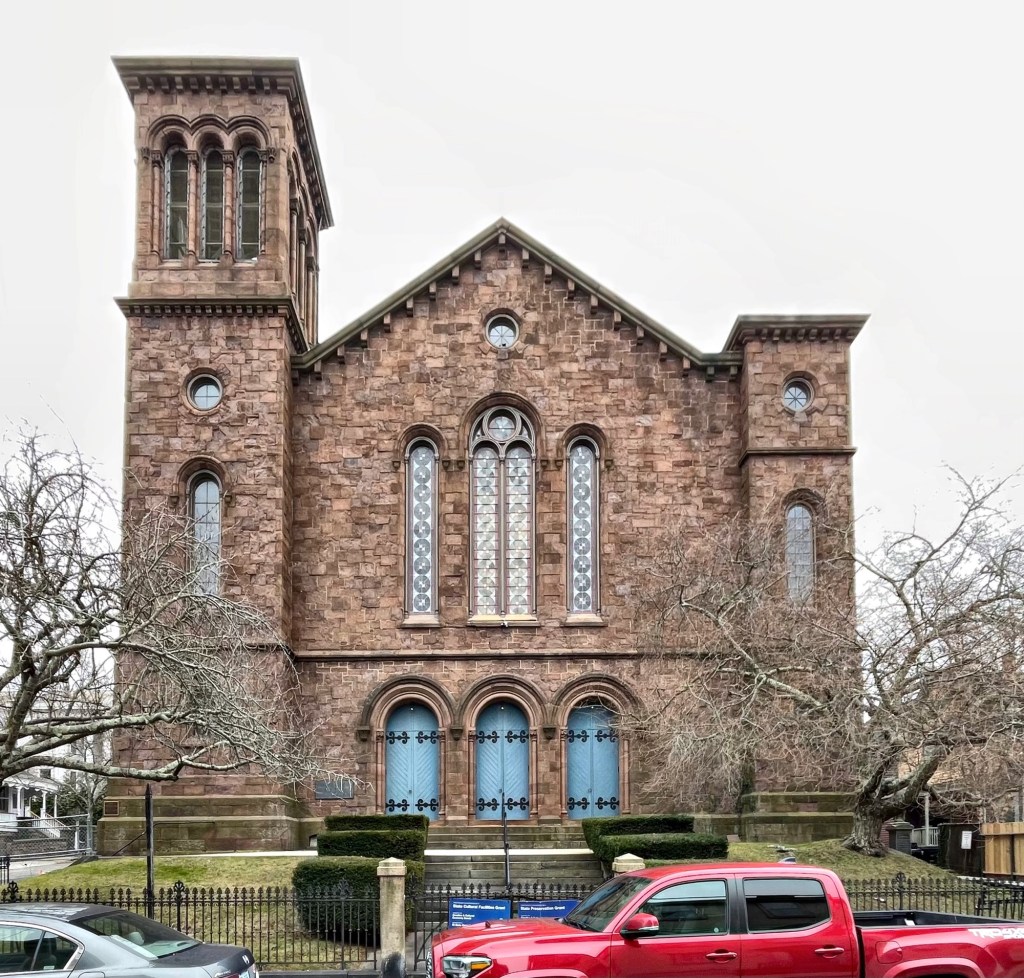
The Newport Congregational Church on Spring Street was built between 1855-1857 and serves the United First and Second Congregational parishes of Newport whose history began in the late 17th century. The building, designed by Joseph C. Wells a New York City architect, and redecorated on the interior in 1880 by John LaFarge, is an interesting and well-preserved example of the Romanesque Revival, brownstone churches of the mid 19th century. LaFarge had recently completed work on H. H. Richardson’s landmark Trinity Church, Boston, and sought to provide a more elaborate interior than he was able to in Boston. He produced twenty stained glass windows and a series of murals, which today, represent the only fully integrated ecclesiastical interior he produced. The congregation has shrunk in recent years and moved to nearby Middletown, but it’s vestry was committed to the preservation of La Farge’s work. The LaFarge Restoration Fund was established and since the 1990s, the nonprofit has spent $3 million on glass and mural restoration, architectural stabilization and systems upgrades for their former building. The building is used occasionally as an arts center.

Yale University – Welch Hall // 1891

As Yale University continued to enclose its Old Yard with elongated dormitories in the second half of the 19th century, the proprietors began to experiment with slight deviations to the prototypical Victorian Gothic piles built in the previous decades. Following a financial gift from Pierce N. Welch, an 1862 graduate of Yale College, and his sisters in memory of their late father, Harmanus M. Welch, the college hired architect Bruce Price to furnish plans for the new dormitory. Welch Hall is built of Longmeadow Freestone, the building is more Romanesque in style with arched masonry openings, the rough hewn stone walls, and pointed dormers projecting through the eave lines.

St. Mary of the Immaculate Conception Church // 1911

One of the grandest and high-style buildings in Sprague’s Baltic Village is the St. Mary of the Immaculate Conception Church. As Irish, French- Canadians and Poles settled in the village of Baltic, they formed a substantial Catholic community. This congregation was founded by 1860 and a modest church building was erected at that time. As the town’s Catholic population grew, the Archdiocese decided to fund a new church building. This Romanesque Revival style building was constructed in 1911 and it must have made a big statement when it was completed. The building is one of the most unique church designs that I have seen in Connecticut.

George H. Gilbert Company Offices // 1885

South of the Ware River in Ware’s Industrial Village, you will find this absolutely charming former manufacturing office on the side of the road. The building was constructed in 1885 for the George H. Gilbert Co., a textile manufacturer, as the company offices. The building’s architect could not be readily located, but the building appears to have been the work of a skilled designer. When the Gilbert Company relocated north to a new industrial village of Gilbertville, the Joseph T. Wood Shoe Company moved in. The building now appears to be owned by the present occupant of the mill building nextdoor, American Athletic Shoe Company. The former Gilbert Co. Office is one of the more high-style buildings in the town of Ware and exhibits the best in Queen Anne and Romanesque Revival architecture.

Vermont National Bank // 1884

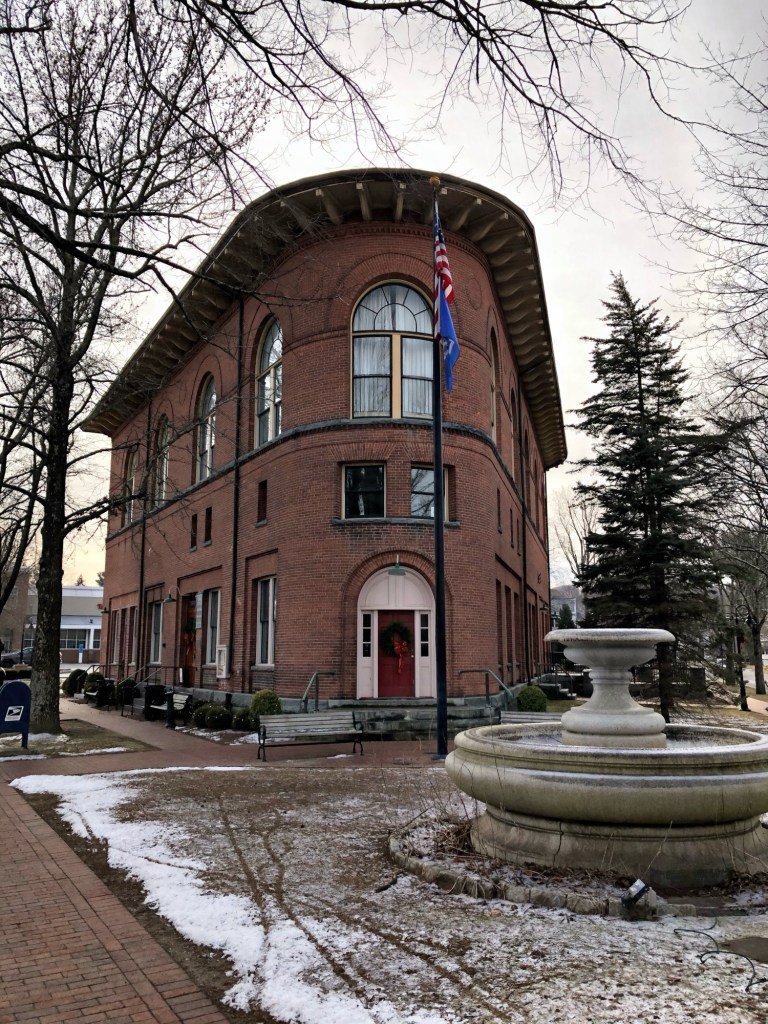
One of the few brick buildings in Newfane’s Village Center is this charming old bank, right on Main Street. The building was constructed in 1884 as the Vermont National Bank and is a vernacular example of the Romanesque Revival architectural style with the arched openings and brickwork. Vermont architect George A. Hines designed the modest building, which was built for $6,650. The bricks for the building were brought into town by ox cart. Those for the front facade cost 5 cents apiece; those for the sidewalls 3 cents; and those for the back wall 2 cents, showing how the best materials go on the highly visible facades.

Norway Opera House // 1894

The most substantial building on Norway’s Main Street is this hefty brick commercial block with its prominent corner clock tower. The structure was designed by Maine architect Edwin E. Lewis and built in 1894 as the Opera House with stores along the ground floor. The building was constructed immediately after a large fire destroyed much of the downtown village area of Norway, and was built in such a way to show the strength and resolve of the town, leading the way for a larger re-building effort by the local business community. The Romanesque Revival building features lovely arched windows and brick detailing. The building has seen better days, but a local group has been working tirelessly to restore this beauty to her former glory! The group is presently soliciting donations to restore the roof and rear wall, to keep the building standing for future generations.

Collinsville Savings Bank // 1892

Historically, banks would construct architecturally grand buildings with ornate interiors to showcase their wealth and stability. The aim for these institutions would be to express longevity and security for those looking for a place to store their wealth. The Collinsville Savings Bank grew out of the Collinsville Company and was incorporated to provide a bank for the ever-growing community in the village, from executives to recent immigrants. The bank was incorporated in 1853, and later relocated into the company’s office building. By the end of the 19th century, company offices expanded into other spaces in the building, and the bank was forced to build this new Romanesque Revival style building on Main Street. The rusticated blocks in the brick facades add a lot of depth and detail to the building, and those ARCHES!

Lancaster Industrial School for Girls Chapel // c.1840

The Lancaster Industrial School for Girls was a self-sustained campus of housing, dining, farming, and functional buildings giving the State of Massachusetts little need to worry about its day-to-day function or funding. In 1838, the First Universalist Society in South Lancaster (then known as New Boston), built a house of worship for members living there. When the southern part of Lancaster reincorporated as the separate town of Clinton, members of the church relocated a short distance to the new manufacturing-oriented community for prosperity. This church was closed, but was purchased by the Industrial School for Girls, who moved the building 1.5 miles to their campus, for use as a chapel. The building was added onto and altered a couple times, but has sat deteriorating since the school closed.

Thompson Hall – University of New Hampshire // 1892

The centerpiece of the University of New Hampshire (UNH) campus in Durham, is Thompson Hall, a stunning example of Romanesque Revival architecture. Thompson Hall was the first building to be built on the new campus of the New Hampshire College of Agricultural and Mechanical Arts, which had been founded in 1866 as a land grant college and was previously located near Dartmouth in Hanover. Benjamin Thompson, a Durham farmer, died 1890, leaving an estate worth $400,000, with 253 acres (102 ha) of land, to the state for use as an agricultural school. The state accepted his gift, and construction of Thompson Hall began in 1891, with a landscape plan for the campus developed by the great Charles Eliot. The bold Romanesque building was designed by Concord, NH architects Dow & Randlett, who were among the most prestigious architectural firms in the state at the end of the 19th century. The building remains as a significant piece of UNH’s ever-growing campus.