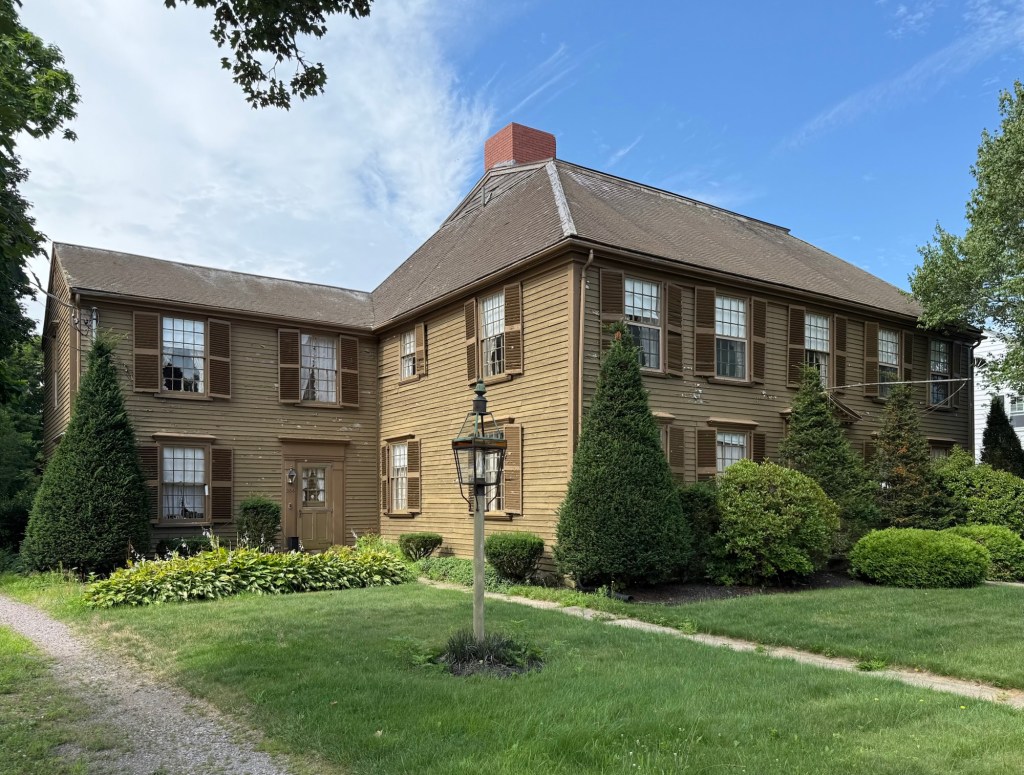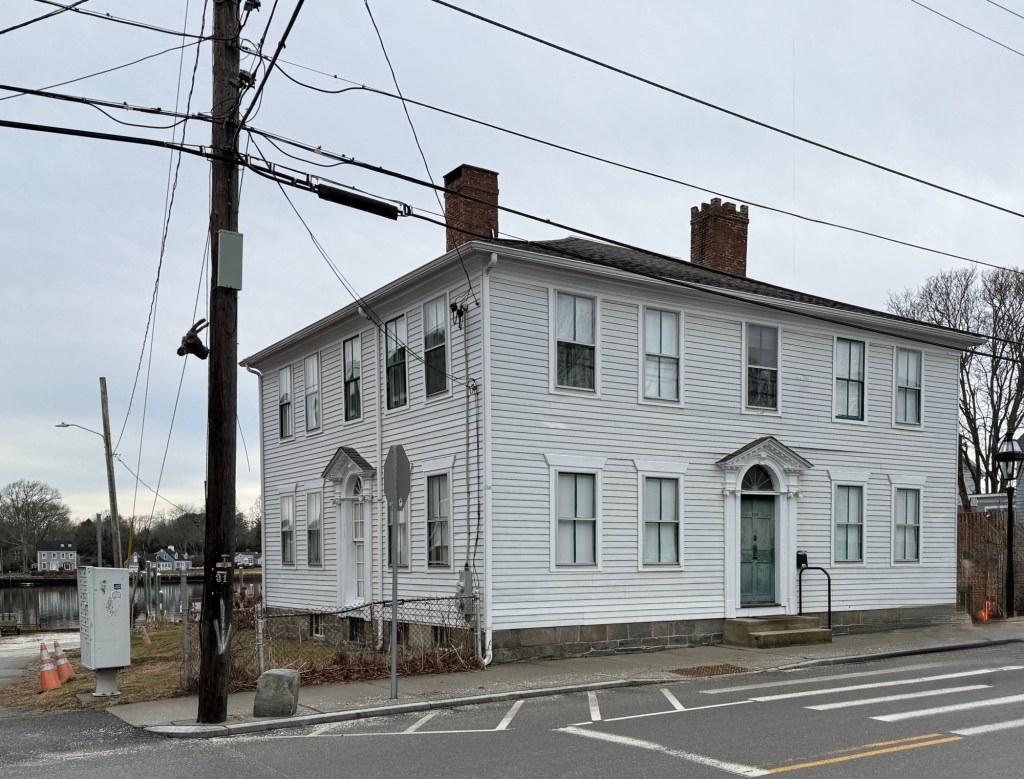
Bildad Washburn Tavern // c.1774

This stately Georgian style house on Main Street in Kingston, Massachusetts, was originally built in nearby Marshfield and later moved to its current location just decades later. The house was built on the Winslow estate in Marshfield in about 1774 by either Dr. Isaac Winslow or his brother, Maj Pelham Winslow. In 1796, the property was purchased by Bildad Washburn, a noted gravestone carver, and the house was moved to its present site. Reports state that the house was moved by boat and oxcart to its current location, where it became a tavern and residence of Mr. Washburn. In 1804, the house was sold to Major George Russell, a merchant and town clerk, who later served in the War of 1812, who converted the ell into a store where he sold, East and West India goods from his ships. After his death, his daughter ran a dame’s school from the house. The Washburn Tavern is significant as a large Georgian-era house that remains in a great state of preservation.

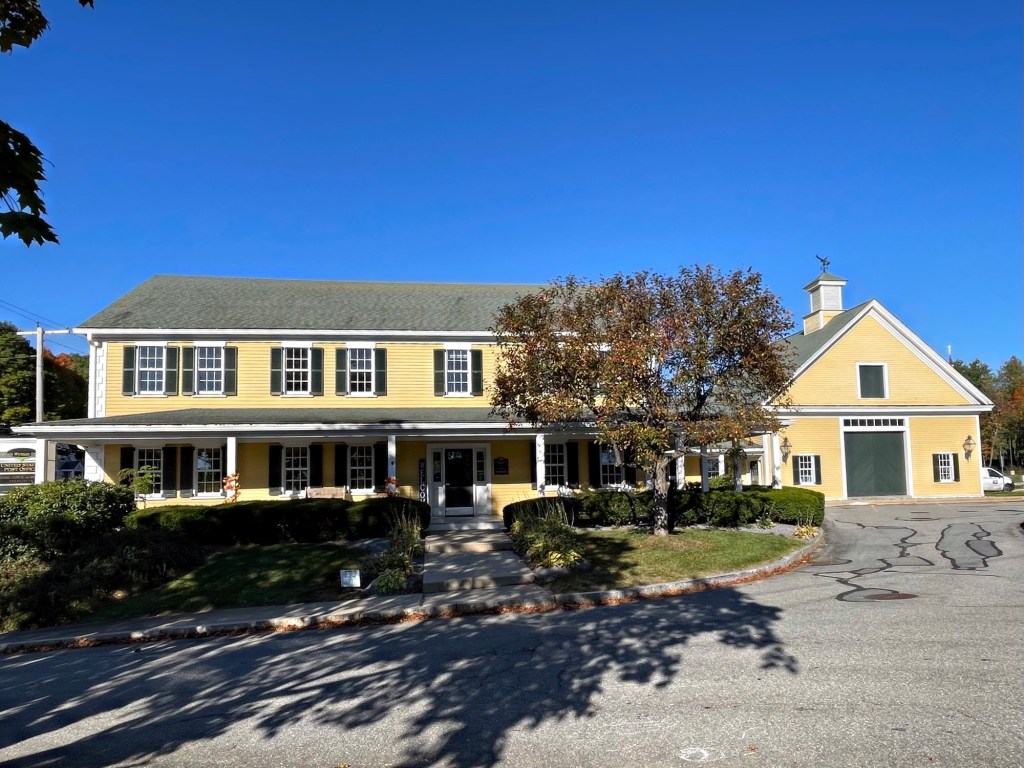
Wyman Tavern // c.1780

This large Colonial house sits on the Ashby town common adjacent to the town’s meetinghouse. The structure was built by Abijah Wyman, a Captain in the American Revolution, in about 1780 as a family home. In 1803 a turnpike was established and was well travelled by heavy wagons and stagecoaches travelling between Boston, NH, and VT. Taking advantage of the location, Abijah’s son John expanded the building and began operating a tavern from the house. It would become a drinking establishment, post office, and inn during the 19th century. Later owners modified and expanded the building further, adding a porch and connecting the tavern to the barn. The building is now occupied by commercial uses including the local post office!

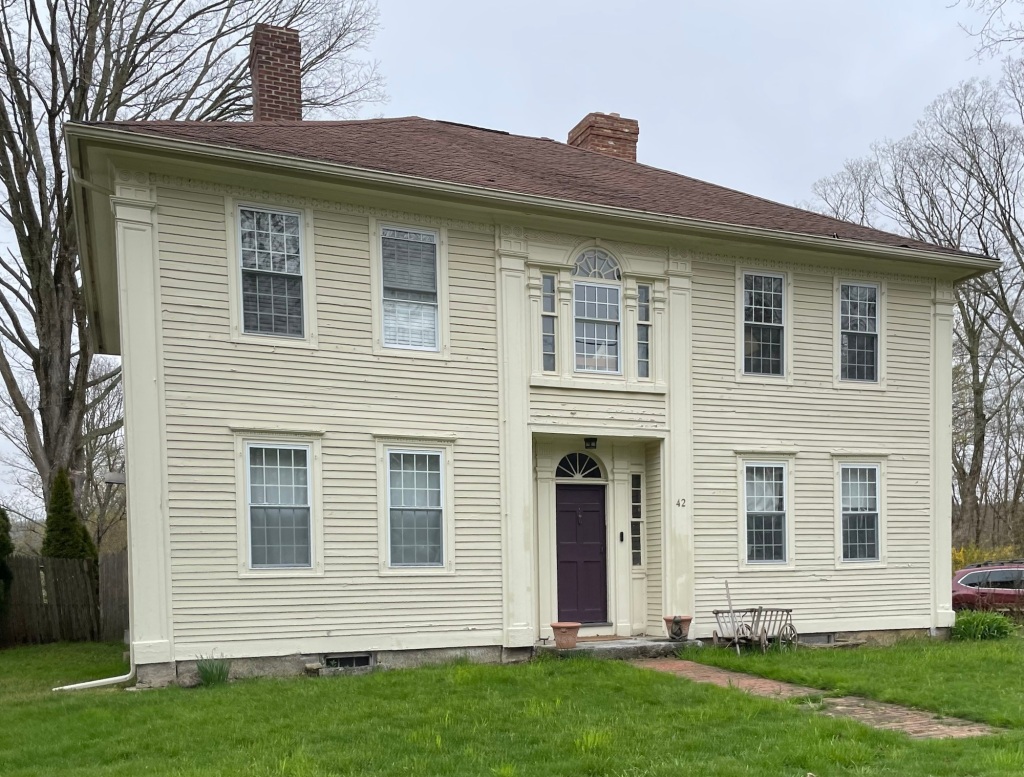
Gurley Tavern // 1822

Chaplin, Connecticut was incorporated in 1822 and in that same year, this stately Federal style residence was built and operated as a tavern by Chauncey and Julia Gurley. The house in the late 19th century was used as a private school and residence and was later owned by Ruth E. Snow Bowden (1895-1983) known lovingly as “The Quilt Lady”. Ruth was one of the foremost quilt-makers in Connecticut and her Chaplin home, as a result, became known as The Quilt Shop. By the late 1900s, the tavern was converted to an inn, but closed years later from few bookings. The new owners have restored and maintained this charming old tavern back to its original appearance.

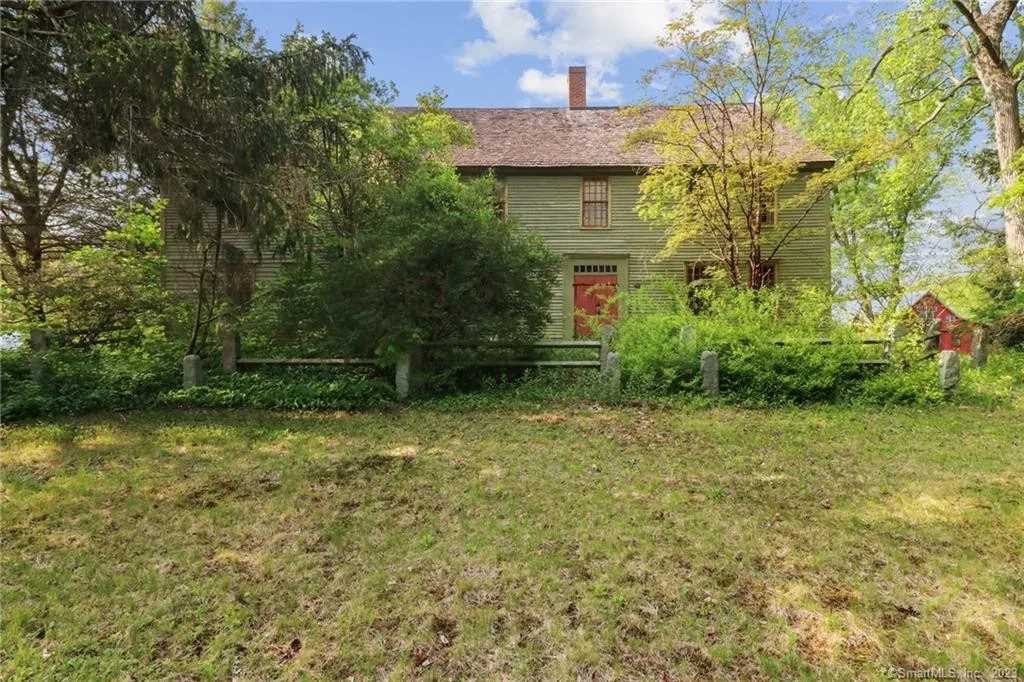
Mixer Tavern // 1710

Photo from real estate listing.

One of the most historic houses in Ashford, Connecticut was listed for sale! The house at 14 Westford Road dates to 1710, when John Mixer purchased the property which at the time totaled 100 acres, and applied for a license to operate a tavern. John Mixer was born in 1668 in Watertown, Massachusetts and married Abigail Fiske in 1695. Mixer worked as a tanner in Watertown before moving to Connecticut, becoming the first settler of Ashford in 1710. Mixer became Ashford’s first Town Clerk, Treasurer, Tavern Keeper, Select Man, and Deacon. Mixer and his family would eventually move to Suffield, Connecticut, but the old tavern remains in impeccable condition, largely due to its later owners and preservation as an inn and restoration in the 1920s.

Crocker Tavern // c.1754

One of the largest pre-Revolution houses in Barnstable is this stunning Georgian manse, known as the Crocker Tavern. The c.1754 home was built along Main Street in Barnstable Village by Cornelius Crocker (1704-1784), who operated it as a tavern along the Old King’s Highway, the main stagecoach route through Cape Cod. Cornelius died in 1784, and he left the eastern half of his house and land to his grandsons Robert, Uriah, and Joseph Crocker; the western half of land and house went to his daughter Lydia, widow of Captain Samuel Sturgis who died at 25, she never remarried. The house was “to be divided through by the middle of the great chimney“, a feature which was likely removed under separate ownership. Lydia eventually acquired the other half of the house, and continued operation of the tavern as her father did before her, though it was known as Aunt Lydia’s Tavern. The property was passed down through the family until 1925, when the property was left to the Society for the Preservation of New England Antiquities (later renamed Historic New England) as a historic house museum. The Georgian house and property were eventually de-accessioned by Historic New England and the tavern can be rented out on AirBnb!

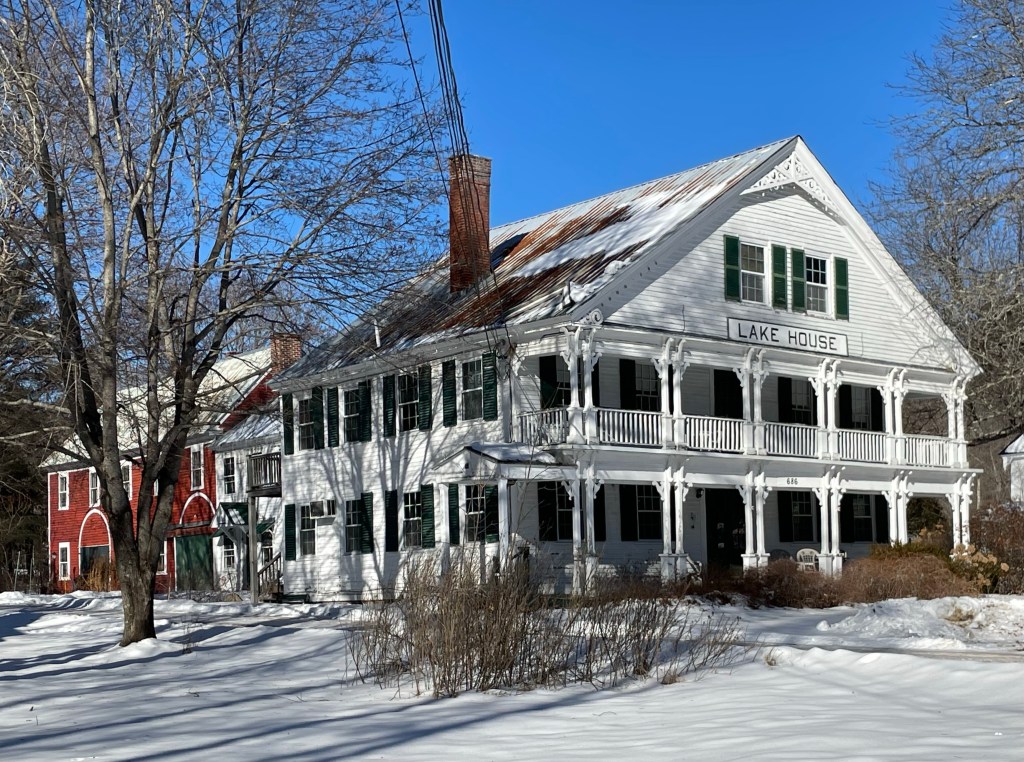
Lake House Hotel // 1797

Eli Longley (1762-1839) came to Waterford, Maine by way of Bolton, Mass., in 1789 and erected a log cabin in town. As the first settler to build in this part of town, he owned a substantial piece of property, which was frequently travelled through as the area was being developed. Seeing a need for lodging, he built a one-story tavern in the location of this building, which was added onto and modified as demand and the area’s population grew. Longley would also subdivide some of his land for house lots along the new town common, selling to new settlers as they arrived. Longley sold the tavern in 1817, which was acquired later in 1847 by Dr. Calvin Farrar. Taking advantage of a nearby mineral spring, Dr. Farrar opened a successful hydropathic spa, which used natural waters to cure patients of their ailments. The spa was taken over by Dr. William P. Shattuck, who expanded the site as the “Maine Hygienic Institute”, a hospital exclusively for lady patients employing eclectic treatment. This business and the tourism it generated helped shift the town from a sleepy village to a tourist destination by the late 19th century, where city-dwellers would flock to view the natural scenery and breathe in the clean air. In the 1860s-70s, Shattuck “modernized” the Lake House Hotel with the two-story Victorian-era porch and sawn decorative trim.

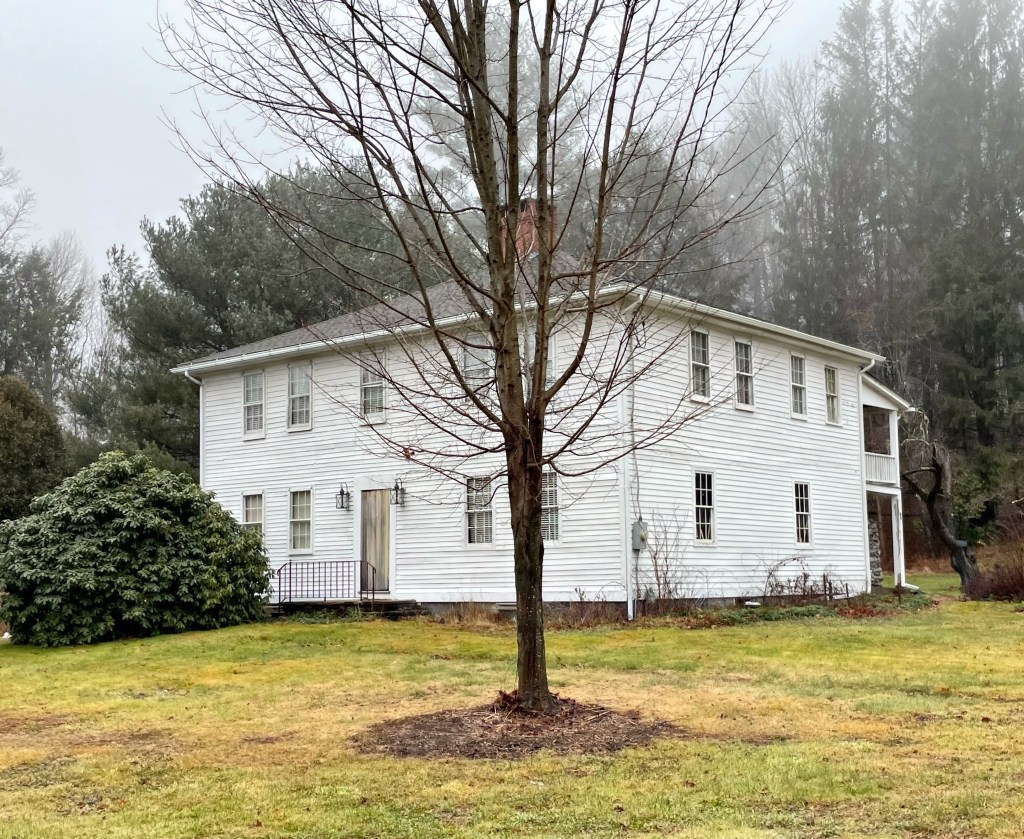
Daniel Glazier Tavern // 1815

The Daniel Glazier Tavern is located at the west end of the Willington Green, an area showcasing great vernacular examples of Federal and Greek Revival architecture. The tavern was apparently built by Daniel Glazier as a stop along the route connecting Norwich, CT to Springfield, MA, where visitors could grab a bite to eat and/or stay the night to rest. Daniel’s son Isaac was the first tavern-keeper, followed by Daniel’s son-in-law Arial Eldridge until his death in 1849. The ballroom of the tavern had long been used in the winter months for town meetings, as he basement of the Town Meetinghouse, used for town meetings, lacked any form of heat. Since 2009, the property has been owned by the Willington Historical Society, who have restored the building.

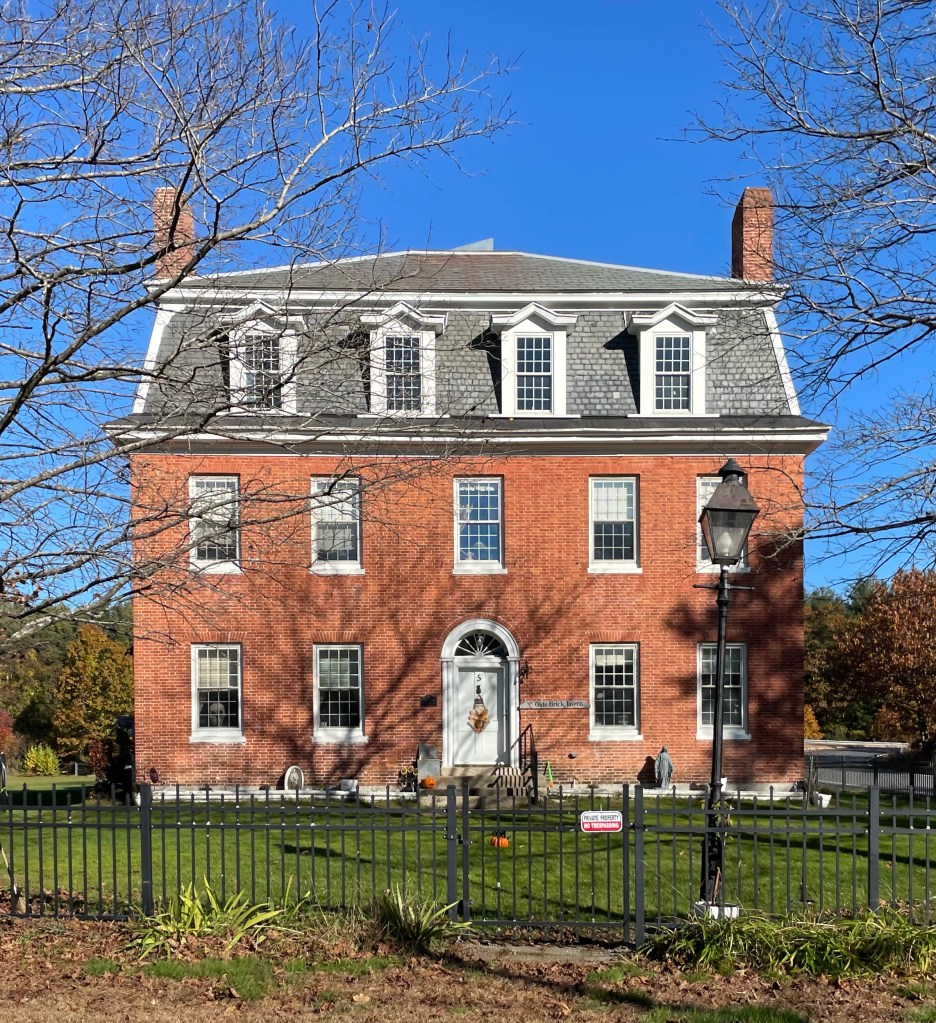
Old Brick Tavern // 1804

The Brick Tavern was an important stopping point on the old Union Turnpike, and the original two-story brick structure was completed about the time of the turnpike construction by Paul Willard, who with his heirs, operated the inn for 25 years. In the first years of the 1800s, the Union Turnpike Company planned and built a road providing a link for travel from Boston to Albany. Realizing the possibility for an inn along the first leg of the route, Willard financed this substantial brick building for travellers to stop, eat and spend the night. The tollroad was later made free, and less people stayed at the inn. After subsequent ownership, the building started to suffer from deferred maintenance and it was sold to a local Quaker group. The Quakers modernized the building by constructing the mansard roof and updating the interior. They never occupied it, but rented it to tenants for income. After, it was a hospital, boarding house, and in WWII, as a barracks of sorts for soldiers training nearby at a military base. The building is now a house!

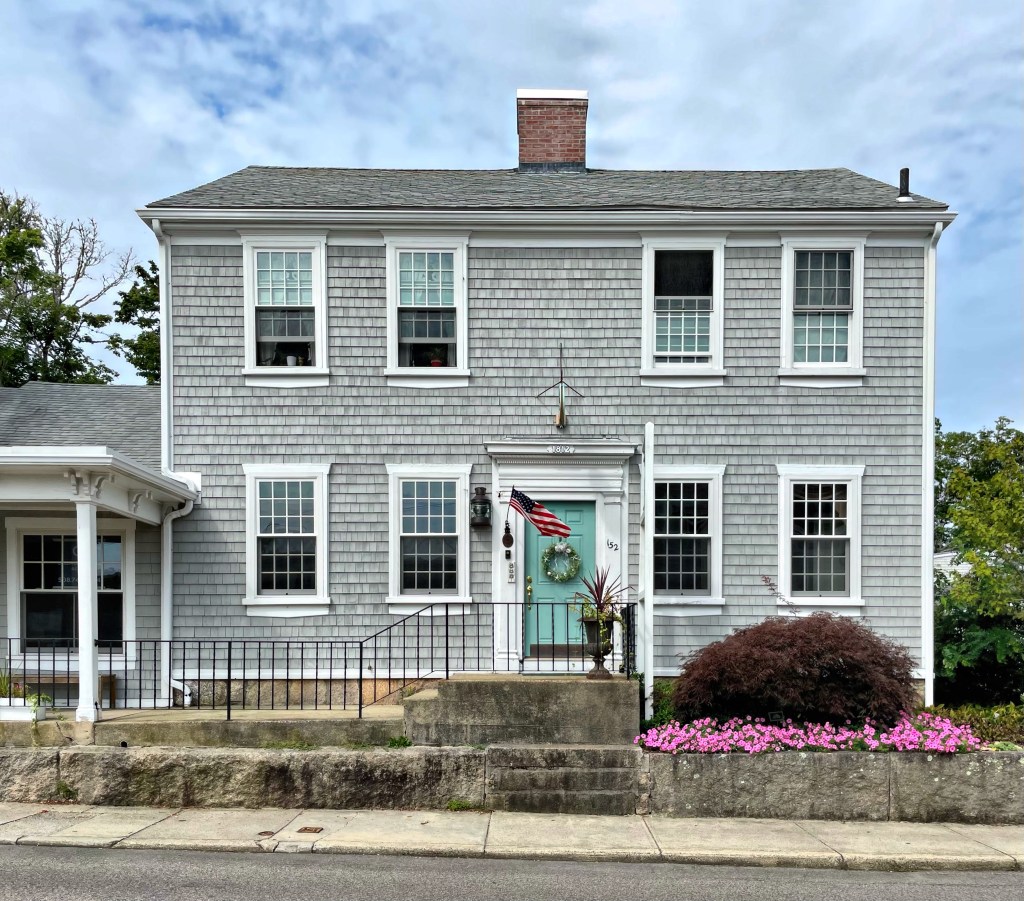
Handy’s Tavern // 1812

Before the days of cars and even trains ruled, people in New England would get around by horseback or stagecoach (horse-drawn carriages) from town to town. Due to the long travel times to get everywhere, many New Englanders built taverns, which served as inns and bars for the weary traveller on their journey. In 1812, a recently married Caleb Handy built this house to serve as a residence and source of income, as a tavern for travellers on the Plymouth-New Bedford stagecoach route. He married Sophia Dexter in 1811, who died just two years later at the age of 22. Two years after the death of his first wife, he married Sophia’s sister, Mary, who just turned 18 (he was 33). The tavern had a ballroom for local dances and a room for serving drinks, based principally on West Indian rum, that was shipped in from sugar plantations, owned by many wealthy white families in New England (many of whom exploited the slavery abroad). The Tavern was later owned by Benjamin Handy, who continued to operate it as a Tavern until the railroad made the stagecoach route obsolete in the middle of the 19th century. It then became a family home. The house was sold to the Sippican Women’s Club in 1923, who renovated and restored much of the building, and held luncheons and events inside. They maintain the building to this day.

Jones Tavern // 1732

Settlement of South Acton (by colonialists) was begun in 1701 when the Jones and Knight families purchased 600 acres of a private land grant. Over the next 26 years, members of the two families established and operated mills near the Fort Pond Brook, which provided running water for operations. Samuel Jones built a home here in 1732, which as originally built, was a simple, four room central entry Georgian home with gable roof, typical of many eastern Massachusetts homes at the time. In 1750, Jones opened a tavern and general store in his house, enlarging it with a two story addition now visible on the left side. Samuel’s son Aaron Jones, a Harvard graduate and soldier who fought at the Battle of Concord nearby, took over the tavern from his father. In 1818, Aaron more than doubled the size of his establishment when he built a large, 5-bay extension and rear kitchen ell directly behind the existing structure. In addition to enlarging his property, Aaron also had it “modernized”, inserting sash windows (replacing the casement windows) throughout and adding fashionable Federal style door and window surrounds. The additions gave the building two major entries, as well as secondary access to the communal taproom. The property was then willed to his son Elnathan Jones, who operated the establishment until 1845 as both a tavern and hotel. The building remained in the Jones family until it was sold in 1946, and divided inside into multi-family use. The house was sold for salvage in 1964 after years of neglect, but was saved by Iron Work Farm, Inc., a non-profit who maintain the property to this day.