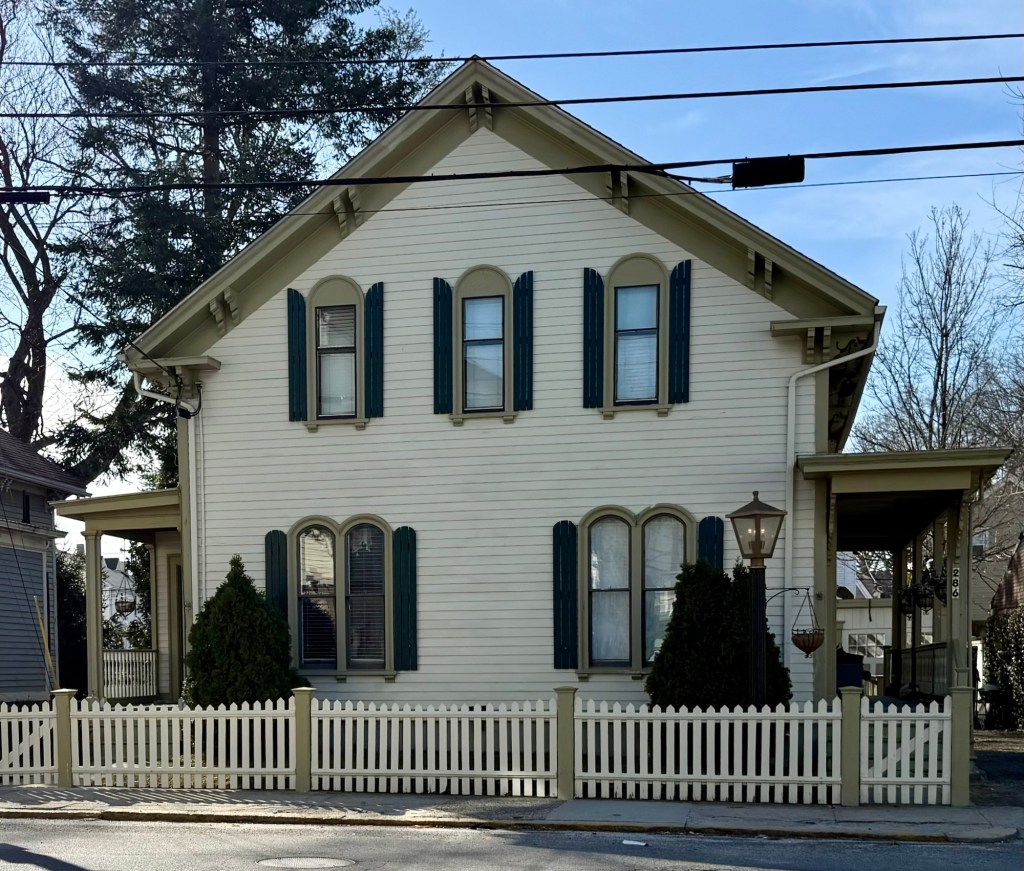
Nathan S. Horton House // c.1860

This modest, Italianate style house was built around 1860 by a carpenter and builder as his own residence. Nathan S. Horton (1819-1916) was a busy builder in Central Falls, Rhode Island in the mid-late 19th century as the population boomed along with the industrial growth and wealth that the city saw. For his own residence, Horton built this two-story wood-frame house with side entrances and porches, paired brackets in the eaves, and arched top windows, all commonly found in the Italianate style, popular around the time of the Civil War. Mr. Horton lived to his late 90s and likely remained in this home until his death.

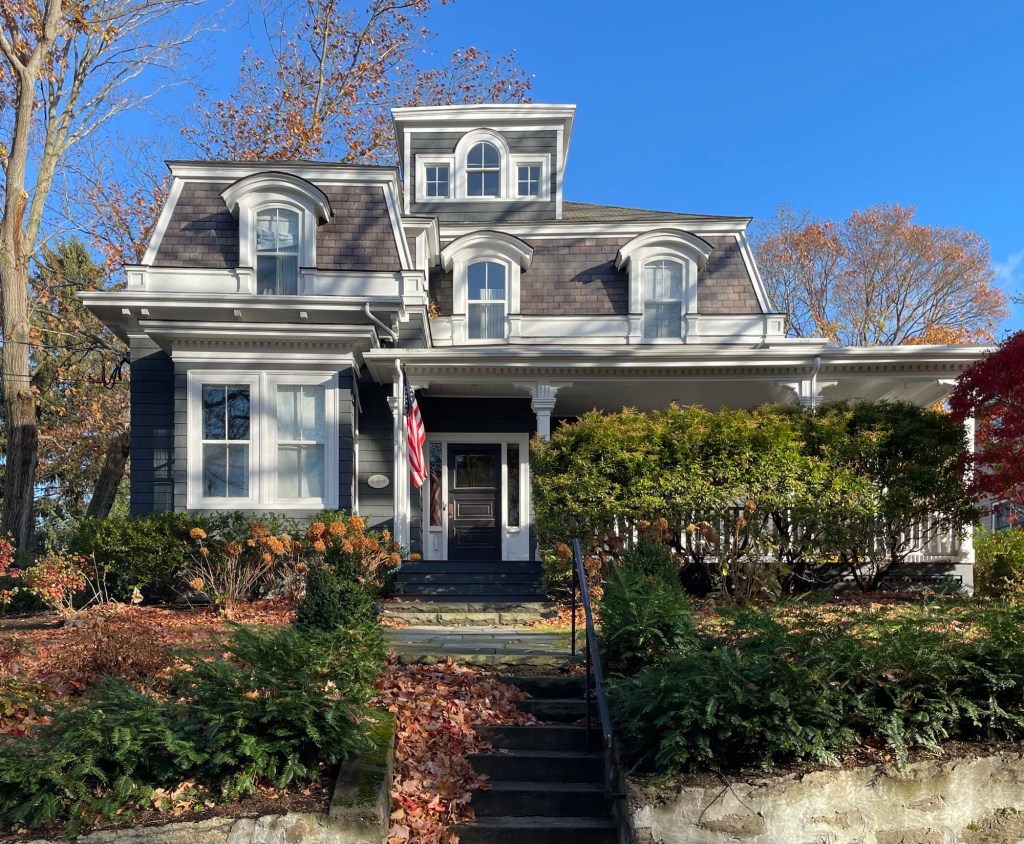
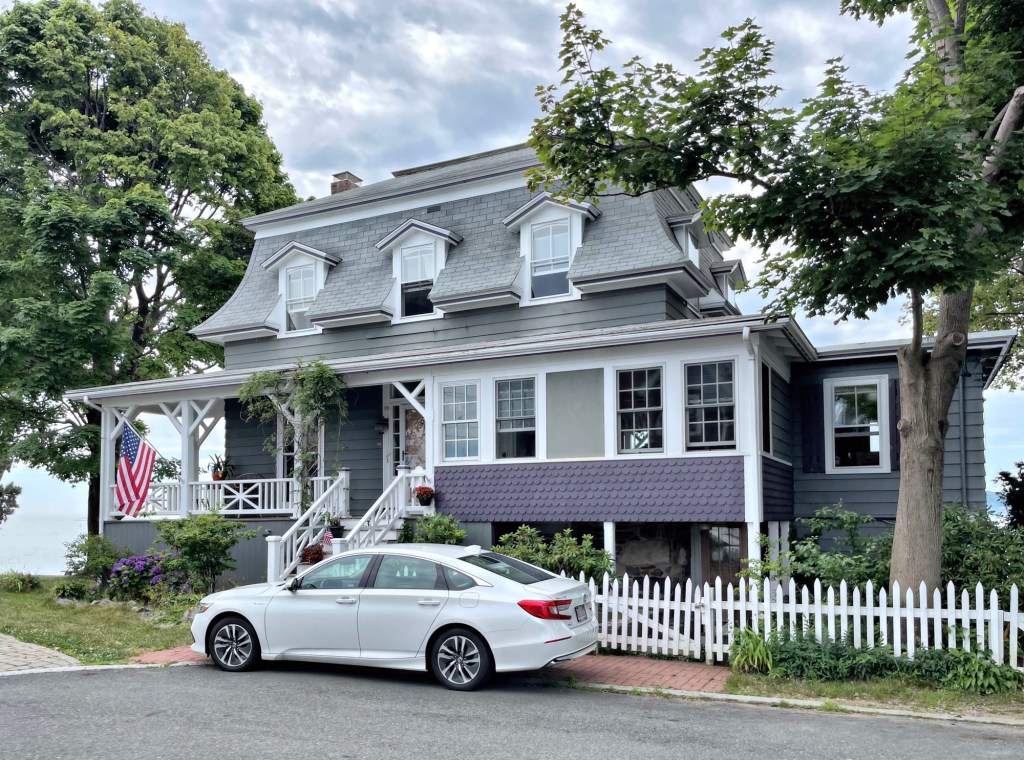
Samuel D. Garey House // c.1870

Samuel D. Garey (1825-1891) was born in Auburn, Maine, and worked as a carriage manufacturer there before moving to Newton, Massachusetts to use his carpentry skills building houses in the rapidly developing Boston suburb. He became a prominent builder and developer in Newton Centre, residing there and building this mini-mansard house on Gibbs Street before 1870. Garey likely rented the house out to tenants for supplemental income, with the family maintaining the charming cottage into the 20th century.

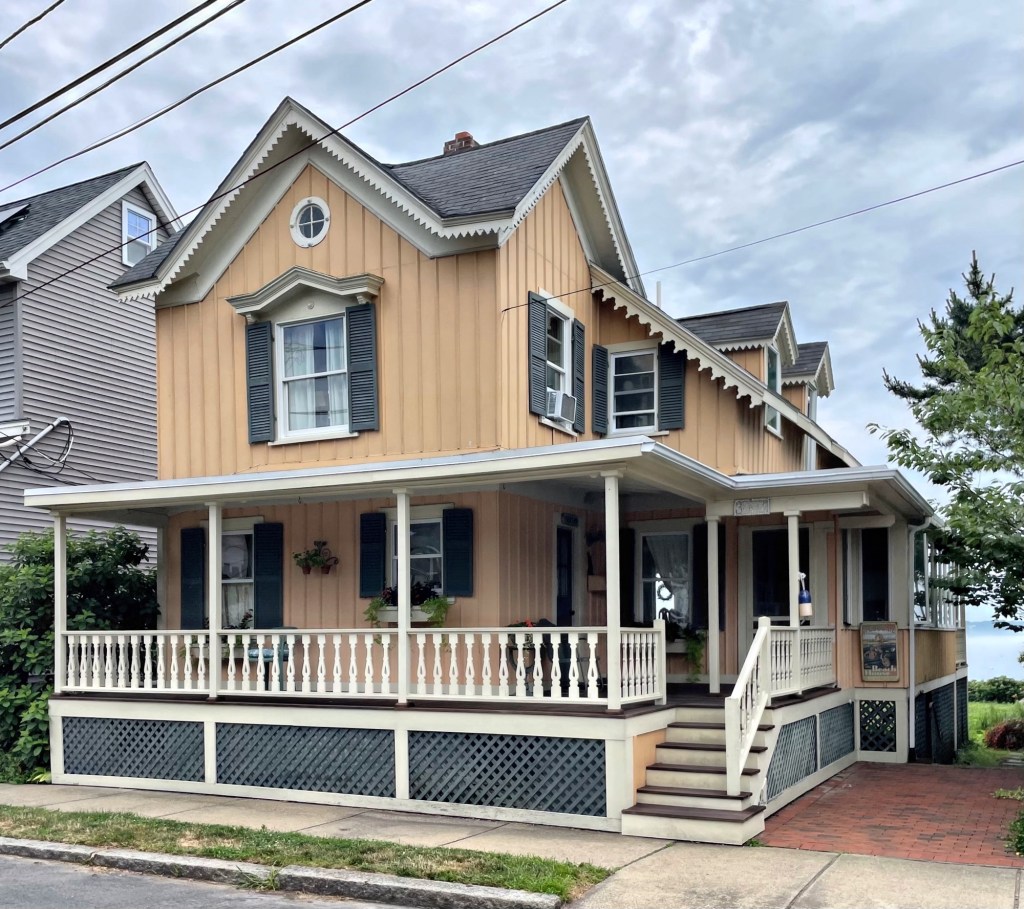
Streeter Cottage // 1882

In 1881, Gilbert Streeter and his wife Rebecca purchased a small house lot in the Salem Willows for a summer cottage for them to retreat across town to during the warmer months. Gilbert Streeter was an amateur historian, businessman, publisher of the Salem Observer and was able to afford a second residence in his hometown. The Streeter cottage was built by 1882 and stands out not only for its excellent state of preservation, but for its unique architecture. The cross-gabled form cottage is covered in board-and-batten siding with bargeboards lining the eaves.

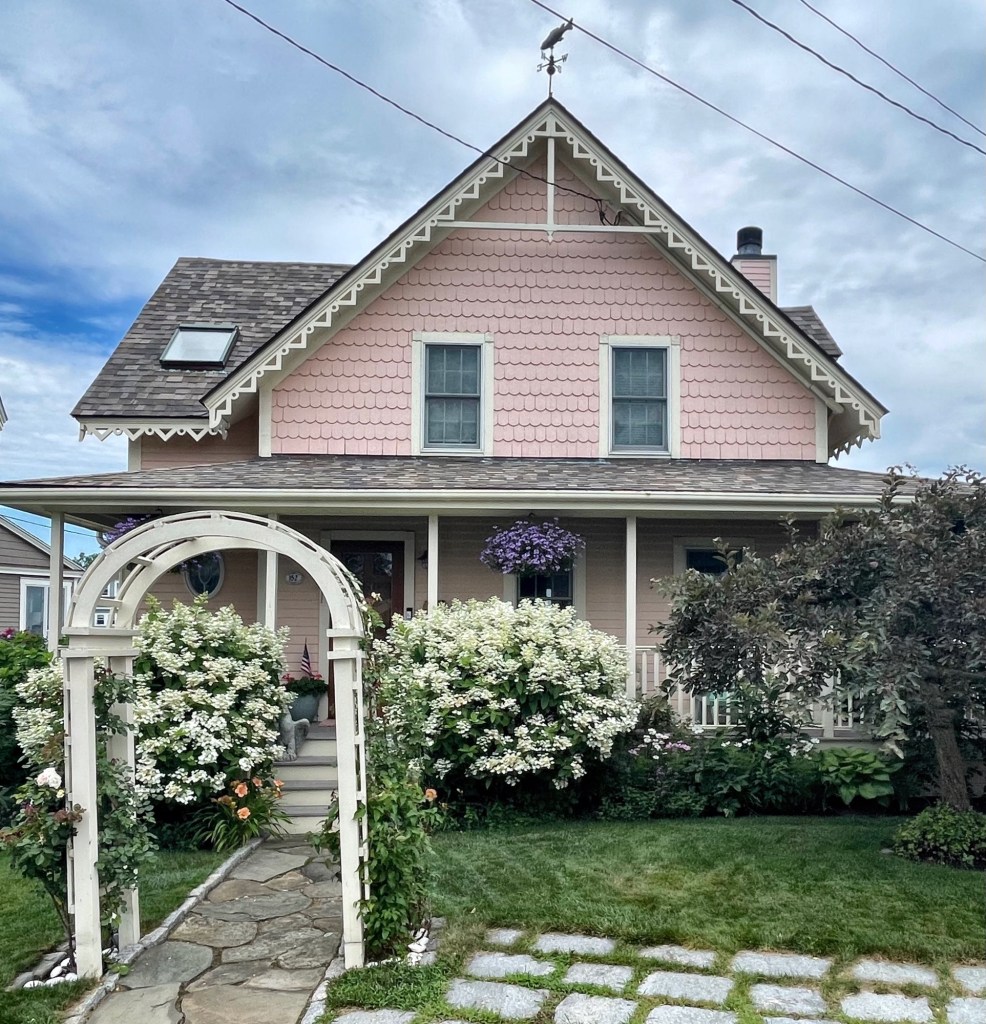
Joseph P. Allen Cottage // 1877

One of the most picturesque and charming summer cottages (now year-round residences) in the Salem Willows neighborhood in Salem, Massachusetts is this Victorian on Bay View Avenue. The cottage was built around 1877 for Joseph Pray Allen (1822-1897) who was a police officer who likely climbed the ranks in the force to afford a second home in the city. The 1 1/2-story cottage has decorative bargeboards at the eaves and stick bracket at the gable. Perfection!

Patrick Dempsey Cottage // c.1875

This charming mini-mansard summer cottage is located in the coastal neighborhood of Salem Willows, in Salem, Massachusetts. The neighborhood developed in the 1870s-1900s as a summer colony for middle-income families who wanted a second home away from the hustle-and-bustle of urban living in favor of ocean breezes. The cottage likely dates to the mid-1870s as one of the earliest summer homes in the neighborhood, and historic maps show it was owned by a P. Dempsey. It appears this is Patrick Dempsey (1821-1902), an Irish immigrant who settled in Lowell, Massachusetts, making it big as a liquor dealer and saloon-keeper. The Second Empire style cottage has a partially enclosed porch, but retains much of its original character and is located right on the water with sweeping views of the Atlantic Ocean.

William Bates Summer Cottage // 1885

While Salem is best-known for its First Period and Federal style buildings, the Salem Willows neighborhood features some of the finest Victorian summer cottages in the Boston area. This cottage was built in 1885 by William Marston Bates (1820-1912), a Salem-based dentist, as his summer retreat when not in the office. The Stick style cottage has a steep gable roof with jerkinhead clip at the facade and a wrap-around porch with decorative jigsawn bracketed details. The house is a well-preserved example of the style, examples of which are becoming less-and-less frequent in recent years.

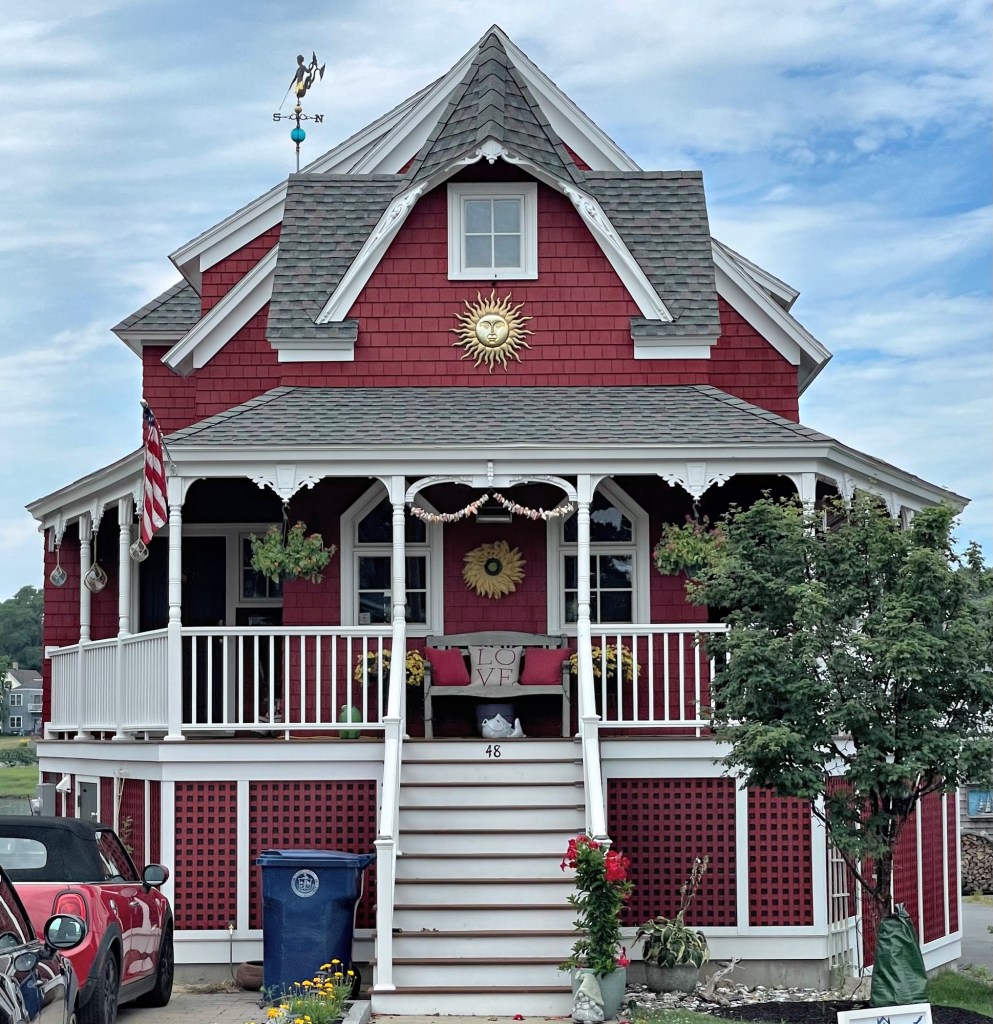
Galvin Cottage // c.1882

Hull Hill is a relatively unknown enclave of summer cottages that sit on a rise overlooking Boston Harbor in the coastal community of Hull. The development of Hull Hill began in the 1870’s but became most active in the 1880’s and 1890’s. The land here was previously maintained as pasture and gardens by Hull villagers, but the land here was eventually sold and developed when the Hingham Water Company came to Hull in 1882. That same year, the railroad arrived which provided easier access to the town. This cottage on Andrew Avenue is one of the earliest summer residences built here, and dates to the late 1870s or early 1880s. The cottage was owned by Owen Augustus Galvin, a Boston lawyer, and his wife, Jane Sullivan Galvin. The unique cottage features a hexagonal section with a roof extending down to meet the wrap-around porch. The cottage exemplifies late 19th century cottage/resort architecture.

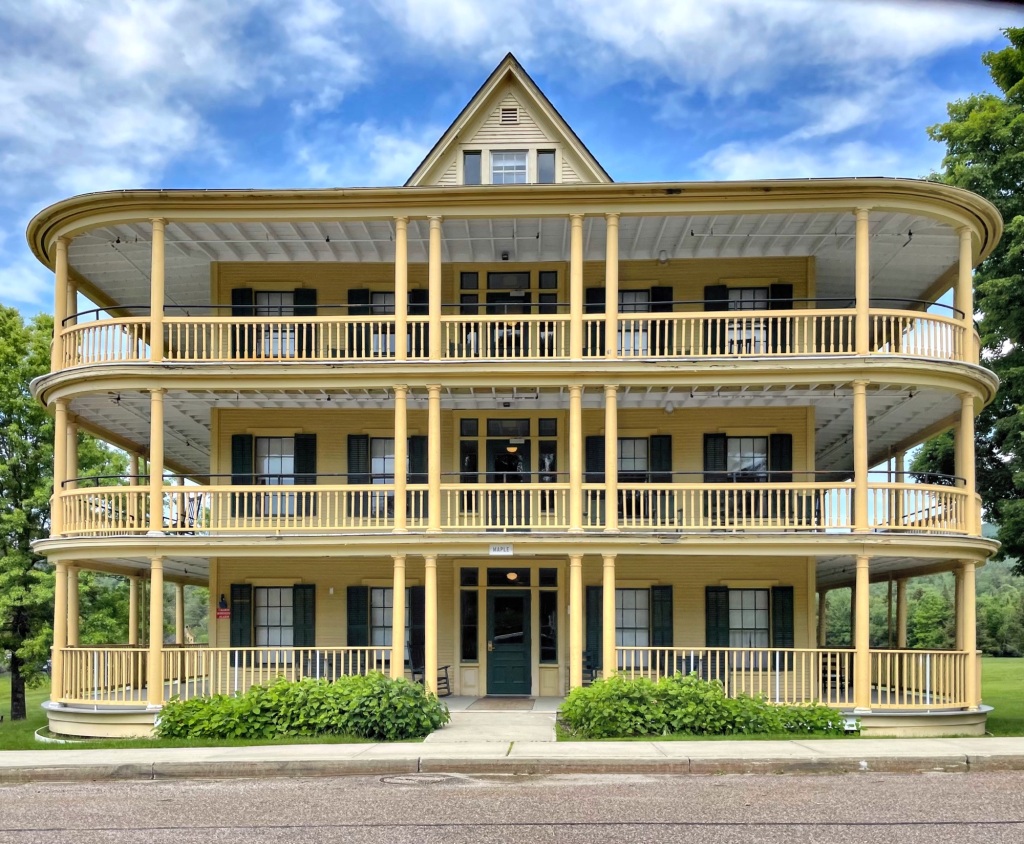
Bread Loaf Campus – Maple Cottage // c.1900

Welcome back to the Bread Loaf Campus! For more early history and context of the complex, check out the post on the Bread Loaf Inn. By 1900, owner Joseph Battell’s enterprise exceeded the capacity of the original inn, and cottages were added to accommodate more guests visiting his new permanent home in the mountains of Ripton, Vermont. Located adjacent to the Mansard-roofed Birch Cottage, one of the most visually striking buildings in the campus is Maple Cottage, which reads more porch than cottage, but it’s 100% perfect. It was the last cottage built by Battell for his family and friends to stay at when visiting. They must have loved evenings on the three-floors of porches looking out over the Green Mountains.

Haven Avenue Cottages // c.1877

When Andrews Point in northern Rockport, Massachusetts, was opened for development by speculators Eben B. Phillips and George Babson, they envisioned the colony, “Ocean View” as a rival to other nearby summer colonies of Beverly Farms, Gloucester, and Magnolia. Roads were laid out and house lots were plotted with larger lots for big summer cottages along the coast and smaller cottage lots at the interior of the development. The rocky coast and more limited access compared to its rivals, caused Ocean View to lack in sales, but there are still some great remaining cottages to be found here. These two early cottages are great surviving examples of the modest, middle-class homes for summer residents. These two charming Victorian cottages sit side-by-side and were owned by an L. Brigham and Benjamin Lewis and both are in a great state of preservation 150 years later.

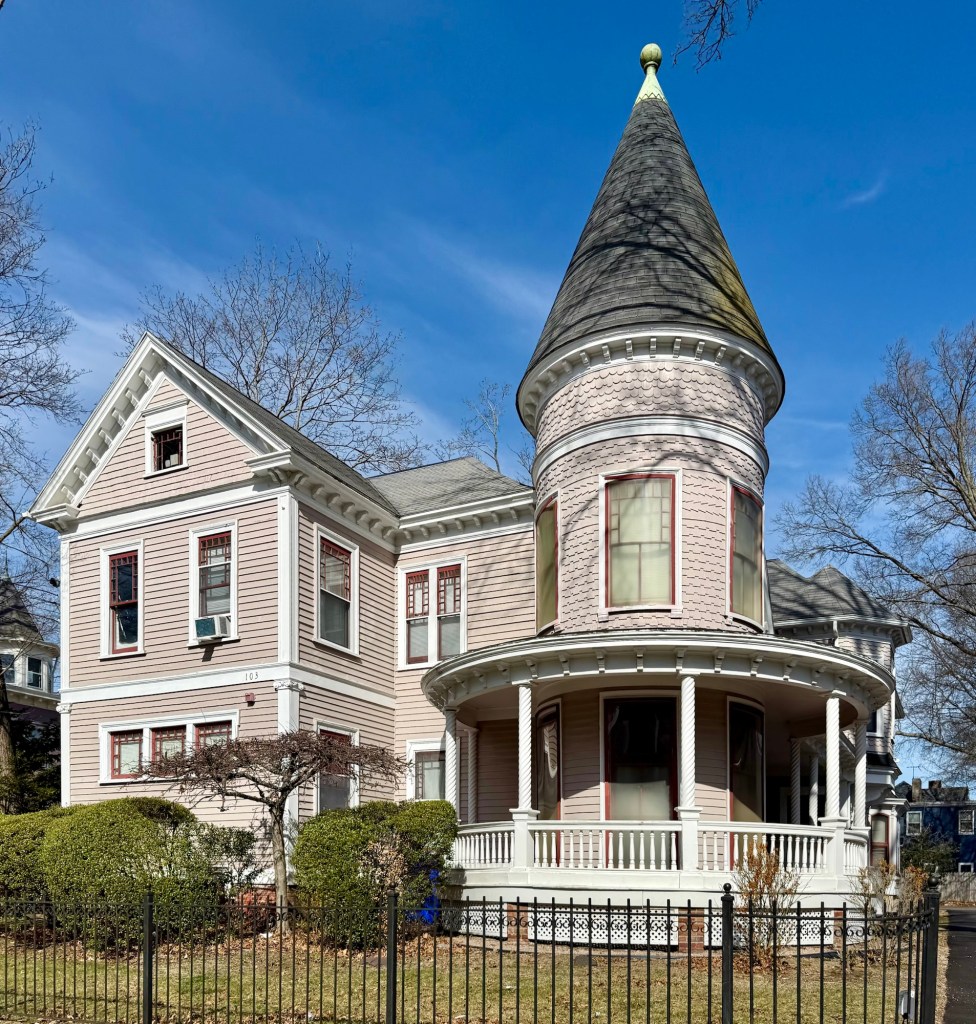
Smith-Cottrell House // 1887

Located next to the Channing Memorial Church and the Derby Cottage on Pelham Street, this Queen Anne style cottage stands as a significant Victorian era residence on the street dominated by Greek Revival homes. Built in 1878 for a William H. Smith for his residence and office. The home is an excellent example of the Queen Anne style with asymmetrical form and massing, complex roofline with multiple gables and towers, varied siding, and intricate millwork. By the early 20th century, the property was owned by John and Mary Cottrell, and later purchased by the Channing Memorial Church as “Channing House”.