Hall’s Block // c.1883

This diminutive commercial block sits on Water Street in Warren, Rhode Island while small in size, packs an architectural punch! The late-Italianate style wooden block exhibits its original wooden storefronts, second floor round arched windows with stained glass, and ornate detailing including the brackets, parapet and period-appropriate paint colors which allow those details to pop. The shop was owned in its early days by the Hall family, who sold drygoods. Later, the building was used as an antiques shop on the ground floor with a studio for author and illustrator, David Macaulay on the second floor. These types of smaller-scale commercial spaces are some last remaining (relatively) affordable spaces for small businesses to operate. So lets make sure we

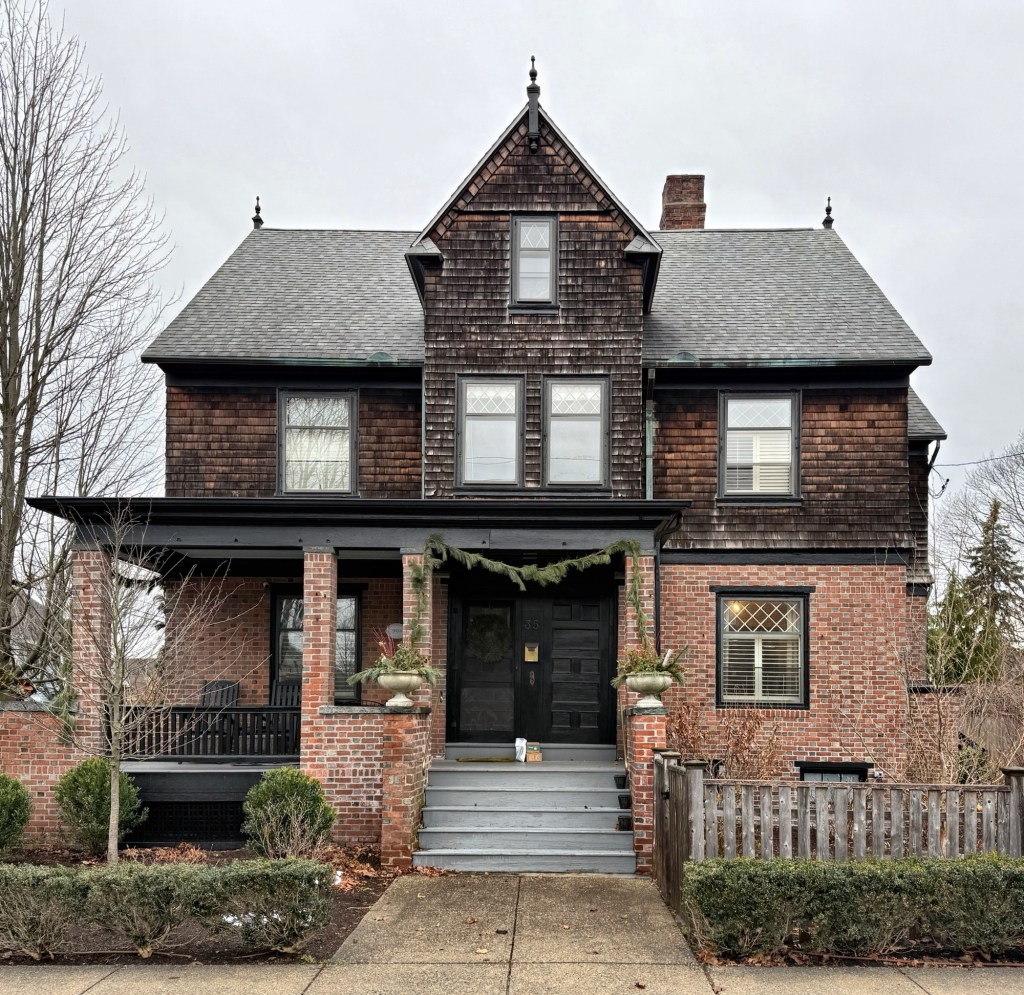
Buckingham House // 1903

This period Queen Anne residence in Warren, Rhode Island was erected for Erastus and Hannah Buckingham and today remains essentially as originally built. Erastus Buckingham made his money by opening an oyster plant where he would collect and package oysters. I think it is safe to say that someone opening up a similar plant would not be able to afford such a house today… Its simple forms, coupled with its use of natural materials illustrate early 20″ century design simplification while retaining the use of materials typical of late 19″ century Queen Anne style. Oh and those diamond pane windows are something special too!

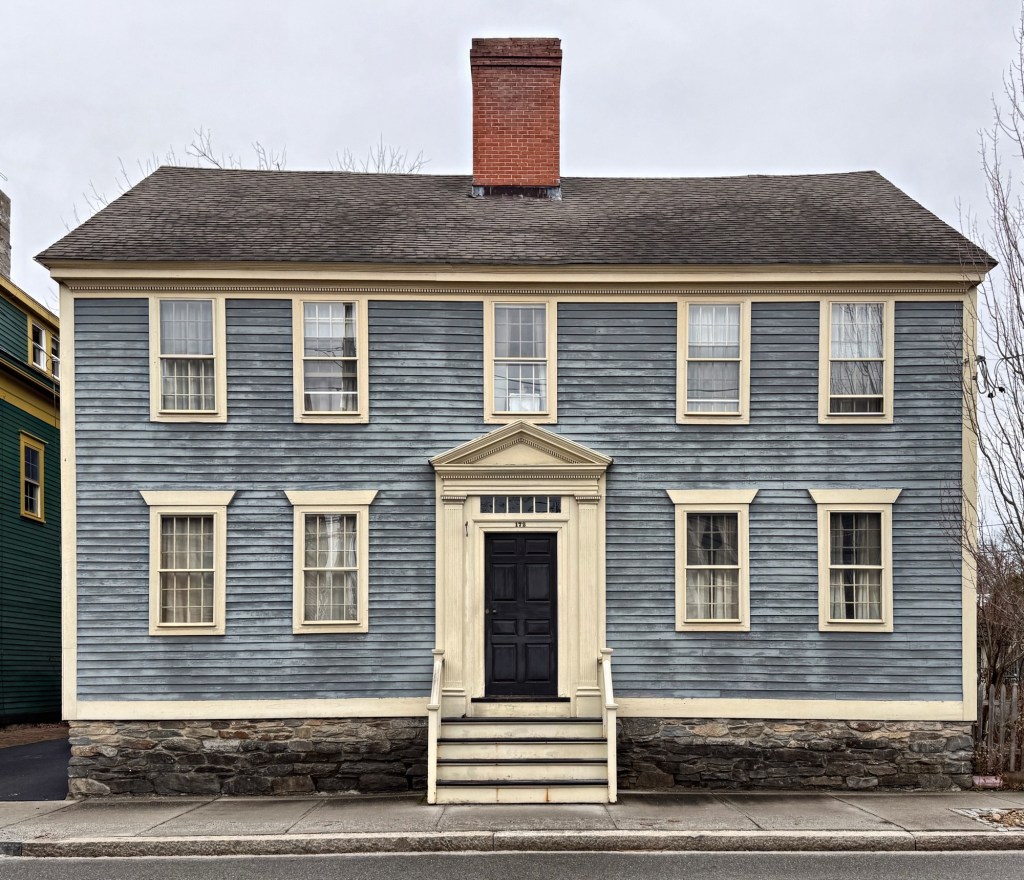
Charles Wheaton House // c.1815

Rehoboth, Massachusetts native, Charles Wheaton (1761-1863) enlisted in the Revolutionary army as a young man. After the war, he settled in Warren, Rhode Island and married Abigail Miller. They would have at least nine children. One of his children, Charles Wheaton, Jr., (1791-1863) would grow up in Warren and married Abiah Goodwin Turner in 1815, the daughter of a wealthy sea captain. Around the time of their marriage, they built this house on Liberty Street in Warren in the Federal style with a three bay facade and portico at the entrance with Ionic columns. By the end of the 19th century, the house was enlarged and a bay window was added over the Classical portico and a monitor on hip-roof.