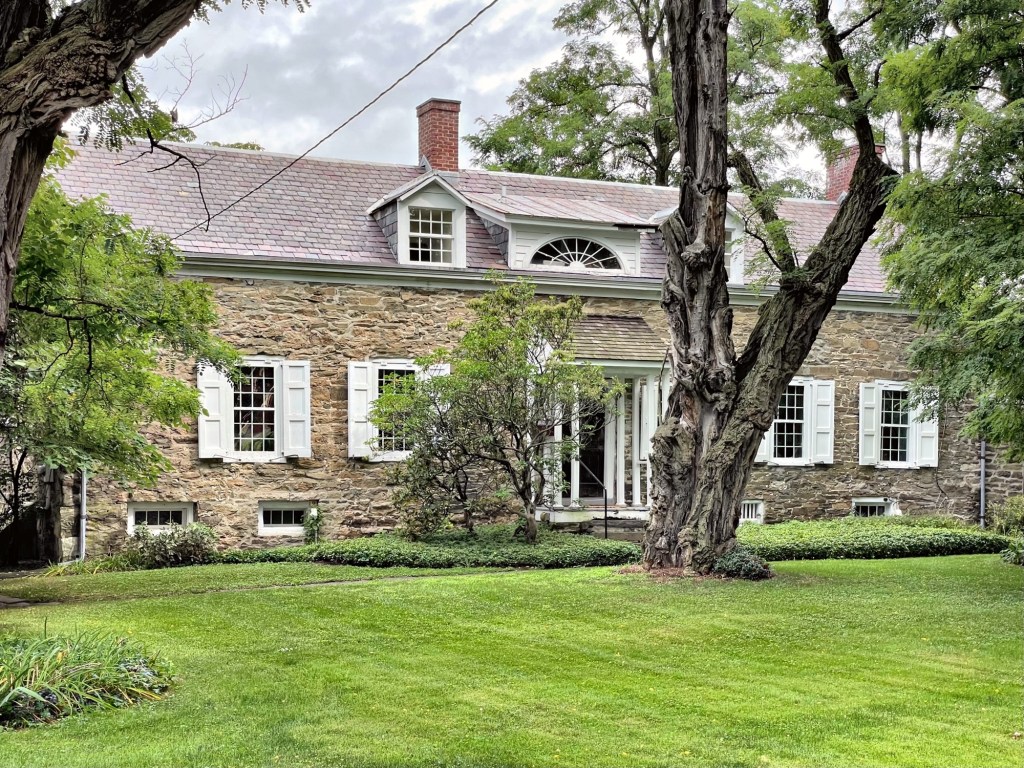
DuBois-Kierstede Stone House // 1727

Ulster County, New York, is known for its many stone houses, largely built in the 18th and 19th centuries by Dutch and other European settlers to the region. This stone house in Saugerties was built beginning in 1727 by Hiskia DuBois (Du Boys), who established a 40-acre farm here. The original homestead was the one-and-a-half-story east wing of the present structure and occupied by Hiskia until his death in 1757, afterwhich, the property was inherited by his son David, who would sell the farmstead to Dr. Christoffel “Christopher” Kiersted (1736-1791), the first doctor to take up a residence in present-day Saugerties. After Dr. Kiersted died in 1791, the property was expanded and enlarged to its current composition, likely by his son, John Kiersted. Under the ownership of John, a grove of Black Locust trees were planted in the front yard setting the cottage in a small forest. The DuBois-Kierstede Stone House is currently the home of the Saugerties Historical Society, which operates the structure as the Kiersted House Museum, along with a preserved Dutch Barn on the site.
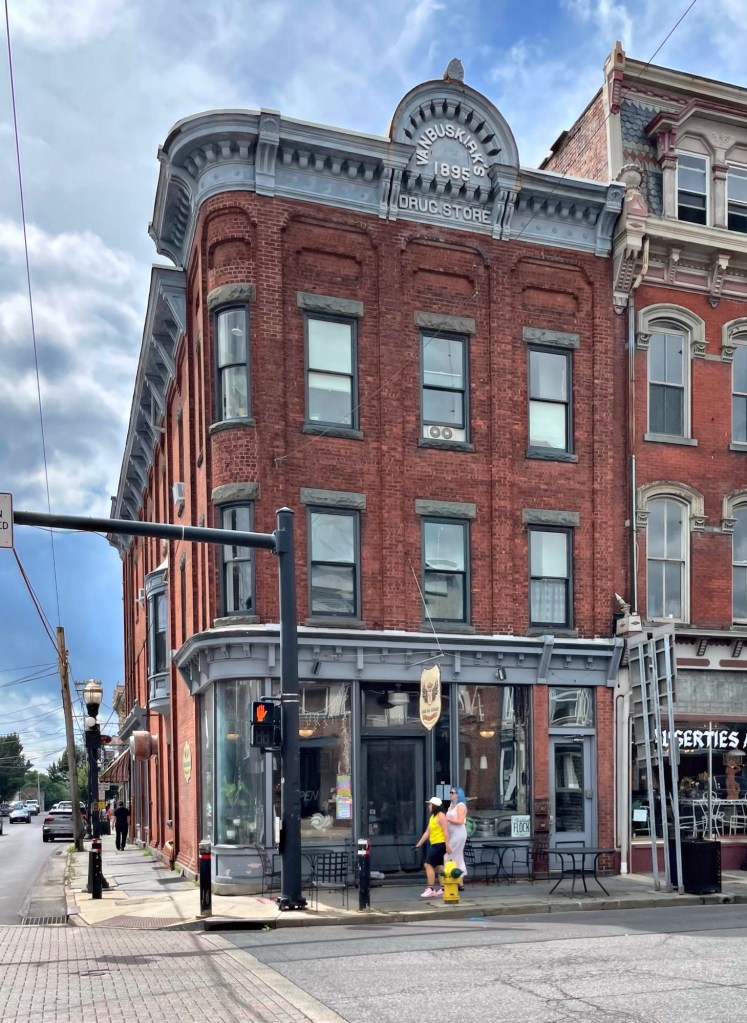
Van Buskirk Block // 1895

Built at the corner of Main and Partition streets in Saugerties, New York, this handsome 19th century commercial building is located next door to the Whitaker Block – featured previously. The Van Buskirk Block was built in 1895 for the Van Buskirk Brothers, who were pharmacists in town. The building has a unique rounded corner, inset brick paneling, and a bold metal cornice at the roof.

Whitaker Block // c.1870

One of the finest commercial buildings in downtown Saugerties, New York, is the Whitaker Block, a landmark Second Empire style structure from the years following the American Civil War. The structure dates to around 1870 and was first owned by an E. Whitaker and was mixed use with retail at the street and offices above. Additionally, the building was home to the local chapter of the Independent Order of Odd Fellows (IOOF) a fraternal social organization. The three-story with mansard roof building stands out for its architectural details and integrity which largely remain intact to this day.

Dutch Arms Chapel // 1875

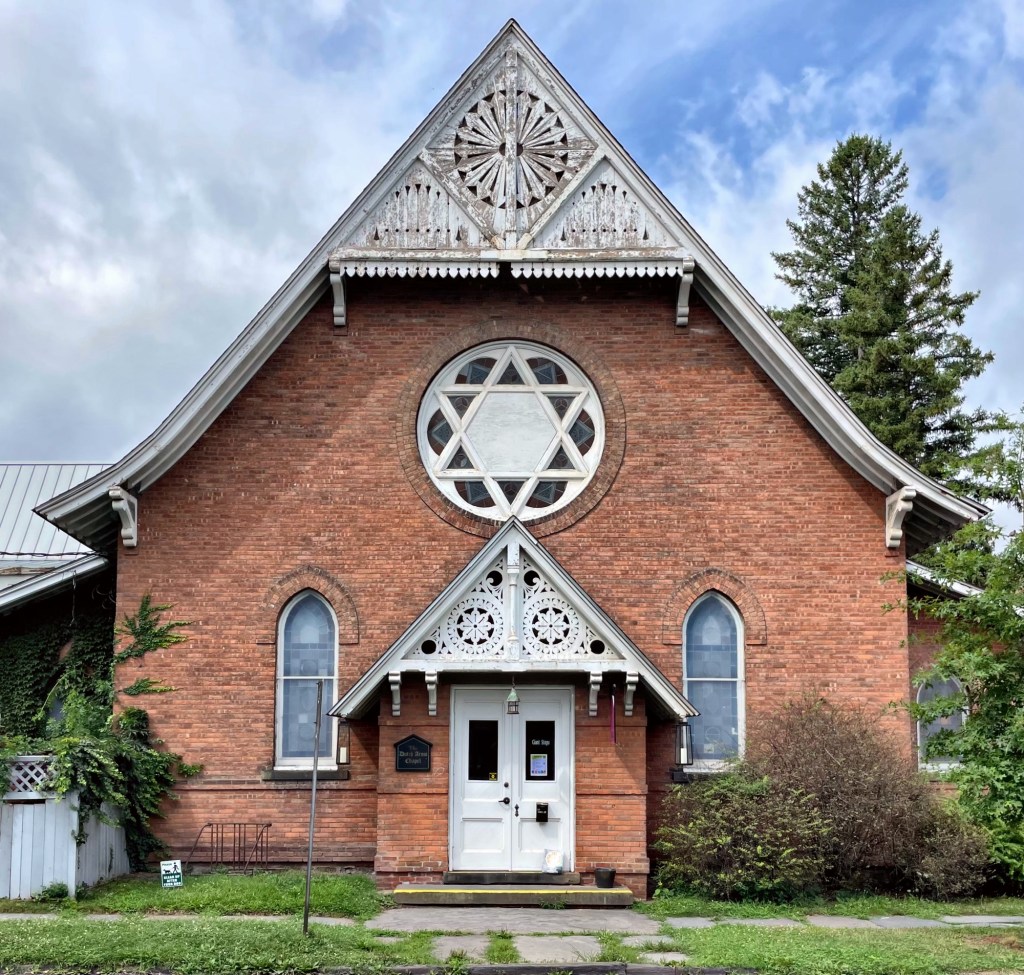
Tucked away on a side street in Saugerties, New York, this Victorian Gothic chapel has recently been given a new life for the arts. The chapel was constructed in 1875 as part of the Reformed Church of Saugerties (1852), designed by famed architect James Renwick, Jr., the architect of St. Patrick’s Cathedral in Manhattan and the Smithsonian in D.C. The architect of the chapel is not clear, but it retains similar detailing and materials to the main church. The structure was used for smaller religious meetings and a sunday school for decades until it eventually closed. The chapel was recently acquired by Isabel Soffer and Danny Melnick, co-founders of Hudson Valley Live, and has been restored and transformed into The Local: a year-round, multi-arts venue, breathing new life to the building and culture to the artistic town.

Former Sheffield Mill // 1887

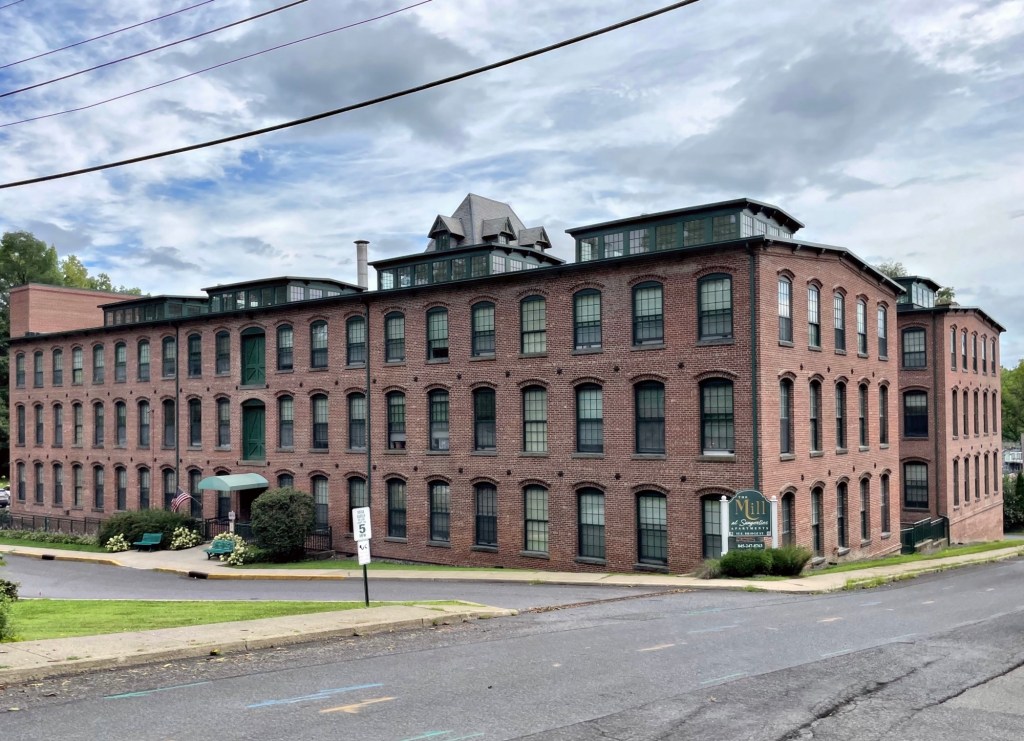
The former Sheffield Mill is historically and architecturally significant as one of the last remaining large-scale manufacturing complex to survive in the village of Saugerties, New York. The building was constructed in 1887 as the J. B. Sheffield Paper Company and was used for the manufacturing of envelopes and bank bookbinding. In the 1930s, the building was purchased by the Knaust Brothers, who grew and harvested mushrooms in nearby towns, making mushroom beds or trays in this building. The Knaust Brothers were at one time, one of the largest firms growing and canning mushrooms in the world. The former mill was vacant by the late 20th century and its future was uncertain until it was renovated at the turn of the present century into senior housing. What a great rebirth of a great old mill!

Loerzel Beer Hall // 1873

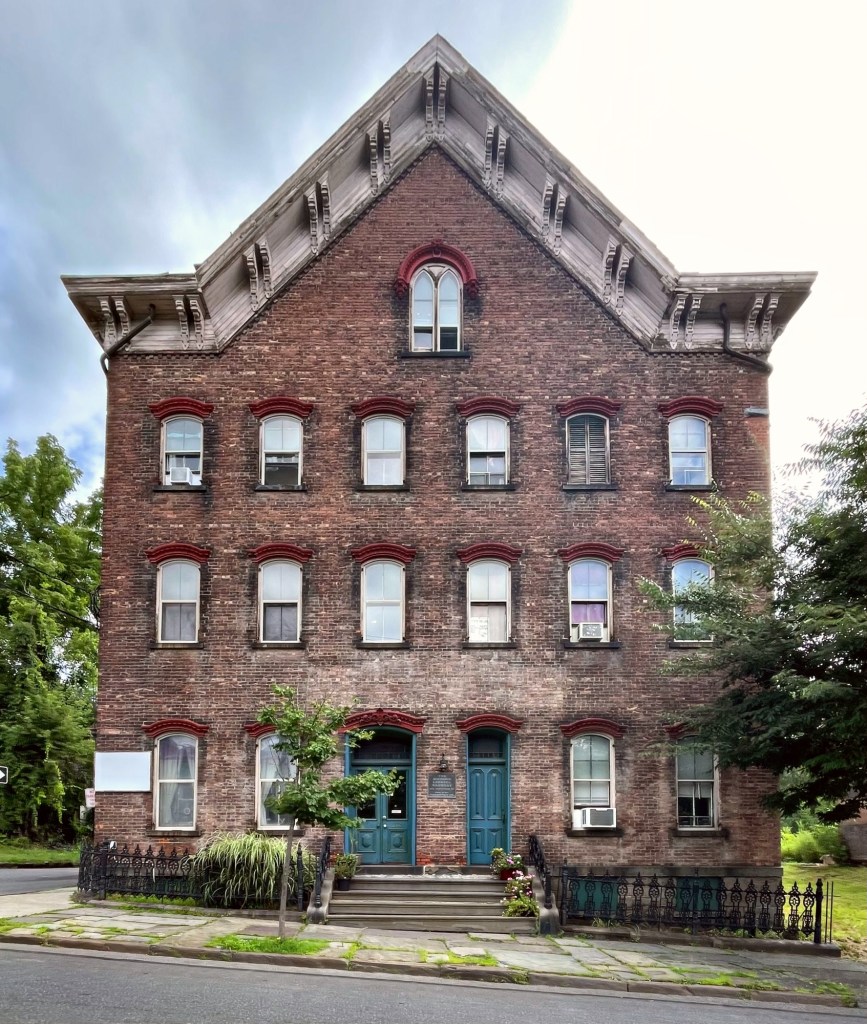
The Loerzel Beer Hall was built in 1873 in Saugerties, New York and is an important historical and architectural landmark in the Hudson Valley town. Operating independently as a brewery and beer hall by German immigrant Lorenz Loerzel (1821-1878), and later by his family for thirty years, the handsome Italianate style building became a popular meeting place for socialization and community for many immigrants who arrived to the town of Saugerties for work. The beer hall remained in operation until Prohibition in 1920. The building appears to now be occupied as apartments.

Saugerties Lighthouse // 1869

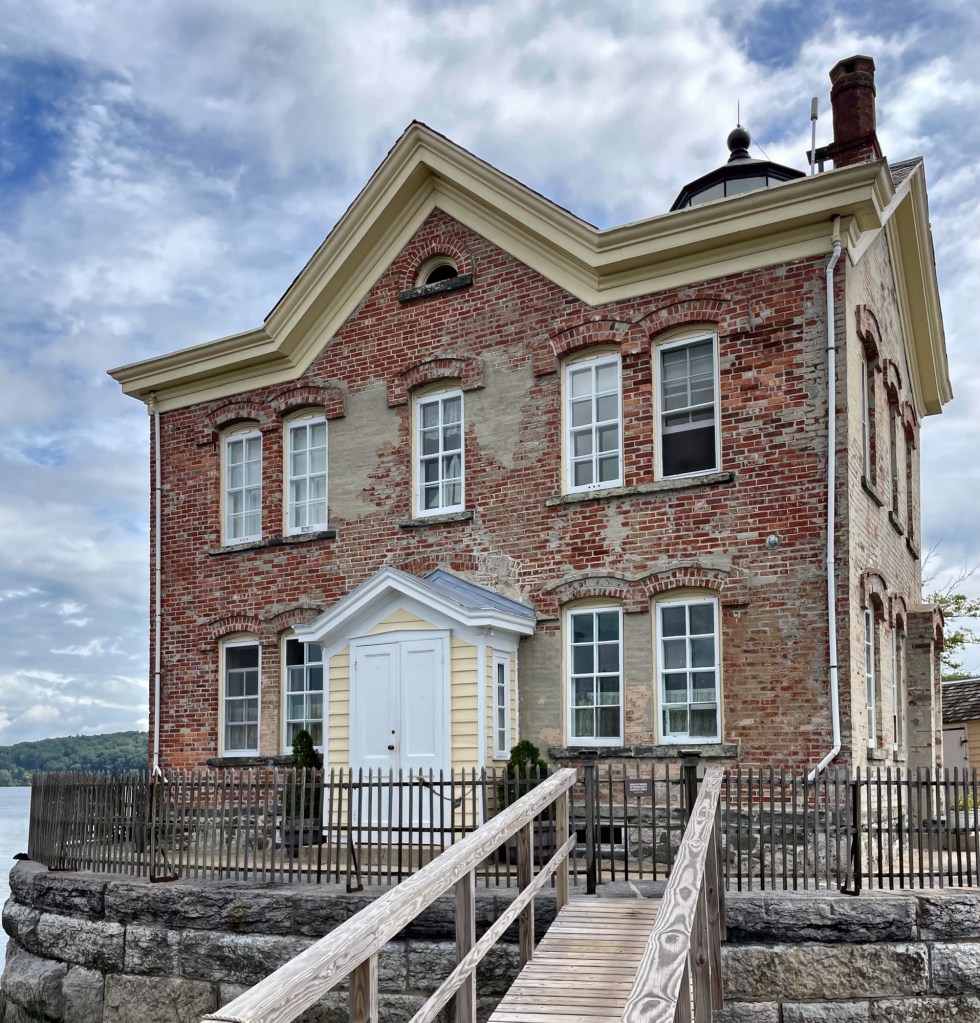
A landmark beacon on the Hudson River in New York, the Saugerties Lighthouse is a venerable aid to navigation and historically significant structure in the town of Saugerties. The first lighthouse here was built in 1835 and replaced in 1869 by the present structure, being the oldest lighthouse on the upper Hudson. The structure was important to the industry and later growth and development of the area as it provided aid to boatmen in trouble as well as providing a light and fog bell to warn ships of river hazards. The Saugerties Lighthouse was automated in 1954, making the light keepers obsolete. The building was closed up. Due to neglect, it fell into disrepair and decay and the Coast Guard proposed to demolish the structure in 1964. Local residents began to actively preserve and protect the lighthouse and funding was acquired to restore and recommission the structure, which occured in 1990. The Saugerties Lighthouse Conservancy today maintains and preserves this important historical asset and the lighthouse is even available for a short-term stay as a bed & breakfast, allowing visitors to serve as a lighthouse keeper for a weekend (without having to keep the lantern running.)

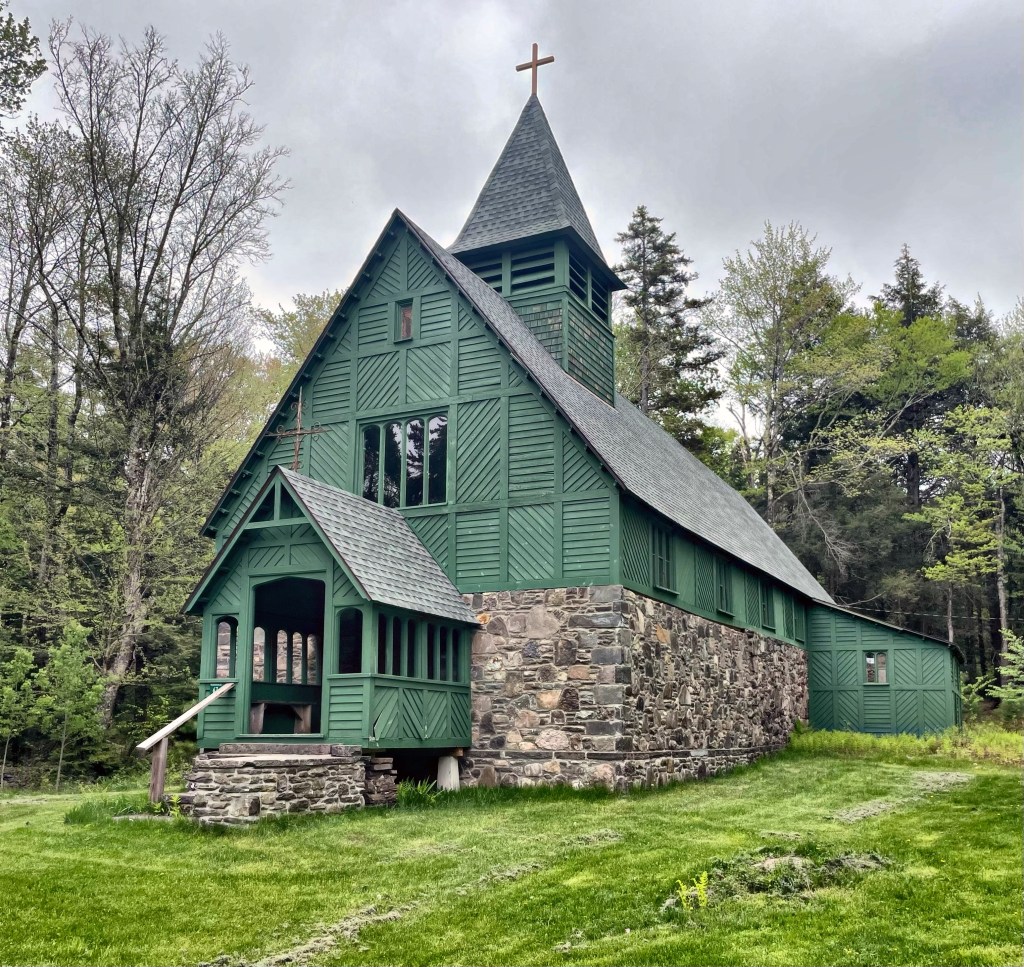
St. John the Evangelist Church // 1885

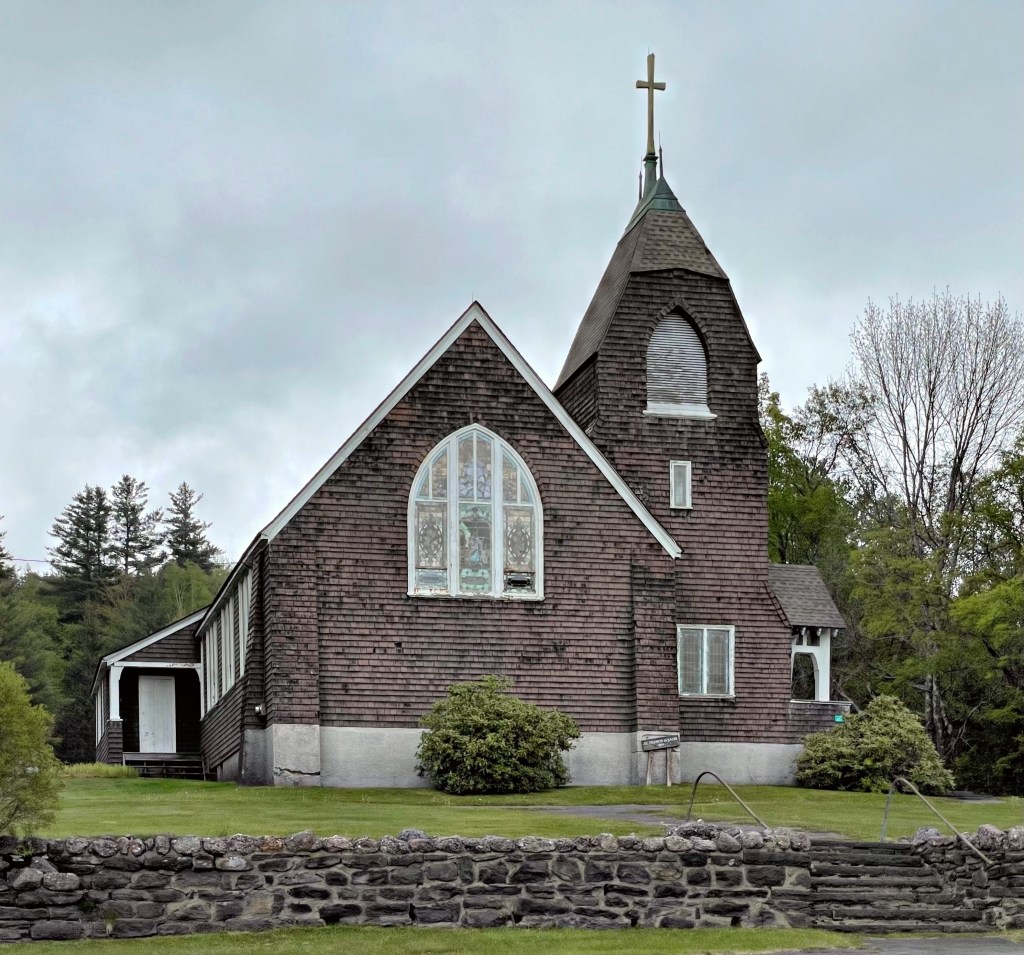
One of the most bucolic and beautiful buildings I have ever seen is this church in the Catskills, just outside of Elka Park, NY. Wow I wish New England could claim this one! The St. John the Evangelist Chapel was developed as part of a smaller enclave of summer cottages for rusticators from the Philadelphia-area, which was largely established by Mr. Alexander Hemsley (1834-1904) a chemist from Philadelphia who would later die from anaccidental chemical explosion at his factory. In 1883, Hemsley sold cottage lots to friends and family to erect summer houses in the Catskills and in 1884, decided to develop a lot for an Episcopal summer chapel. In that same year, Hemsley hired his future son-in-law, William Halsey Wood, to design the chapel. The Stick-style Victorian chapel blends the rustic use of natural materials found on the property with an elegant siting and attention to detail, not typically found in rural chapels. The native stone and stylized half-timbering really stood out to me. The church is used still in the summer with regular services on Sundays in July and August.

Keller Cottage // 1896

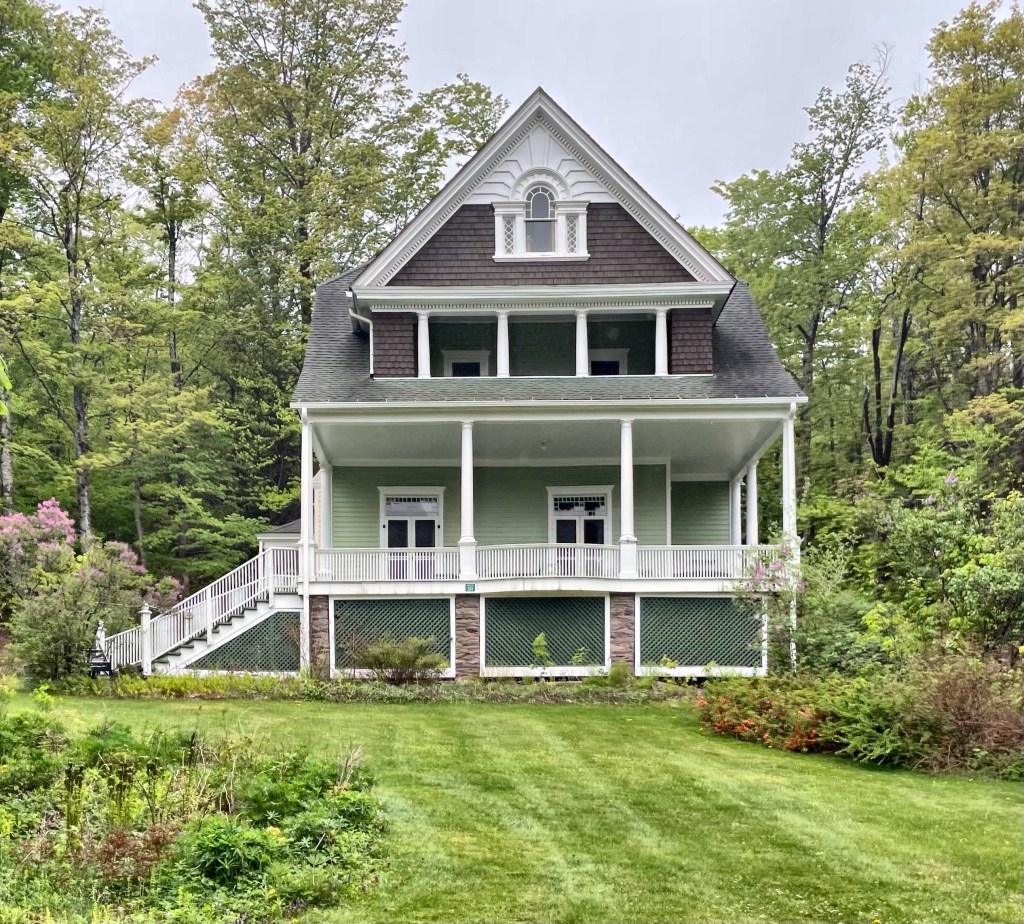
It wouldn’t be a German-developed summer colony with at least one Chalet-style summer cottage, would it? The Keller Cottage in Elka Park, New York, was built in 1896 for John Keller (1867-1924) and his German wife, Caroline Goehring (1866-1917) who summered in the colony for a few months of the year from Brooklyn, N.Y. The 3,500-square-foot, 6-bedroom “cottage” includes a sunroom with stained glass, original unpainted wood-paneled walls and oh, just some jaw-dropping views of the Catskill Mountains for good measure!

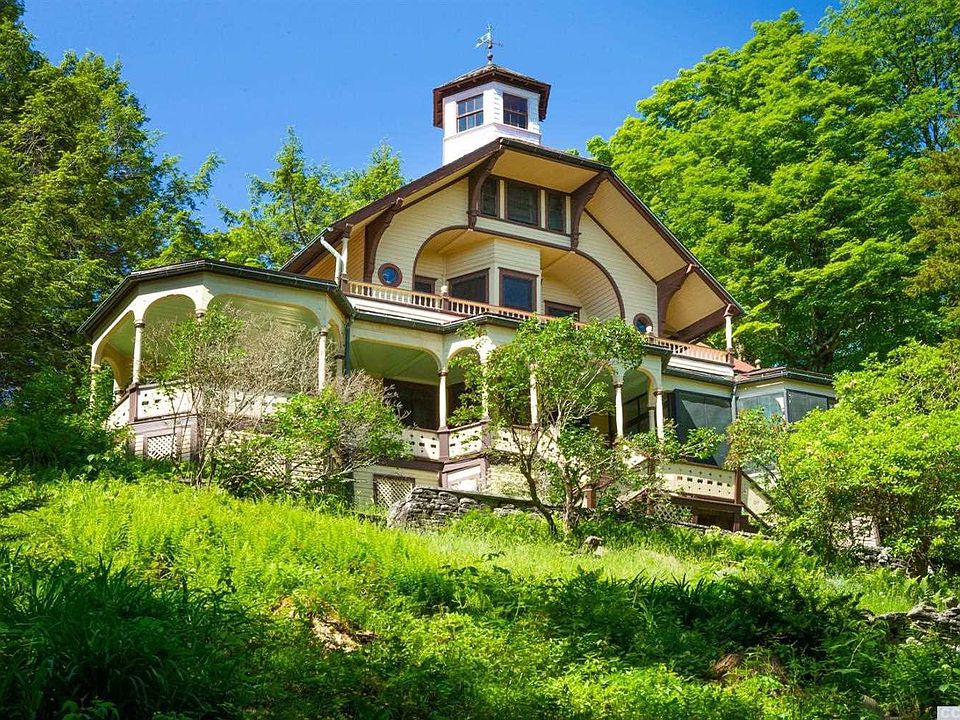
Tamsen Cottage // 1893

Photo from 2017 real estate listing

One of the more unique cottages in New York’s Elka Park summer colony in the Catskill Mountains is this charmer, the Tamsen Cottage. The cottage was built in 1893 for Edward Tamsen (1849-1907), the Sheriff of New York County from 1895-96 until Governor (and later Vice-President) Levi Parsons Morton removed him from office. The former Sheriff purchased this home and summered here with other German-American wealthy New Yorkers until his death in 1907. The chalet-style house has been exceptionally preserved since, and was listed for sale in 2017 for a mere $425,000. Wow!

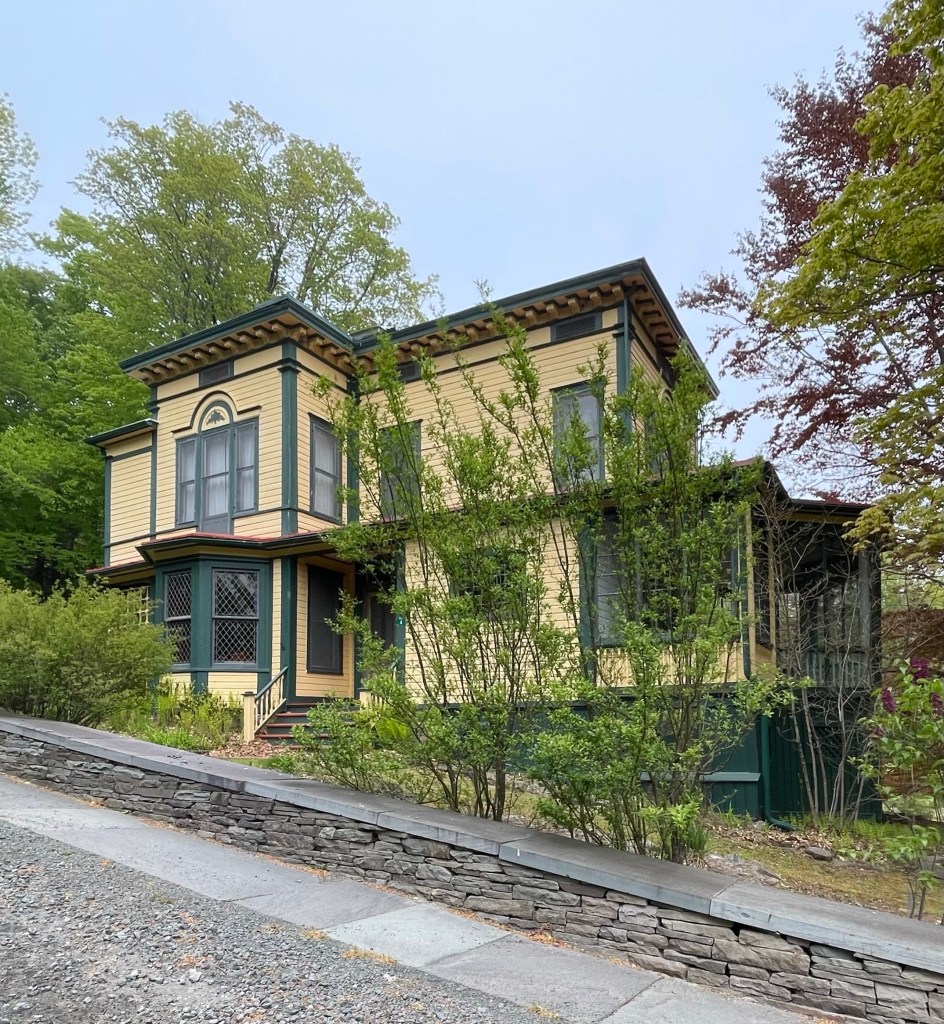
Kurth-Kliegel Cottage // 1896

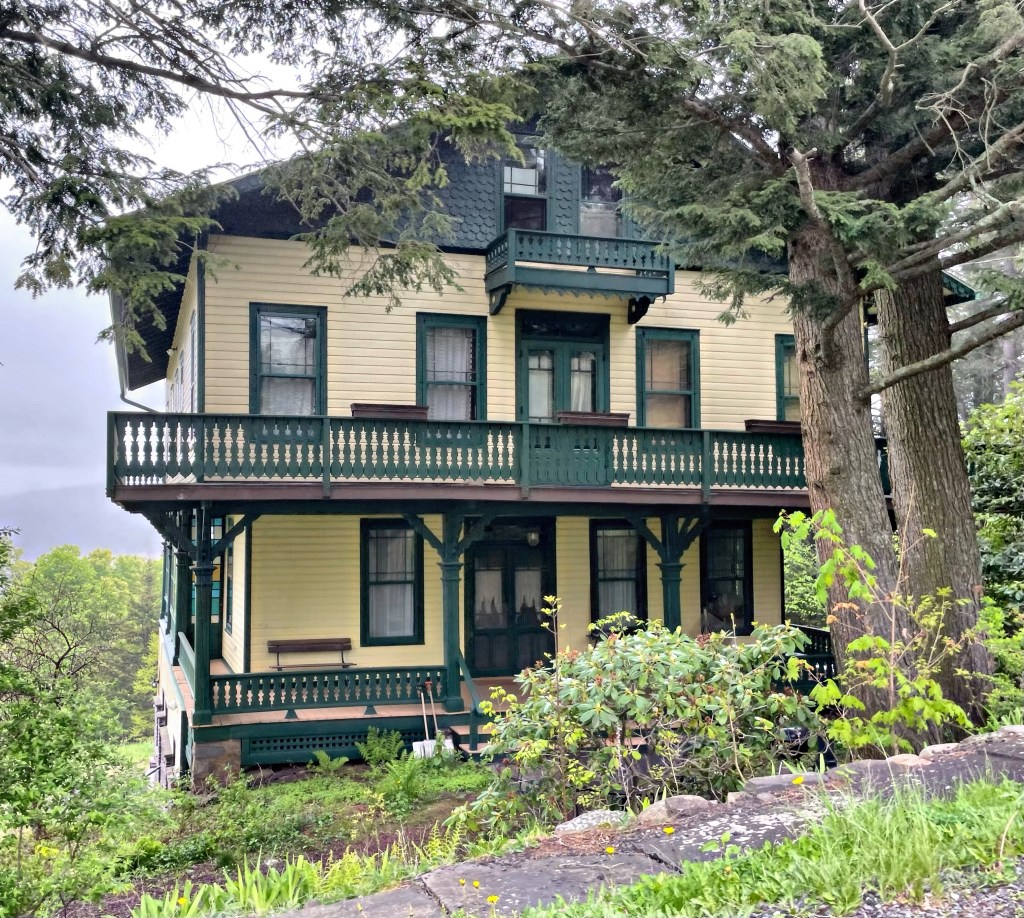
Elka Park in Hunter, New York, is a really unique summer colony developed in the late 19th century as a country retreat for wealthy German-Americans to escape the woes of city life, primarily from New York City. Between 1890-1896, a total of 21 homes were built as summer cottages, 17 remain to this day. Almost all “cottages” were built with at least 4 bedrooms with space for servants, guests would lodge at the nearby Elka Park Clubhouse, which was destroyed by fire and replaced after WWII. The private community remains a secluded respite and relatively unknown to most. This cottage was built in 1896 for a tax commissioner Mr. Kurth, from plans by Hugo Kafka, a Czech-American architect with an office in New York City. Kafka also had a summer cottage at Elka Park. This cottage was purchased in the 1920s by Johann Kliegl, a German inventor and businessman who settled in New York, developing the “Klieglight”, a carbon arc lamp used heavily in filmmaking at the time. The late-Italianate style cottage remains well preserved to this day and even has a historically appropriate paint scheme!

Keuffel Cottage // 1893

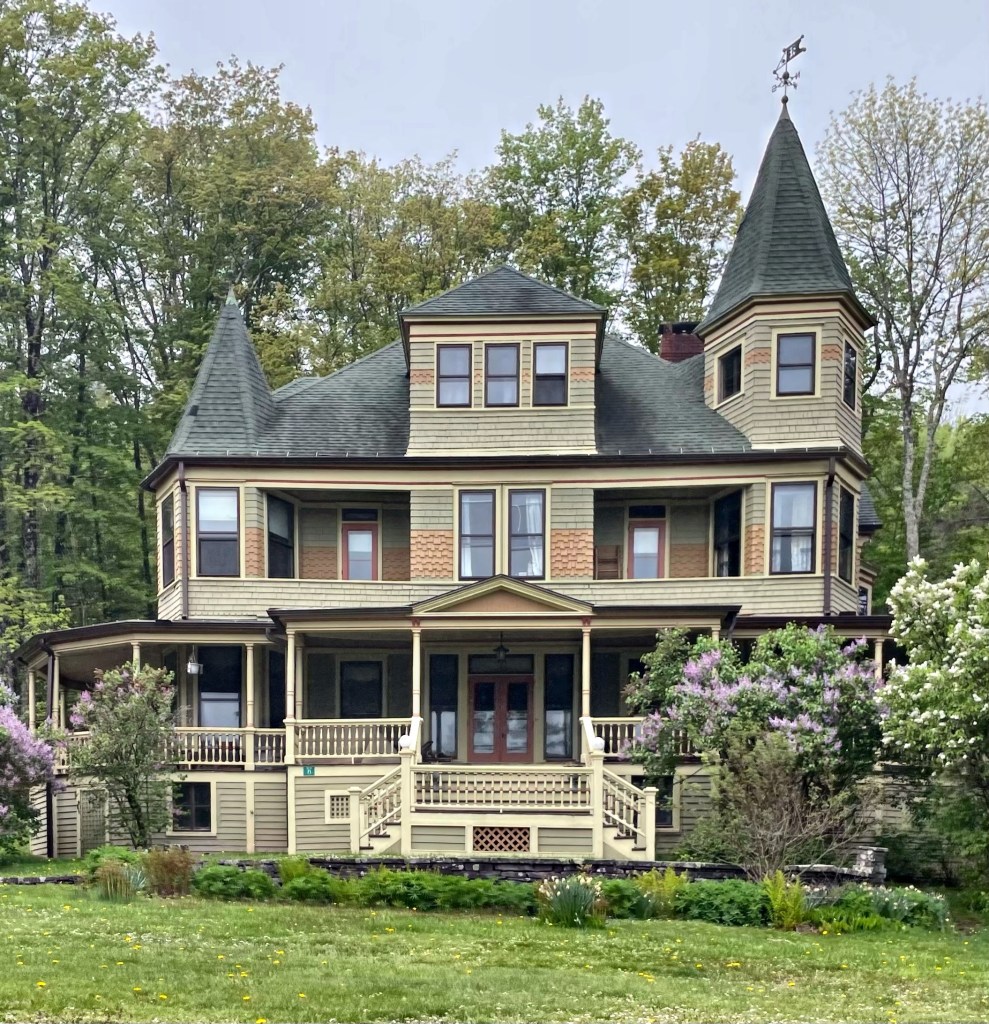
Built nextdoor to his business partner’s summer cottage (last post), Wilhelm (William) J. D. Keuffel, a German immigrant from Saxony, erected this summer cottage in the fashionable German-developed summer colony Elka Park in upstate New York. Keuffel & Esser Company (K&E) was founded by German immigrants Wilhelm J. D. Keuffel and Hermann Esser and manufactured high-quality surveying, drafting, and calculating tools for architects, engineers, surveyors, and building contractors in Hoboken, New Jersey with a sales office in Manhattan. By the early twentieth century, it was one of the largest manufacturers of scientific instruments in the world. Keuffel made good money, and summered in Elka Park for years until his death in 1908. The Queen Anne style Victorian “cottage” features the typical asymmetrical plan, corner towers, varied siding and detailing, and many porches to provide the residents with sweeping views of the distant mountains.

Esser Cottage // 1894

Hermann Esser (1845-1908) was born in Elbertfeld Germany and emigrated to the U.S. in the fall of 1866 and settling in Hoboken, NJ. On September 30, 1869, he married Bertha Michelmann of Hanover, Germany, who also emigrated to the U.S. years prior. In the states, Essen joined his old business partner Wilhelm J.D. Keuffel (also a German) and they ran the Keuffel & Esser Company, a scientific instrument manufacturing firm originally founded in New York City in 1867. Best known for its popularization of the slide rule, Keuffel & Esser was the first American company to specialize in the manufacture and sale of drafting and surveying tools. By the early twentieth century, it was one of the largest manufacturers of scientific instruments in the world. Their original store was located at 127 Fulton Street in Manhattan. Esser, with his wealth, decided to build a cottage in summer colony of Elka Park, New York, just north of Manhattan. The enclave was founded and has long been inhabited by wealthy German residents from New York City. This cottage was built for Mr. Esser in 1894, and is decidedly more Colonial Revival than many other cottages here. Esser only enjoyed a few summers here as he moved back to Germany in 1902, and died in 1908.

St. Francis de Sales Church, Elka Park // 1912

Down the street from the Old Platte Clove Post Office in Elka Park, New York, I stumbled across this large, shingled church with few houses nearby. I had to investigate! In 1888 parish lines for the Catholic church were redrawn in the area necessitating a new church near the summer colony of Elka Park. By 1891, a small, shed-like church was built here. By 1911, the small house of worship had outgrown its usefulness and it was considered a blight compared to the high-style homes nearby. A local summer resident, Francis H. Lewis funded $5,000 of the $6,500 cost of the building, and local carpenter Arthur Showers, was commissioned to erect the building. Father Keefe had conveyed to the builder some remembrances he had of a small church in France, and wished for it to be designed that way. Using local building traditions, the church was constructed of local lumber with shingled siding. The building and adjacent cemetery remain active to this day.

Old Platte Clove Post Office // c.1885

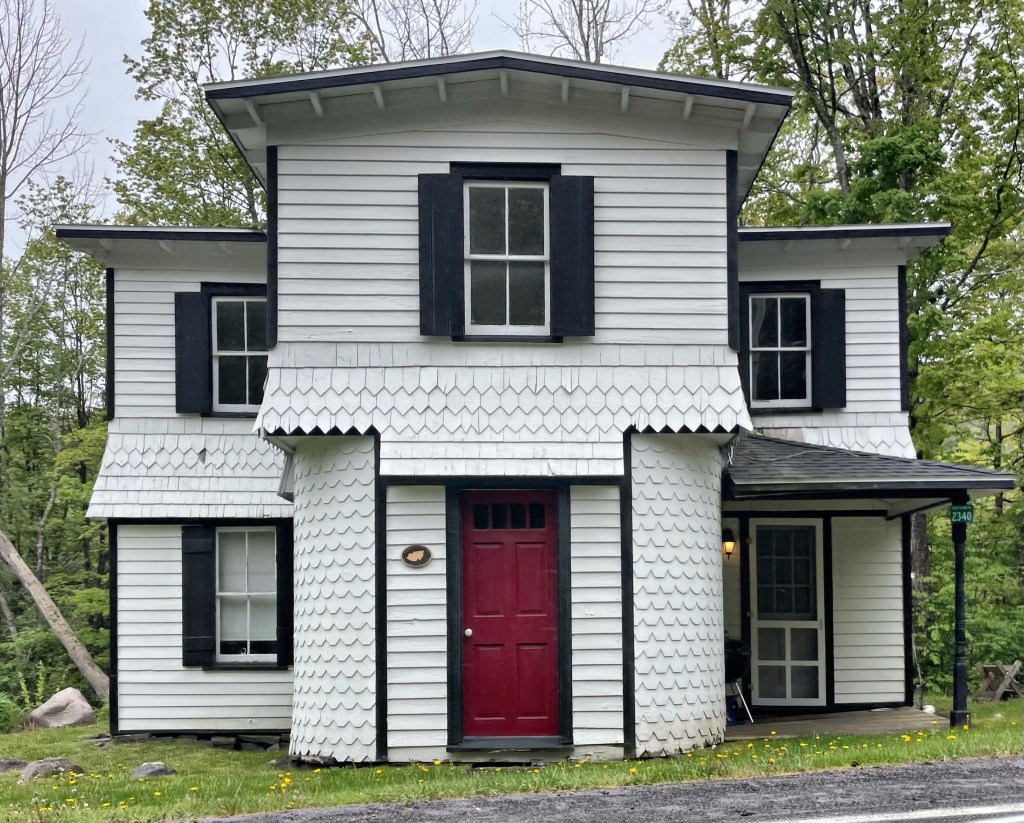
Believe it or not, but I occasionally venture out of New England, and a favorite place of mine to explore is Upstate New York. On a recent trip, I ended up driving through the tiny town of Hunter, New York, located in the middle of the Catskills. This charming little building was constructed c.1885 as the Platte Clove Post Office. The building was constructed to serve a rural portion of the town and was built as an early mixed-use building with the post office at the ground floor and small residence upstairs for the postmaster to live. The exterior cladding features both shingle and clapboard siding with overhanging eaves. The post office here ceased by 1911 and the use reverted solely to residential.