Fort Dearborn // 1943-1961

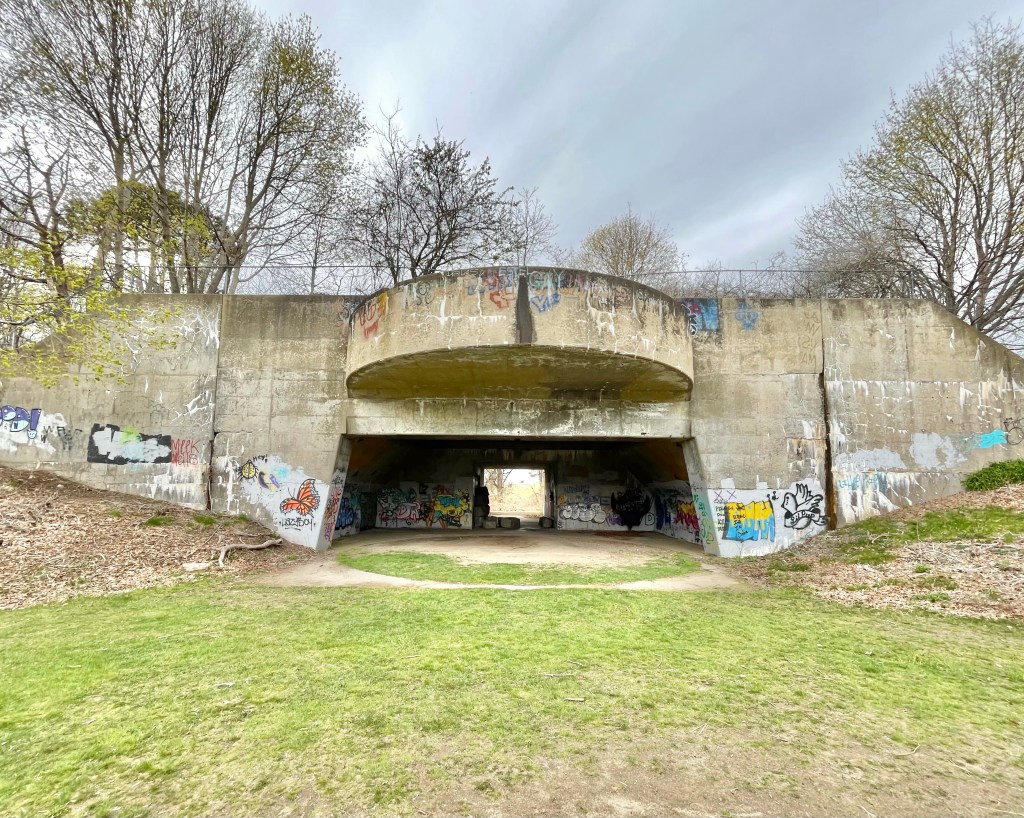
Odiorne Point in Rye New Hampshire was owned by the Odiorne Family from at least 1800, when the family built a farmhouse on the land. The peninsula juts out into the Atlantic Ocean, just south of Portsmouth, and it was seen as a strategic position by the United States Government, to protect the Portsmouth Naval Shipyard. With the advent of World War II, the United States Government deemed it necessary to improve the fortifications commanding the approaches to the Portsmouth Navy Yard, so the Government acquired this property and named it Fort Dearborn. Giant 16” coast defense guns and other equipment were installed to protect the coast from the impending German advance into North America. The Government acquisition on Odiorne’s Point included Mr. Odiorne’s home and 24 other properties, with many fine old homes on the coast demolished to make way for military facilities, but the Odiorne house was converted to a barracks. When The Nazi forces were beat in Europe, the fort was deactivated and all the guns were removed. In the Cold War period, the U.S. Air Force took formal possession of 45.3 acres at Odiorne’s Point in 1955, which it had been using since 1949 as the Rye Air Force Station. By 1961, the defensive use of the site was not as important, and the site was sold to the State of New Hampshire as a State Park. Today, you can explore the park and the decaying concrete batteries up close, which is a favorite excursion of mine.
Rye Town Hall // 1839

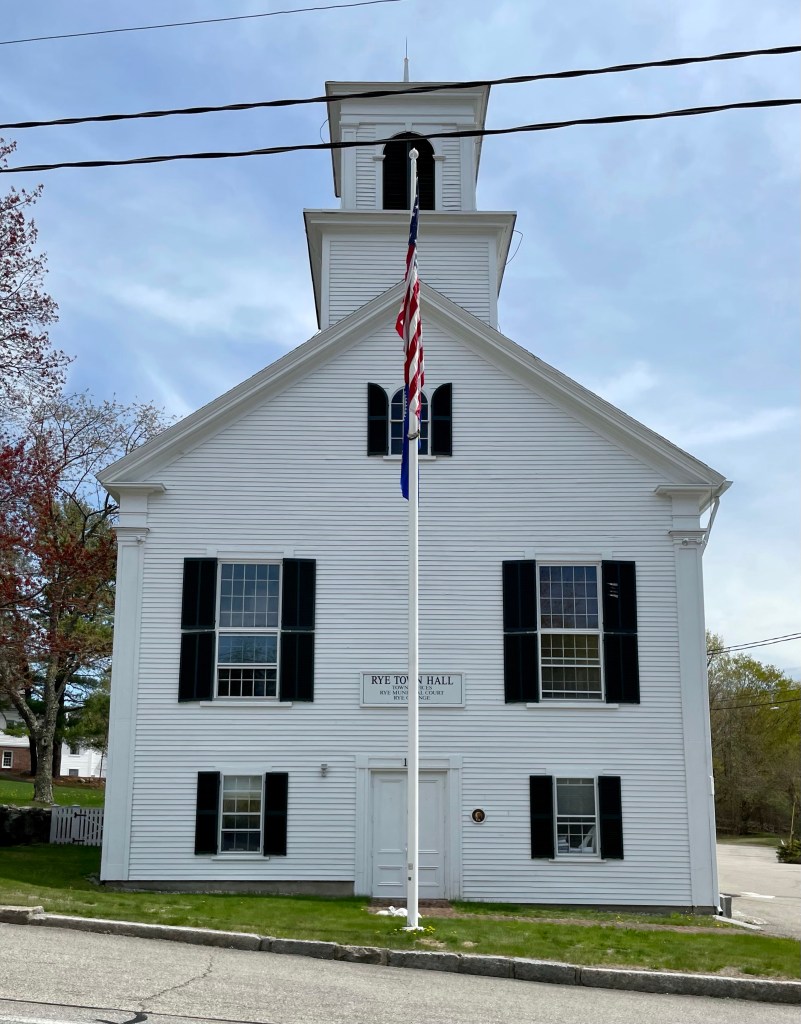
Rye, New Hampshire sits on the short coast of the state, between the busy towns of Portsmouth and Hampton, and provides a respite from the swarms of tourists and beach-goers alike. Modern-day Rye was the first settlement in New Hampshire by Europeans, and was originally named Pannaway Plantation, established in 1623 at Odiorne’s Point (more on that later). The settlement was eventually abandoned for Strawbery Banke, which became Portsmouth, the historic port town we know today. The town was later a village of New Castle, and was known as Sandy Beach Village, before it was called “Rye”, for Rye in Sussex, England, and incorporated as its own town in 1785. The town met in a Meeting House until it purchased an old 1839 Methodist church in town. In 1873, the building was purchased by the town of Rye for $1000, with an additional $2658 spent on renovations, which added a new ground floor to increase the height from 1.5 stories to 2.5 stories, added 10 feet in depth to the building, and the two-stage tower and belfry. The Greek Revival building has long been a landmark in town, hosting dances, concerts, whist parties, singing schools, oyster parties and immunization clinics, beyond the typical governmental functions. There were calls to demolish the building for a modern town hall, which saw resistance (thankfully) and now the town has agreed on a land-swap with a bank, demolishing an old house to take over the bank building, turning it into some town offices.

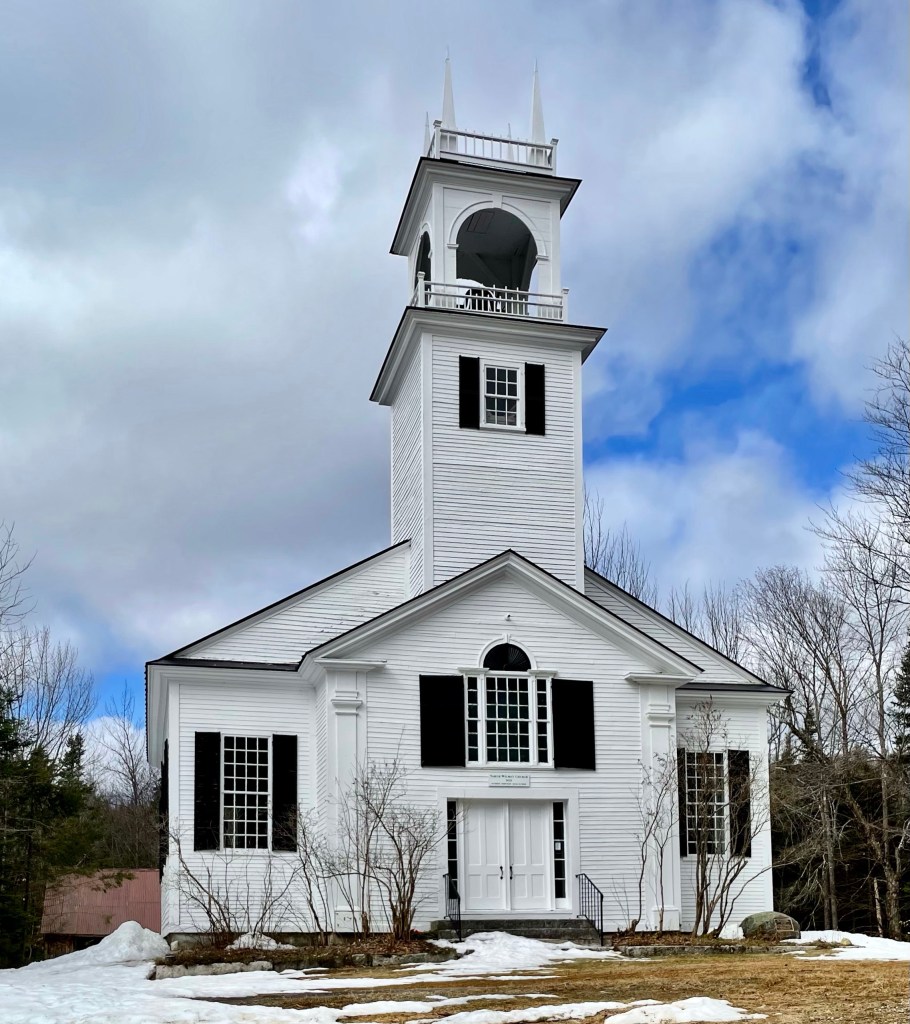
North Wilmot Church // 1829

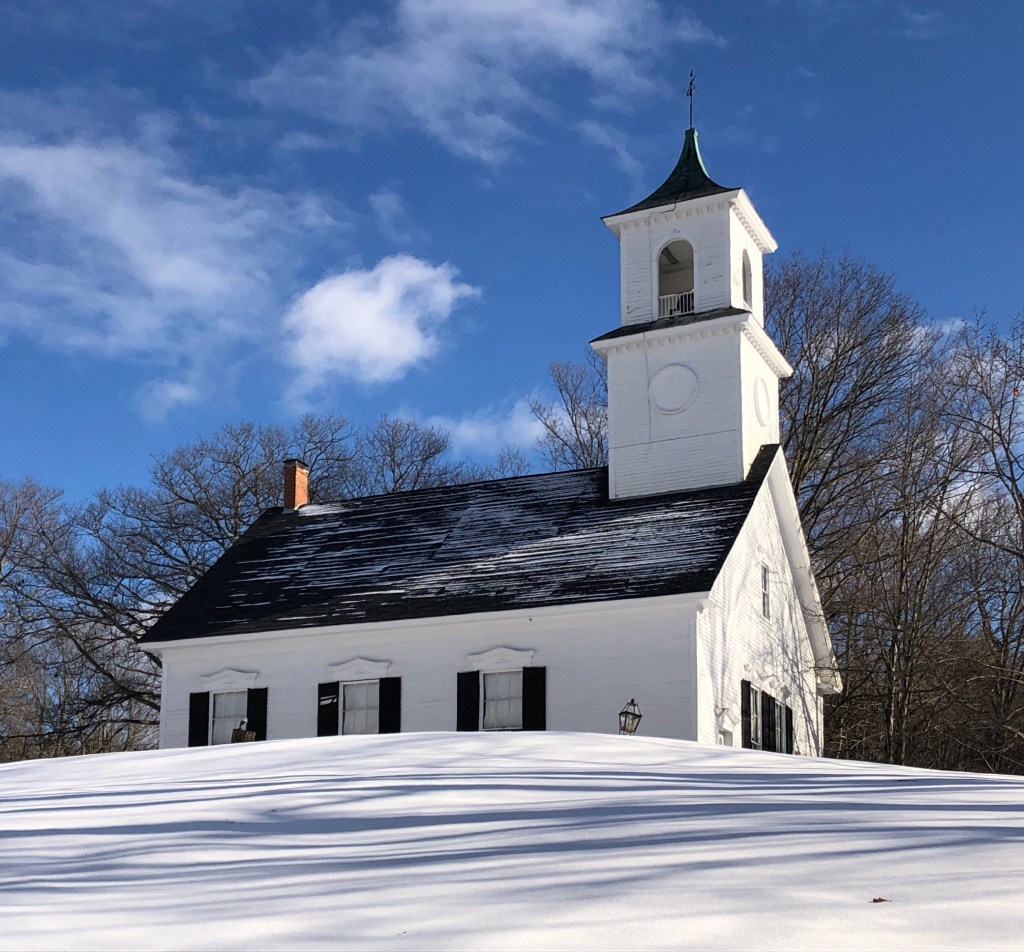
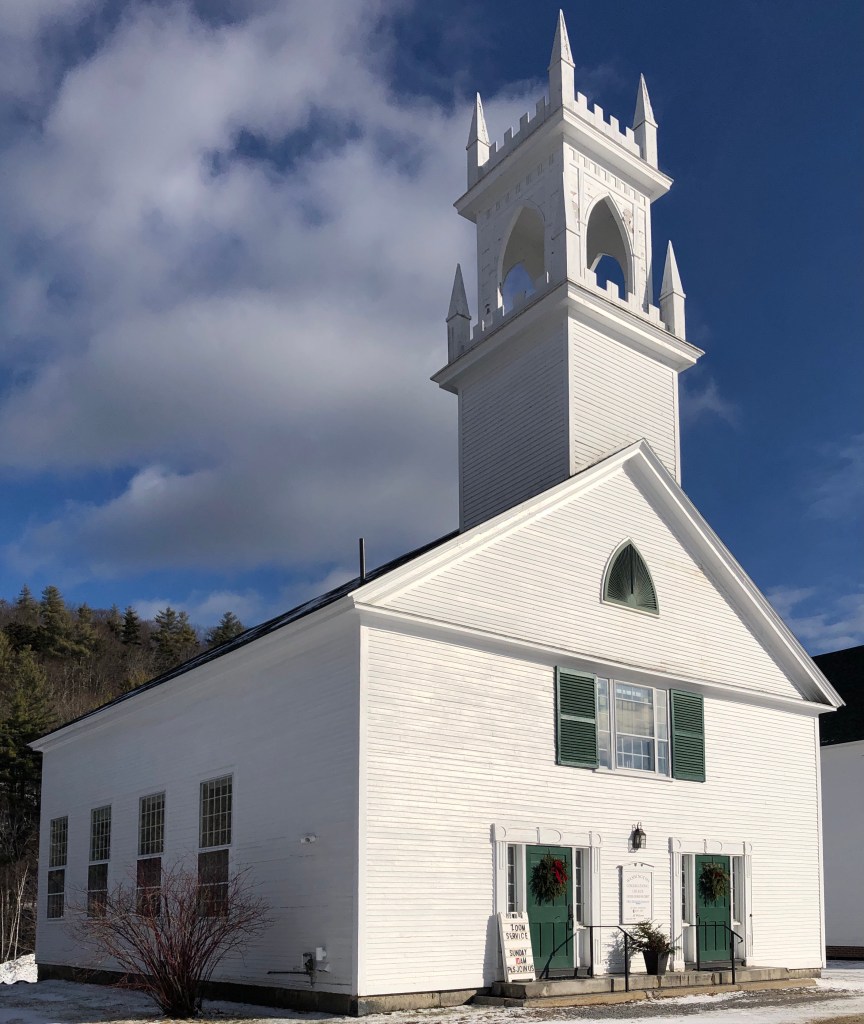
Off the beaten path (like much of the town of Wilmot, NH, you can find this stunning old New England meeting house. Erected in 1829, the North Wilmot Church stands as the oldest extant church in the small town. Five denominations—Congregational, Christian Baptist, Freewill Baptist, Universalist, and Methodist, together collaborated to build this structure then known as the North Union Meeting House. Each denomination held services at the church, as they were all too small separately to warrant their own buildings. Decades after it was built, it was determined that the church should be moved down the hill. In 1846, the church was lifted and placed on rollers (logs), and with the help of oxen, rolled down the hill. It is said that the builder of the church, Josiah Stearns, rode in the belfry. The Different congregations later built churches elsewhere and the building was under-utilized, and it was converted to a meeting space, but allowed a congregation to use the structure. In 1983, with the agreement of remaining North Wilmot Congregational Church members, the North Wilmot Union Meeting House Society was established to maintain the structure and arrange for services in July and August.


Breezy Cottage // 1840

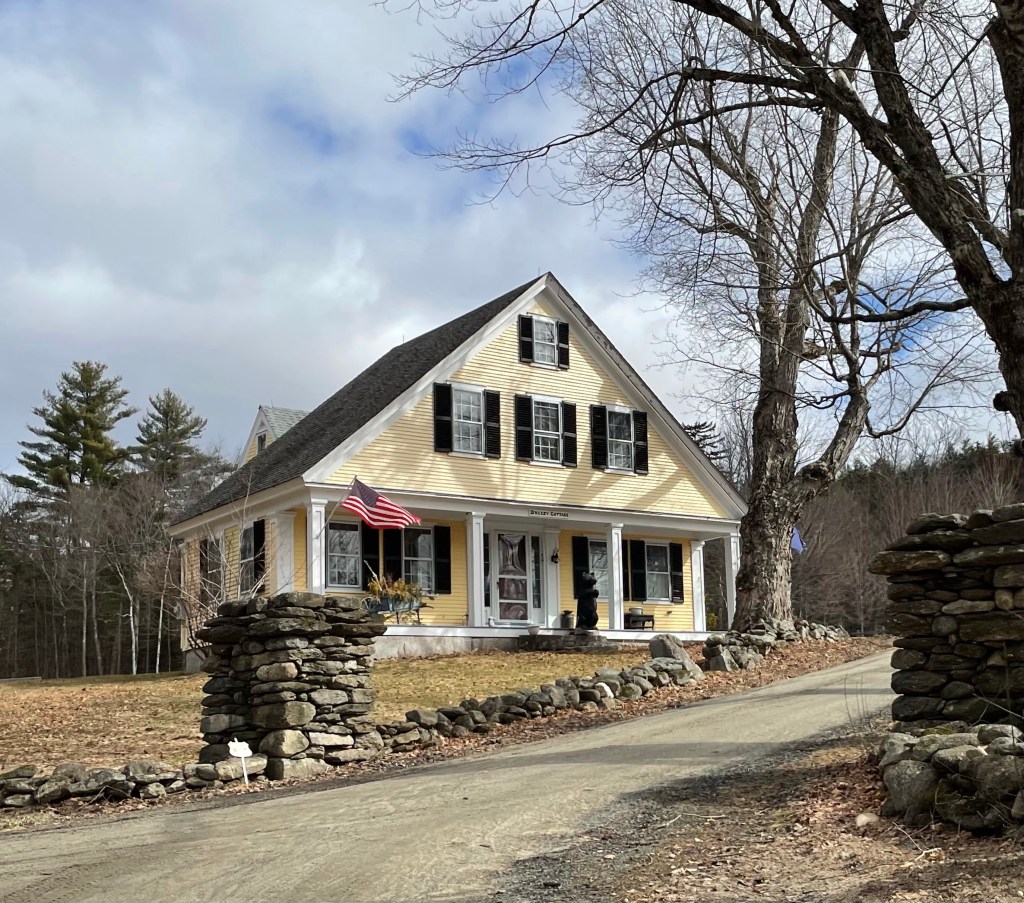
On the backroads of the rural town of Wilmot, NH, I stumbled upon this perfect Greek Revival cottage tucked away on a dirt road. The home was built in 1840 by Col. Samuel Thompson, likely operated as a farm. The property was purchased by the Tewksbury Family decades later, who likely gave the home its name “Breezy Cottage”, after an older colonial home nearby, and subsequently the name of the street in which it is sited. The Greek Revival home is symmetrical with a wide, gabled roof and upper floors overhanging the recessed front porch. The home features bold corner and entry pilasters.

Wilmot Center Schoolhouse // 1854

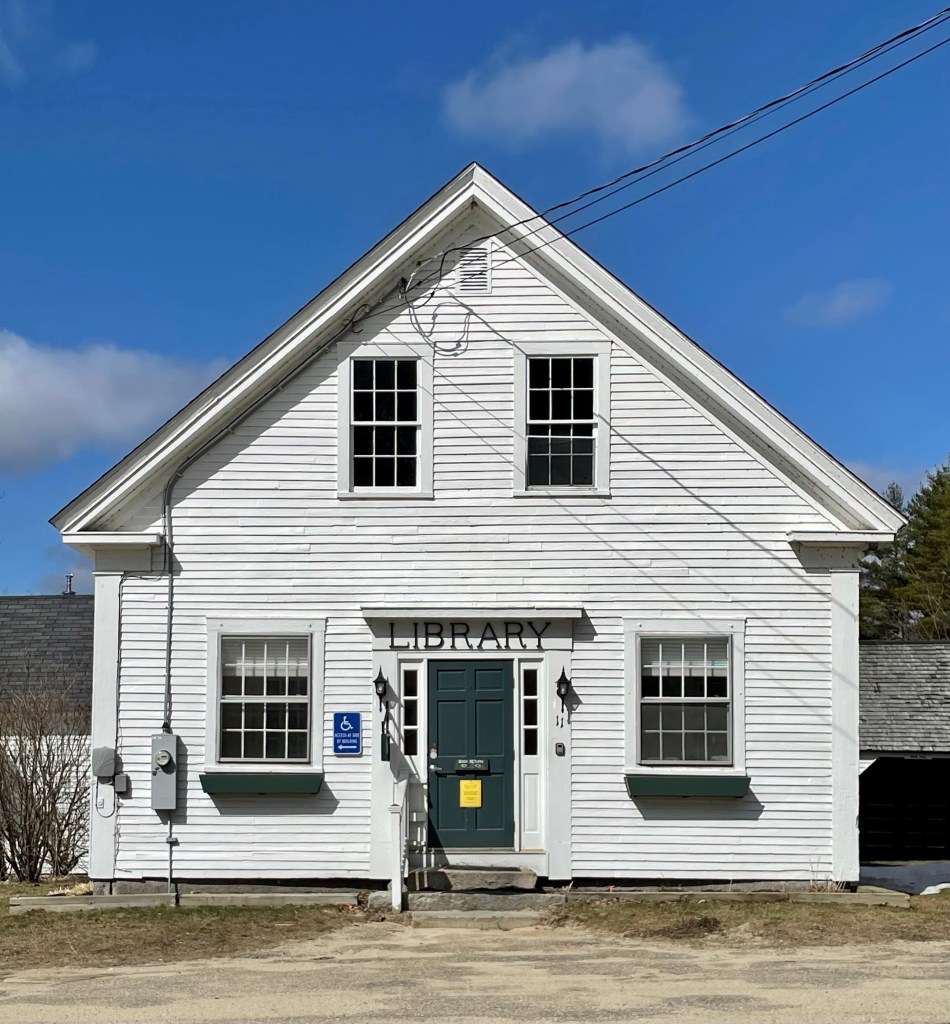
Driving through the quaint village of Wilmot Center in New Hampshire, I had to pull over to snap a photo of this little library building. When I got home, I learned that the building was constructed in 1854 not as a library, but as a schoolhouse! The vernacular Greek Revival school served as one of many district schoolhouses in the region, dispersed around small towns to be within walking distance of the sparsely developed parts of the state. With population growth in the 20th century and the proliferation of the personal automobile, these small regional schools became obsolete. Many of these buildings were converted to other civic uses or as personal residences, but most were demolished. The Wilmot Public Library located in the former schoolhouse in 1972 and is now connected to the town offices next door.

New Hampshire Mountain Inn // c.1790

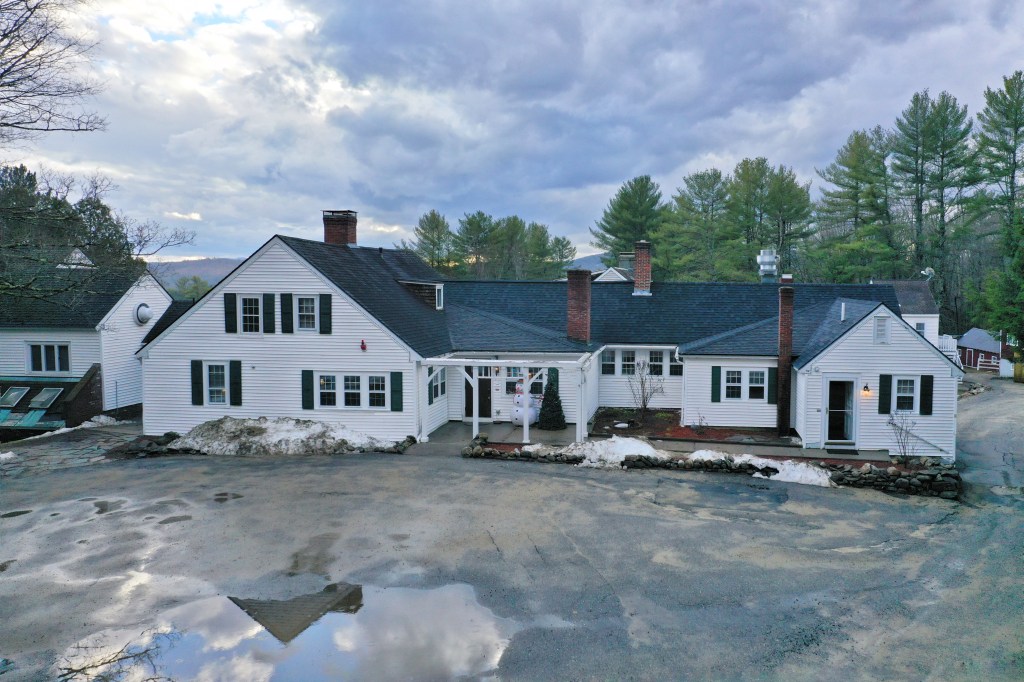
At the base of Ragged Mountain, on a winding dirt road lined by towering pine trees, I came across the New Hampshire Mountain Inn. The original Cape block of the house was built in the late 18th century and operated as a farm for a family in the rural town of Wilmot, New Hampshire. By the mid-19th century, the construction of the Northern Railroad through New Hampshire, created a housing demand for railroad workers who spent long days laying rail lines, thus the beginning of this farm becoming a short-term boarding house began. The railroad line was officially abandoned by the 1990s, and later converted to a linear park with biking, walking, and snowmobile trails in various sections. After the railroad’s construction, the farm saw visitors beginning in the 1930s, drawn to the area due to the skiing opportunities in the area. Subsequent owners added onto the farmhouse numerous times, to accommodate growing flocks of skiers every season. The house features telescoping additions, similar to many historic farms in New England, but on three sides, which expanded the once small farmhouse to a modern inn. The siting of the property on a hill overlooks the distant mountains with fresh country air blowing across the sloping fields.

Mount Pleasant House // 1875-1939

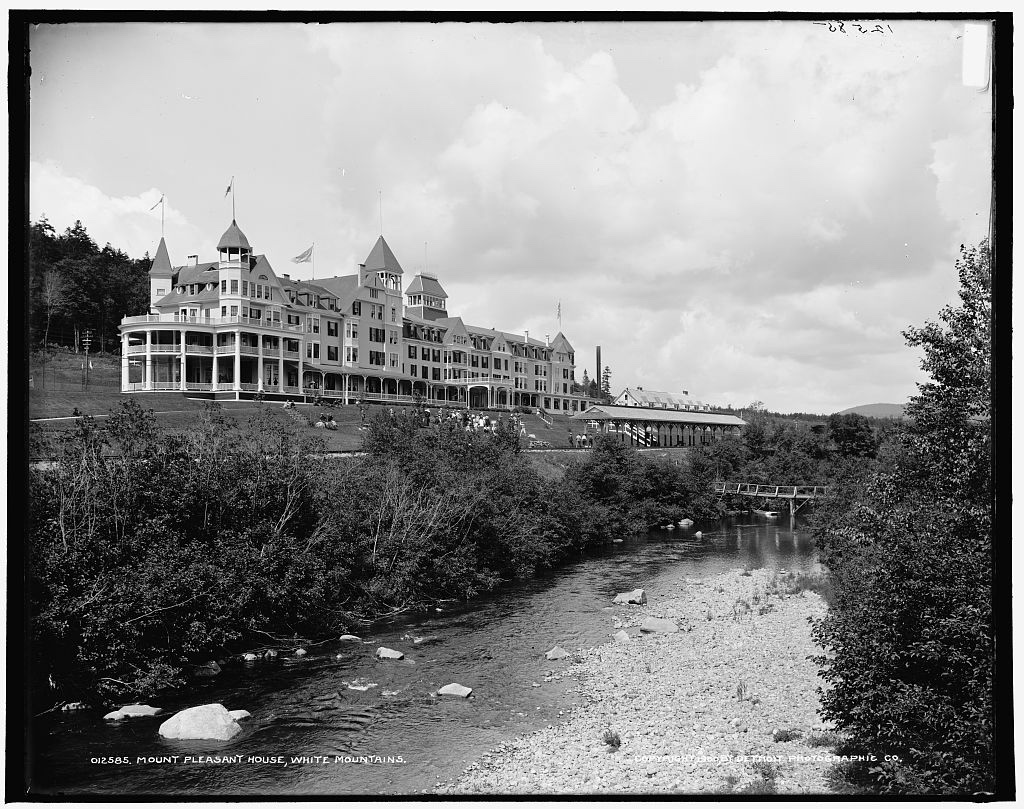
One of the earlier grand hotels in the White Mountains of New Hampshire, was Mount Pleasant House, built in 1875 after the arrival of the railroad through Crawford Notch. The hotel was located on a small hill where the Lodge at Bretton Woods is currently sited, across the street from the iconic Mount Washington Hotel. It was built by lumberman and investor John T.G. Leavitt and opened the following year. It was then a simple, almost box-like structure with only forty rooms, later expanded and “modernized” to accommodate the growing waves of affluent visitors from New York City and Boston every year. In 1881, Leavitt sold the hotel to Oscar Pitman and Joseph Stickney, the latter eventually became sole owner and acquired land across the street to build the Mount Washington Hotel in 1900. Possibly as a practice for his larger endeavor across the street, Stickney hired one of Portland’s leading architects, Francis H. Fasset, to design the additions and alterations. When Stickney died in 1903, just a year after his larger hotel was built, both properties were willed to his wife, Caroline. She ran the company through changing economic conditions and when she died, in 1936, the hotels were left to her nephew, F. Foster Reynolds. Reynolds decided that the Mt. Pleasant was not worth the expense needed to maintain it, and in 1939, ordered the building demolished, replaced decades later with the present building.

Crawford Depot // 1891

The railroad line through Crawford Notch in the White Mountains of New Hampshire was completed and opened in 1875 by the Portland and Ogdensburg Railroad, and had a transformative effect on the local economy. Soon after completion, tourists arrived in droves during the summer months to take in the area’s scenic beauty and clean air. From this, wealthy investors built large resort hotels, like the Mount Washington Hotel, to satisfy the demand of the affluent visitors. The Portland and Ogdensburg was taken over by the Maine Central Railroad in 1888, and this depot was built in 1891. It was one of the most elaborate stations built by that railroad’s Mountain Division, because of its prominent location in the mountains. The Crawford Depot presently serves as a visitor center and shop operated by the Appalachian Mountain Club. Nearby is the trailhead to Mount Willard, which has some of the best views for a modest hike.

Seventh-Day Adventist Church // 1842

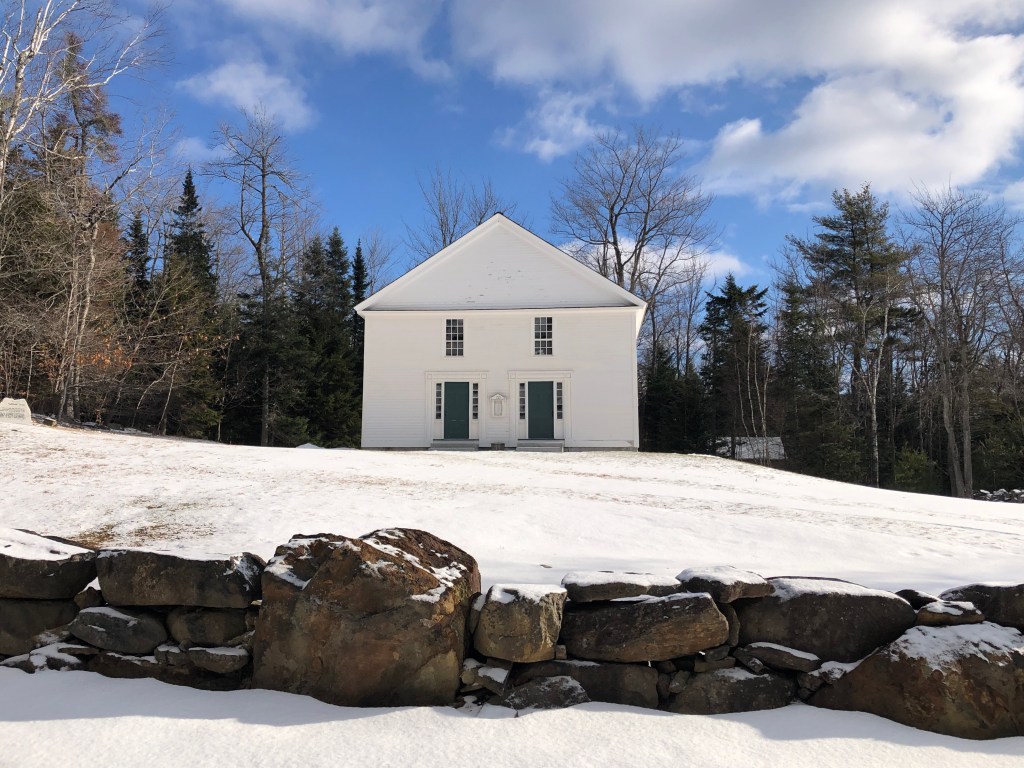
In the township of Washington, New Hampshire, about three miles from the Washington Town Green, stands a rural church building, a white wooden structure complimenting freshly fallen snow. This church is honored as the mother church of the first Seventh-Day Adventists. Its story started in 1842 by a local group of farmers calling themselves Christian Brethren, who dissented sharply from the strict Congregationalism of the Church in Washington Center. Many of the Christian Brethren became Adventists about the time this building was first used, and thereafter some of them began worshiping on the Seventh Day; and eventually the majority did so. In 1862 the official Seventh-day Adventist denomination was born at this place. Today, the building is a regular point of pilgrimage for members of the massive, international congregation.

Faxon House // c.1795

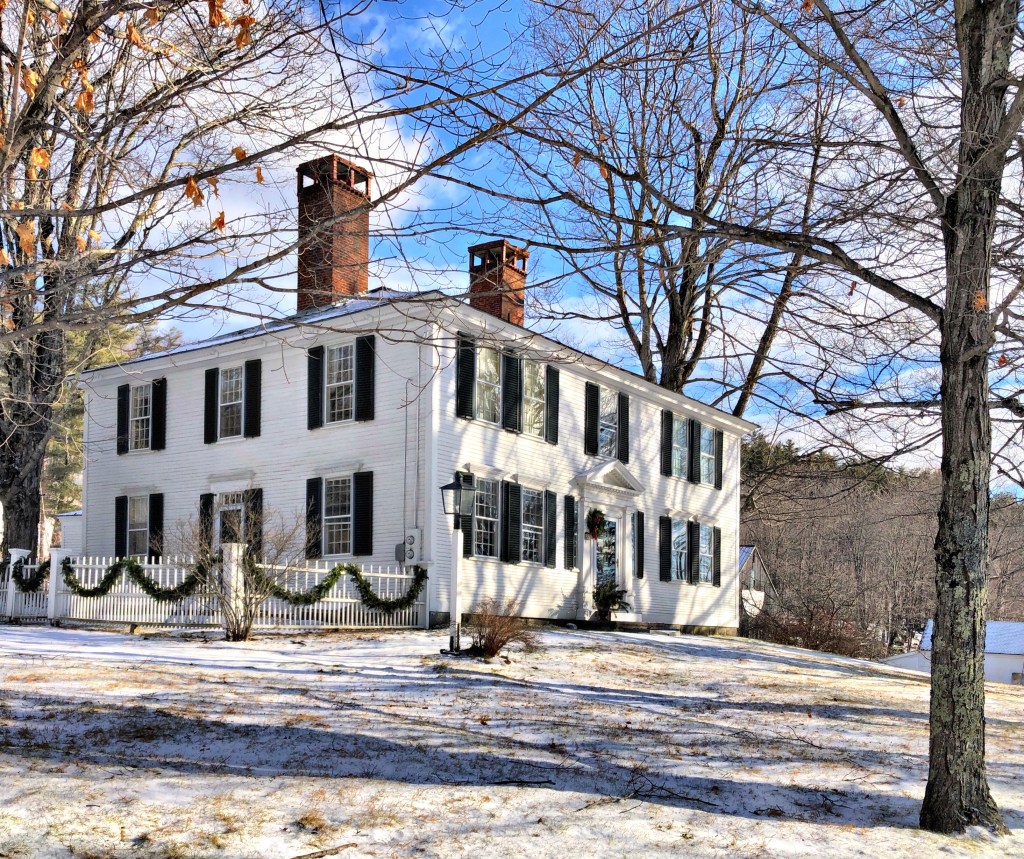
Located adjacent to the Washington Town Green, the Faxon House exemplifies the Georgian architectural style seen in small towns all over the region. The home was built in the early 1790s by a member of the Faxon family. By the early 19th century, the home was owned by Azariah Faxon a storekeeper and the schoolmaster at the District #1 School, which at that time was located between the Town Hall and the Congregational Church in the center of town before being replaced with a larger structure. In 1793, an eight-year-old Sylvanus Thayer moved up to Washington from his family home in Braintree, Massachusetts, to live with his uncle, attending school where he was a teacher. While there, impressionable Sylvanus met Benjamin Pierce, father of future President Franklin Pierce. Both General Pierce and Sylvanus’ Uncle Azaria, who had fought in the Revolutionary War, fed Sylvanus’ growing fascination with military matters, including the dazzling campaigns of Napoleon Bonaparte. Sylvanus later attended nearby Dartmouth College, and went on to become “the Father of West Point” as an early superintendent of the United States Military Academy at West Point and an early advocate of engineering education in the United States.

Samuel Jones House and Leg Grave // c.1800

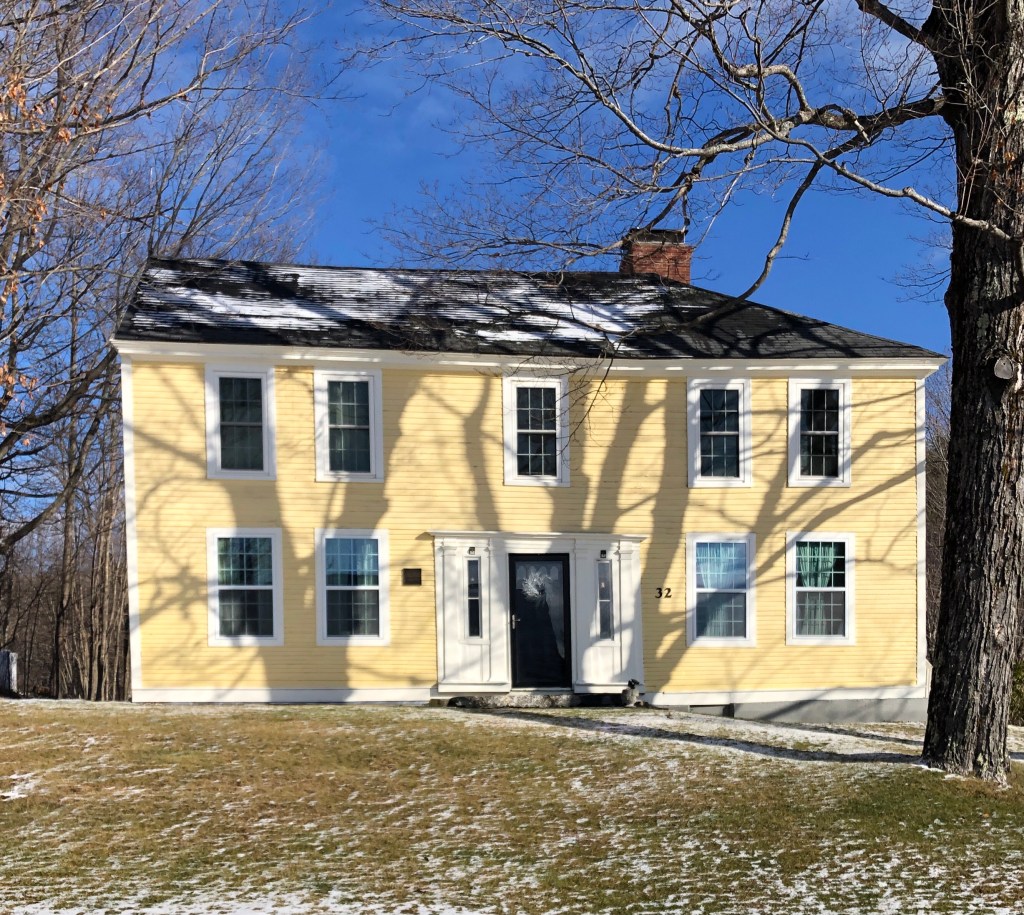
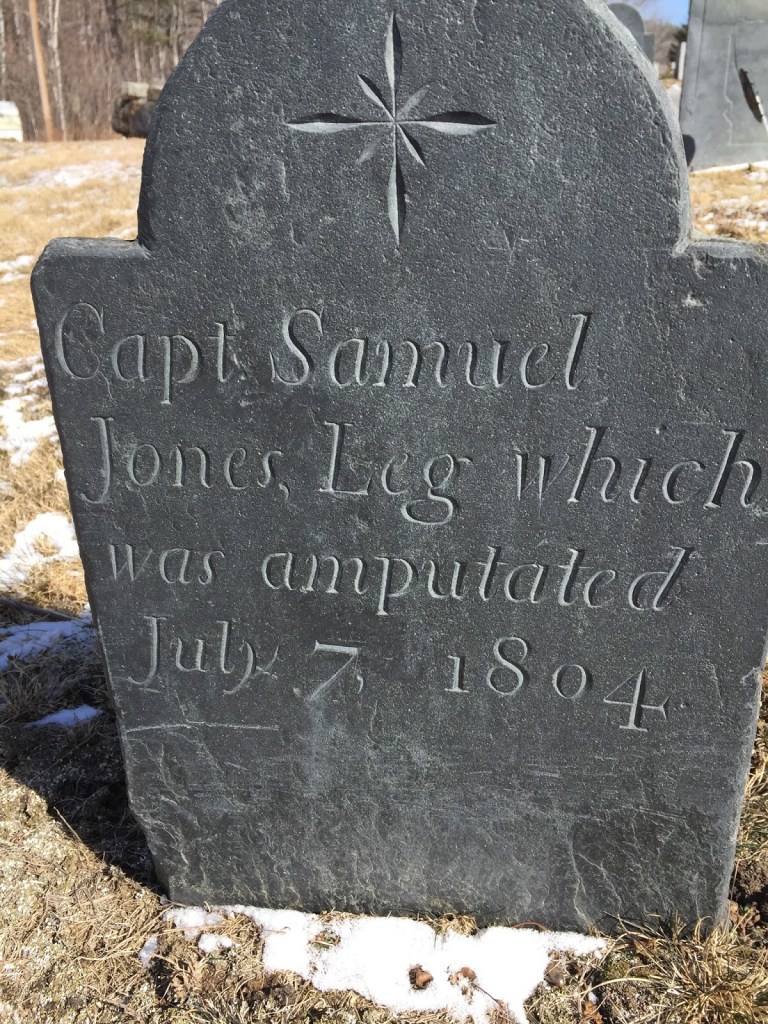
Samuel Jones Jr. was born in Hillsboro in 1777. His family was among the first to settle in that town in the 1770s. Jones married Deborah Bradford in 1799, and the couple soon settled in Washington, New Hampshire that next year. Samuel ran a tavern out of the new family house which was built around that time. When he was 27 years old, Jones was helping a friend hoist and move a building on logs, when his leg became was caught and crushed by the building. His friends brought him to his house where he laid on a table awaiting a doctor. This occurred in the days prior to knowledge of anesthesia so his friends and neighbors treated him with whisky or rum. When the leg was removed they decided it should have a “proper burial” so it still rests with its marker in the old cemetery in Washington. Samuel survived the amputation and later moved to Boston, where he worked at the Customs House and later moved to New York where the rest of his body was buried upon his death in 1851.

East Washington Baptist Church // 1877

Residents in the eastern portion of the rural town of Washington, NH found it very inconvenient to attend church at the center of town. In 1800, a group of residents on the east side of town banded together to create a new congregation, building a church perched on a low hill soon by 1826. The church was used for decades until it burned in 1844, it was replaced a year later, but that burned as well. Undeterred, the small congregation had yet another church built in 1877. The church remains in great condition, and is still active.

Shedd Free Library // 1881

Aren’t tiny old libraries just the best?!

Located in Washington, NH, the Shedd Free Library is the only Victorian Gothic building in town, and packs a punch for its small size. The library was named for Sarah Shedd, a Washington teacher and poet who went to work in the cotton mills of Lowell, Massachusetts to support her family and educate her siblings. When she died in 1867 she bequeathed $2,500 to her hometown to establish a free public library, an amazing gift! The gift did not appear to be enough as nothing was built until 1881, after Boston architect S. S. Woodcock was selected by Luman T. Jefts, a wealthy shoe manufacturer in Massachusetts, to design the library after a gift to his hometown.

Washington Congregational Church // 1840

Located adjacent to the Washington Meeting House and Central Schoolhouse on the Washington, New Hampshire Town Green, the Washington Congregational Church perfectly compliments the collection of vernacular buildings here to create a very cohesive, three-building historic district. The church is dominated by a Gothic-inspired two stage square tower adorned by pointed pinnacles and crenellation. The building, constructed in 1840, is a great example of a Gothic Revival vernacular church building in rural New Hampshire and has been well-maintained over the years. In 1960, a fire in the church resulted in several thousand dollars worth of damage. A full basement was built under the church in 1985 to provide space for Sunday School classes and events. The simple arched sanctuary has remained in keeping with the original interior design, and features wide board wainscoting and wooden pews, taken from the old Meeting House.

Old Brick Store // c.1810

While many buildings around the Town Green in Washington, NH are wood-frame construction, some brick buildings stand out. This brick building was constructed in the early 19th century, possibly as a single-family home. The building had commercial use after the Civil War, when Benjamin Muzzey ran a store out of the building with a business partner. After successive owners and uses, Pearl Young leased it around 1920. Pearl saw the use of automobiles growing and had gasoline pumps installed, turning the old brick store into a gas station. Pearl and Mary Young operated a successful a store and post office here for over 30 years before closing up shop. The brick building has since reverted back to a residence.